New
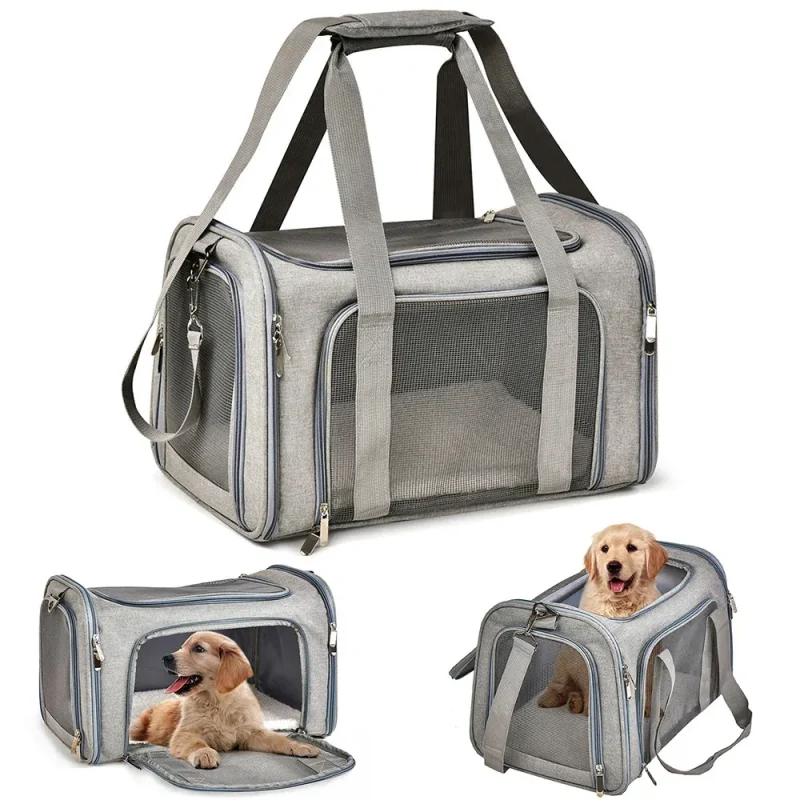
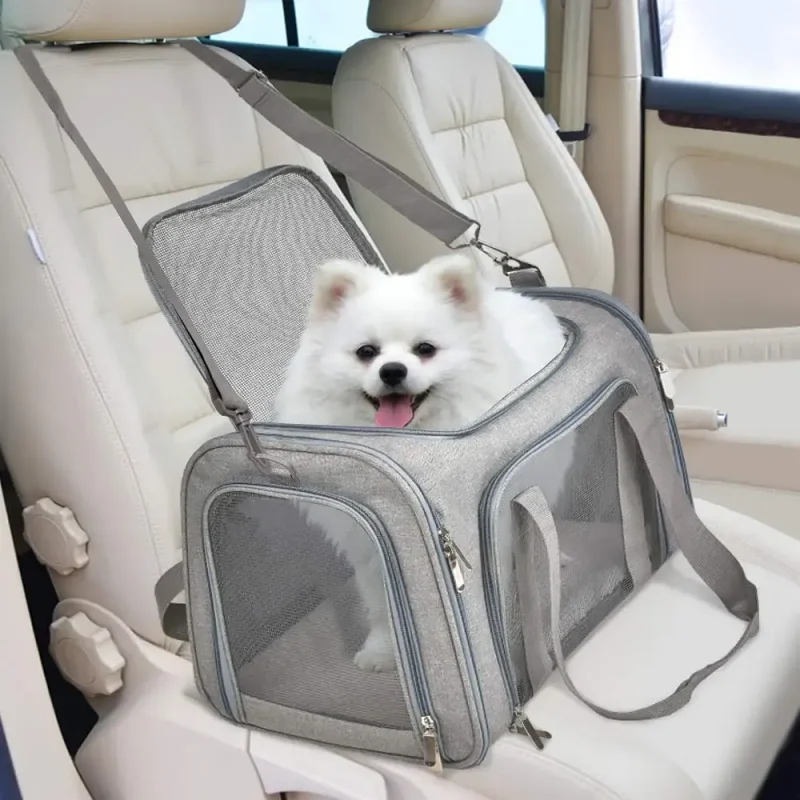
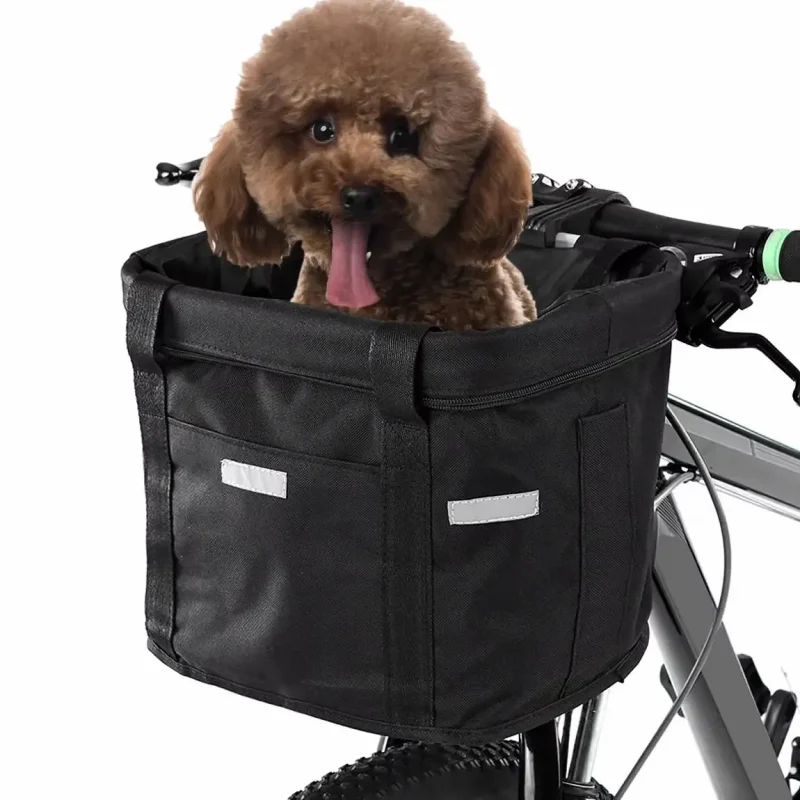
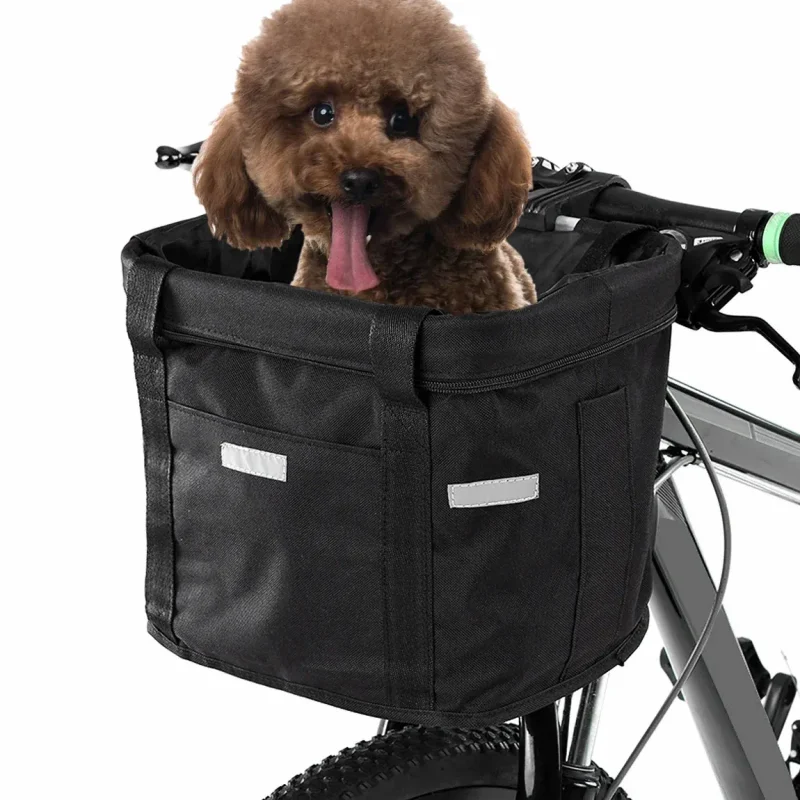
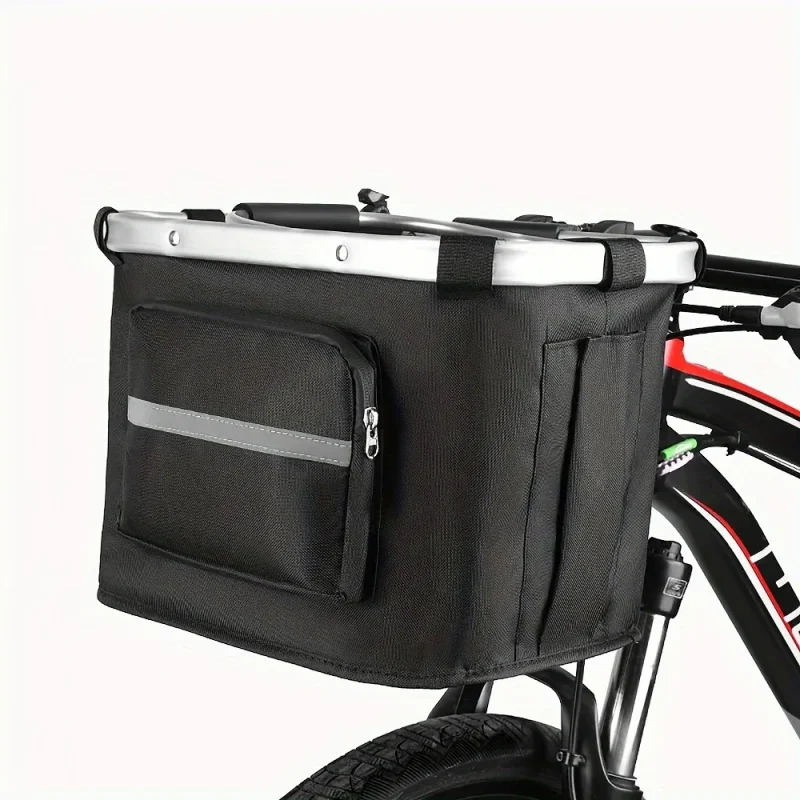
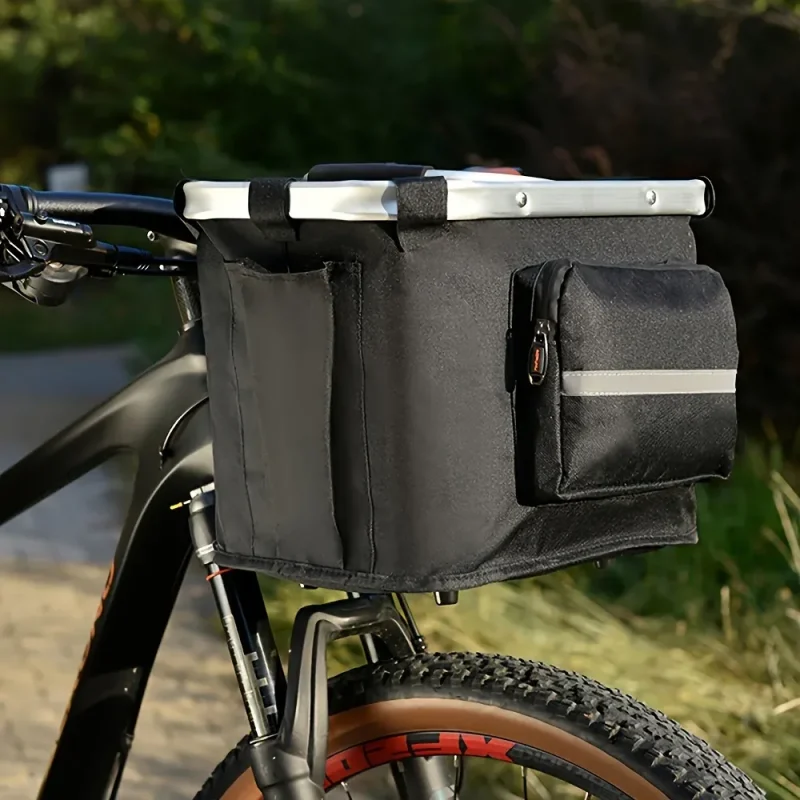
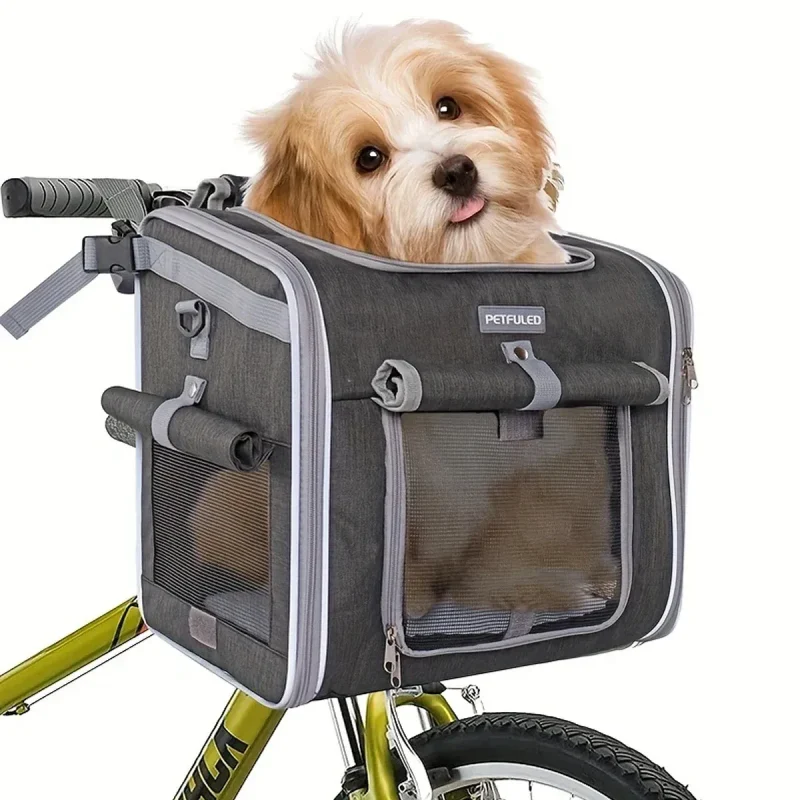
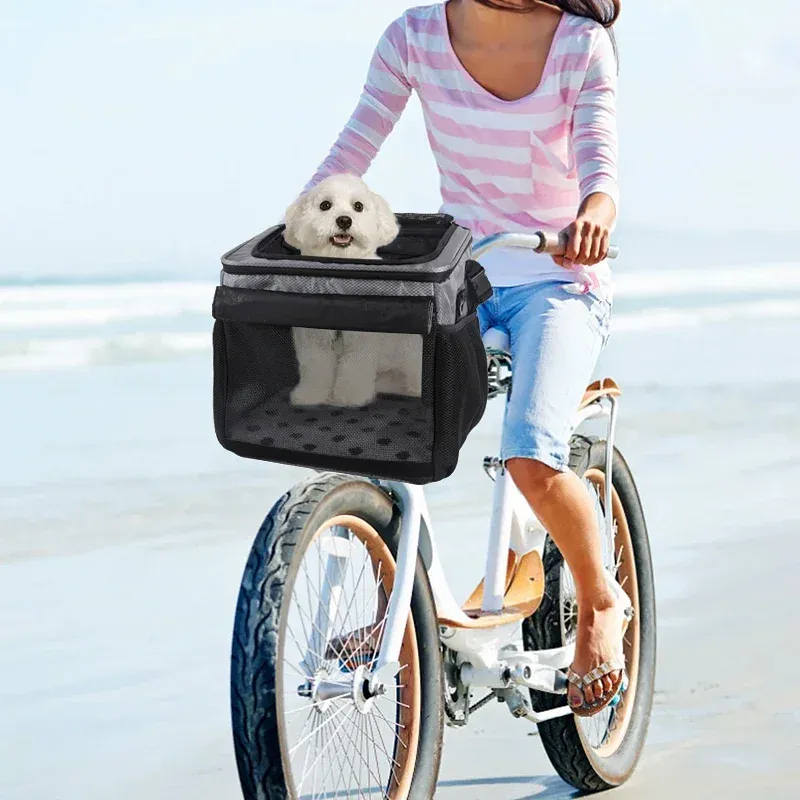
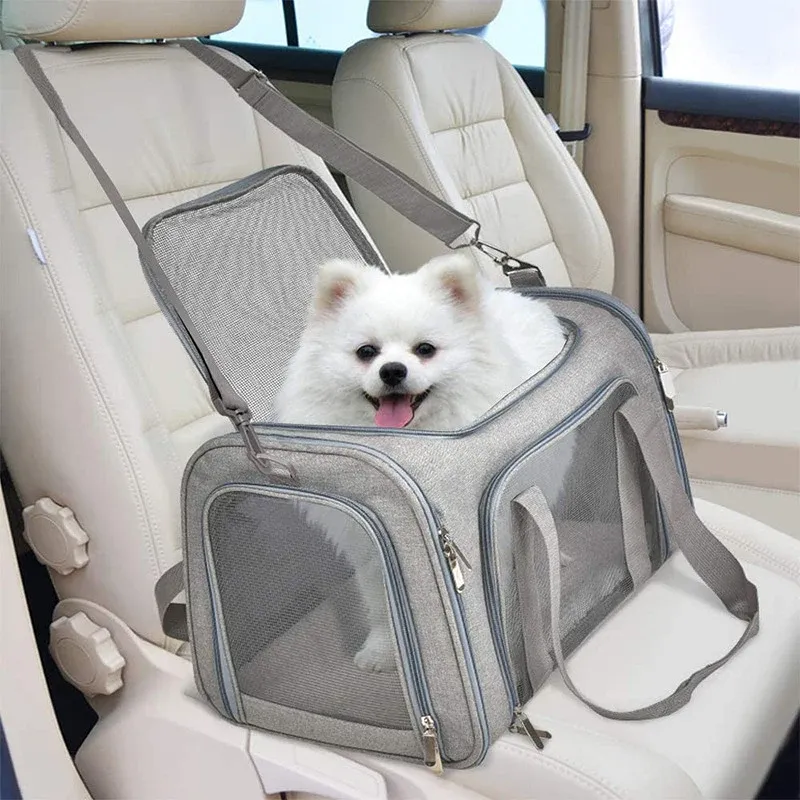
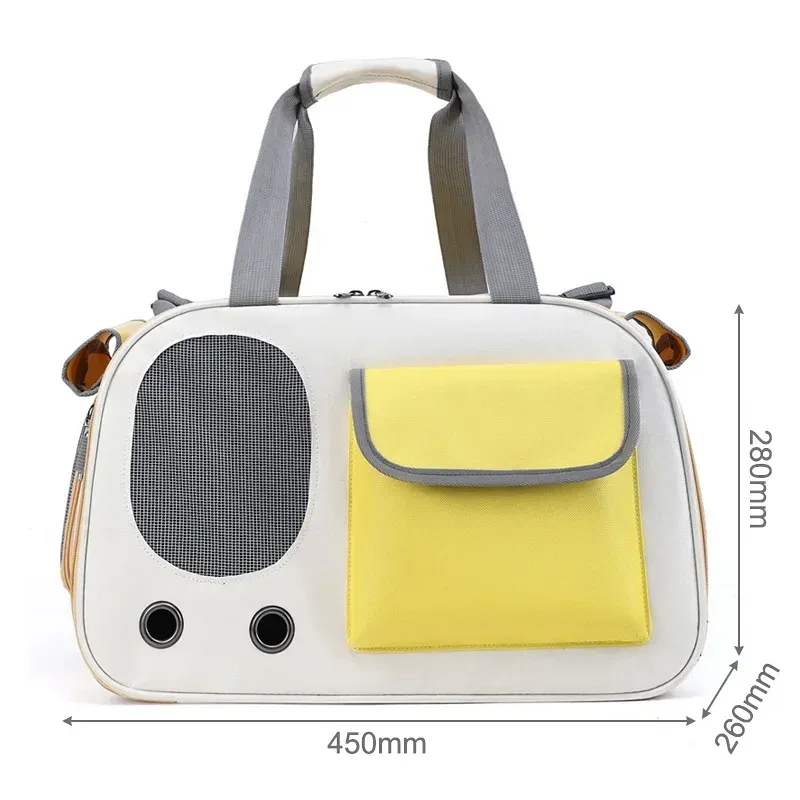
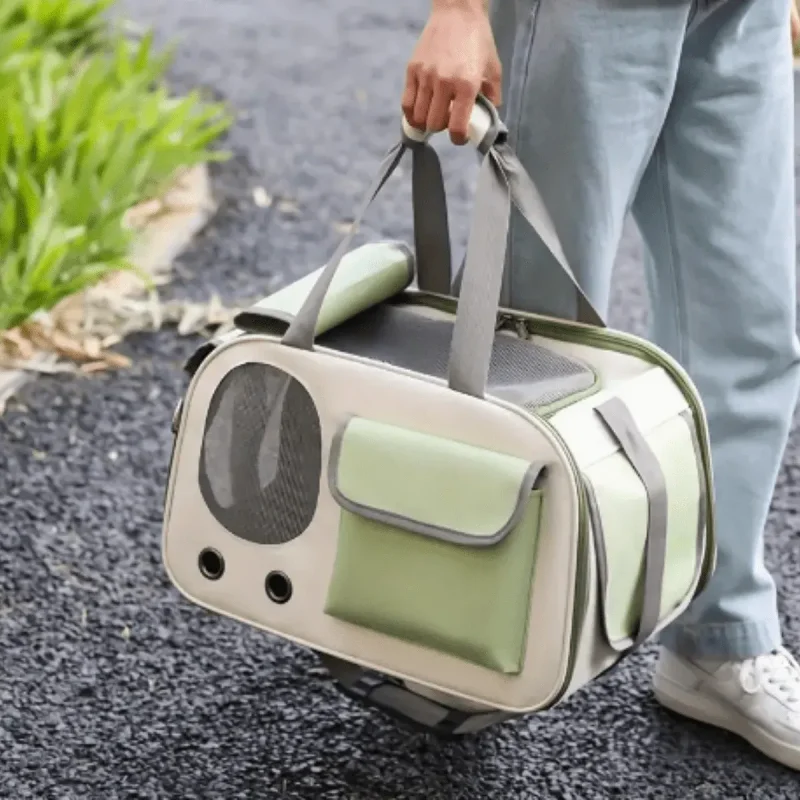
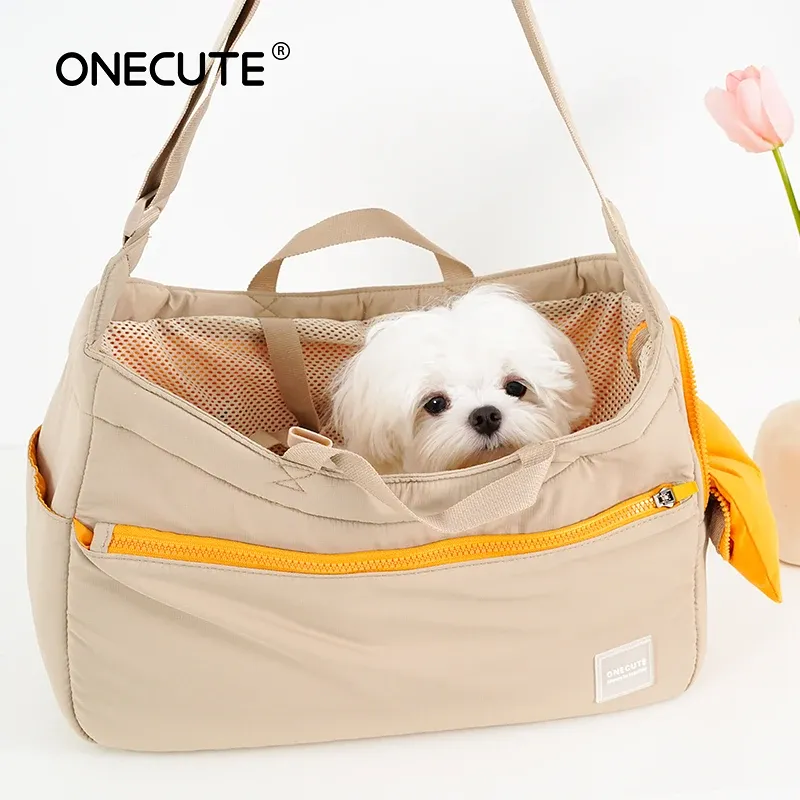
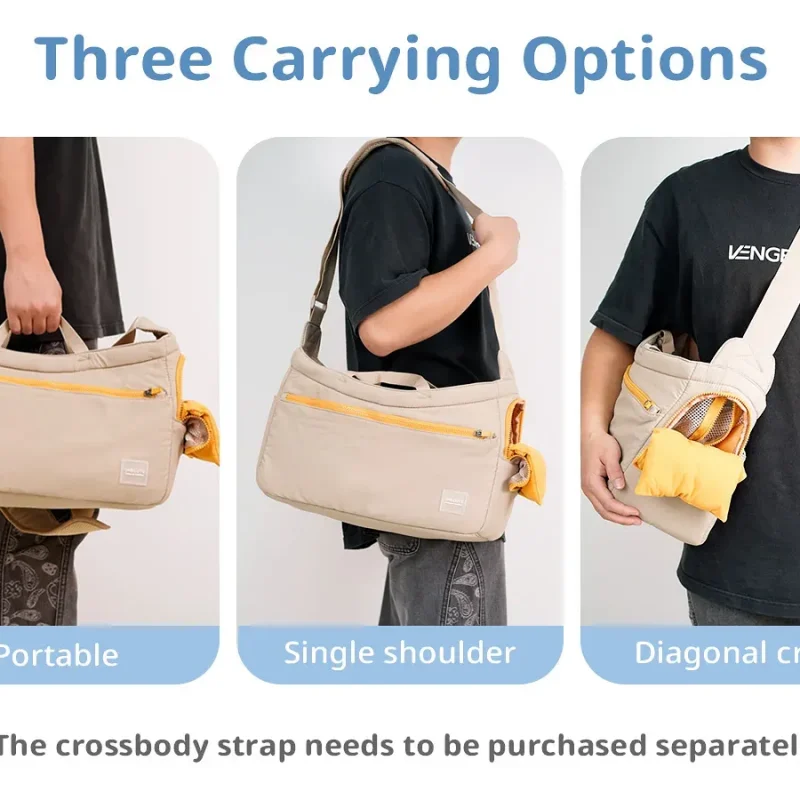
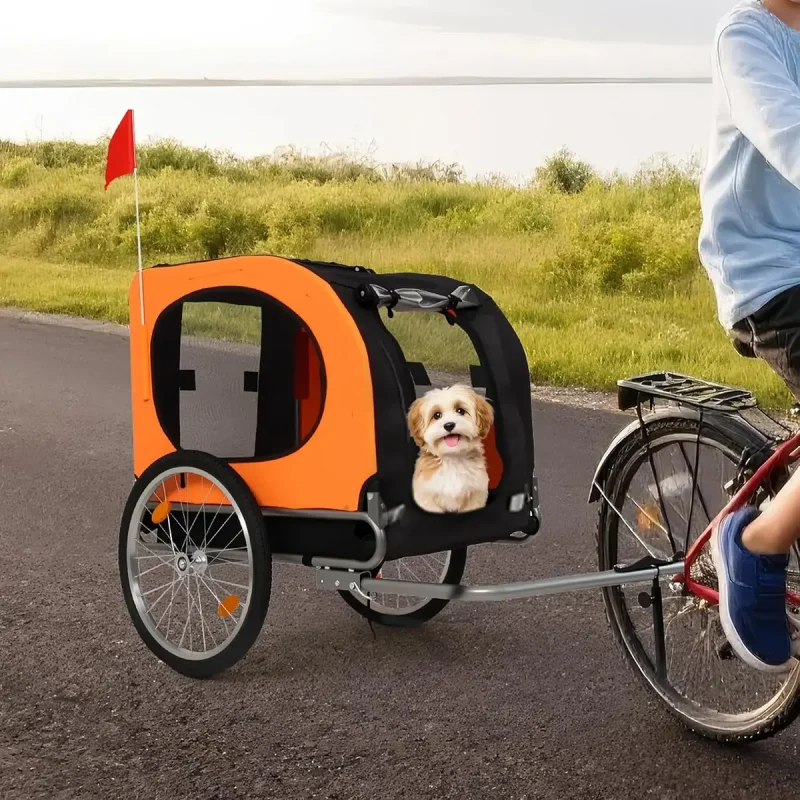
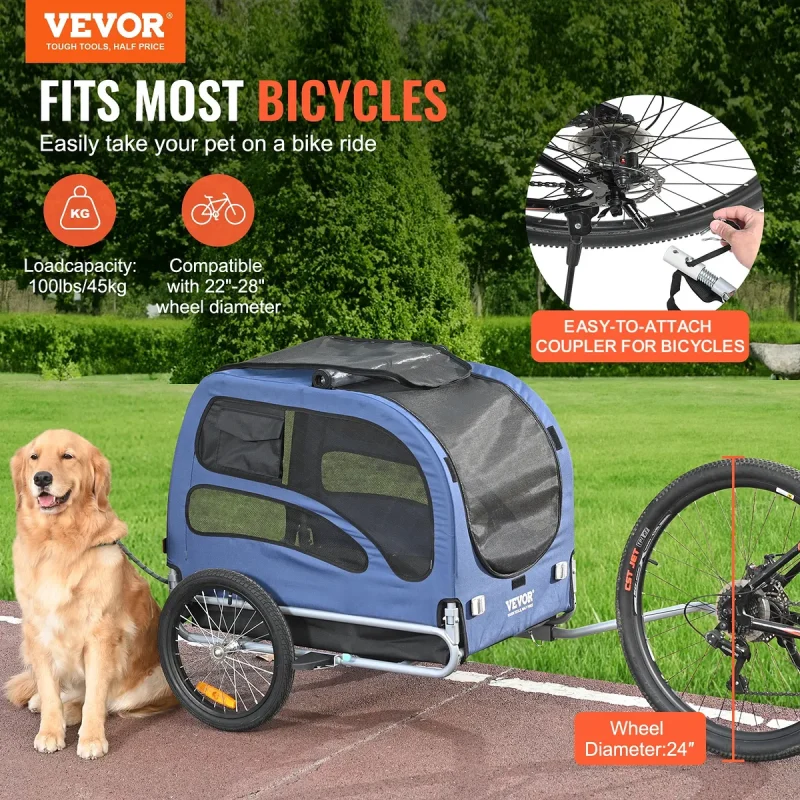
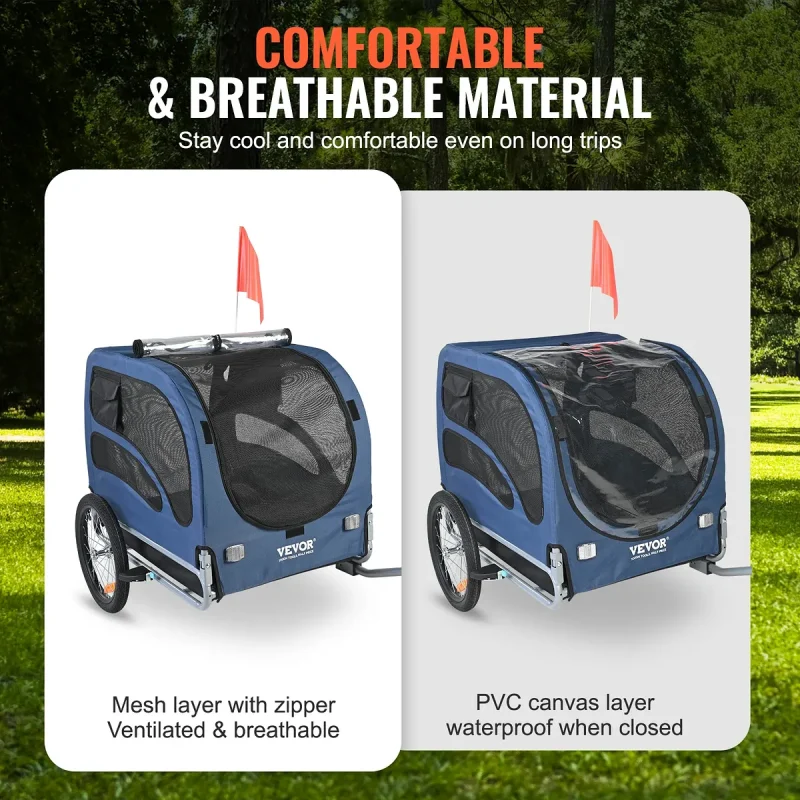
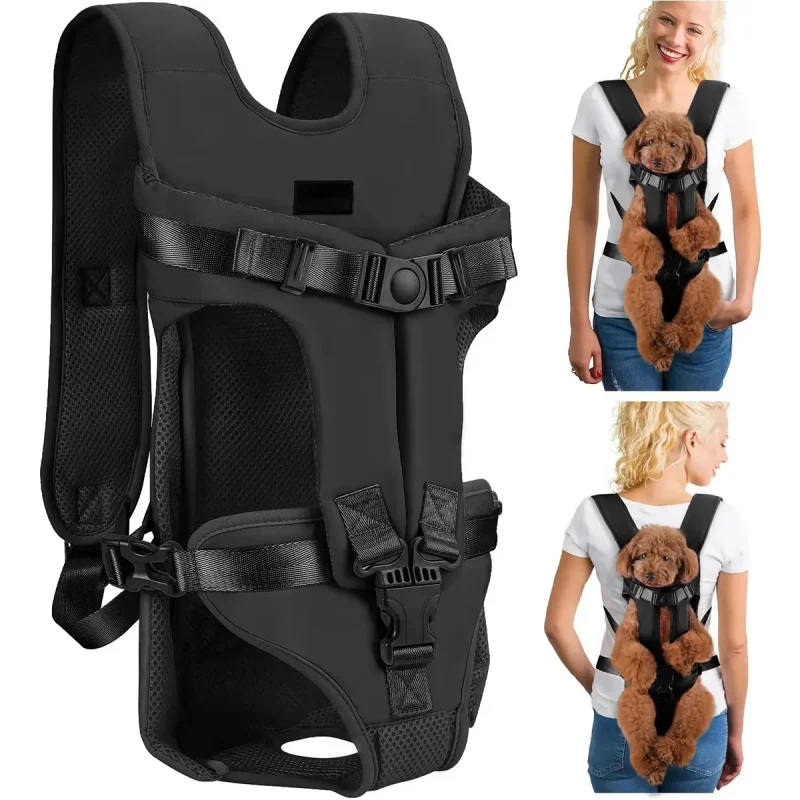
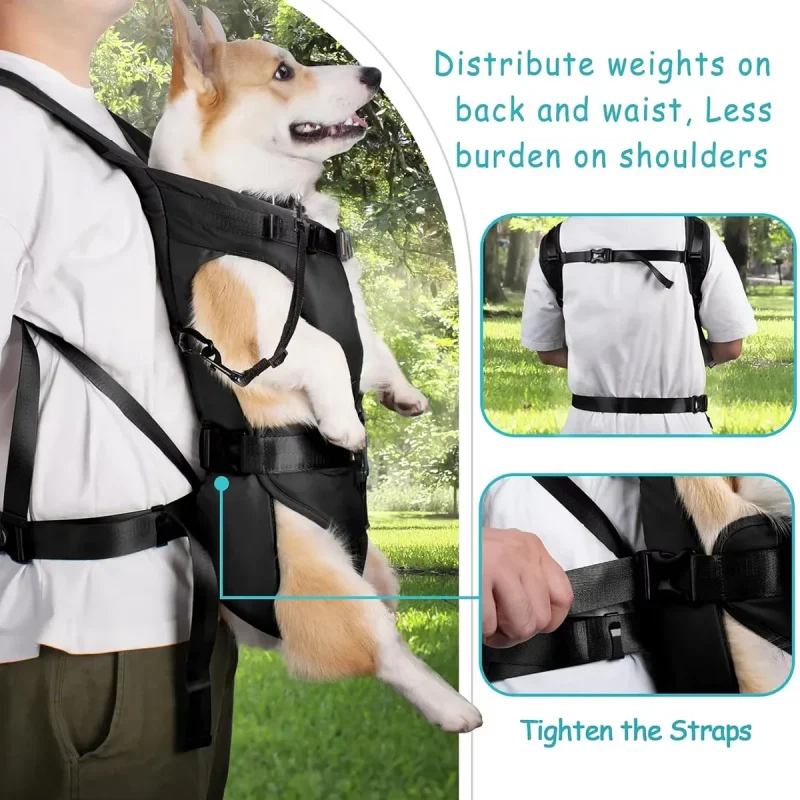
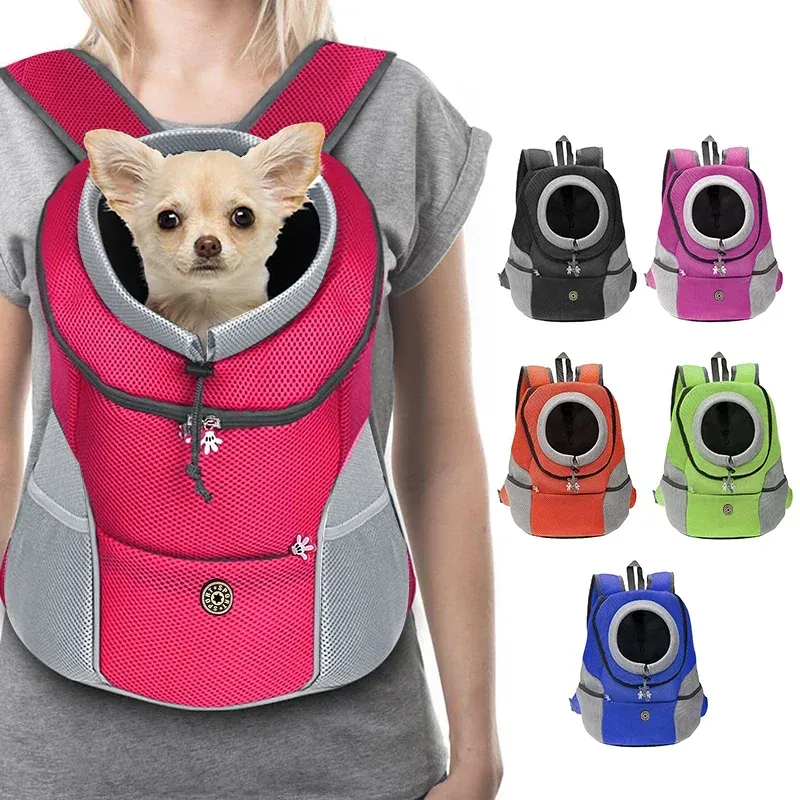
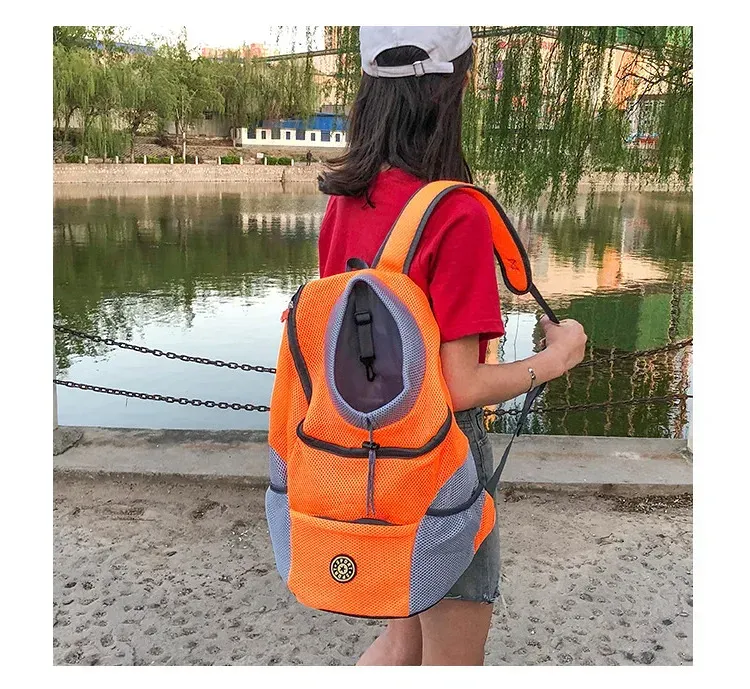
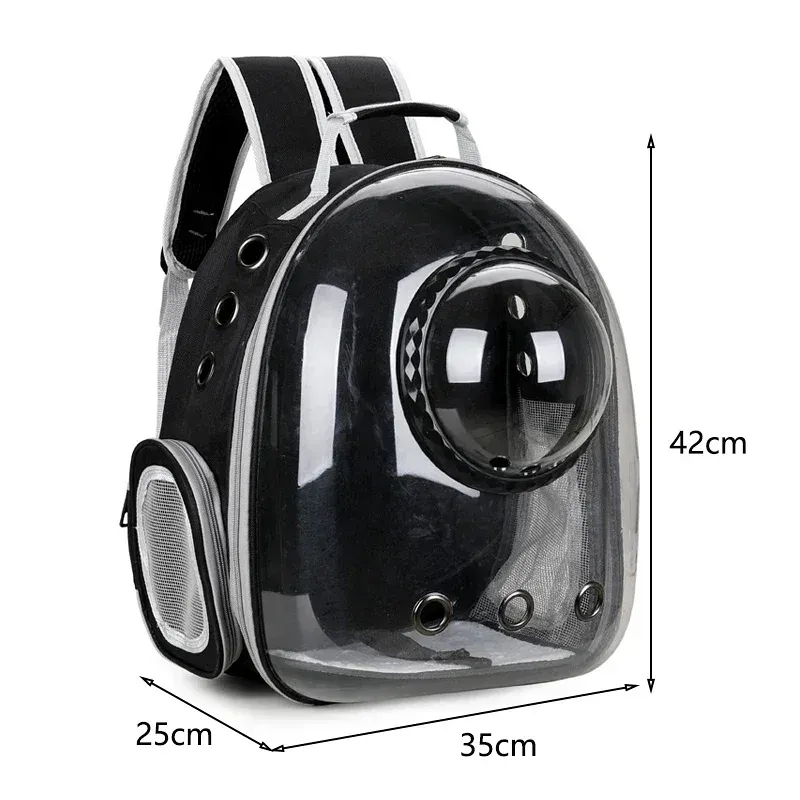
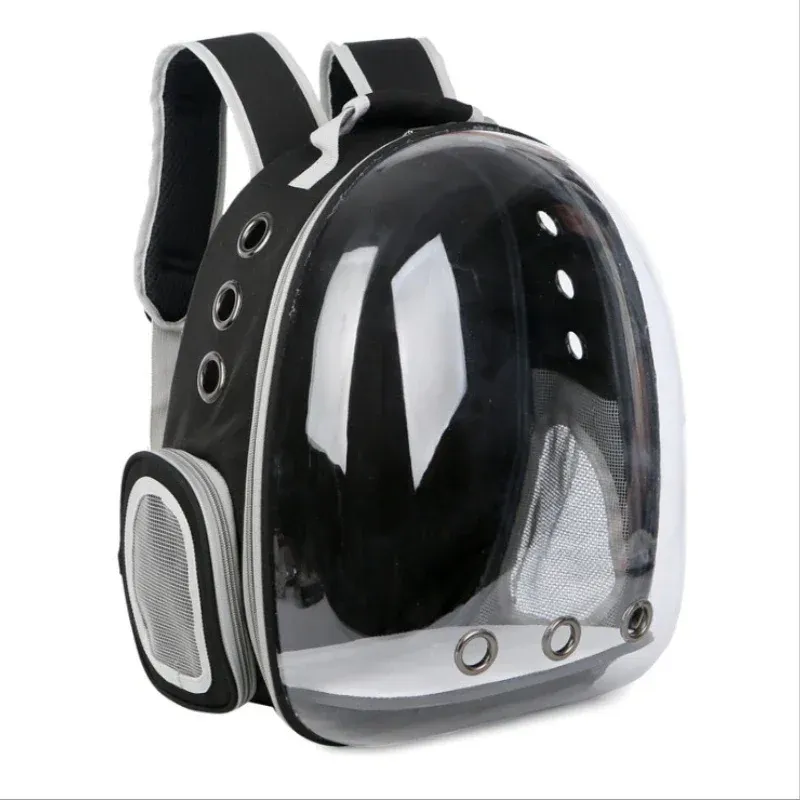
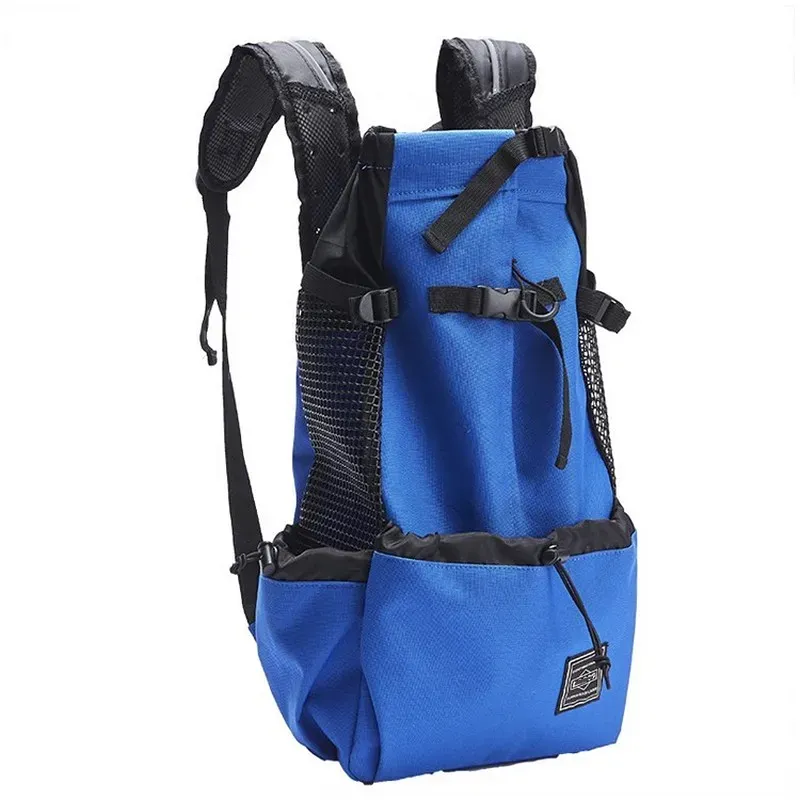
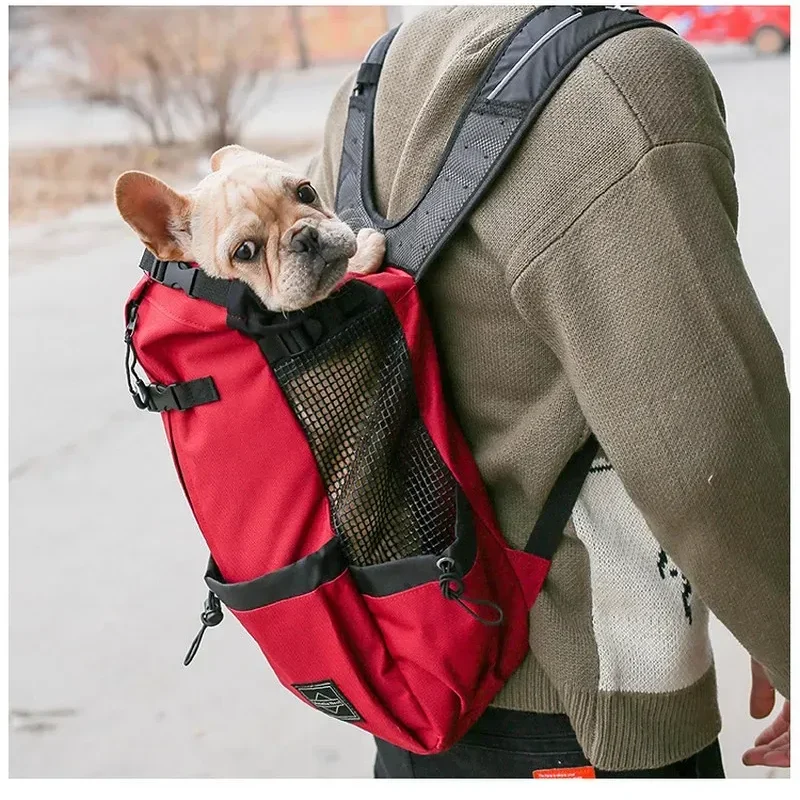
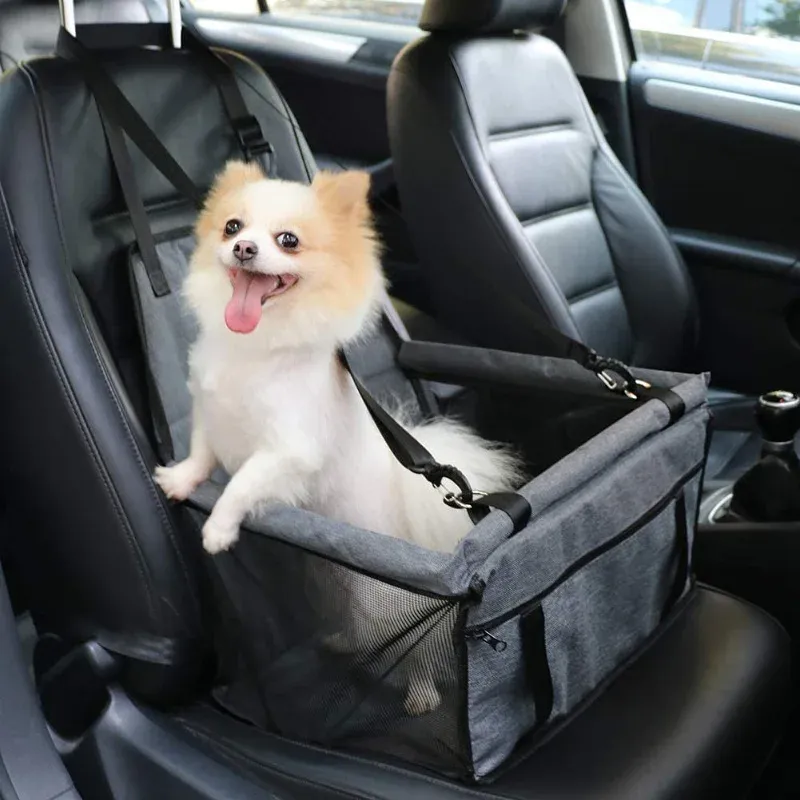
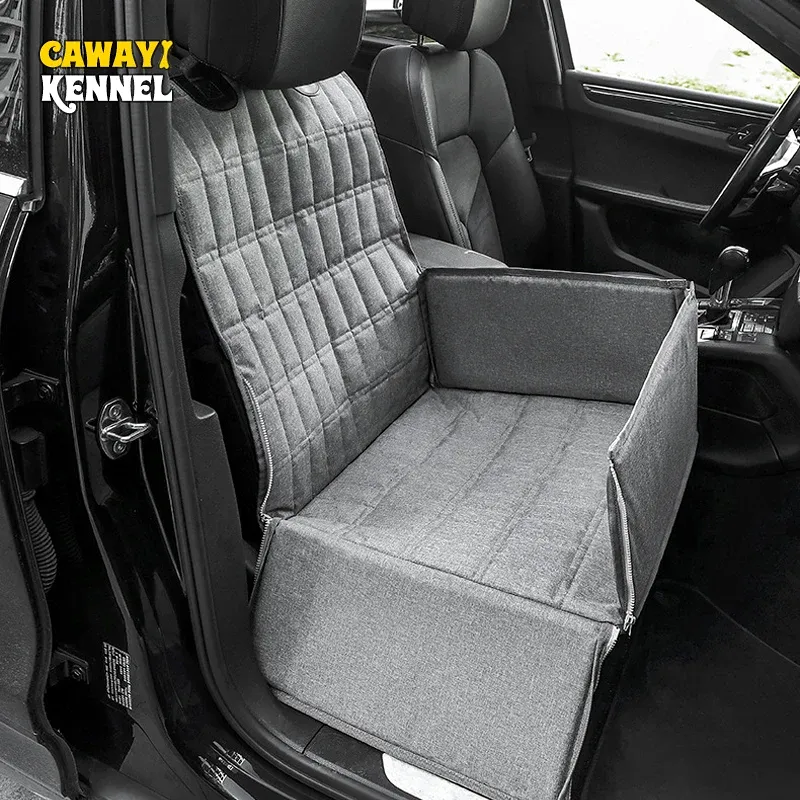
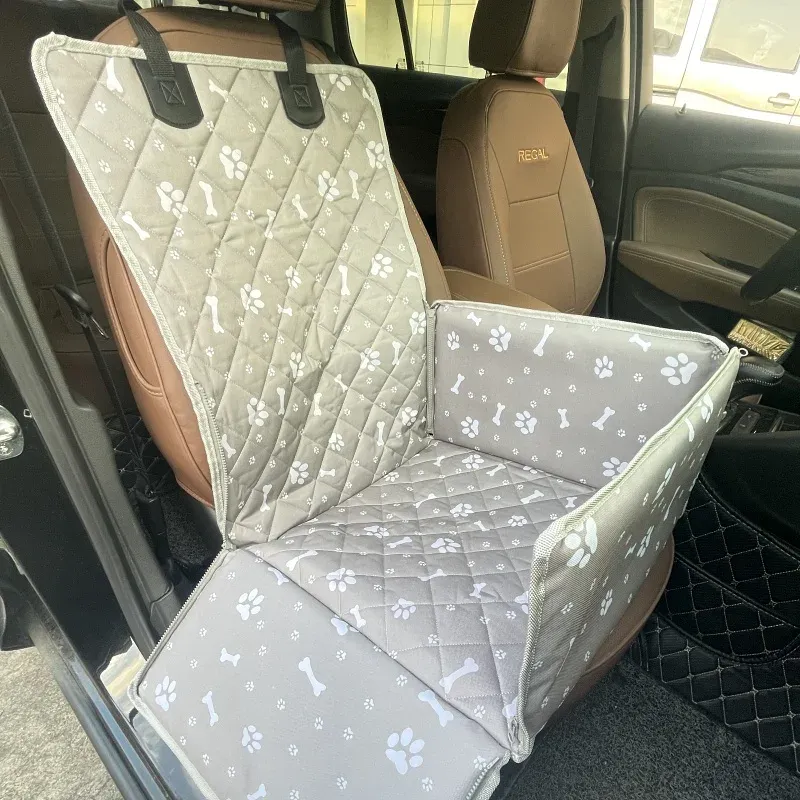
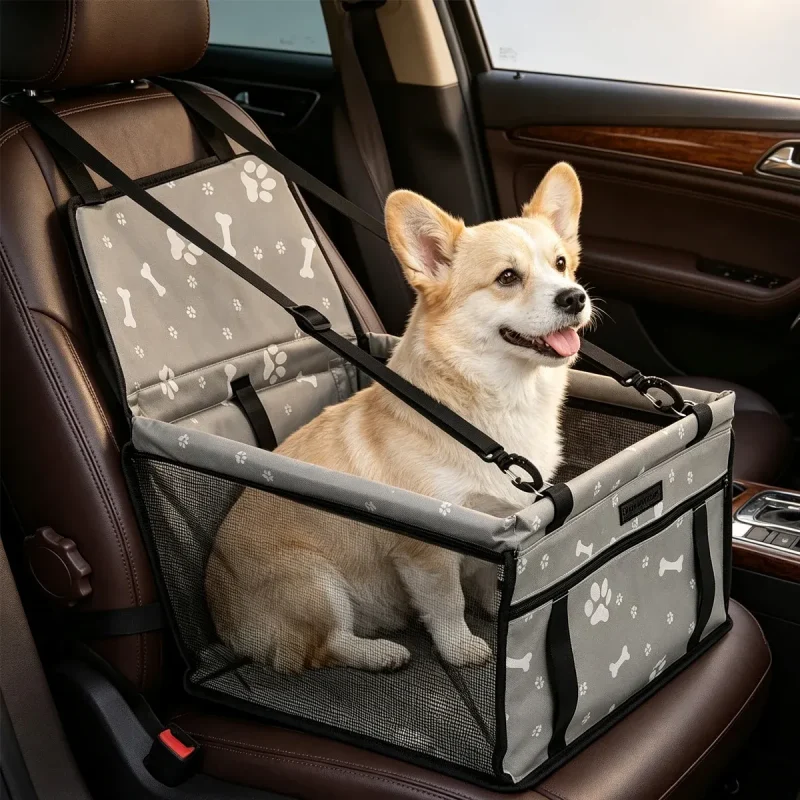
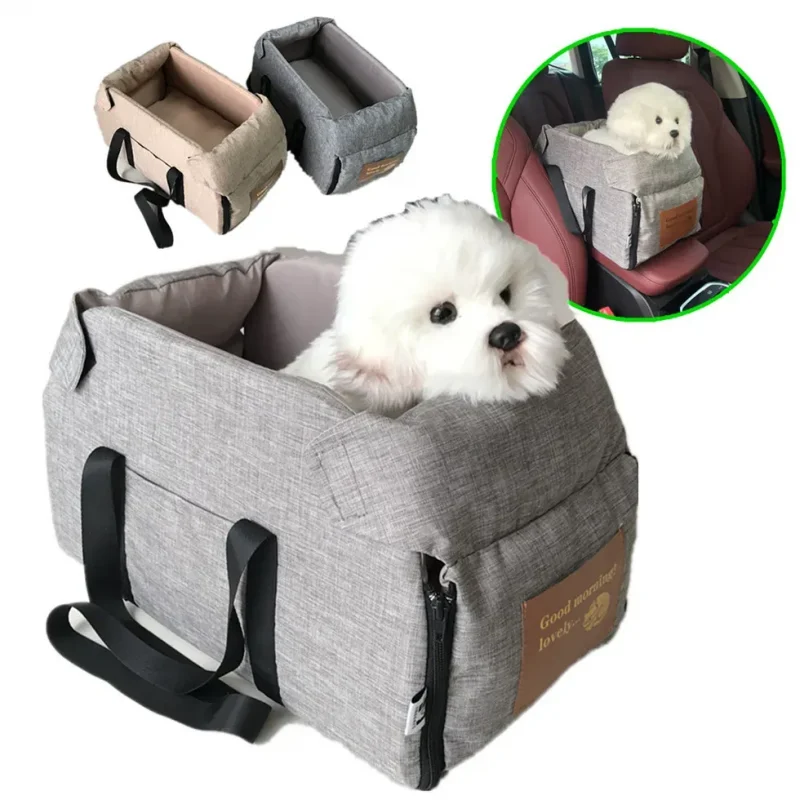
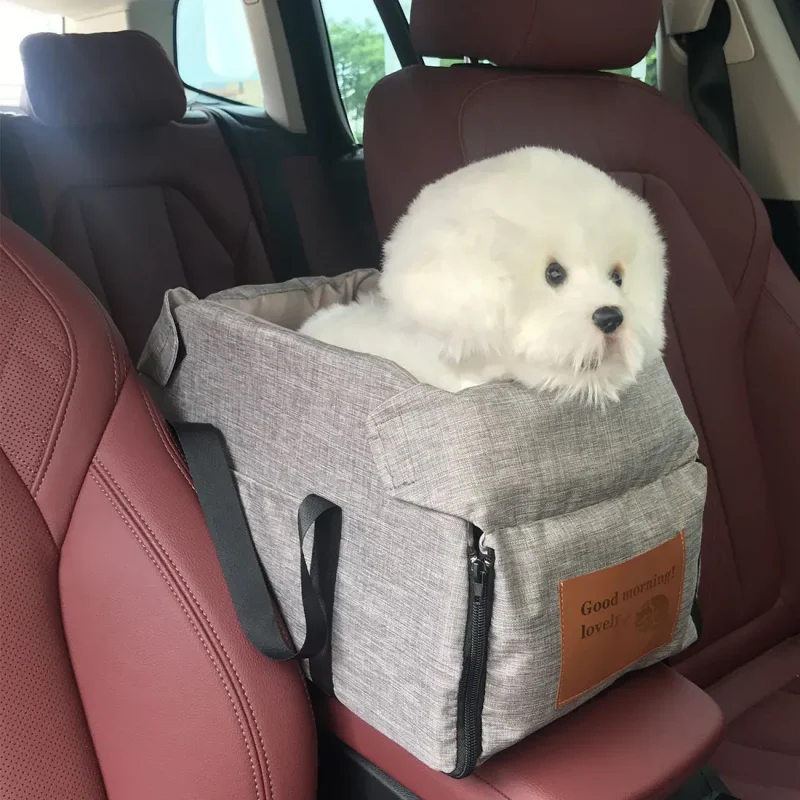
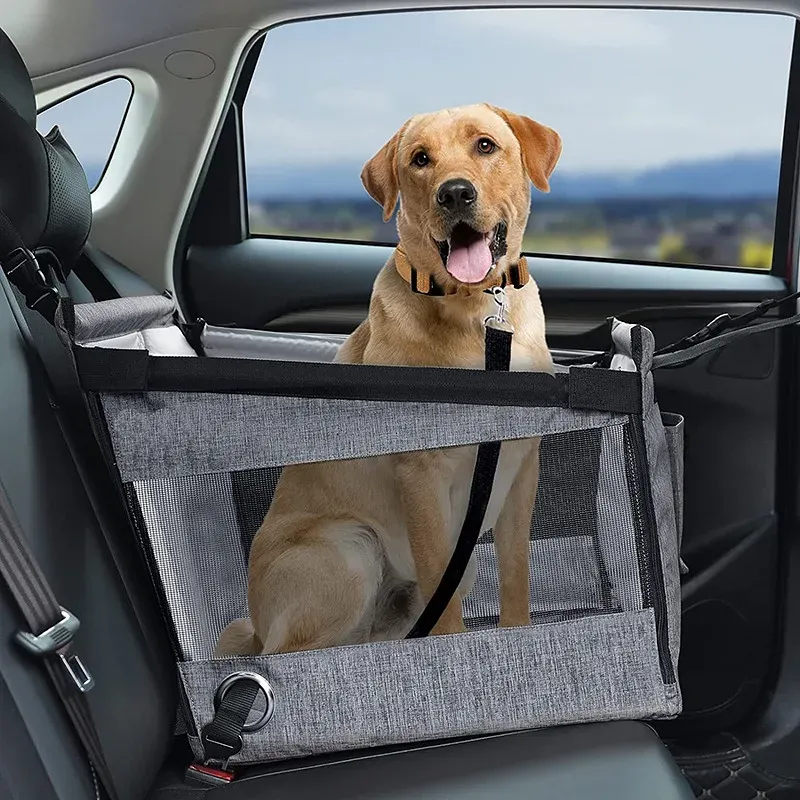
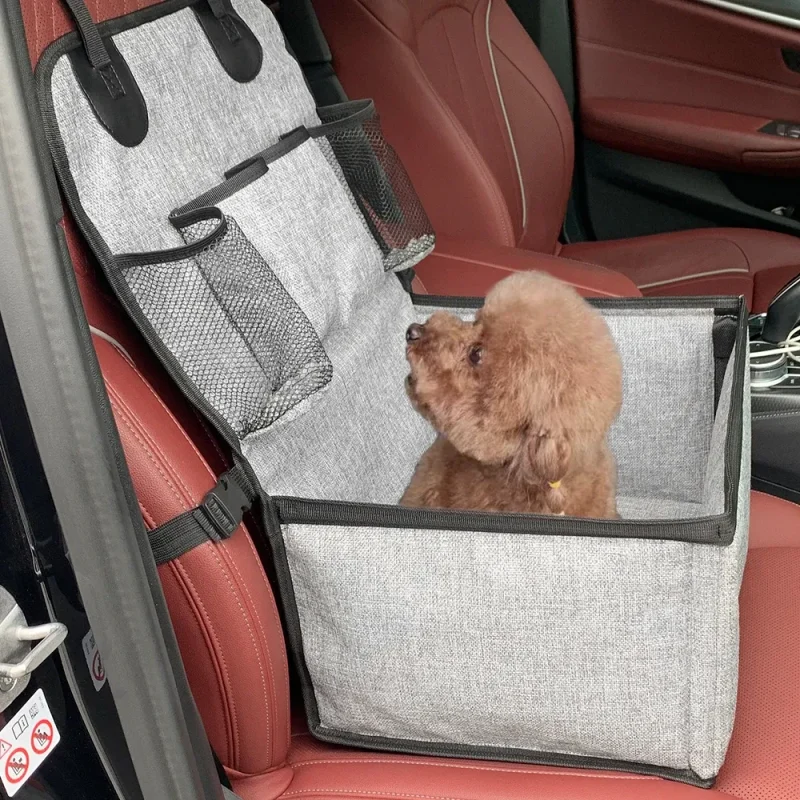
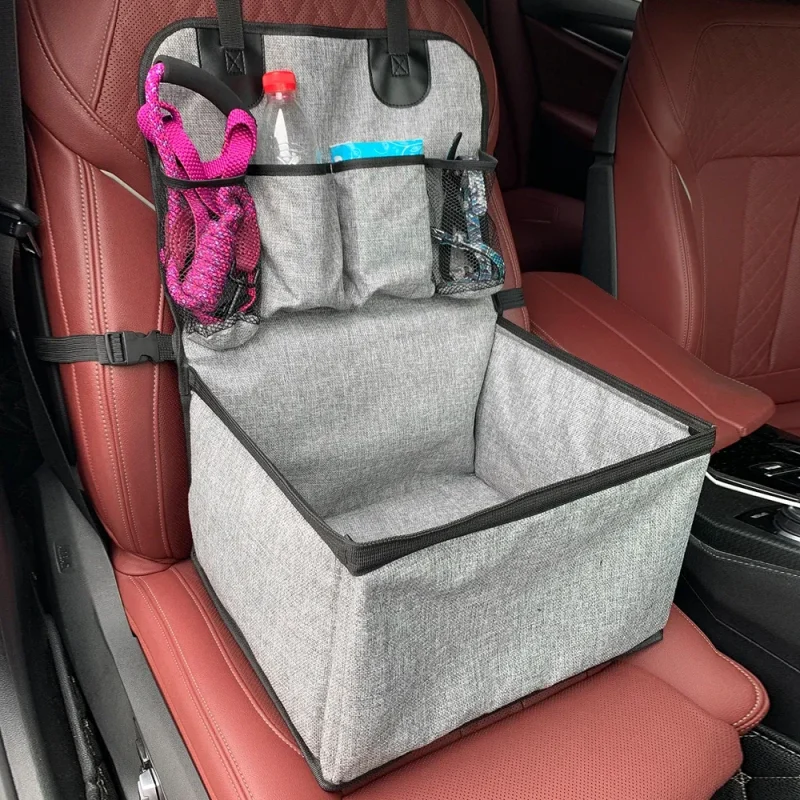
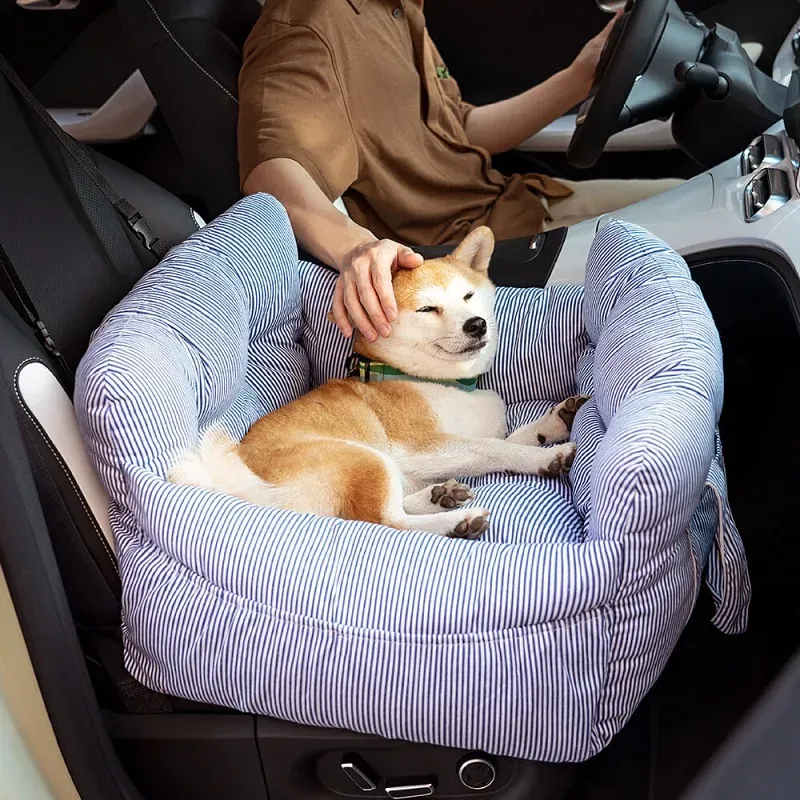
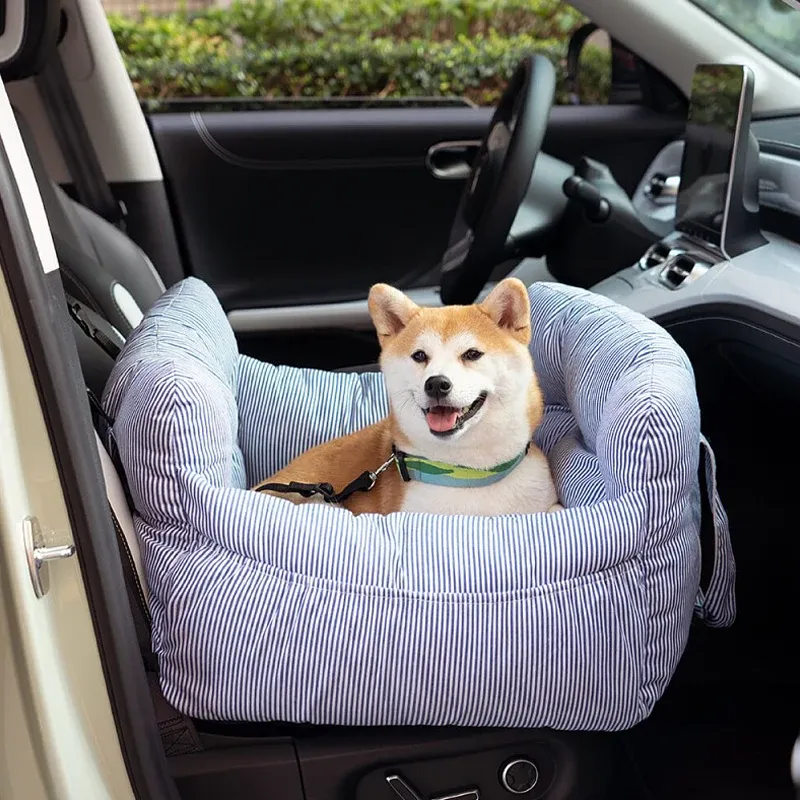
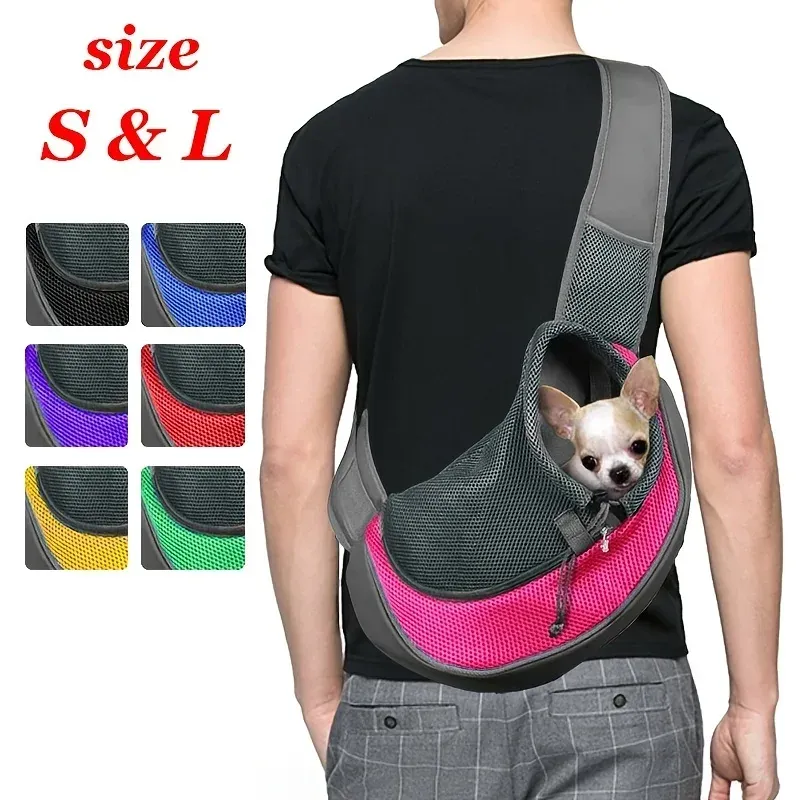
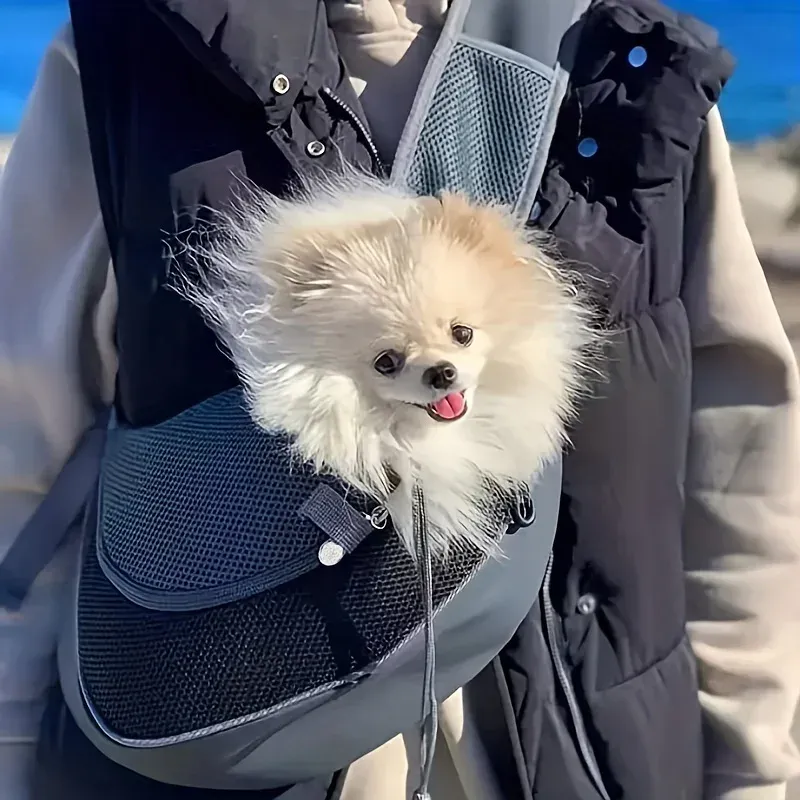
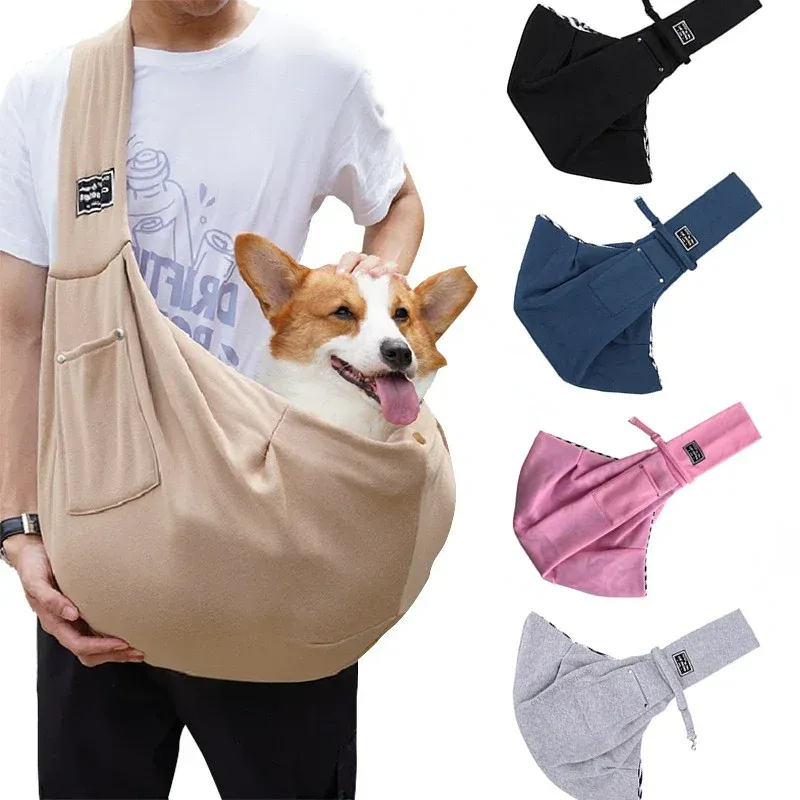
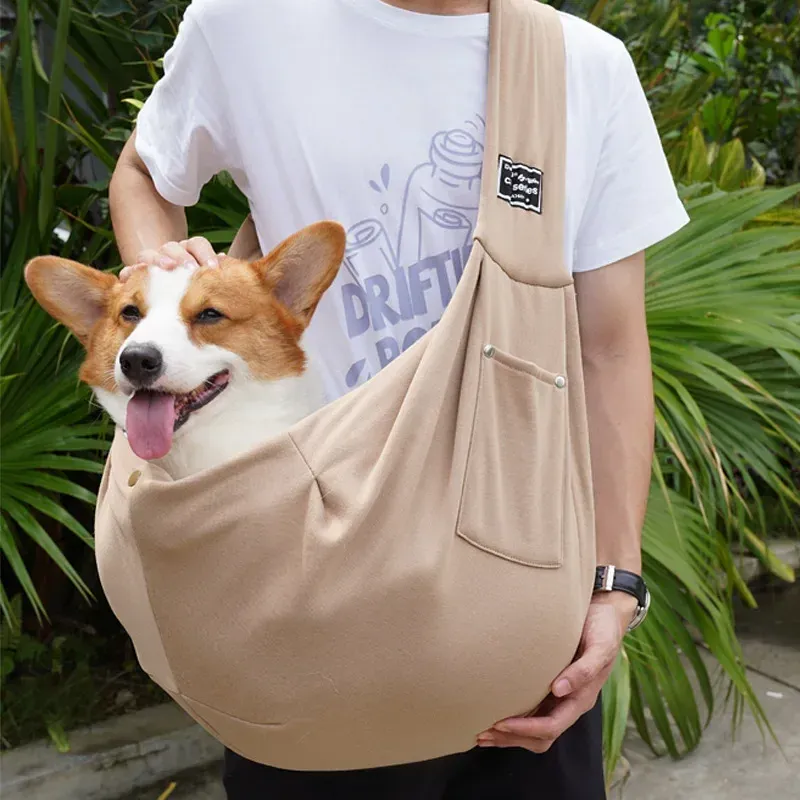
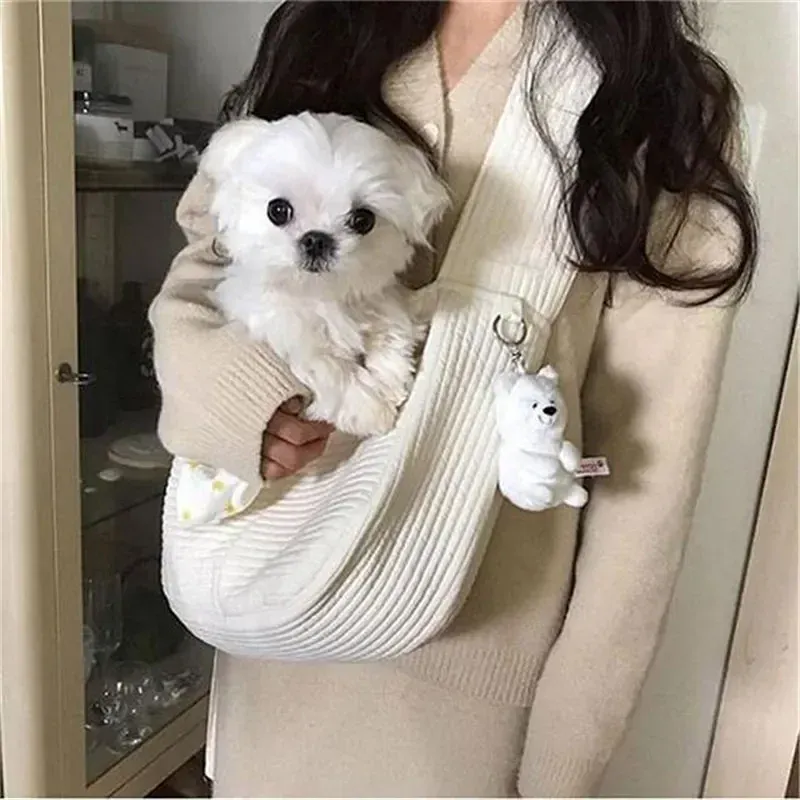
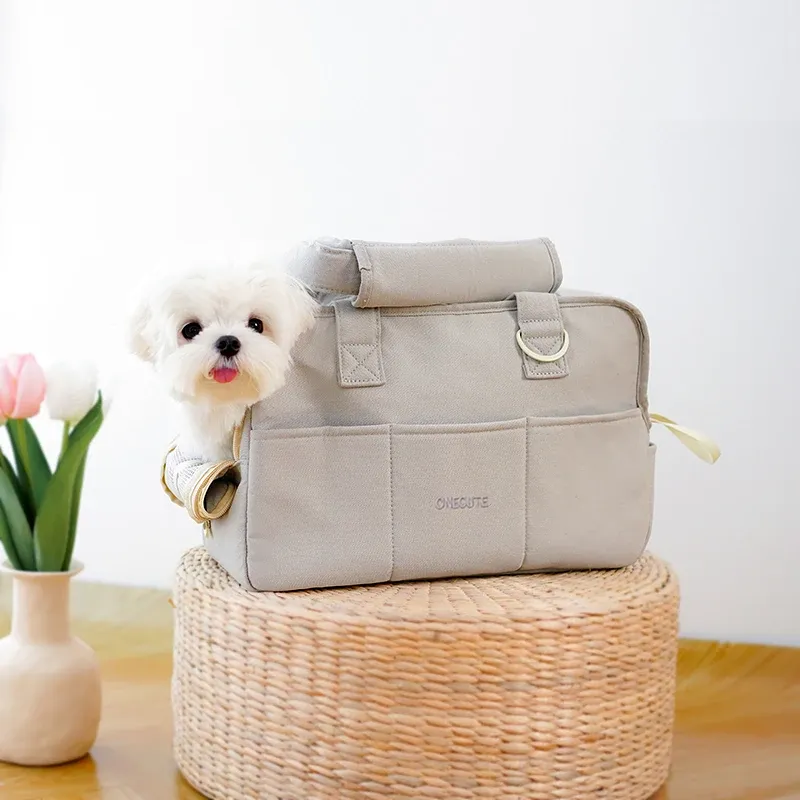
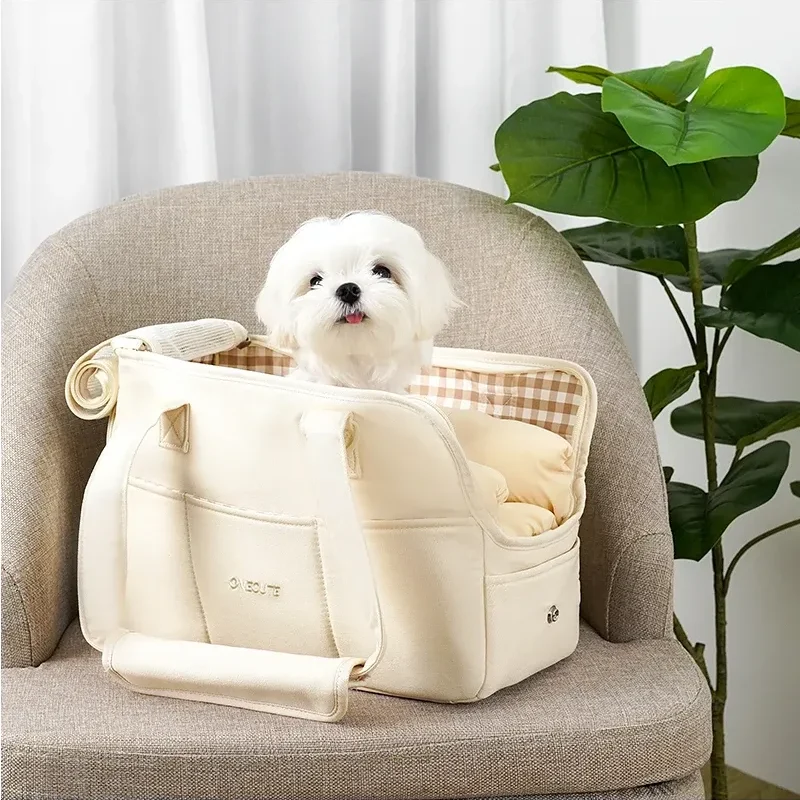
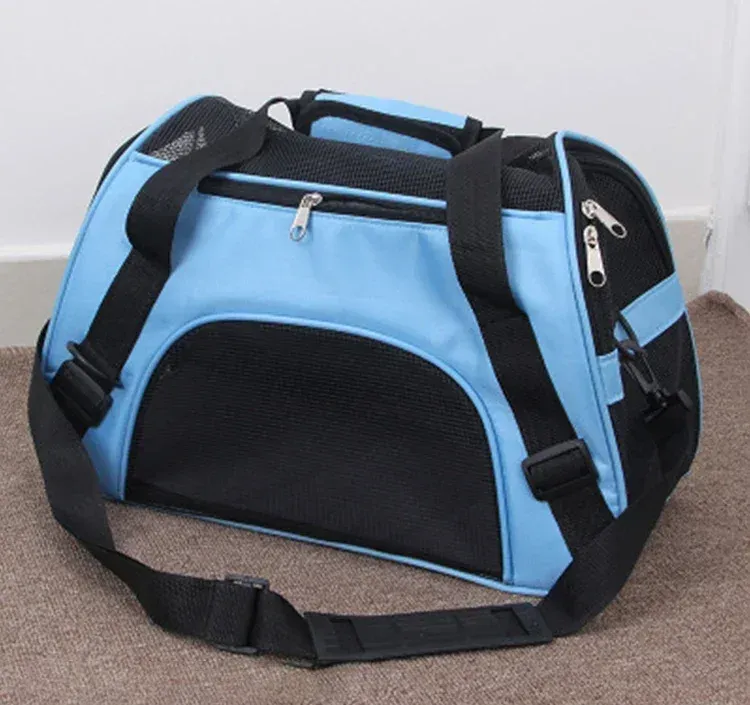
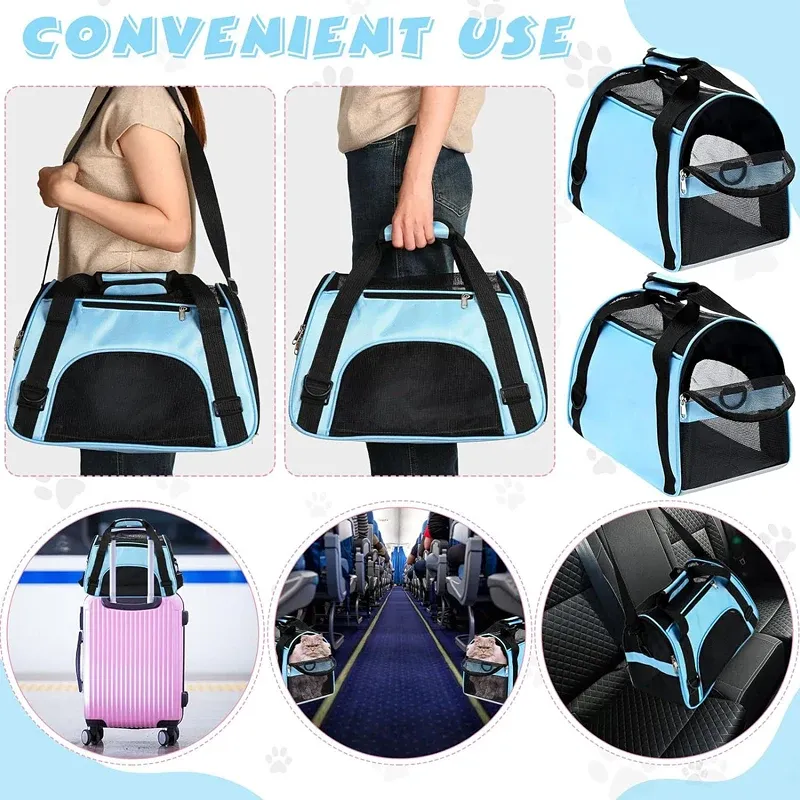
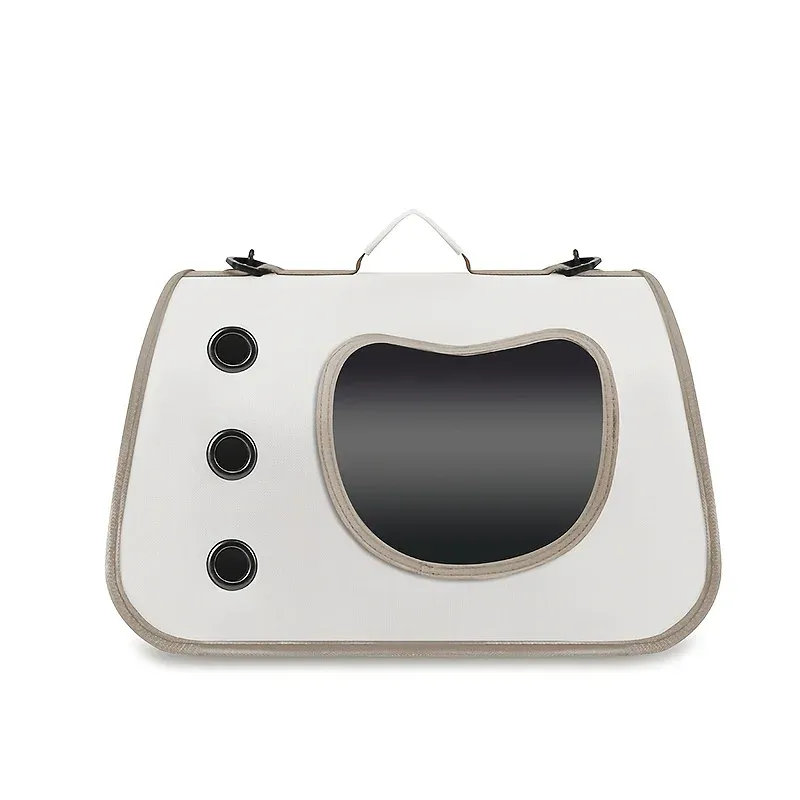
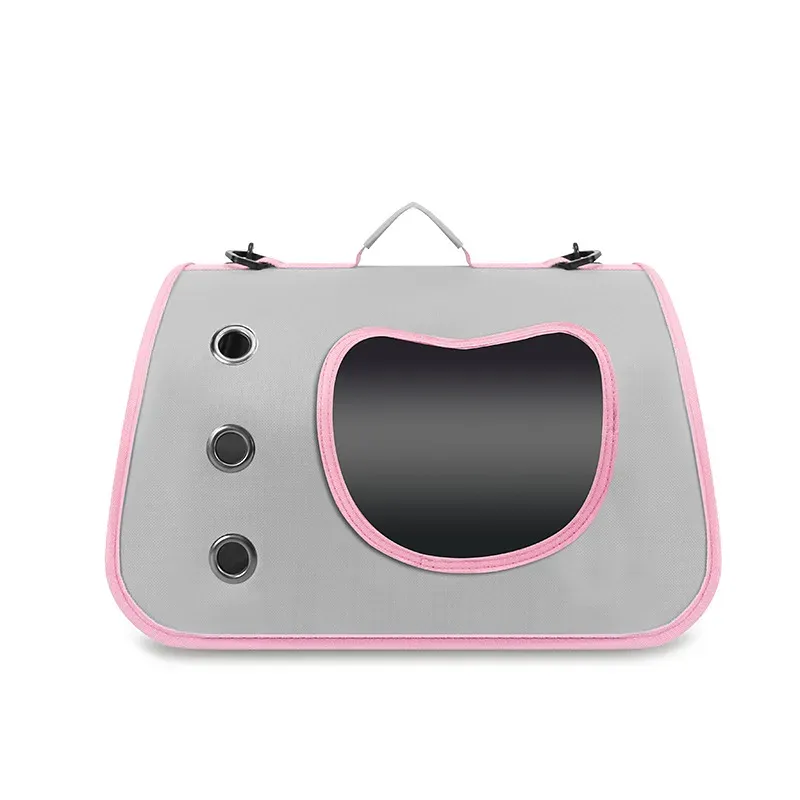
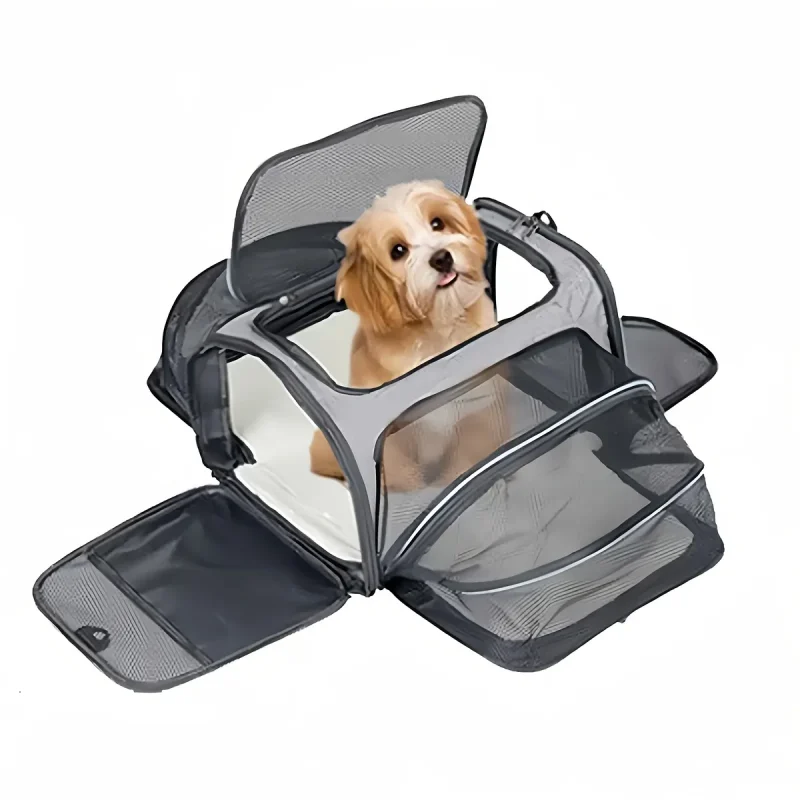
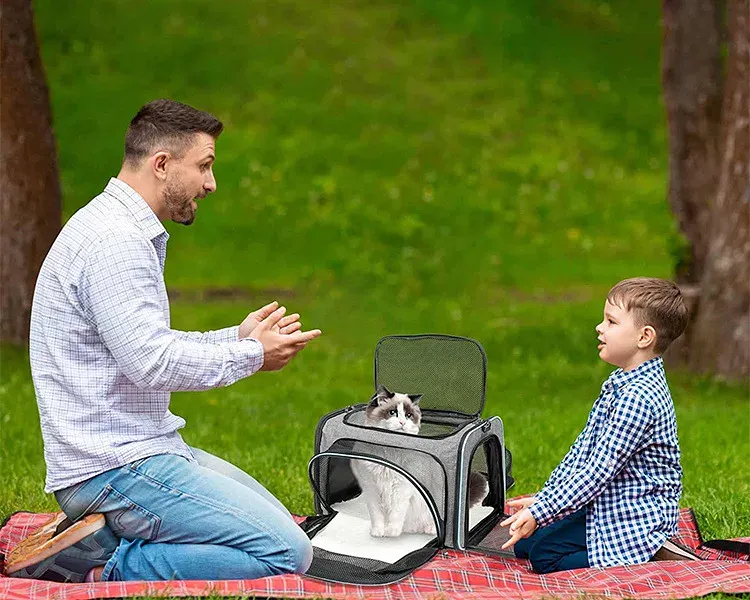
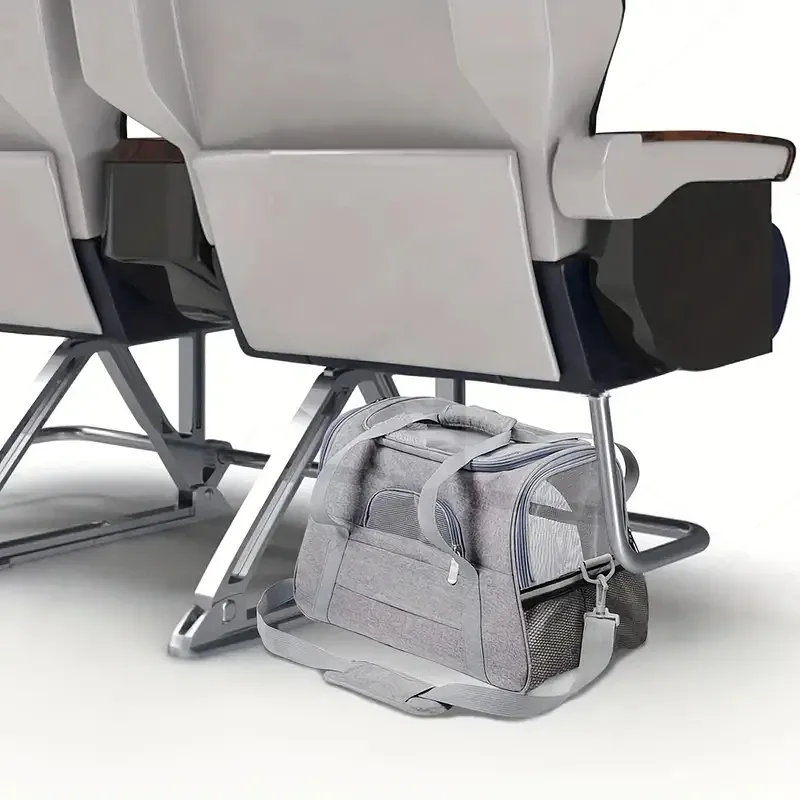
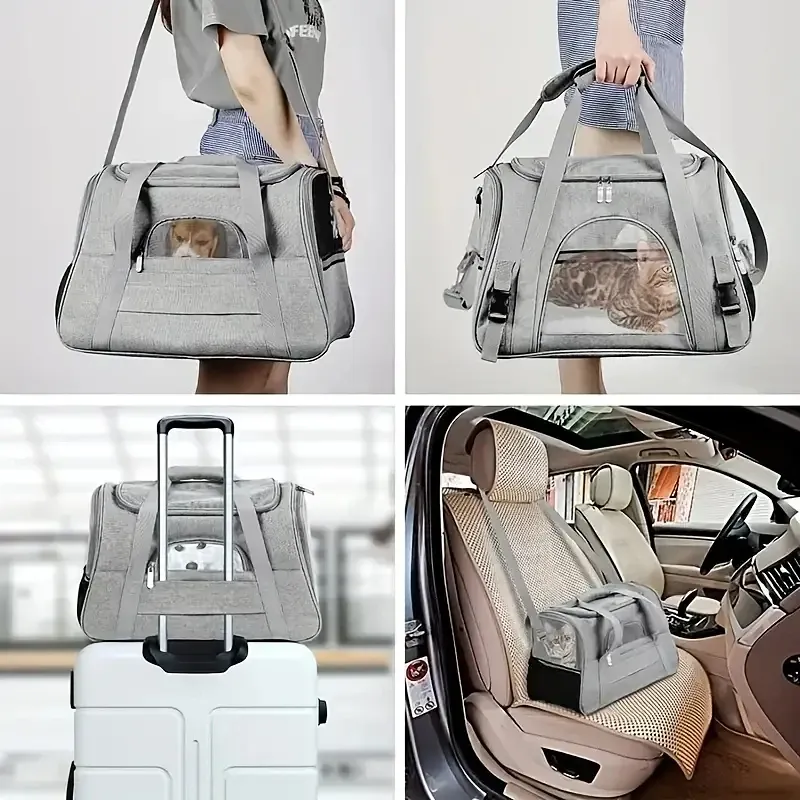
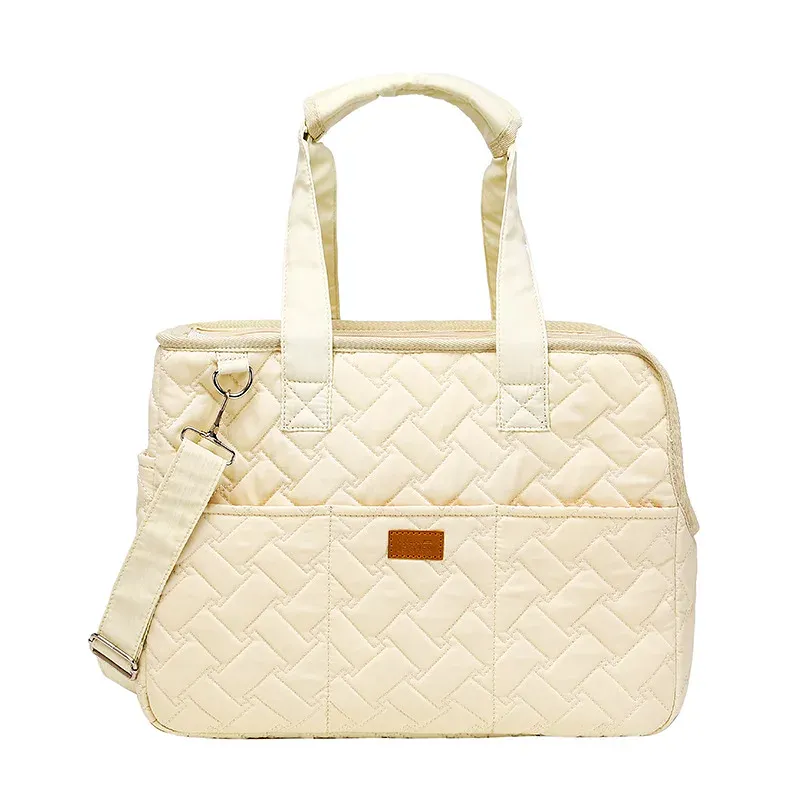
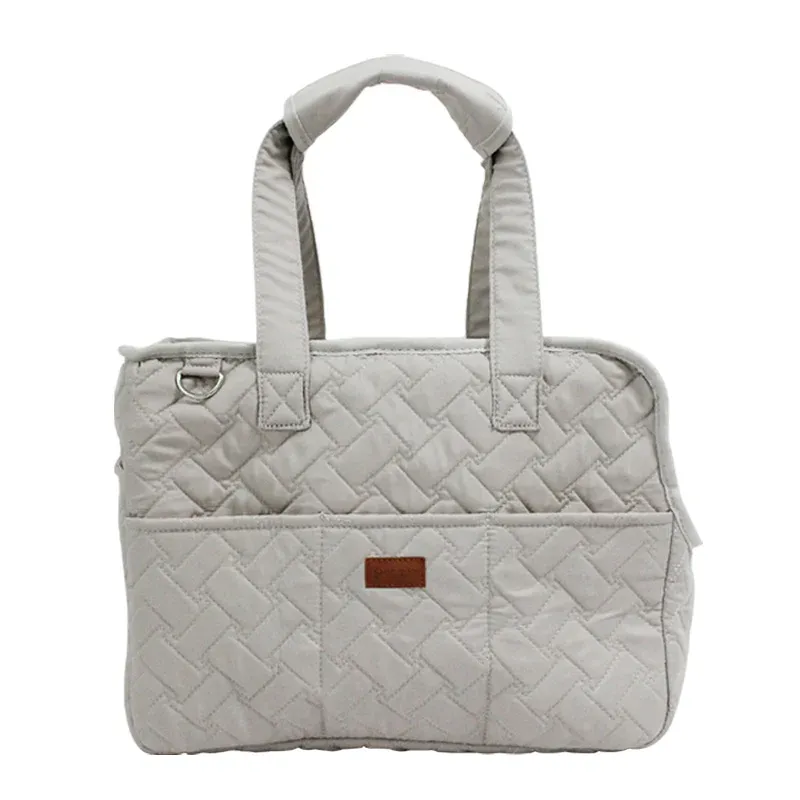
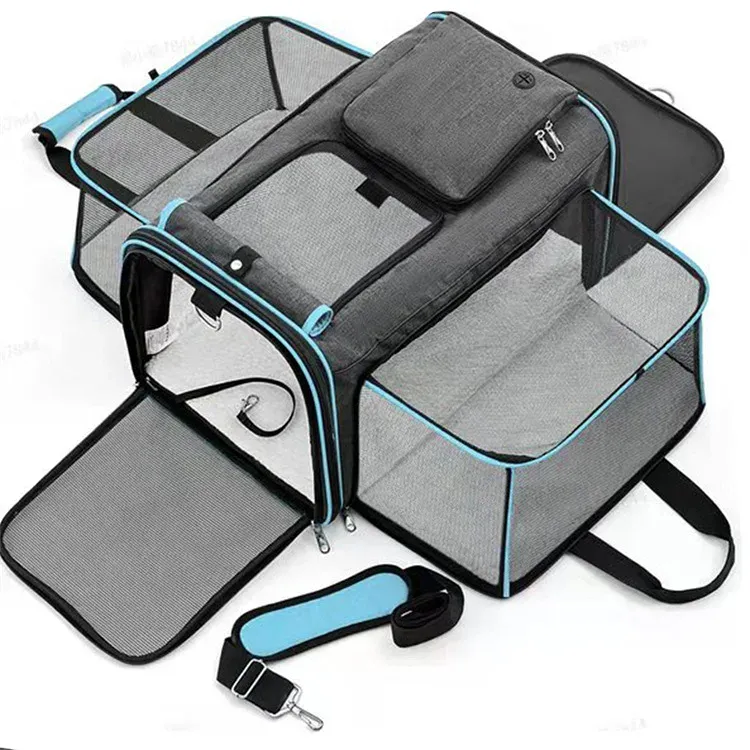
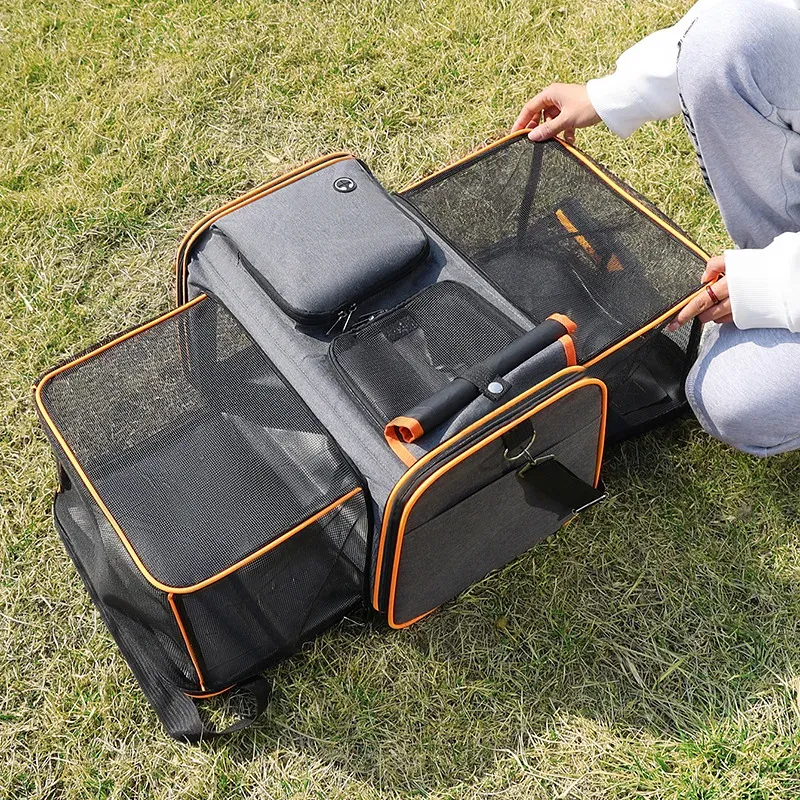
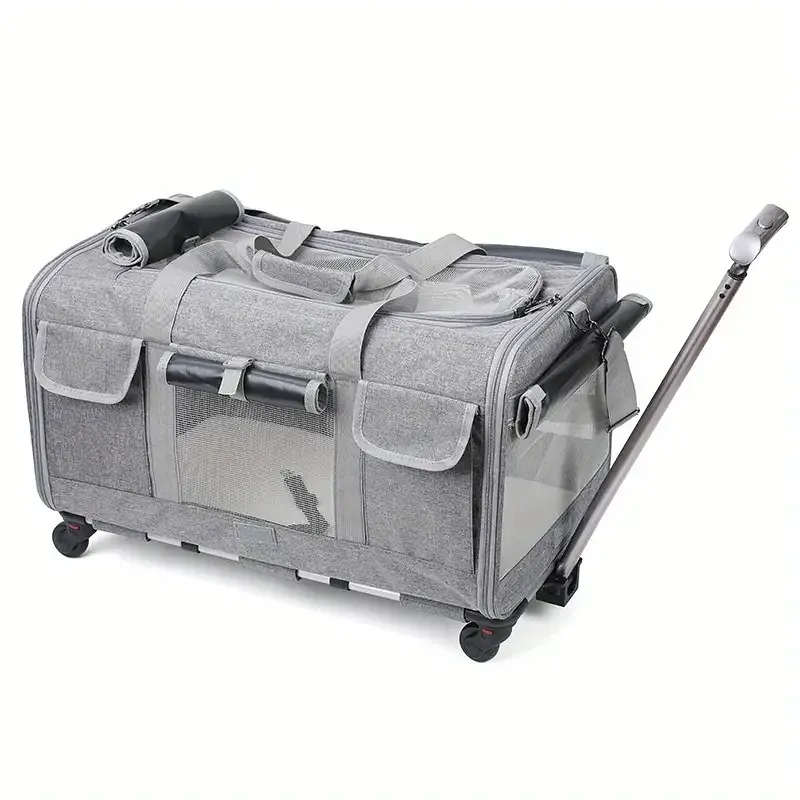
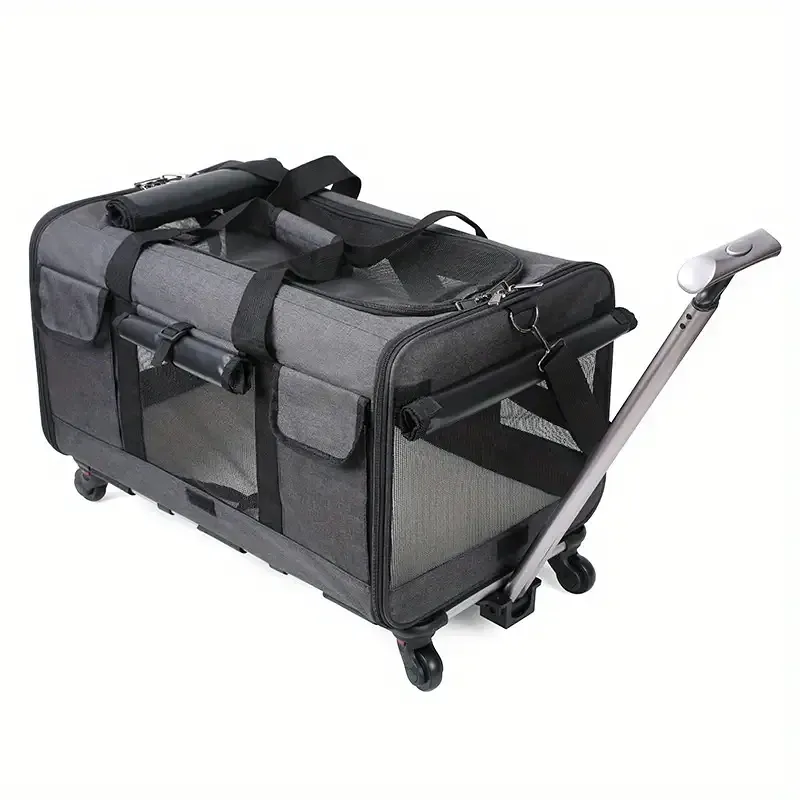
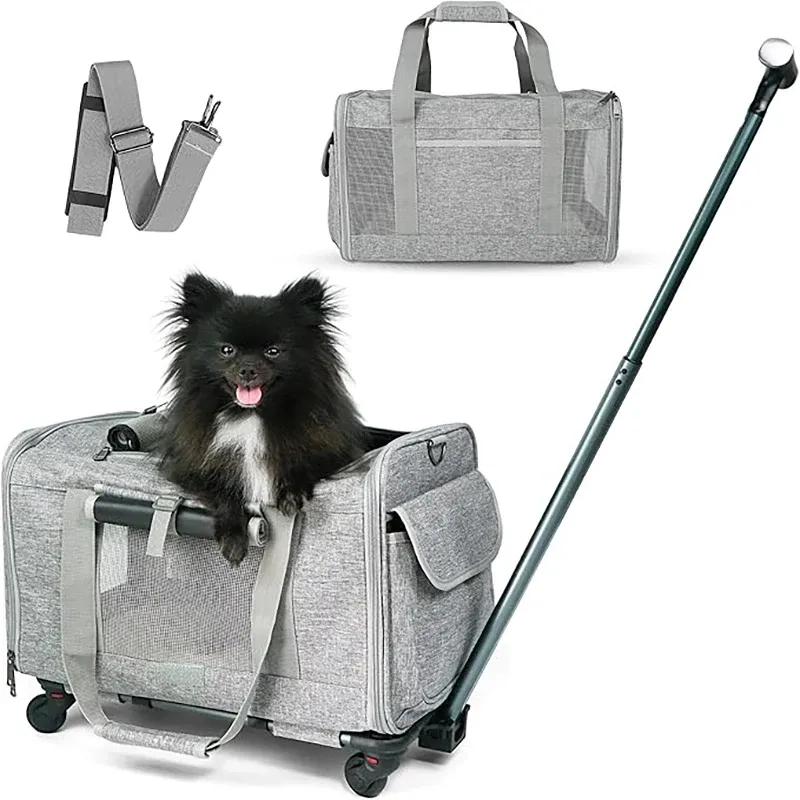
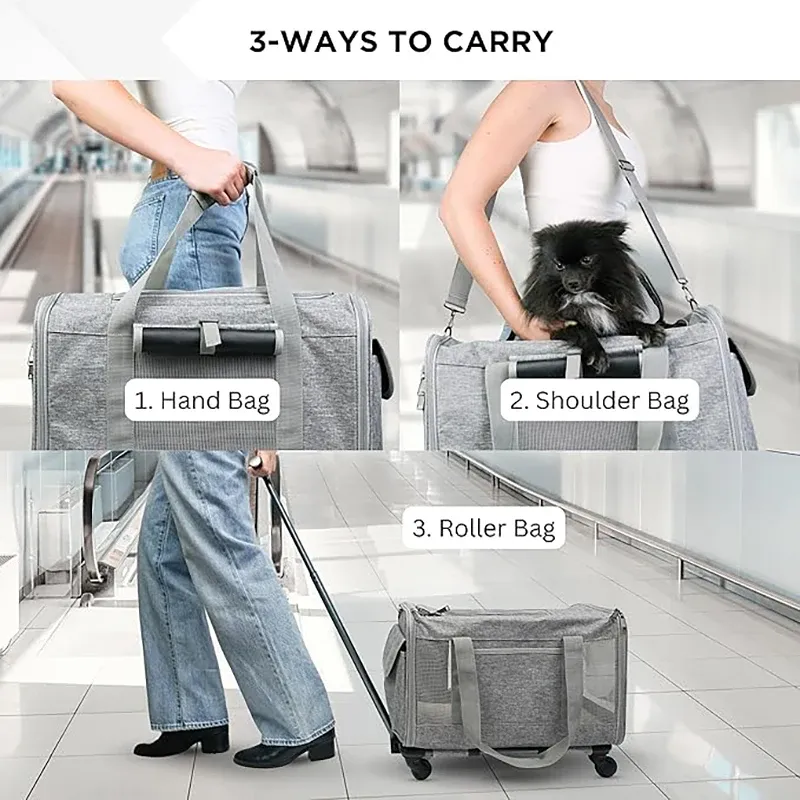
Cabin-Size Soft-Sided Dog Carrier with Mesh Windows
By
4.8139
$60.99$67.99
New Customers Only: Extra 10% OFF with code WELCOME10
Home / Shop / Dog Training Essentials


Nothing matches the current filters. Widen the price range or clear a filter to see the shop again.
Training isn’t only for puppies or problem dogs. A dog that comes back when called, walks on a loose lead and settles when asked is safer and has more freedom, because you can trust them off the lead in the park, in a café or on a train. Good training equipment doesn’t do the training for you, but it makes reward-based training easier and clearer for your dog. This section covers clickers, treat pouches, recall whistles, long lines, head halters, potty training bells, treat tossers, gundog dummies and garden agility kits, and this guide explains how each tool works, how to use it kindly, and which tools suit which goals. We’re adding training gear to this section as it passes our checks for comfort and reward-based use. Everything else we stock is in our pet supplies shop.
Every training tool we list is meant for positive, reward-based methods: you mark the behaviour you want and reward it, so your dog chooses to repeat it. We don’t sell prong collars, choke chains without a stop, shock collars or ultrasonic “correction” devices, in any market. Rewards can be food, a toy, a game or praise, whatever your dog values most at that moment.
| Tool | What it does | Best for |
|---|---|---|
| Clicker | A clear, consistent sound that marks the exact moment your dog gets it right | Teaching new behaviours and tricks |
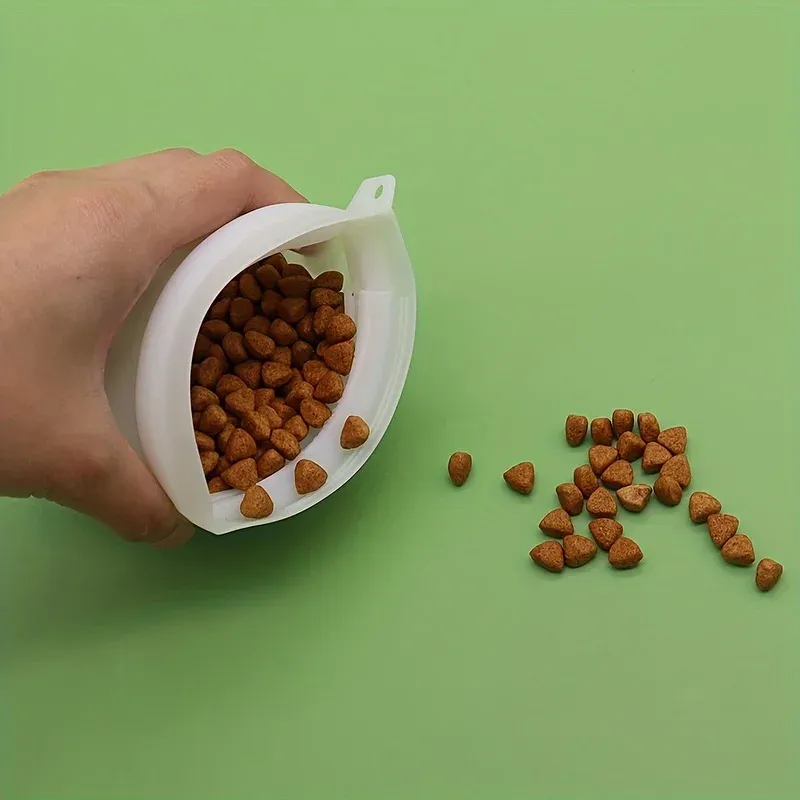
| Treat bag or training pouch | Keeps rewards ready at your hip | All training, especially on walks |
| Recall whistle | A sound that carries further than your voice and sounds the same every time | Recall in open spaces |
| Long line | A long lead that gives freedom while you keep control | Practising recall before off-lead walks |
| Head halter | Gentle steering from the head, like a halter on a horse | Strong dogs that pull, once introduced slowly |
| Potty training bells | Hang on the door for your dog to ring when they need to go out | House training |
| Treat tosser | Throws treats or kibble at a distance | Distance work, rewarding calm behaviour from afar |
| Gundog training dummies | Canvas or rubber retrieve objects with a natural feel | Retrieving and gundog training |
| Agility kits and pop-up tunnels | Jumps, weave poles and tunnels for the garden | Confidence, focus and fun |
Some dogs are startled by the click at first. Muffle it in a pocket or use a softer clicker until they’re used to it.
A recall whistle is useful because it carries over wind and distance and sounds the same whoever blows it. Gundog trainers have used whistles for generations for exactly this reason.
Pulling on the lead is one of the most common problems owners face, and it’s usually because pulling works: the dog pulls, and gets where it wants to go. To change it:
A front-clip harness can help while you train, by turning your dog gently towards you when they pull.
A head halter loops round the nose and behind the ears, so when your dog pulls, their head turns gently towards you. It can help with strong pullers, but dogs often dislike it at first.
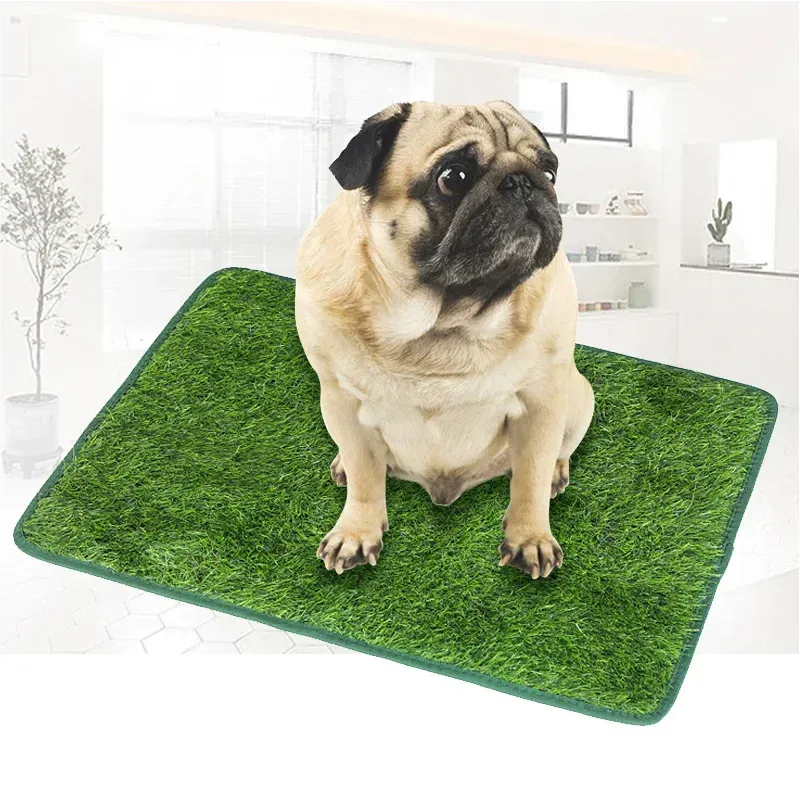
Hang bells by the garden door. Each time you take your dog out to the toilet, ring the bells, or encourage your dog to nose them, then open the door. With repetition, dogs often learn to ring them to ask to go out. Reward toilet breaks outside with praise and a treat straight away. Between trips outside, a dog playpen or crate keeps a puppy safe.
For reactivity, aggression, separation problems or fear, speak to your vet first, to rule out pain or illness, and then to a qualified behaviourist or trainer who uses reward-based methods.
No, but it helps. A clicker gives a clear, consistent marker; a short word such as “yes” can do the same job if you say it the same way every time.
A few minutes, several times a day, is more effective than one long session, especially for puppies.
Once your dog comes back reliably on a long line in different places with distractions, and only where it’s safe and allowed.
Small, soft, strong-smelling treats your dog loves and can swallow quickly. Use a few pieces of their normal kibble for easy tasks, and save something special for recall and busy places.
We sell gear for dogs only, and every training tool we list has to pass the same checks: it supports reward-based training, it’s comfortable for the dog, and it’s practical to use on a real walk. Each product page explains how the tool works and how to introduce it. Orders over $79 ship free with tracking. Questions about which tool suits your dog? Email [email protected] and a real person will help.
Reward what you want to see, and find the tools that make it easier at TAILOVO.