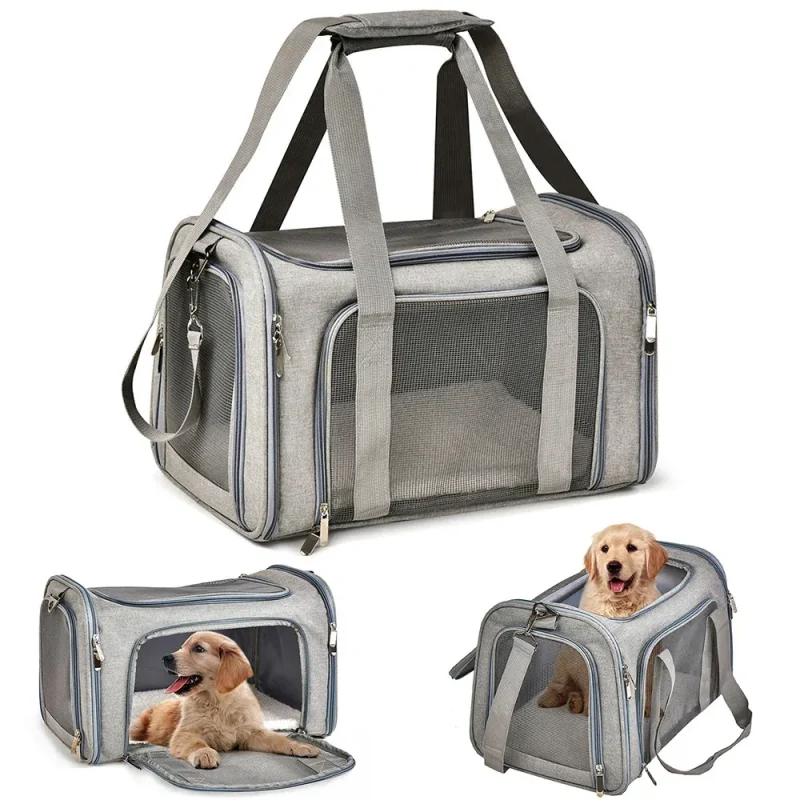
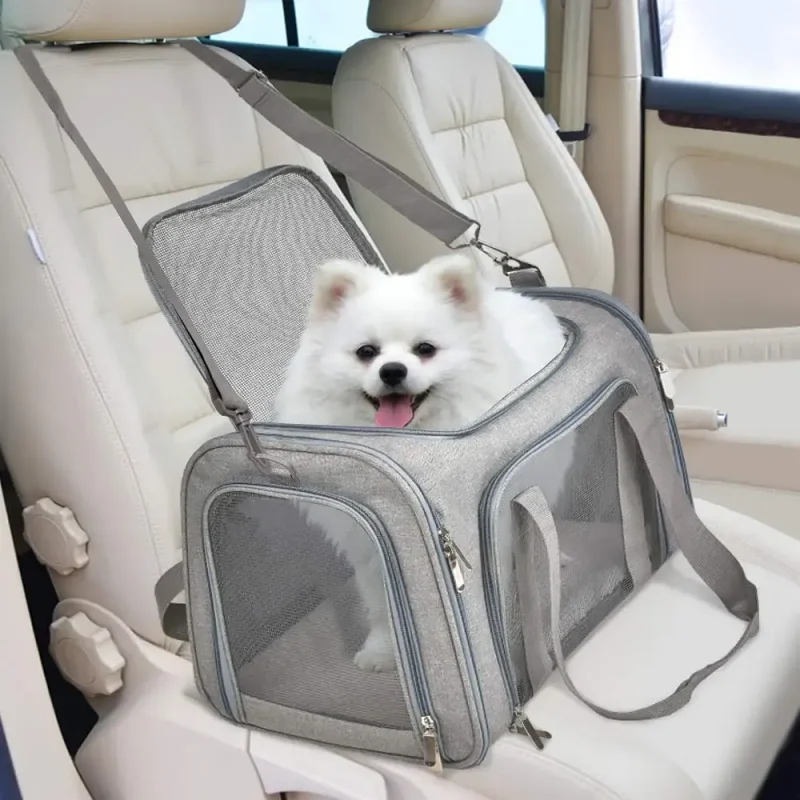
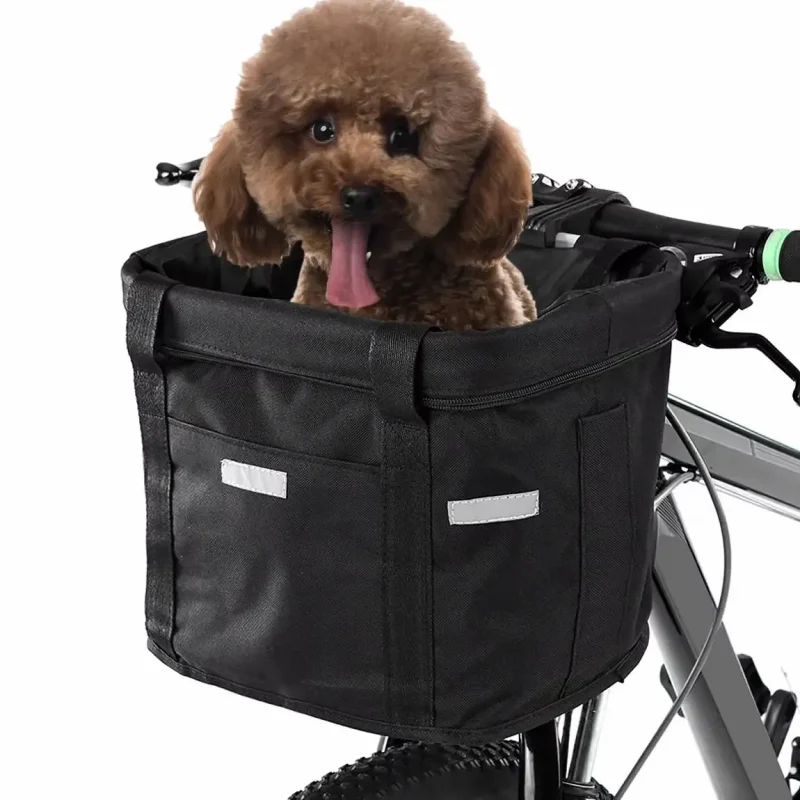
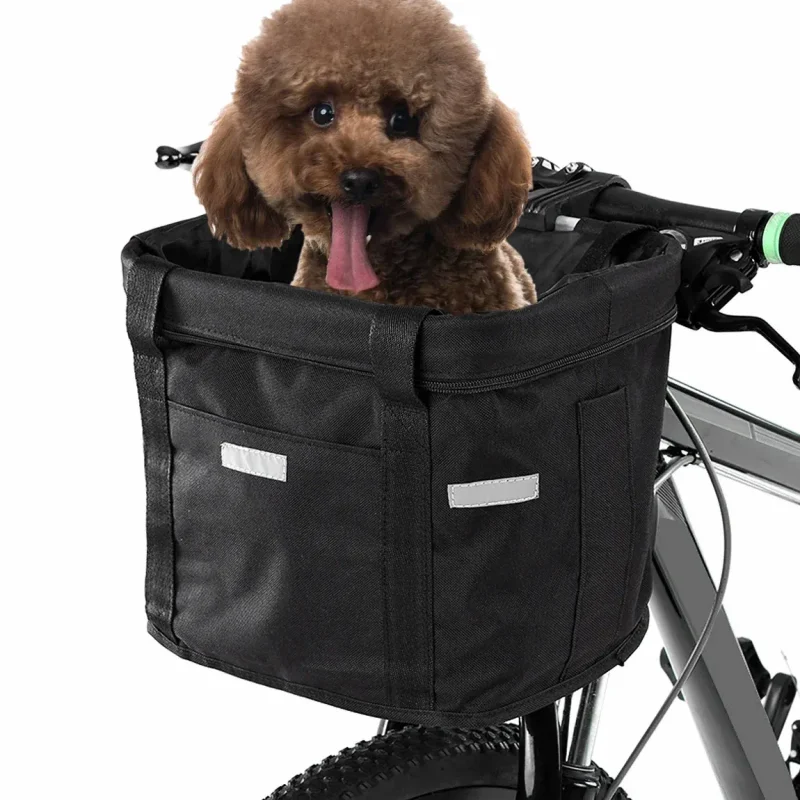
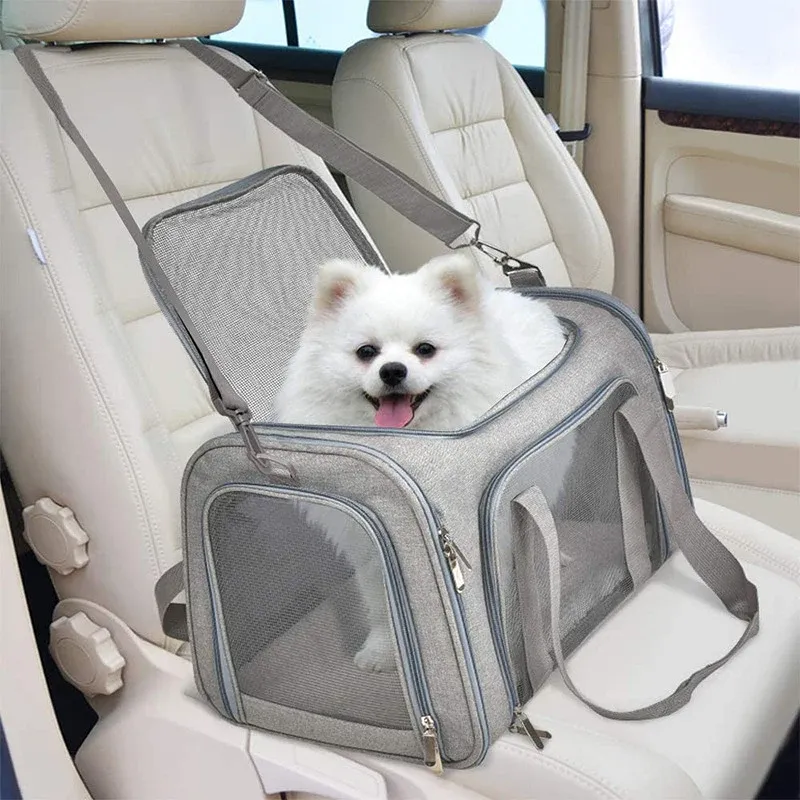
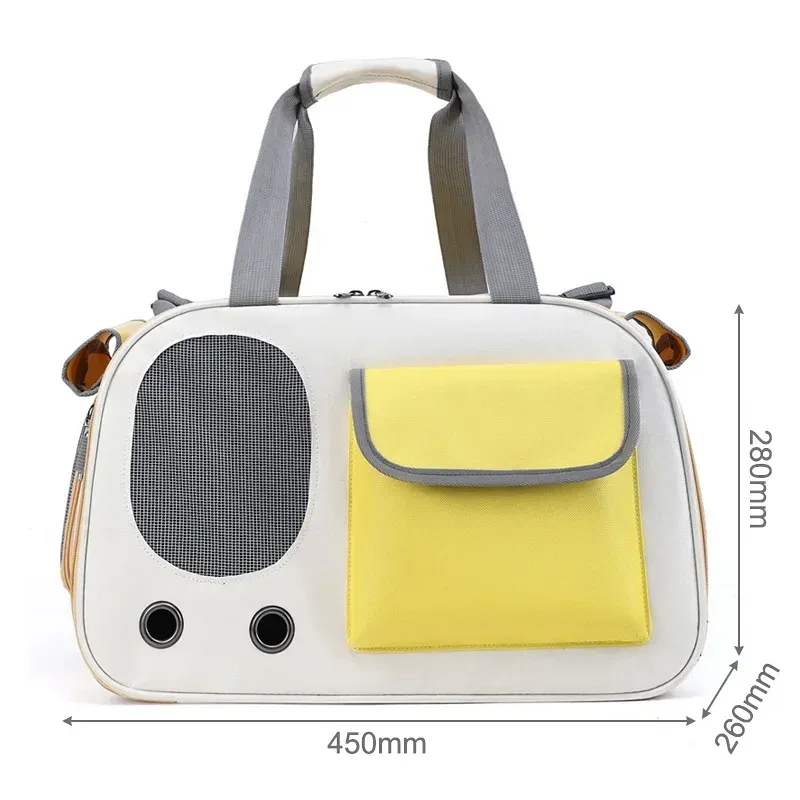
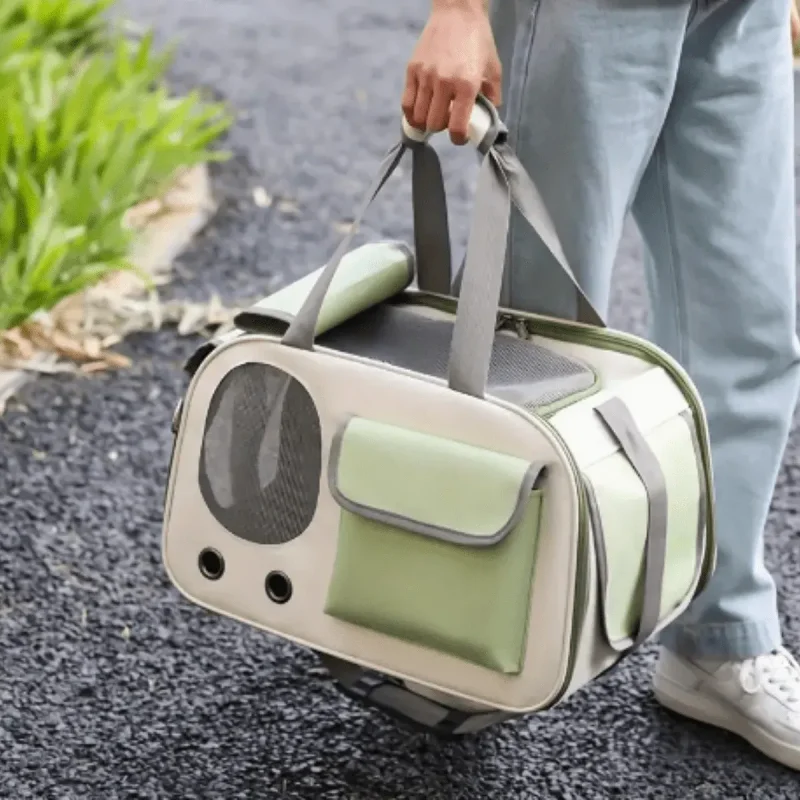
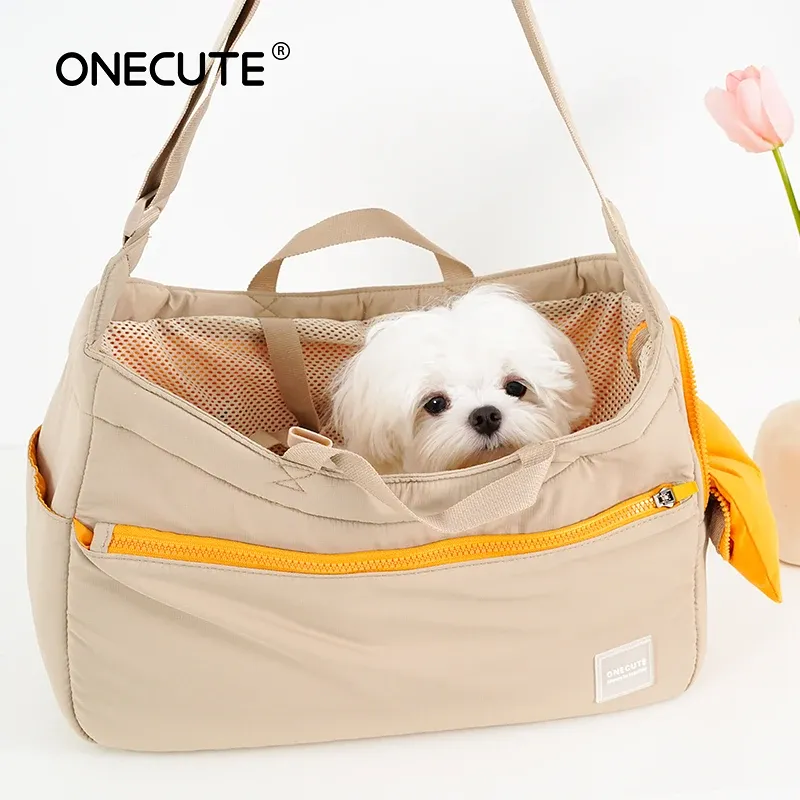
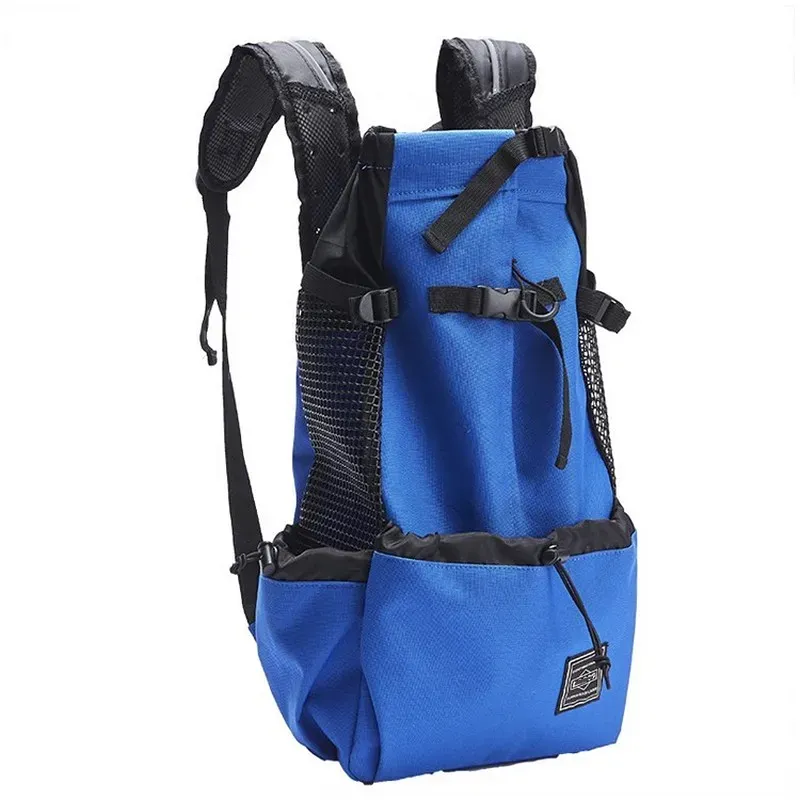
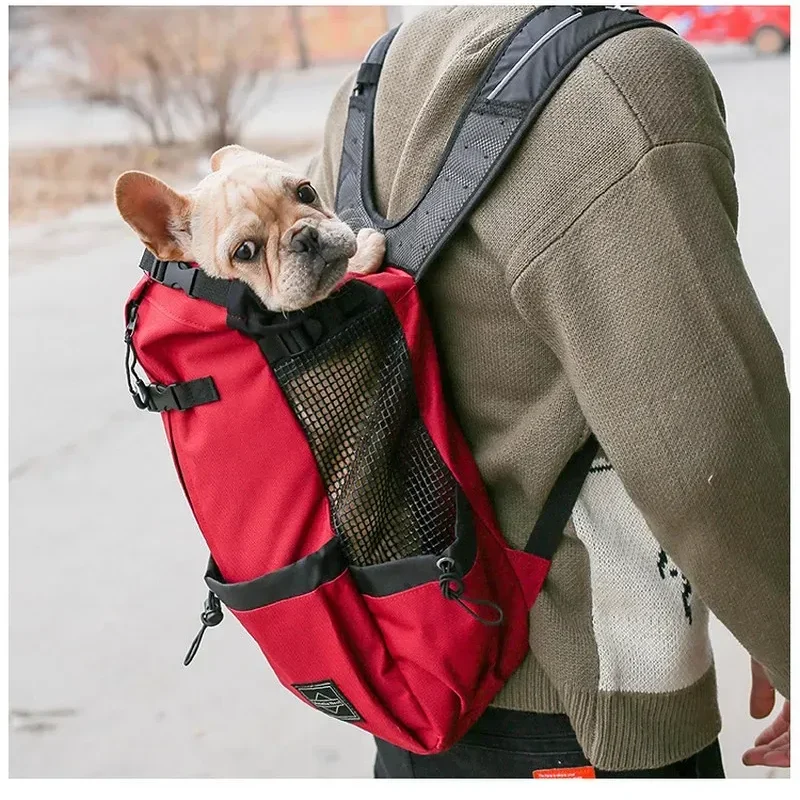
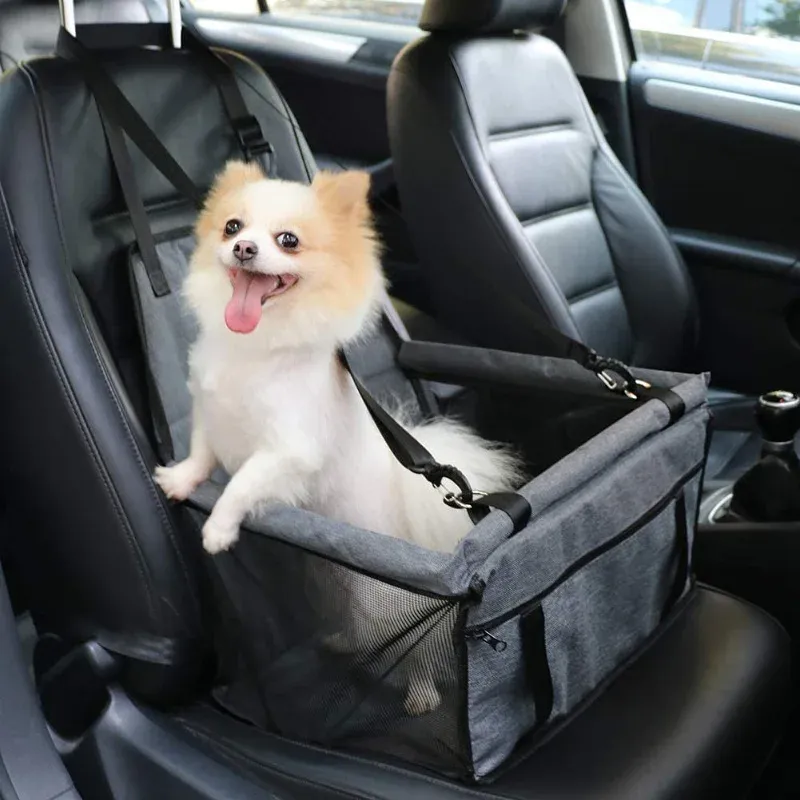
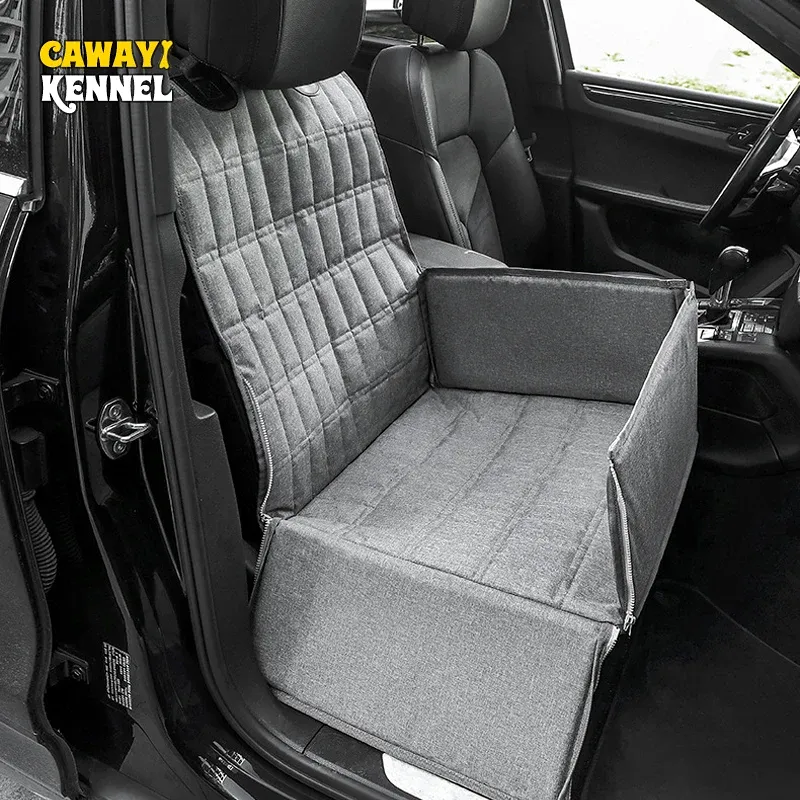
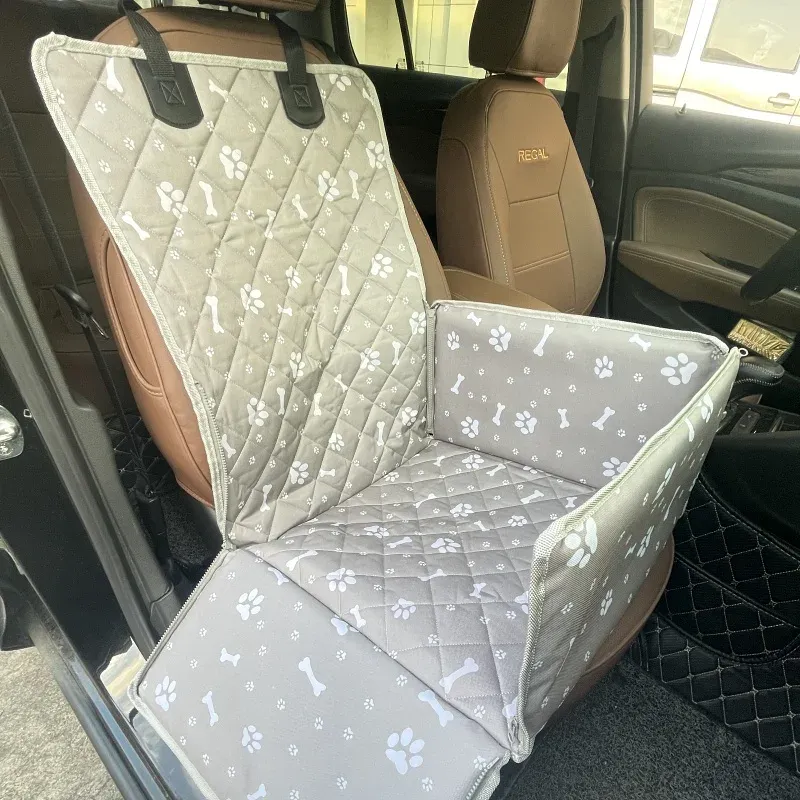
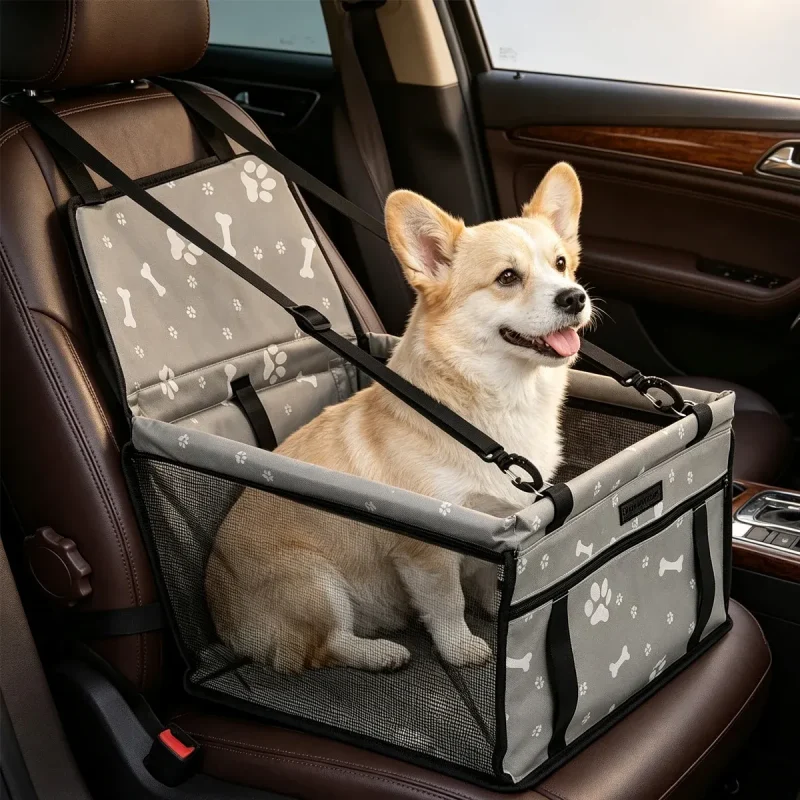
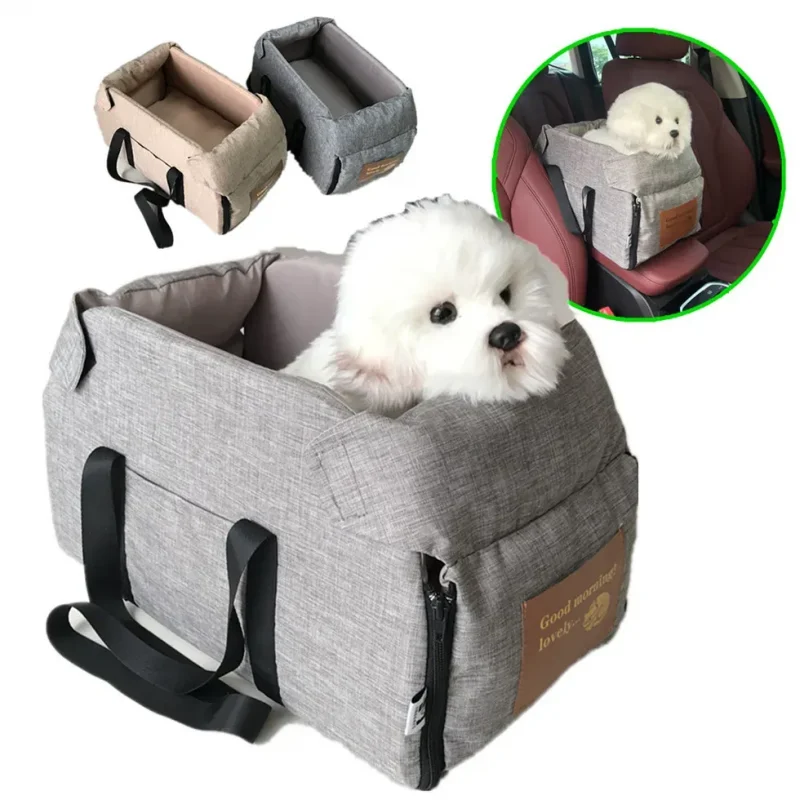
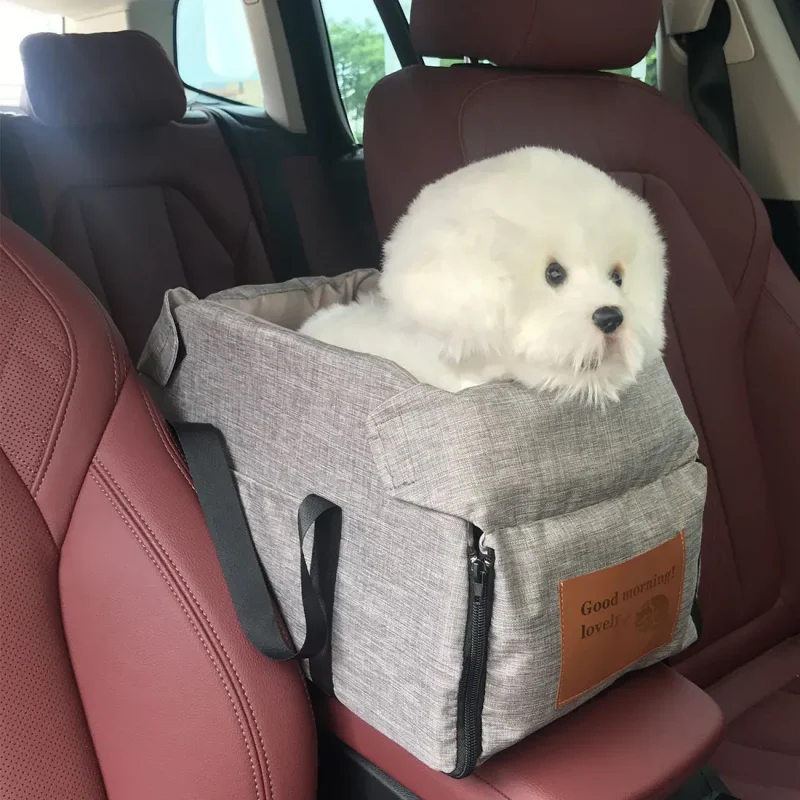
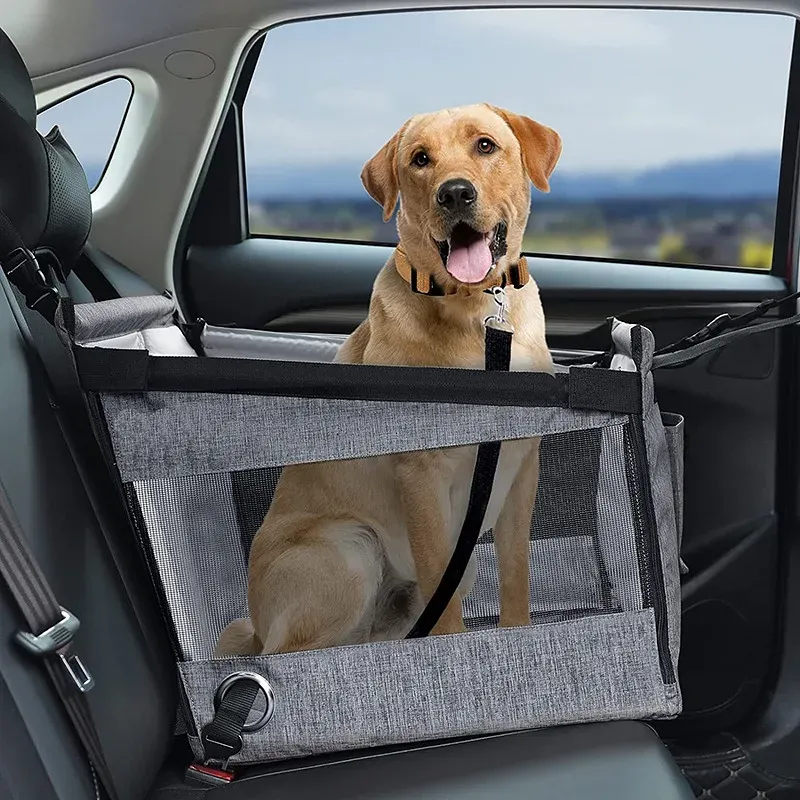
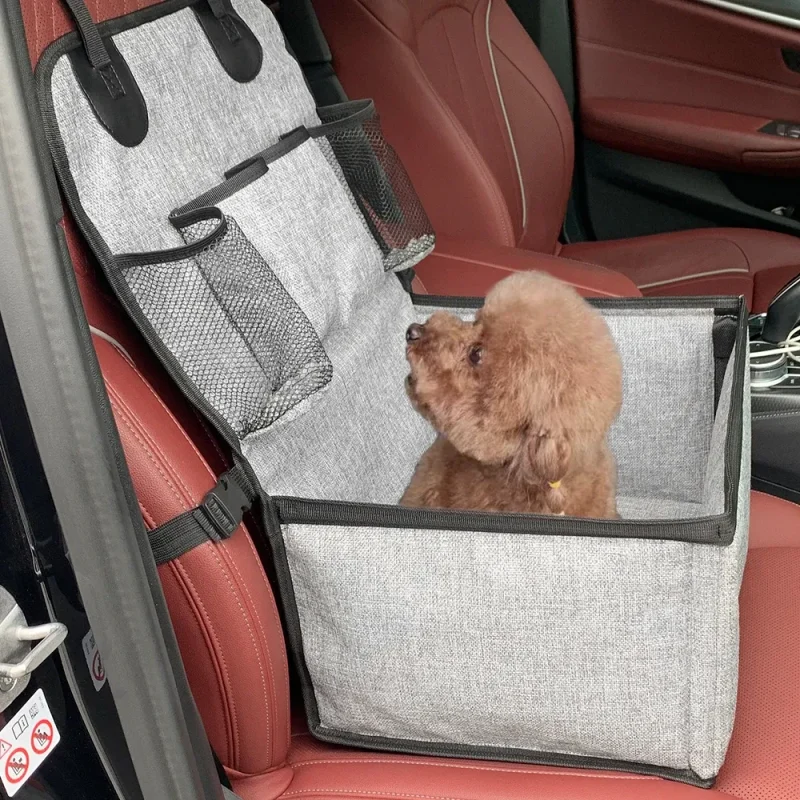
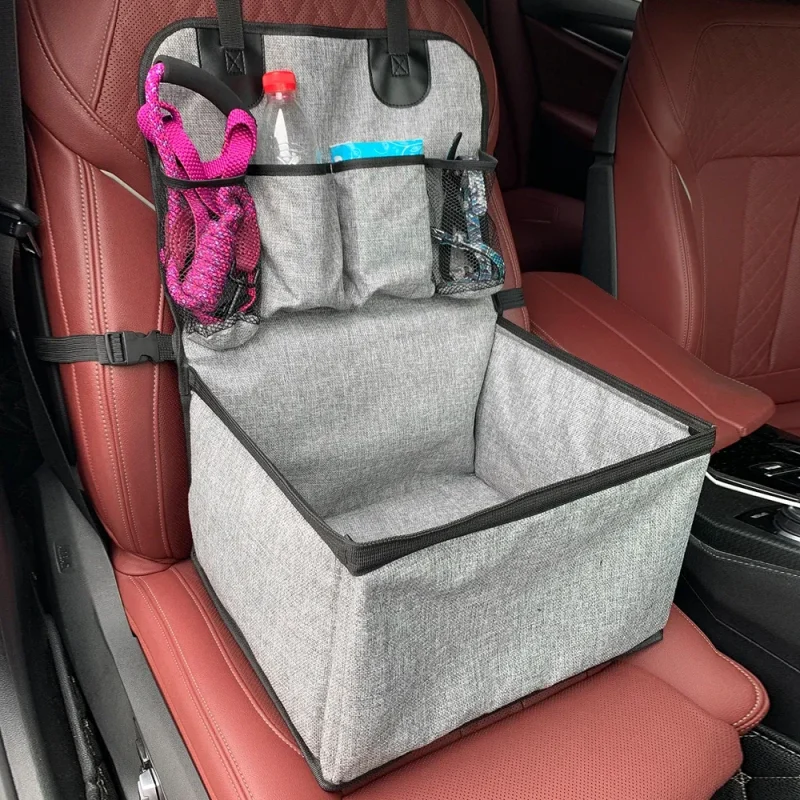
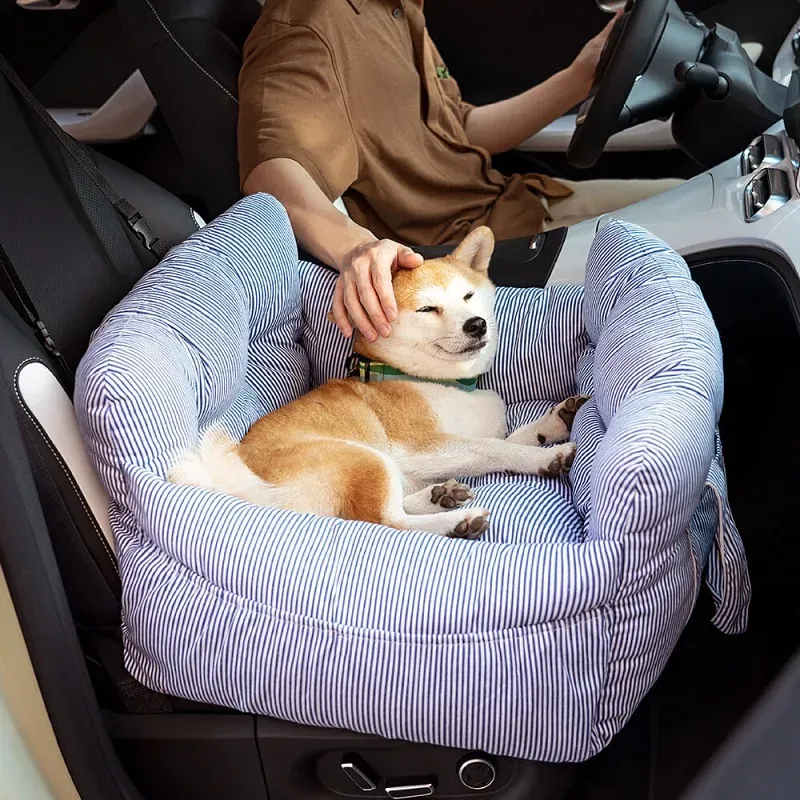
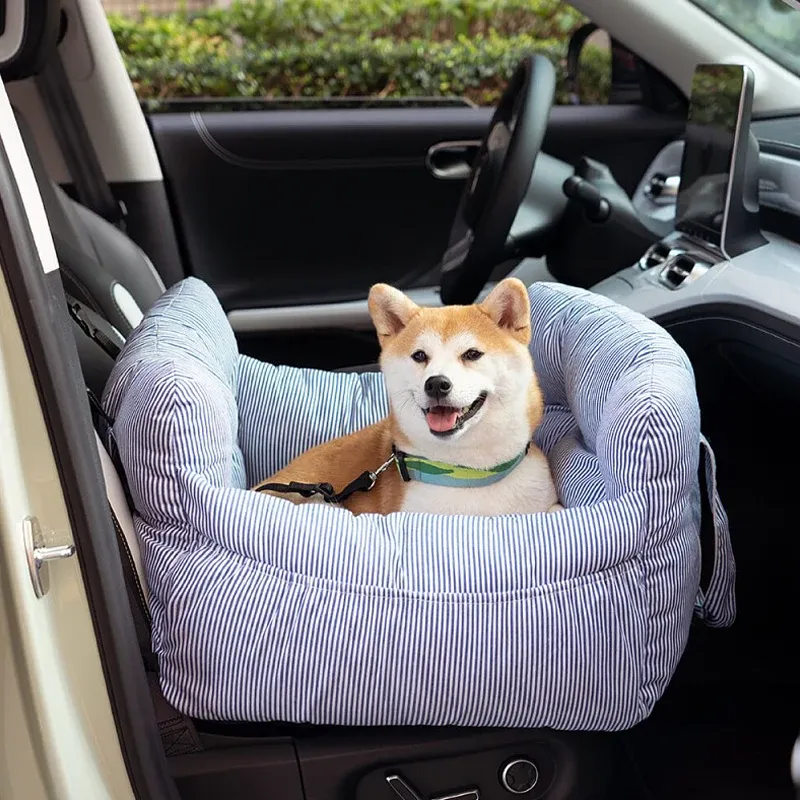
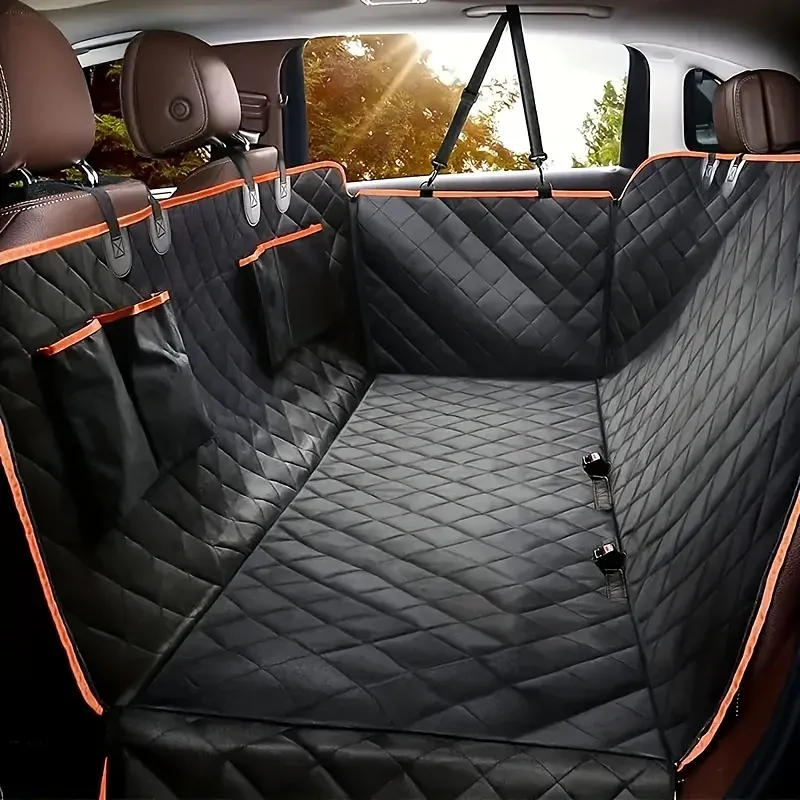
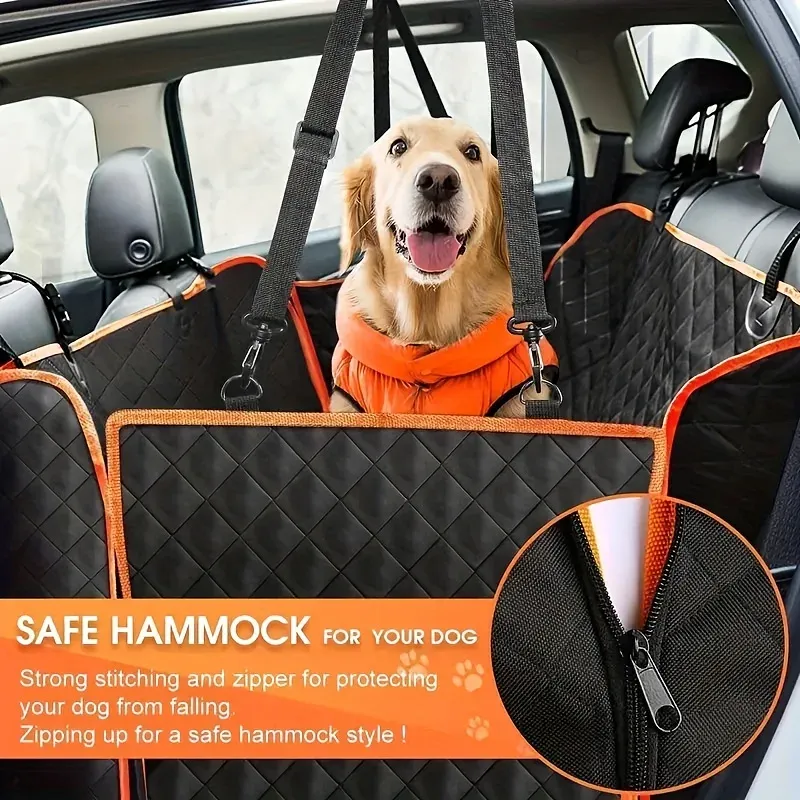
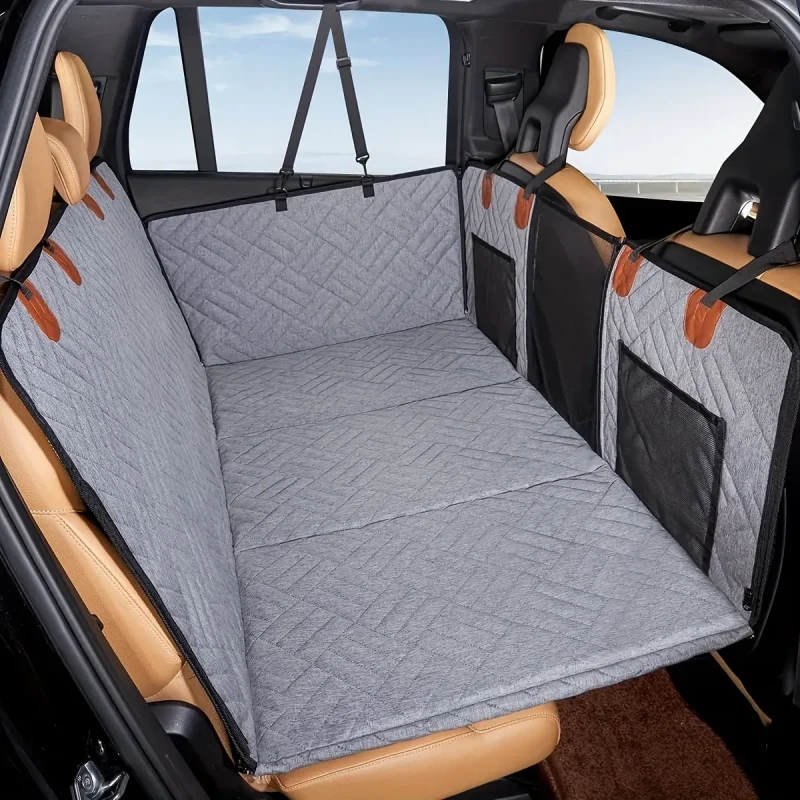
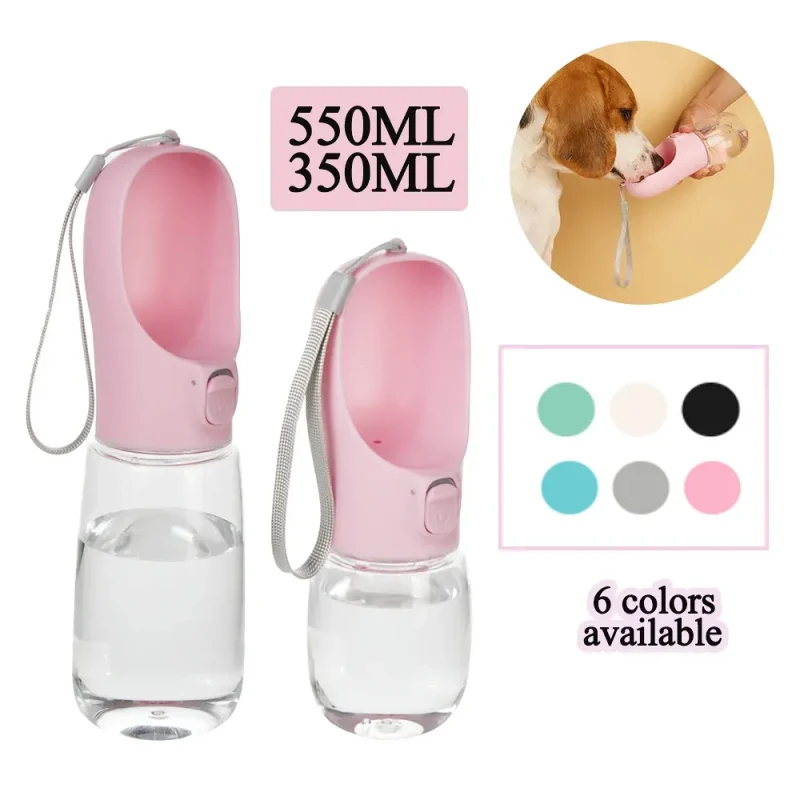
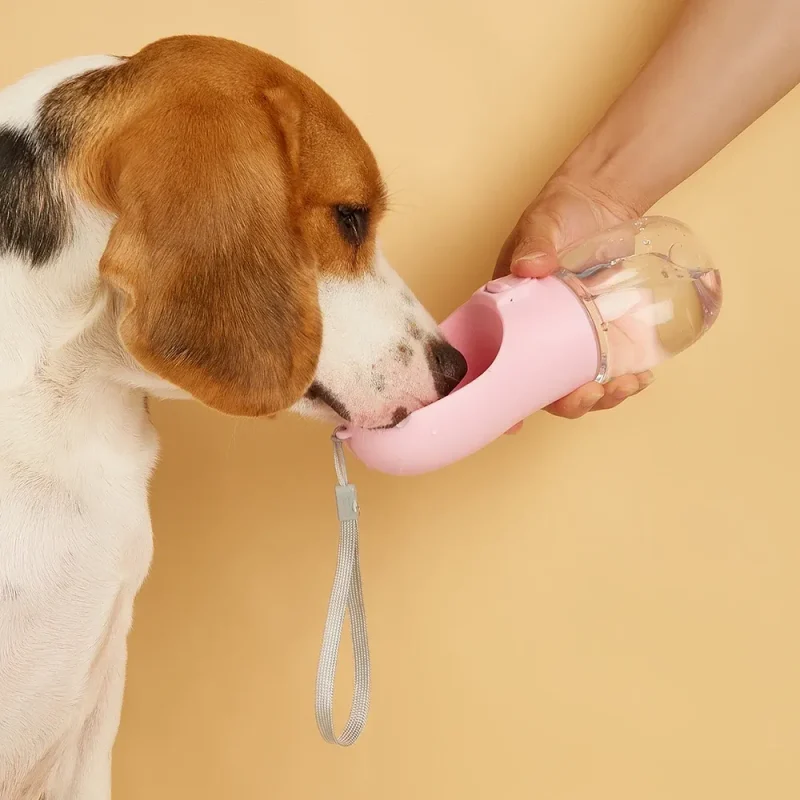
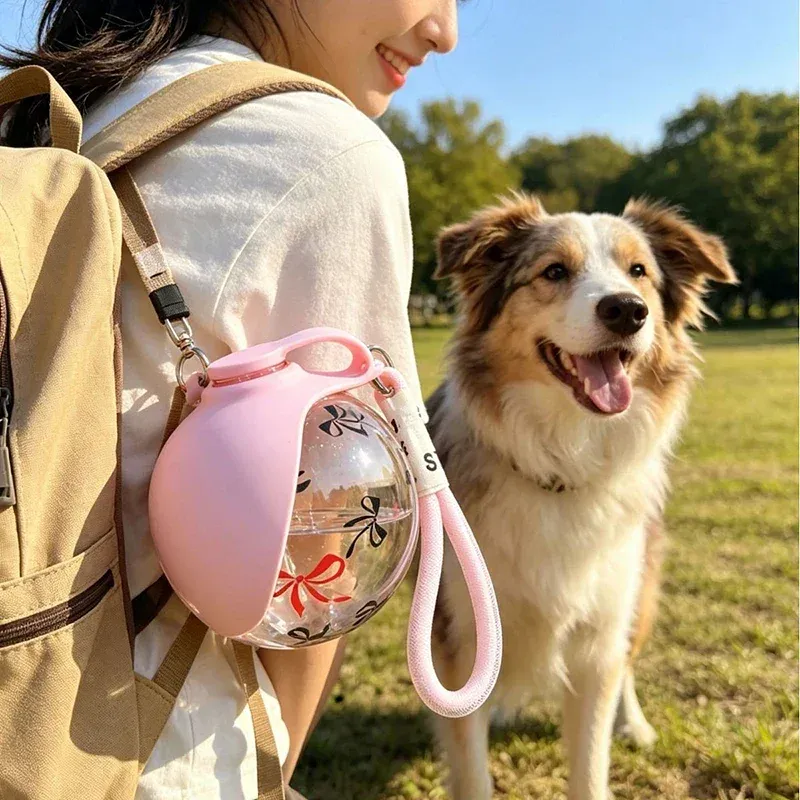
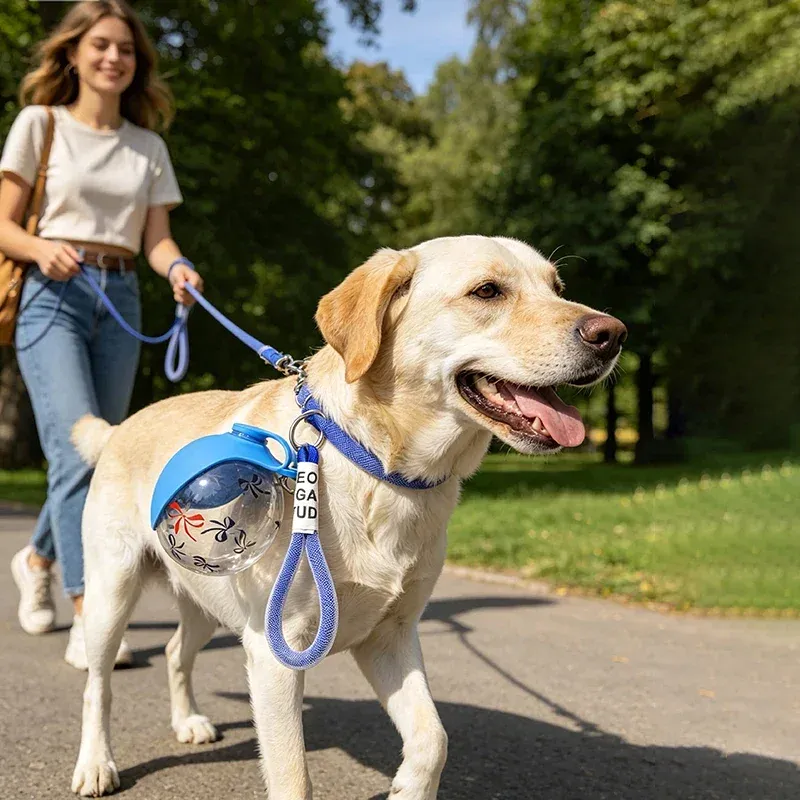
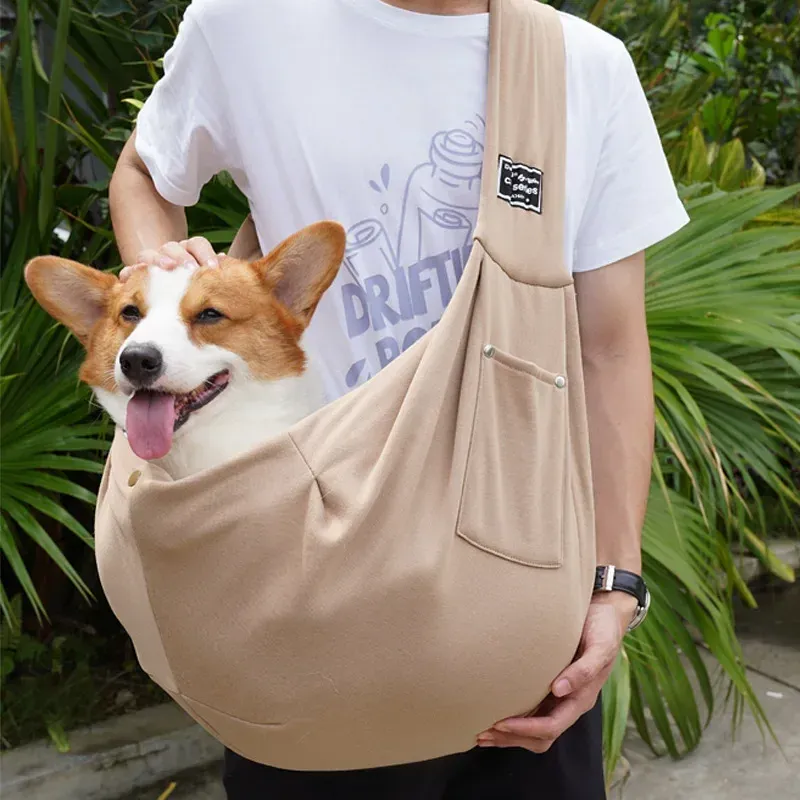
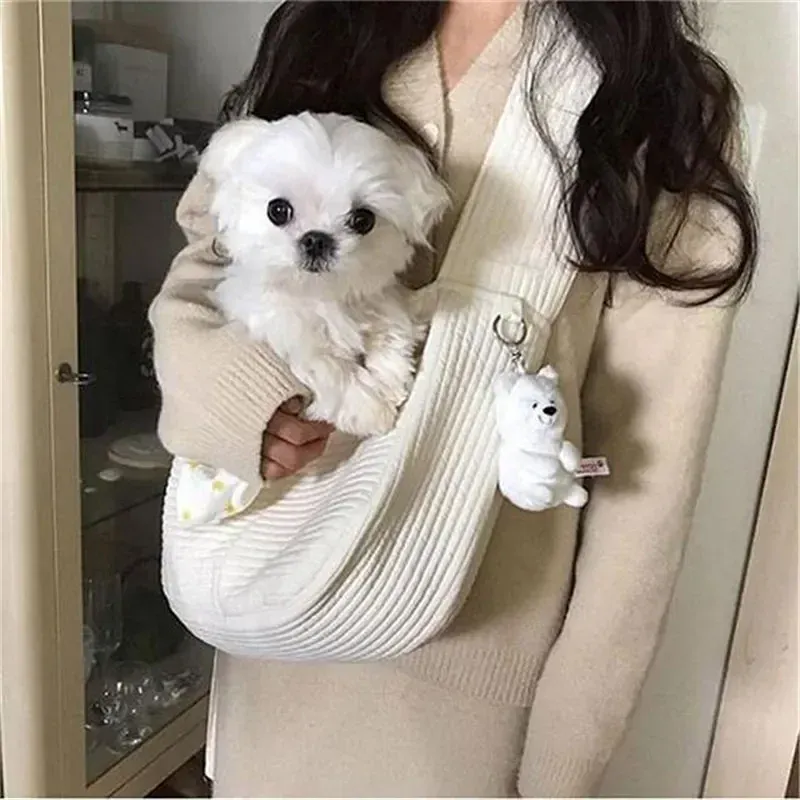
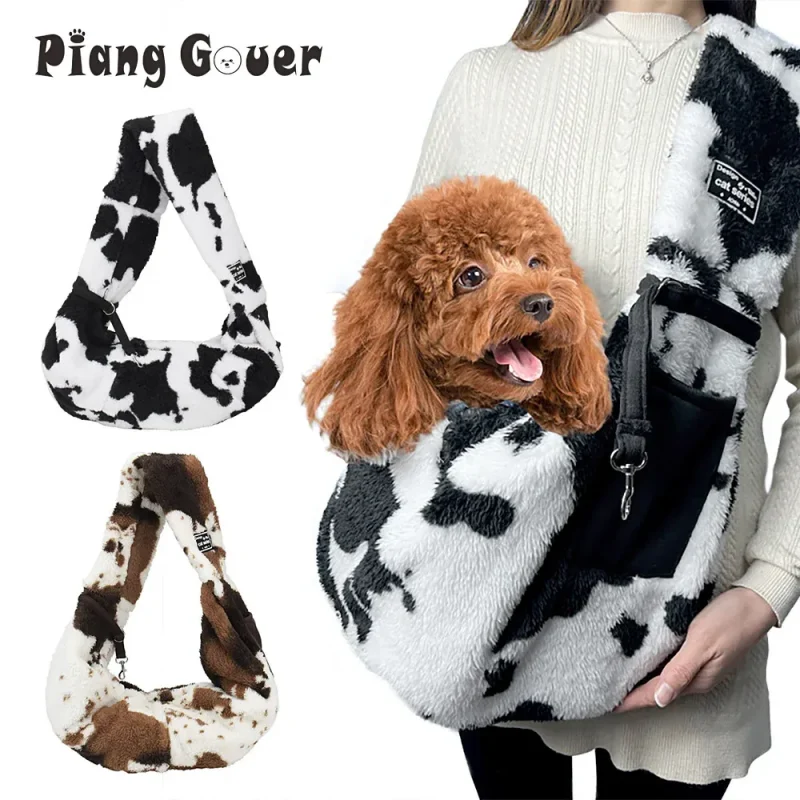
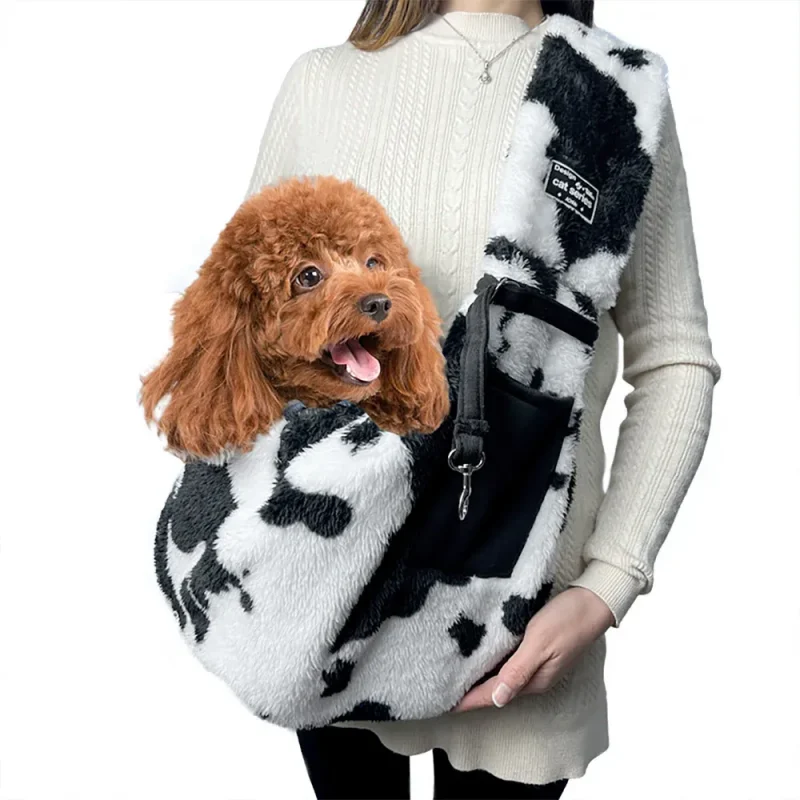
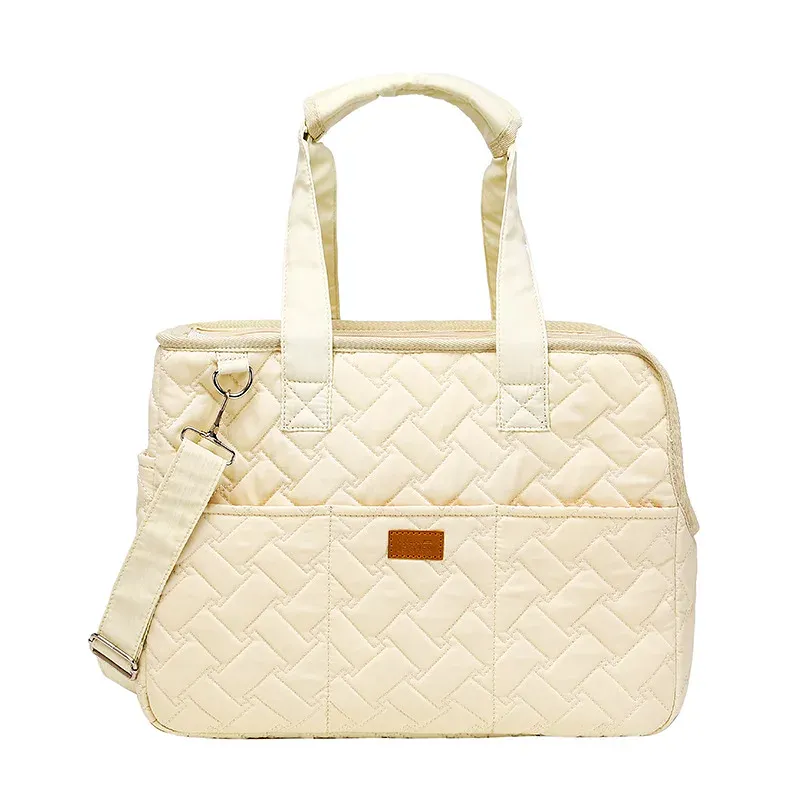
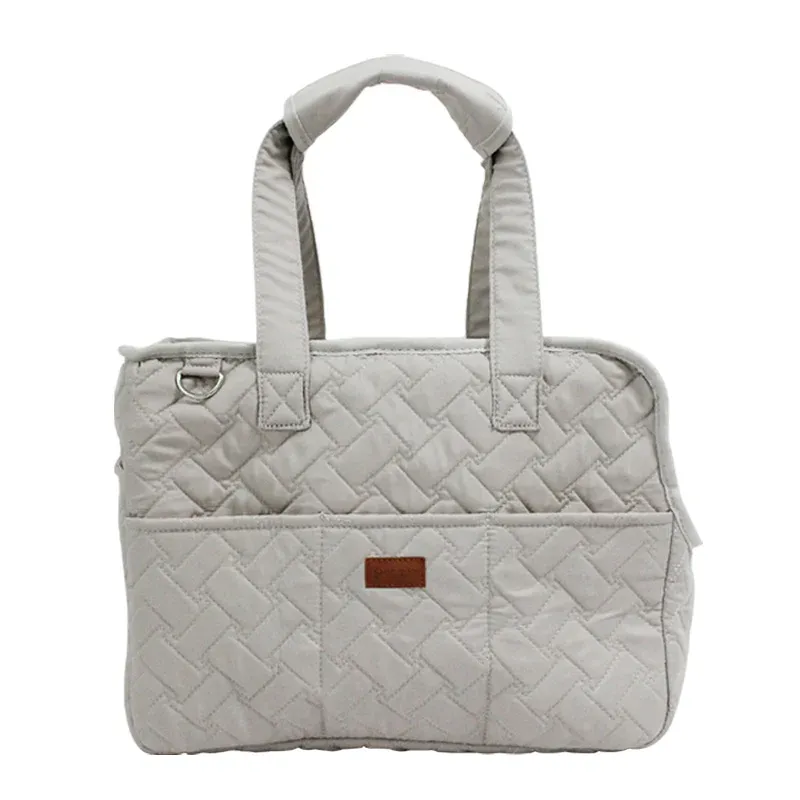
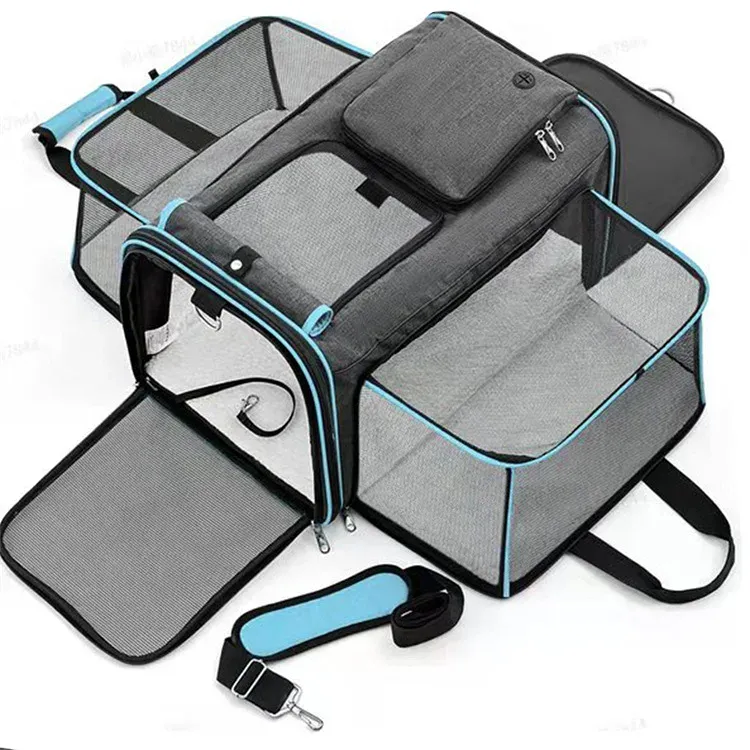
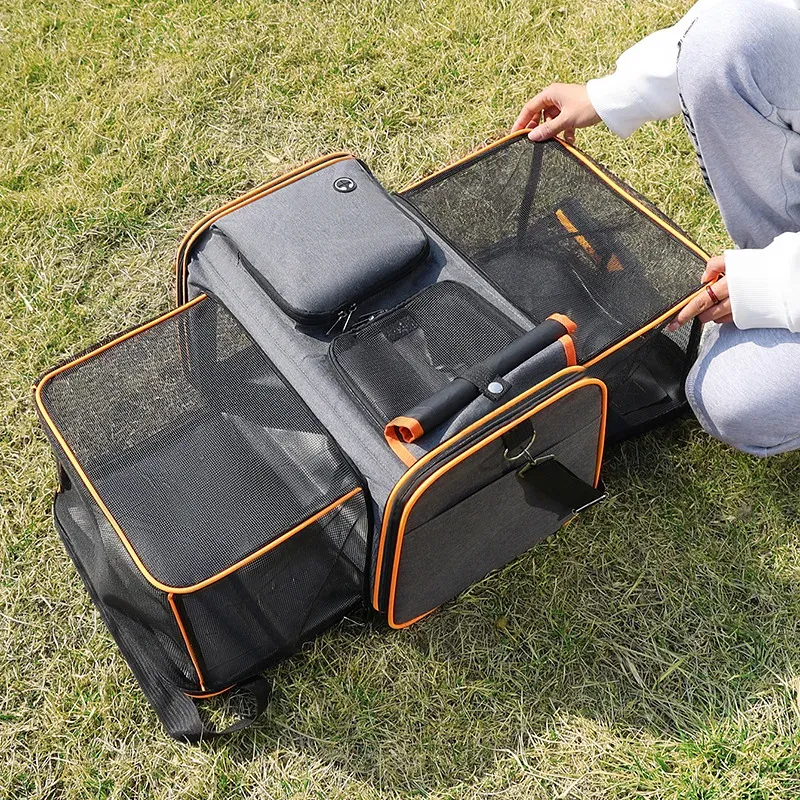
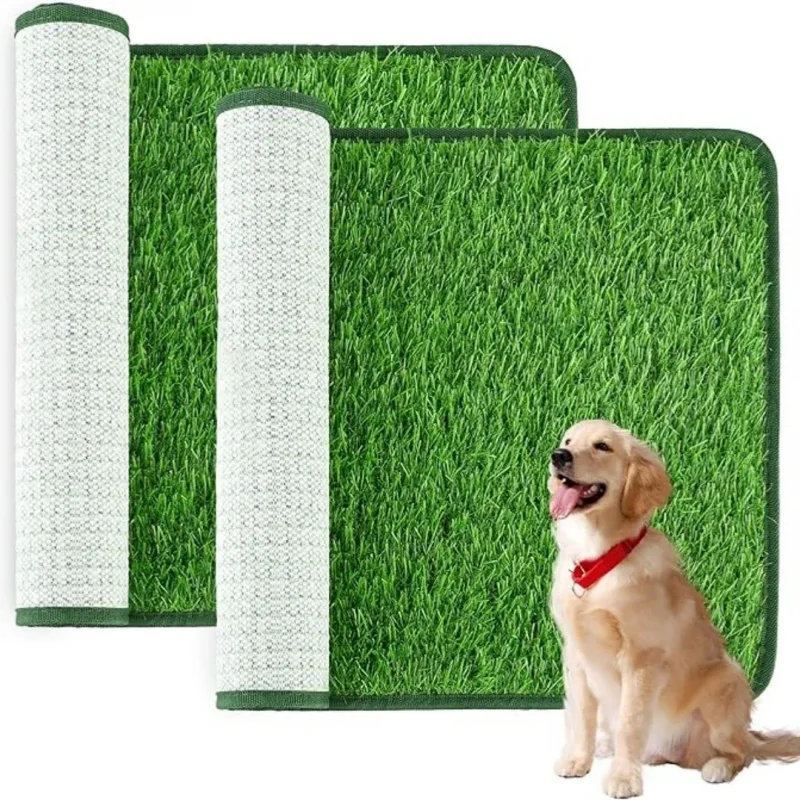
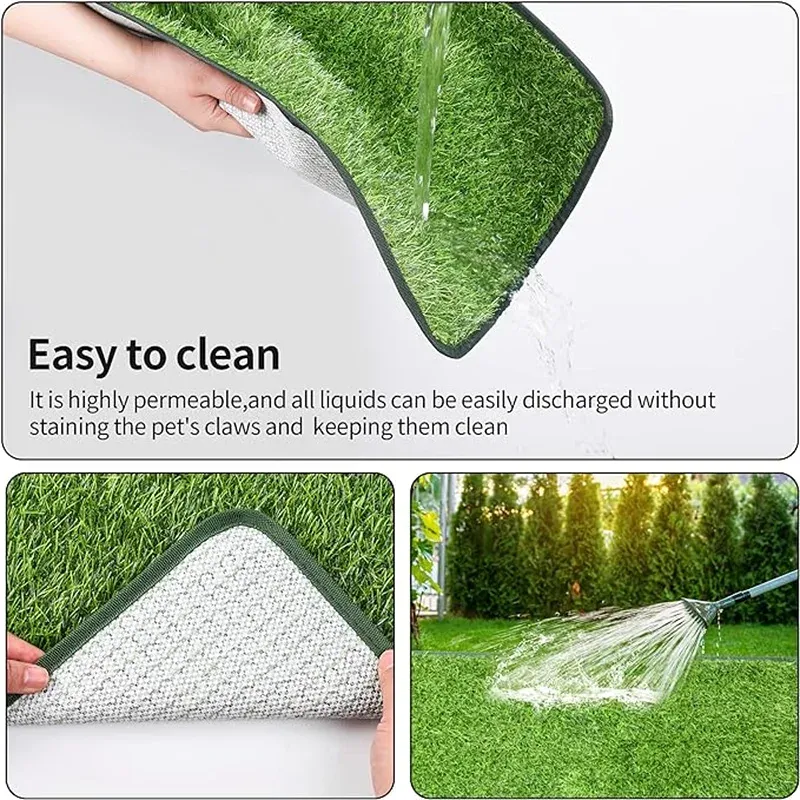
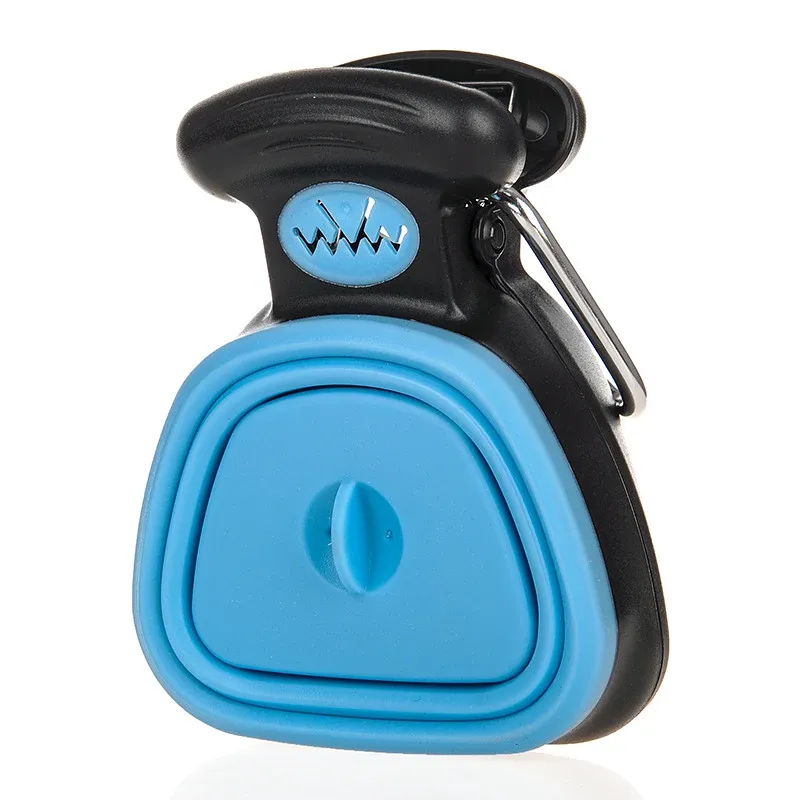
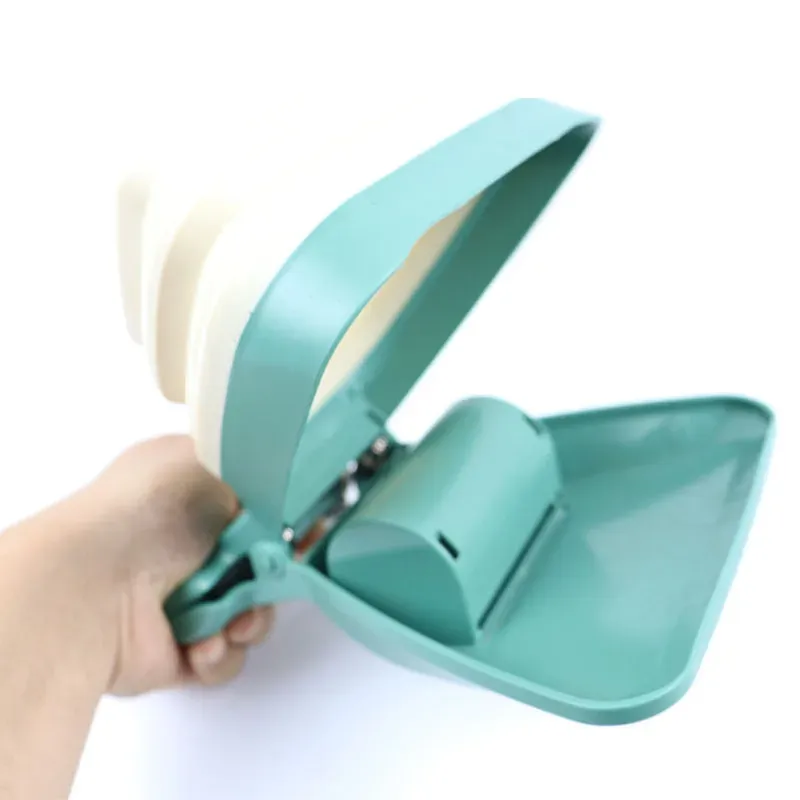
Some of the best days with a dog happen outdoors: a long hike over the hills, a run along the coast, a swim in a lake, a night under canvas, or simply an afternoon in the garden with a paddling pool. The right kit makes those days safer and more comfortable, and lets your dog do more of what they love. This section covers canicross belts, bike leash attachments, dog life vests, saddle bag backpacks, pop-up tents and shelters, camping beds, paddling pools, sprinkler mats, garden water dispensers and tie-out stakes, and this guide explains how to choose each one, how to build up your dog’s fitness, and how to stay safe in water, heat and remote places. We’re adding outdoor gear to this section as it passes our checks for secure fittings, visibility and easy cleaning. Everything else we stock is in our pet supplies shop.
Outdoor gear at a glance
| Activity |
Gear that helps |
What to look for |
| Running and canicross |
Canicross waist belt, bungee line, running harness |
A padded belt, a shock-absorbing line, a harness cut for pulling |
| Cycling with a running dog |
Bike leash attachment |
A spring arm that keeps the dog clear of the wheel |
| Hiking |
Saddle bag backpack, water, bowl, first aid kit |
Balanced pockets, a padded harness base, reflective trim |
| Swimming and boats |
Dog life vest |
A grab handle, bright colour, buoyancy under the chest and neck |
| Camping |
Pop-up tent or shelter, camping bed, tie-out stake |
Packs small, insulates from cold ground, secure anchor |
| Garden in summer |
Paddling pool, sprinkler mat, garden water dispenser |
Sturdy, non-slip floor, easy to empty and dry |
Running and canicross
Canicross is cross-country running with your dog attached to you by a waist belt and a bungee line, with the dog in front. It’s a popular way to exercise energetic dogs, and local clubs often take beginners.
- Waist belt: sits on your hips, not your waist, so the pull goes through your strongest muscles rather than your back.
- Bungee line: absorbs sudden pulls for both of you.
- Running harness: a dog harness designed for pulling spreads the load across the dog’s chest and back. Don’t run with the line clipped to a collar.
- Build up slowly: start with short, easy runs on soft ground and increase distance gradually. Avoid hard running with puppies and young dogs whose joints are still growing; ask your vet when your dog is ready.
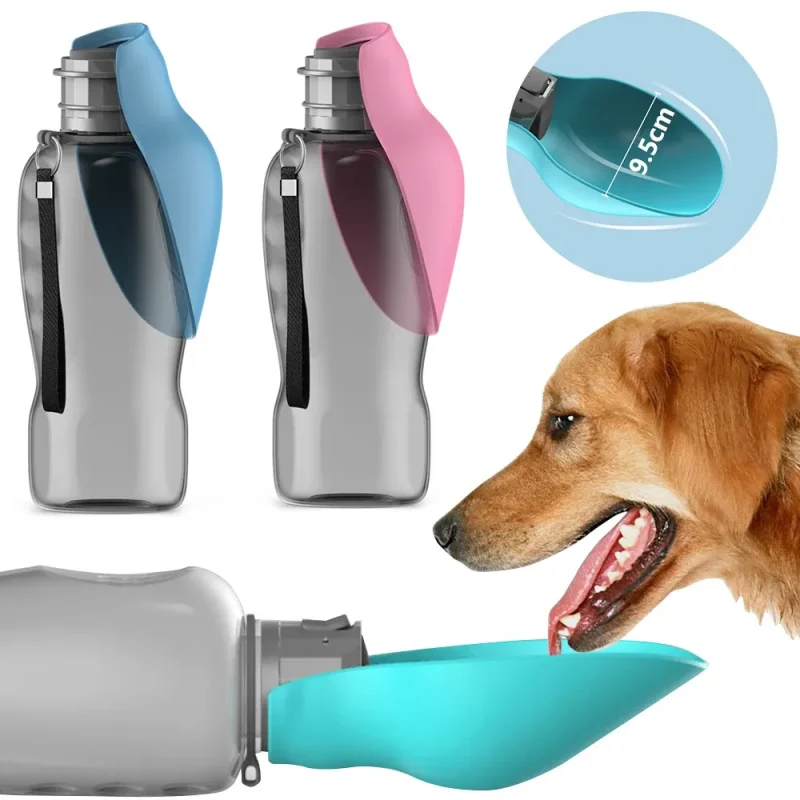
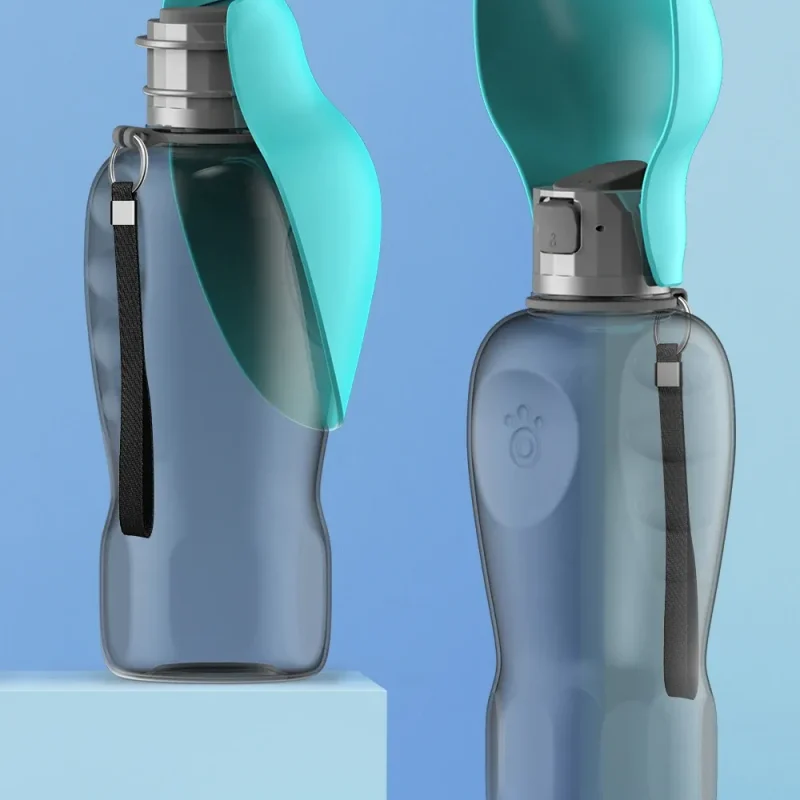
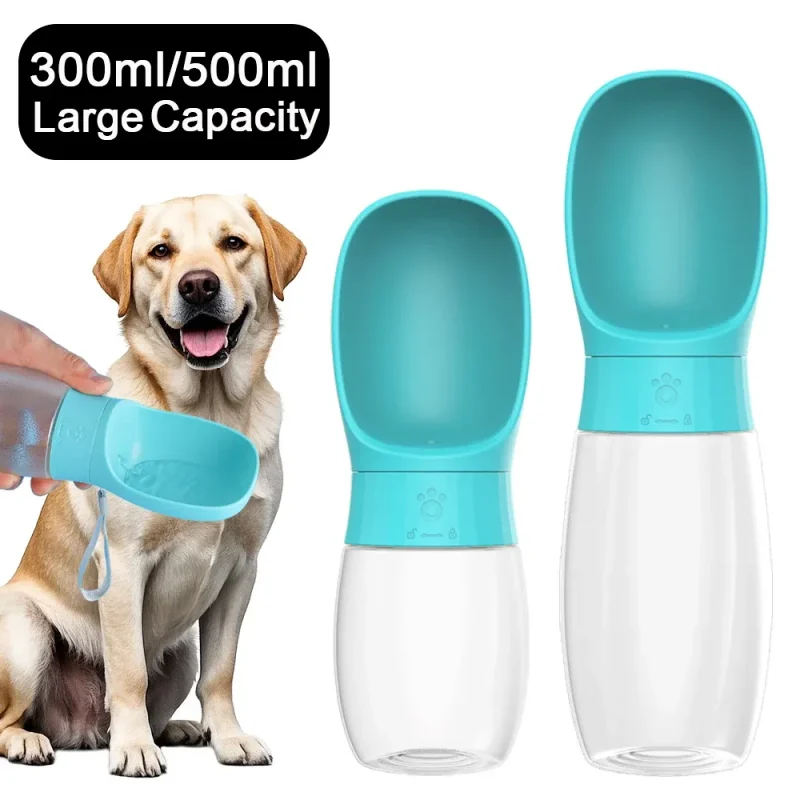
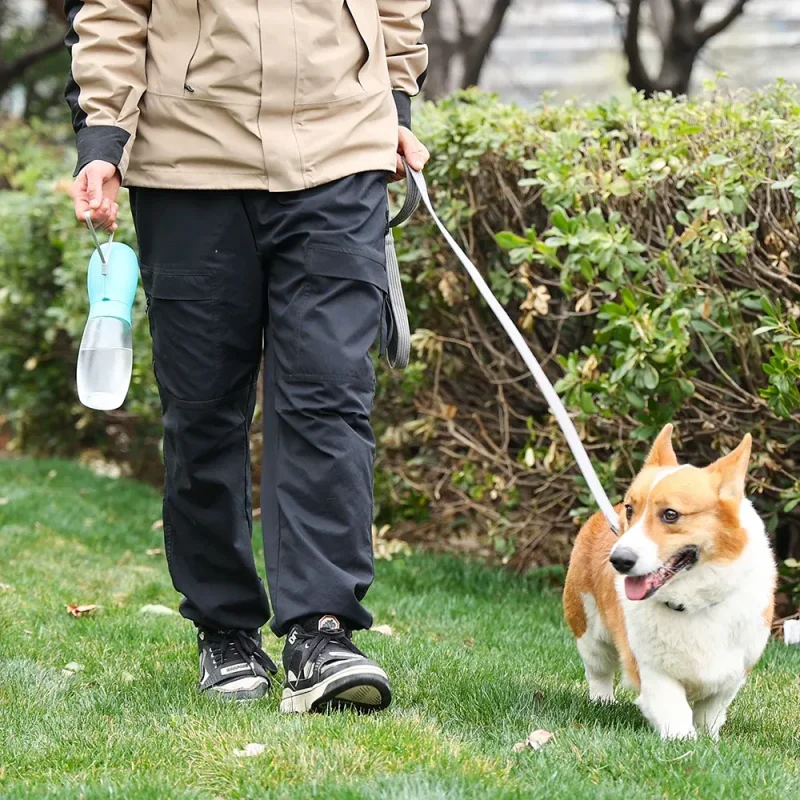
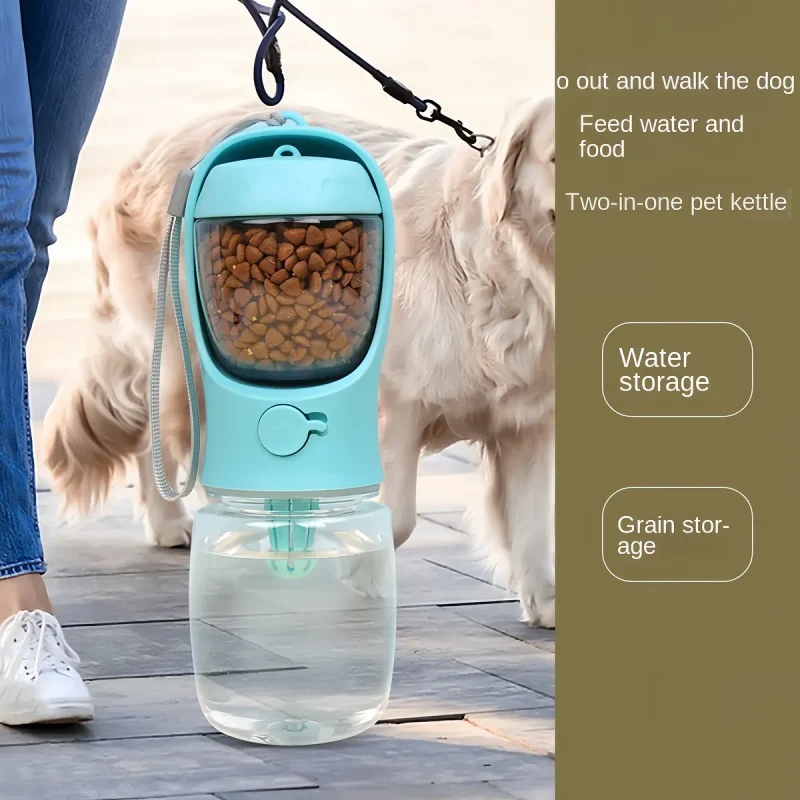
- Watch the temperature: dogs overheat far more easily than people when running. Run early or late on warm days and carry a dog water bottle.
Cycling with your dog alongside
A bike leash attachment fixes to the bike frame with a spring arm, holding your dog at a safe distance from the wheel and absorbing sudden pulls. It suits fit, medium and large dogs on quiet paths.
- Train your dog to walk beside the bike first, then ride at a walking pace.
- Keep to a trot rather than a sprint, and avoid hot tarmac.
- Stop regularly for water and rest.
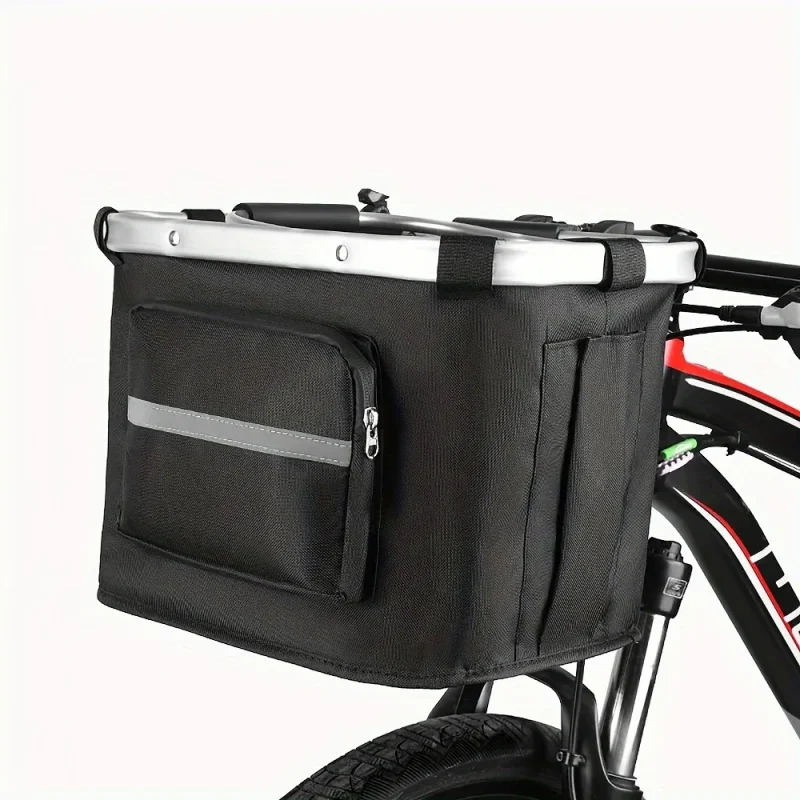
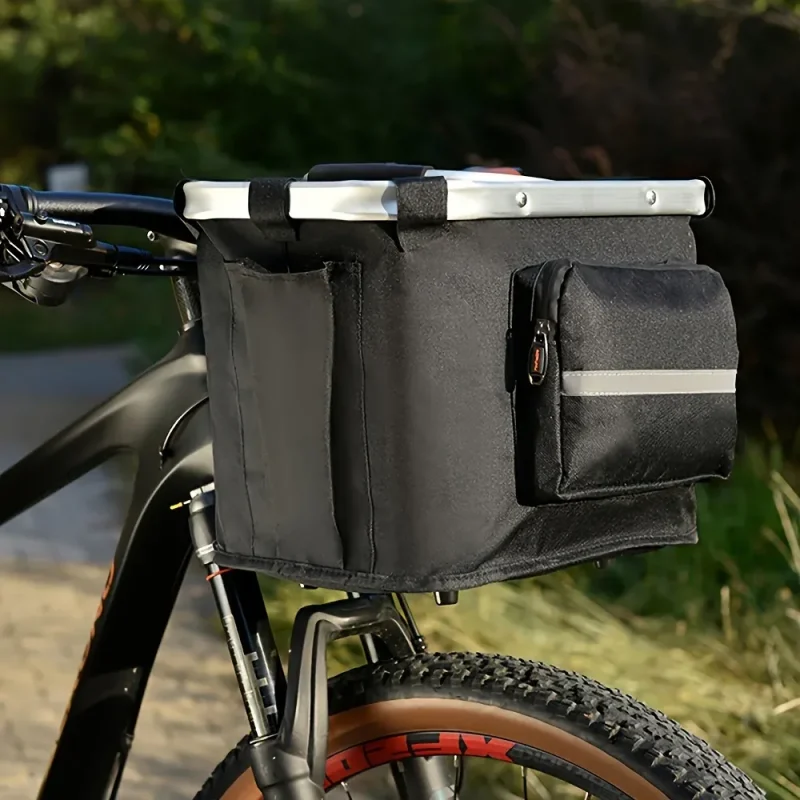
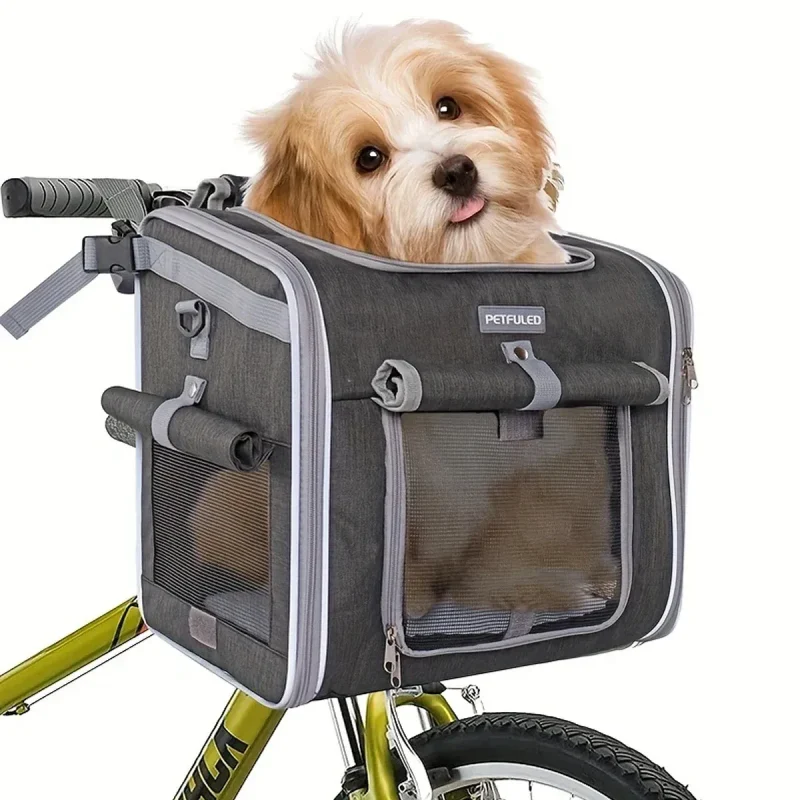
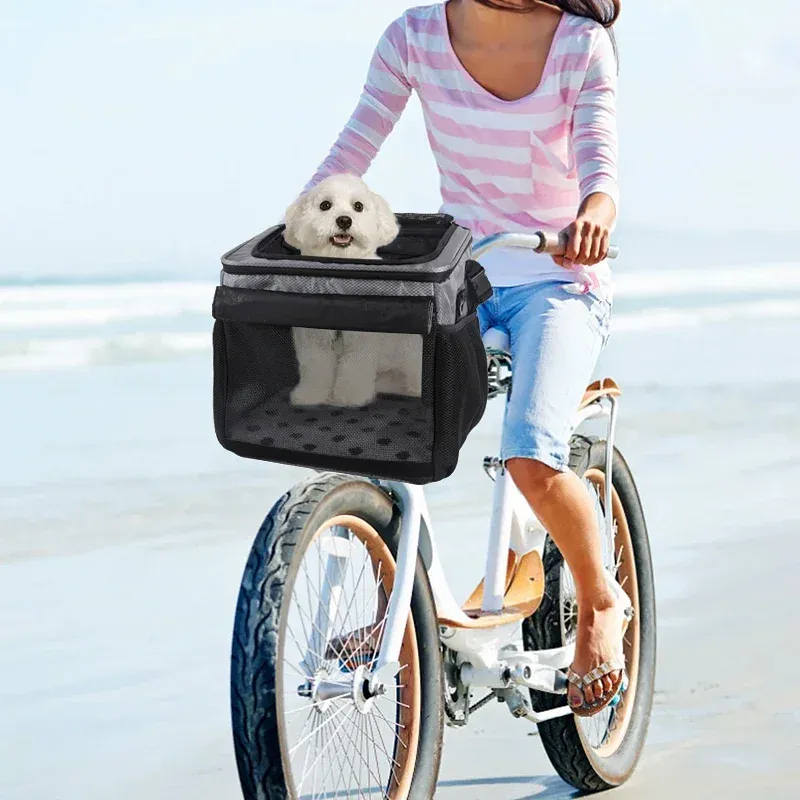
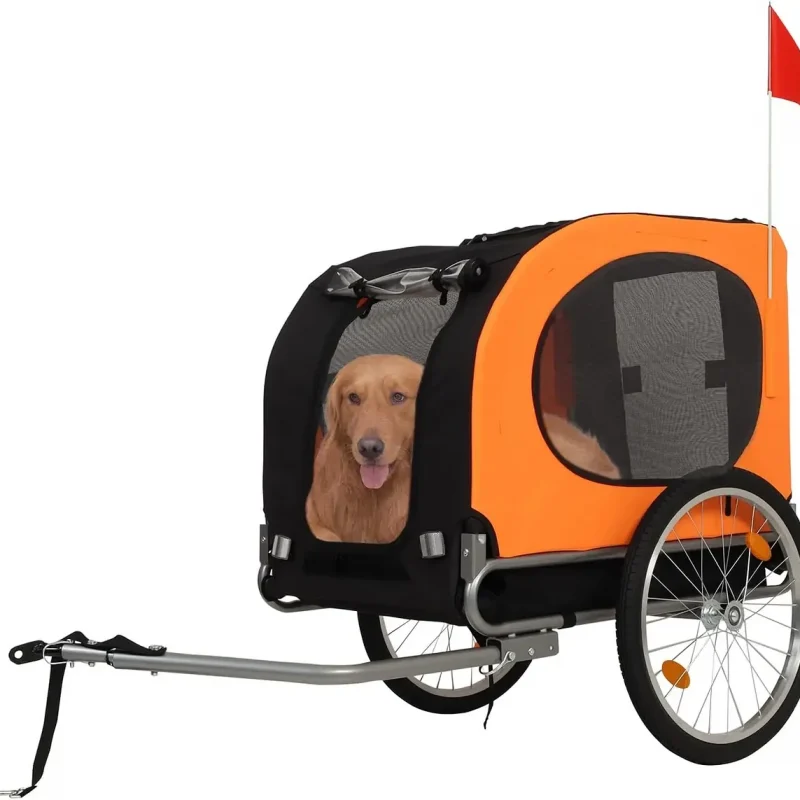
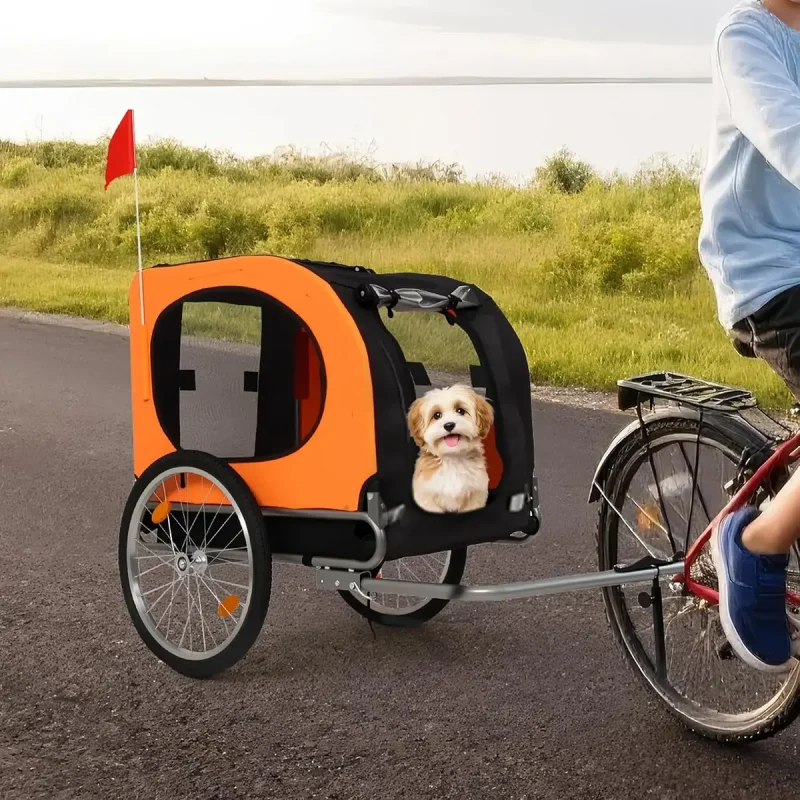
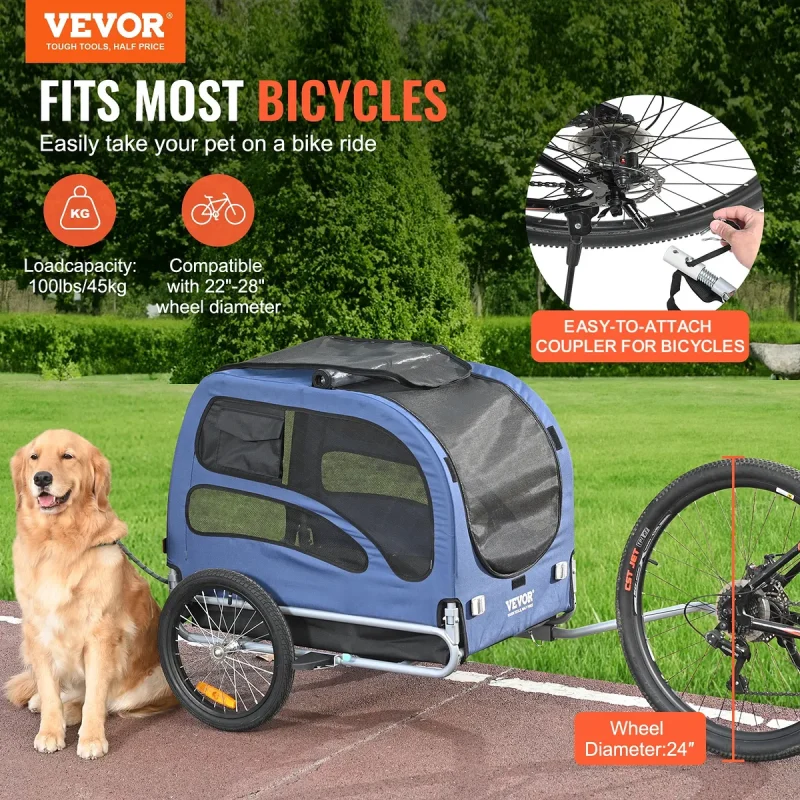
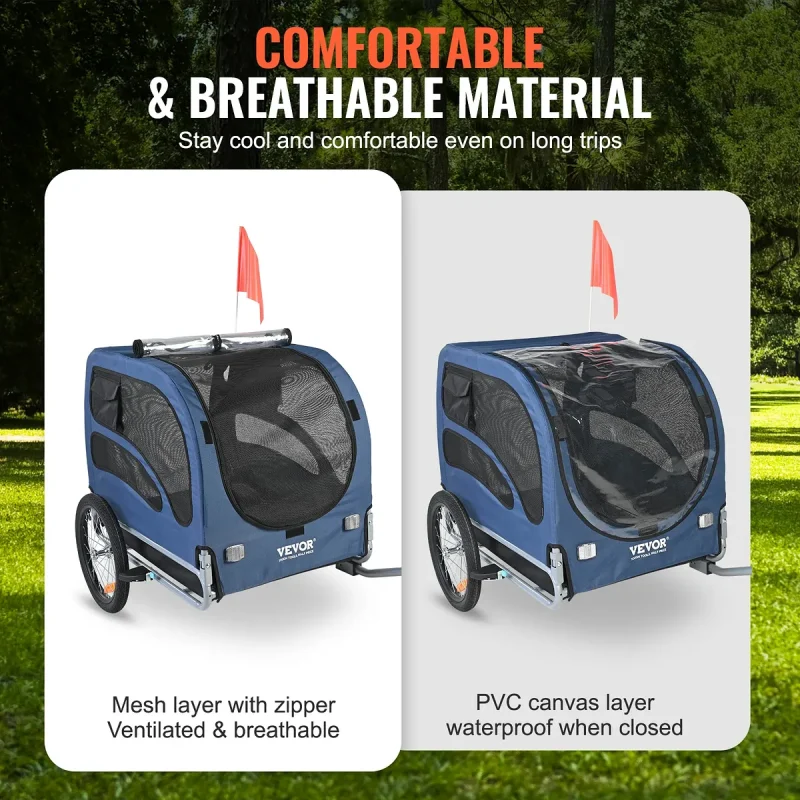
- For small dogs or longer rides, a dog bike basket or a dog bike trailer is a better choice.
Hiking and dog backpacks
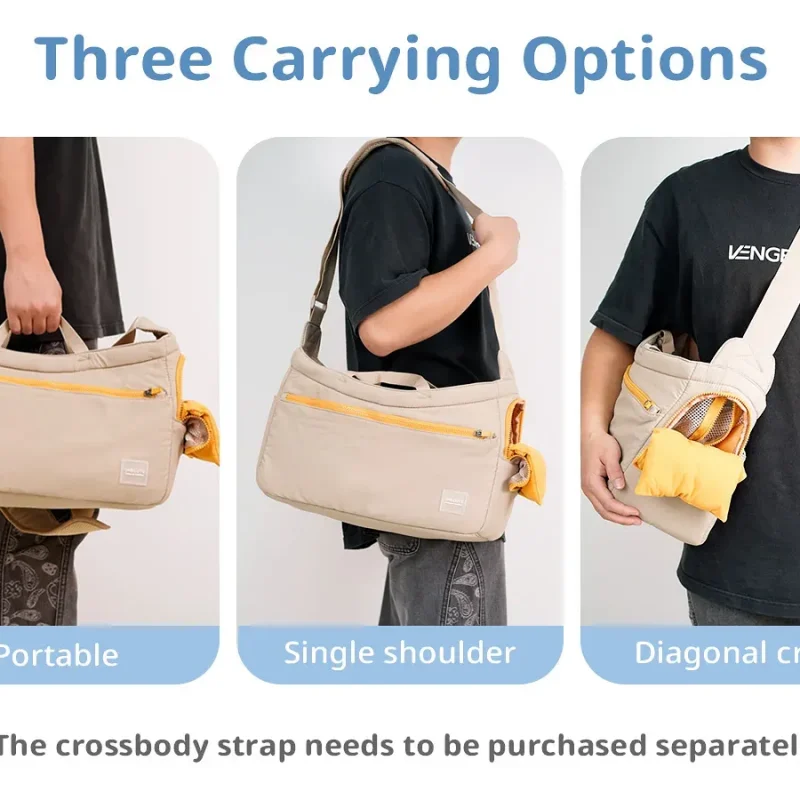
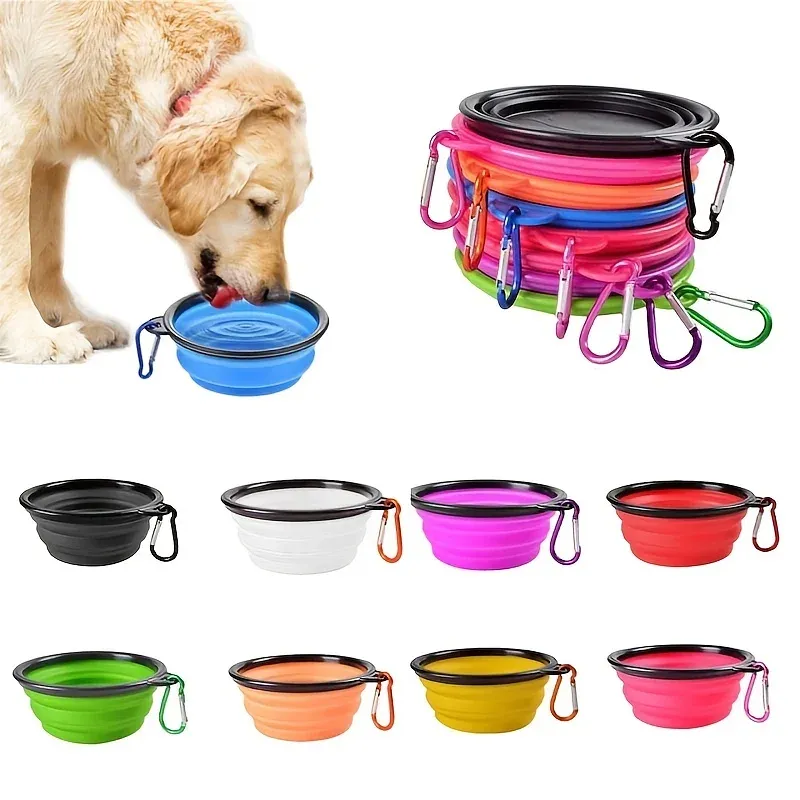
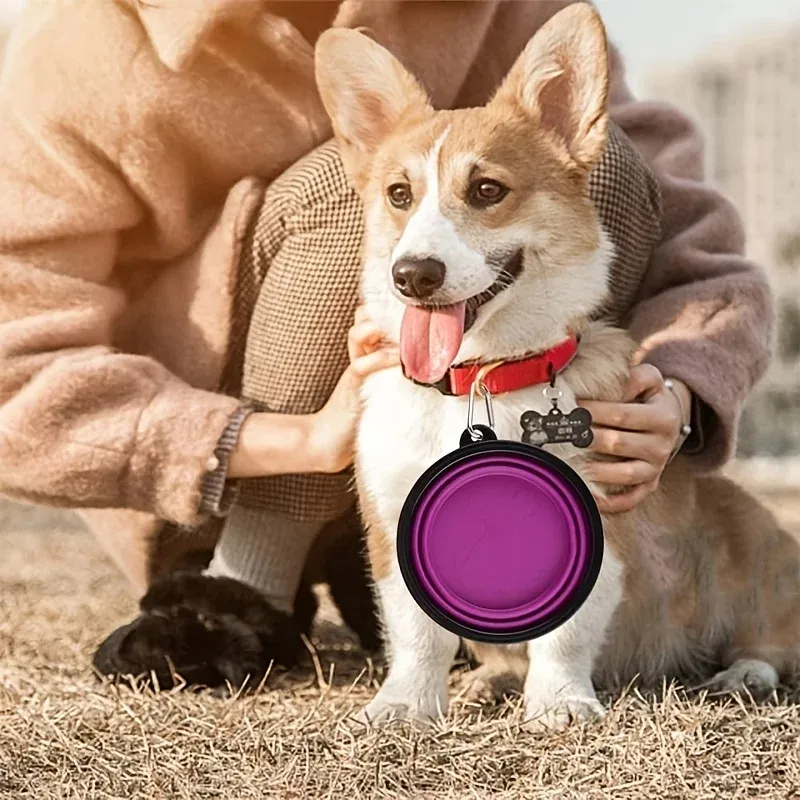
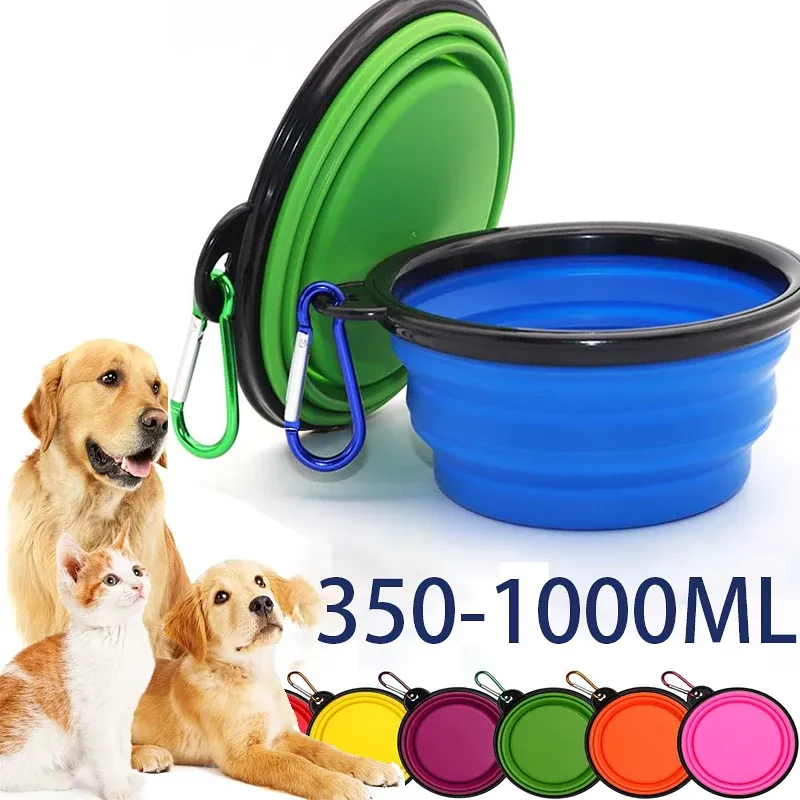
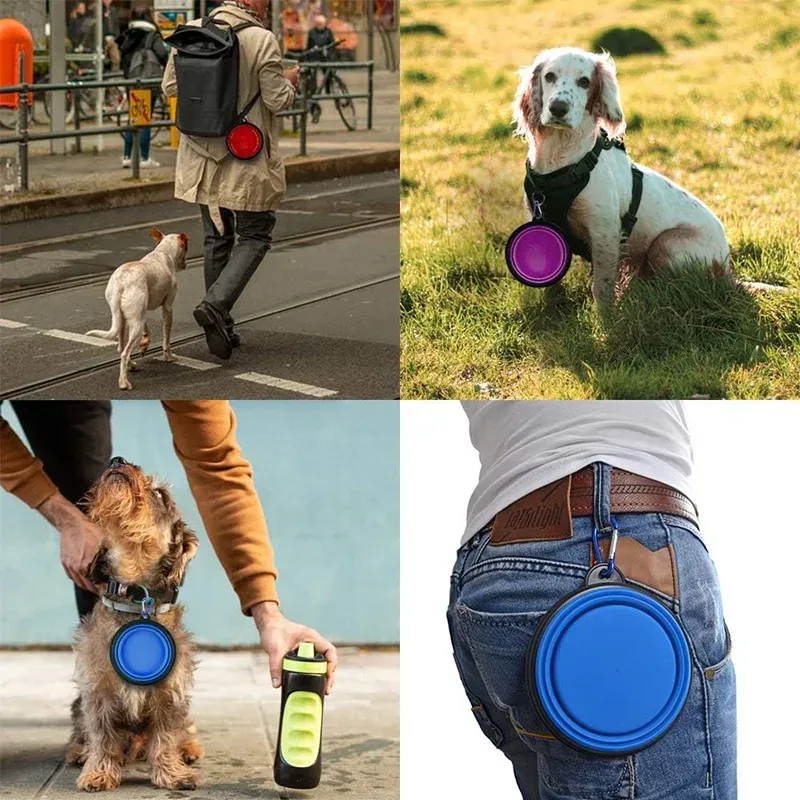
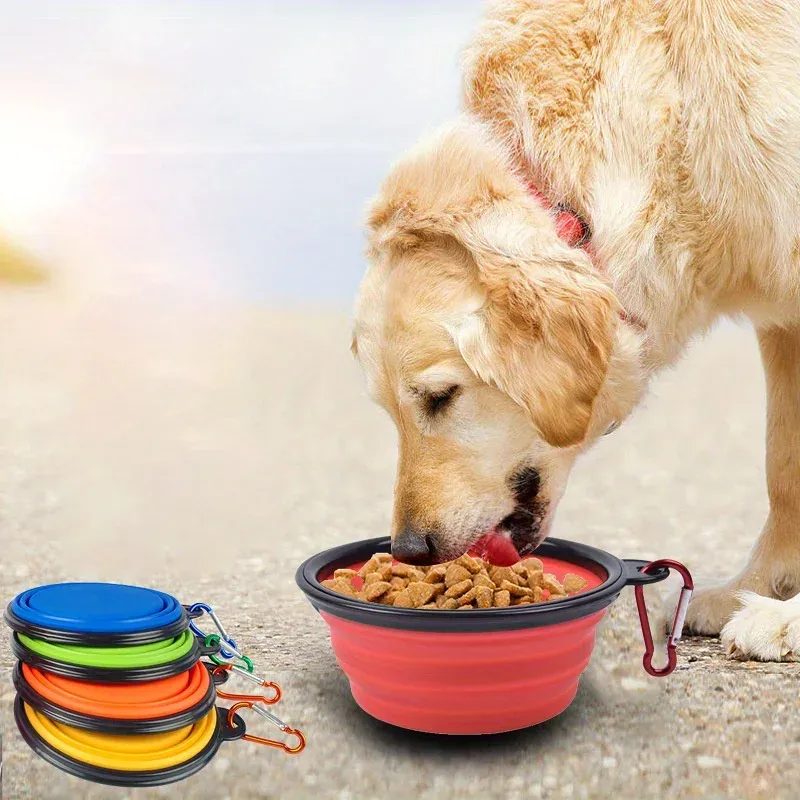
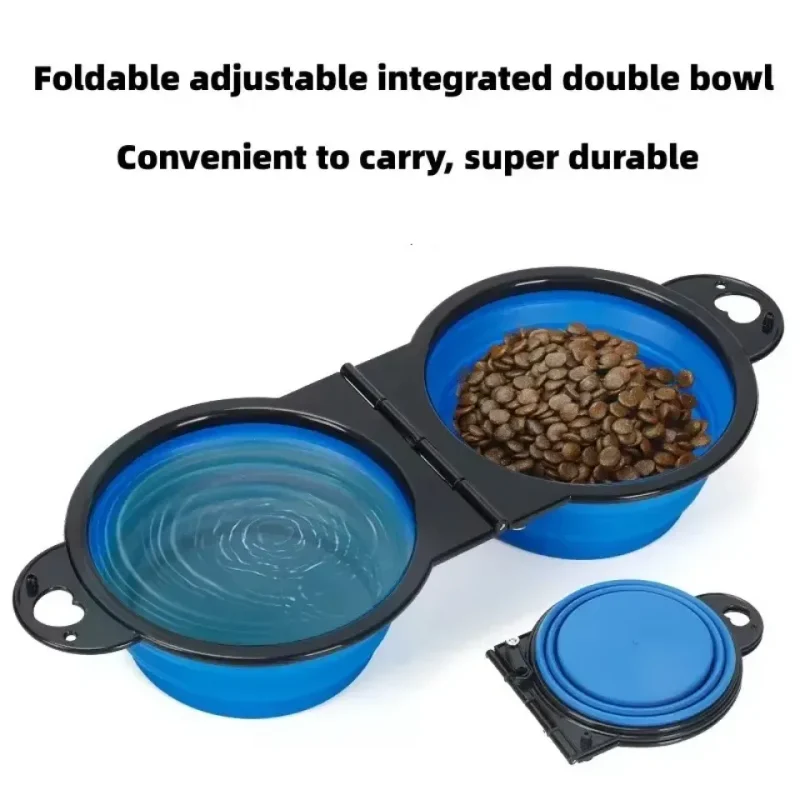
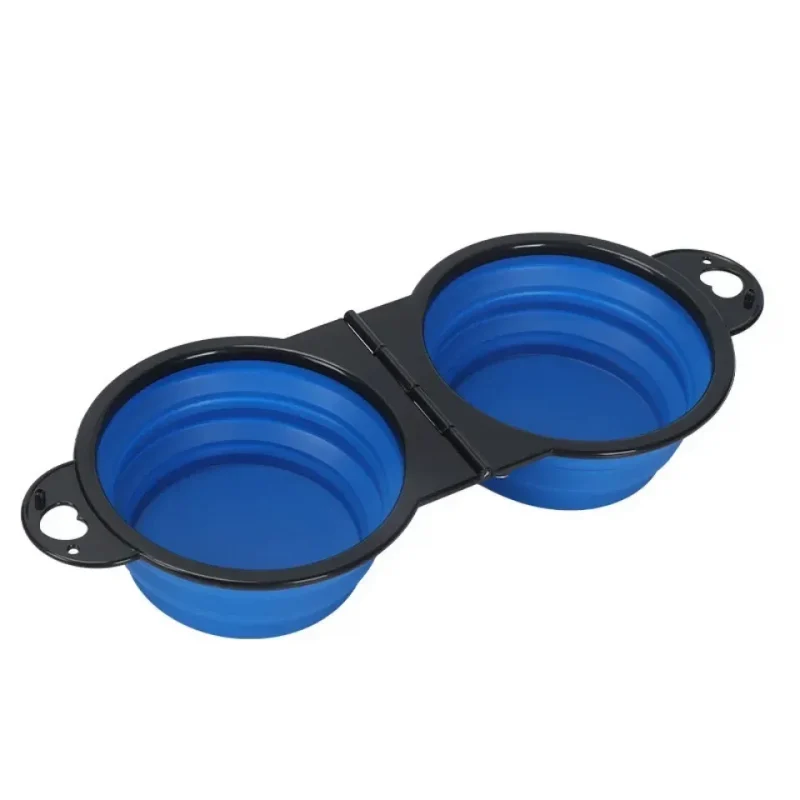
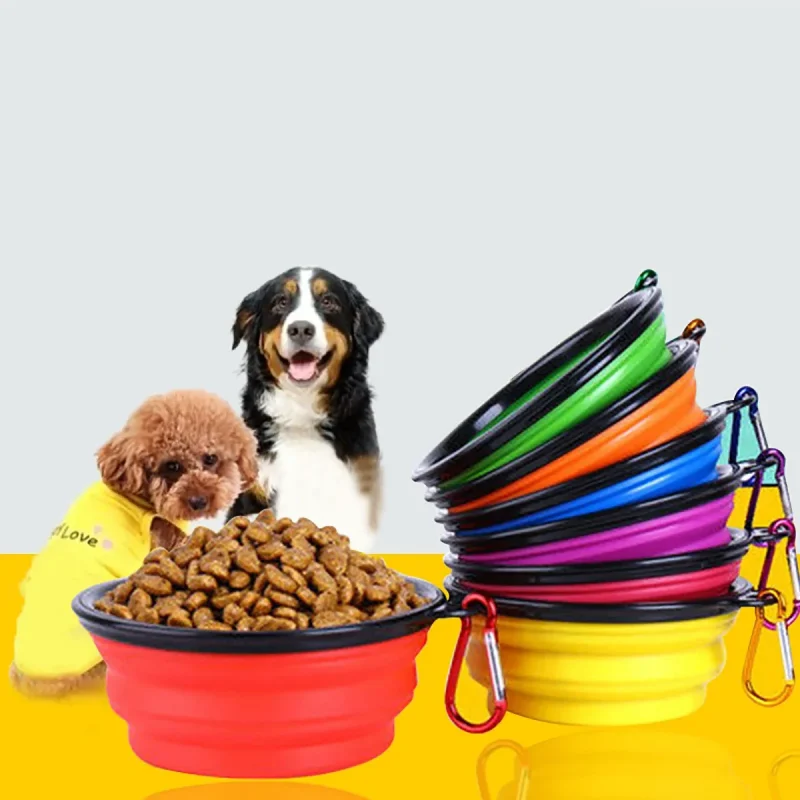
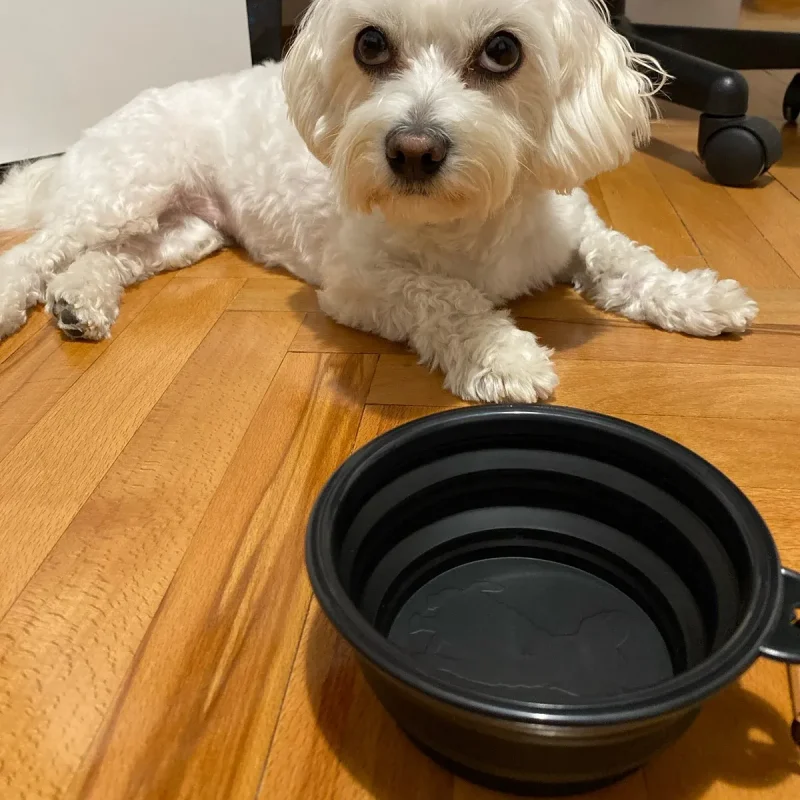
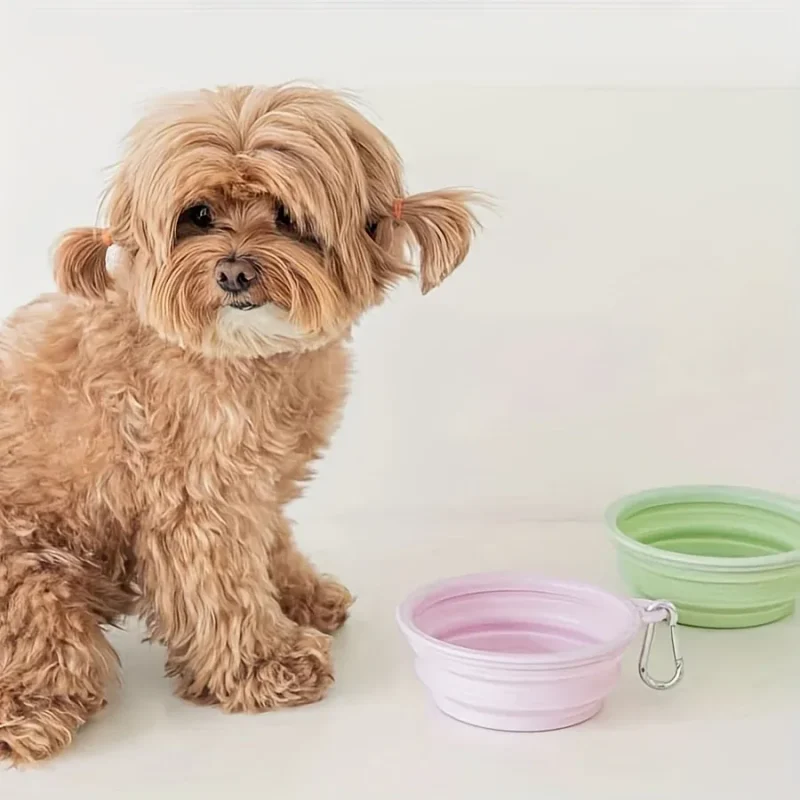
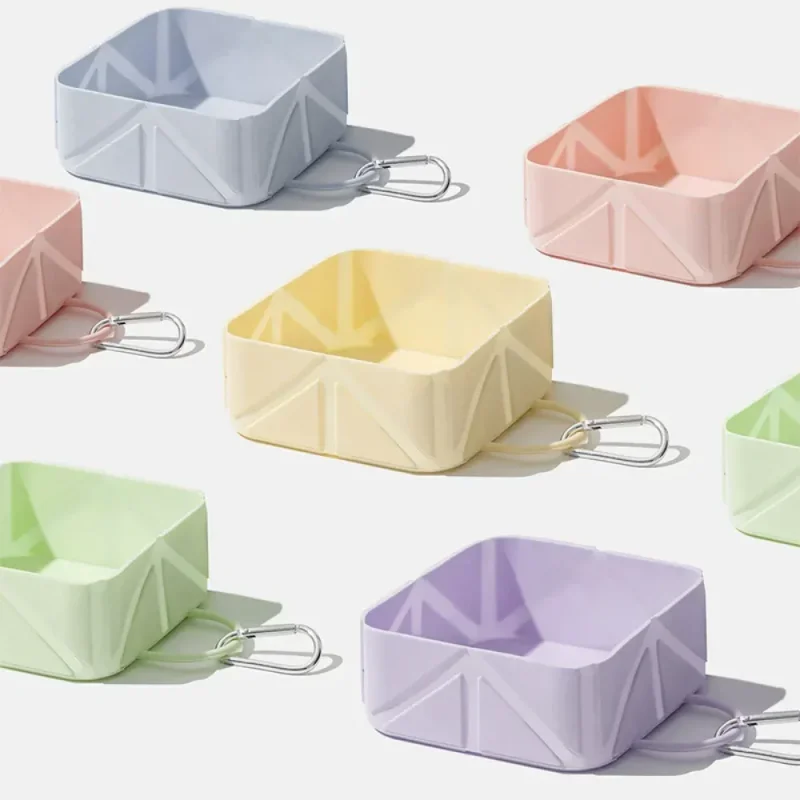
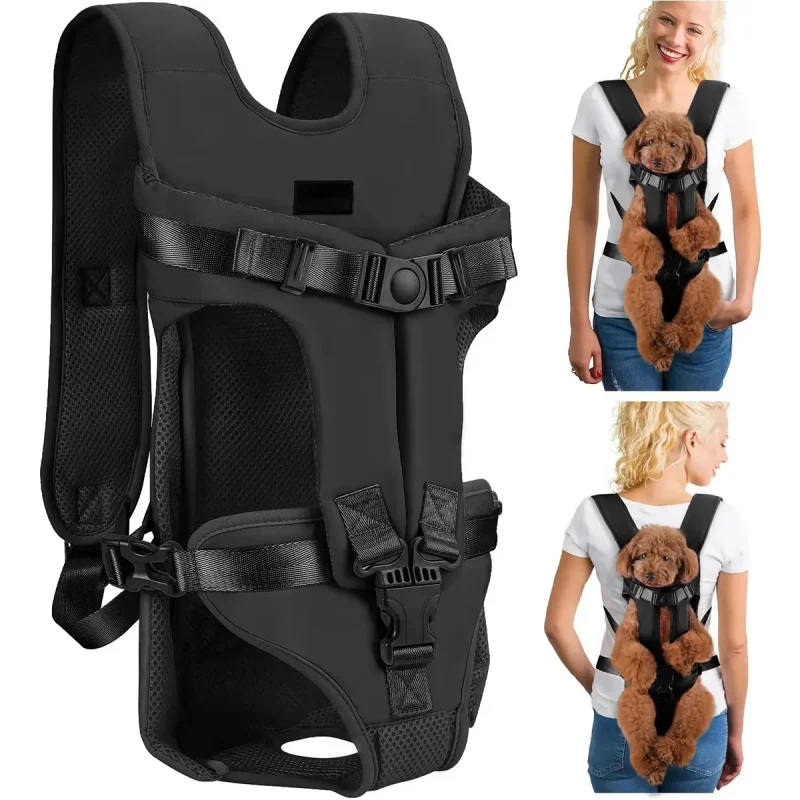
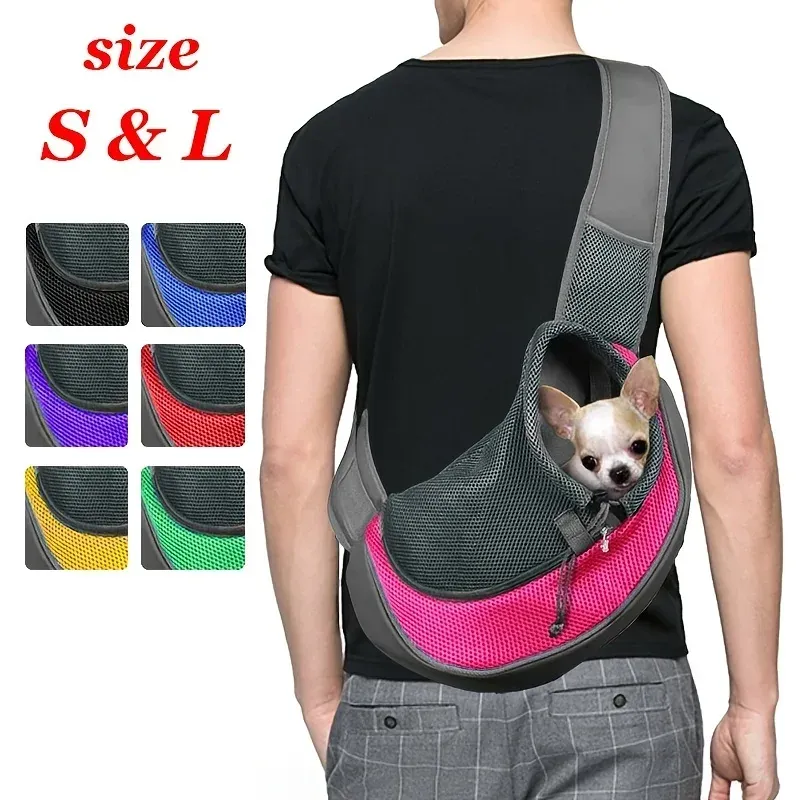
A saddle bag backpack lets your dog carry some of their own kit: water, a collapsible dog bowl, poo bags and treats.
- Start empty and let your dog get used to the feel before adding weight.
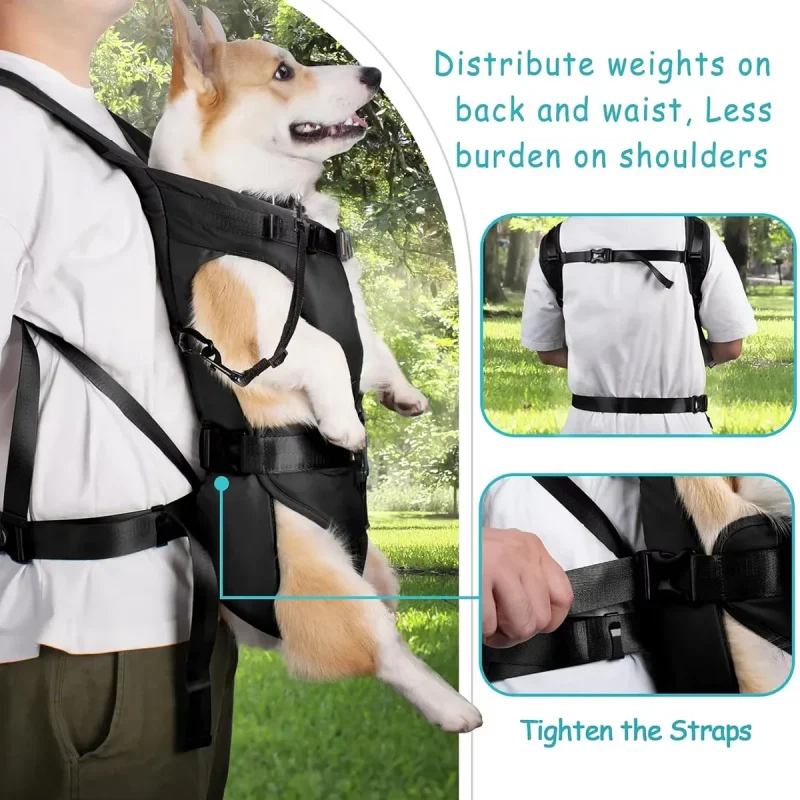
- Keep the load light and balanced. Start with a few light items, build up slowly over several walks, and ask your vet how much your dog can carry, especially if they are young, old or have joint or back problems.
- Balance both sides, so the pack doesn’t slip to one side.
- Check for rubbing under the front legs and along the back after each hike.
Water safety and life vests
Not all dogs are strong swimmers. Heavy, short-legged and flat-faced breeds often struggle, and even good swimmers tire in cold water, currents or waves.
- A dog life vest keeps your dog higher in the water and gives you a handle to lift them out. Look for buoyancy under the chest and neck, a bright colour and reflective trim.
- Fit it snugly: it shouldn’t ride up over the head when you lift the handle.
- Use one on boats, paddleboards and kayaks, and for dogs learning to swim.
- Be careful with blue-green algae in lakes and ponds in warm weather, which can be toxic to dogs. Follow local warning signs and keep your dog out of discoloured or scummy water.
- Rinse your dog with fresh water after swimming in the sea or lakes, and dry their ears well.
Camping with your dog
- Bed: a camping bed or insulated mat keeps your dog off cold, damp ground at night.
- Shelter: a pop-up tent or shade shelter gives a dog somewhere cool to rest during the day.
- Tie-out stake: keeps your dog safely near your pitch. Use a harness, never leave your dog tied out unattended, and keep the line short enough that it can’t tangle round tent pegs or other dogs.
- Check the campsite rules on dogs before you book.
- Pack: food, bowls, water, poo bags, a towel, a first aid kit, a light for the collar, and a familiar blanket.
Keeping cool in the garden
- Paddling pools give a dog somewhere to cool off on hot days. Choose a sturdy, puncture-resistant pool with a non-slip floor, and empty it after use.
- Sprinkler splash mats spray water when stepped on, a fun way for playful dogs to cool down.
- Garden water dispensers keep fresh water available outdoors.
- Always provide shade, and never rely on water toys alone to keep a dog cool in very hot weather.
Building fitness for bigger adventures
Dogs, like people, need to build up to long days out. A dog that walks for half an hour around the block won’t be ready for a full day in the hills.
- Increase the length of walks gradually over several weeks.
- Add hills and rougher ground a little at a time, which also toughens paw pads.
- Watch for signs your dog is tiring: lagging behind, lying down, limping or heavy panting. Rest, and turn back if needed.
- Check paws after long walks for cuts, cracked pads and grass seeds between the toes.
- Plan rest days after big outings, just as you would for yourself.
Puppies and older dogs outdoors
- Puppies should have short, varied outings while their joints develop, with lots of sniffing and exploring rather than long runs or hikes. Ask your vet how much exercise suits your puppy’s breed and age.
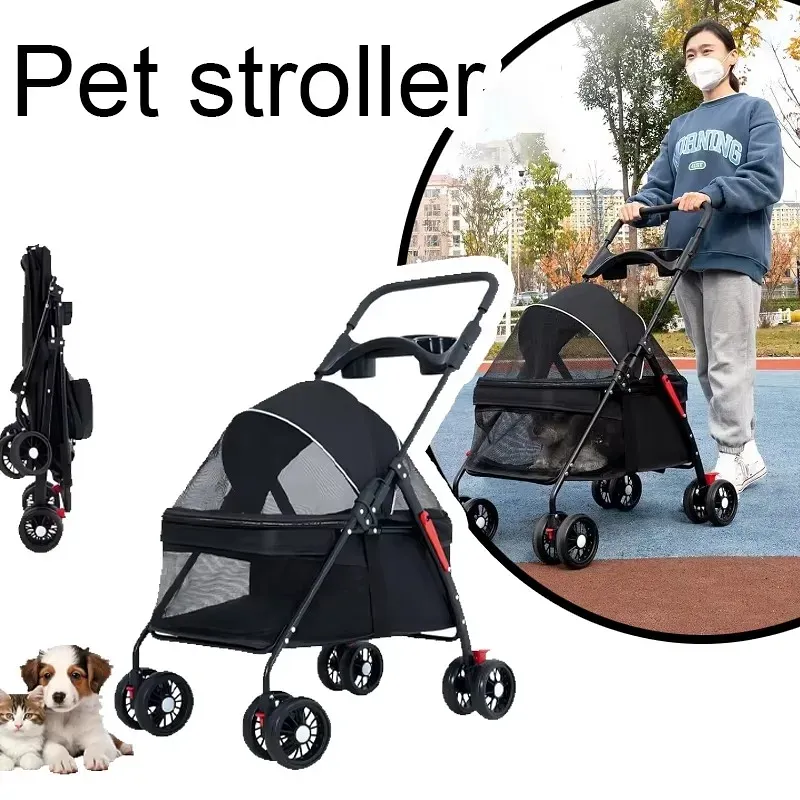
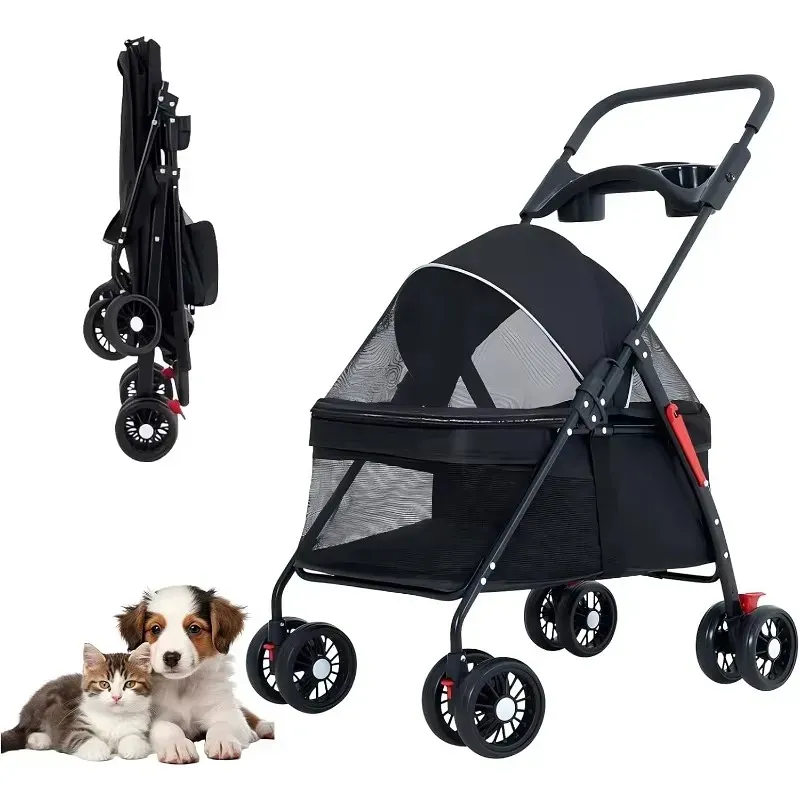
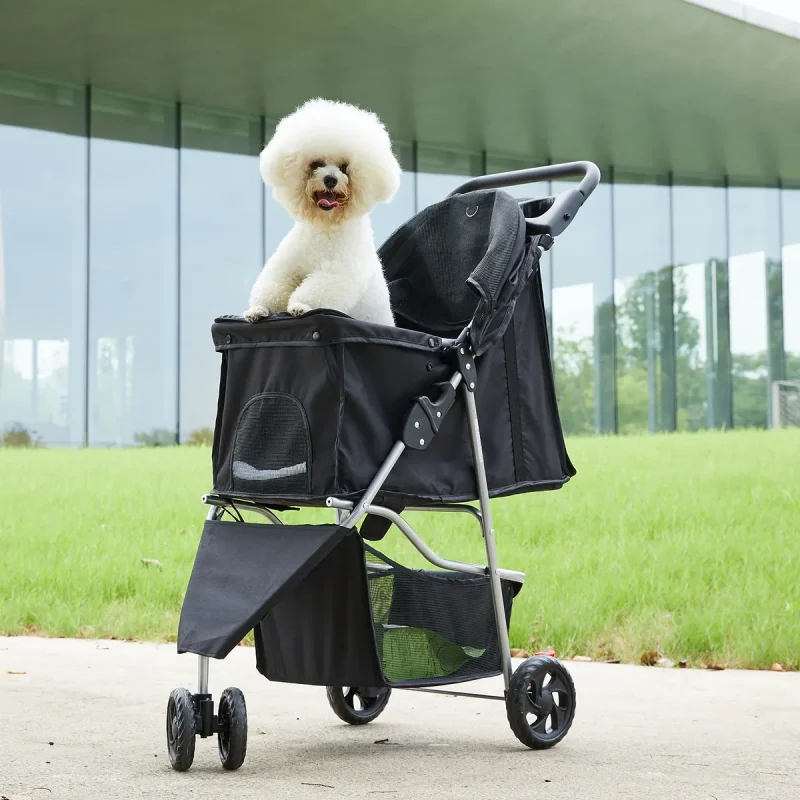
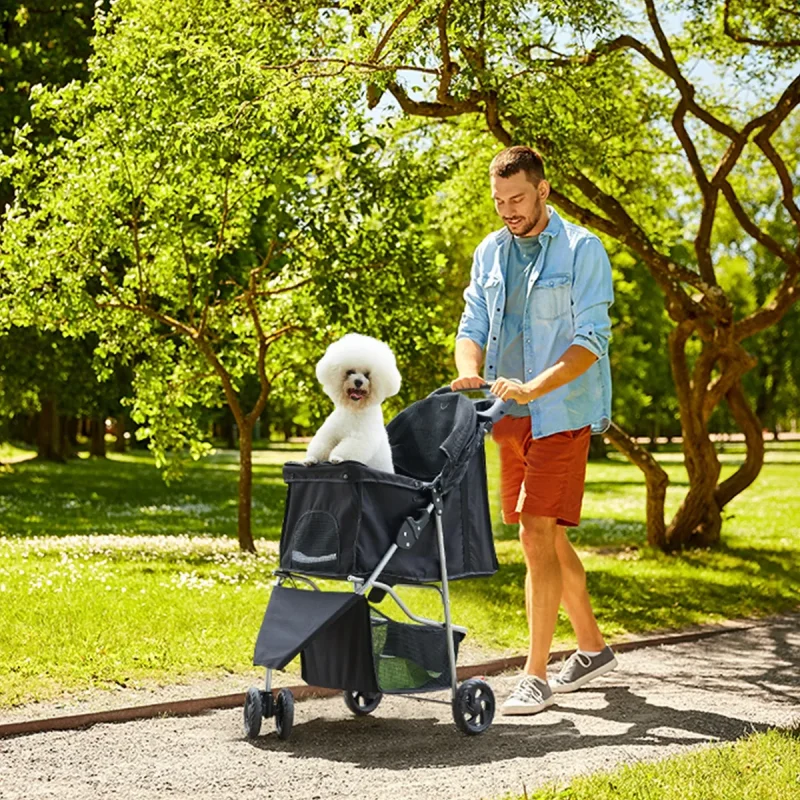
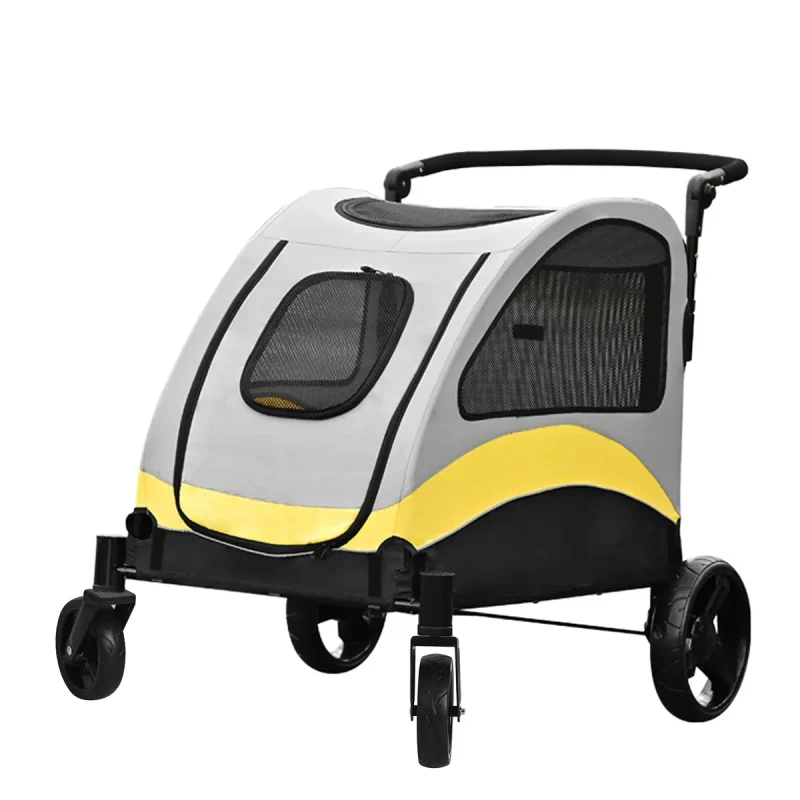
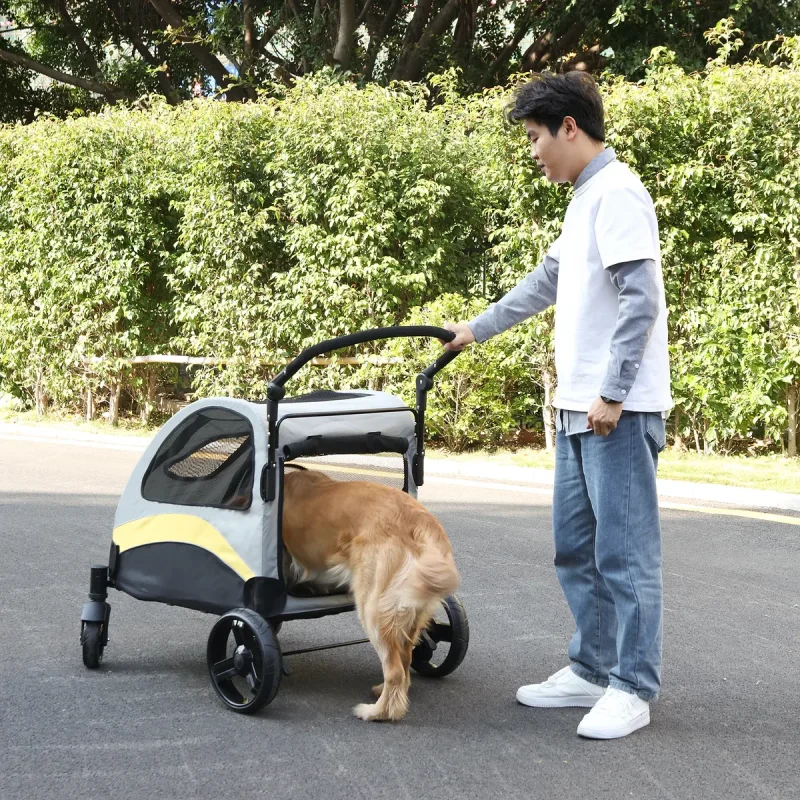
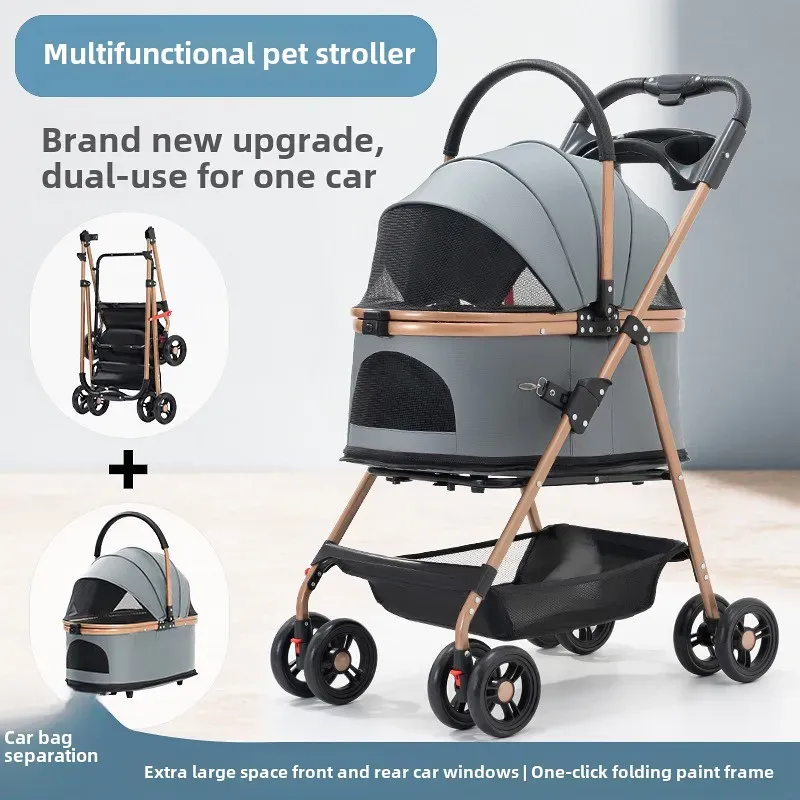
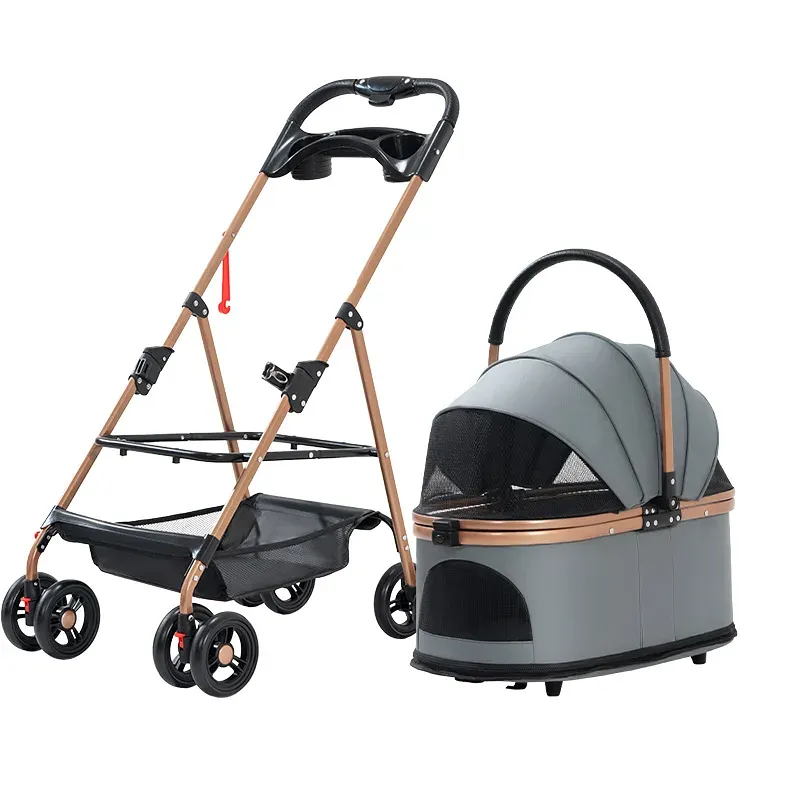
- Older dogs still enjoy adventures but need shorter distances, more breaks and softer ground. A dog pram or trailer lets them join longer days and ride the parts they can’t walk.
Staying safe outdoors
- Heat: watch for heavy panting, drooling, weakness and vomiting, which can mean your dog is overheating. Stop, find shade, offer water and call a vet.
- Cold and wet: dry your dog properly after wet walks, and consider one of our dog coats for thin-coated dogs.
- Ticks: check your dog after walks in long grass and woodland, especially around the head, ears and legs.
- Livestock: keep your dog on a lead near sheep, cattle and horses, and follow local signs.
- Visibility: use reflective gear and a collar light in low light.
- First aid: carry a small kit and know where the nearest vet is when you’re away from home.
Cleaning and care
- Rinse mud and salt water off belts, lines, vests and backpacks, and dry them fully before storing.
- Check stitching, buckles and clips before each trip.
- Clean and dry paddling pools and splash mats after use, so water doesn’t stand and go stale.
Questions owners ask
Can my dog go running with me?
Most healthy adult dogs can, once you build up distance slowly. Ask your vet before running with a puppy, an older dog or a dog with joint problems, and avoid running in the heat.
Does my dog need a life jacket?
It’s a good idea on boats and paddleboards, in open water and for weaker swimmers, including heavy and flat-faced breeds.
How much can my dog carry in a backpack?
Start empty and keep loads light. Load it gradually, watch how your dog moves, and ask your vet what is sensible for your dog.
How do I keep my dog cool on hot days?
Walk early or late, avoid hot tarmac and sand, give constant access to shade and fresh water, and let your dog cool off in a paddling pool or shallow, clean water. Never leave a dog in a parked car on a warm day.
Why buy your outdoor dog gear from TAILOVO
We sell gear for dogs only, and every outdoor product we list has to pass the same checks: fittings that stay secure when wet, visibility in low light, and materials that rinse clean after a muddy day. Each product page gives size charts in centimetres with inches in brackets. Orders over $79 ship free with tracking. Planning a trip and not sure what to take? Email [email protected] and a real person will help.
Get outside with your dog, and find the gear for your next adventure at TAILOVO.