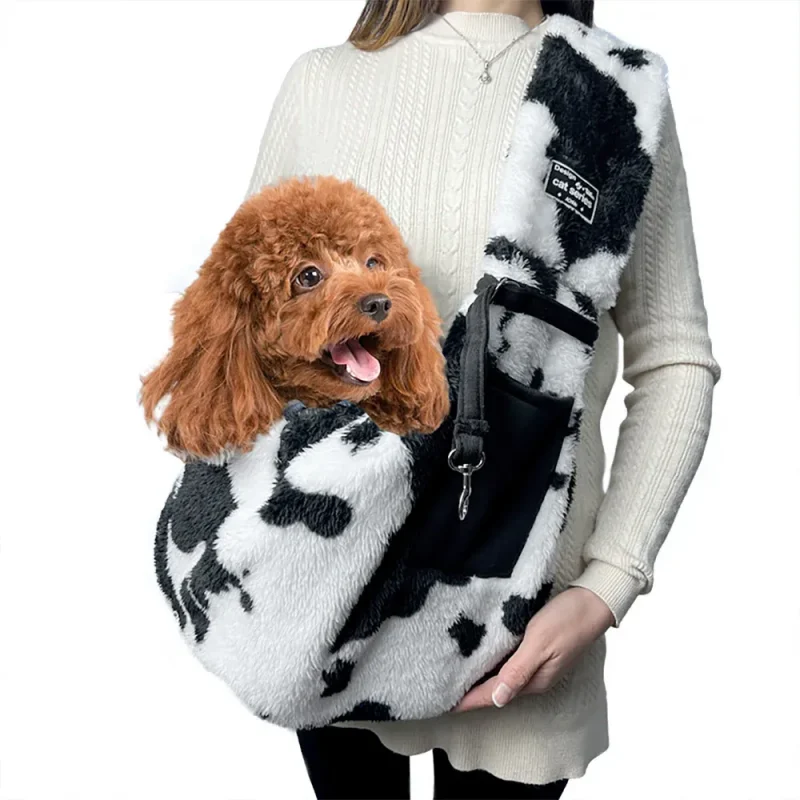
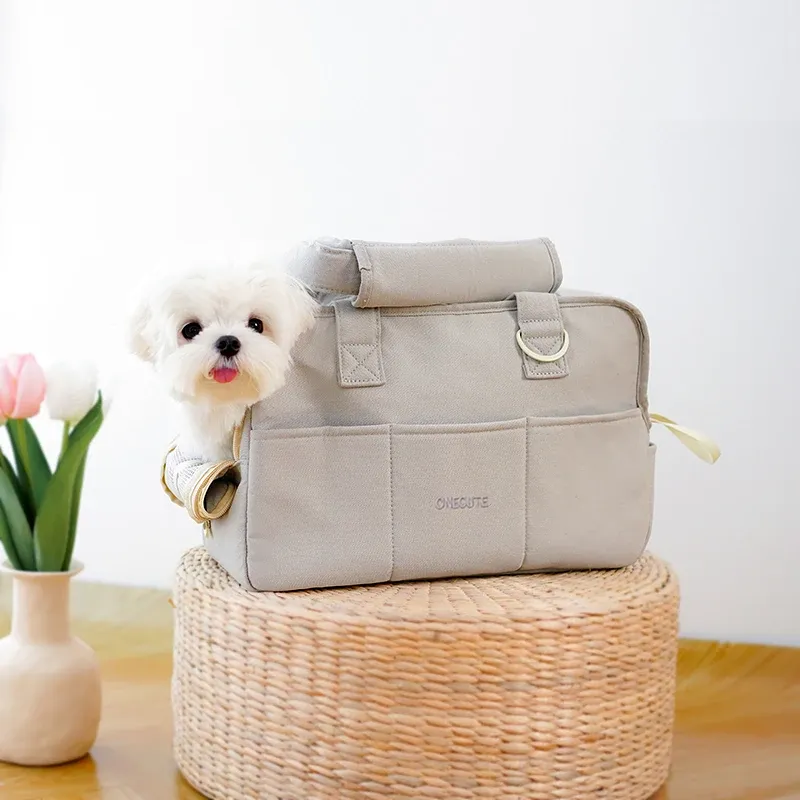
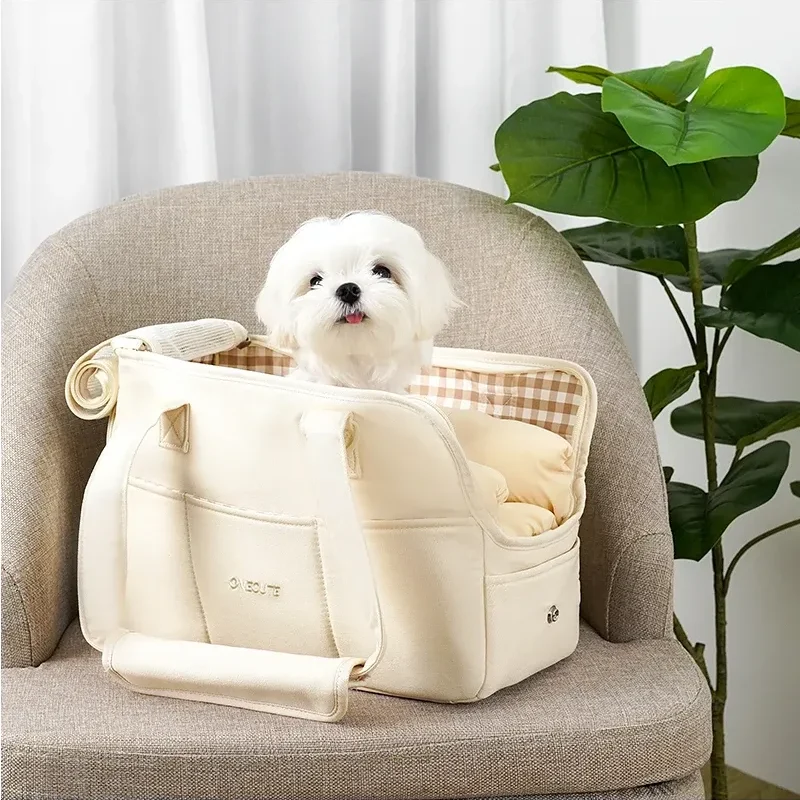
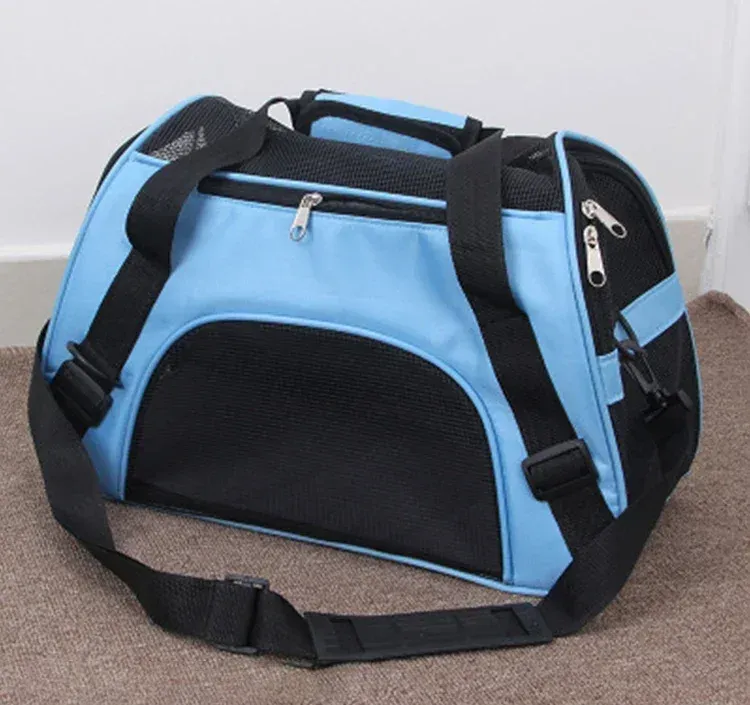
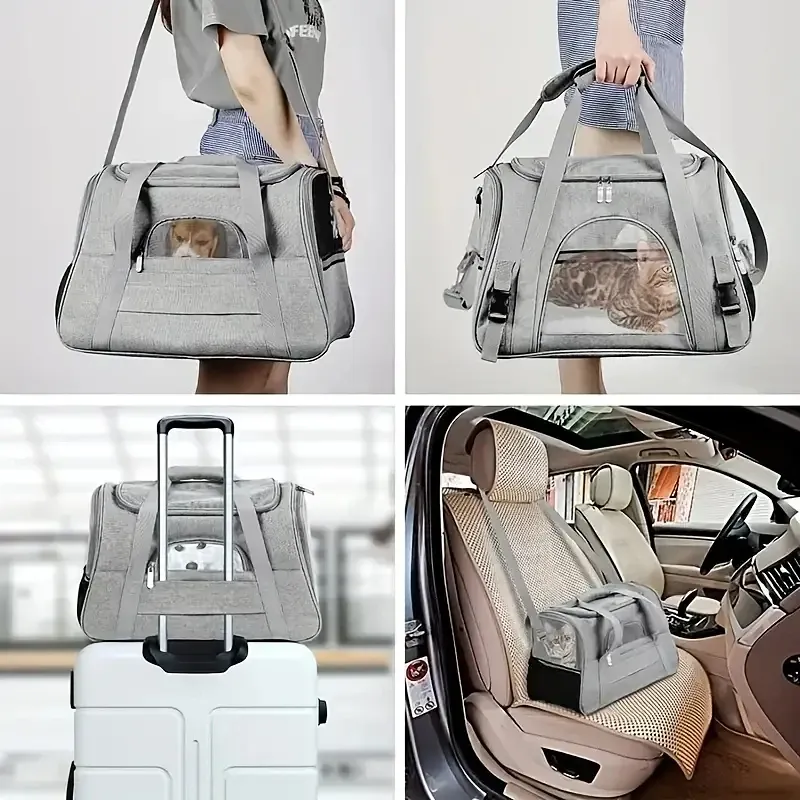
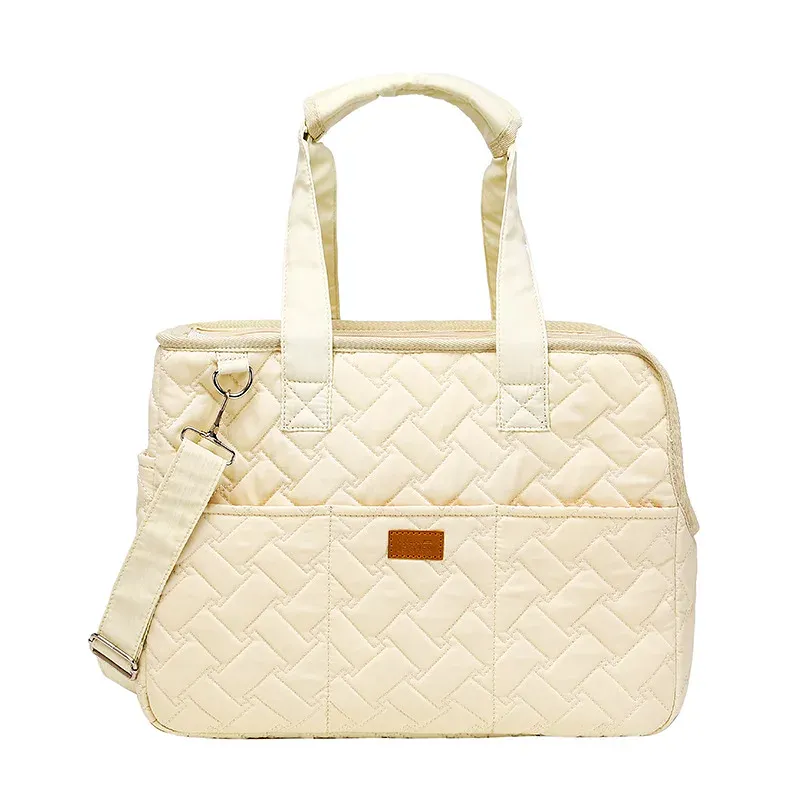
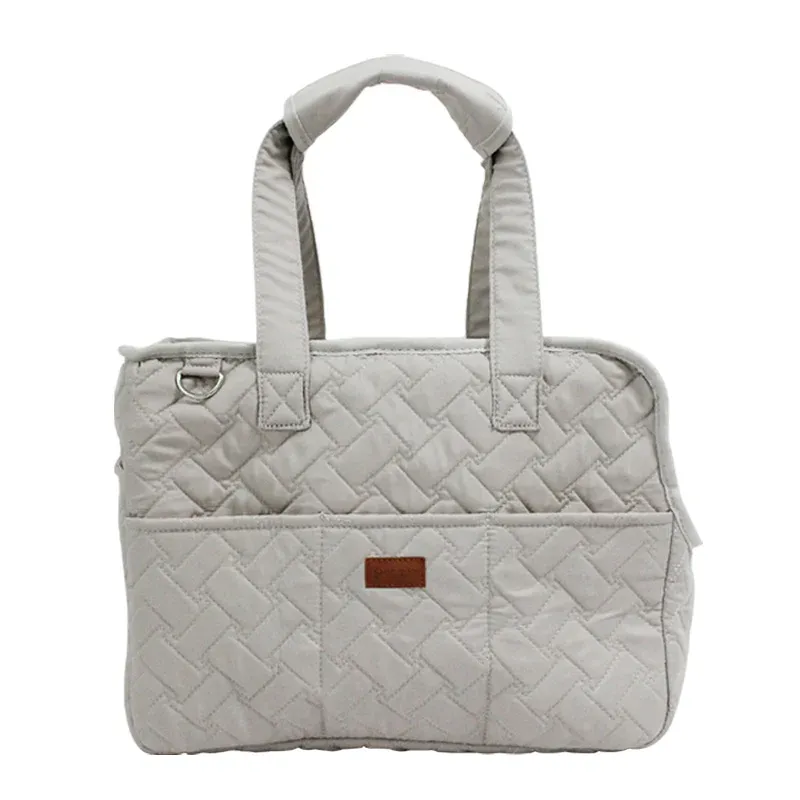
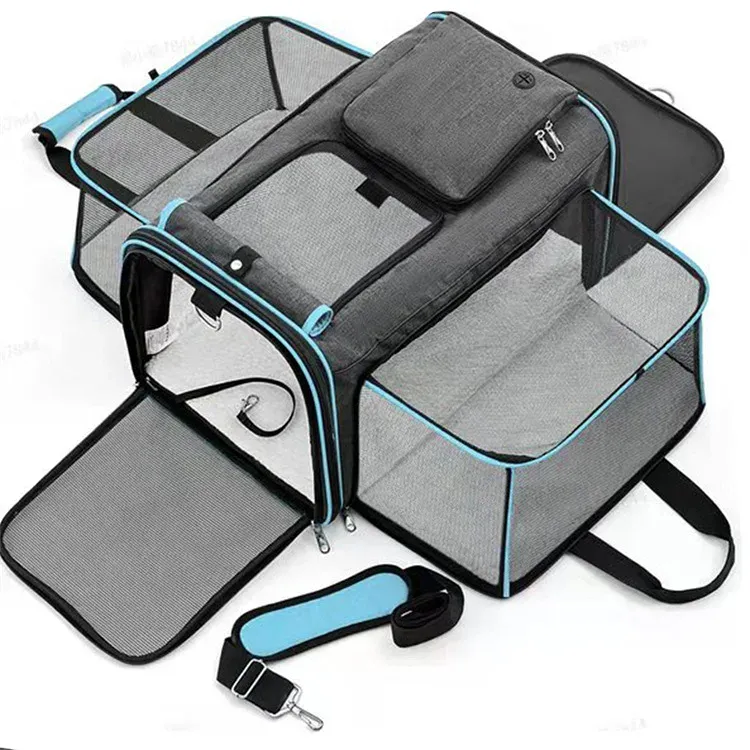
On a flat back seat, a small dog sees upholstery, slides about on every roundabout and usually ends up on someone’s lap. A booster seat gives them a fixed, raised place that straps to the car, with a short tether that clips to their harness. Every seat in this category is made for small dogs: the stated weight limits run from 3.5 kg (7.7 lb) for the console seat to 7.5 kg (17 lb) for the framed box seat. This guide covers how the different seats work, what they are made of, how to size and fit one, and what a booster seat can and can’t do for your dog. For the rest of the car and the journey, see our full range of dog travel accessories.
Dog car seat types compared
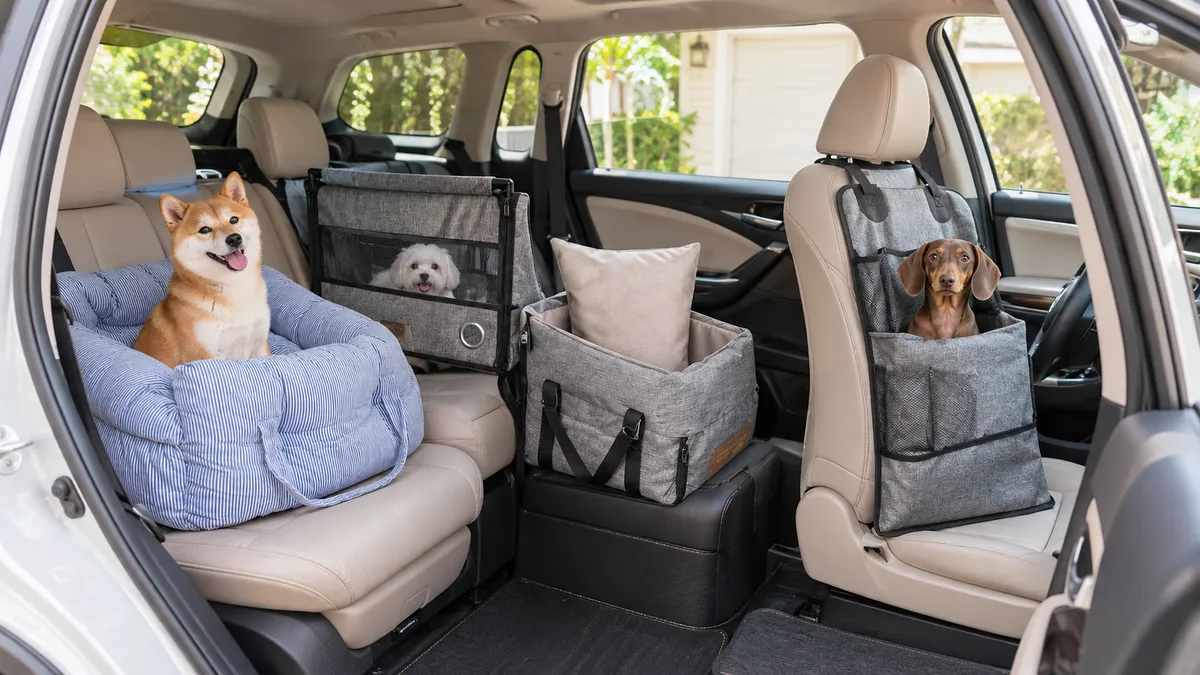 The seven seats here fall into five types, which differ in shape, structure and where they sit in the car. The table puts the figures side by side; the notes below explain who each one suits.
| Type |
Size |
Stated weight limit |
Main material |
Where it goes |
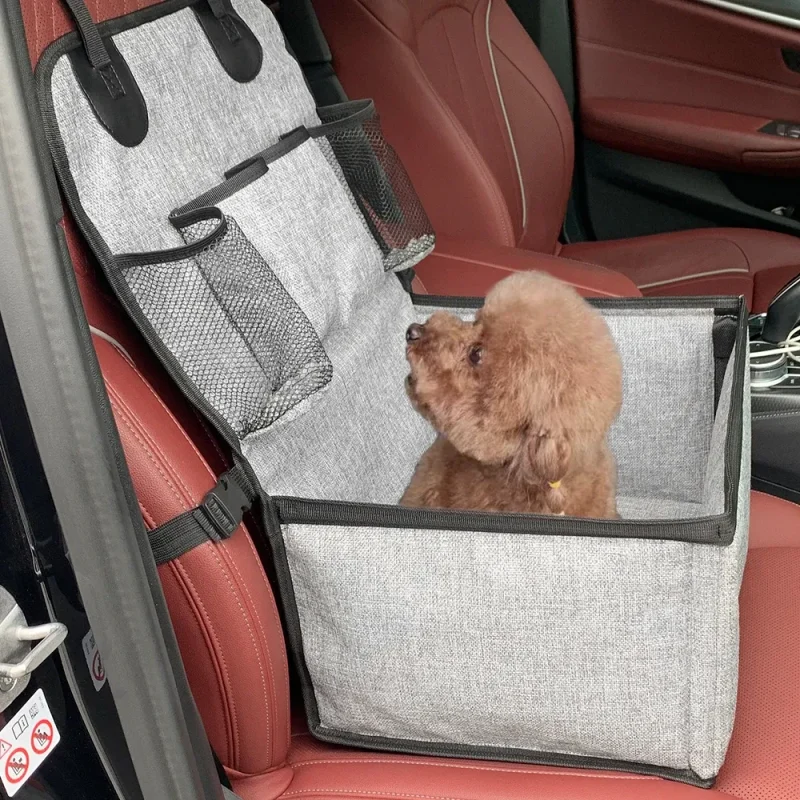
| Hanging basket |
Base 40 × 34 cm (15.7 × 13.4 in) |
Small dogs; no figure given |
Polyester with mesh sides |
Rear seat, hung from the headrest |
| Folding water-resistant basket |
Seat area 43 cm (16.9 in) wide |
Small dogs; no figure given |
Quilted Oxford with water-resistant coating |
Rear seat |
| Box seat with framed sides |
Box with PVC-framed rim |
7.5 kg (17 lb) |
Oxford with mesh panels, water-resistant lining |
Rear seat |
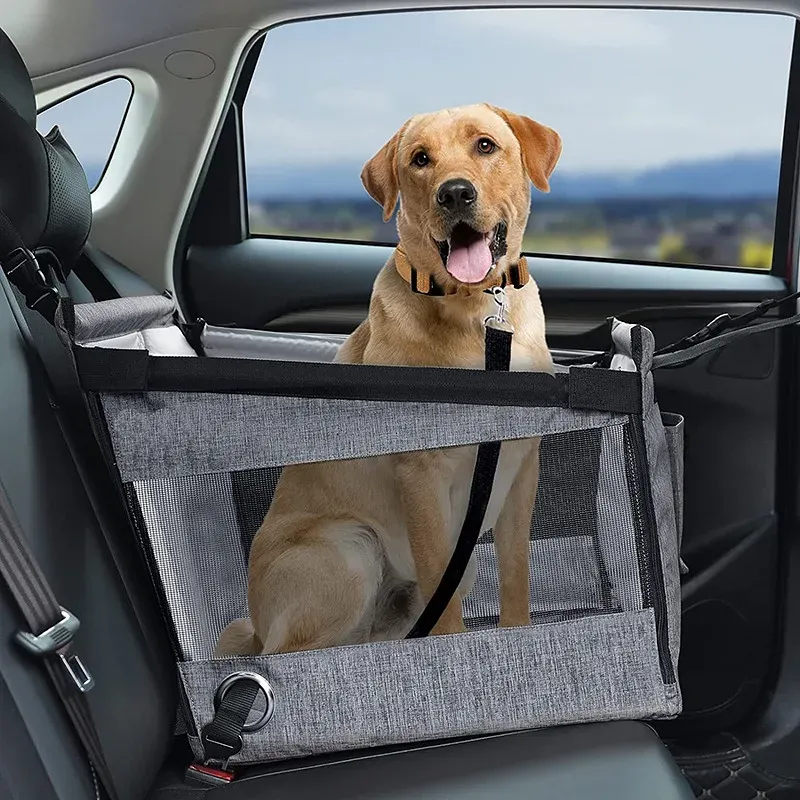
| Enclosed seat with mesh windows |
Base 49 × 49 cm (19.3 × 19.3 in) |
Small dogs; no figure given |
Nylon with mesh on three sides |
Rear seat |
| Car seat bed |
M 46 × 42 × 34 cm (18.1 × 16.5 × 13.4 in); L 60 × 60 × 30 cm (23.6 × 23.6 × 11.8 in) |
5 kg (11 lb), both sizes |
Polyester, padded walls |
Rear seat, or front with the airbag off |
| Front-seat booster |
37 × 33 × 23.5 cm (14.6 × 13.0 × 9.3 in) |
Small dogs; no figure given |
Linen-look polyester |
Passenger seat |
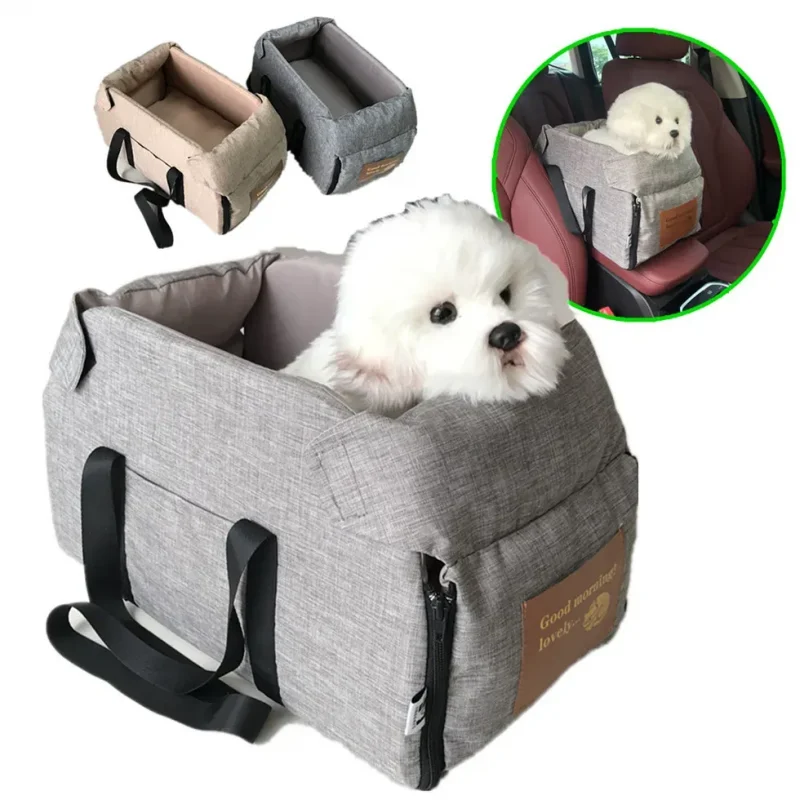
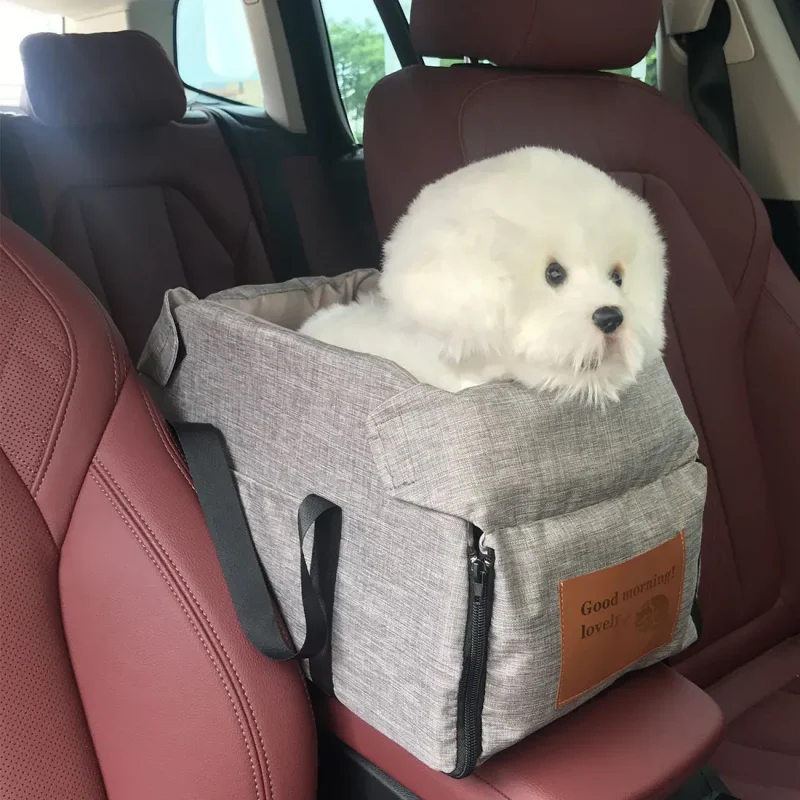
| Centre console seat |
42 cm or 47 cm (16.5 or 18.5 in) long |
3.5 kg (7.7 lb) |
Water-resistant Oxford, 15 mm foam |
Front armrest |
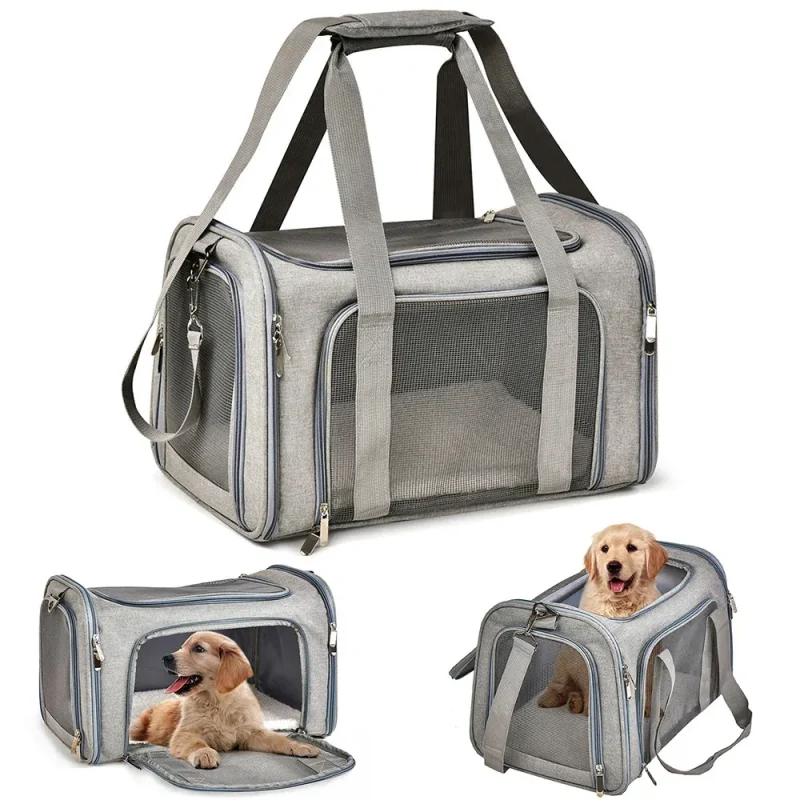
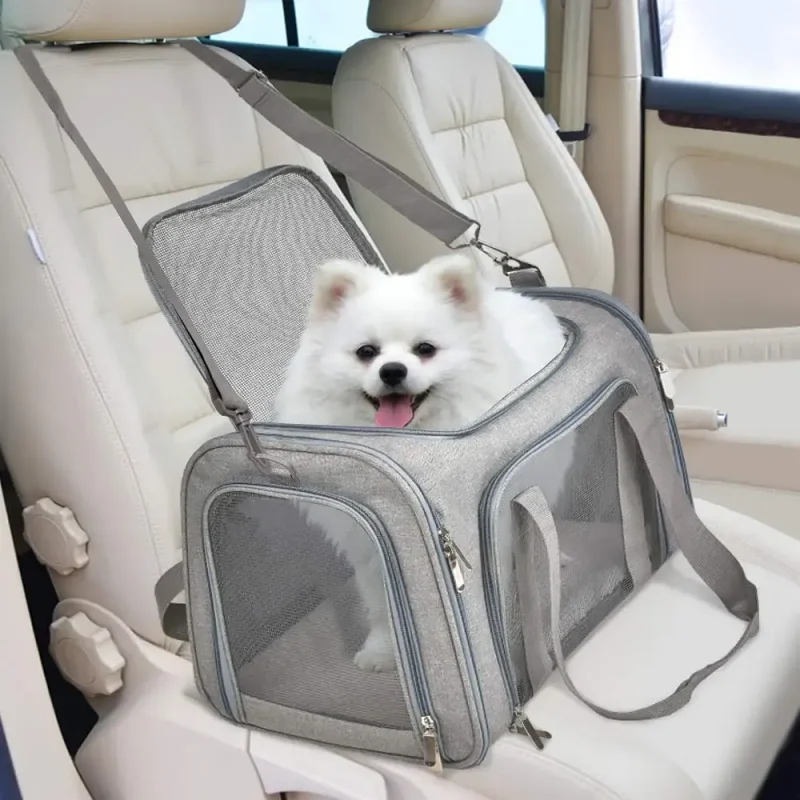
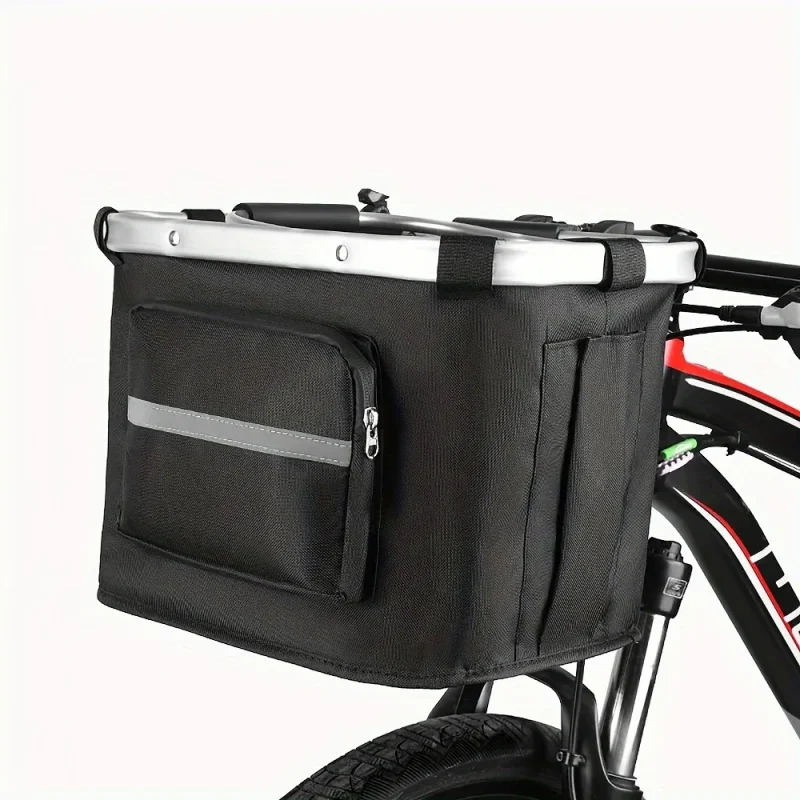
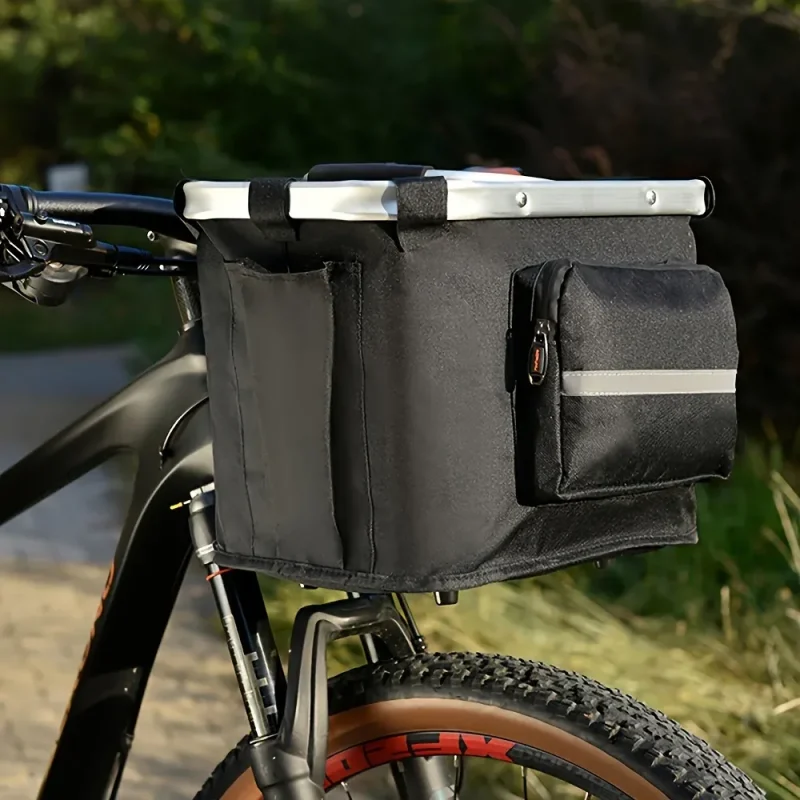
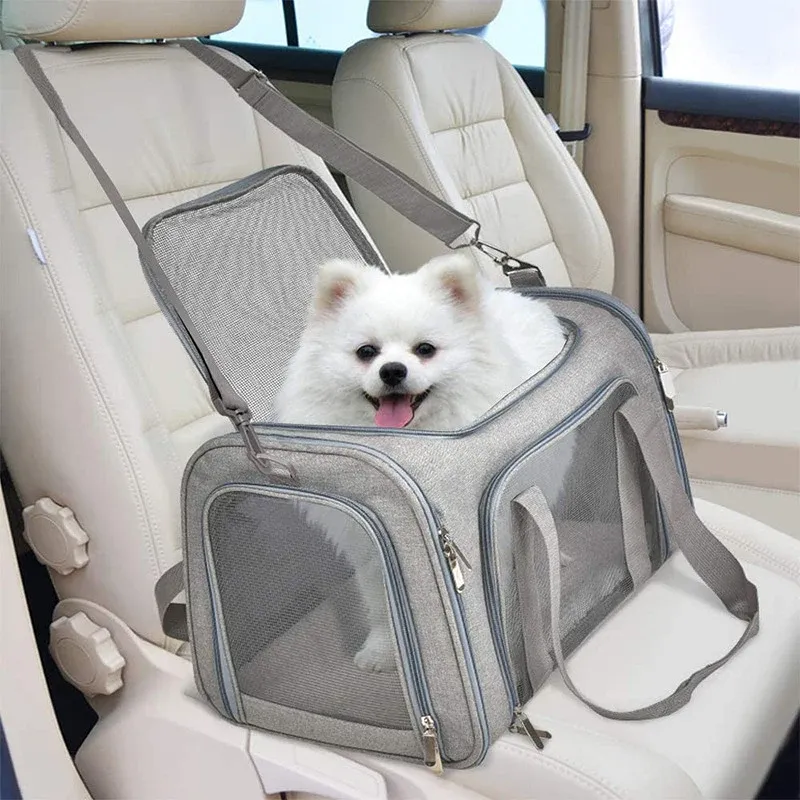
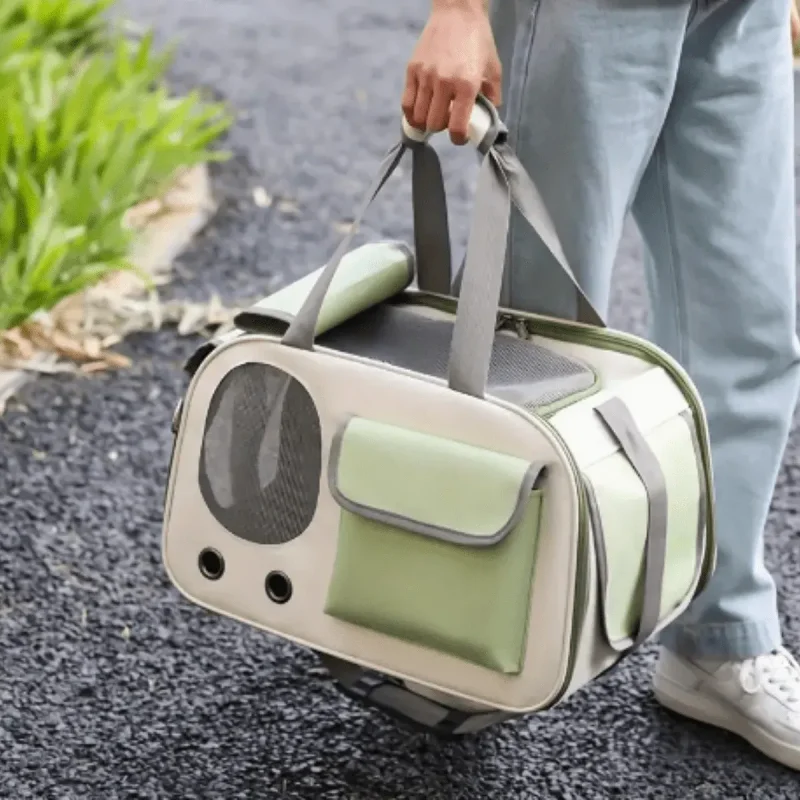
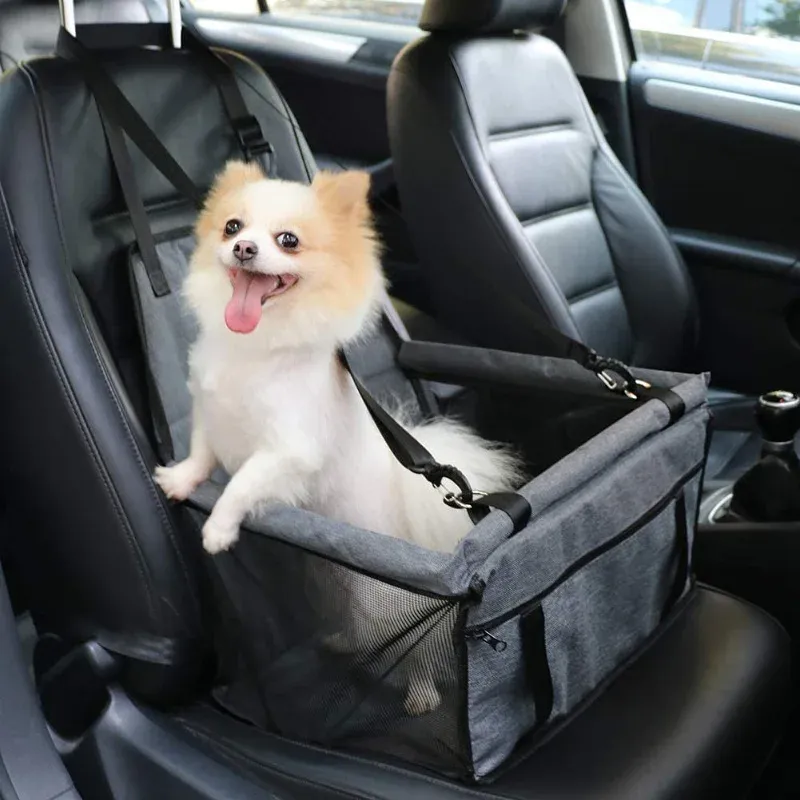
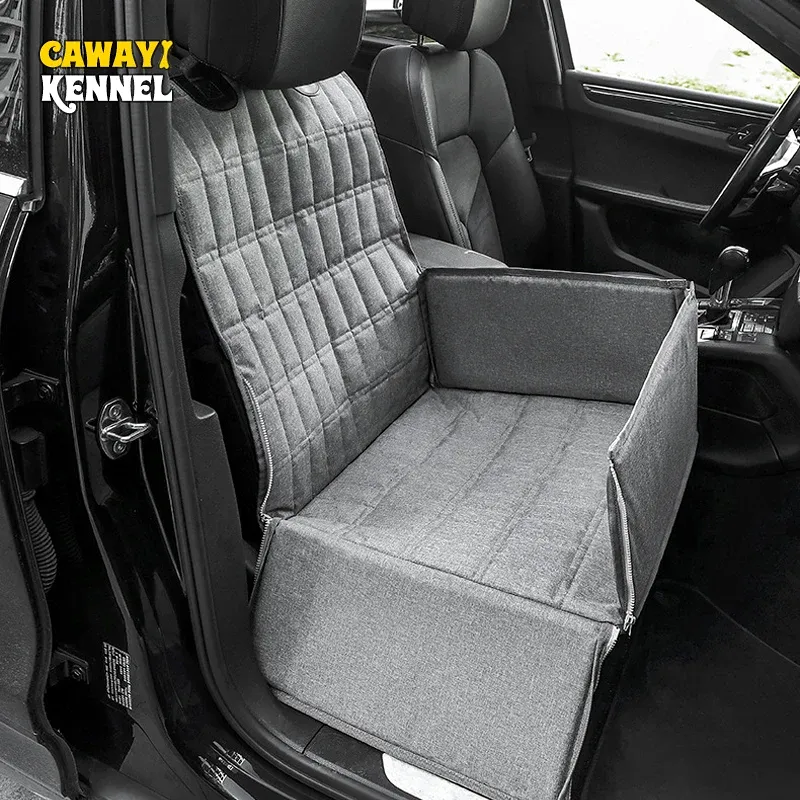
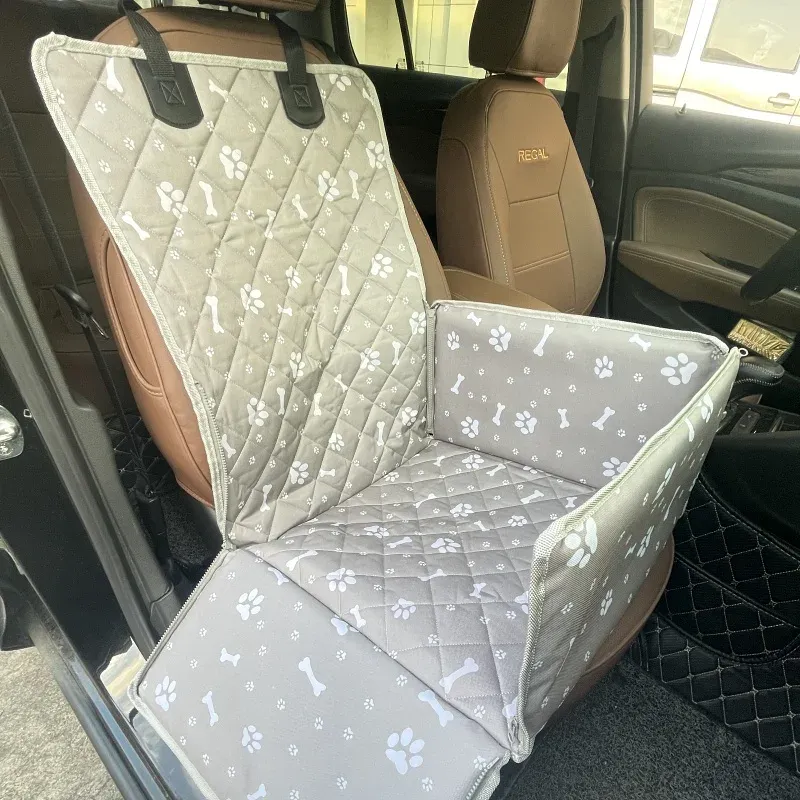
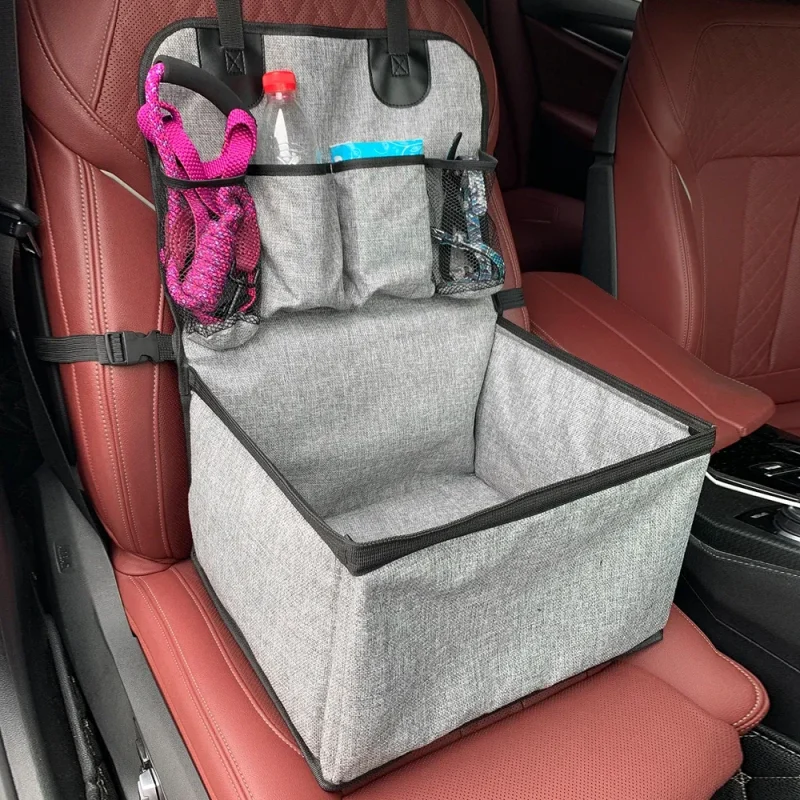
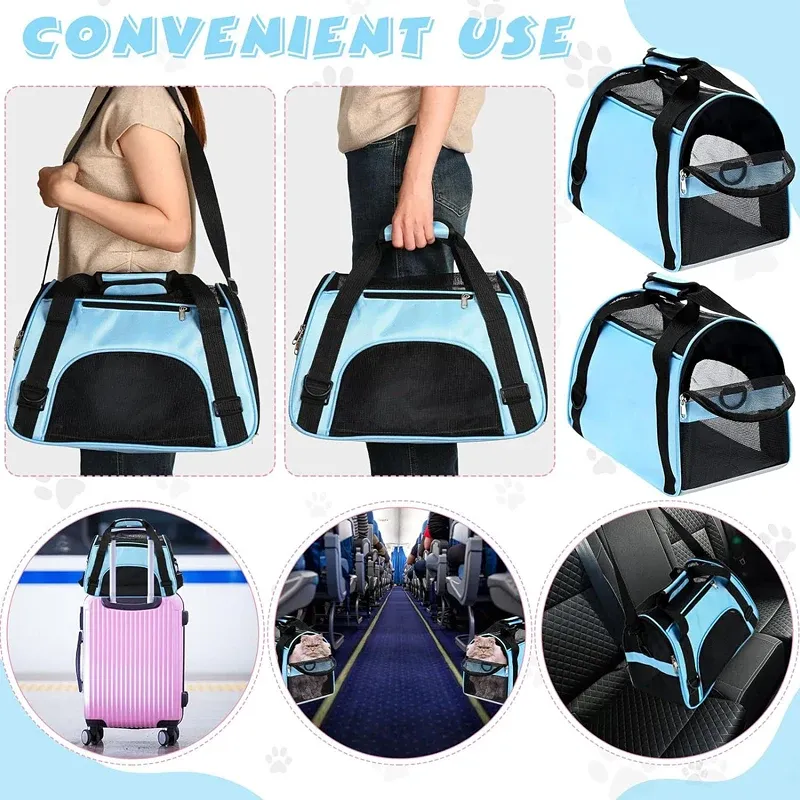
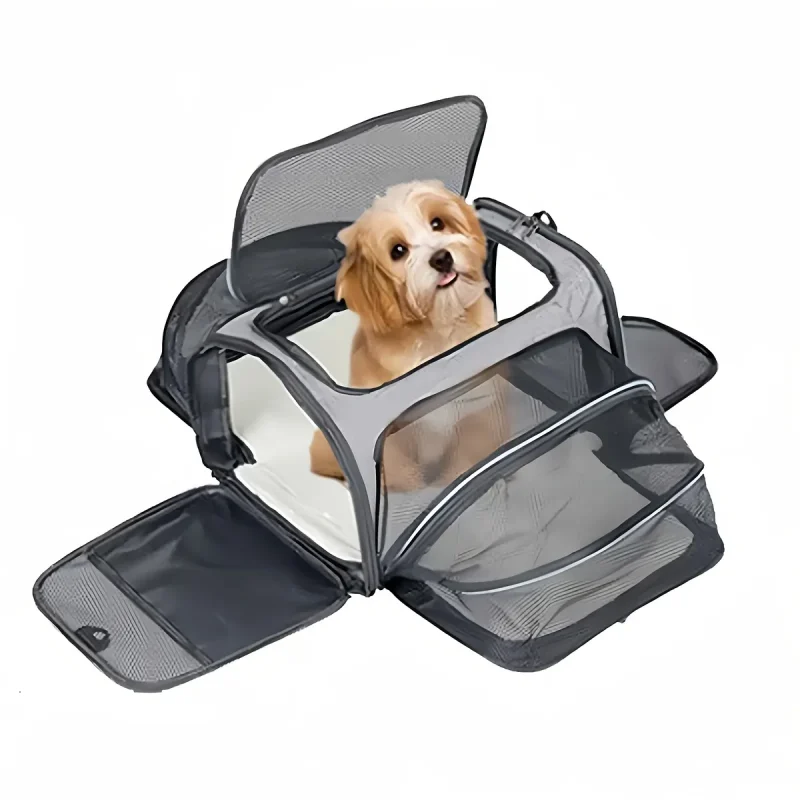
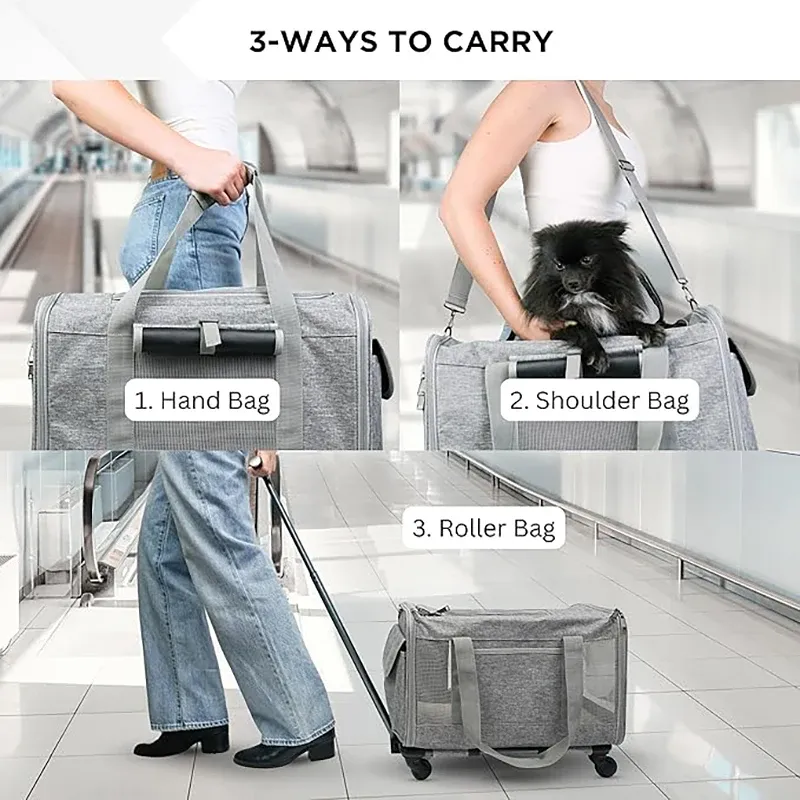
- Hanging baskets hook over the headrest and rest on the seat cushion, then fold flat for the boot. They are the lightest option and suit calm, light dogs on shorter trips. The foldable basket has mesh side panels for air and a short tether sewn inside.
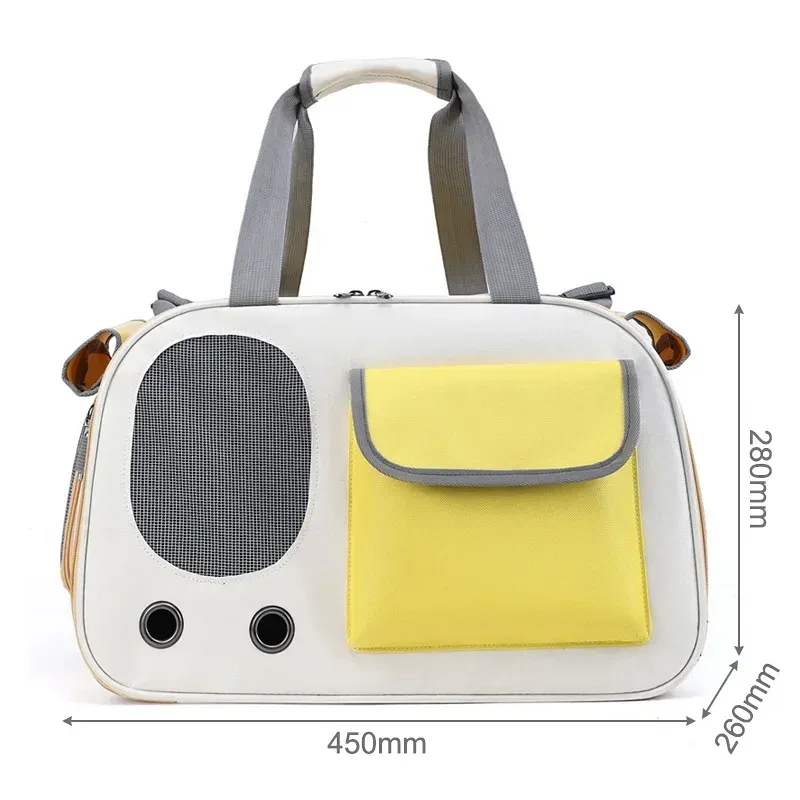
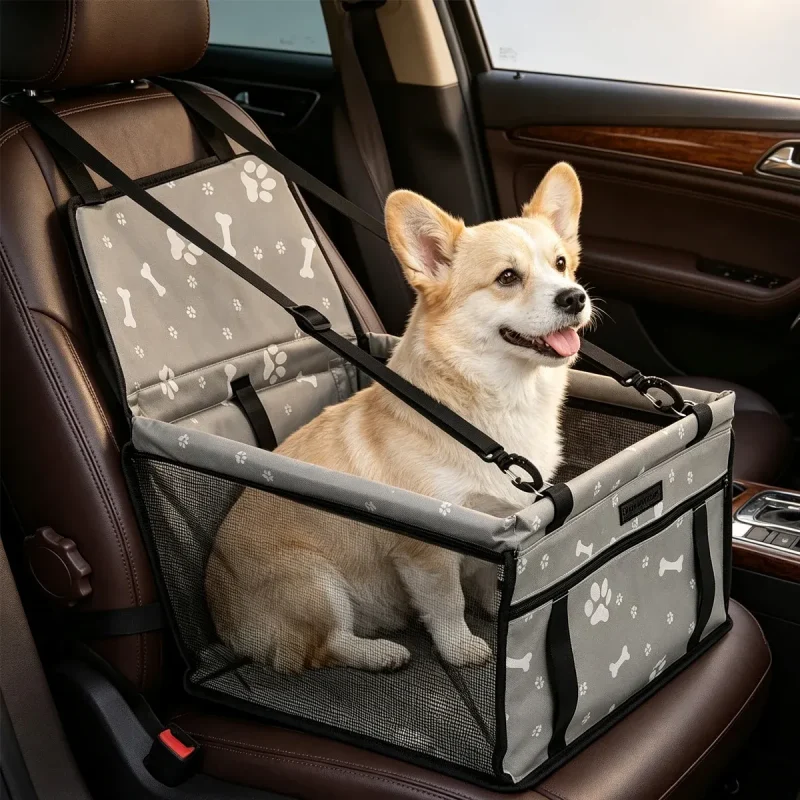
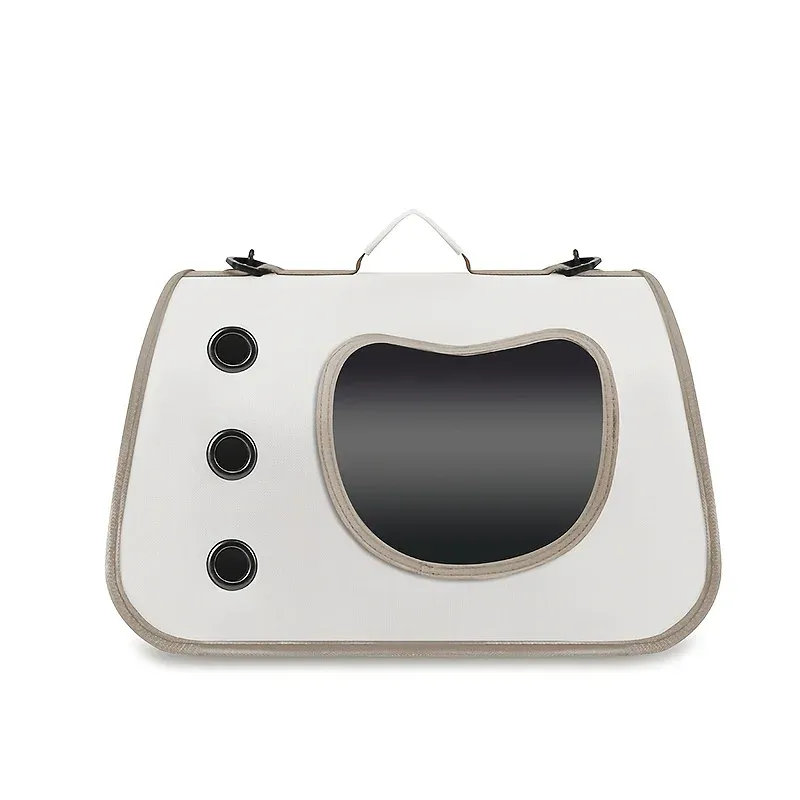
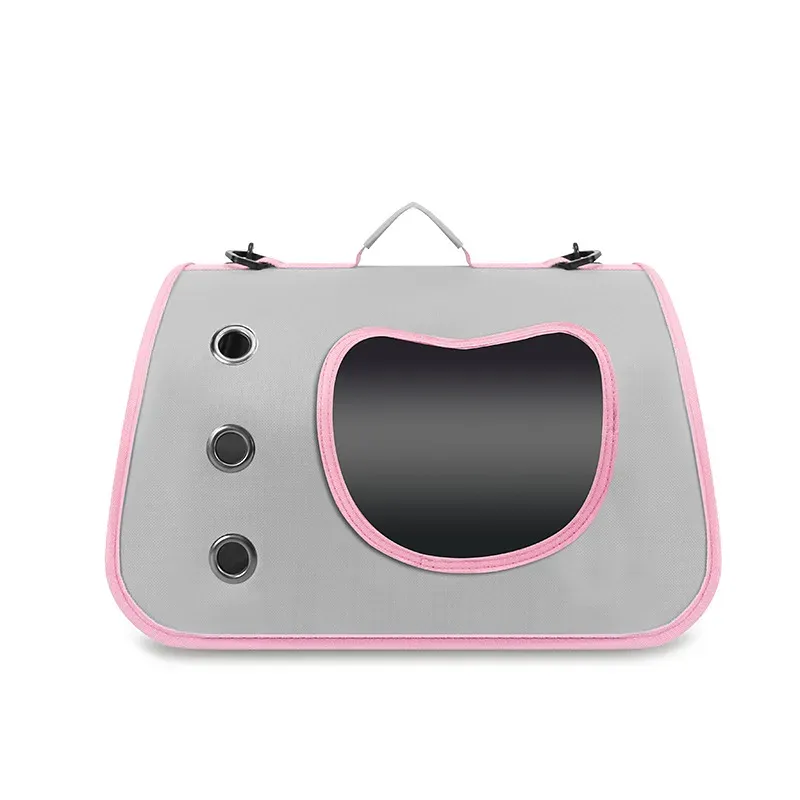
- Box seats with stiffened sides keep their shape on bends, so the walls don’t sag onto your dog. The box-style seat holds its rim up with PVC support tubes and is the only seat here rated as high as 7.5 kg (17 lb).
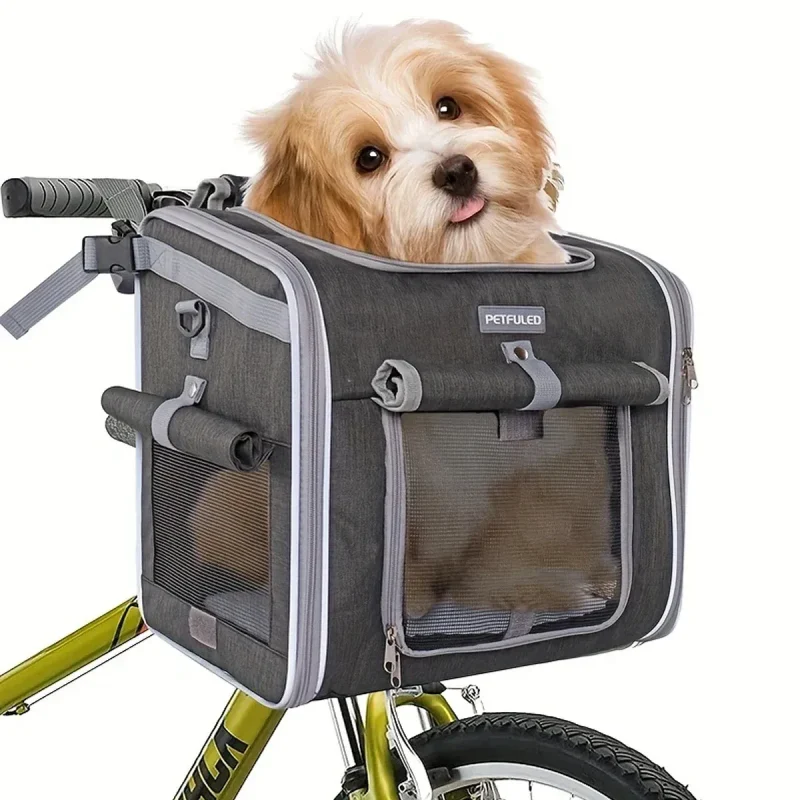
- Enclosed seats suit dogs that settle better with walls round them. The mesh-window seat has a large base for a dog that likes to lie stretched out, and zip-open sides so you can lift your dog in rather than asking them to jump.
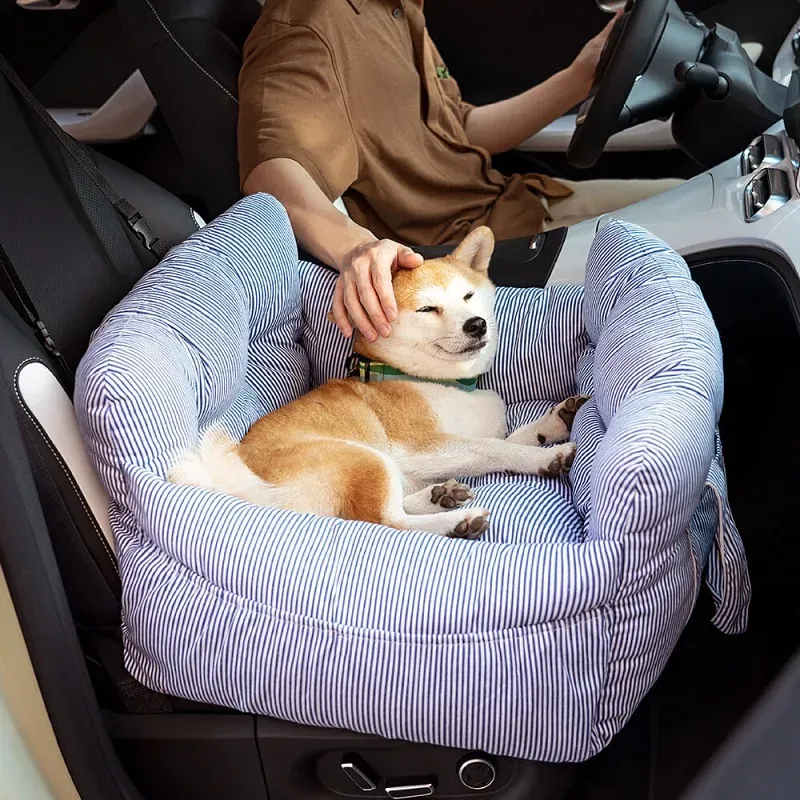
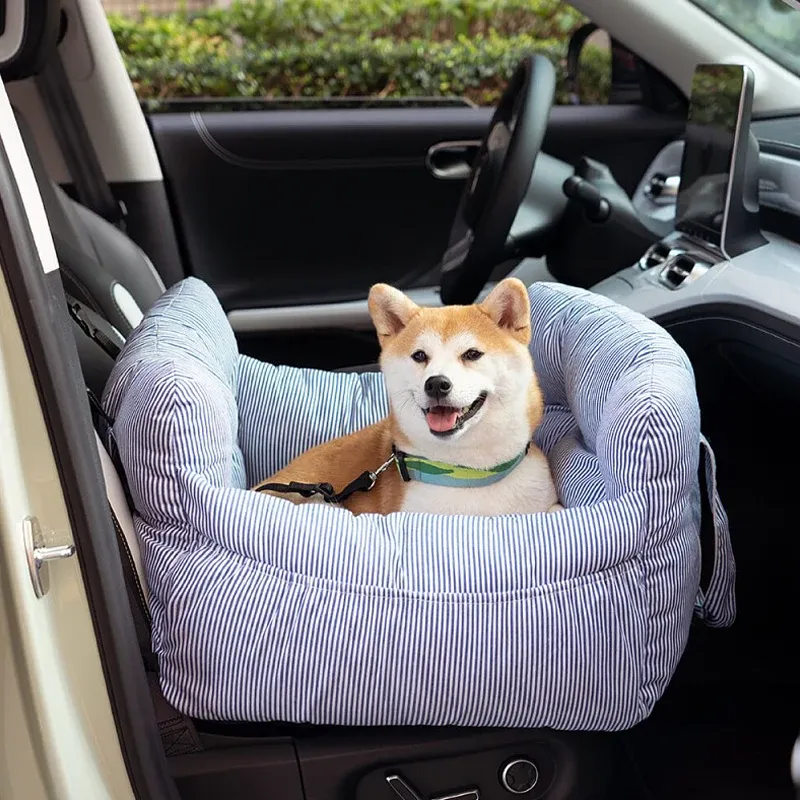
- Car seat beds have thick padded walls and come indoors at the end of the trip, which helps a dog that finds new places unsettling: the bed in the holiday cottage smells of home. The L size gives more room to stretch out, not a higher weight limit.
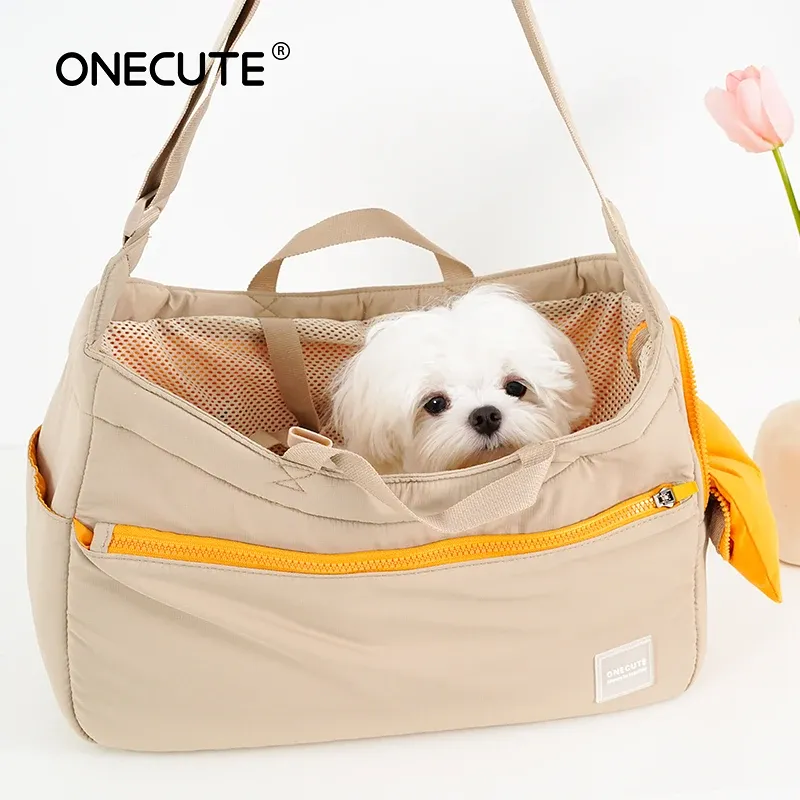
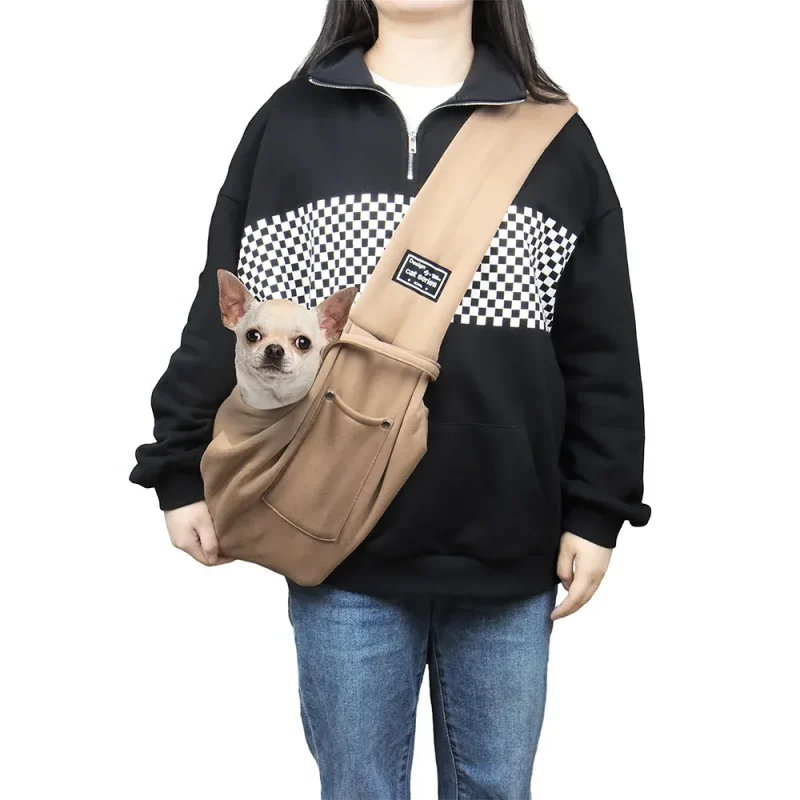
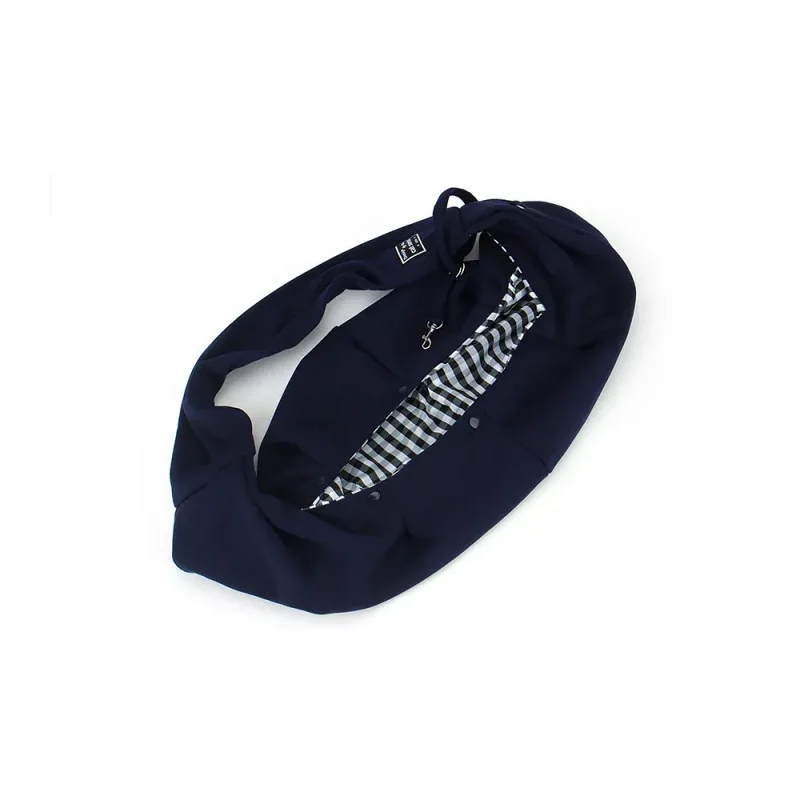
- Front and console seats keep a toy dog beside you. Read the section on the front seat below before choosing one of these.
How to measure your dog for a booster seat
Most fit problems come from guessing. Five minutes with a tape measure and a bathroom scale saves a return.
- Weigh your dog. Weigh yourself, then weigh yourself holding your dog, and take the difference. Stay under the seat’s limit. These limits are the manufacturer’s ratings, so treat them as a ceiling, not a target. If two small dogs will share one seat, add their weights together.
- Measure length lying down. Most dogs travel curled up or lying flat, not standing. Measure your dog lying in their usual sleeping position, from the tip of the nose to the base of the tail, and compare that with the inside of the base.
- Add a little room. Allow a few centimetres so your dog can turn round. A seat that is too large lets a light dog slide from wall to wall on corners; one that is too small leaves them perched on the edge.
- Check the wall height. Your dog should be able to see over the edge when sitting, but not step over it easily. If they can, the tether becomes the only thing holding them in.
- Measure the car seat. Check the width of the rear seat and the distance between the headrests. A seat that fits an estate can overhang the seat of a small hatchback, and an overhanging seat tips more easily.
What the materials do
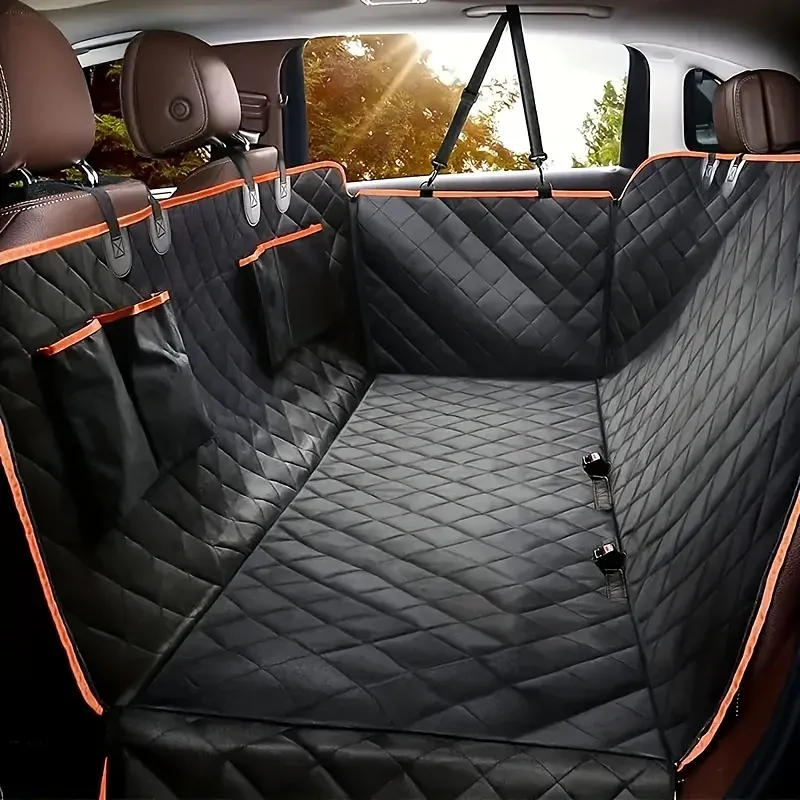
The fabric decides how the seat copes with mud, hair and the odd accident, and how you clean it. To keep the rest of the back seat clean as well, pair it with a dog car seat cover.
- Oxford fabric is a tightly woven, hard-wearing cloth. With a water-resistant coating or lining, spills and wet paws sit on the surface long enough to wipe off. Water-resistant is not the same as waterproof: a soaking will still get through in time, so dry the seat after a wet day.
- Mesh panels let air move through the seat. That matters on warm days, and for flat-faced breeds such as Pugs and French Bulldogs that cope badly with heat. Mesh also lets a nervous dog see you.
- Polyester covers are soft and easy to wash. The car seat bed’s cover goes in the machine on a gentle 30°C (86°F) cycle; air-dry it and don’t tumble dry.
- Nylon is light and smooth, so hair brushes off easily. The mesh-window seat has a quilted pad that lifts out for shaking or washing.
- Foam padding in the console seat is a 15 mm layer with polyester fill. It softens vibration on a small dog’s joints; it doesn’t protect them in an impact.
- PVC support tubes keep the box seat’s rim upright. Take them out before hand-washing the fabric.
Fitting the seat, step by step
- Choose the rear seat where you can. A front passenger airbag opens with great force at about the height where a raised dog sits. If your dog must ride in front, check your car’s handbook to see whether the passenger airbag can be switched off, and slide the seat fully back.
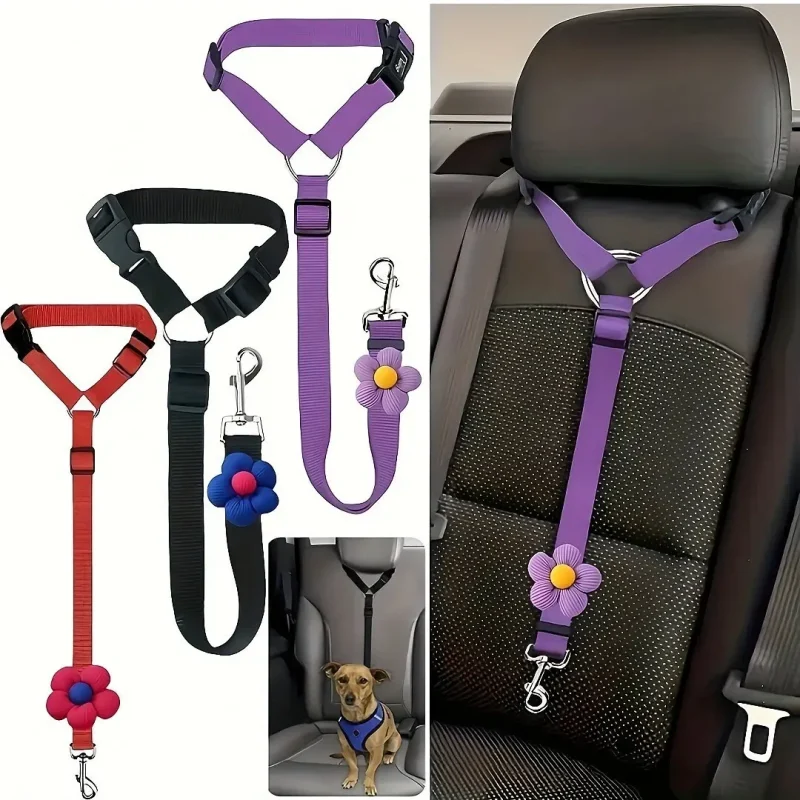
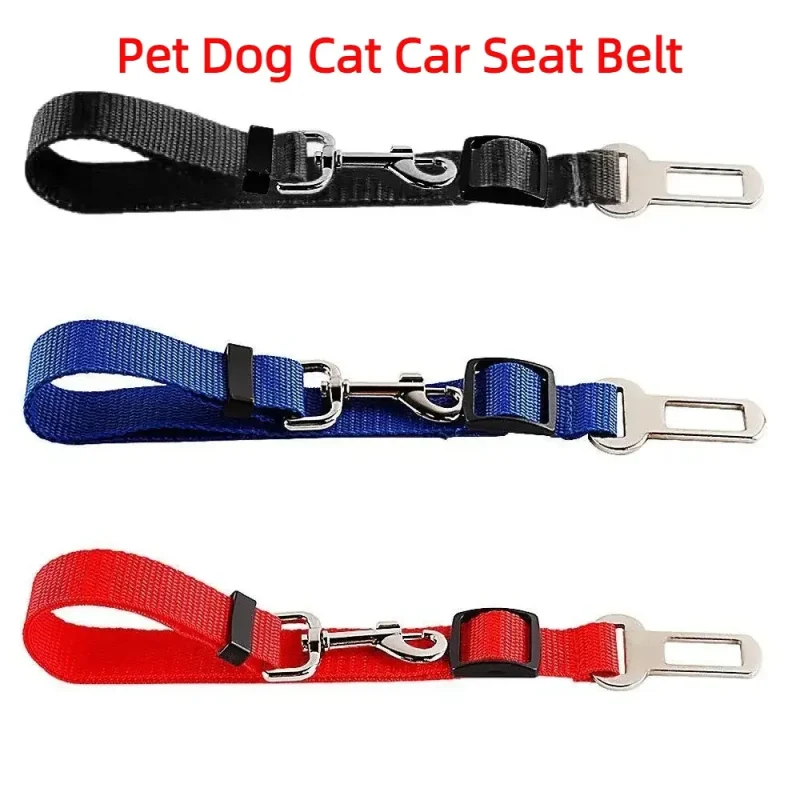
- Fasten the headrest straps first, then any strap or buckle that goes round the back of the seat, and the seat anchor or seat belt holes where the seat has them.
- Pull every strap tight and test it. Push the seat sideways and forwards with your hand. It shouldn’t tip or slide. If it does, tighten again before your dog gets in.
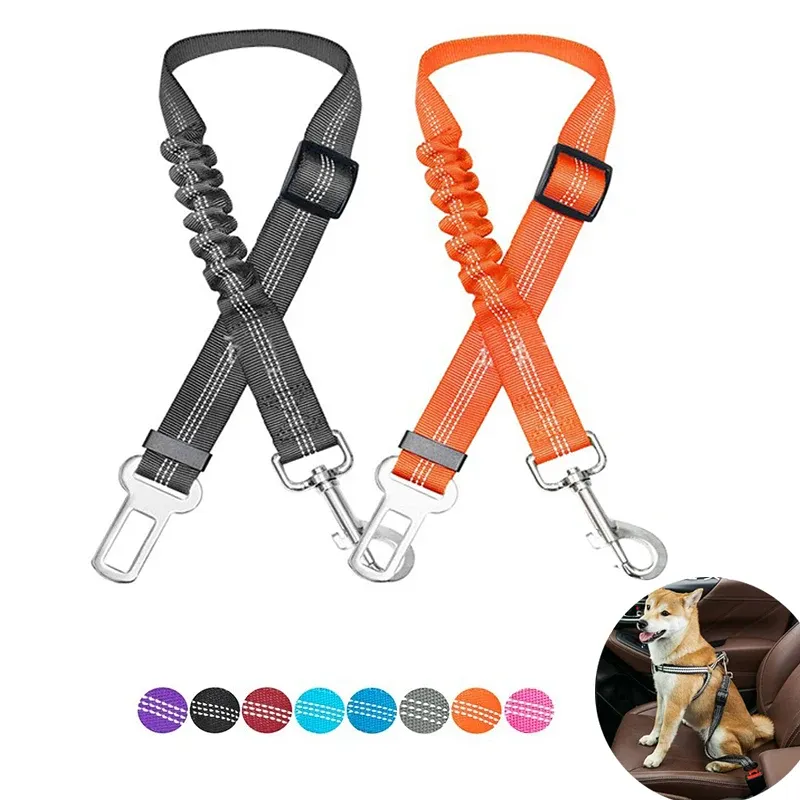
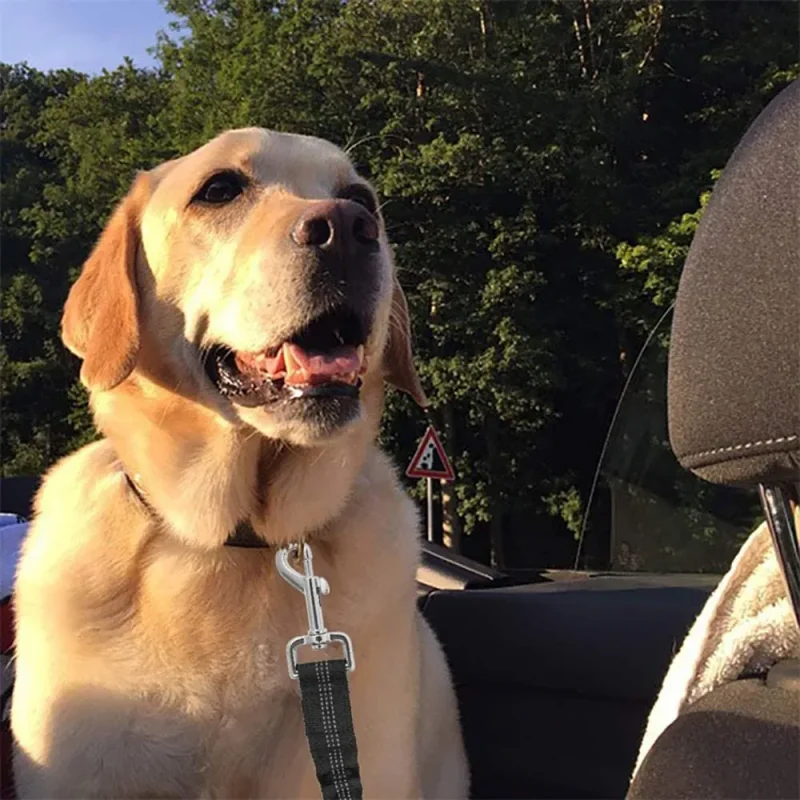
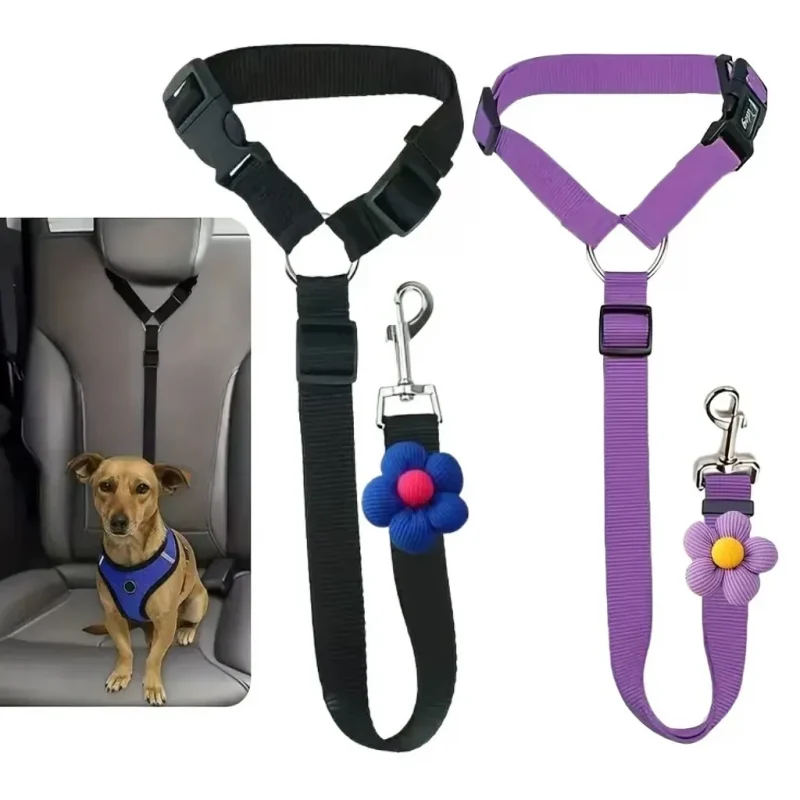
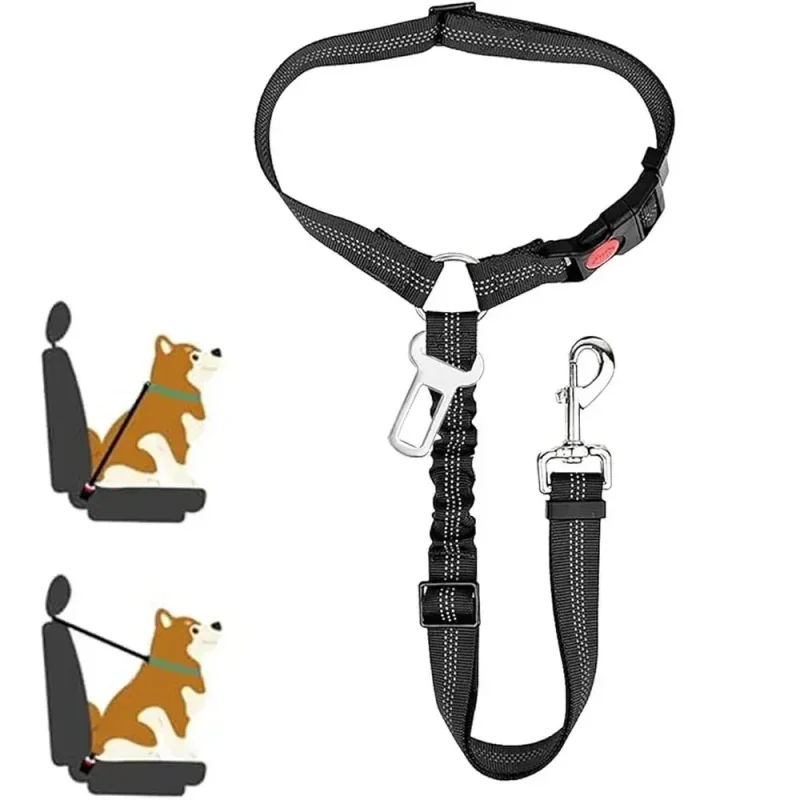
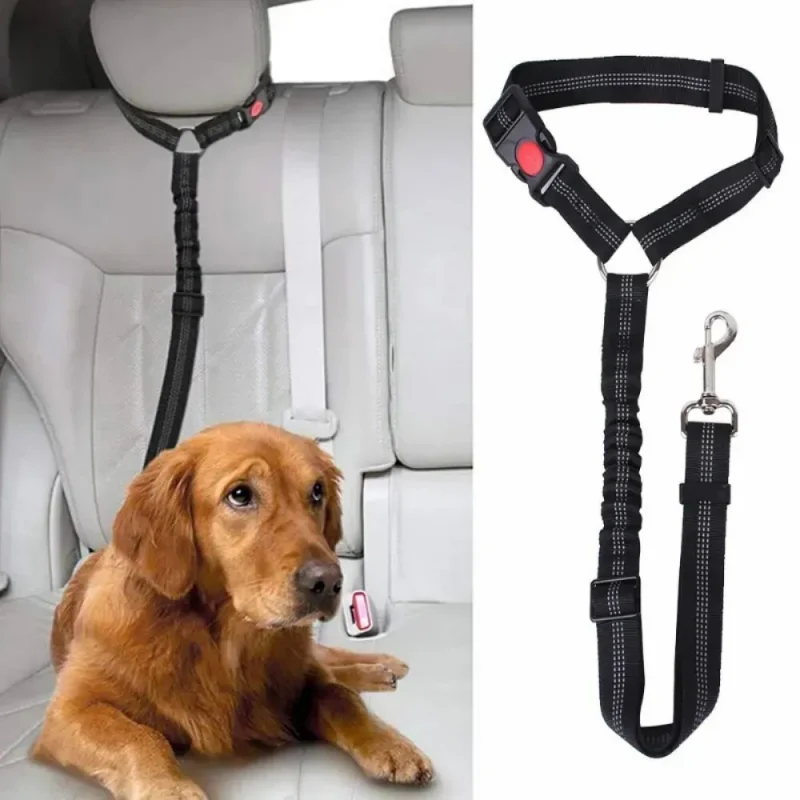
- Put your dog in a harness, not just a collar. Clip the tether to the back ring of the harness. A collar puts any jolt straight onto the neck.
- Set the tether length. Your dog should be able to sit and lie down, but not reach the edge and lean out. If they can get their front legs over the wall, shorten it.
In the UK, Rule 57 of the Highway Code asks drivers to restrain dogs so they can’t distract you or get hurt if you stop quickly, and lists a seat belt harness, pet carrier, dog cage or dog guard as ways to do it. A strapped-in booster with a harness tether is one practical way to keep a small dog in place.
Choosing for your dog’s body and temperament
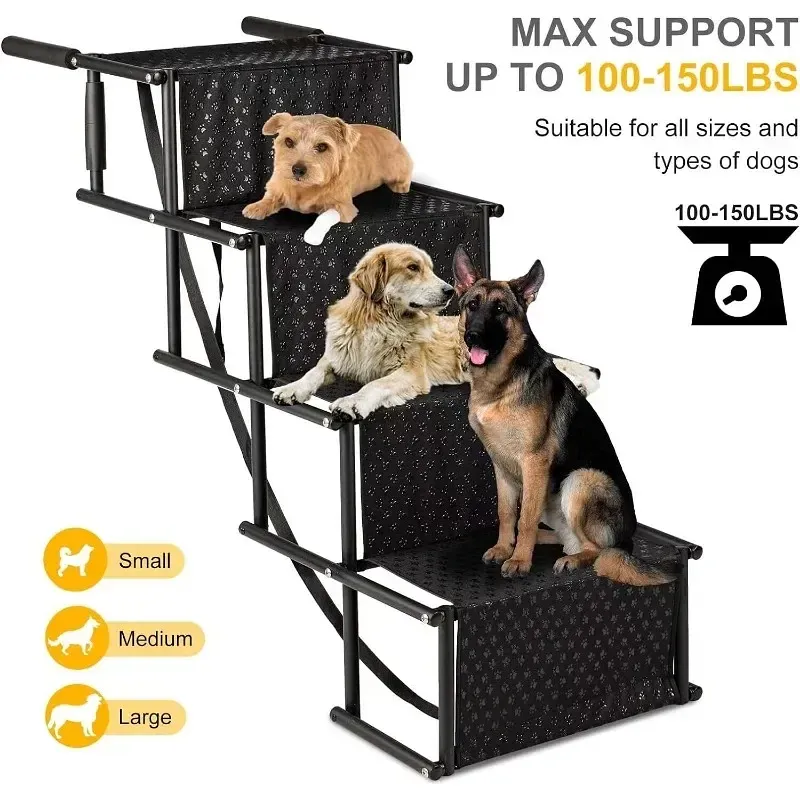
- Long-backed dogs such as Dachshunds and Corgis shouldn’t jump down from car seats. Vets advise against repeated jumping off furniture and car seats for these breeds because of the load on the spine. Pick a seat you can lift your dog into and out of, such as the mesh-window seat with zip-open sides, and support the chest and hindquarters when you lift. For getting in and out of the car itself, a dog ramp for car saves the jump.
- Flat-faced breeds overheat quickly. Choose a seat with mesh walls, keep the car ventilated and avoid long drives in the warmest part of the day.
- Puppies grow fast. Buy for the weight they will reach in the next few months, but keep the tether short while they are small.
- Anxious dogs often settle better in an enclosed seat or a padded bed with high walls than in an open basket.
- Older or stiff dogs appreciate a deeper cushion and a seat they don’t have to climb into.
- Two small dogs can share a larger seat if their combined weight is under the limit and they get on well in tight spaces. Give each dog its own tether.
Helping your dog settle and avoiding travel sickness
A booster seat changes where your dog sits; it doesn’t change how they feel about the car. A few habits help.
- Start with short trips. Put the seat in the car and let your dog sniff it with the engine off. Then try a five-minute drive that ends somewhere pleasant, not only at the vet.
- Feed early. The RSPCA advises feeding your dog more than two hours before a journey and letting them go to the toilet before you set off.
- Watch for early signs of nausea: lip licking, drooling, yawning, panting or trembling. Stop, let your dog out on a lead for some air, and shorten the next trip.
- Talk to your vet if your dog is sick on most journeys. PDSA vets advise dealing with car sickness early, because it tends to get worse if it is left. Don’t give human travel sickness tablets.
Being able to see out of the window helps some dogs relax, but it doesn’t stop travel sickness in every dog.
Common problems and how to fix them
- The seat leans or tips on corners. The straps are loose or the seat is too wide for your car seat. Re-tighten, use the seat anchor or seat belt holes, and check that the base sits fully on the cushion.
- Your dog climbs out. The tether is too long or the walls are too low for your dog. Shorten the tether first; if that doesn’t work, a deeper box seat is the better fit.
- Your dog won’t settle. Put a blanket or T-shirt that smells of home in the seat, and keep the first trips short and positive.
- The seat sags in the middle. Light baskets give a little under weight. A box seat with a stiffened rim or a car seat bed with a firm base holds its shape better for a heavier dog.
What a booster seat does not do
A booster seat keeps a small dog in one place, out of the footwell and off your lap during ordinary driving. It is not a crash-tested restraint, and none of the seats in this category is sold as one. When the US Center for Pet Safety crash-tested popular booster seats, they did not hold up well in an impact. For dogs over these weight limits, or if you want impact protection on long motorway drives, a crash-tested car harness or a crate secured in the boot is the stronger choice. Never leave your dog in a parked car on a warm day, even in a ventilated seat. The Kennel Club’s advice is plain on this: cars heat up quickly, and dogs cool themselves mainly by panting.
Cleaning and care
- Brush or vacuum hair out after each trip; it is far easier before it works into the weave.
- Wipe Oxford and coated fabrics with a damp cloth and let them air-dry before folding.
- Machine-wash removable polyester covers only where the product page says so, on a gentle cycle at 30°C (86°F). Hand-wash foam cushions in cool water.
- Check straps, buckles and the tether clip every few weeks. Replace a frayed strap or a clip that no longer snaps shut.
Questions owners ask
Can a dog ride in the front seat?
It is safer in the back. If you use a front-seat or console seat, check whether your passenger airbag can be switched off, keep the tether short, and stop if your dog is distracting you.
What size booster seat does my dog need?
Go by weight first, then by length lying down. Your dog should be under the weight limit with a few centimetres to spare inside the base.
Can I clip the tether to a collar?
No. Always clip it to a harness, so that a sudden stop doesn’t pull on your dog’s neck.
Why buy your dog car seat from TAILOVO
Every seat here lists its size in centimetres with inches in brackets and its weight limit in kilograms and pounds, so you can check the fit against your dog and your car before you order. We sell gear for dogs only, and each seat has to pass the same checks: it straps down firmly, clips to a harness and comes clean after a muddy walk. Orders over $79 ship free with tracking. If you’re not sure which size to pick, email [email protected] and a real person will help. Choose the seat that matches your dog’s weight and order it from TAILOVO today.