New
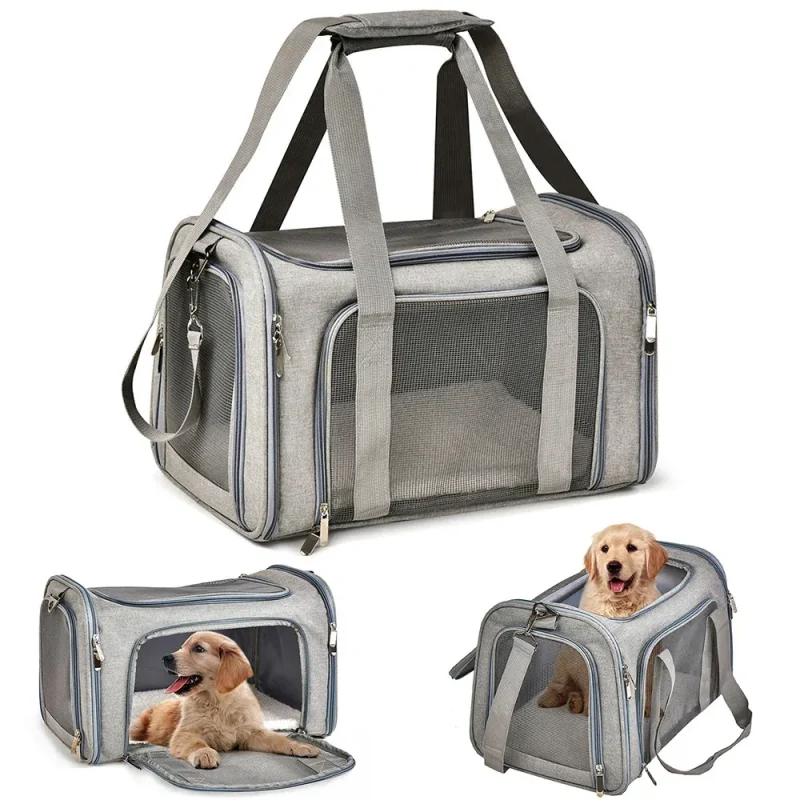
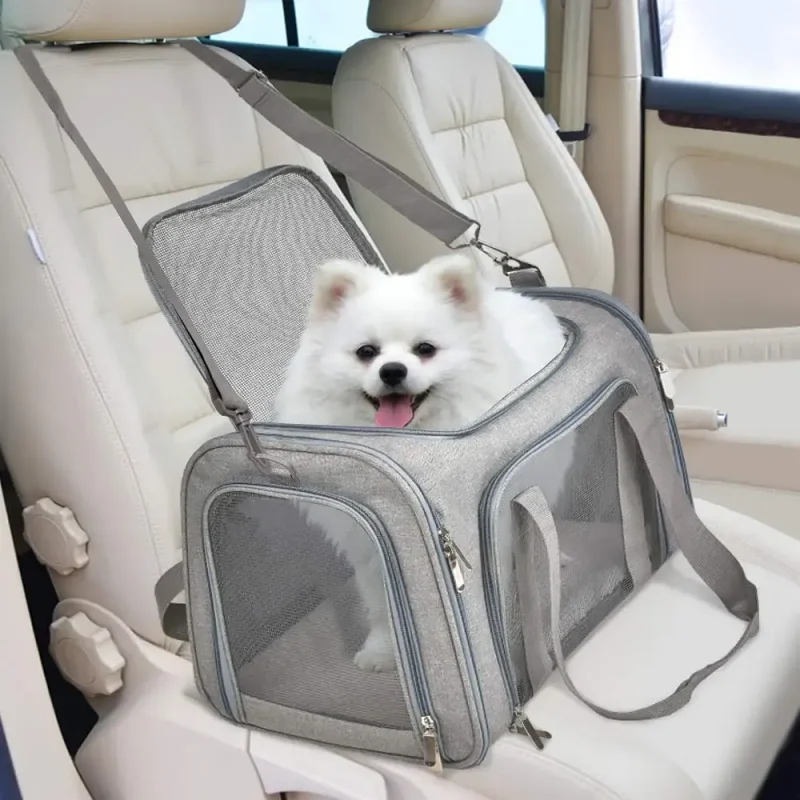
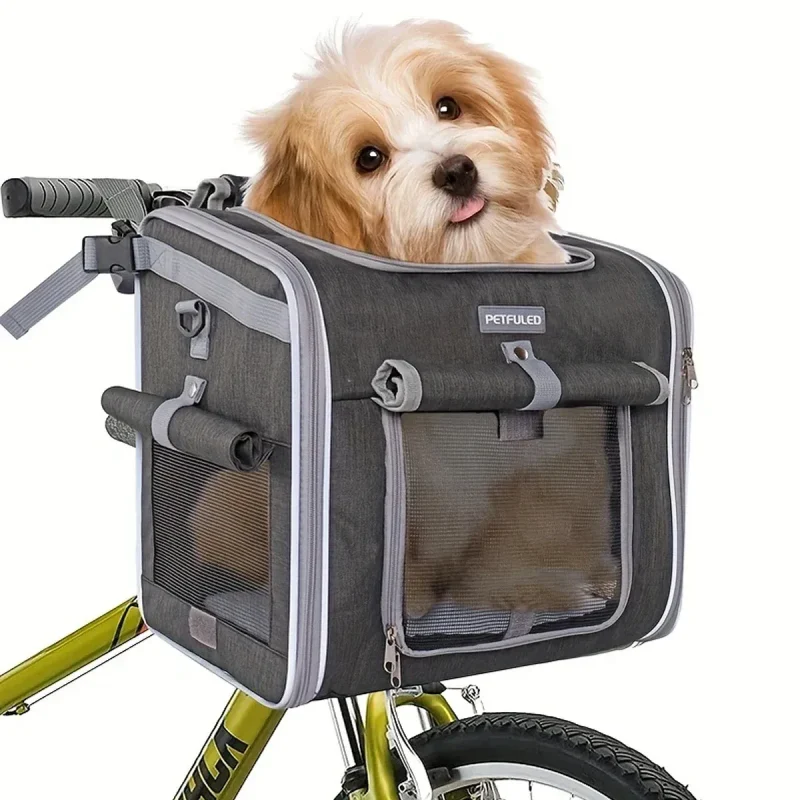
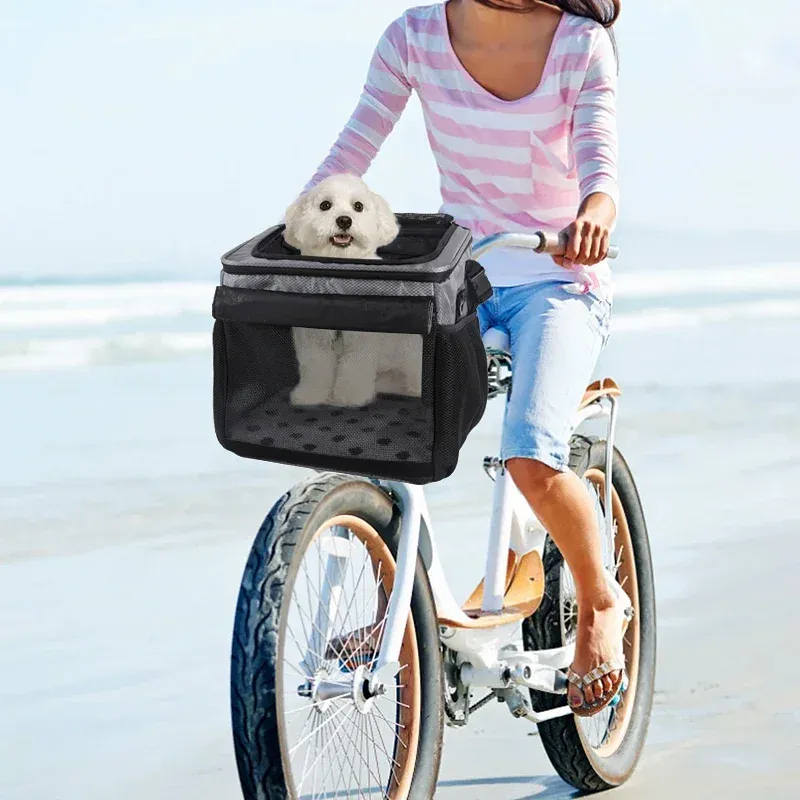
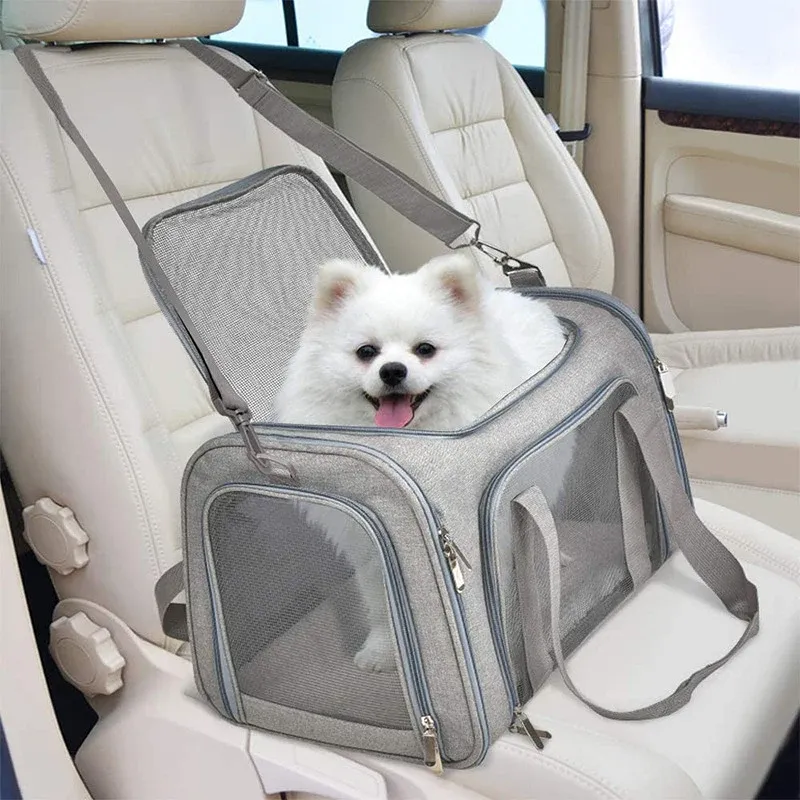
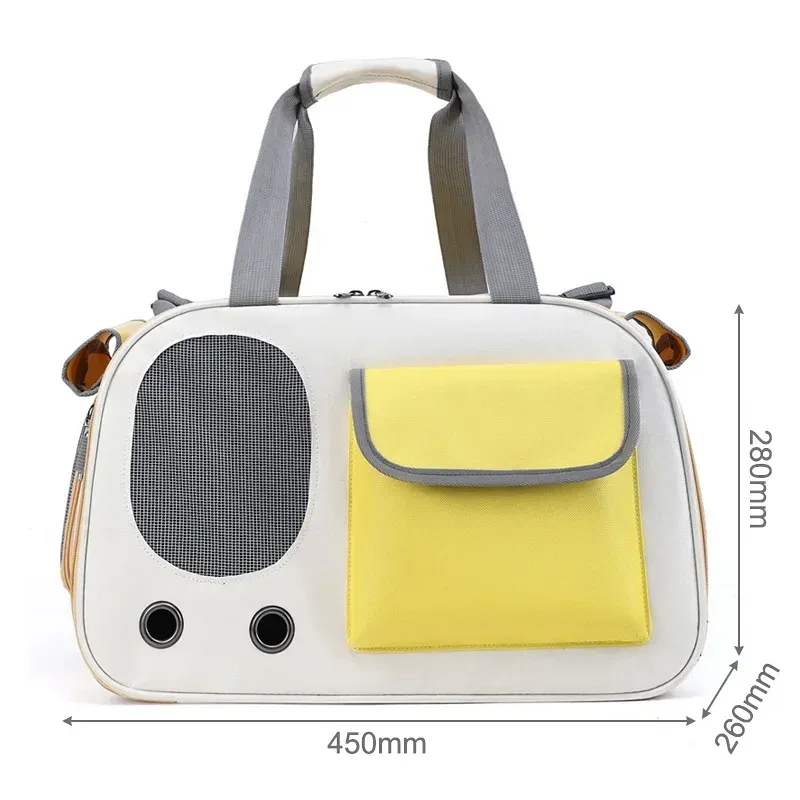
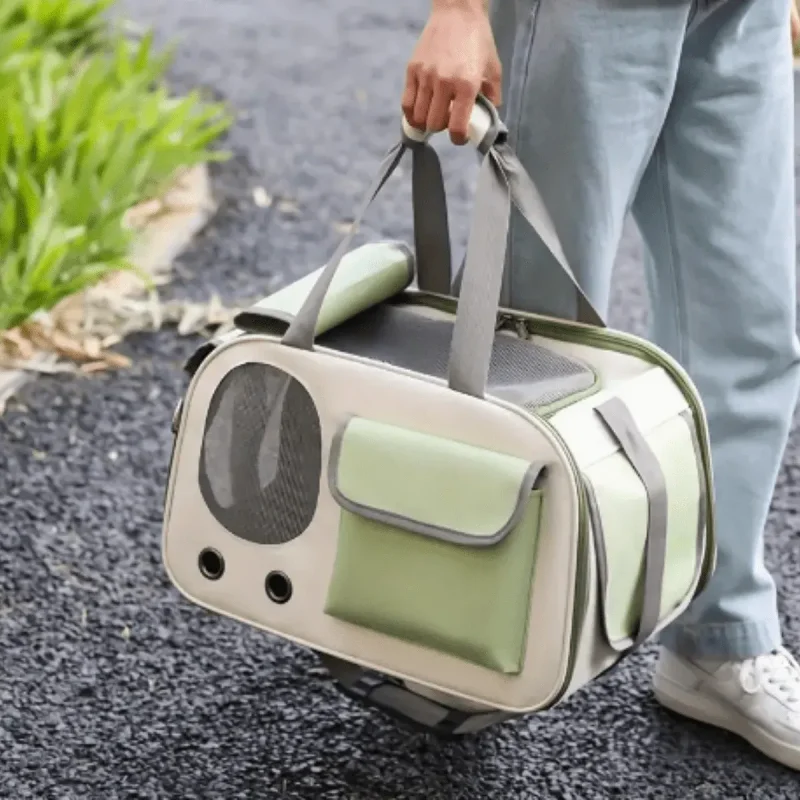
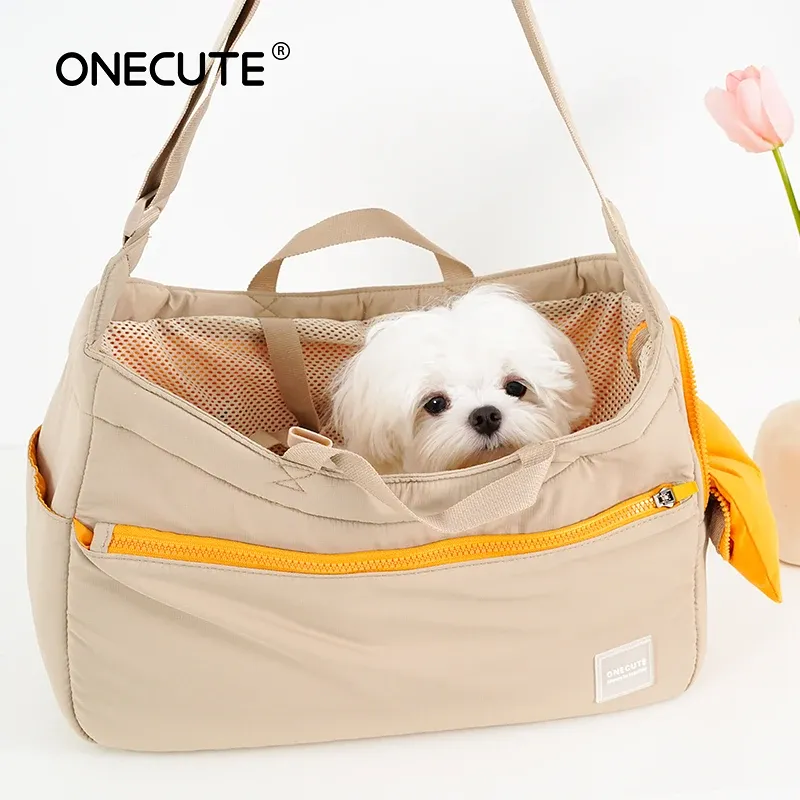
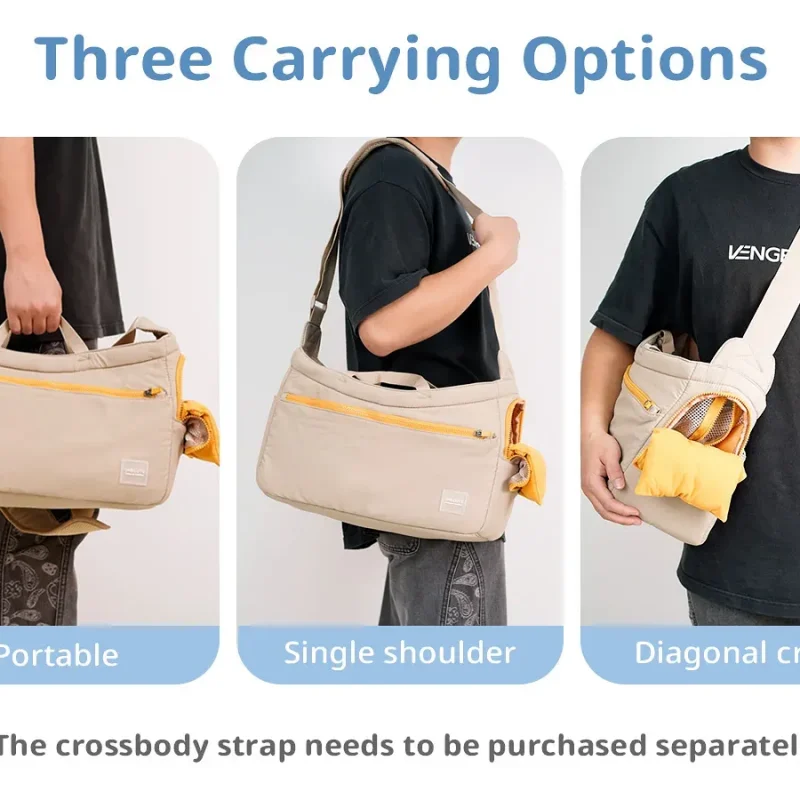
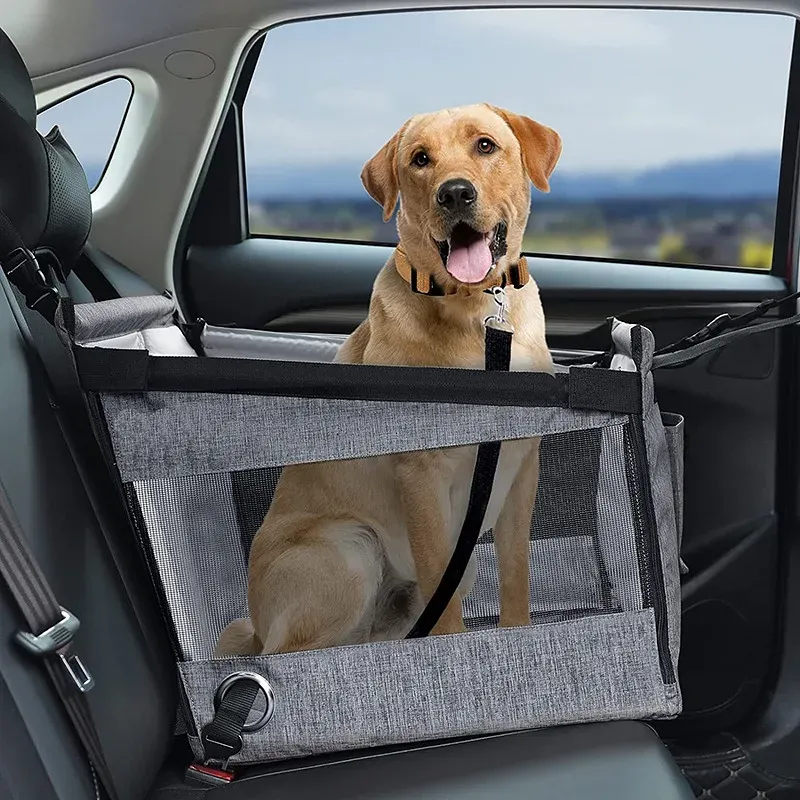
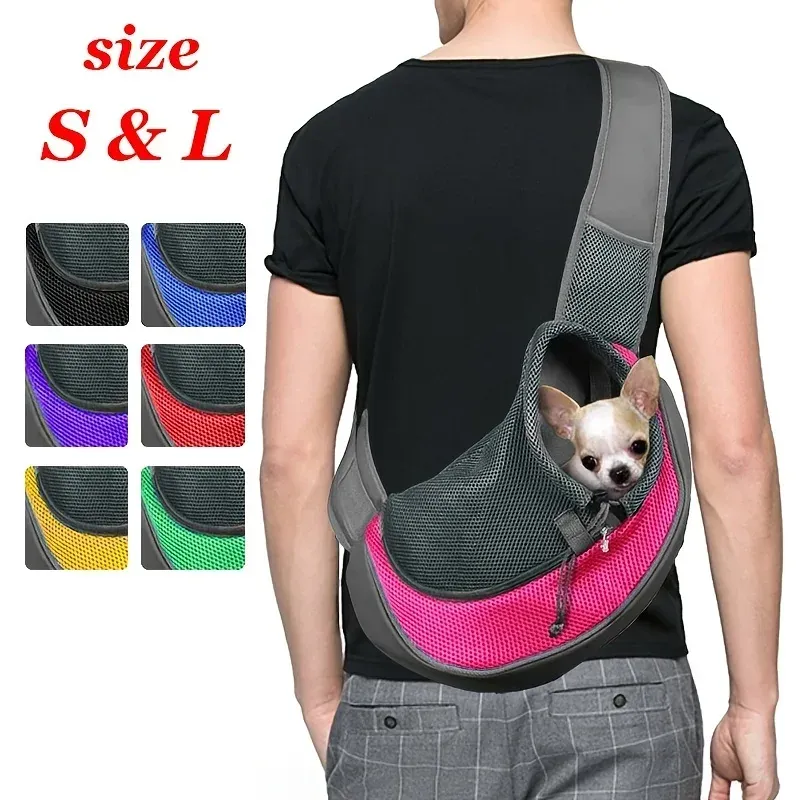
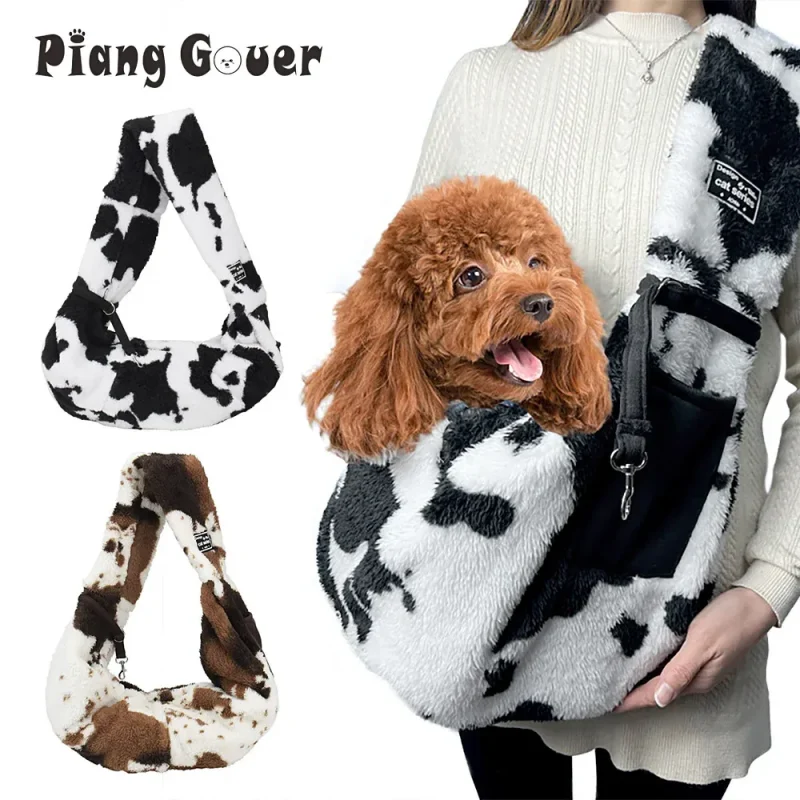
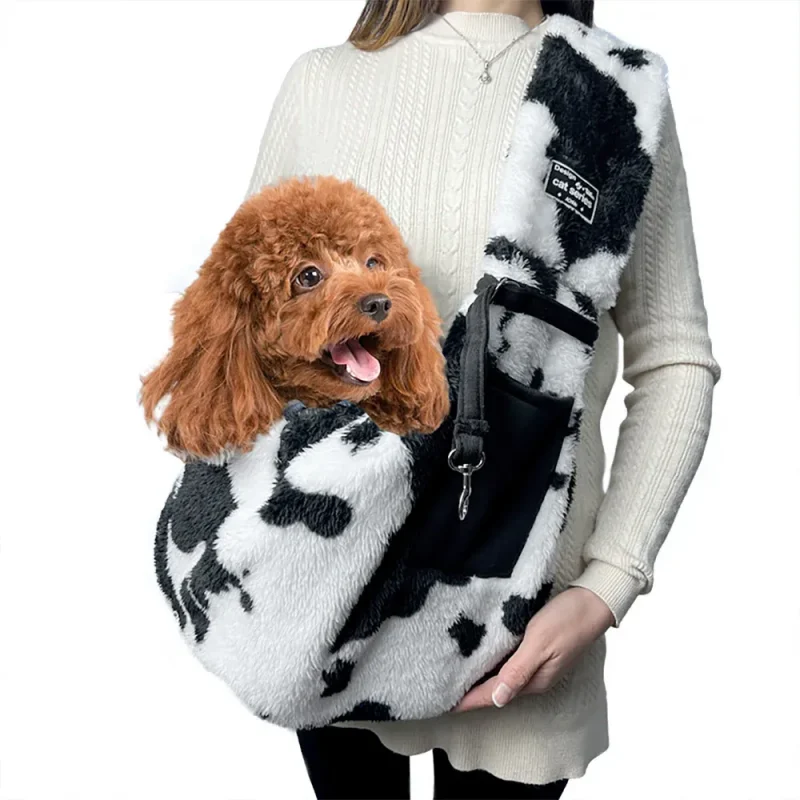
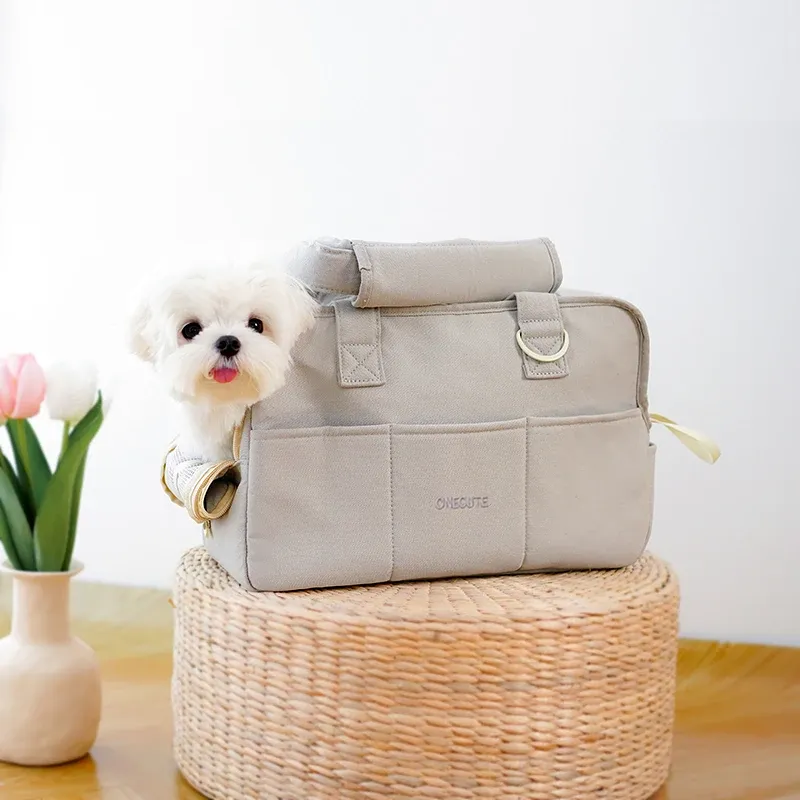
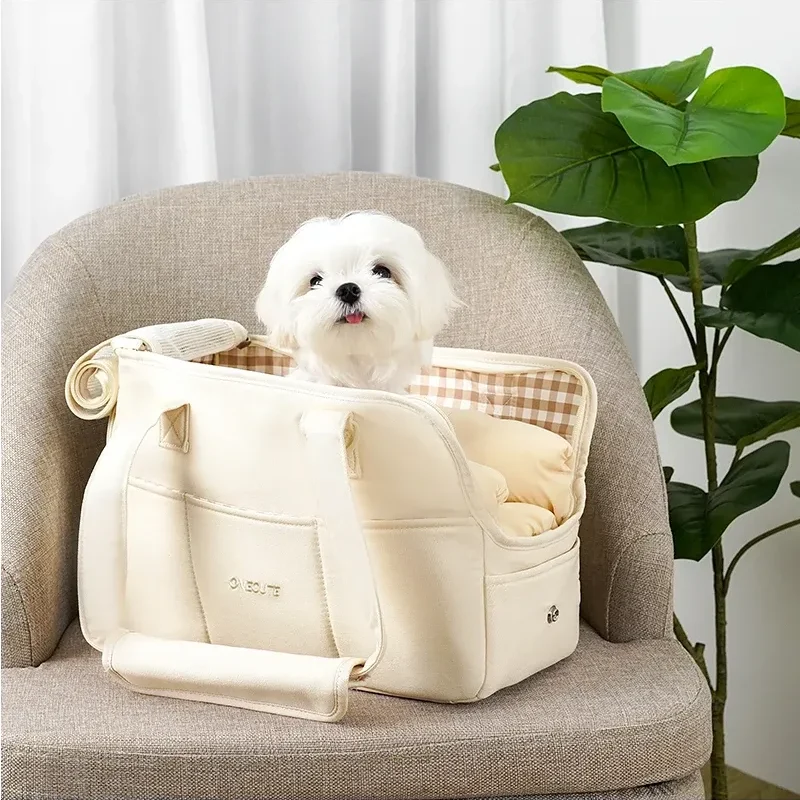
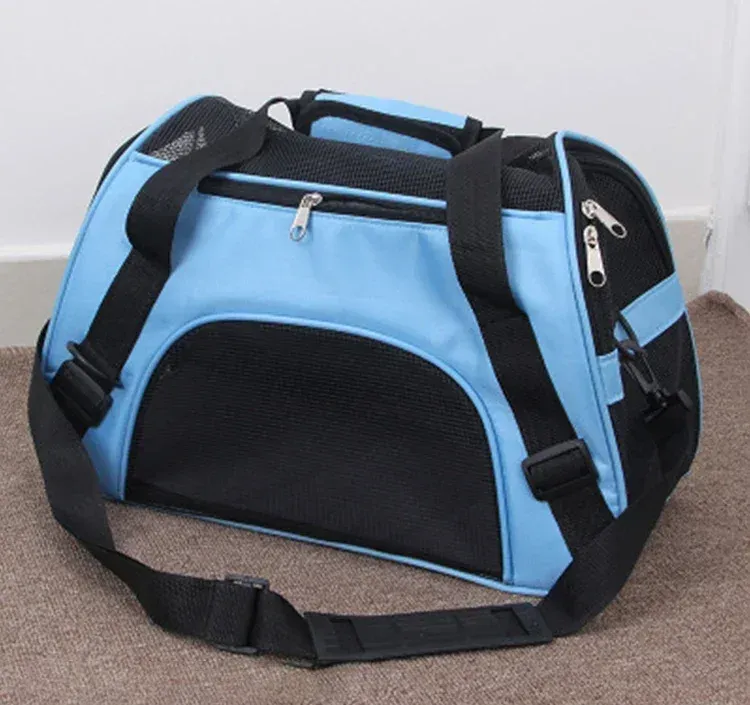
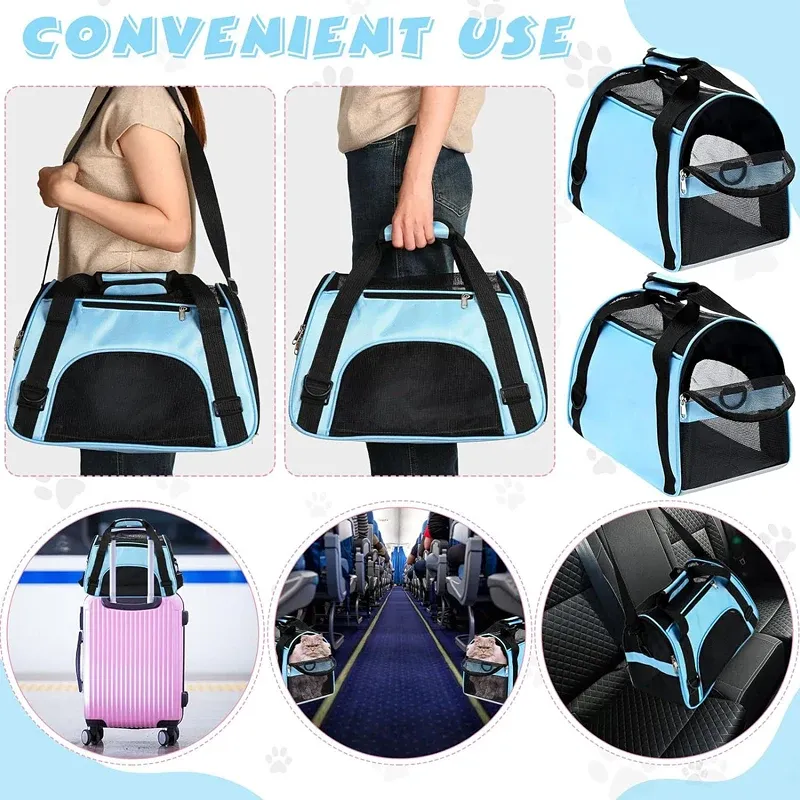
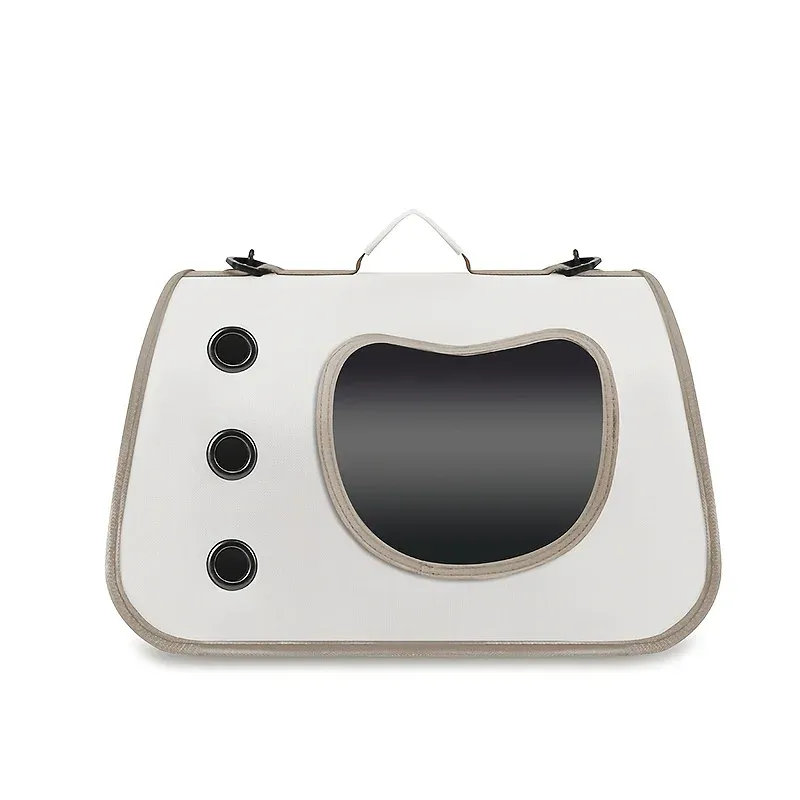
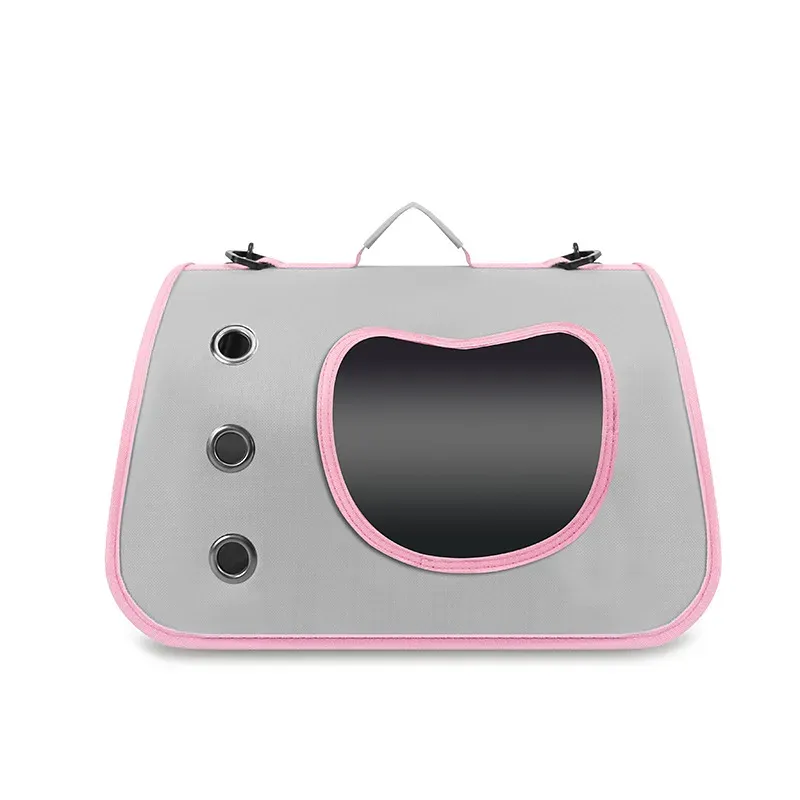
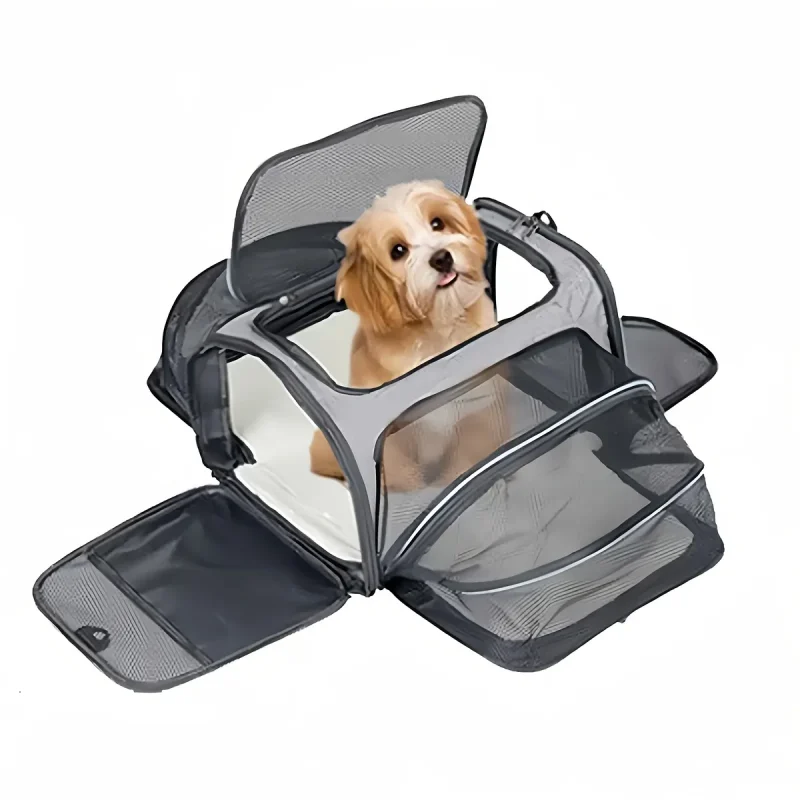
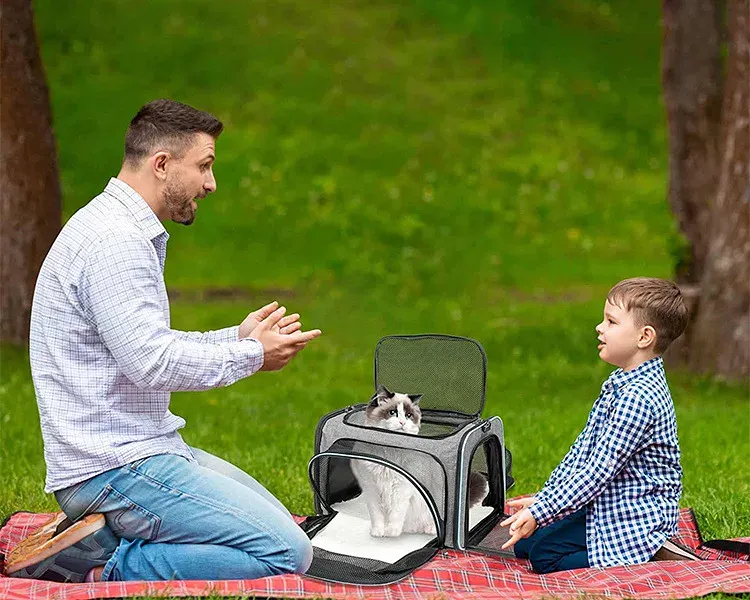
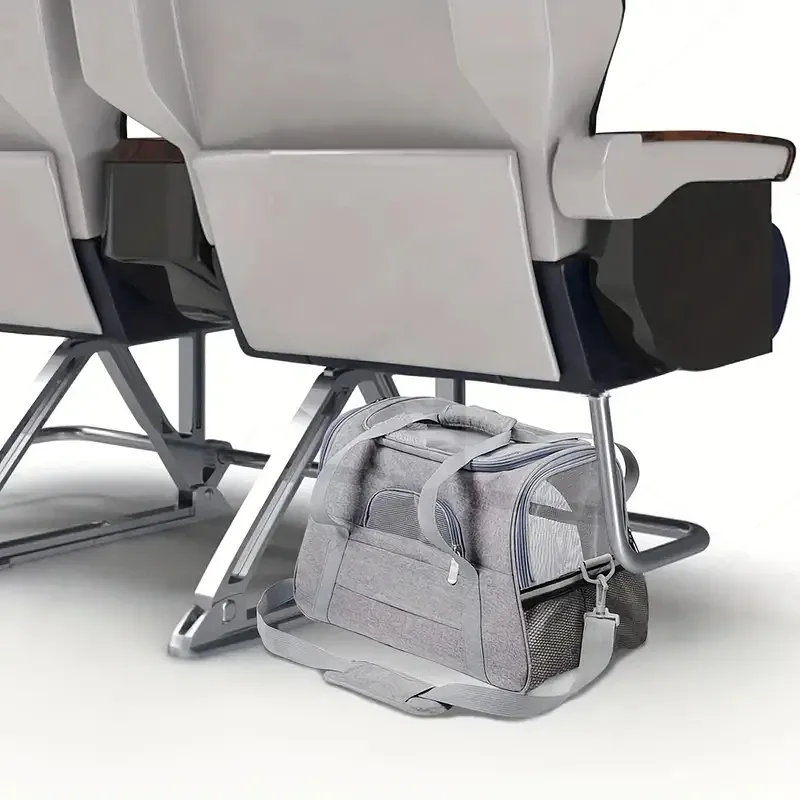
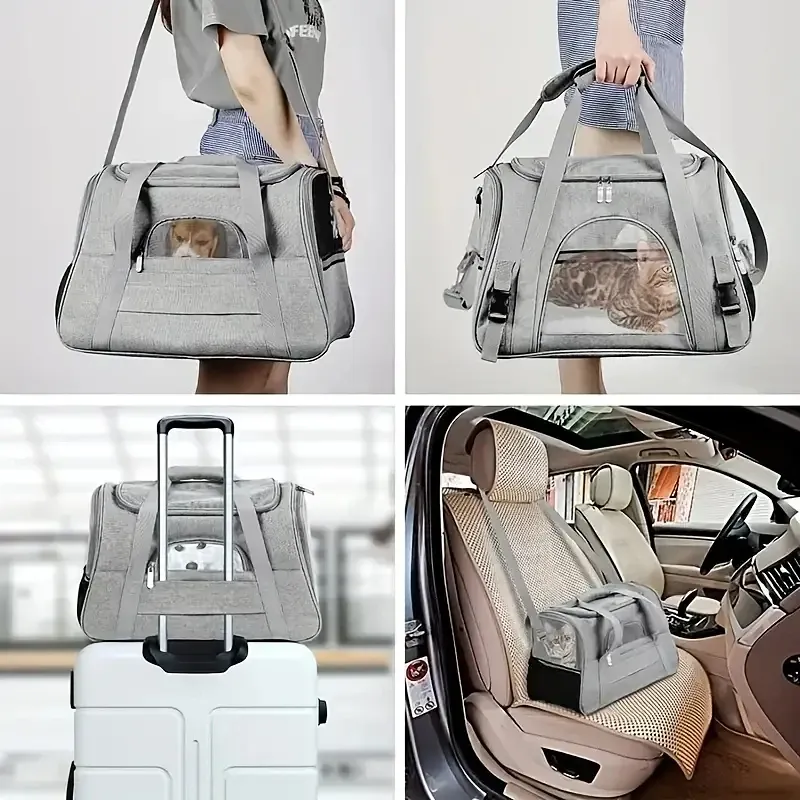
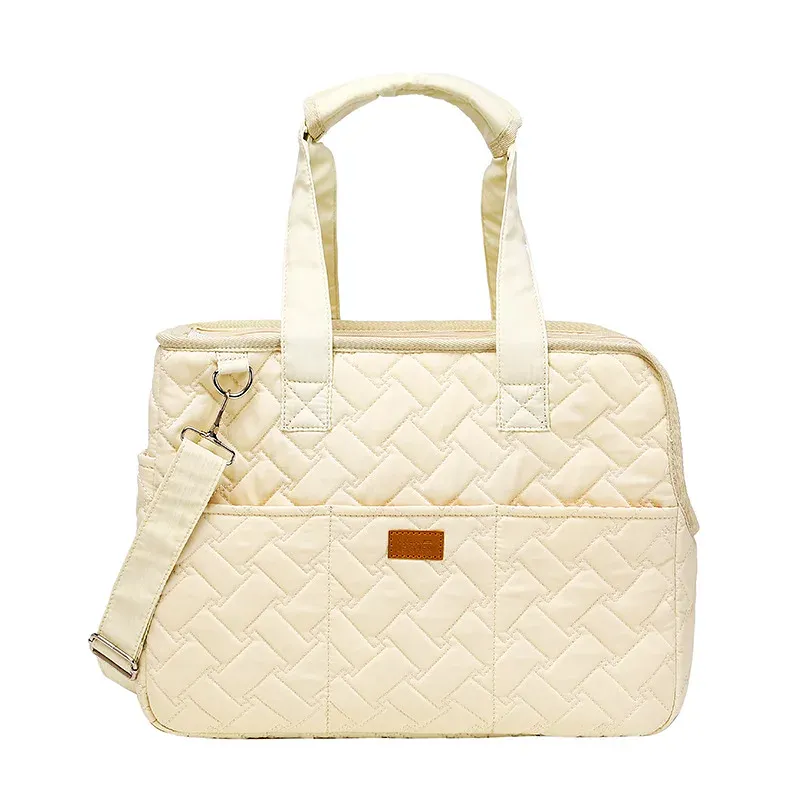
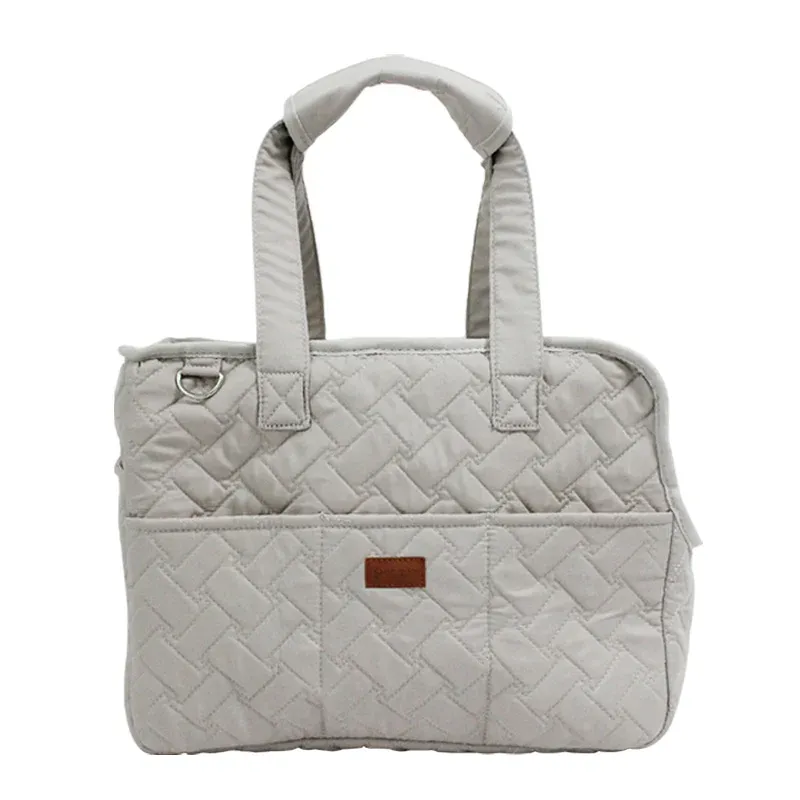
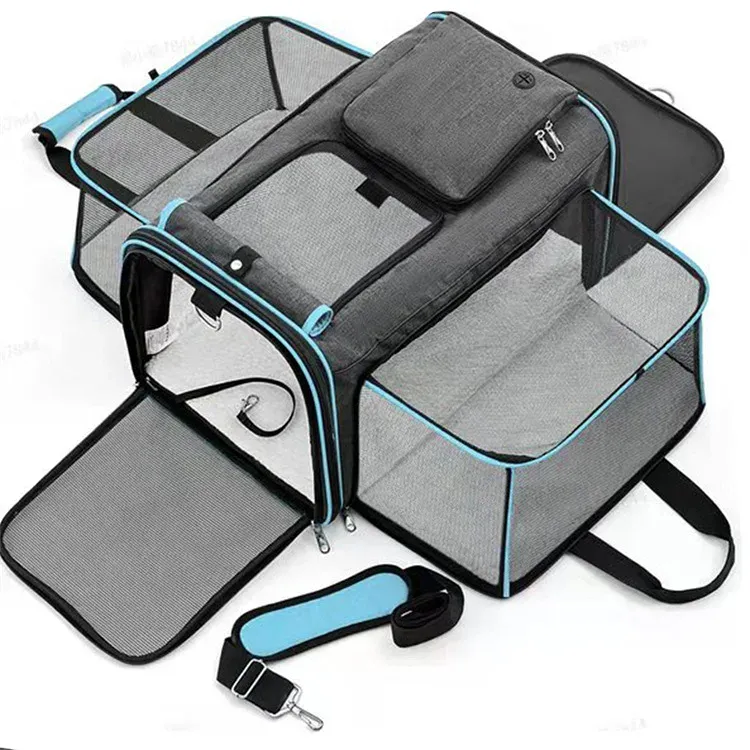
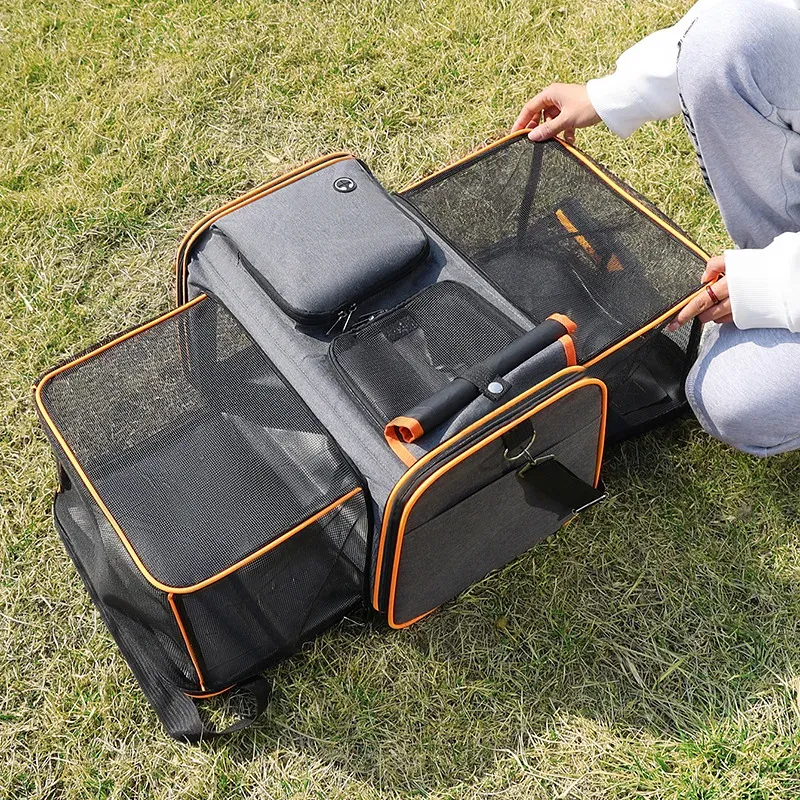
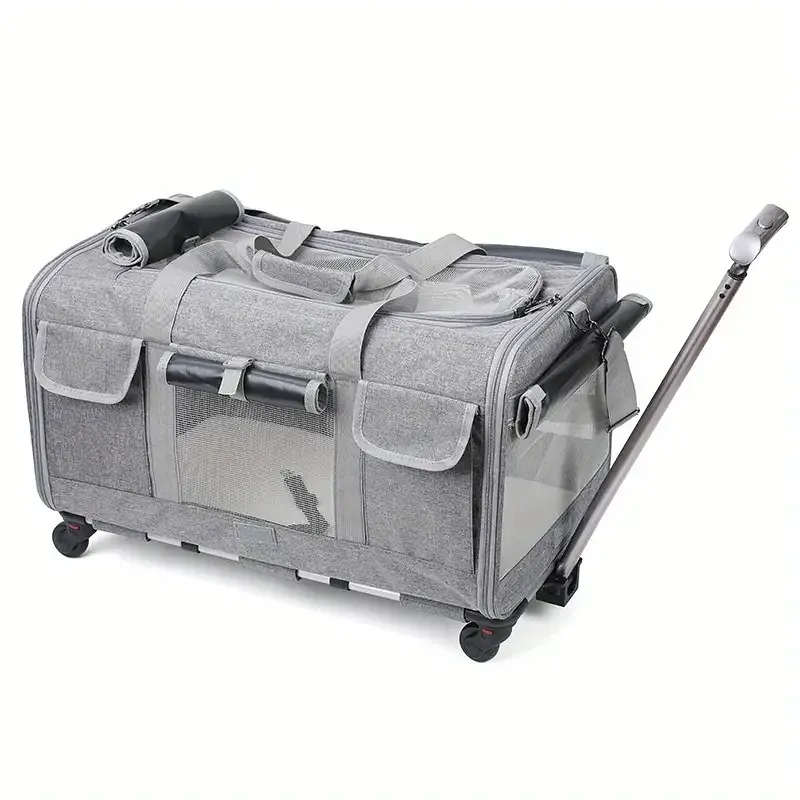
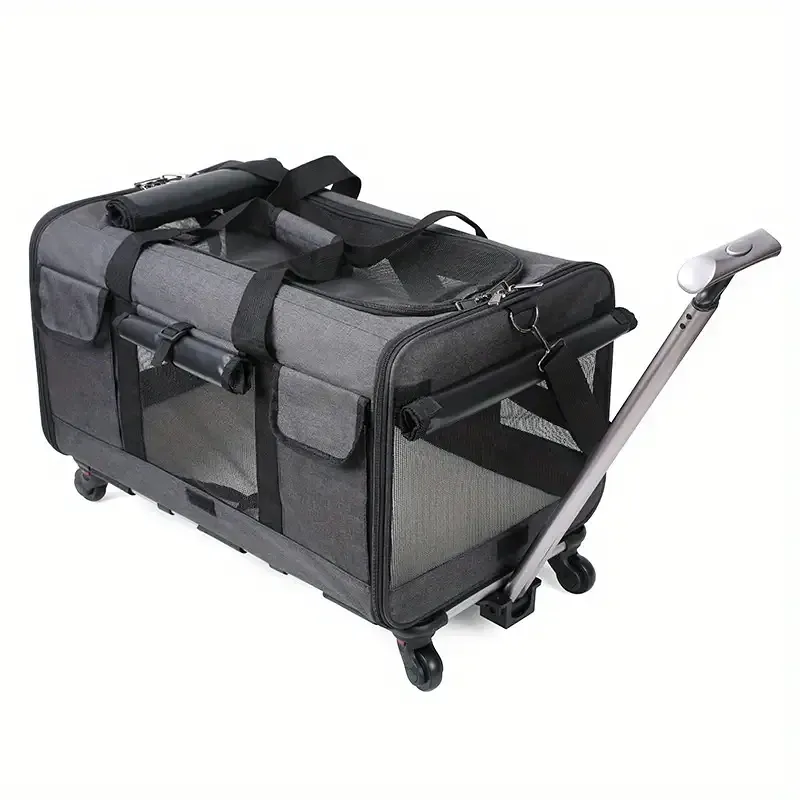
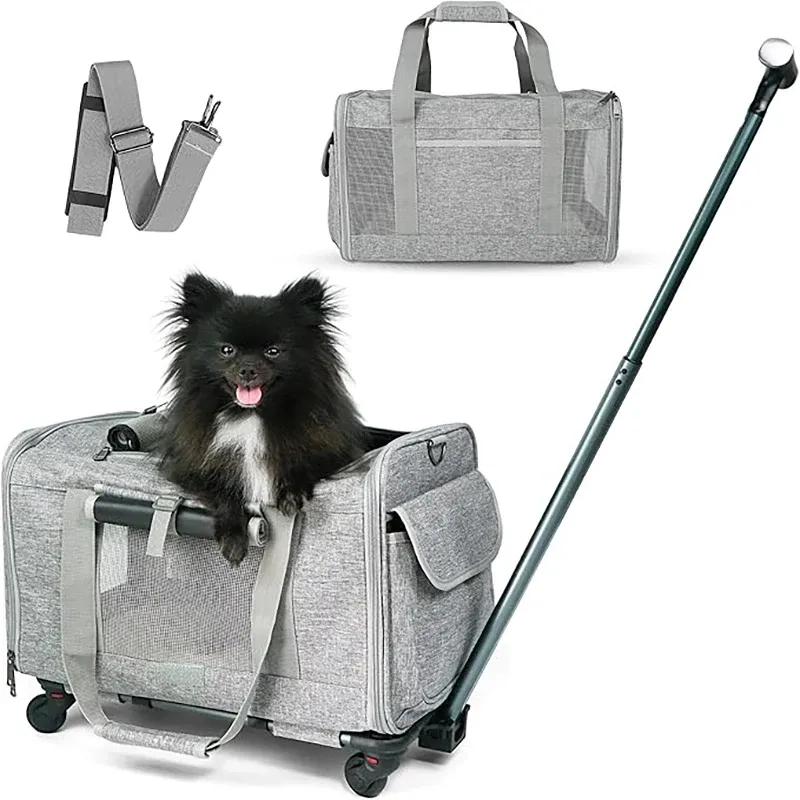
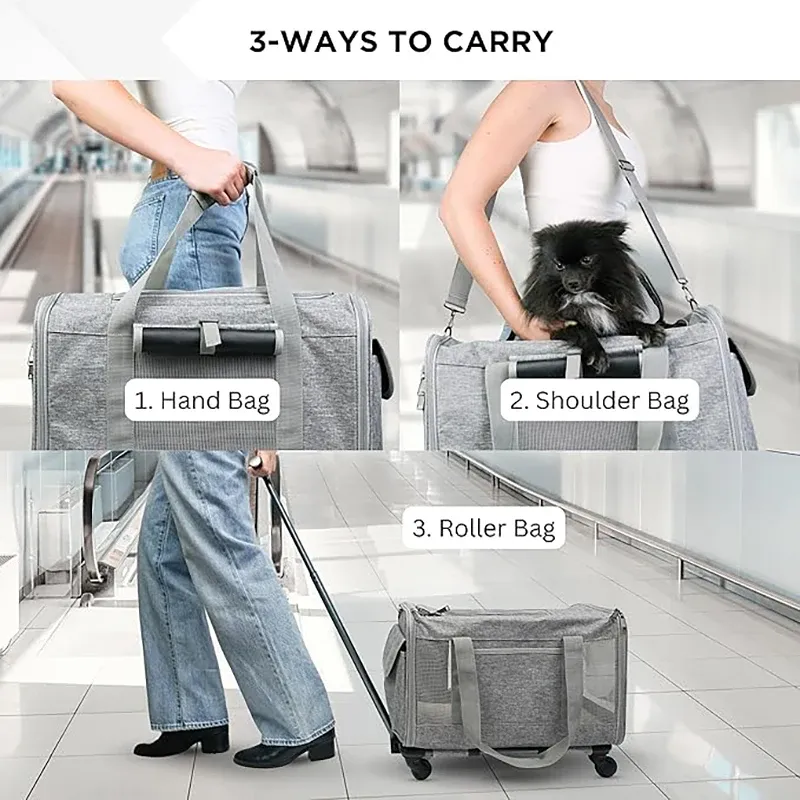
Cabin-Size Soft-Sided Dog Carrier with Mesh Windows
By
4.8139
$60.99$67.99
New Customers Only: Extra 10% OFF with code WELCOME10
Home / Shop / Pet Travel & Car Safety



Nothing matches the current filters. Widen the price range or clear a filter to see the shop again.
Taking a dog along changes how you pack for every trip, from a twenty-minute drive to the vet to a week in a cottage by the coast. The dog has to ride safely, the car has to survive the mud, and there needs to be water at the far end of the walk. This category brings together the gear for all of it: car seats and seat covers, restraints and guards, carriers for trains and planes, bike baskets and trailers, prams, and bowls and bottles for the road. This guide walks through how to plan for each kind of journey, how to keep your dog safe and settled on the way, and what to pack.
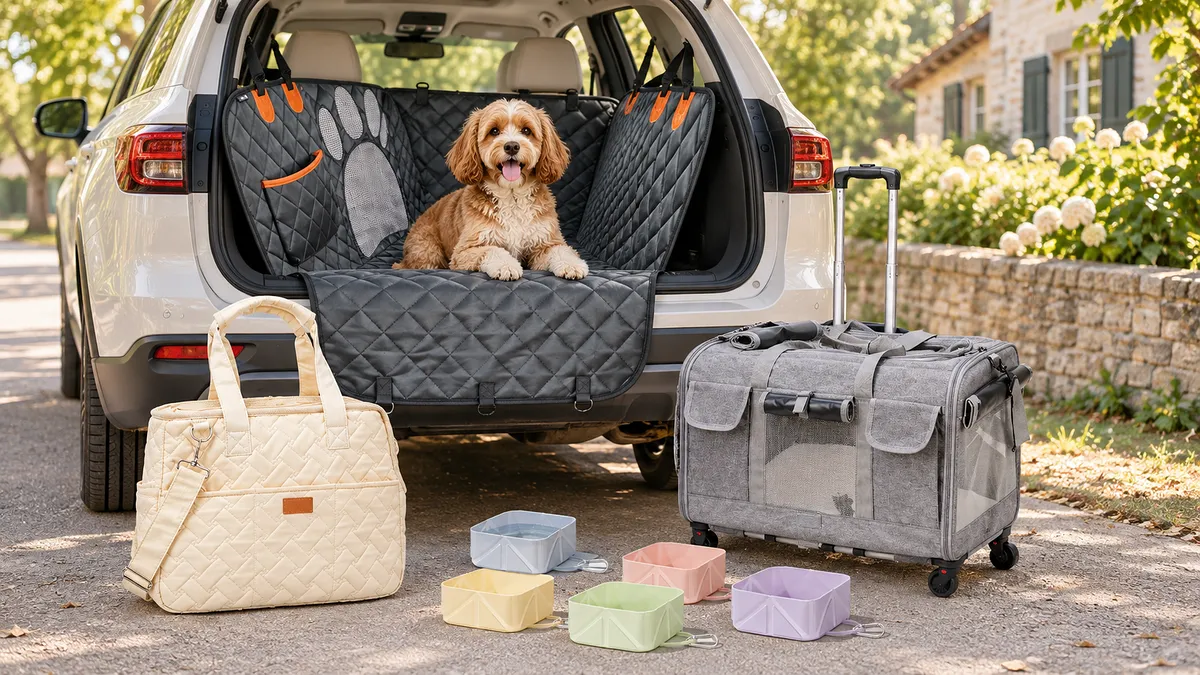
The right kit depends more on the journey than on the dog. Think about the trip you make most often and start there.
| Journey | What helps | Where to look in this category |
|---|---|---|
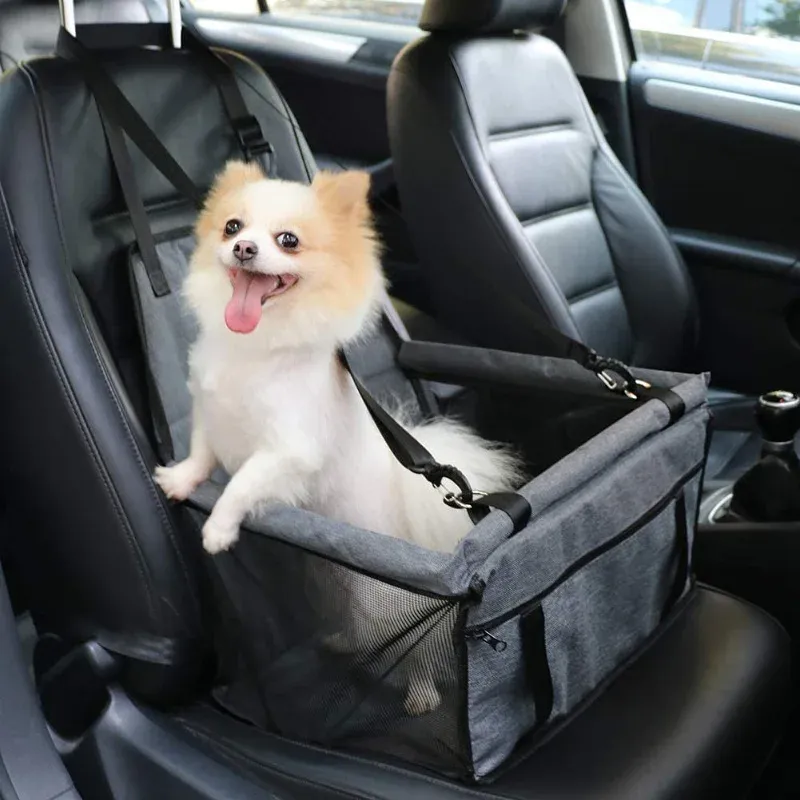
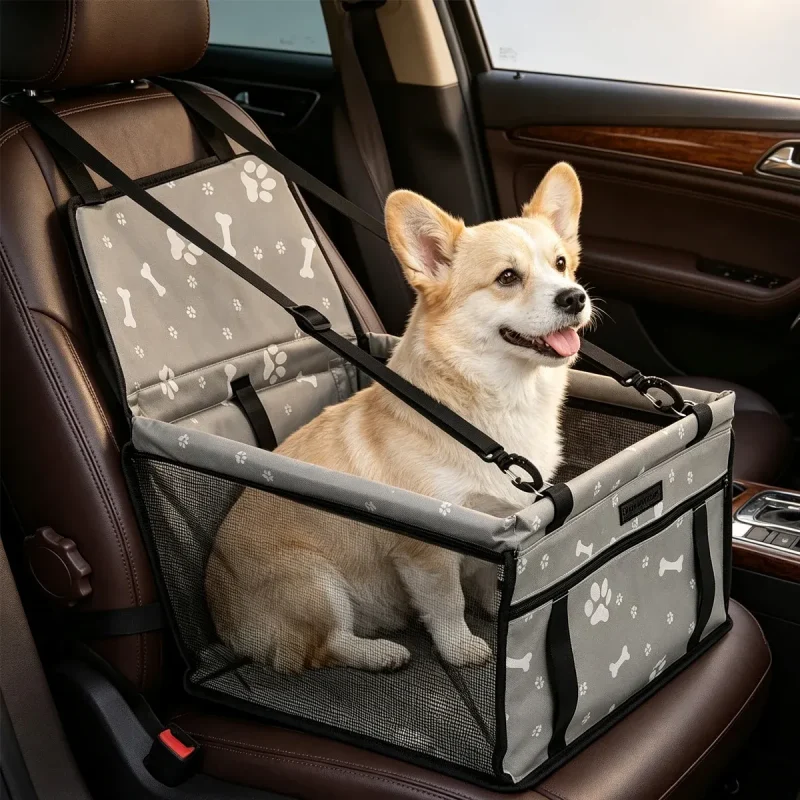
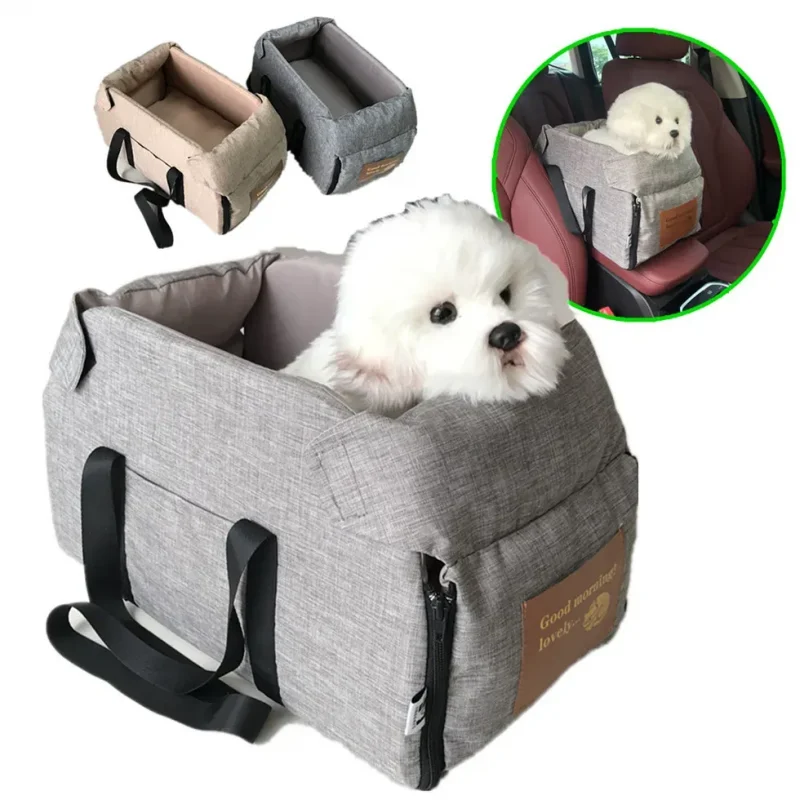
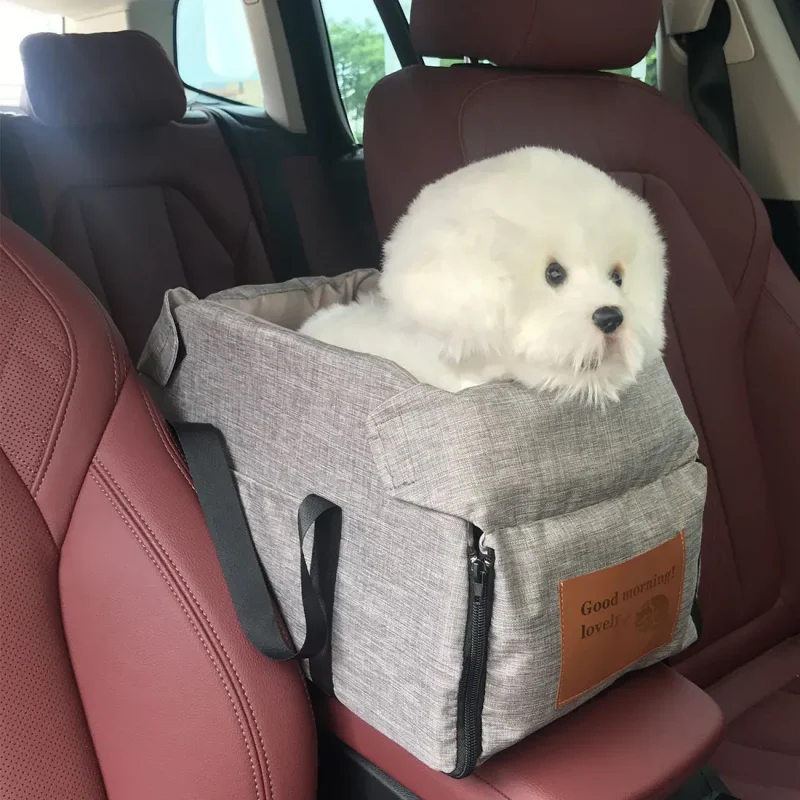
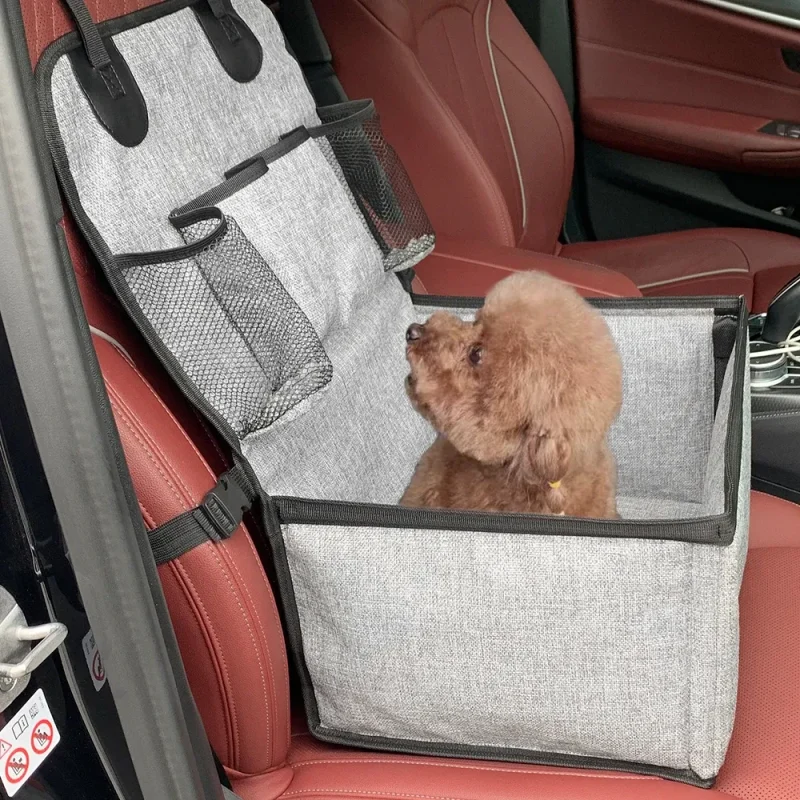
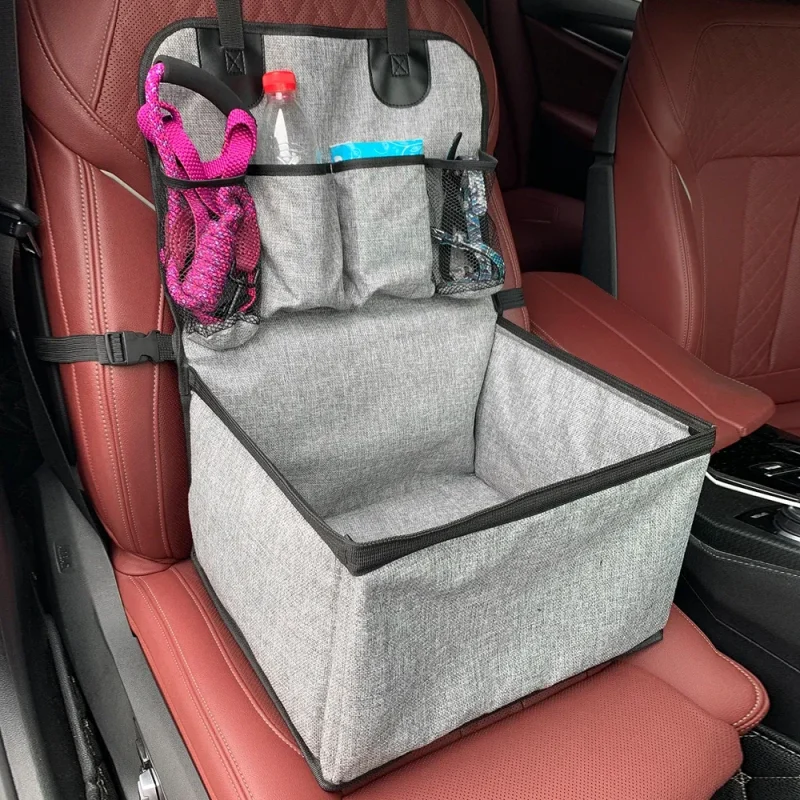
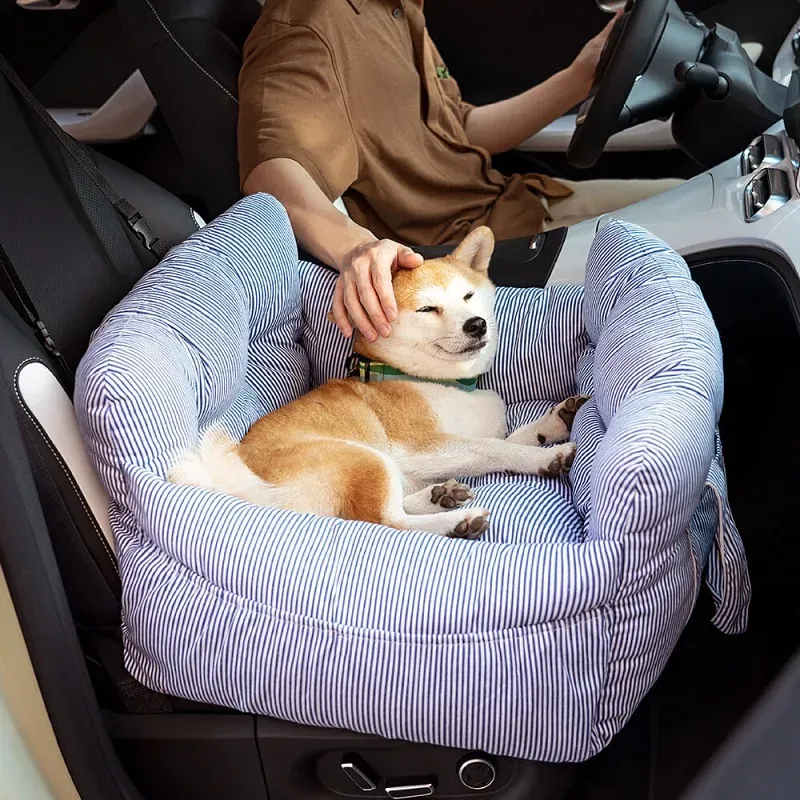
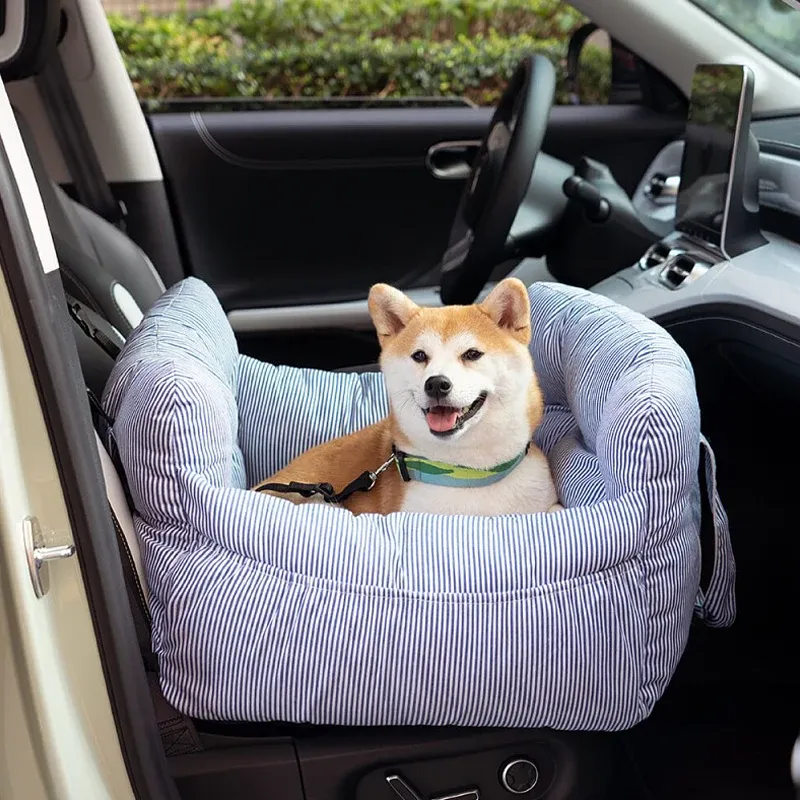
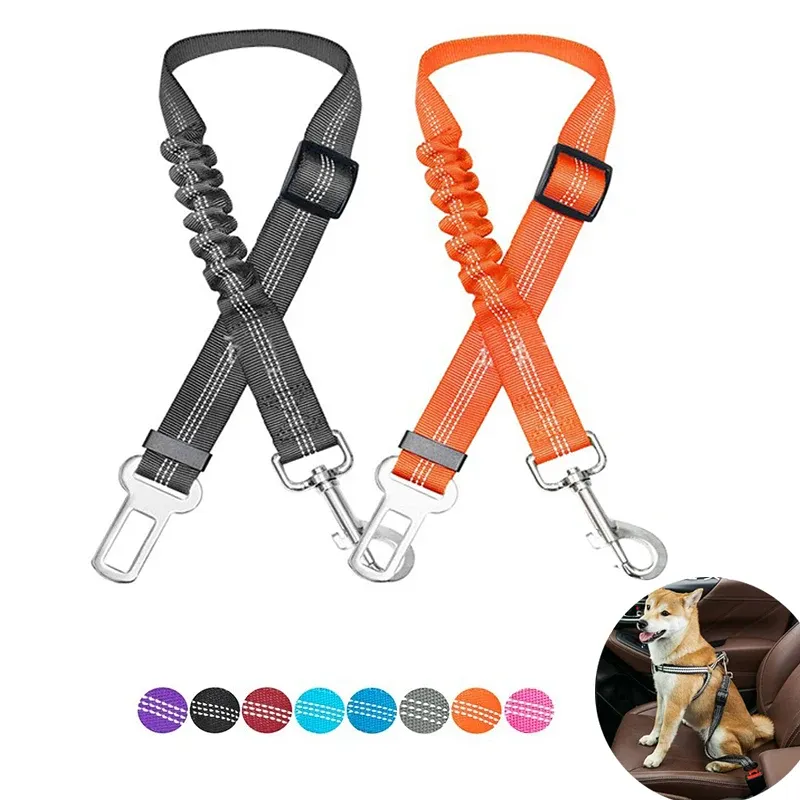
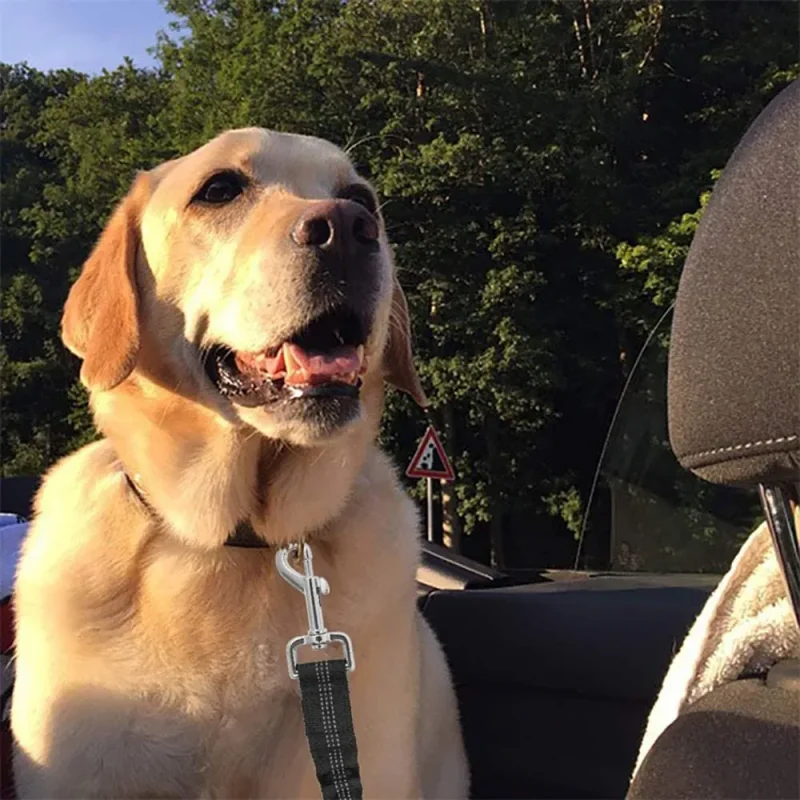
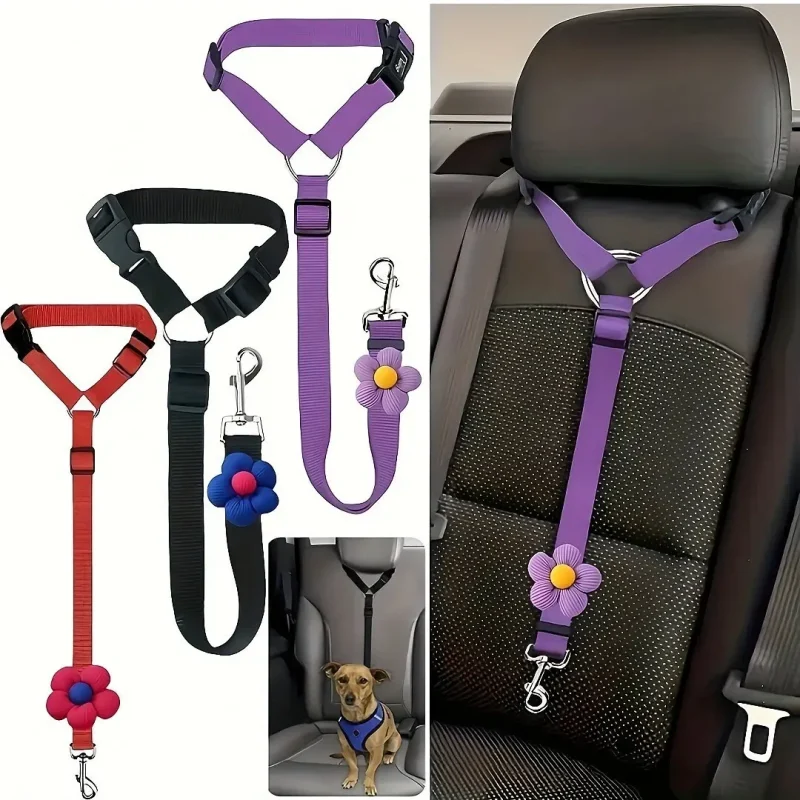
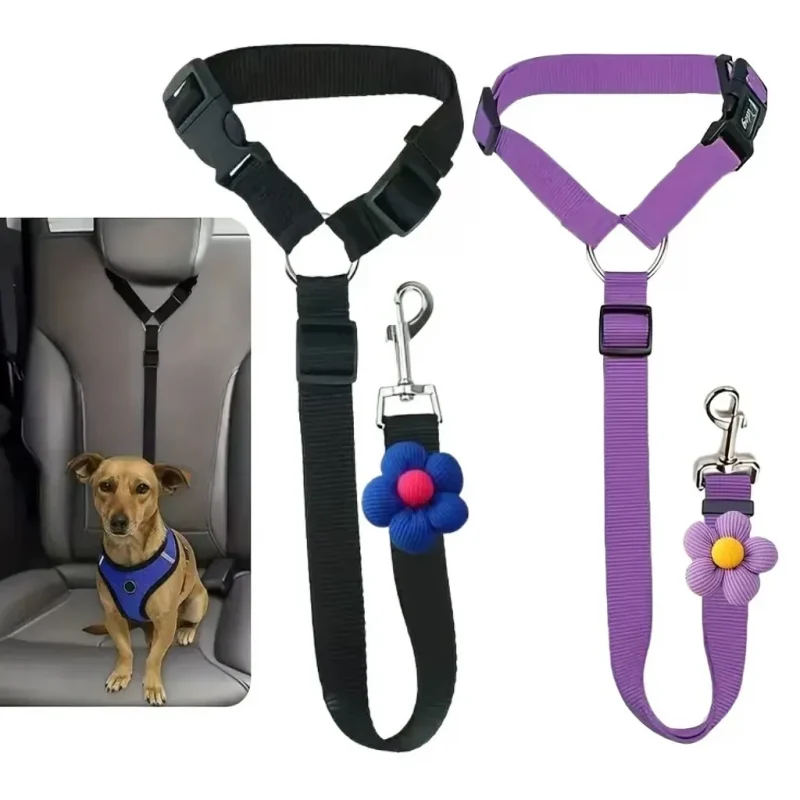
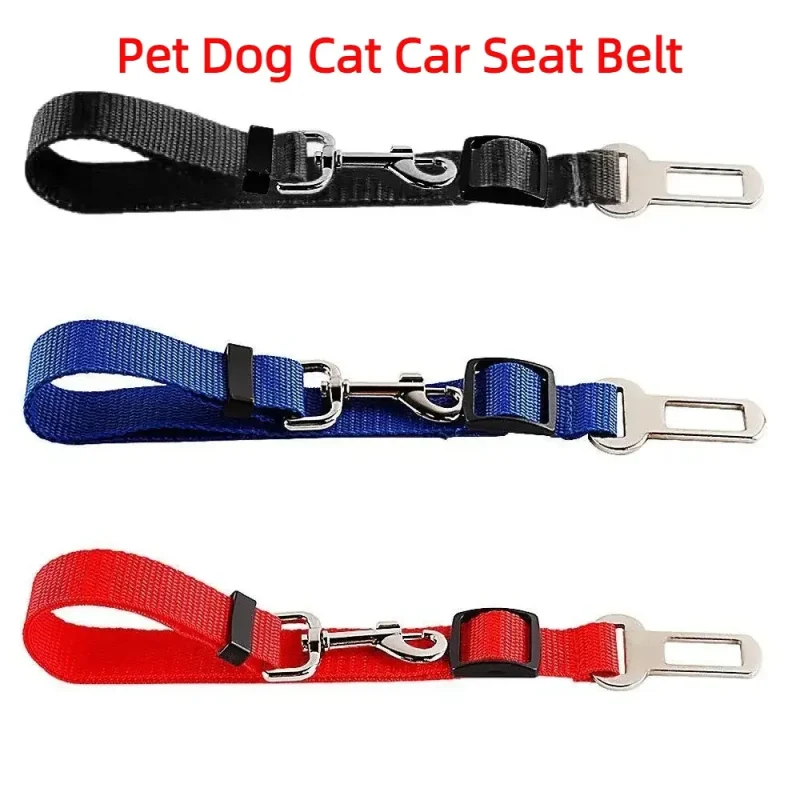
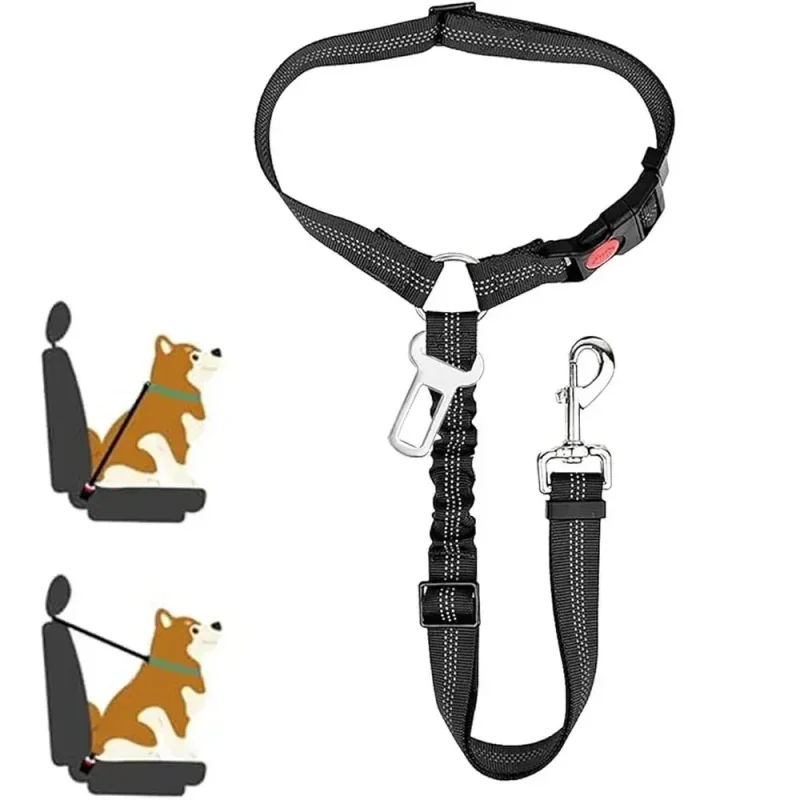
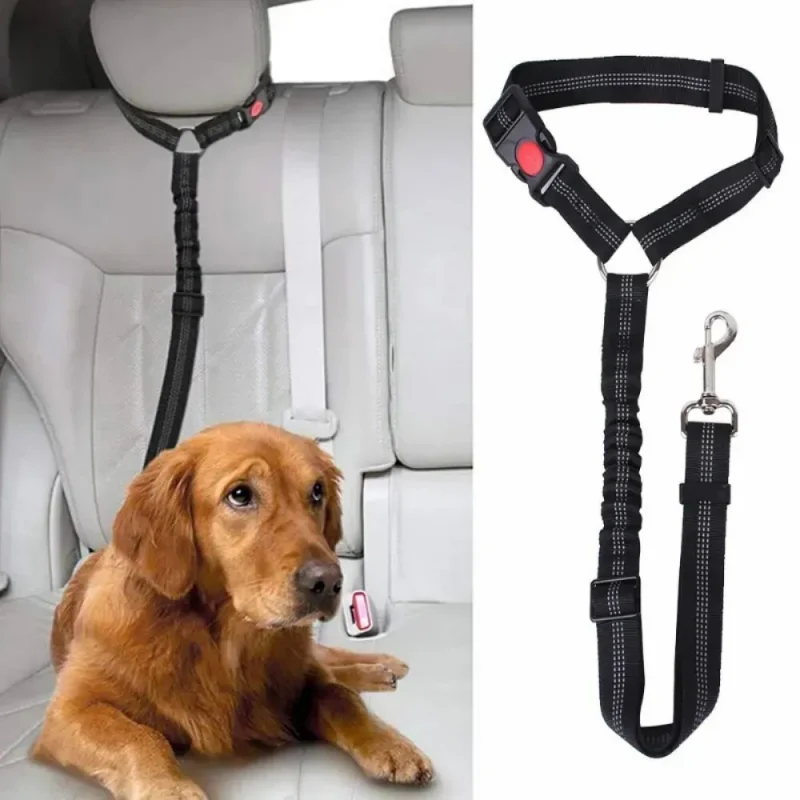
| Short drives with a small dog | A raised seat strapped to the back seat, with a tether clipped to a harness | Dog Booster Seats for Cars, Dog Seat Belt Tethers |
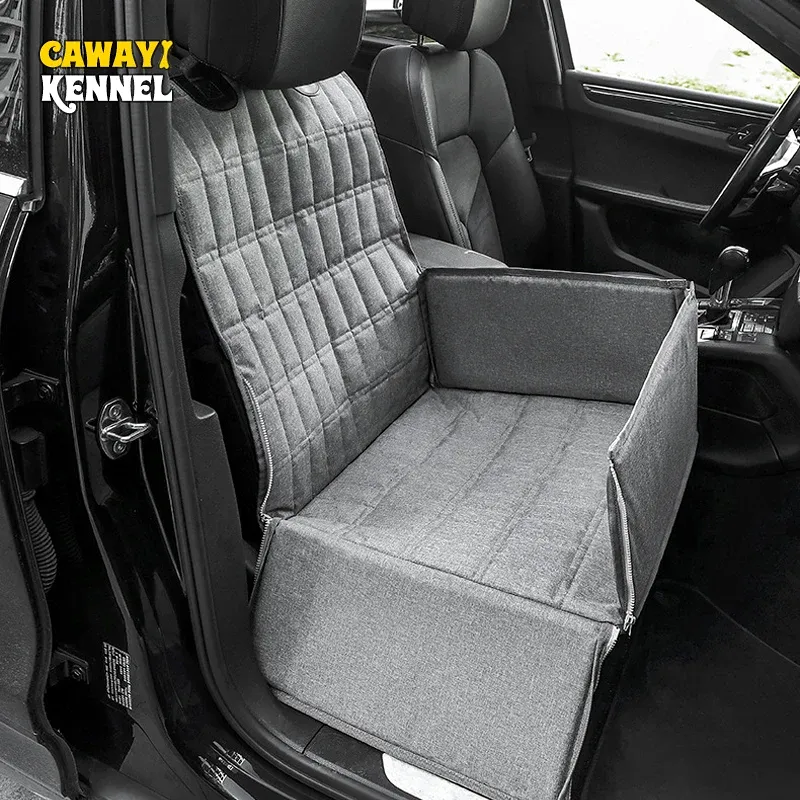
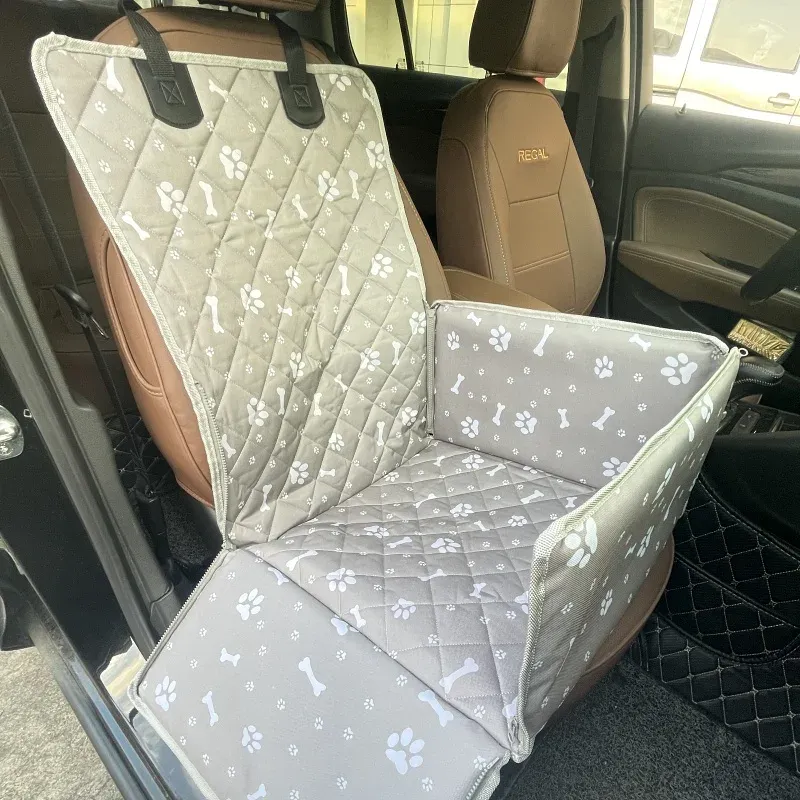
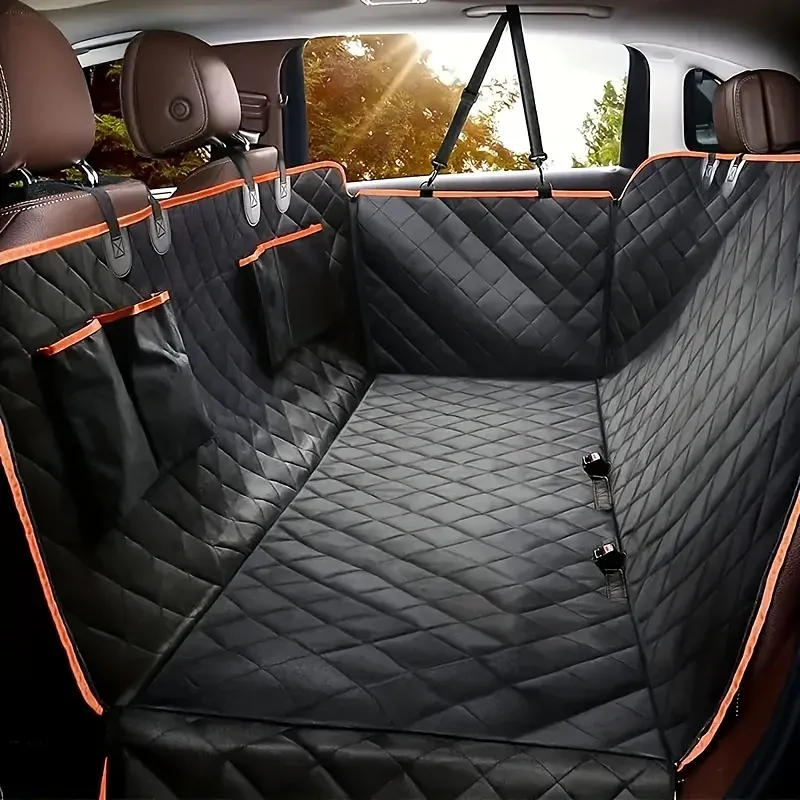
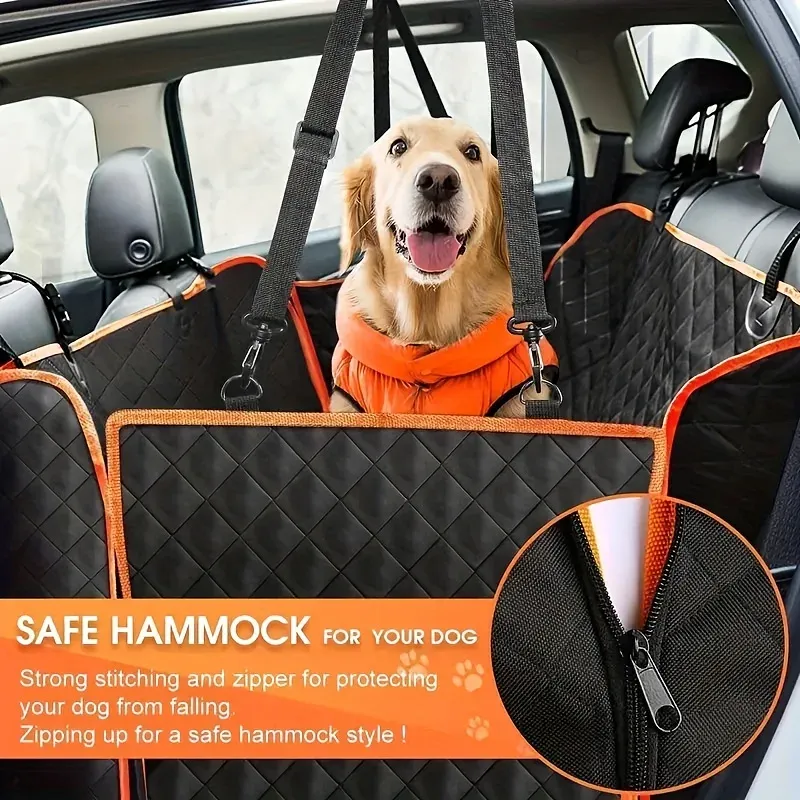
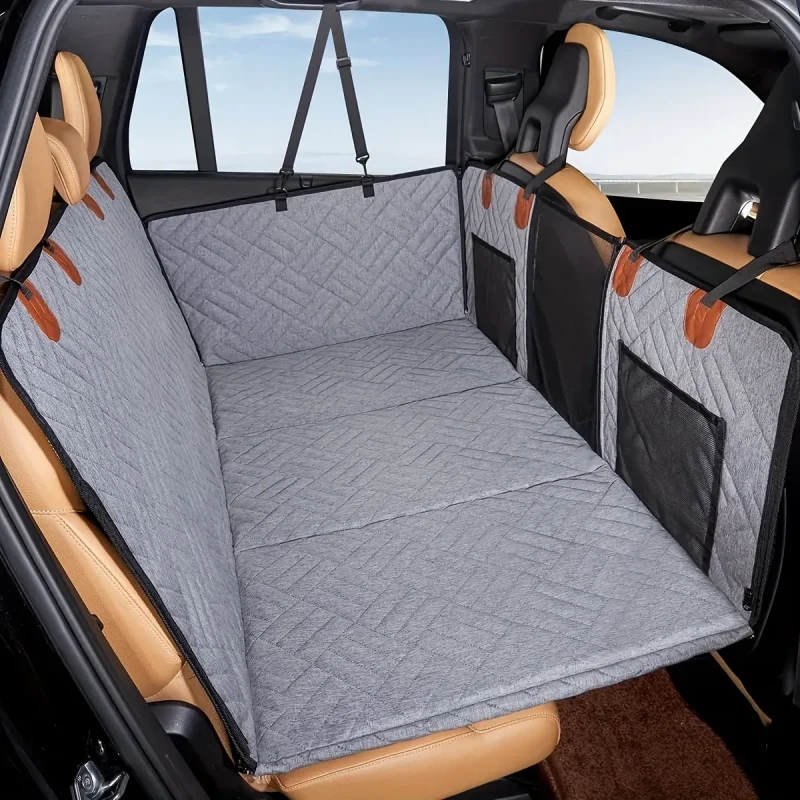
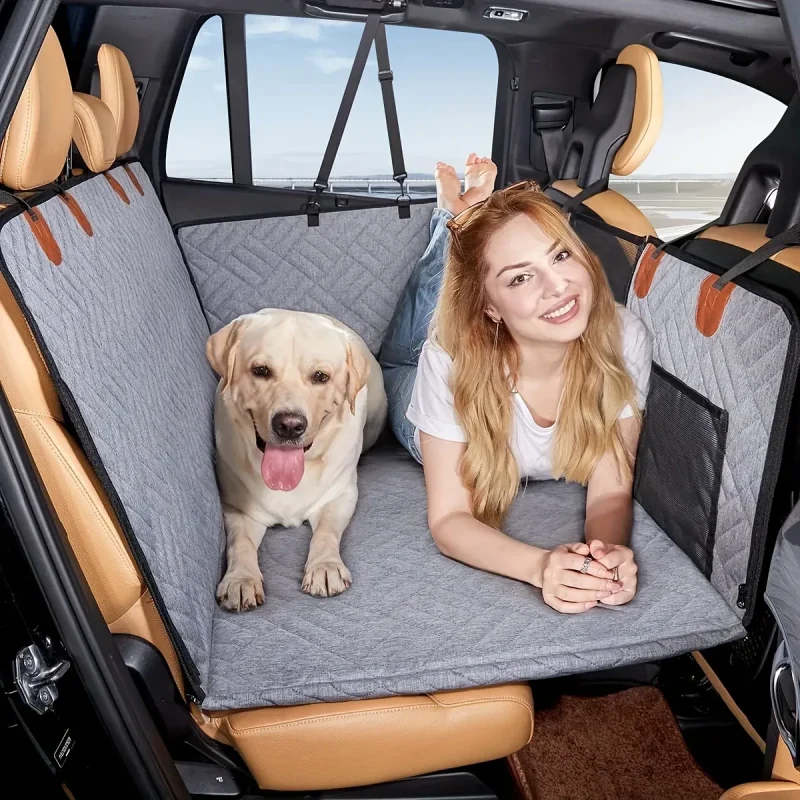
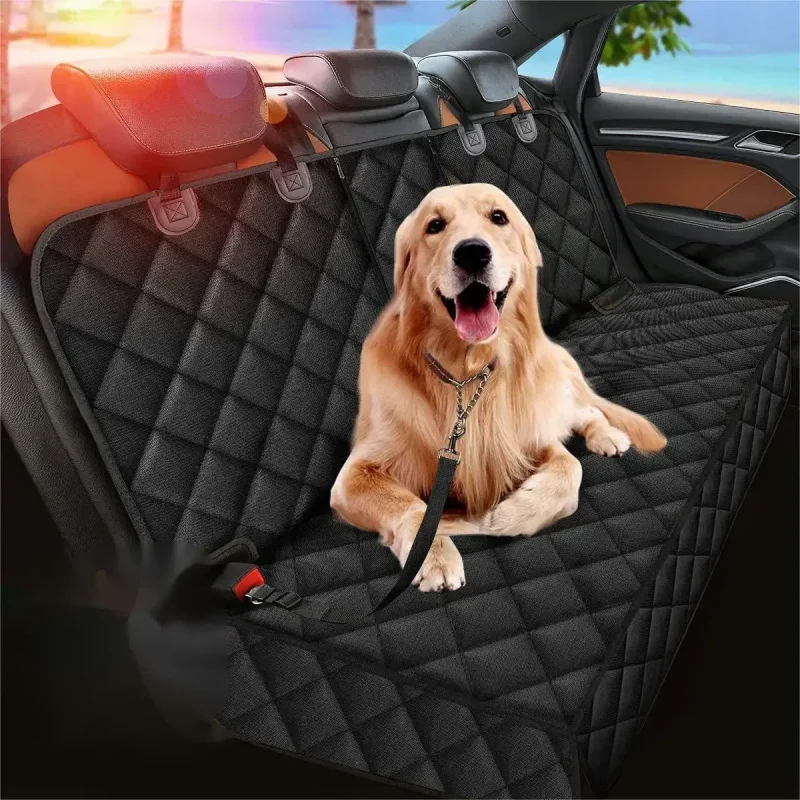
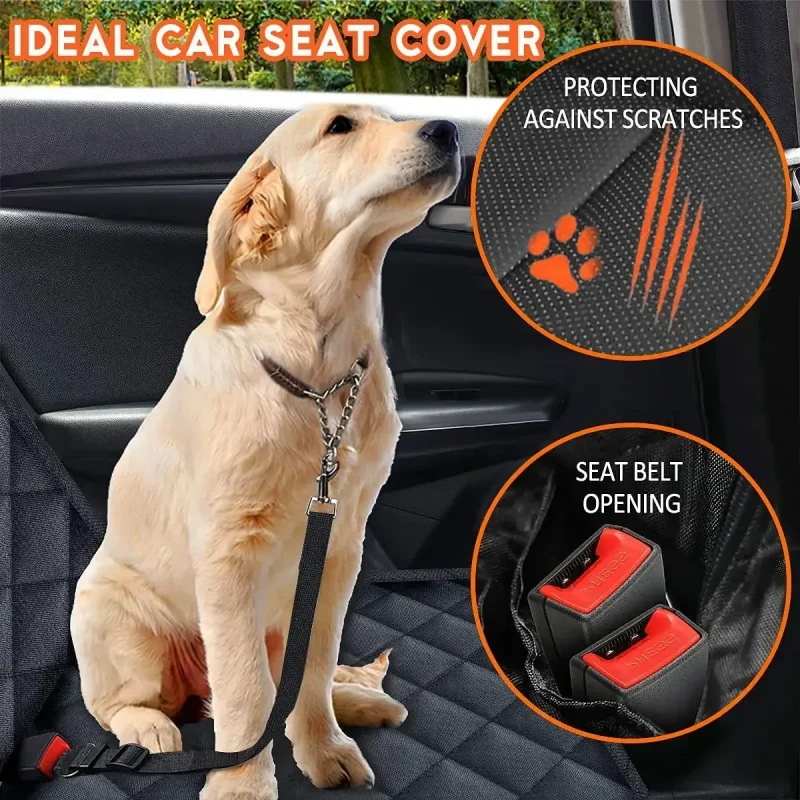
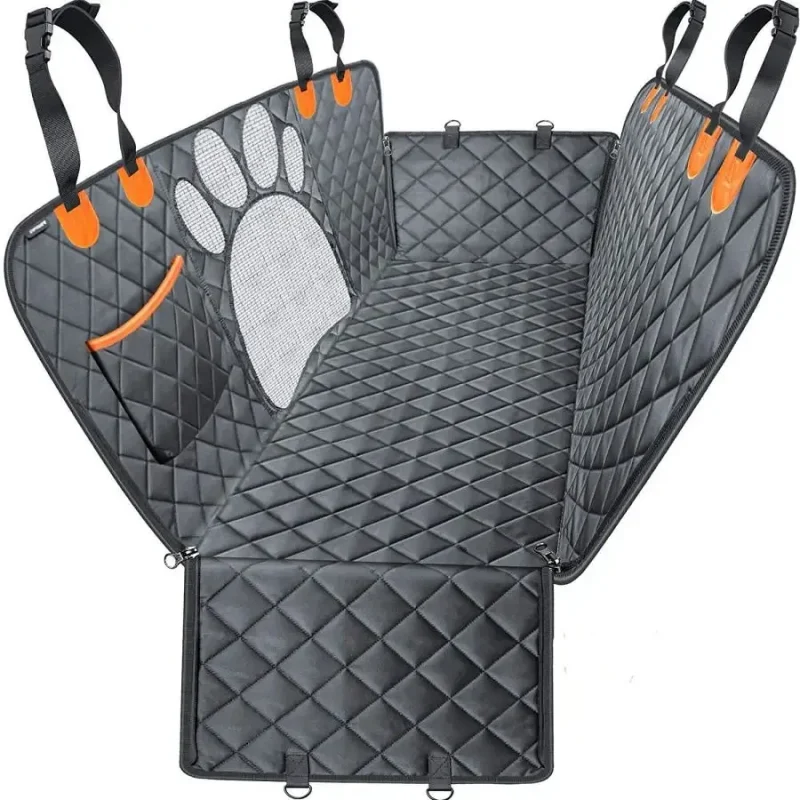
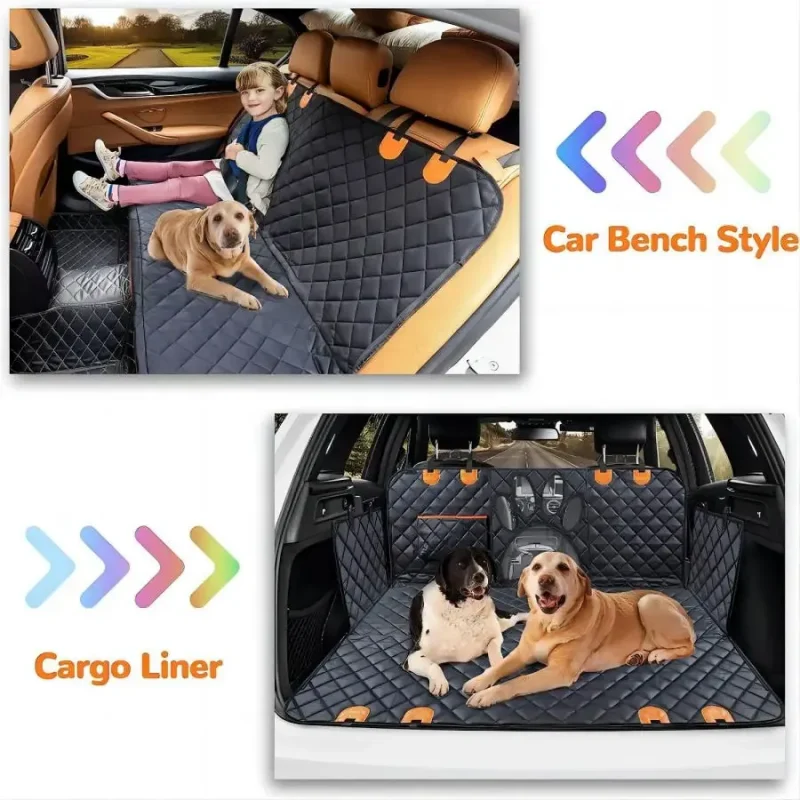
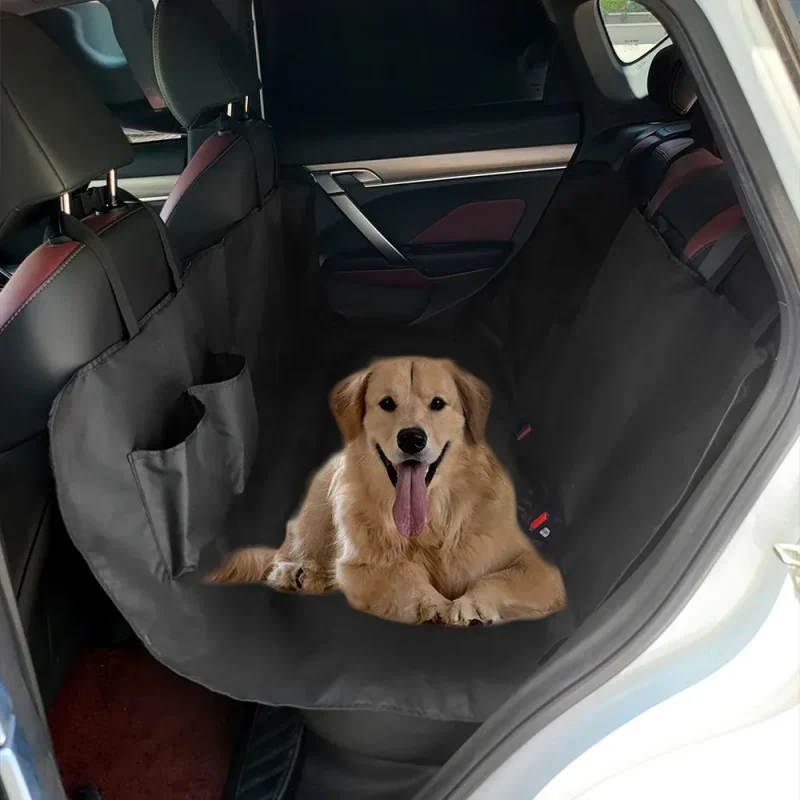
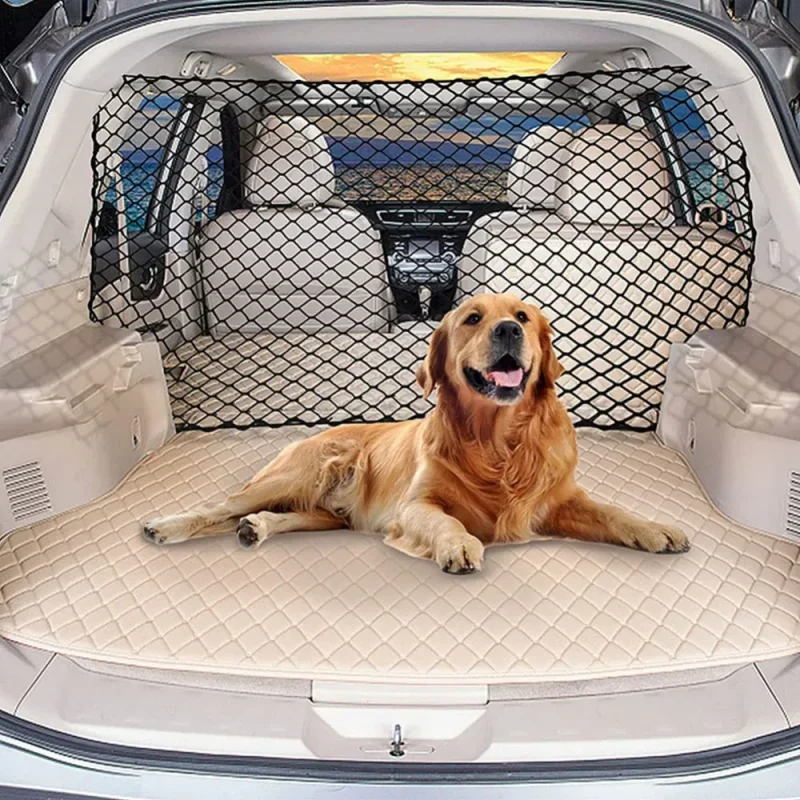
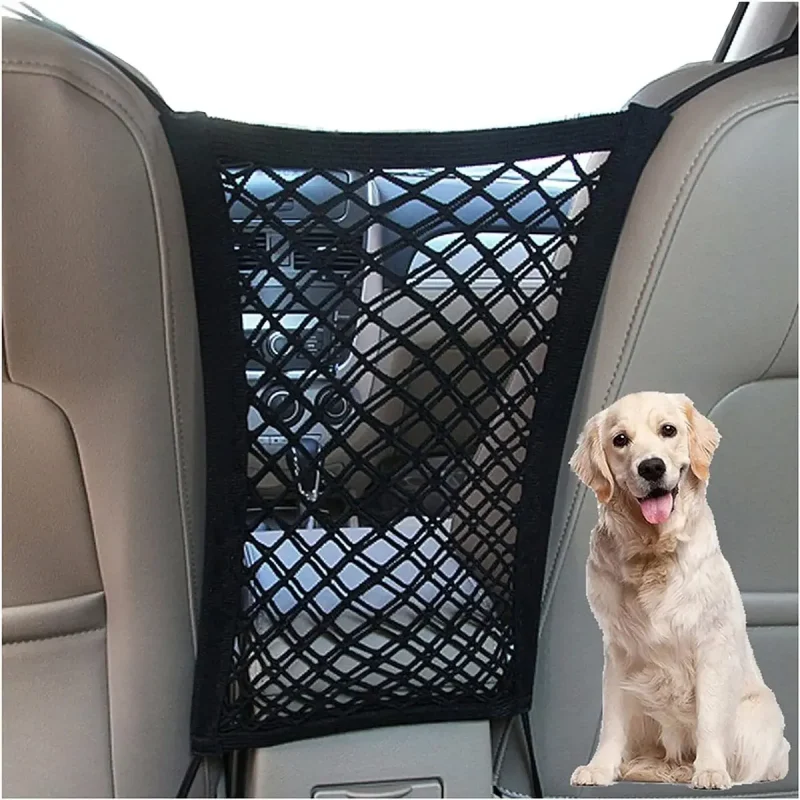
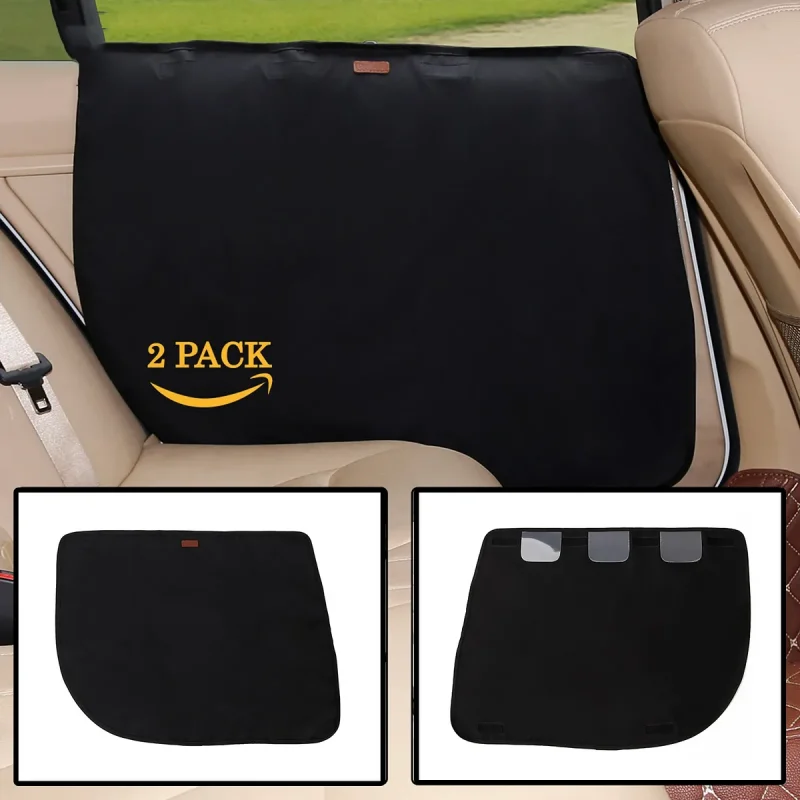
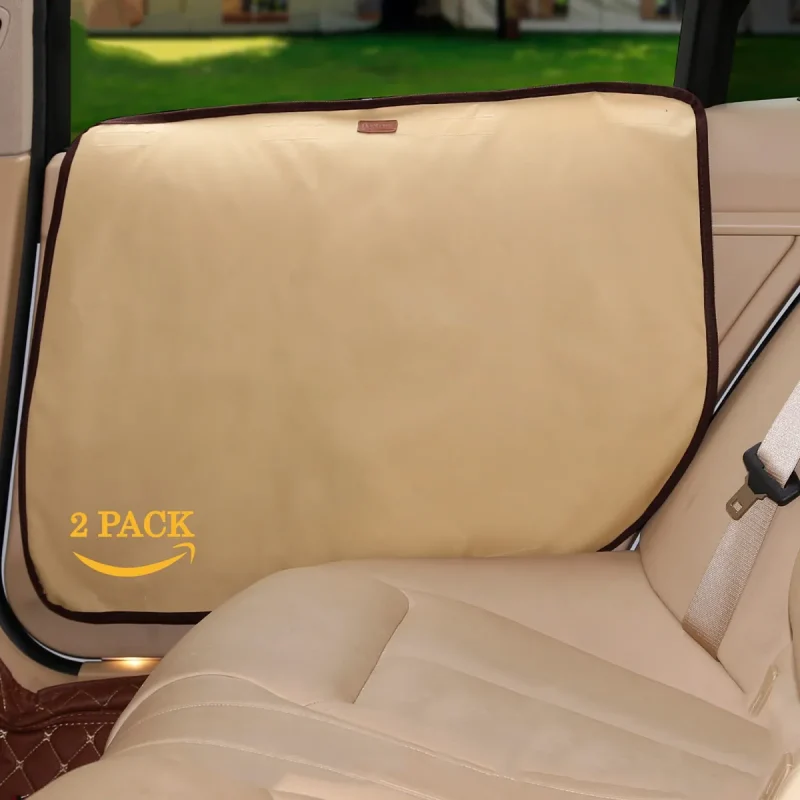
| Muddy walks and beach runs | Seat protection that closes the footwell gap; a guard for dogs in the boot | Dog Car Hammocks & Back Seat Covers, Dog Guards & Car Barriers |
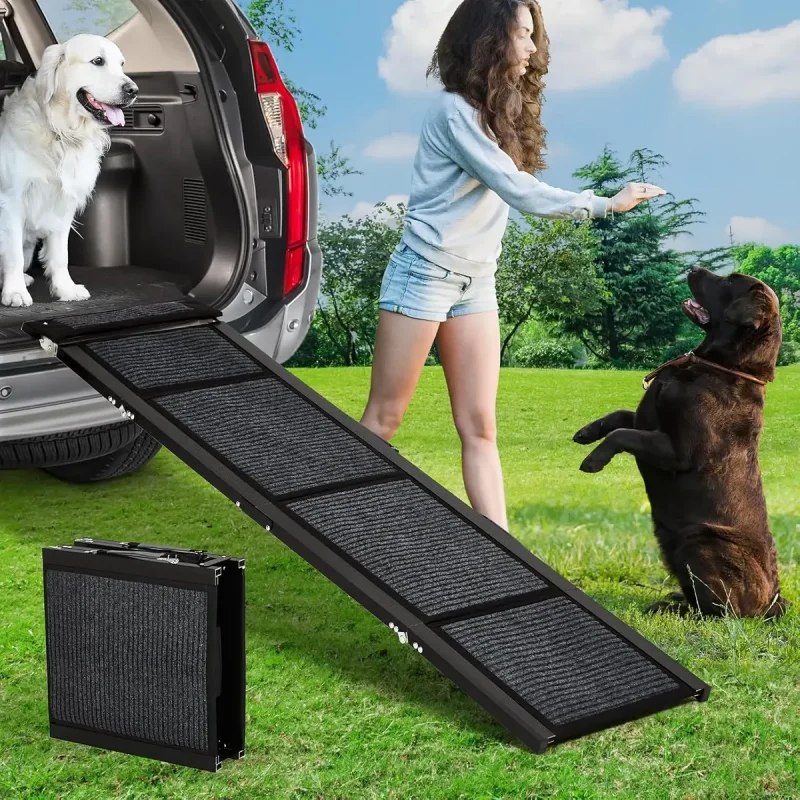
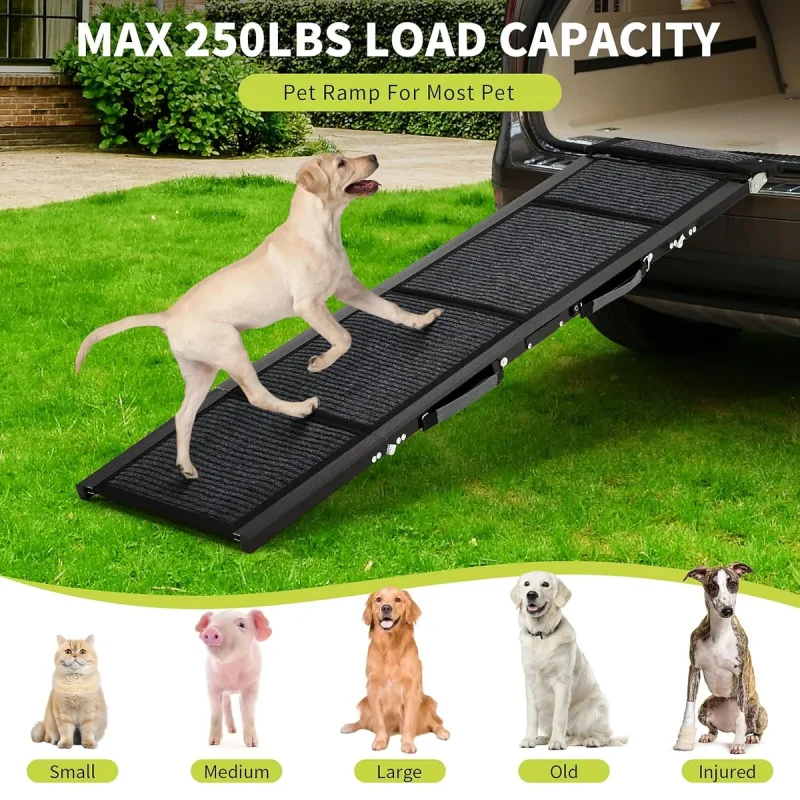
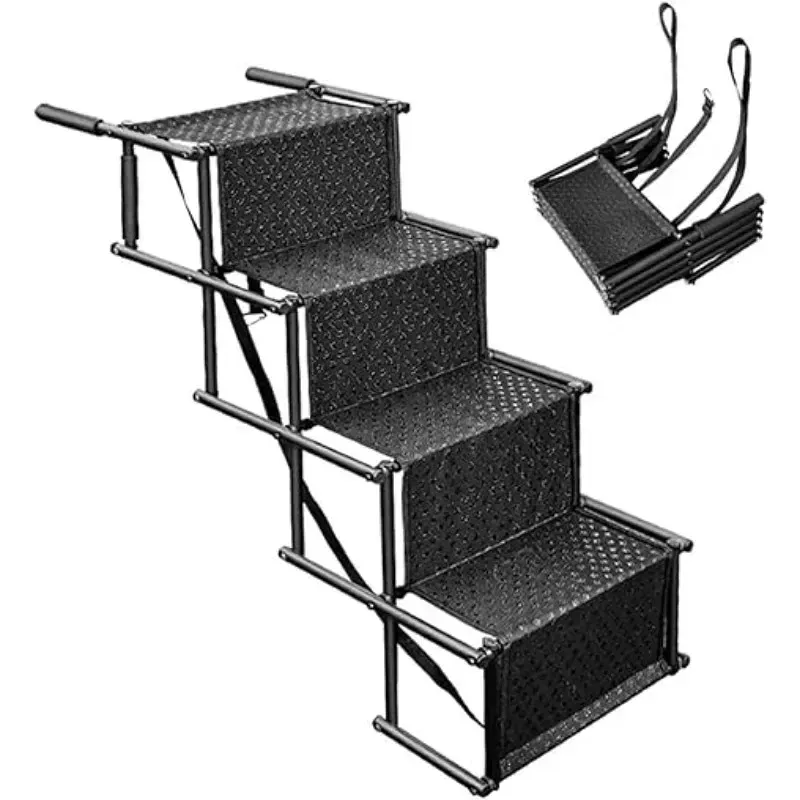
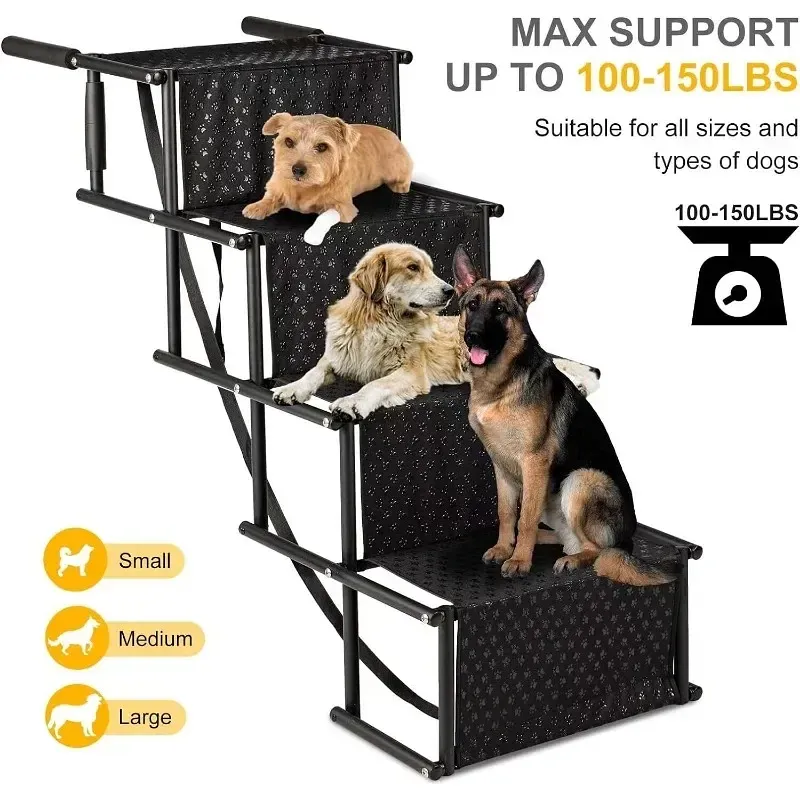
| Getting a large or older dog into the car | A ramp, so they don’t have to jump | Dog Ramps for Cars |
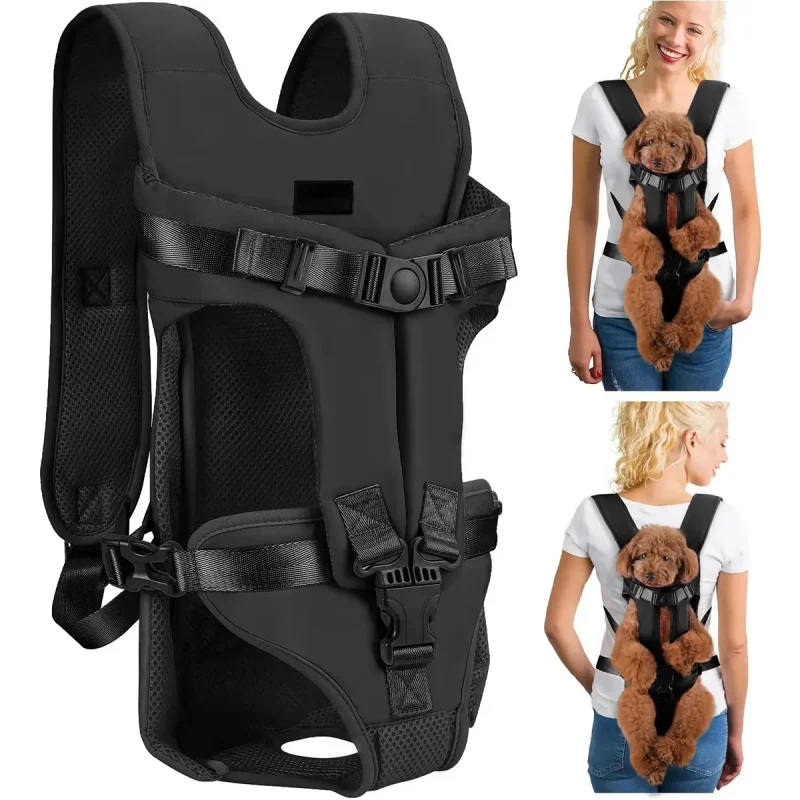
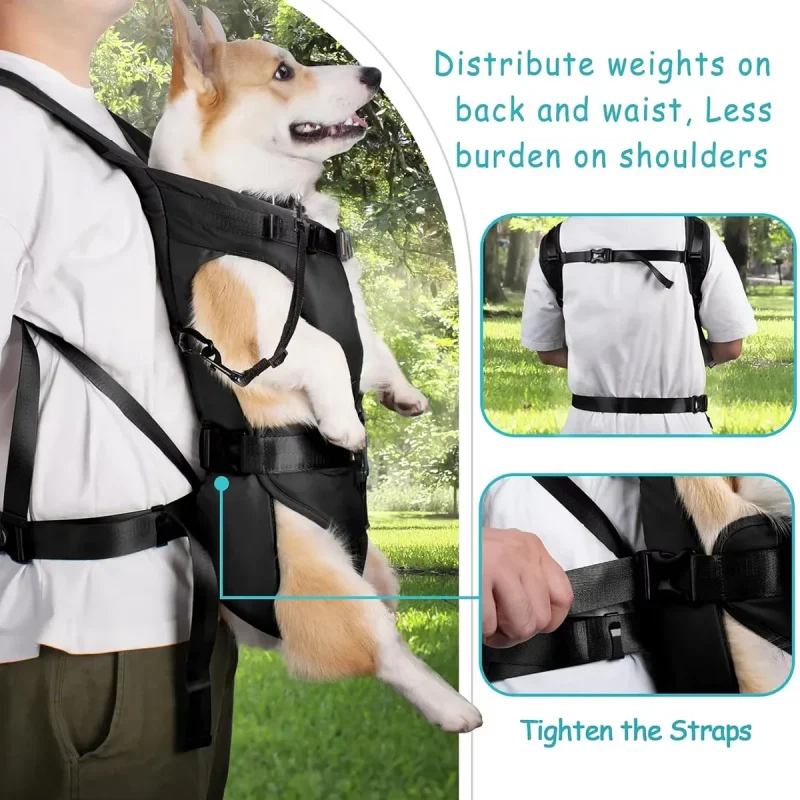
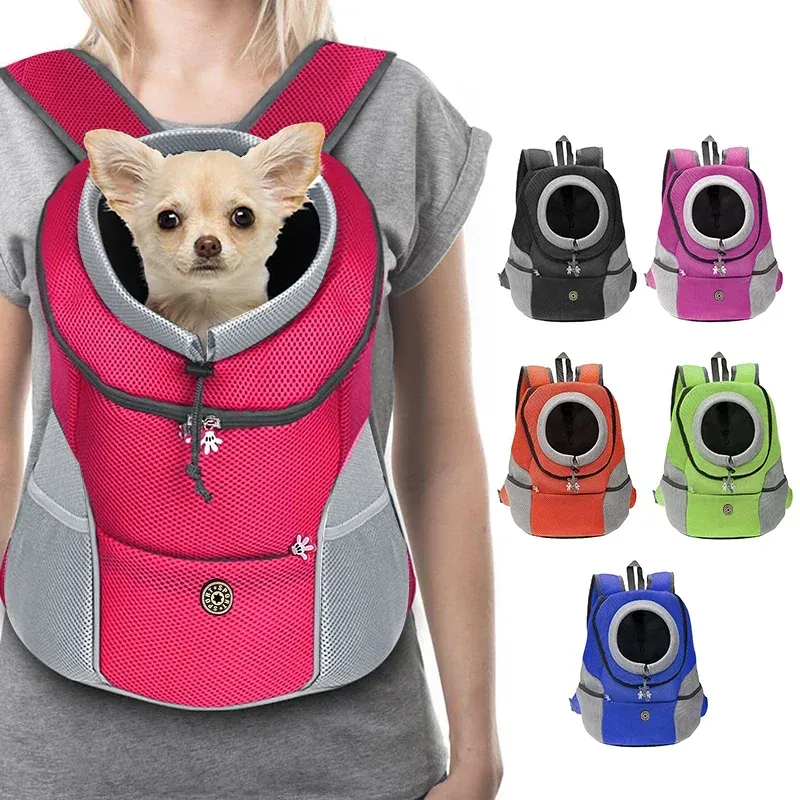
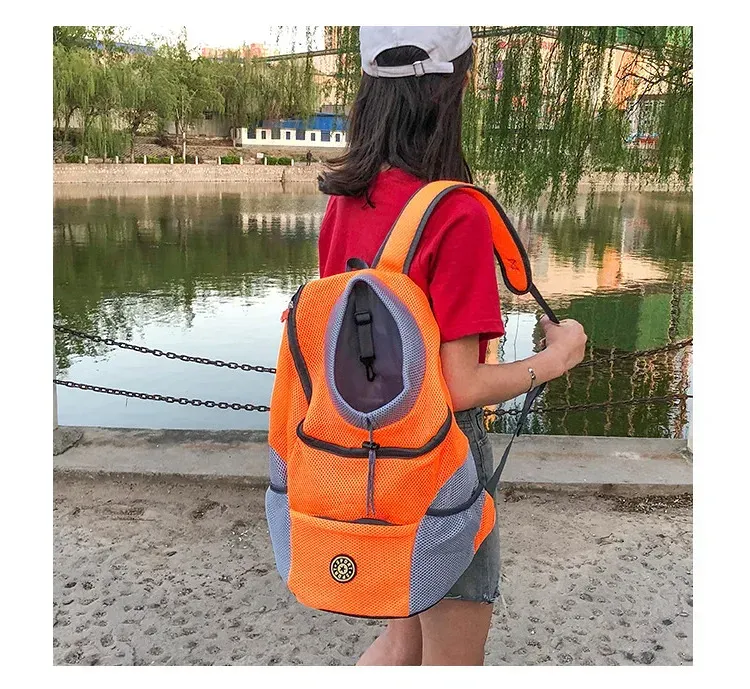
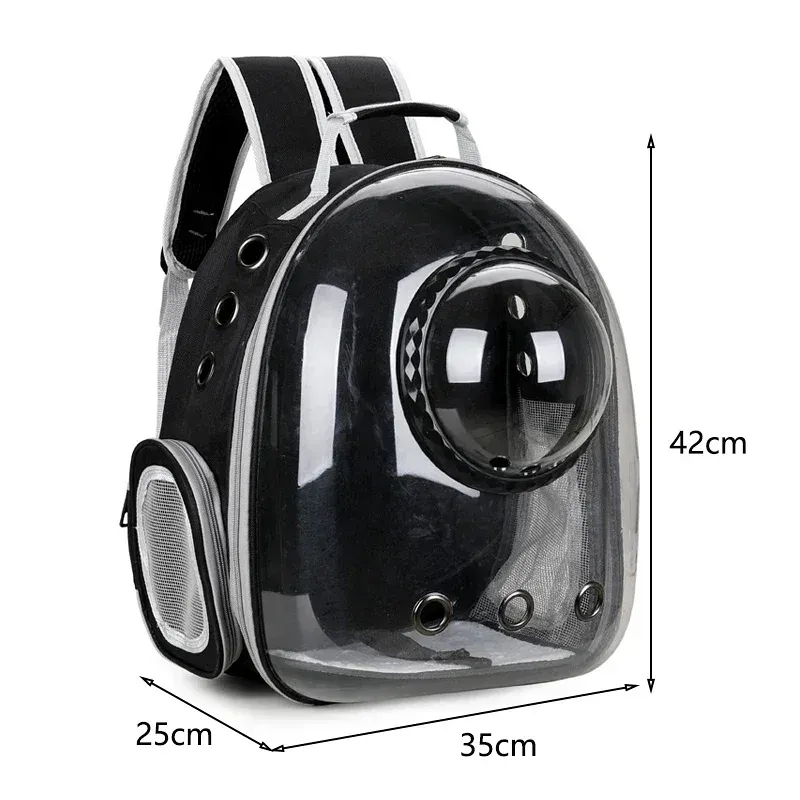
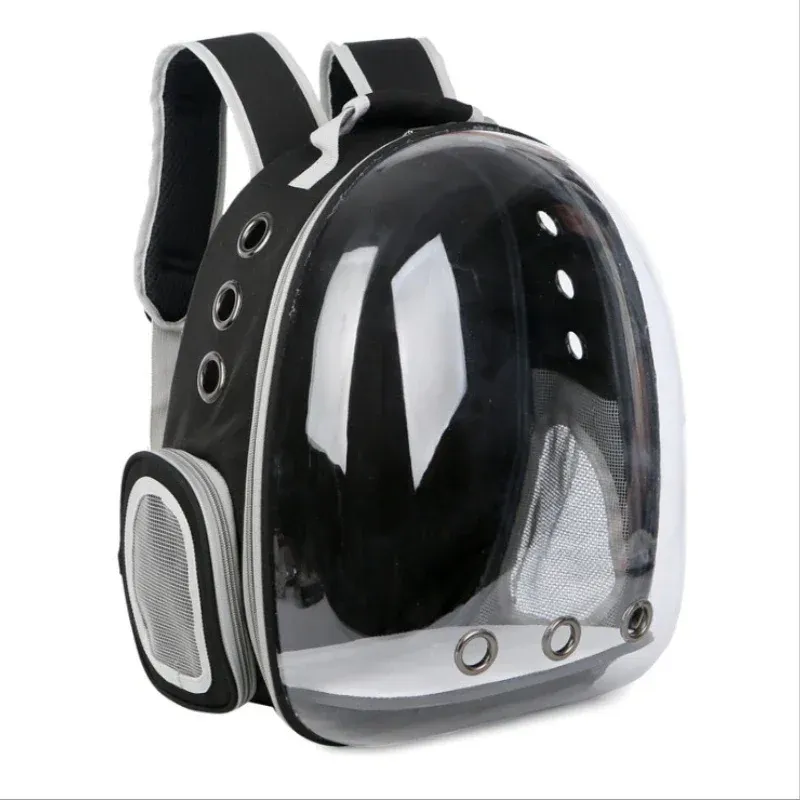
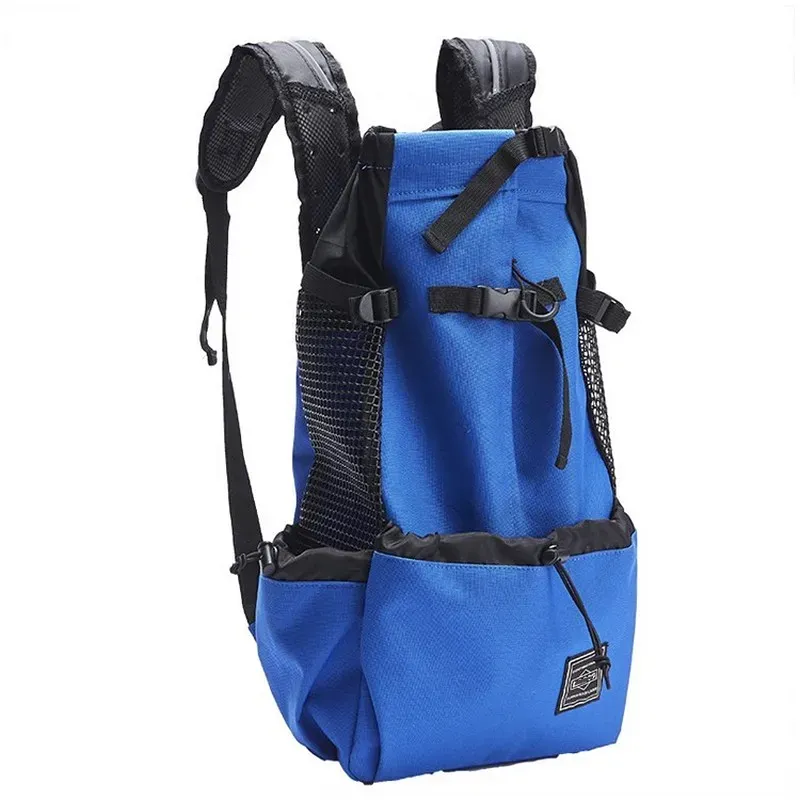
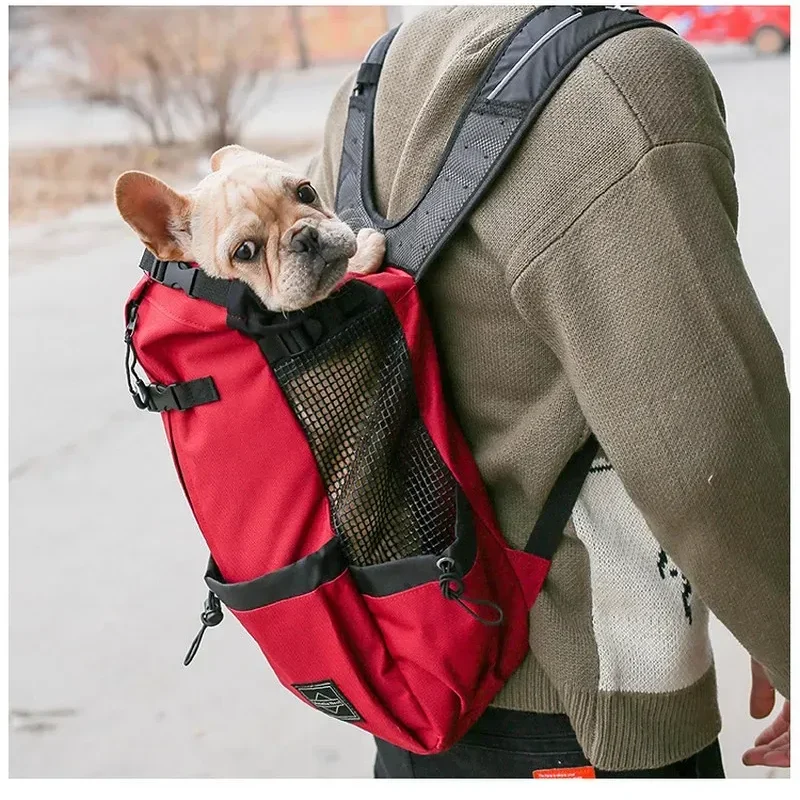
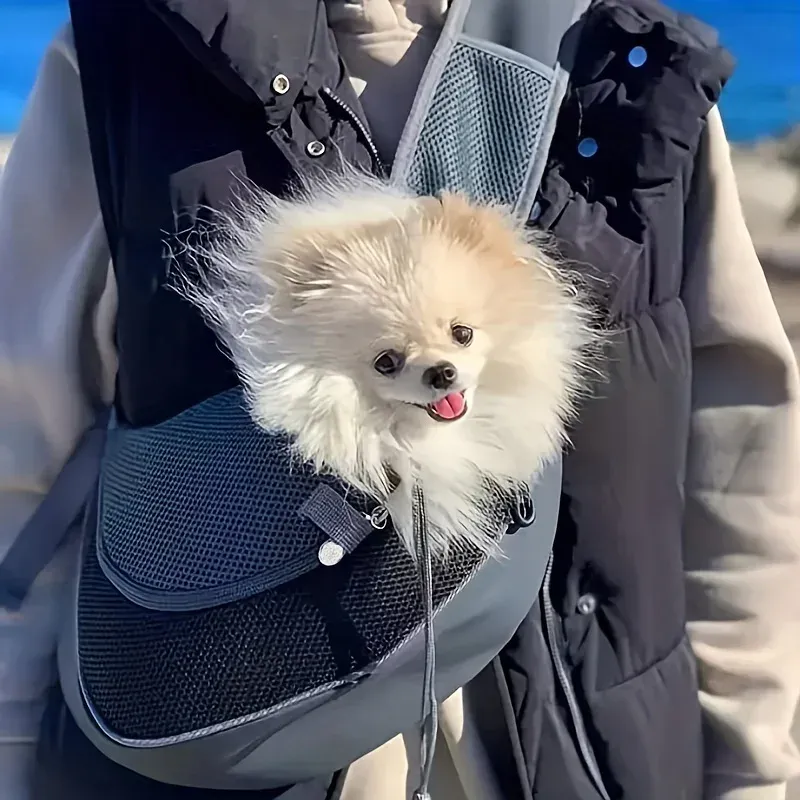
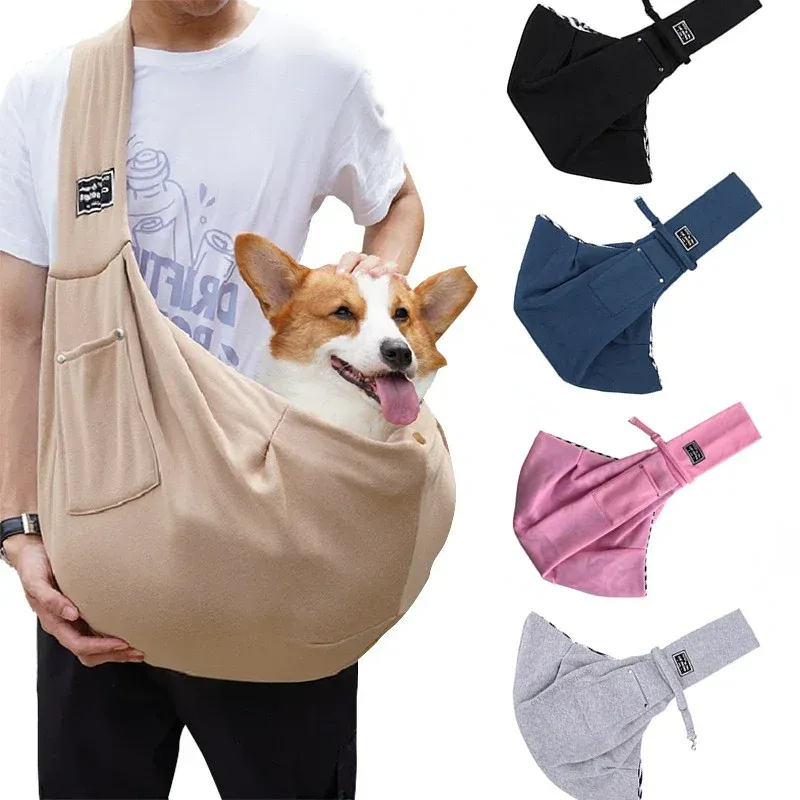
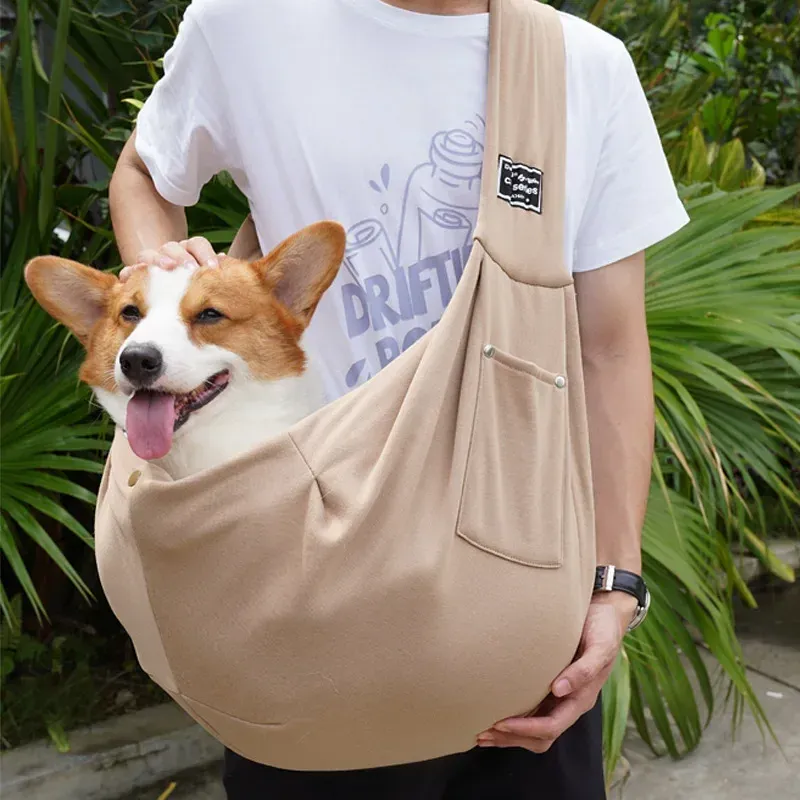
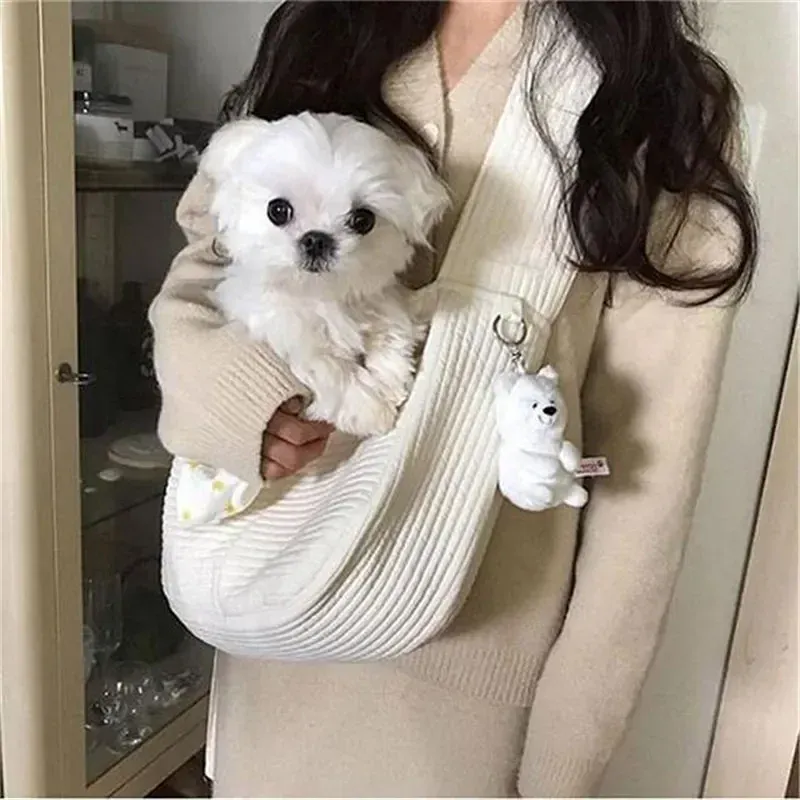
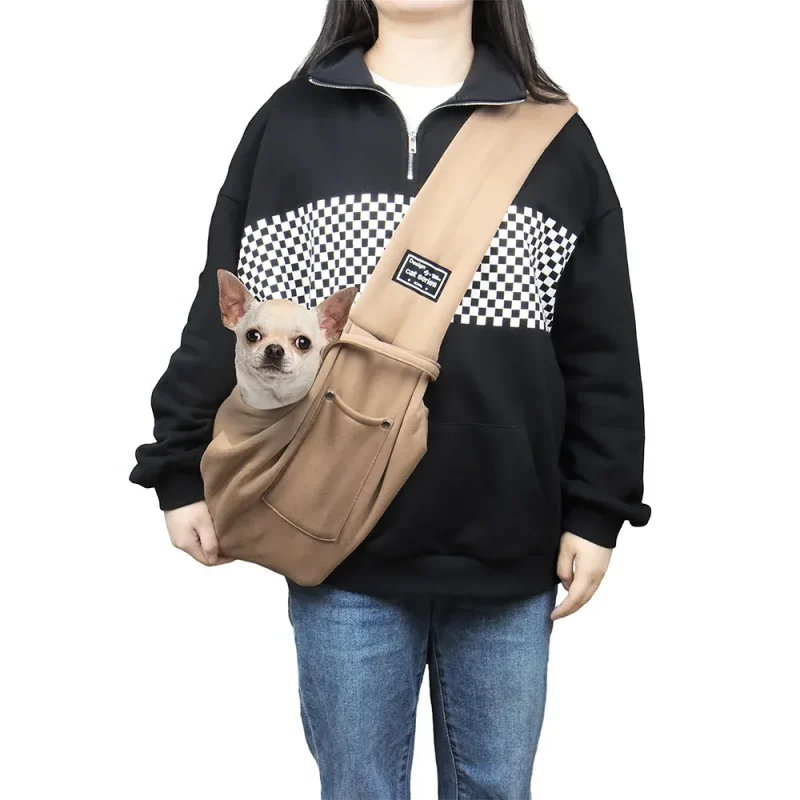
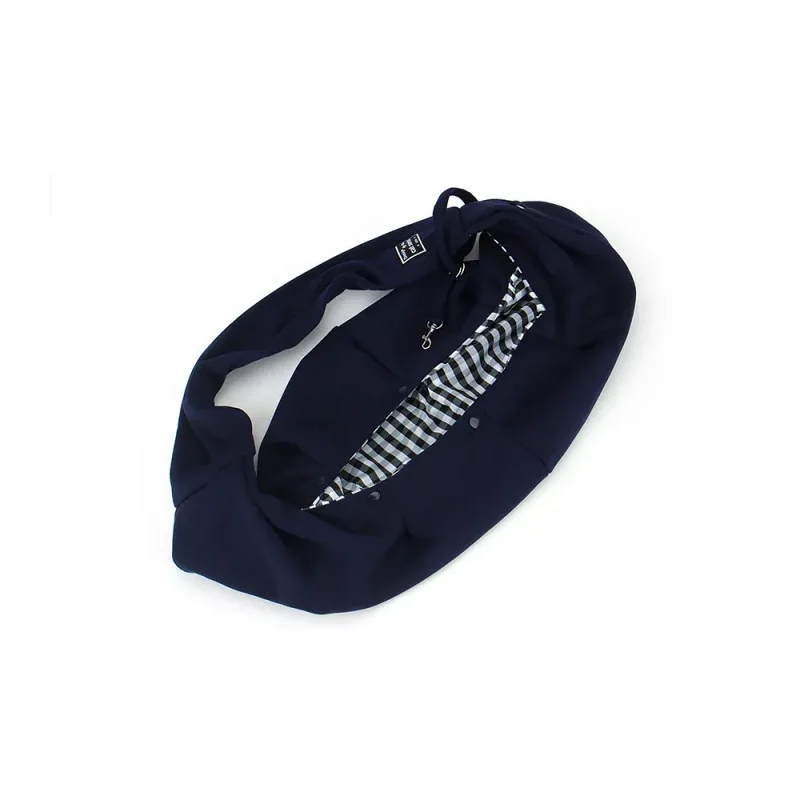
| Trains, buses and flights | A soft pet carrier, backpack or sling that keeps a small dog contained | Airline-Approved Pet Carriers, Carrier Backpacks, Small Dog Sling Carriers |
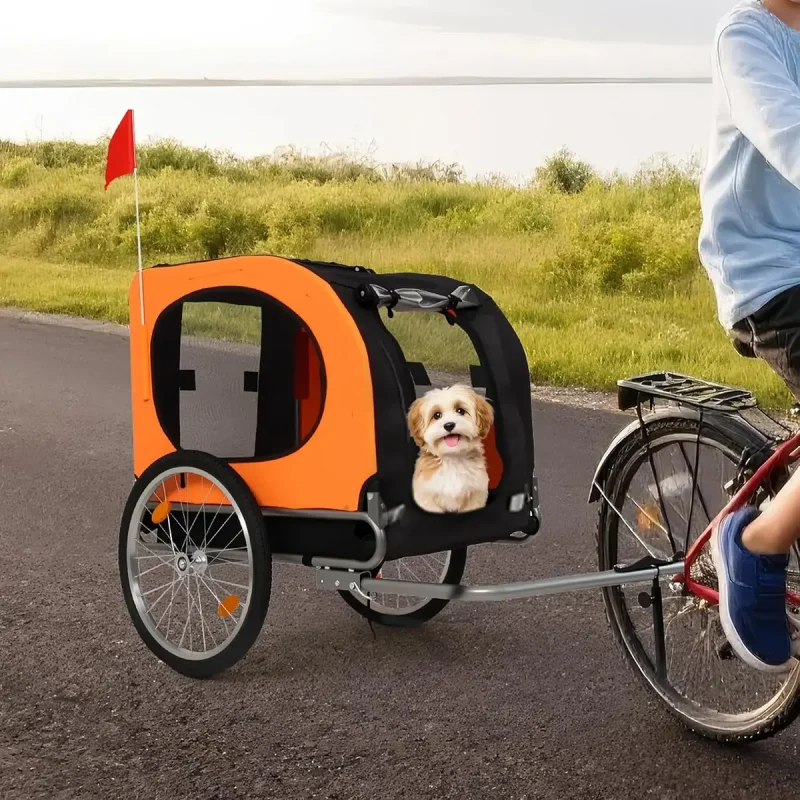
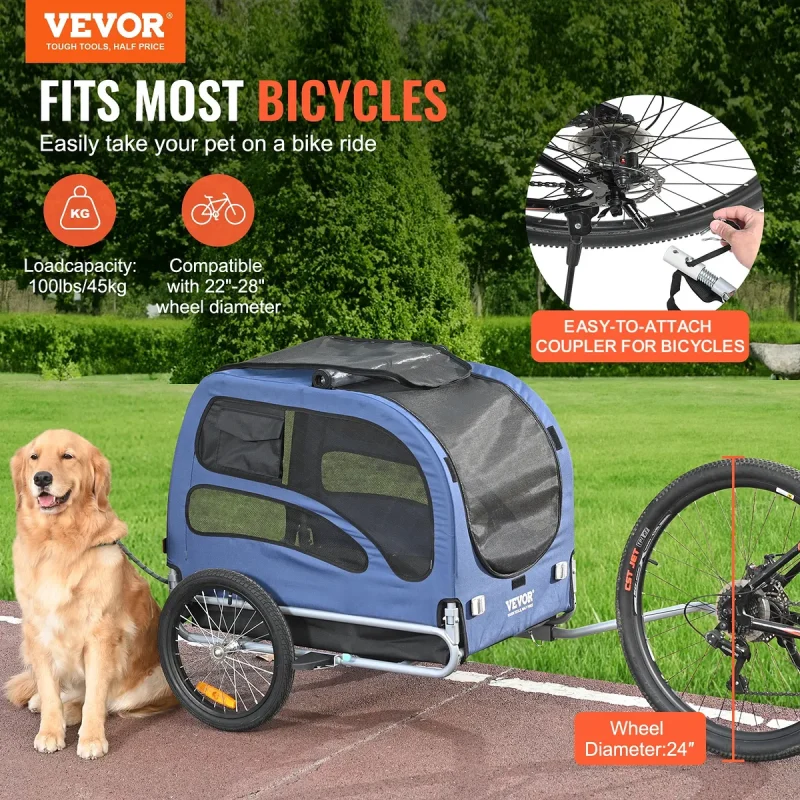
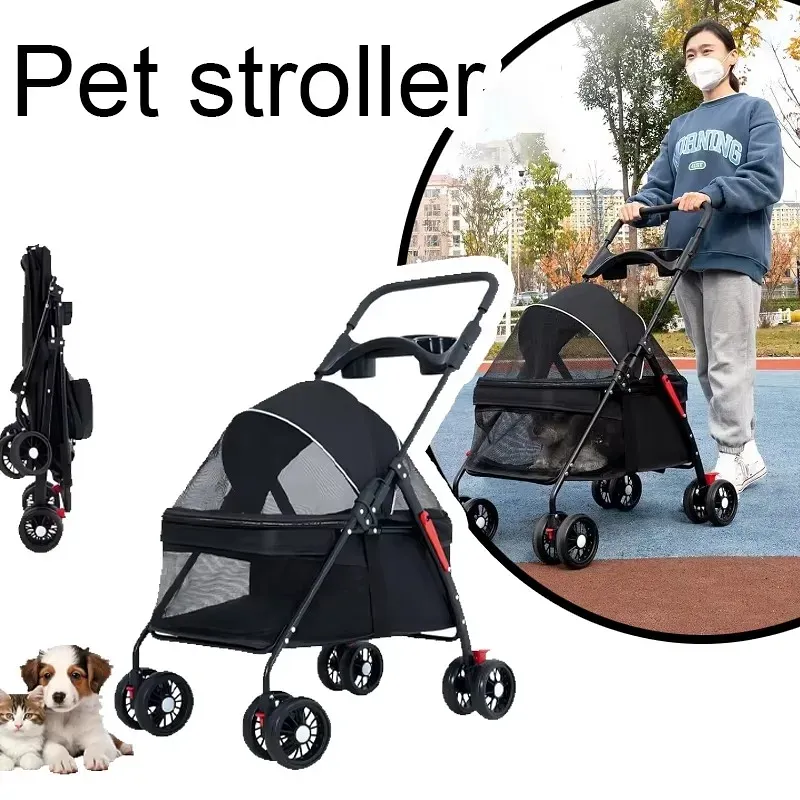
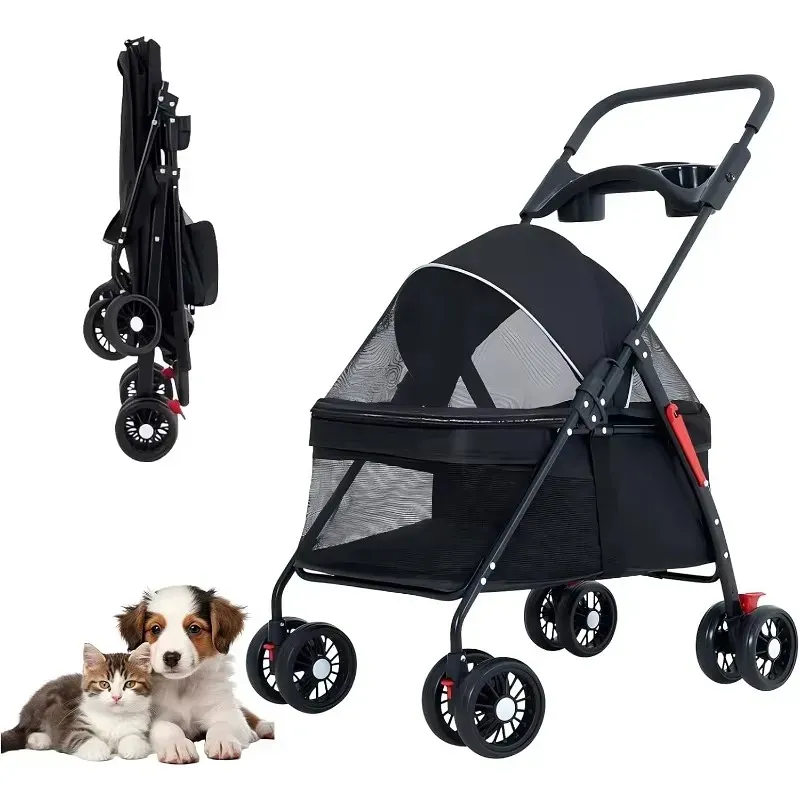
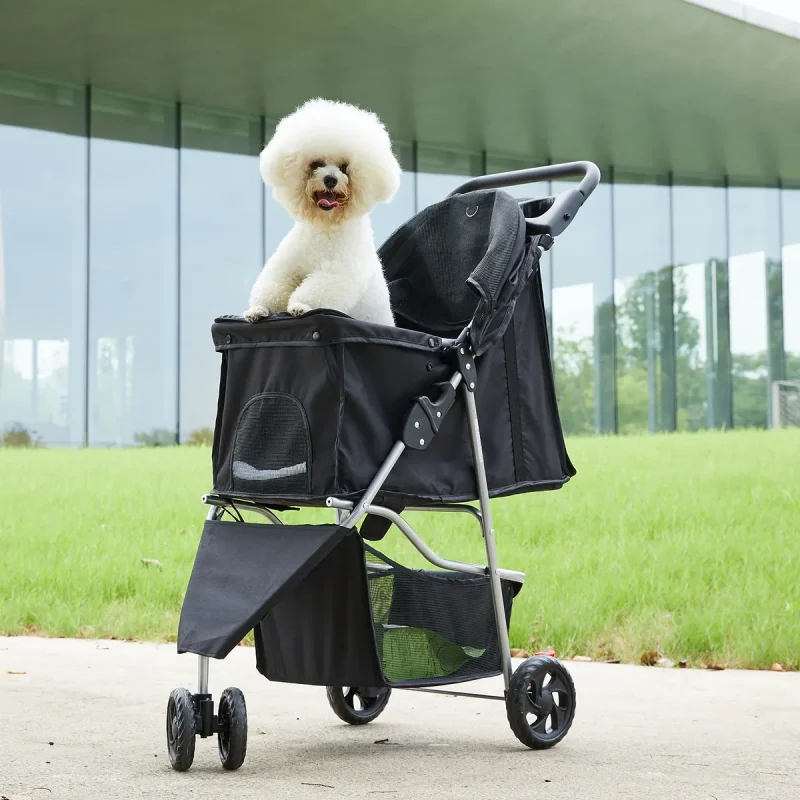
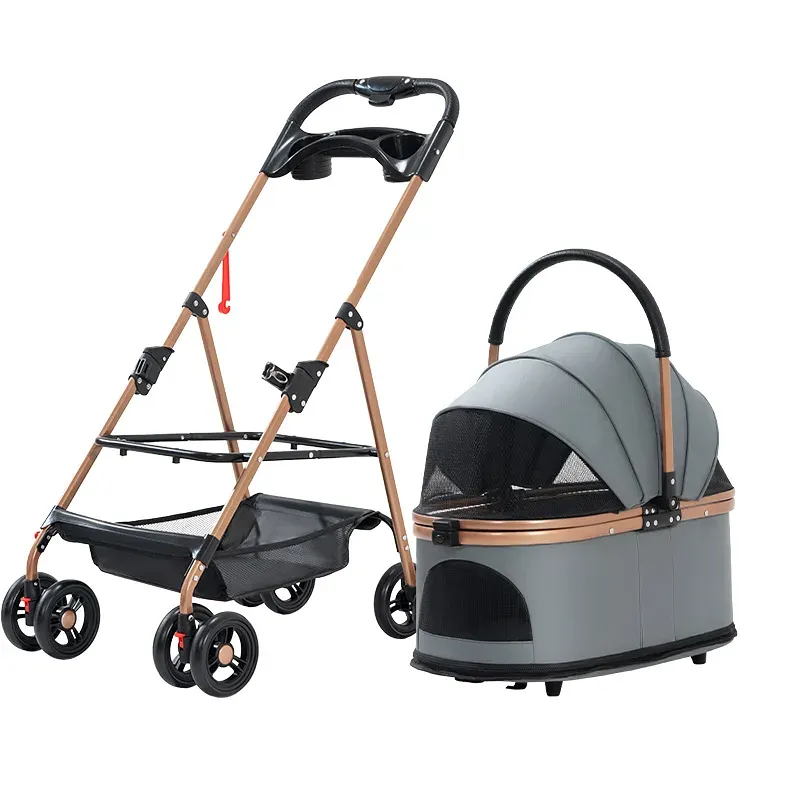
| Days out with a dog that can’t walk the distance | A pram, bike basket or trailer | Dog Prams & Strollers, Bicycle Baskets, Bicycle Trailers |
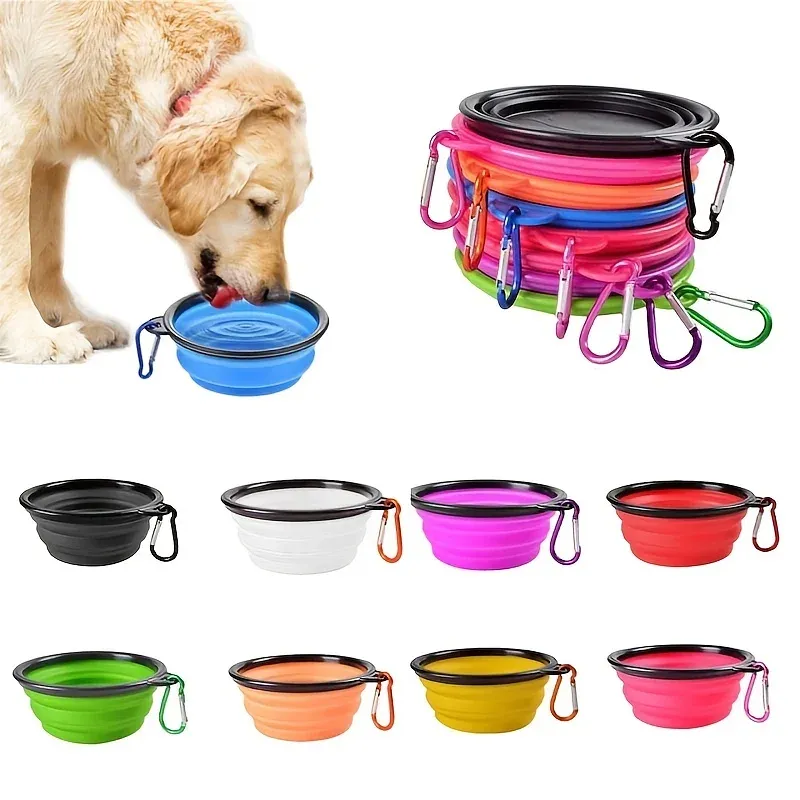
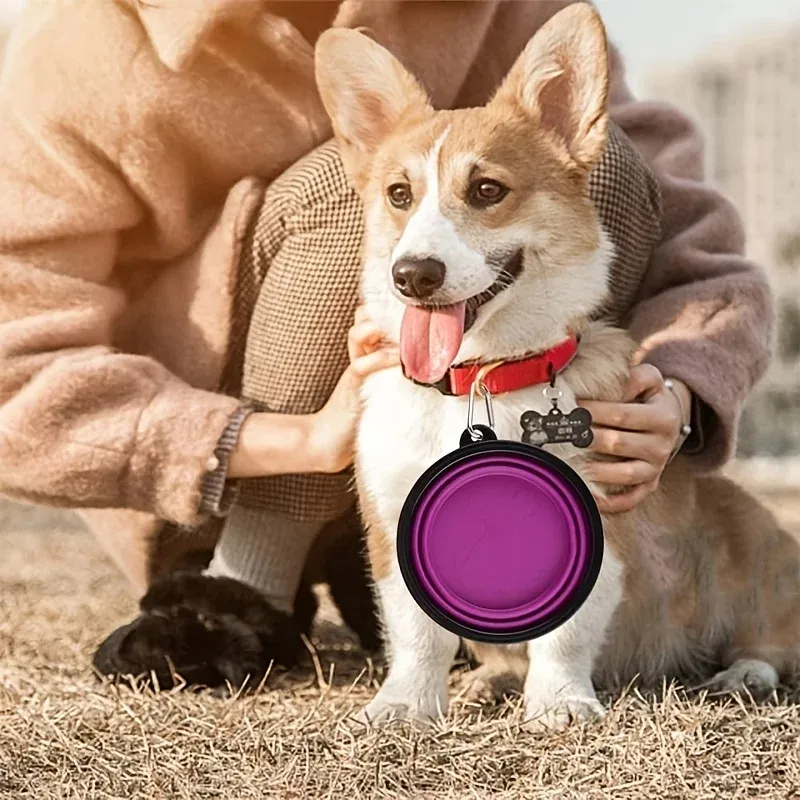
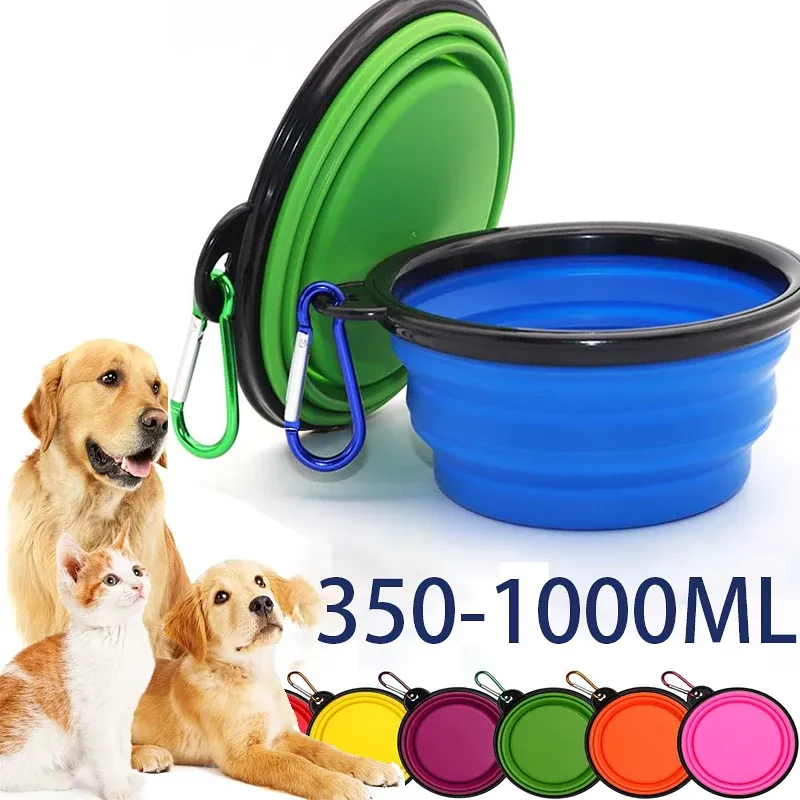
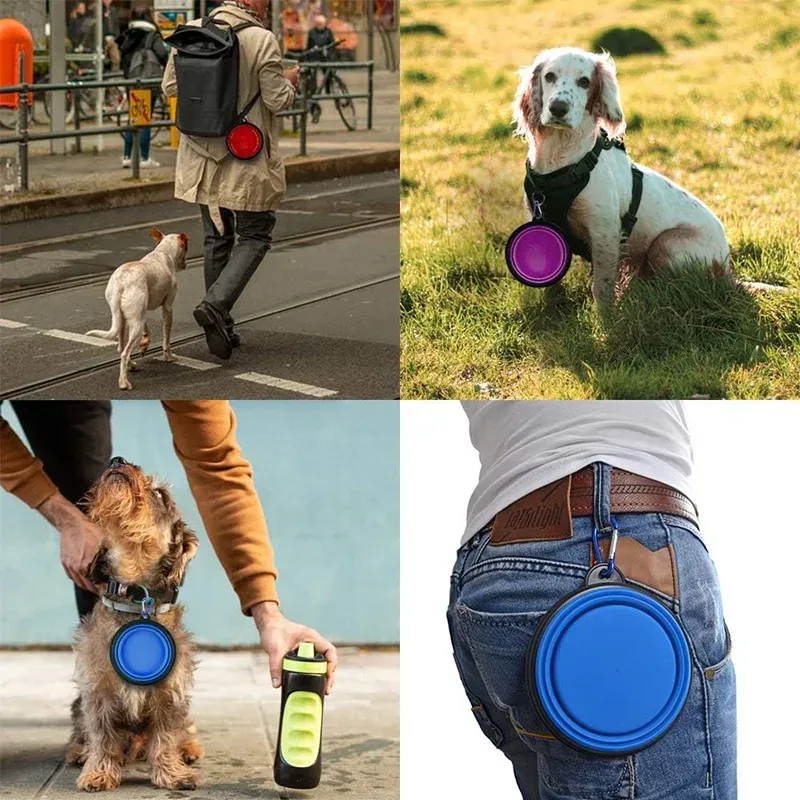
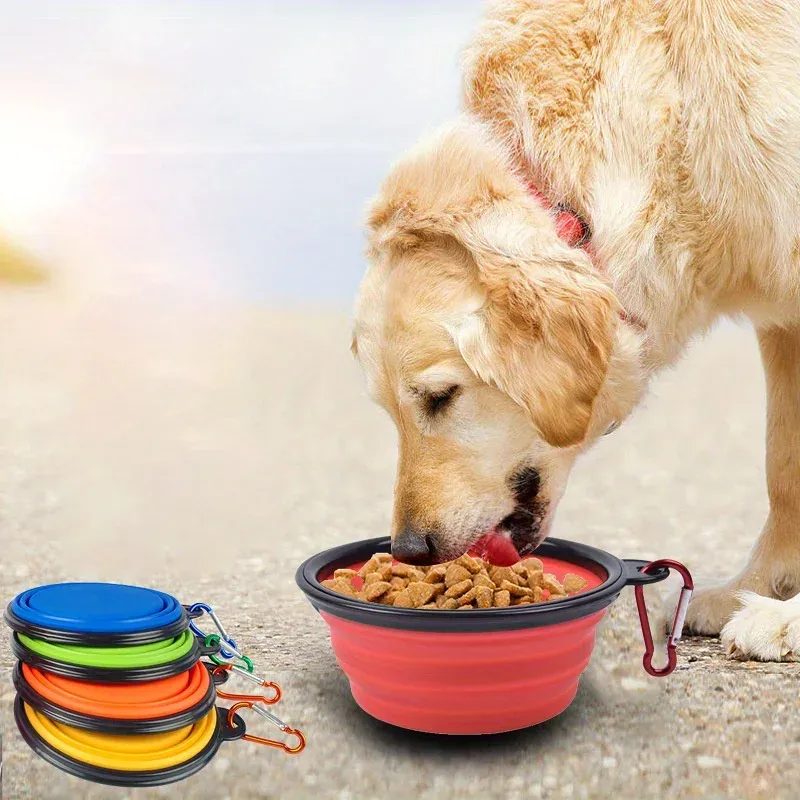
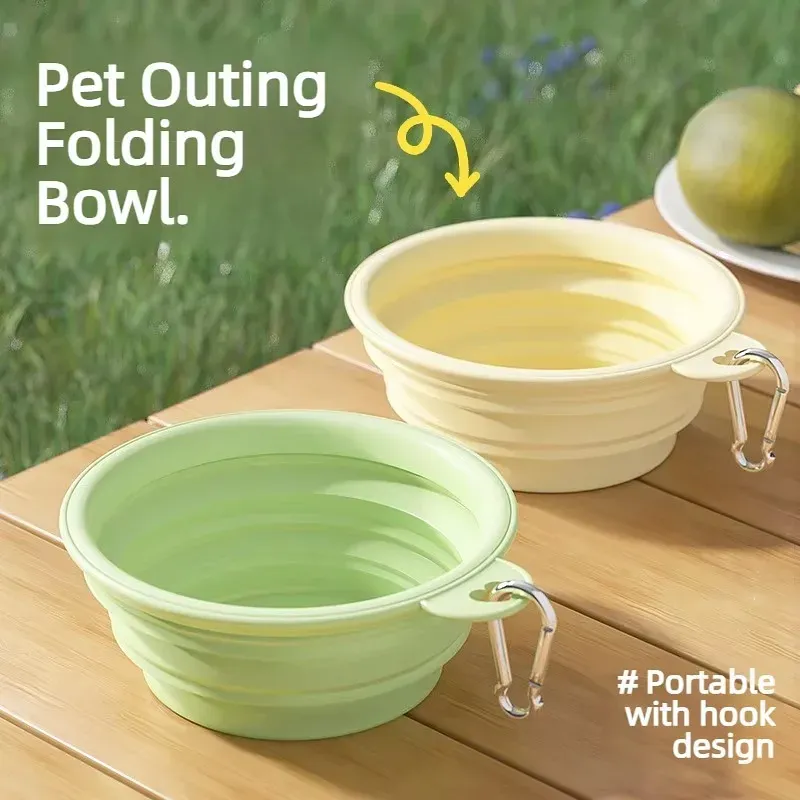
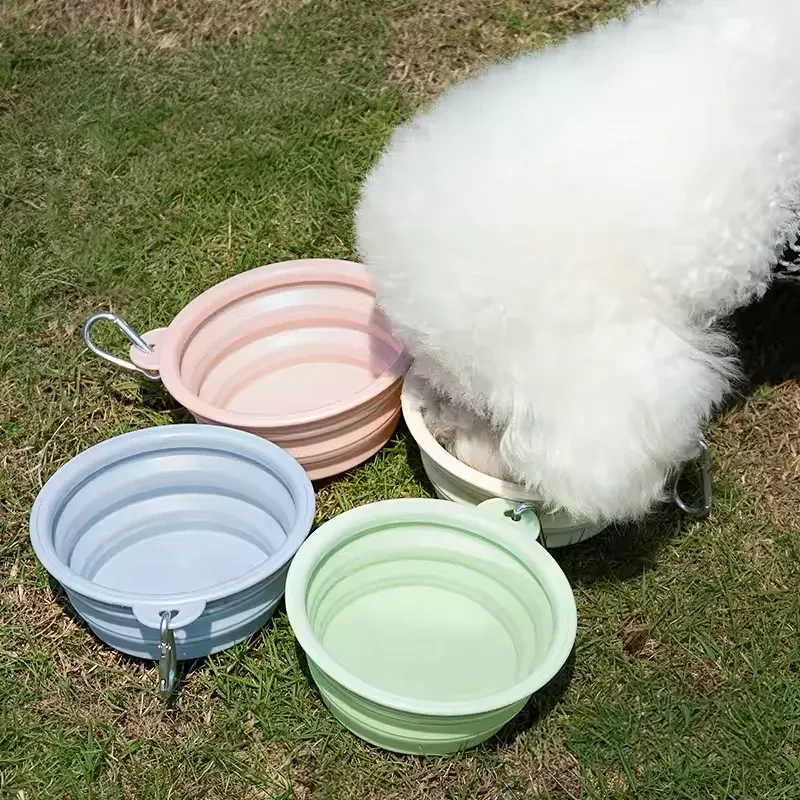
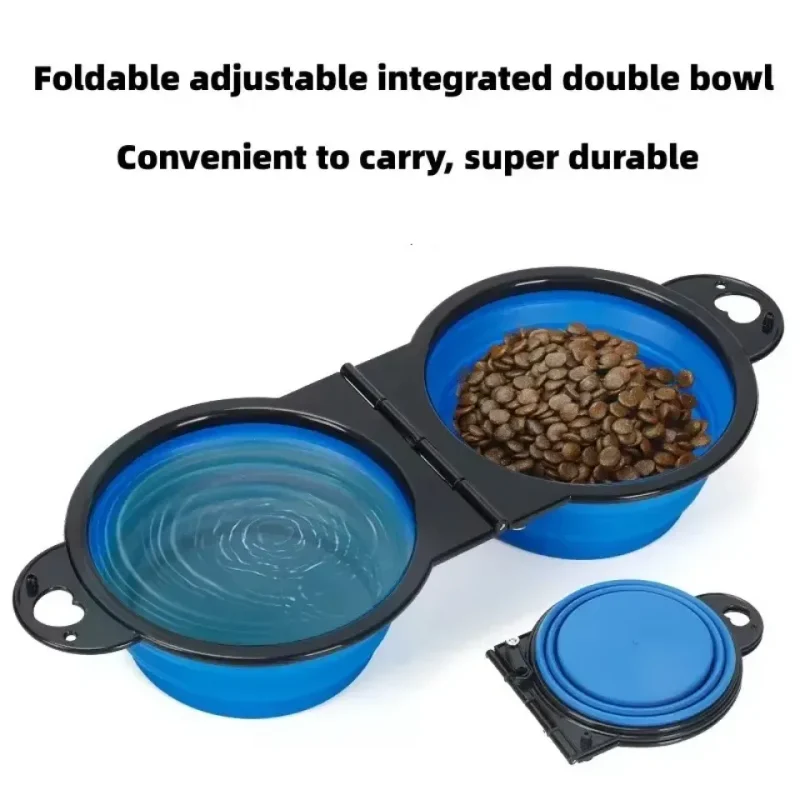
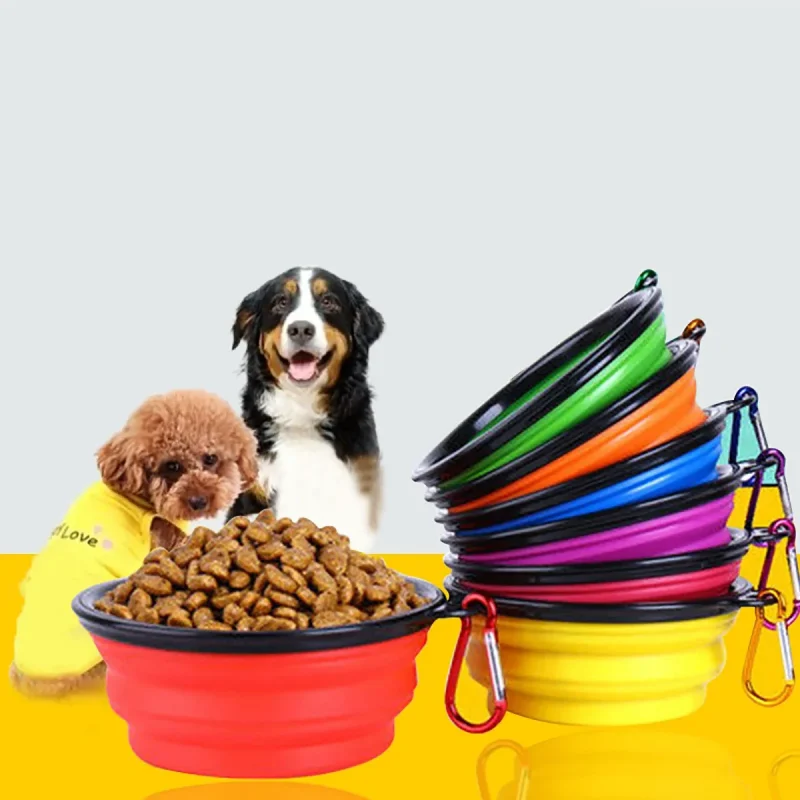
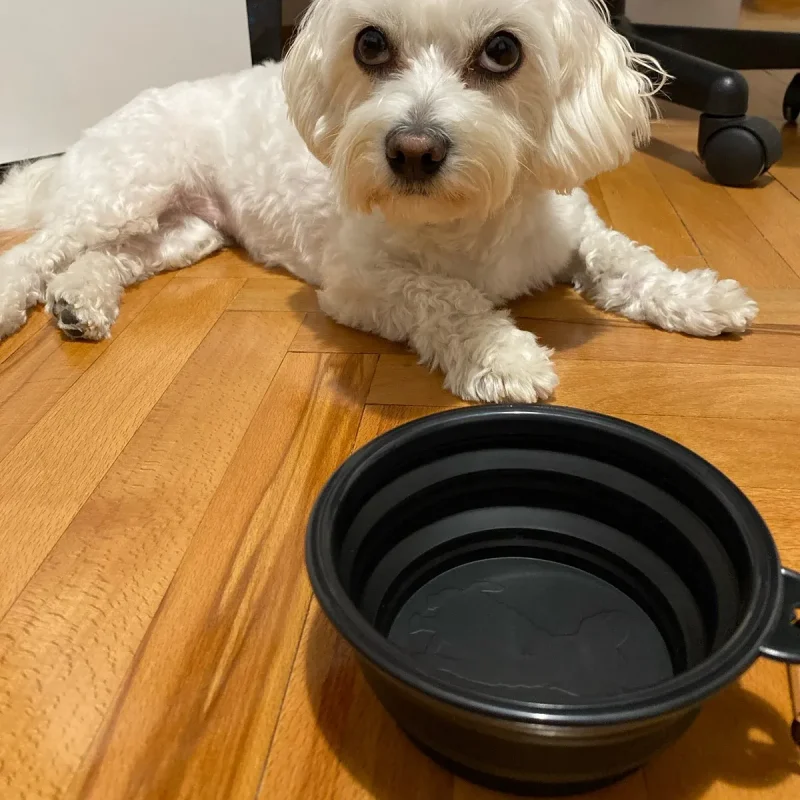
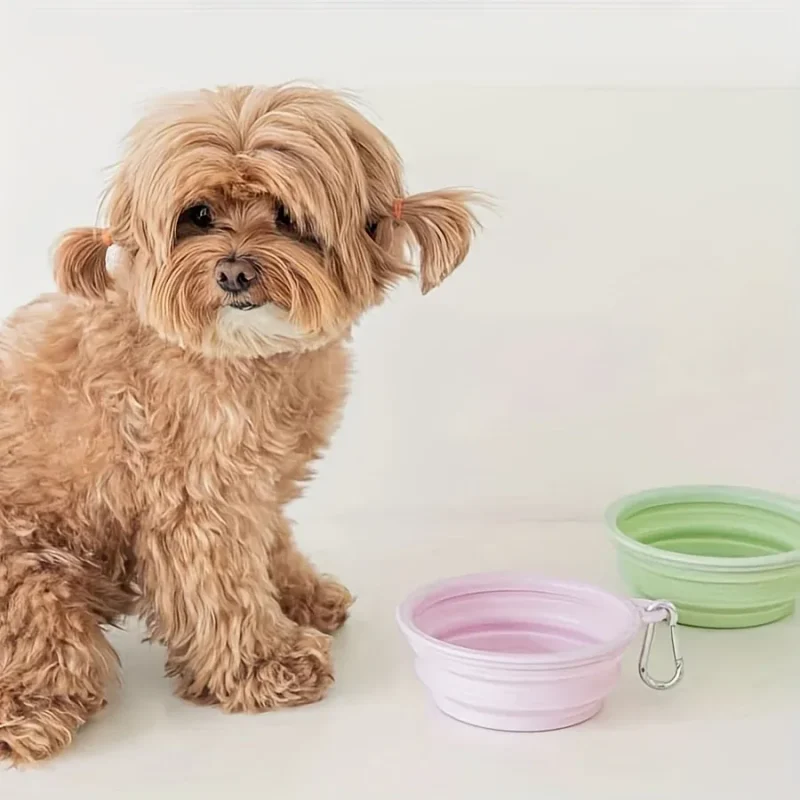
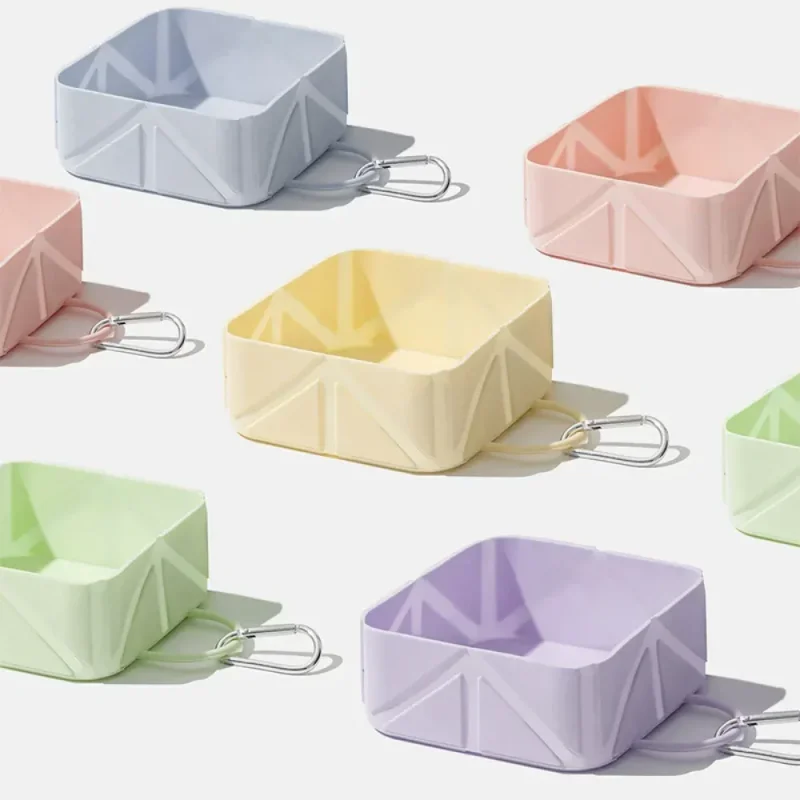
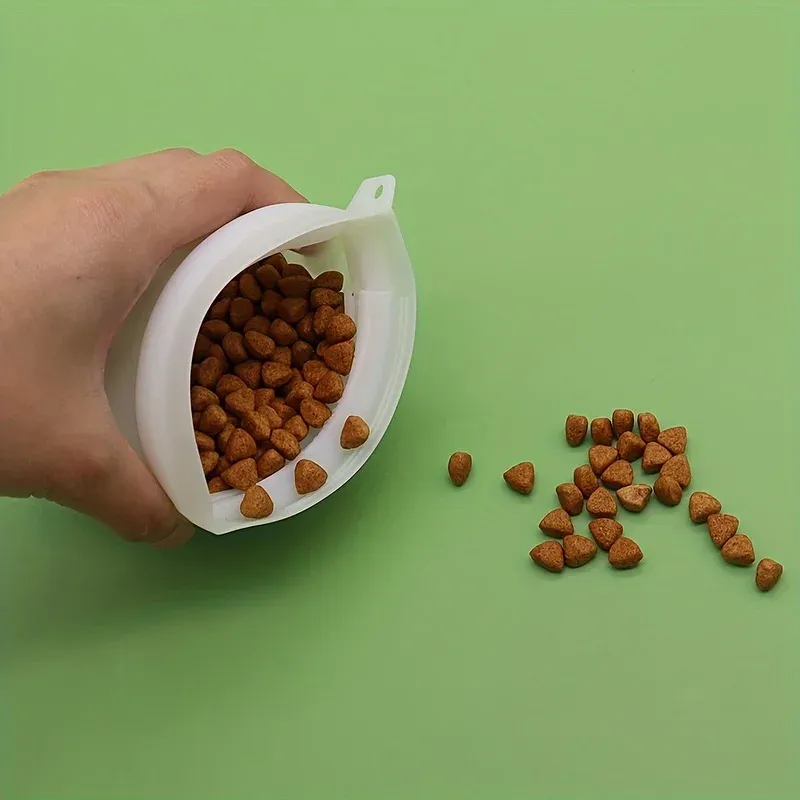
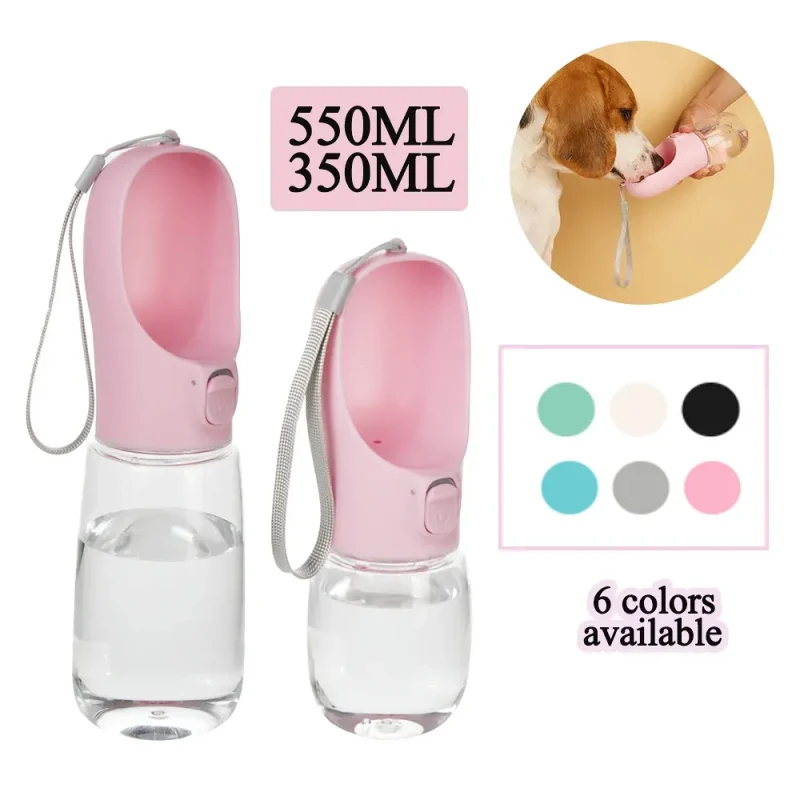
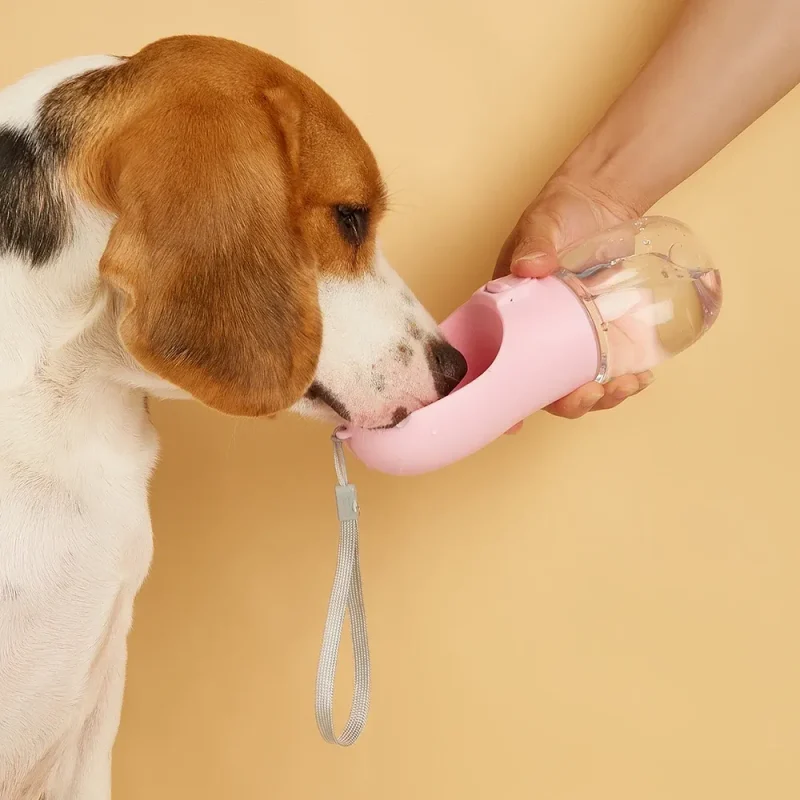
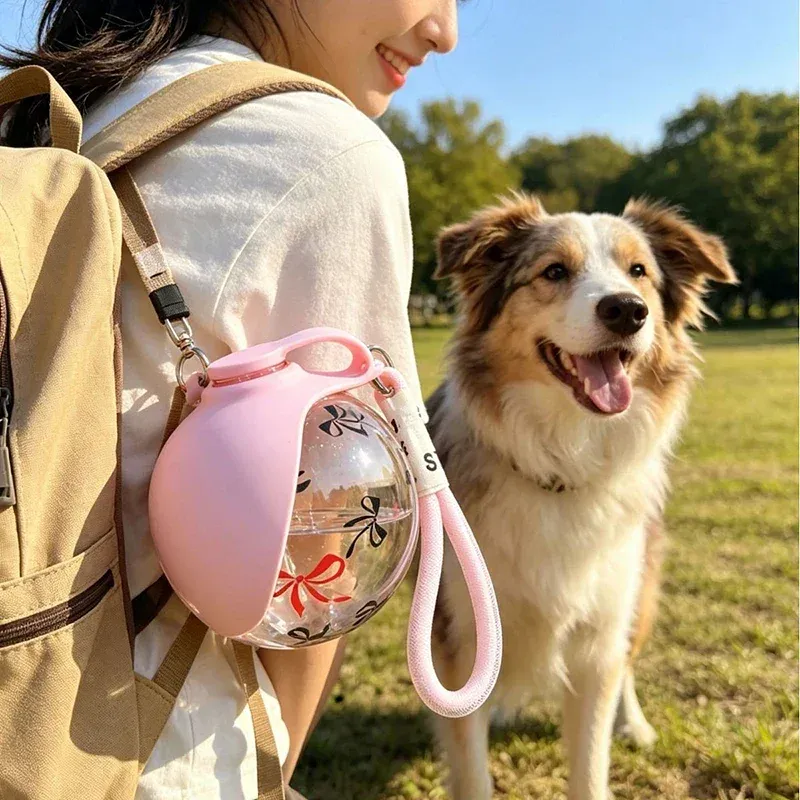
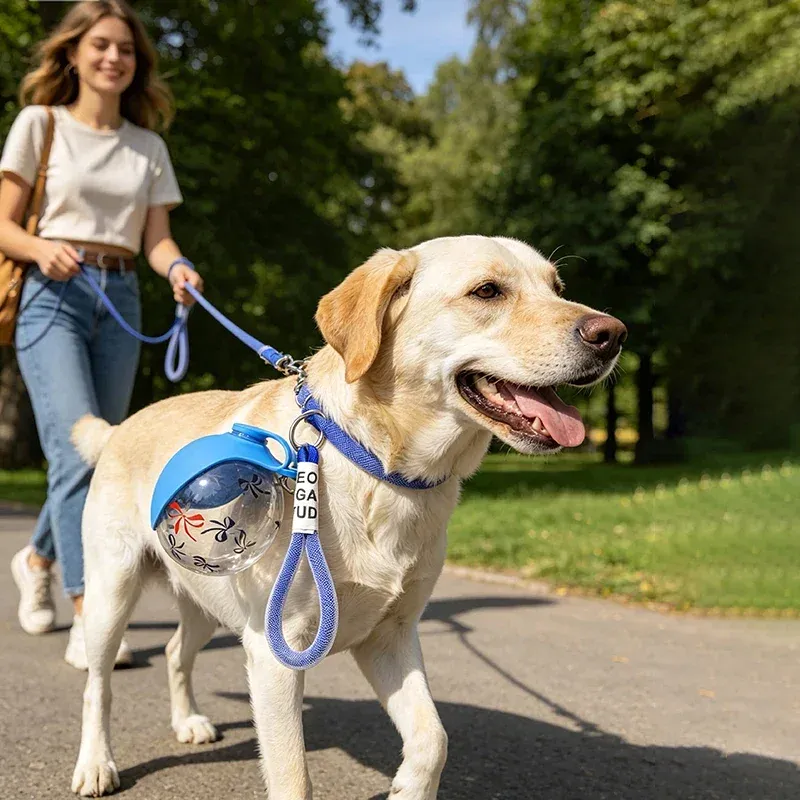
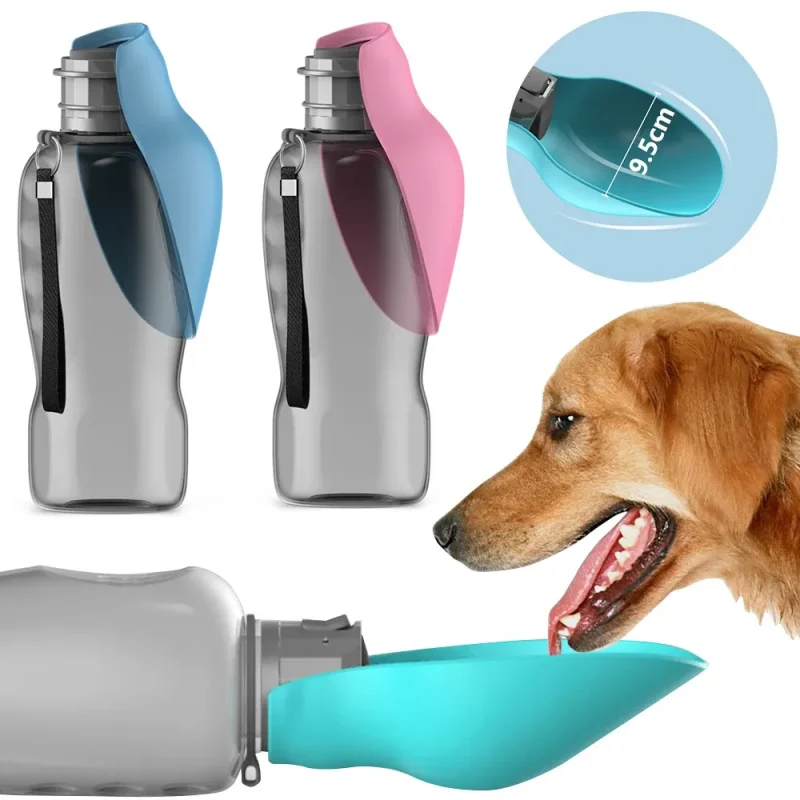
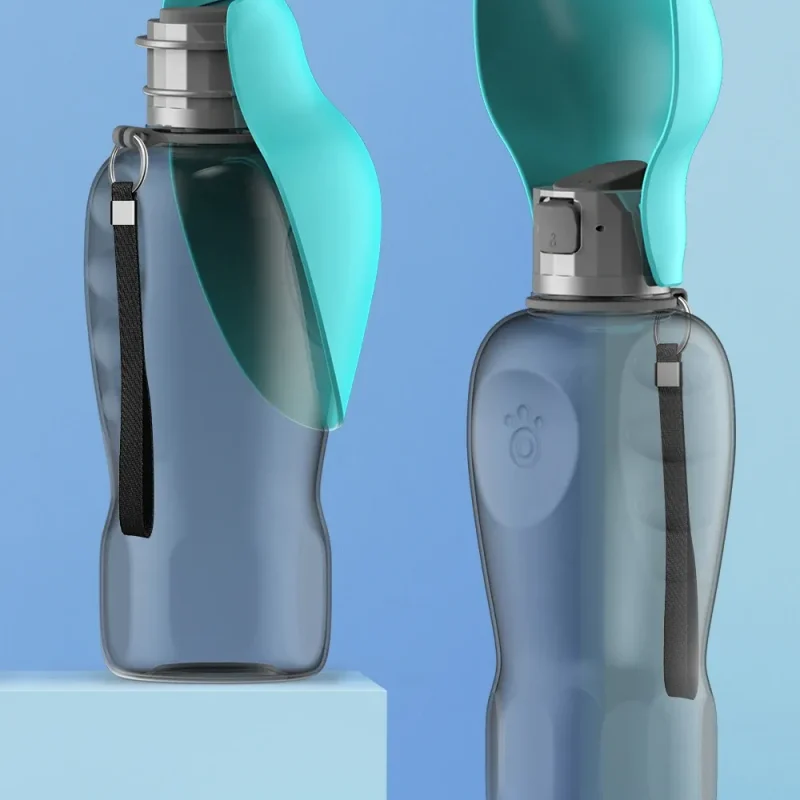
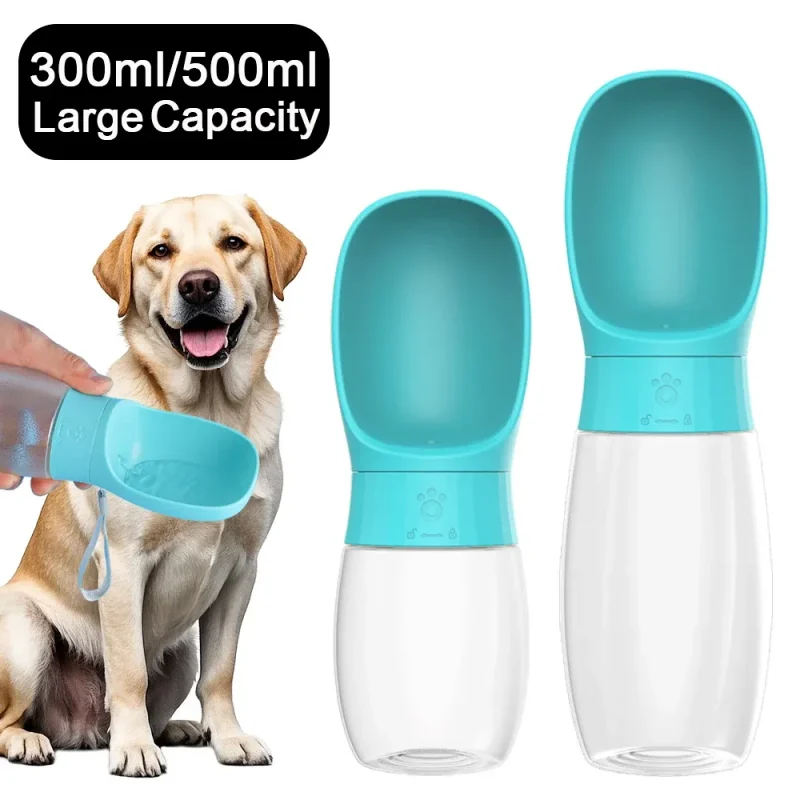
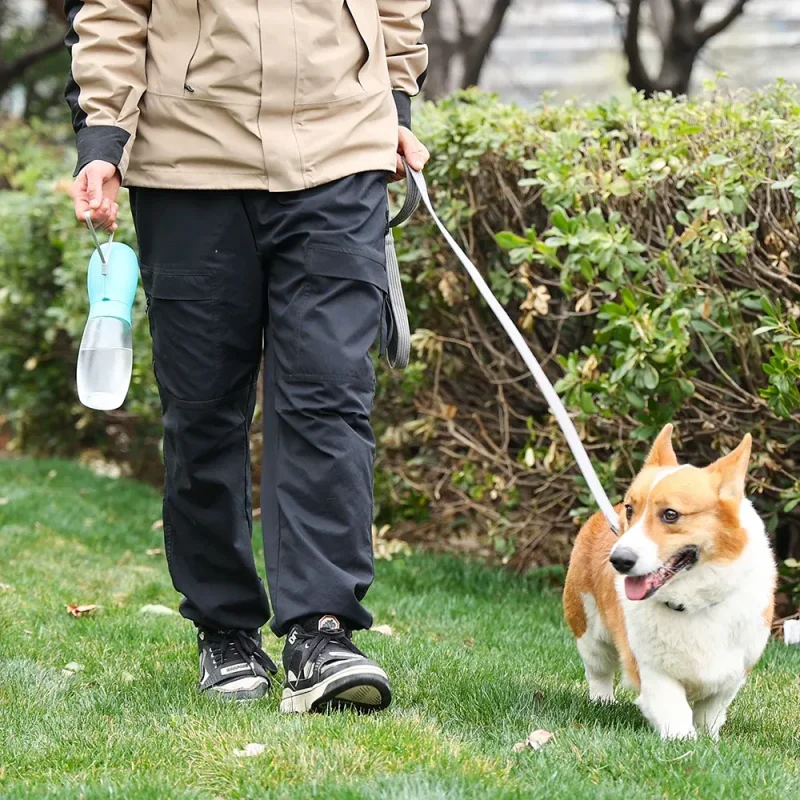
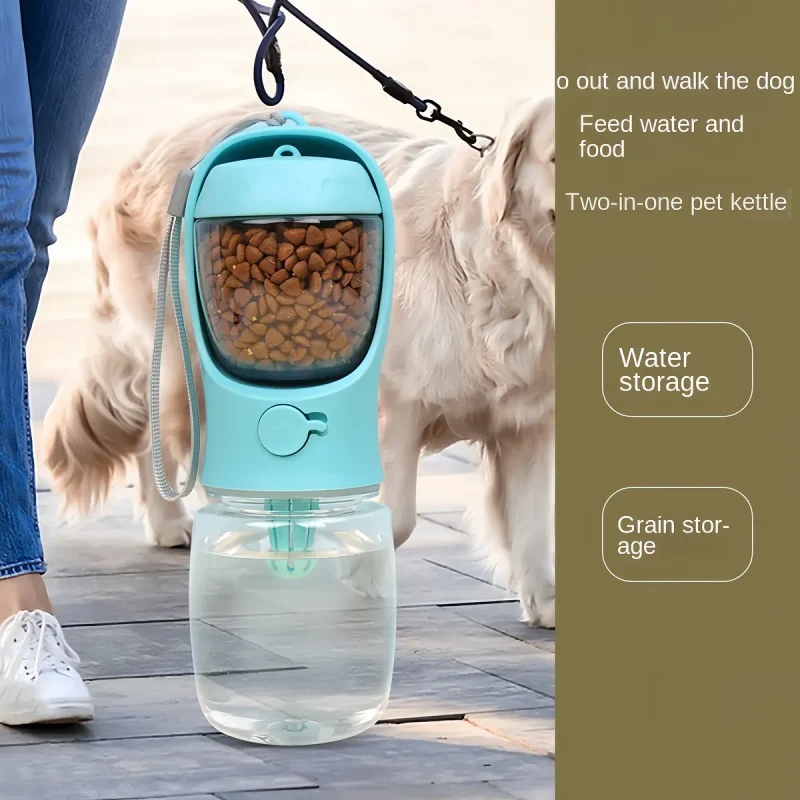
| Long walks and hot days | A folding bowl or a bottle with a drinking trough | Collapsible Silicone Dog Bowls, Portable Dog Water Bottles |
| Holidays and weekends away | A bag that keeps food, bowls, leads and towels together | Dog Travel Bags & Organisers |
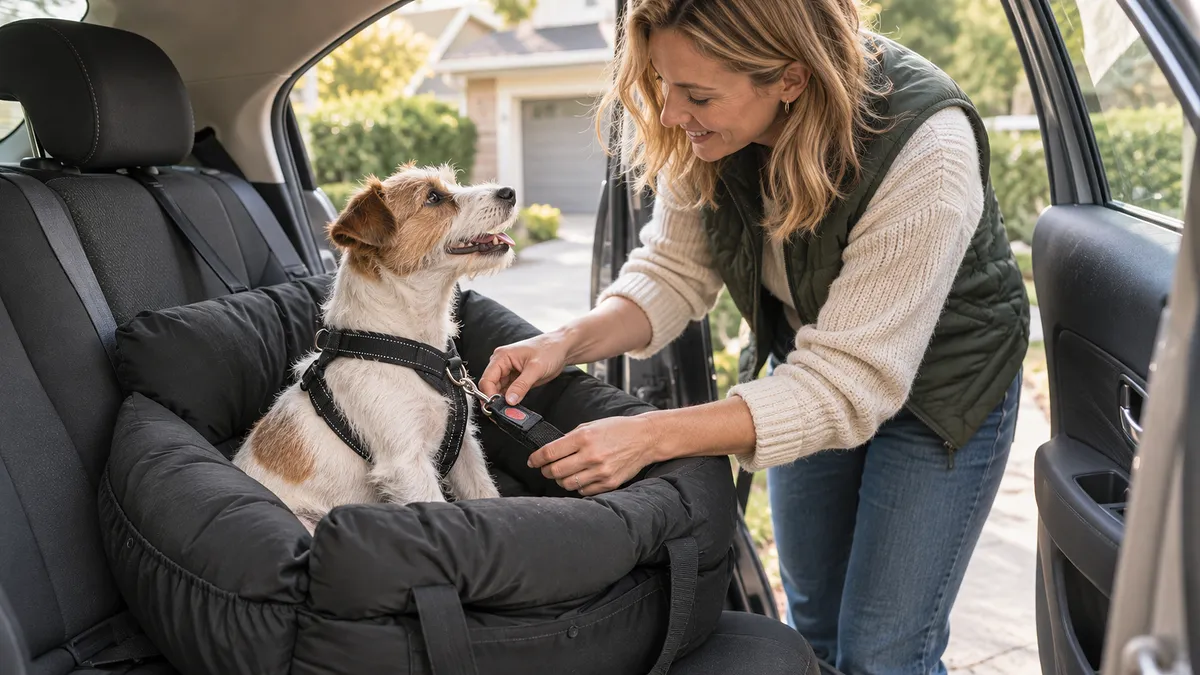
Most travel problems start before you leave the drive. A dog that is calm on short trips copes far better on long ones.
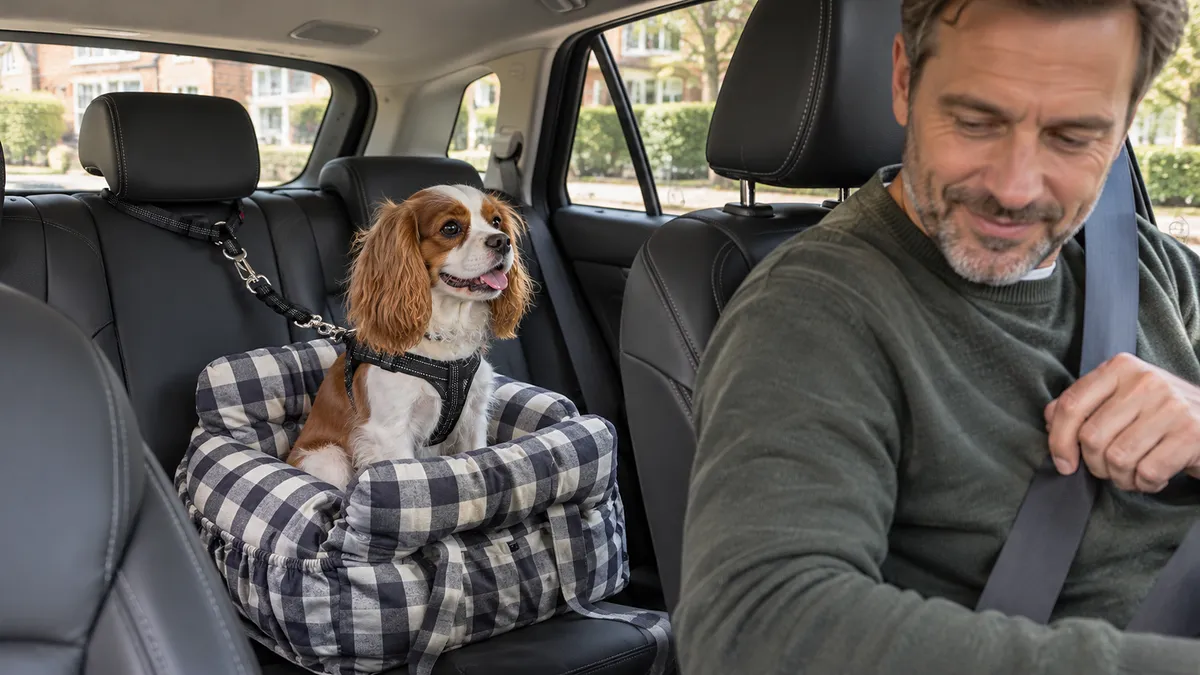
In the UK, Rule 57 of the Highway Code asks drivers to keep dogs suitably restrained so they can’t distract you or injure you or themselves if you stop quickly. It names a seat belt harness, pet carrier, dog cage or dog guard as ways to do it. Other countries have their own rules, so check before driving abroad.
Seat covers, hammocks and booster seats keep a dog in place during ordinary driving. They are not crash-tested restraints, and we don’t sell them as such.
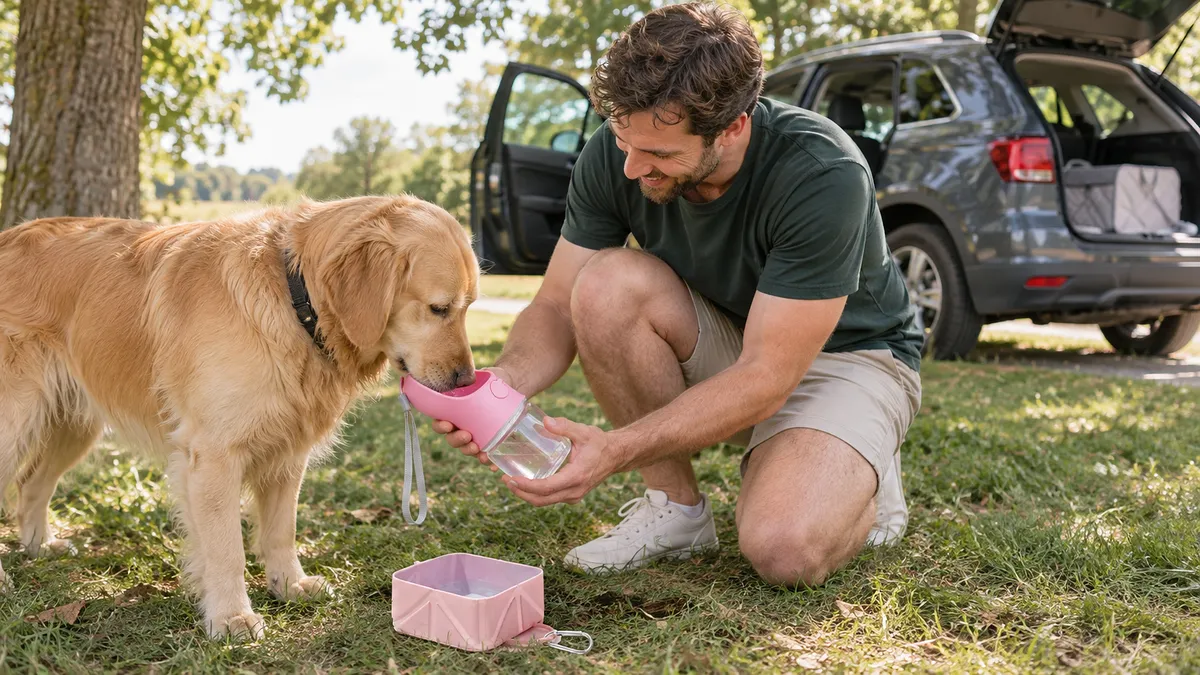
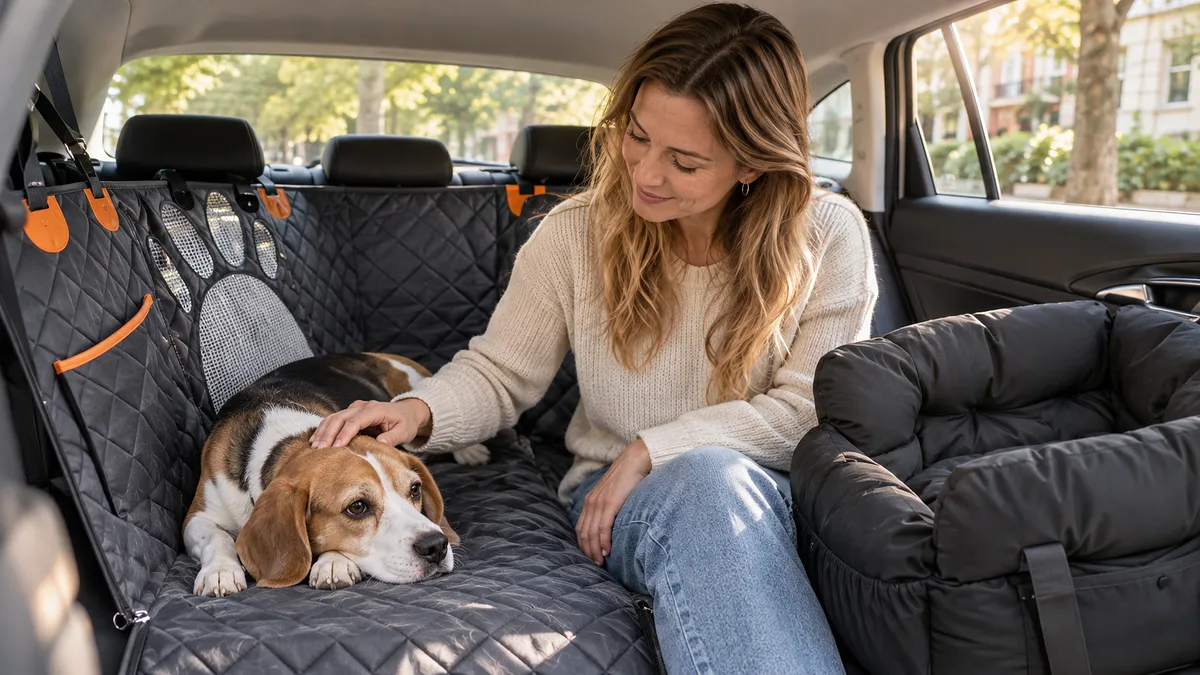
Some dogs, especially puppies, get car sick. Signs include lip licking, drooling, yawning, whining and panting, often before they actually vomit. PDSA vets advise speaking to your vet early, because travel sickness tends to get worse if it is left, and a dog that is sick in the car soon learns to dread it. Your vet can prescribe anti-sickness medicine for longer journeys. Don’t give human travel sickness tablets.
For nervous dogs, an enclosed seat or a covered carrier often helps more than an open seat with a view. A blanket that smells of home goes a long way.
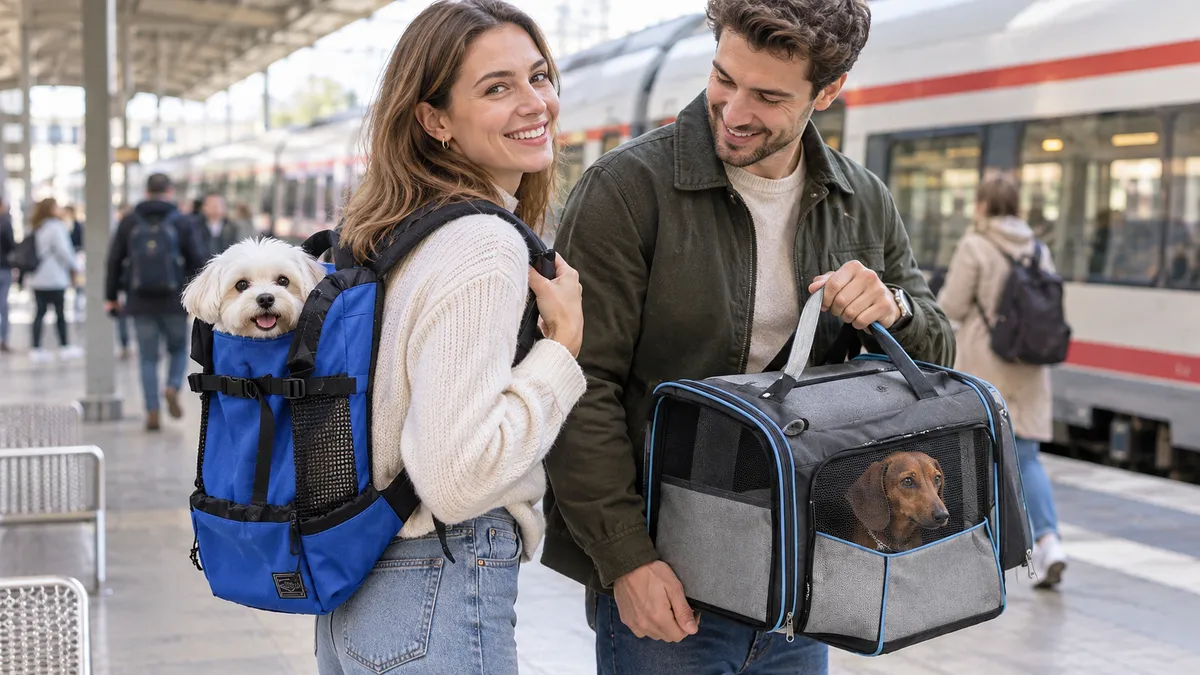
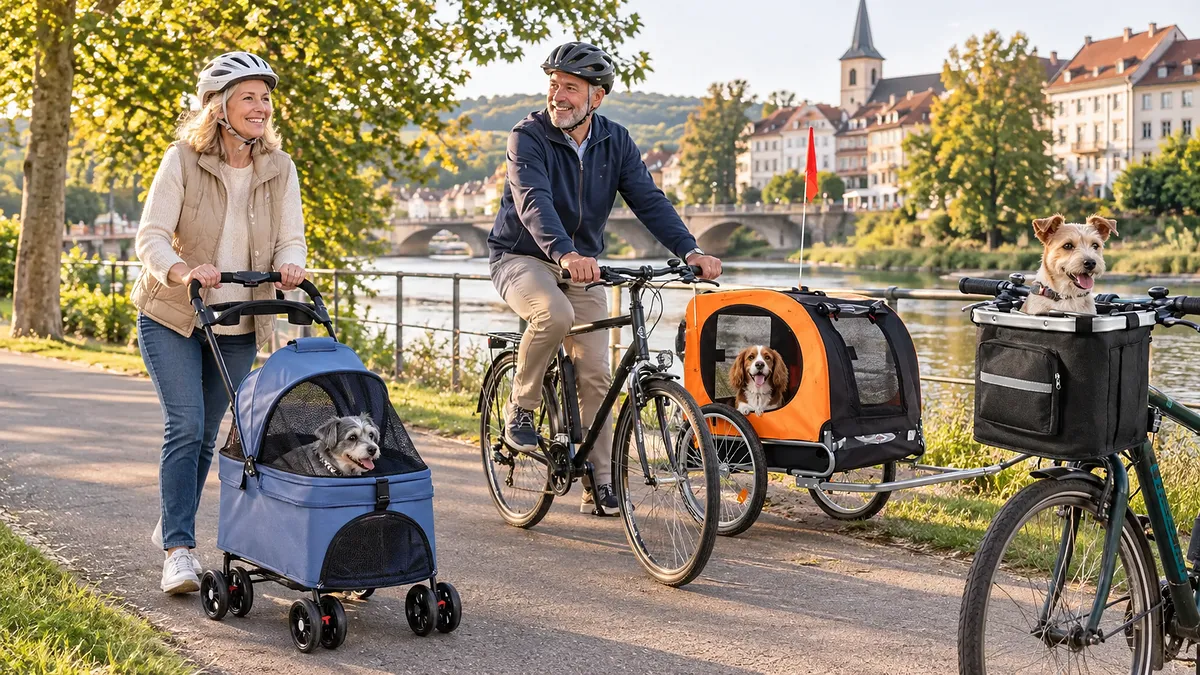
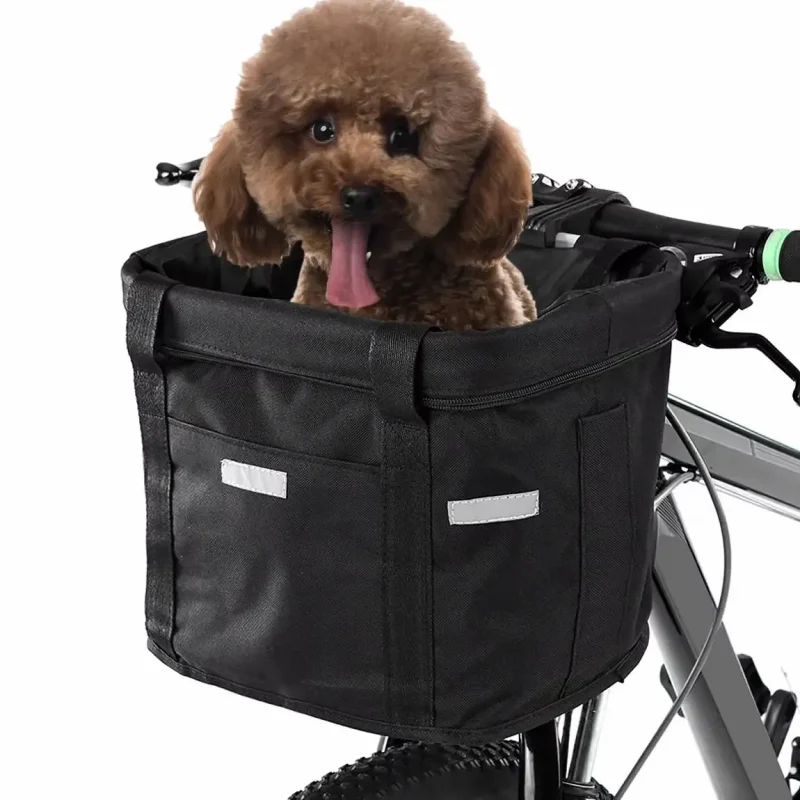
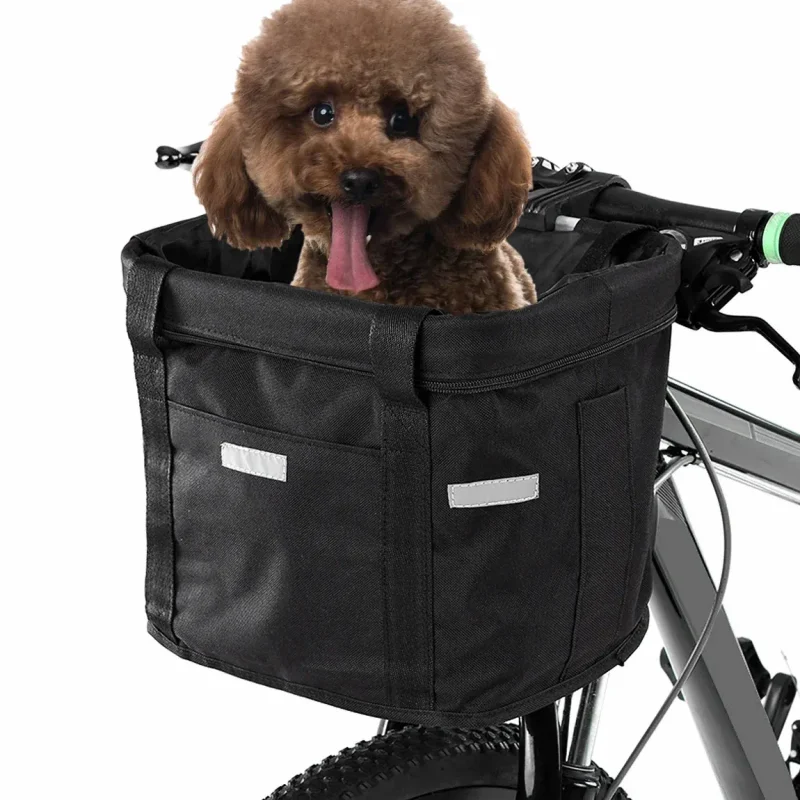
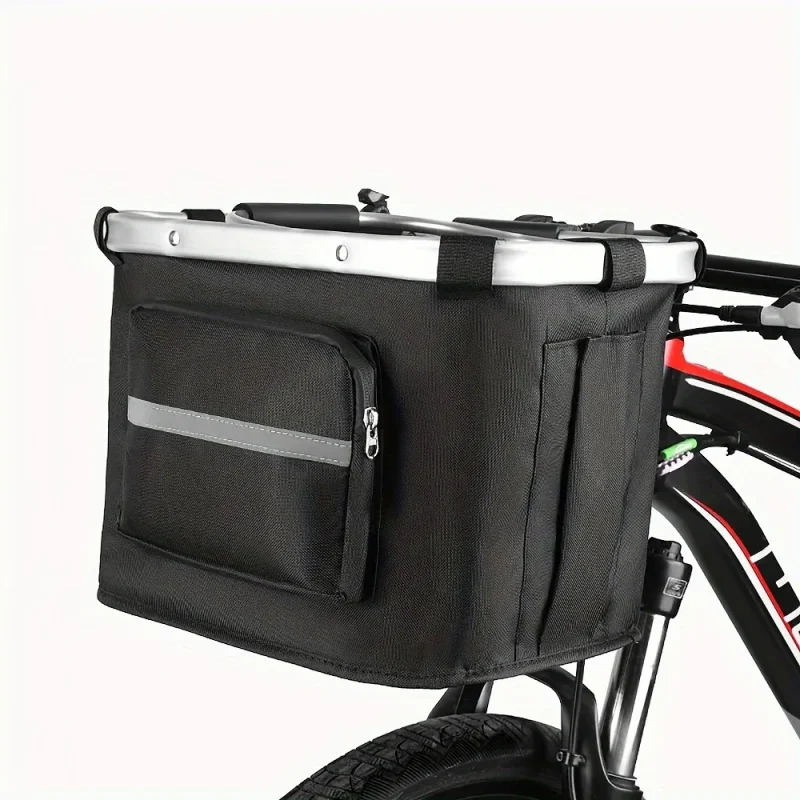
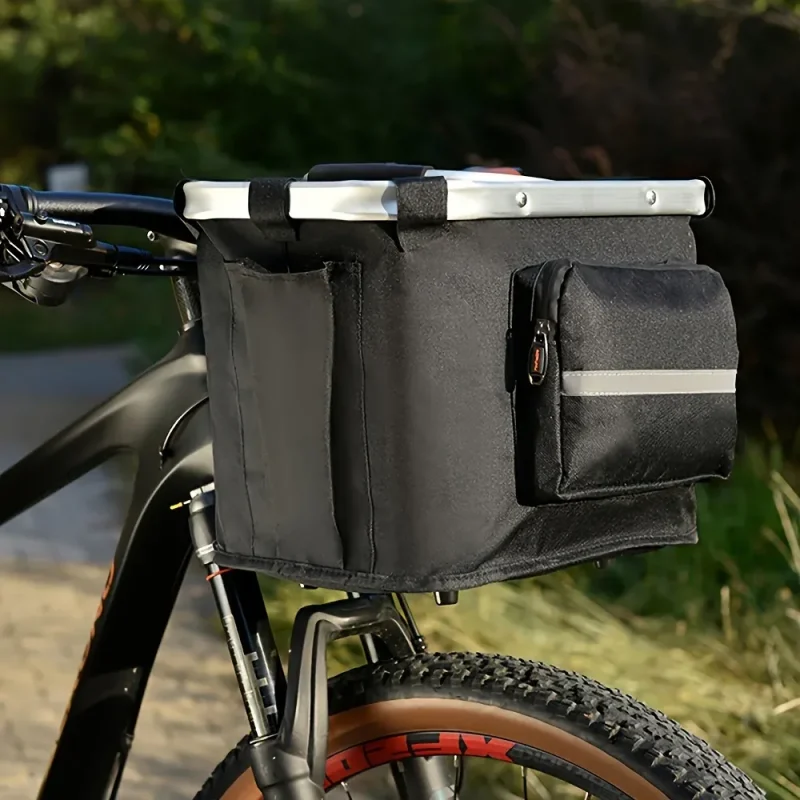
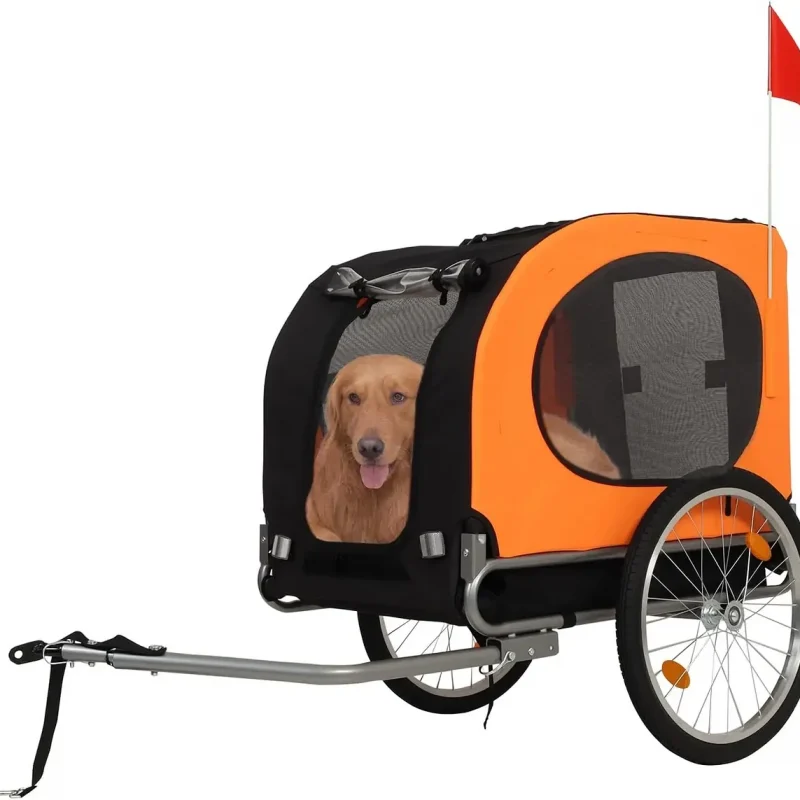
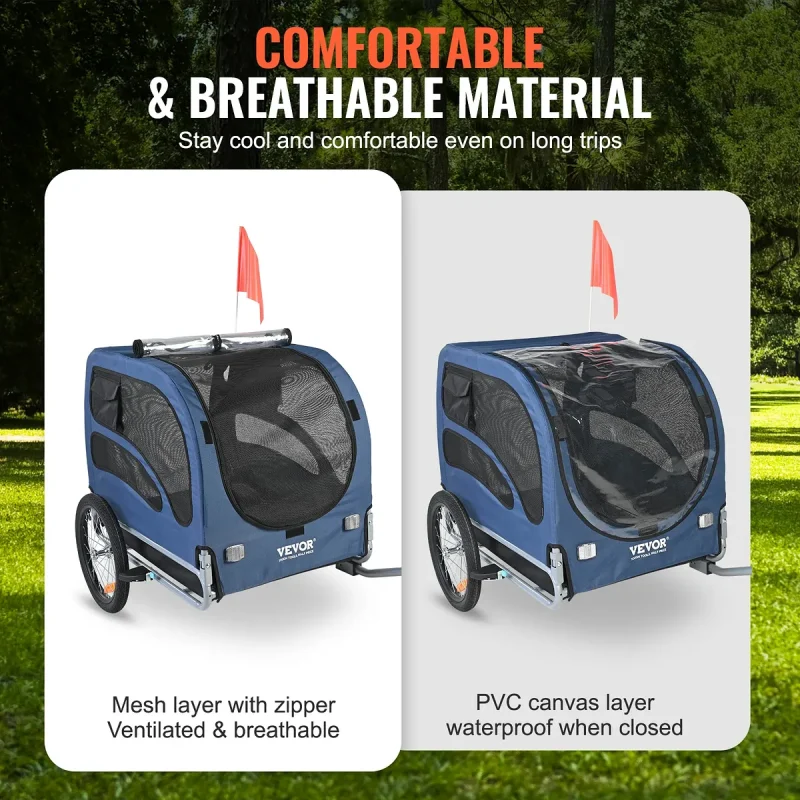
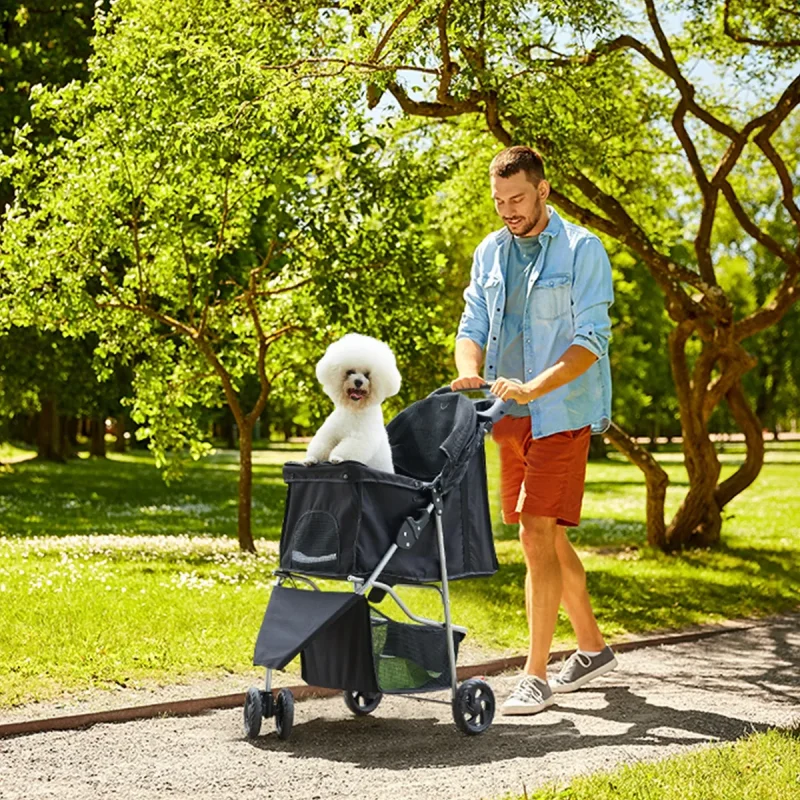
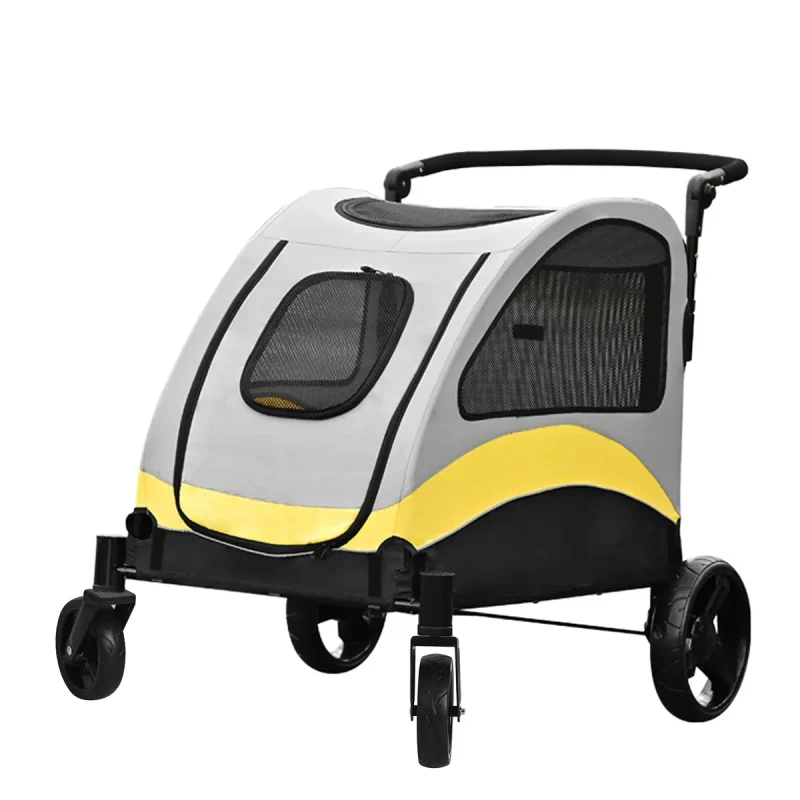
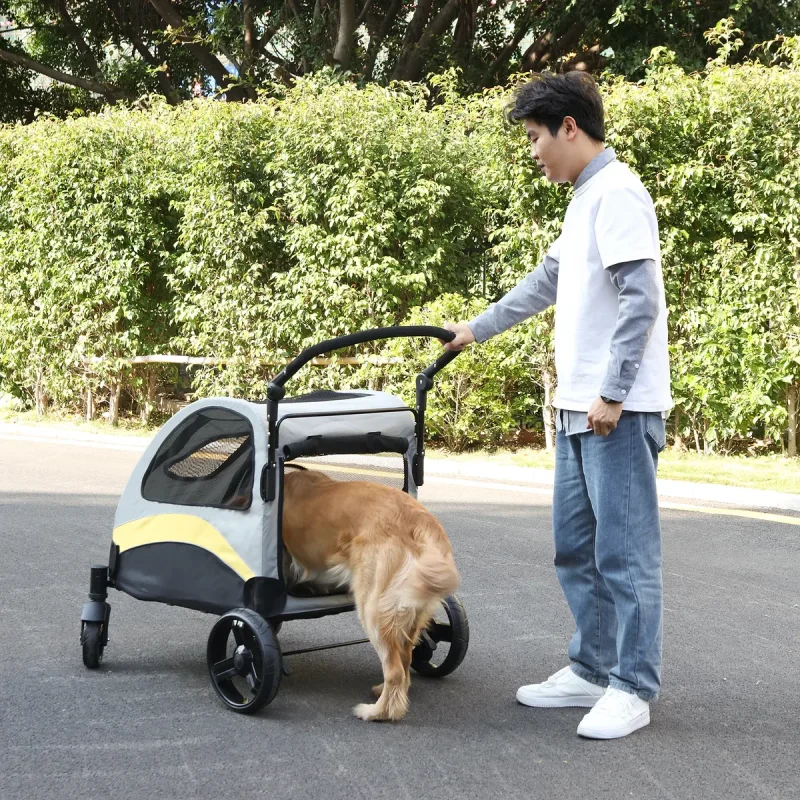
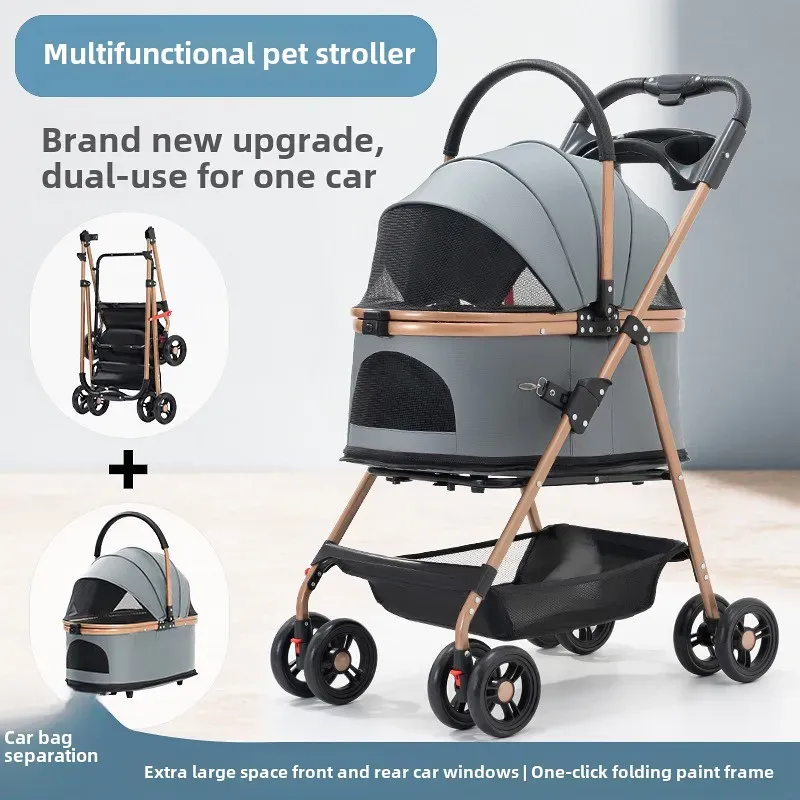
A dog bike basket or a dog bike trailer lets a small or older dog join a ride they couldn’t run. A dog pram does the same on foot for a dog recovering from an operation, a senior dog, or a small dog on a long city walk. Introduce them slowly at home first, and always clip your dog to the inside clip by a harness, so a sudden jump out isn’t possible.
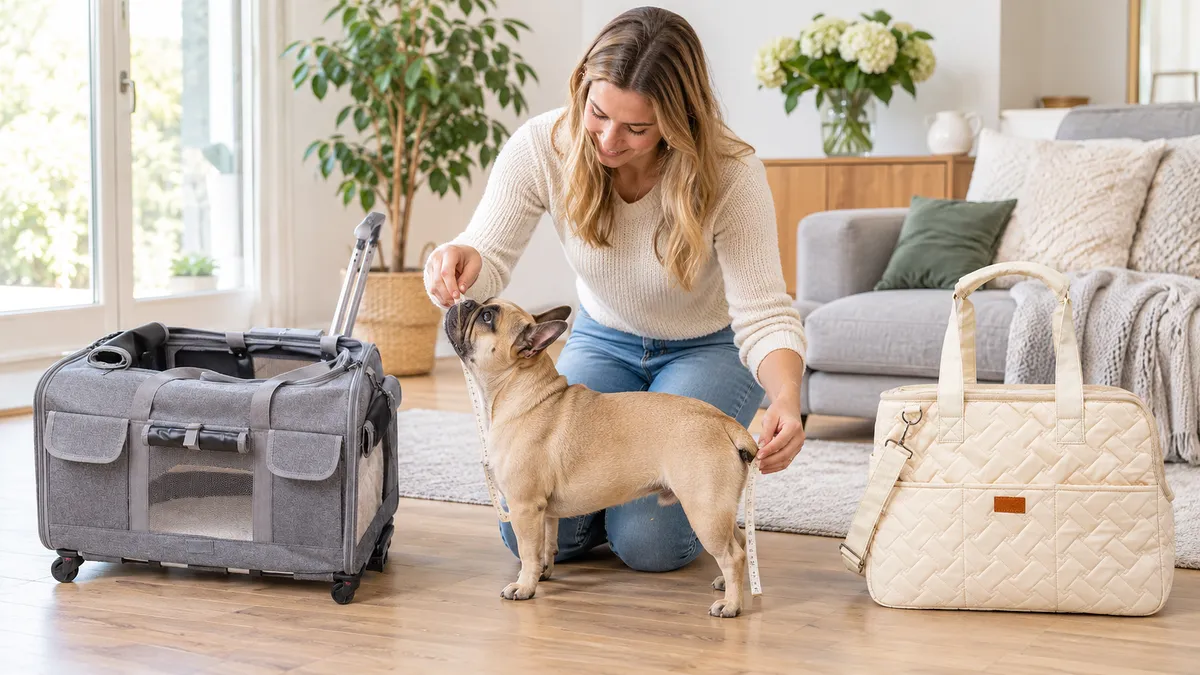
We list measurements in centimetres with inches in brackets, and weight limits in kilograms and pounds. Before you order, measure two things:
Most fit problems with travel gear come from the vehicle, not the dog.
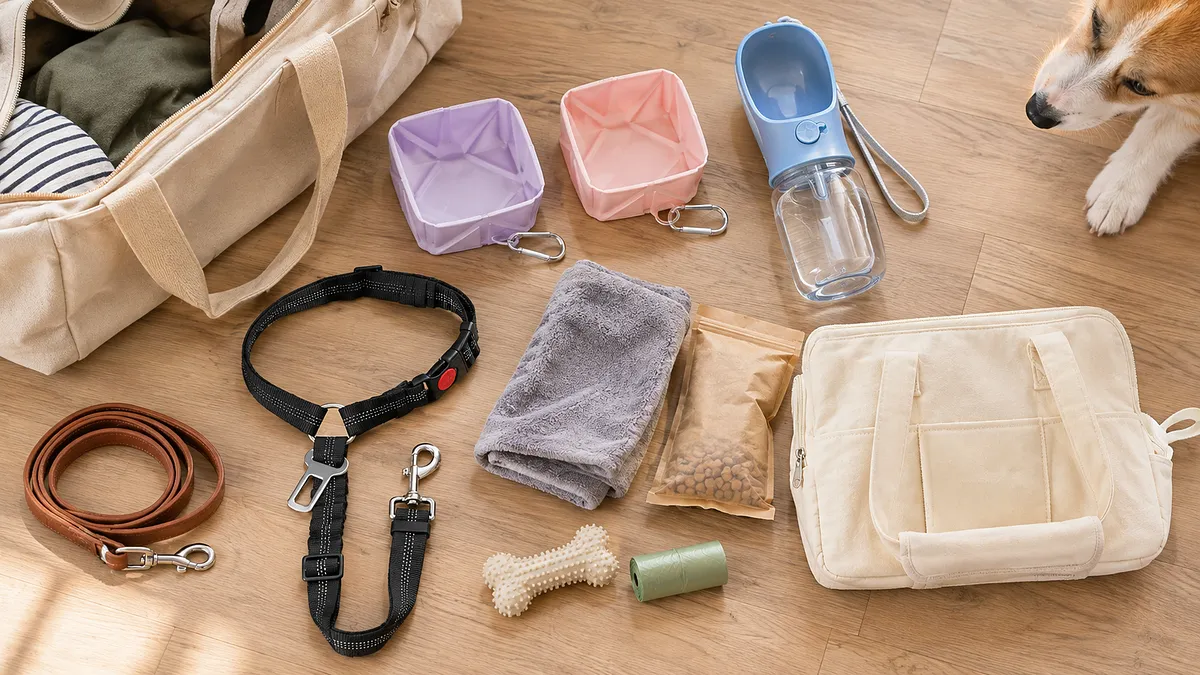
A dog travel bag keeps most of this list in one place, so nothing gets left behind at the cottage.
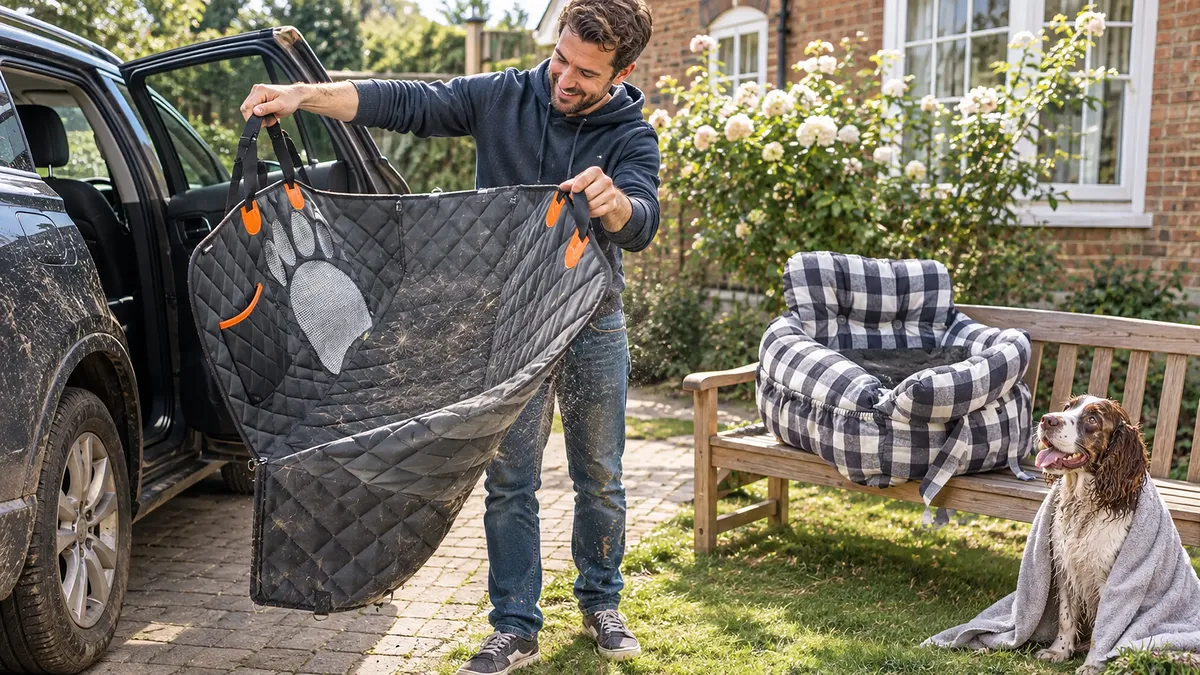
Travel gear gets dirty quickly. Seat covers and car seat pads with removable, washable covers save the most time; coated and water-resistant fabrics wipe clean after a wet walk. Fold silicone bowls only once they are dry, and empty and air water bottles after each trip. Check each product page for the exact washing instructions.
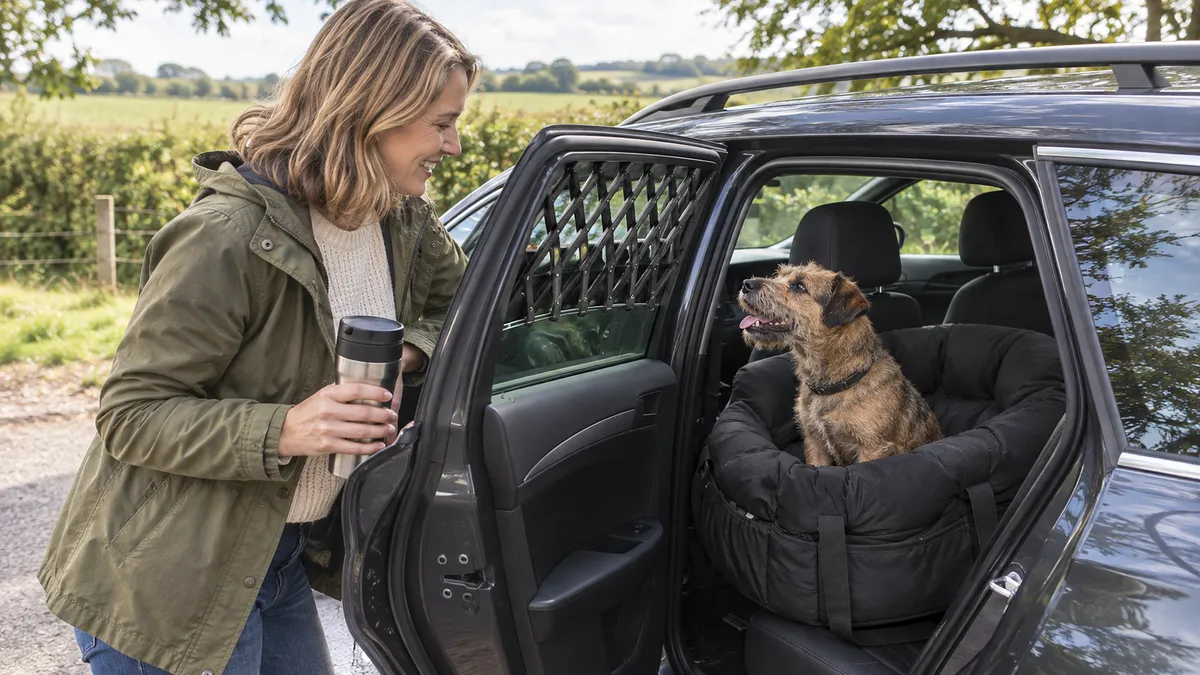
In the UK, the Highway Code asks drivers to keep dogs suitably restrained. Breaking a Highway Code rule isn’t always an offence on its own, but an unrestrained dog that distracts you can lead to a careless driving charge. Rules differ in other countries.
A crash-tested harness clipped to the seat belt, or a crash-tested crate secured in the boot, gives the most protection in a collision. Booster seats, covers and guards keep your dog settled and in place on everyday drives.
Stop regularly so your dog can stretch, drink and go to the toilet, and more often on hot days or if your dog is a nervous traveller.
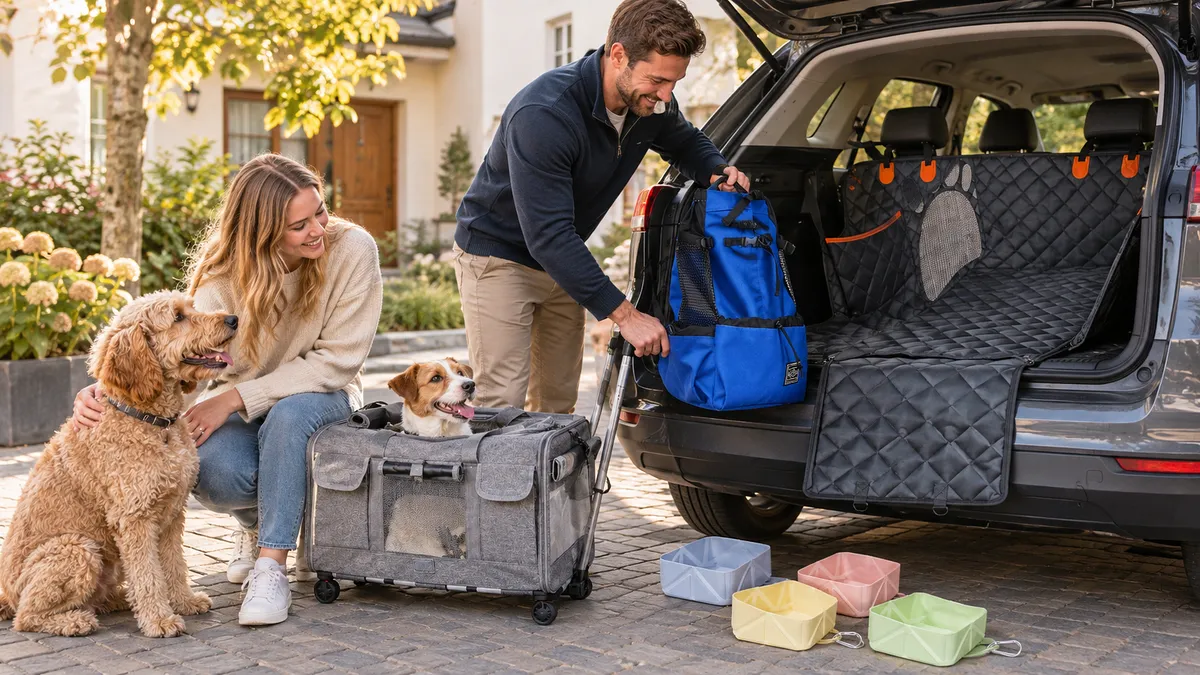
We sell gear for dogs only, and every travel product here is checked against the same standard: it fits the dog’s body, fastens securely, and cleans up after a wet or sandy day out. Seats, covers and carriers list their sizes in centimetres with inches in brackets, and their weight limits in kilograms and pounds, so you can check them against your dog and your car first. Orders over $79 ship free with tracking, which makes it easy to put a seat cover, a bowl and a tether in one parcel. For help choosing, email [email protected] and a real person will reply.
Pick the gear for your next trip and order it from TAILOVO today.