New
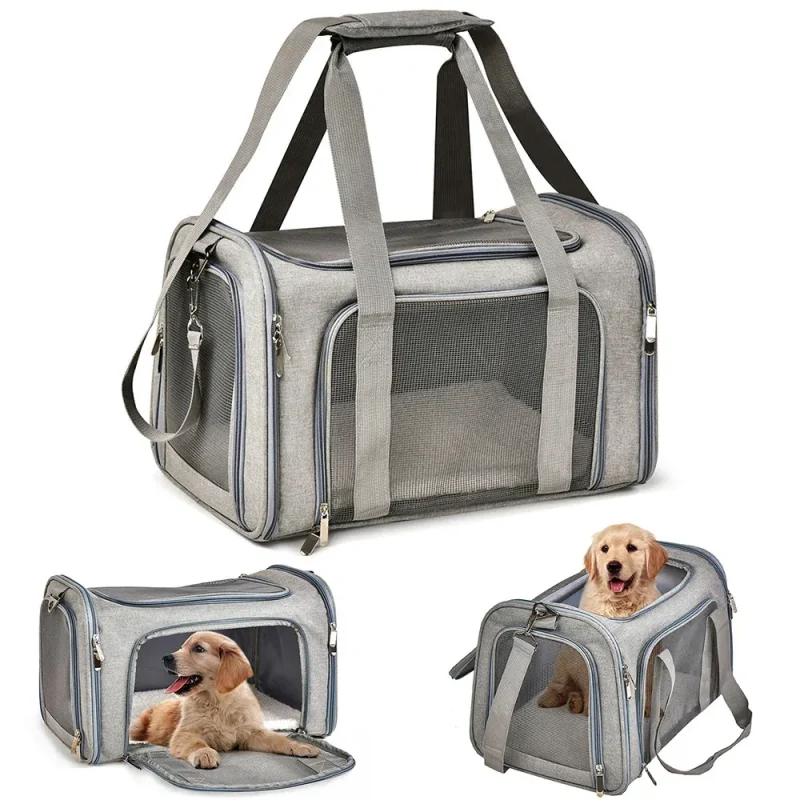
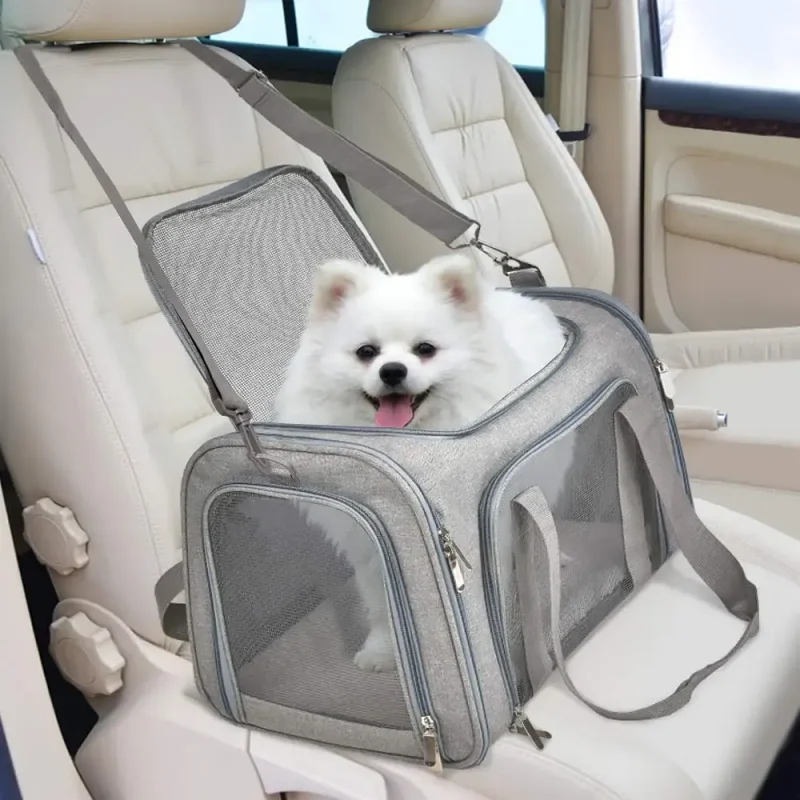
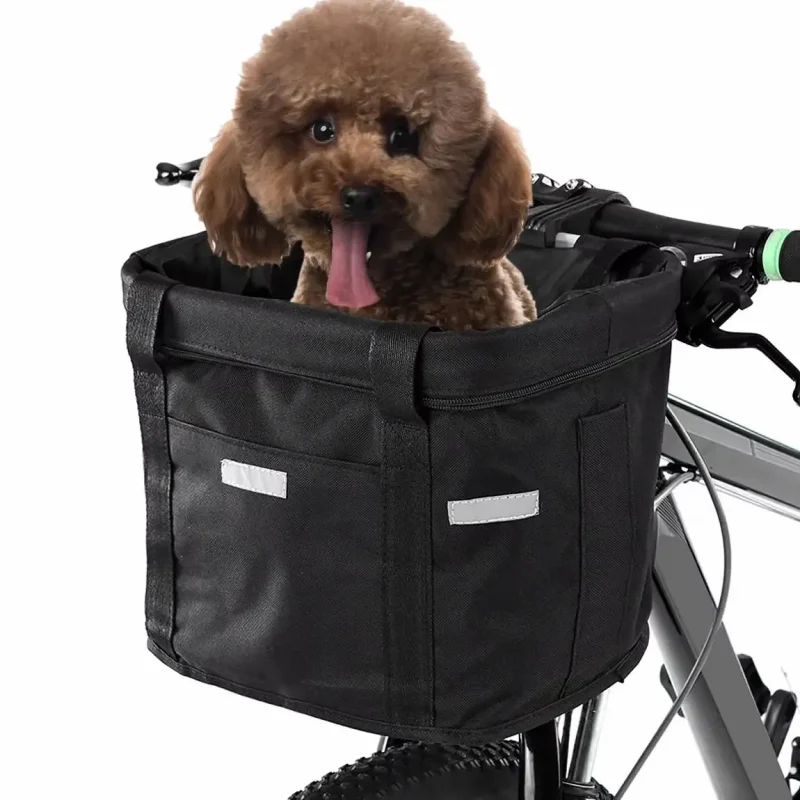
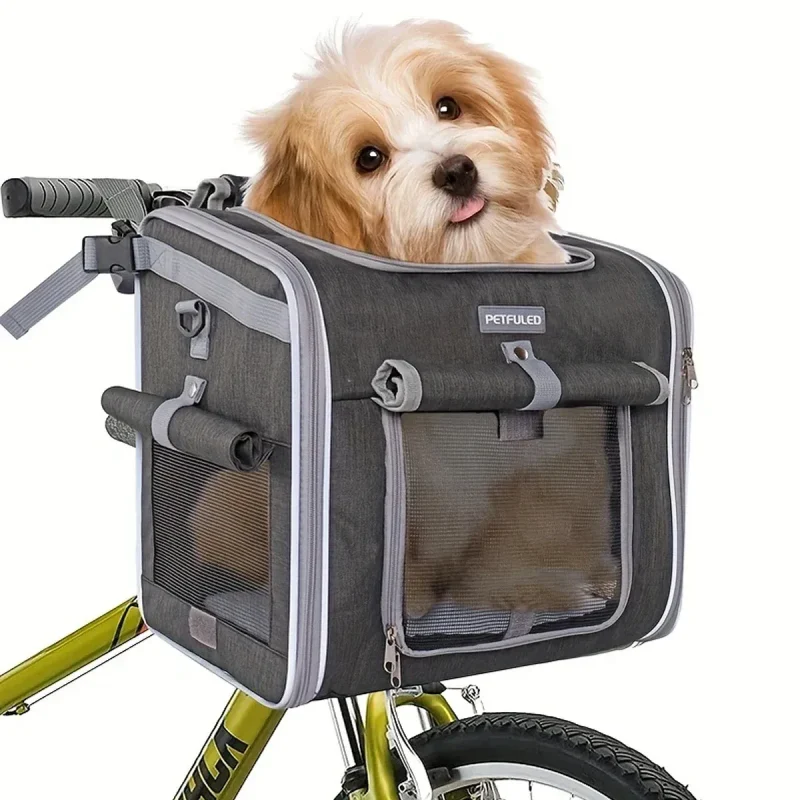
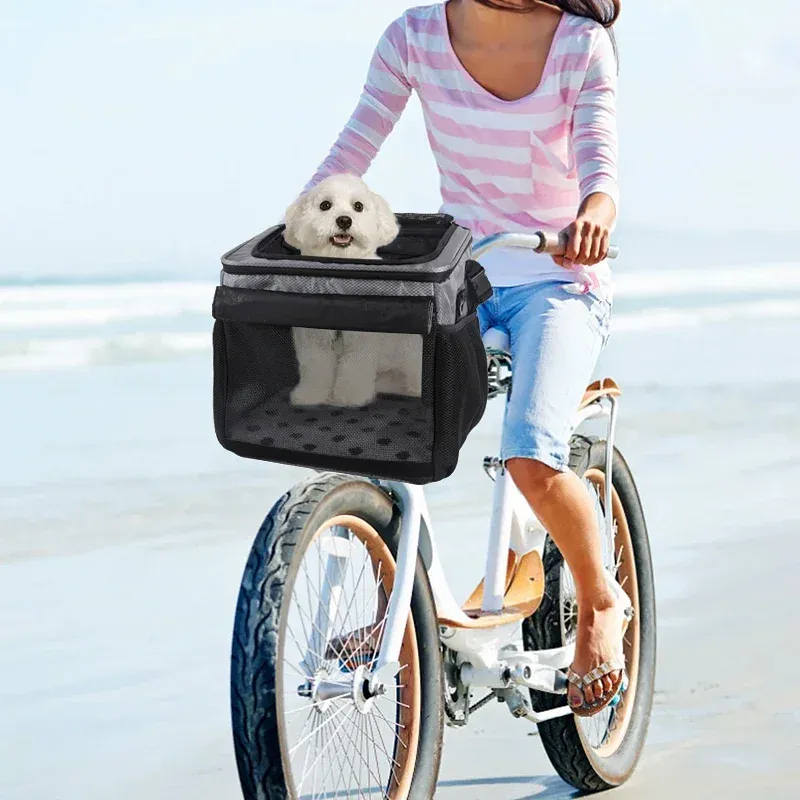
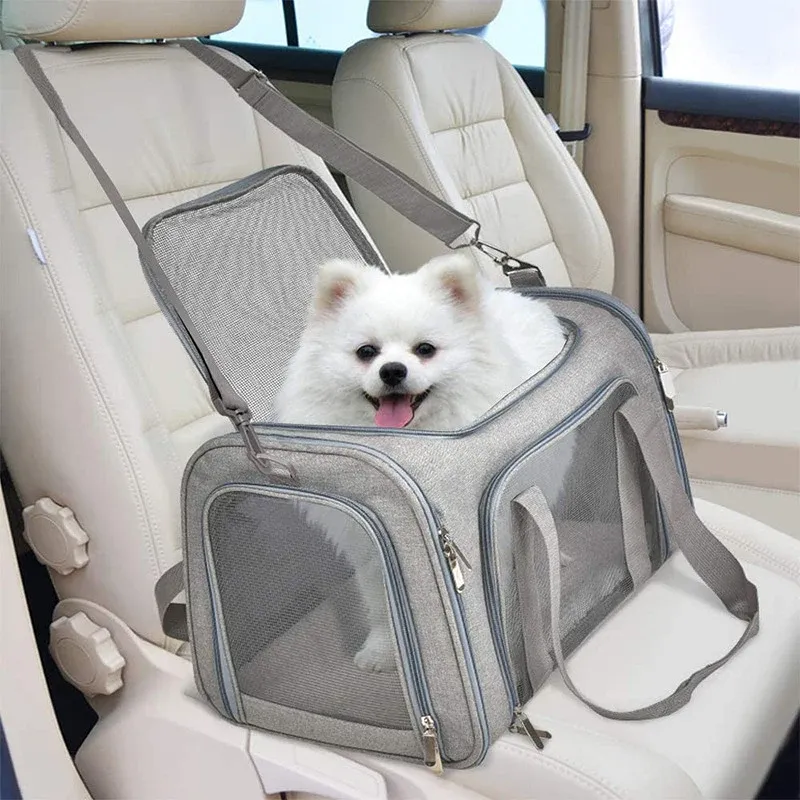
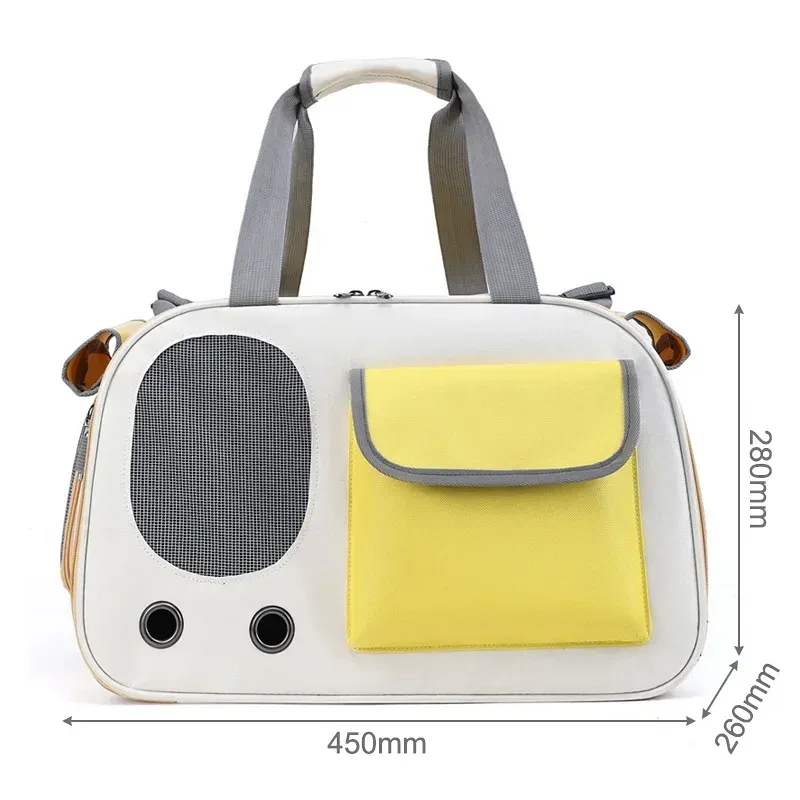
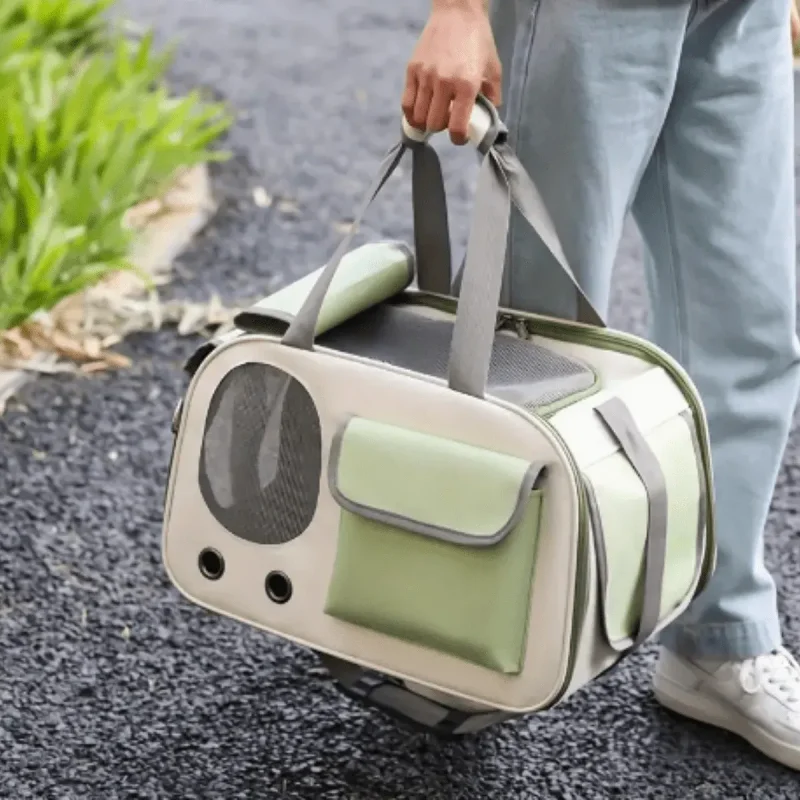
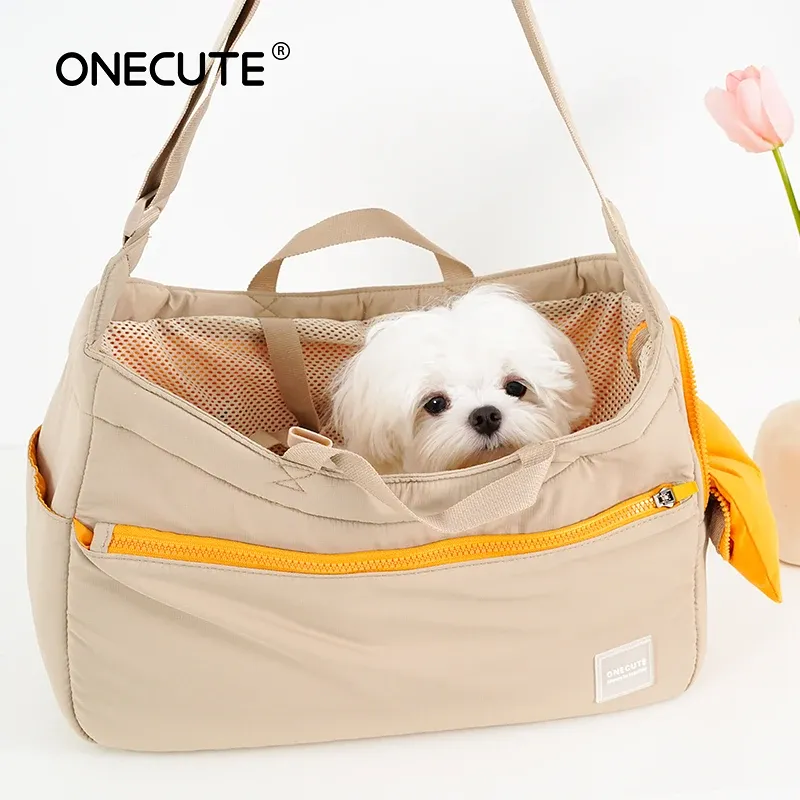
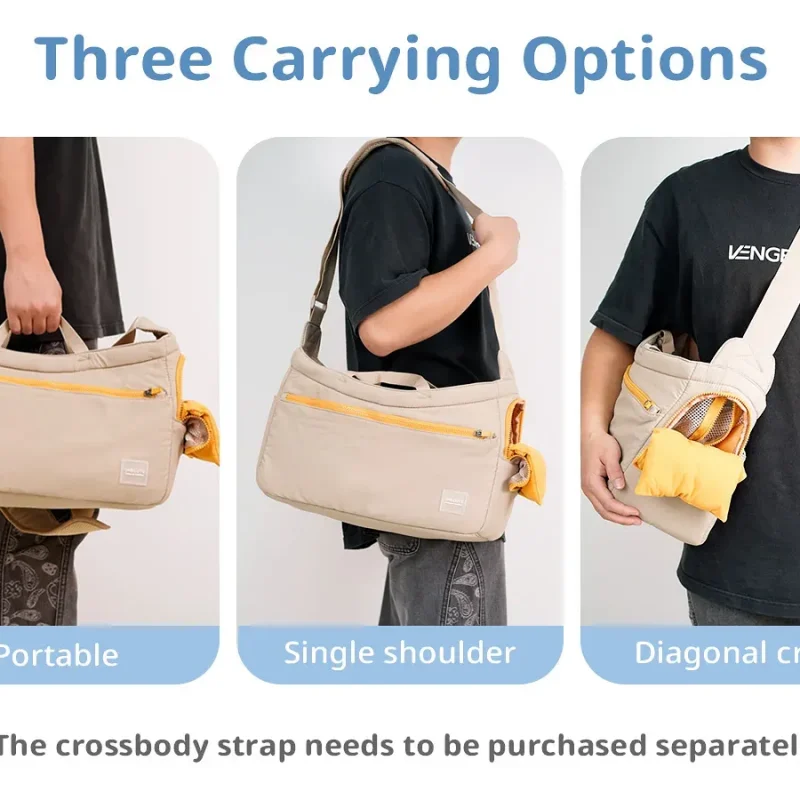
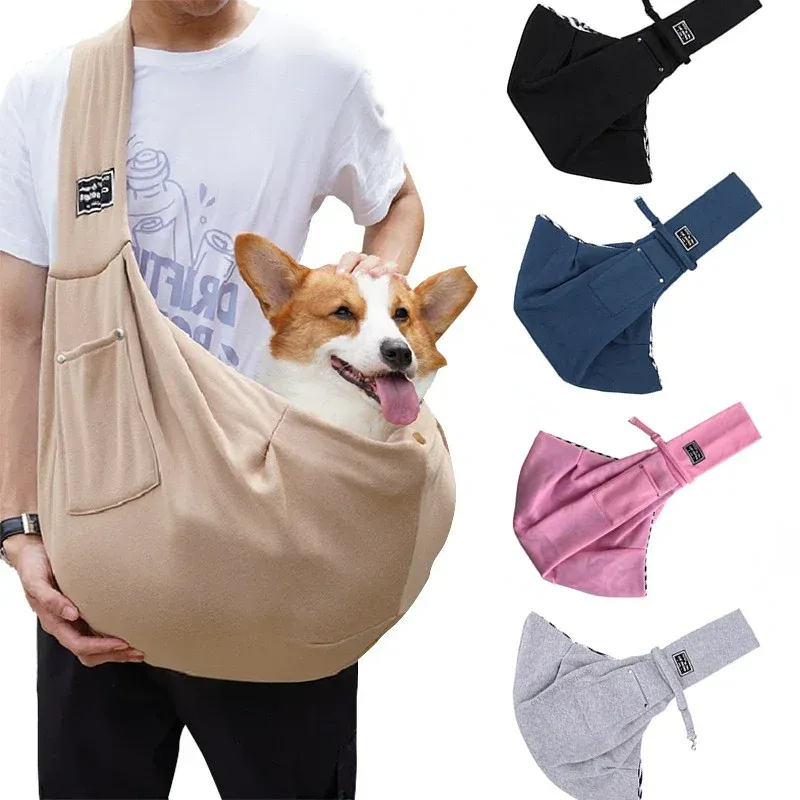
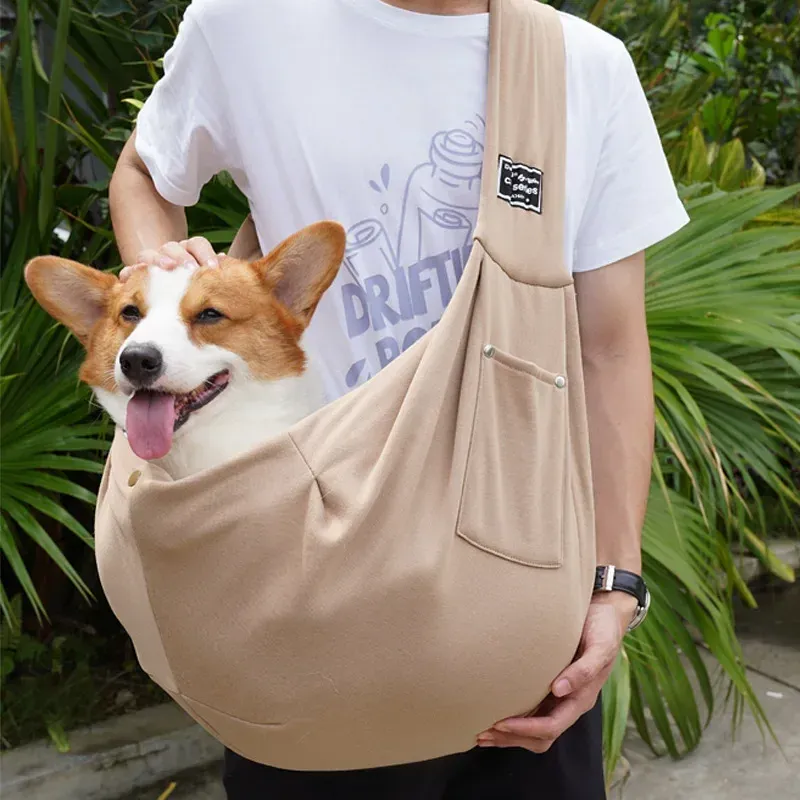
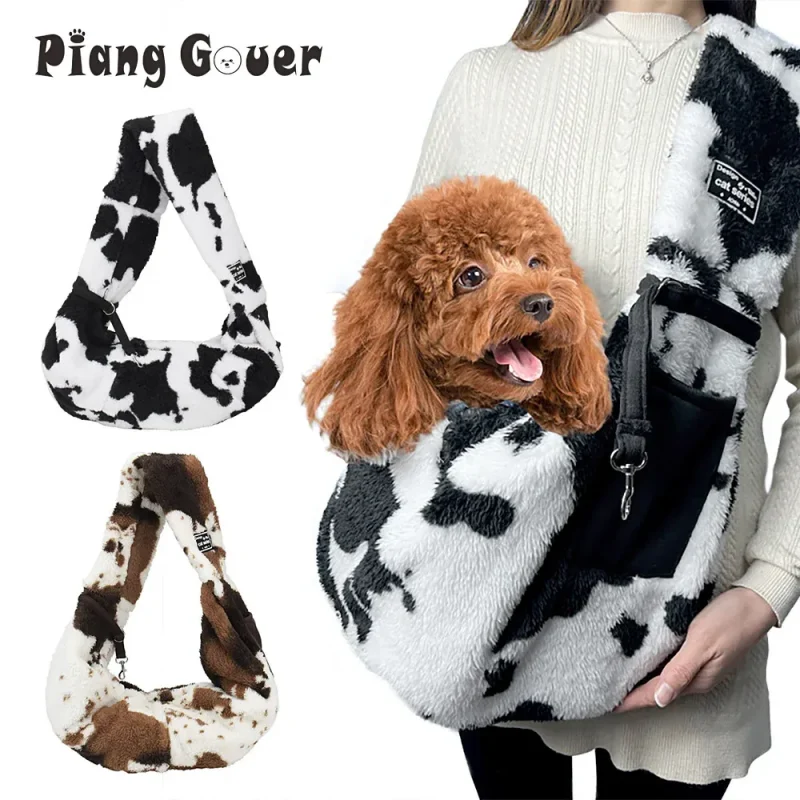
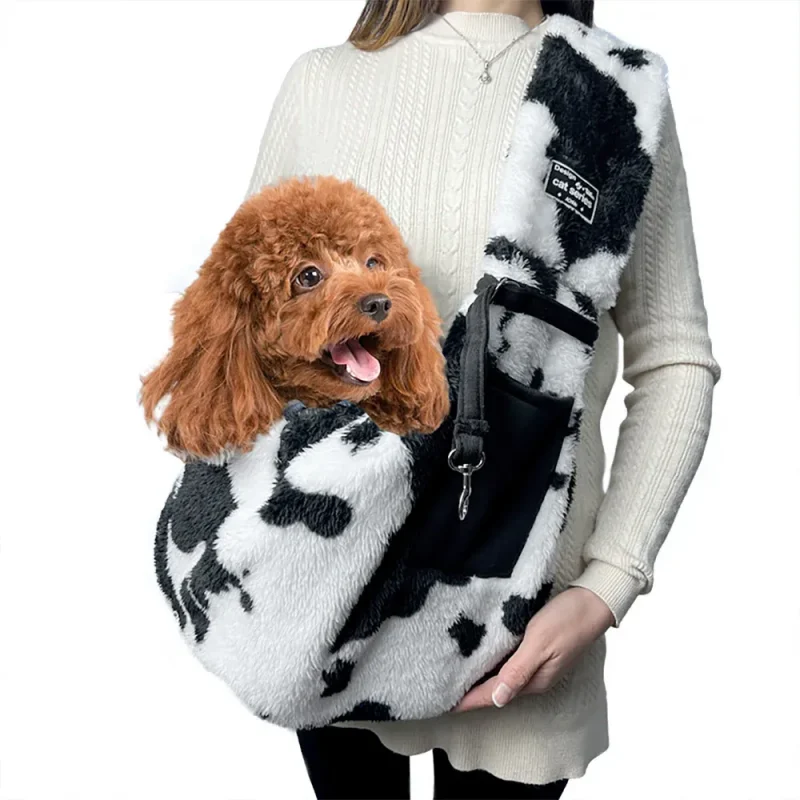
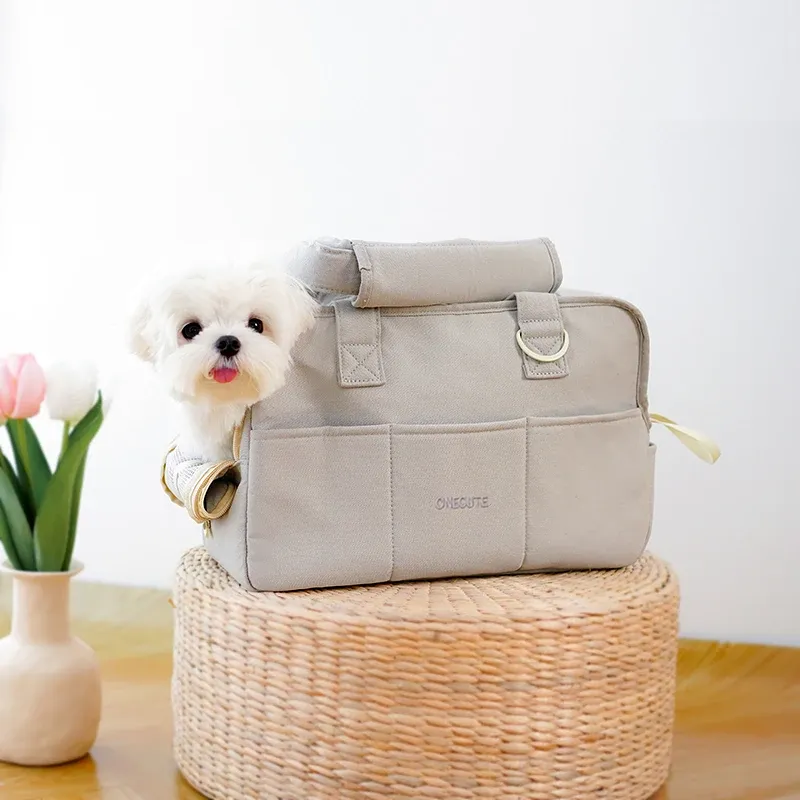
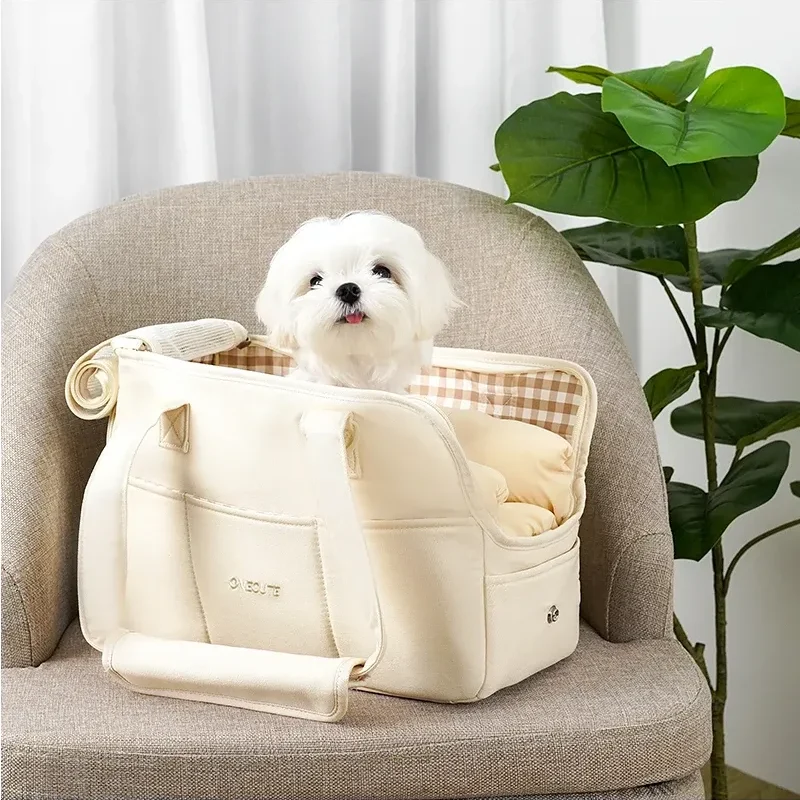
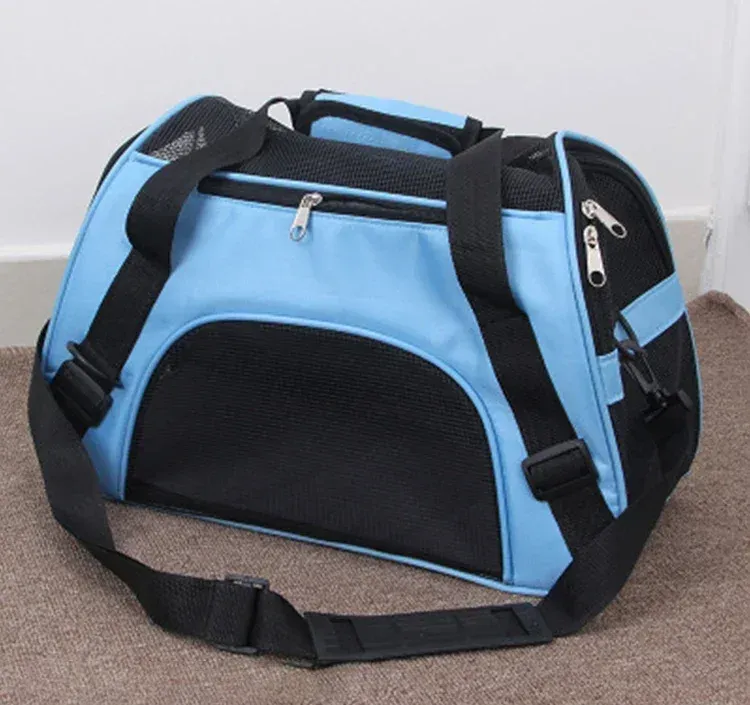
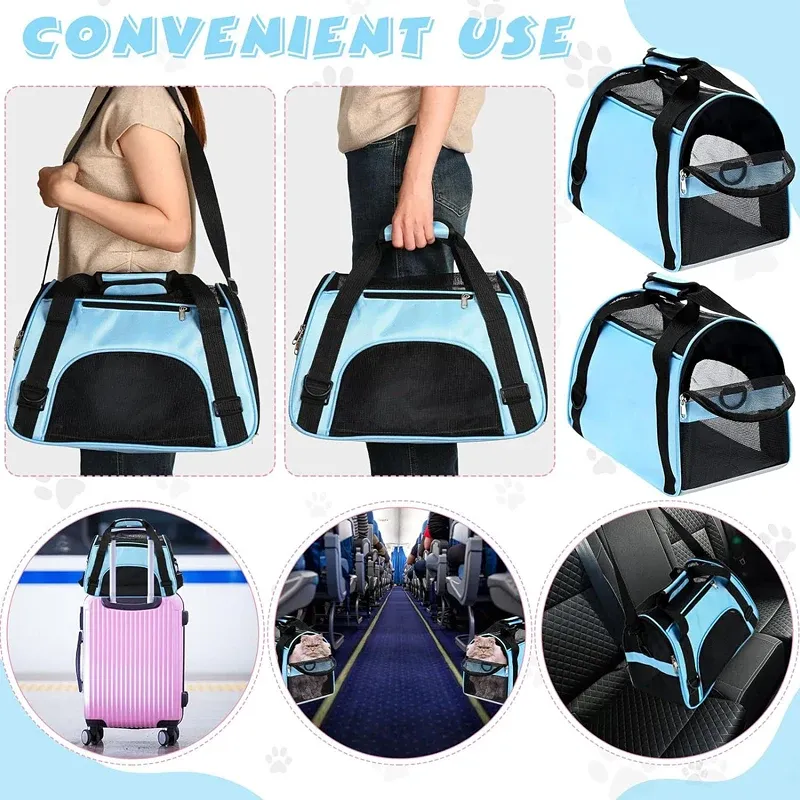
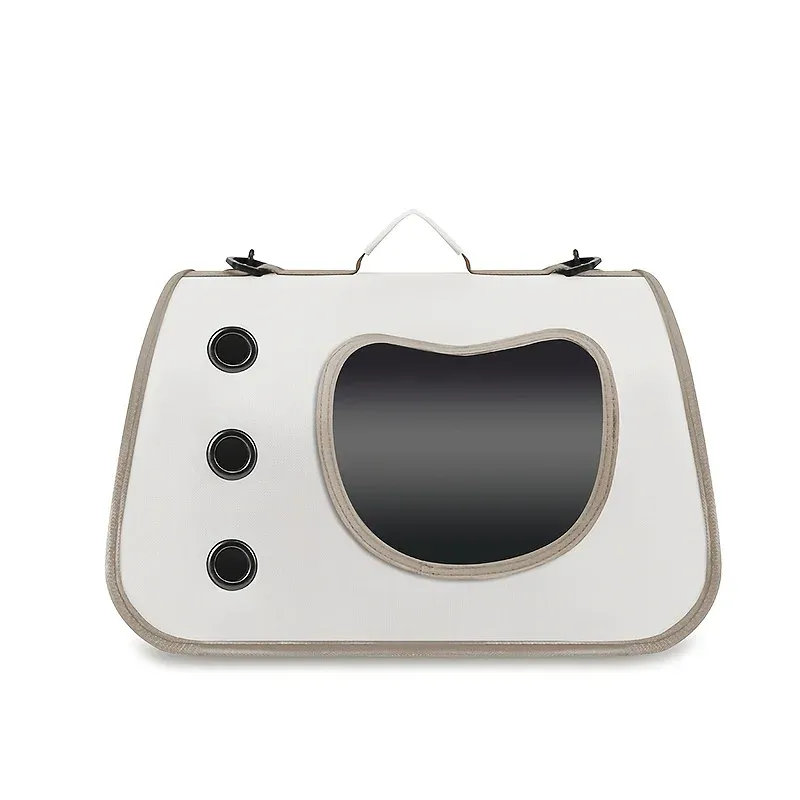
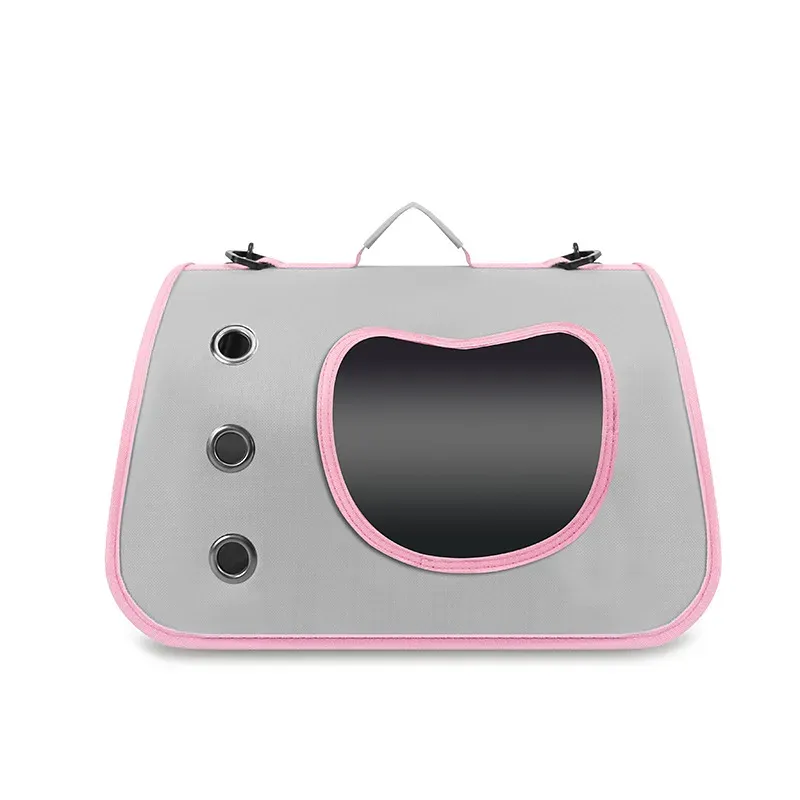
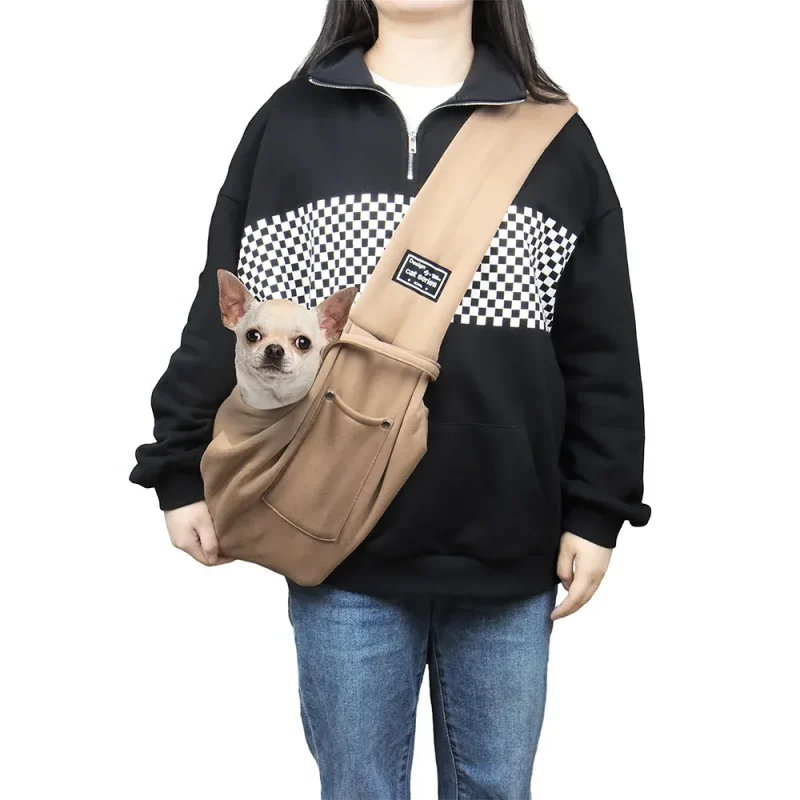
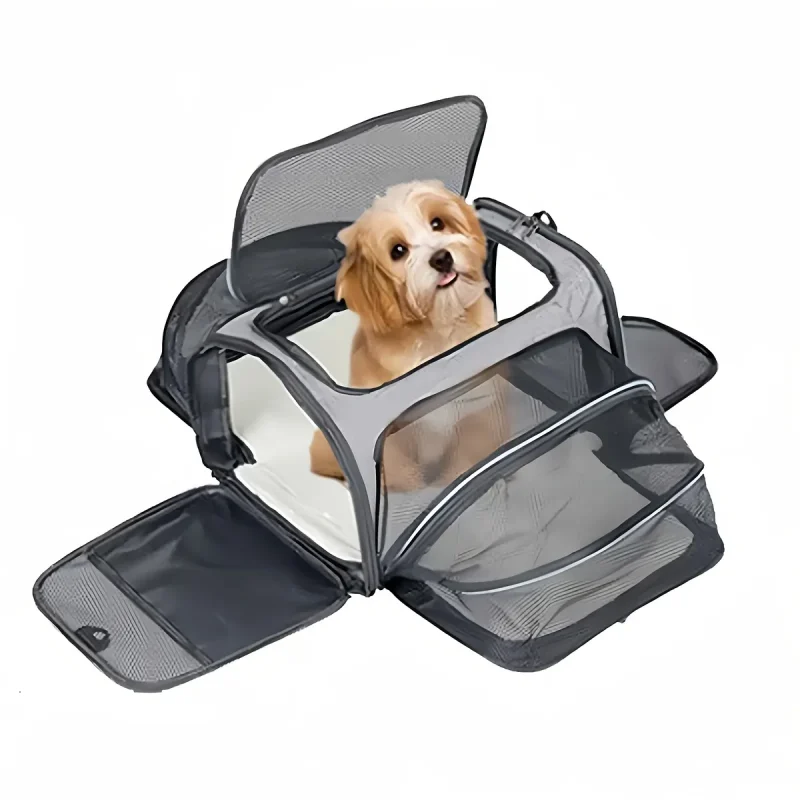
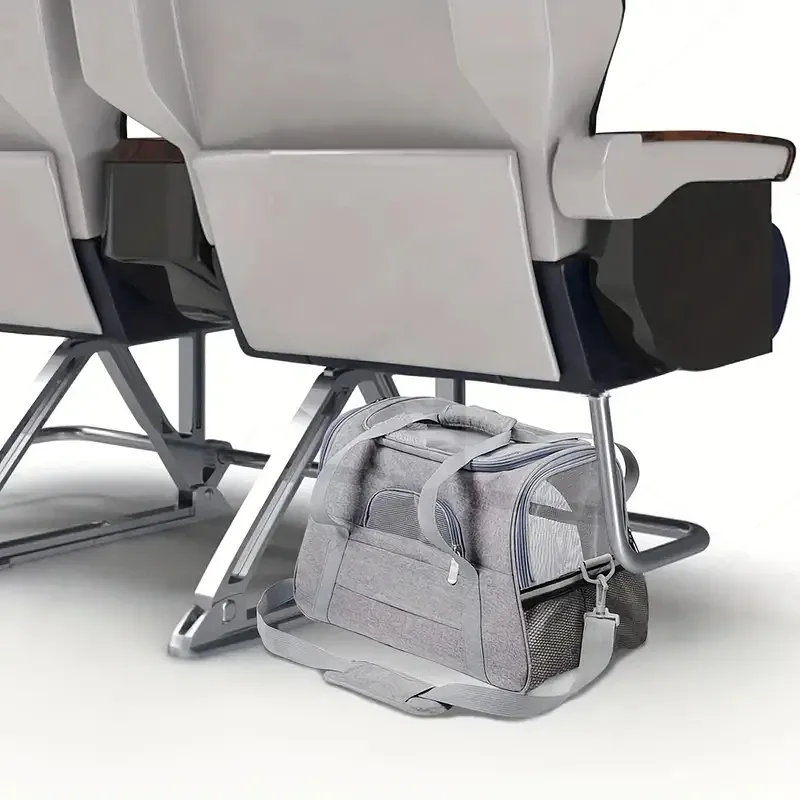
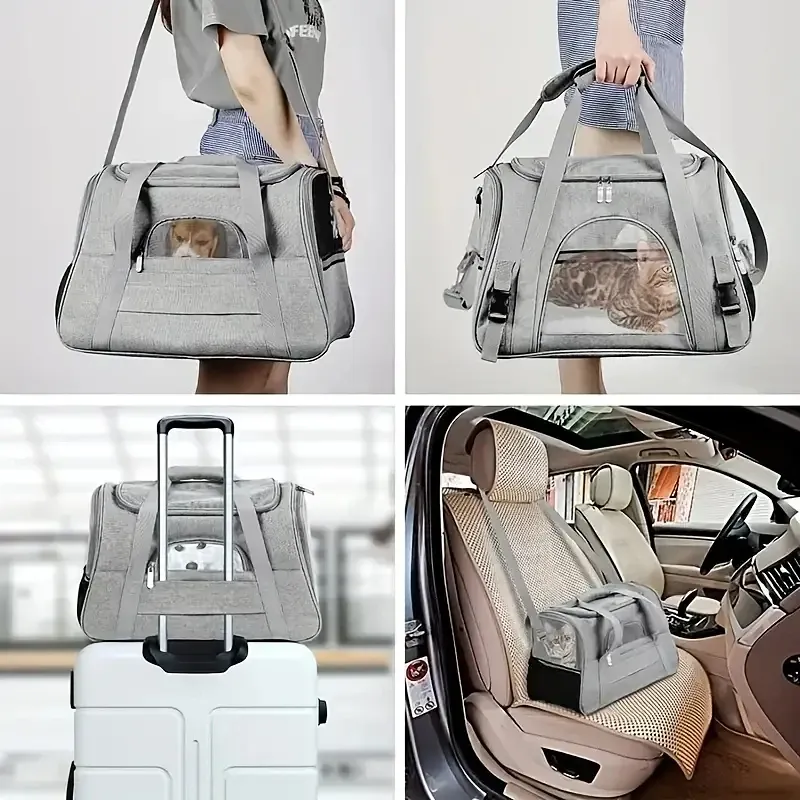
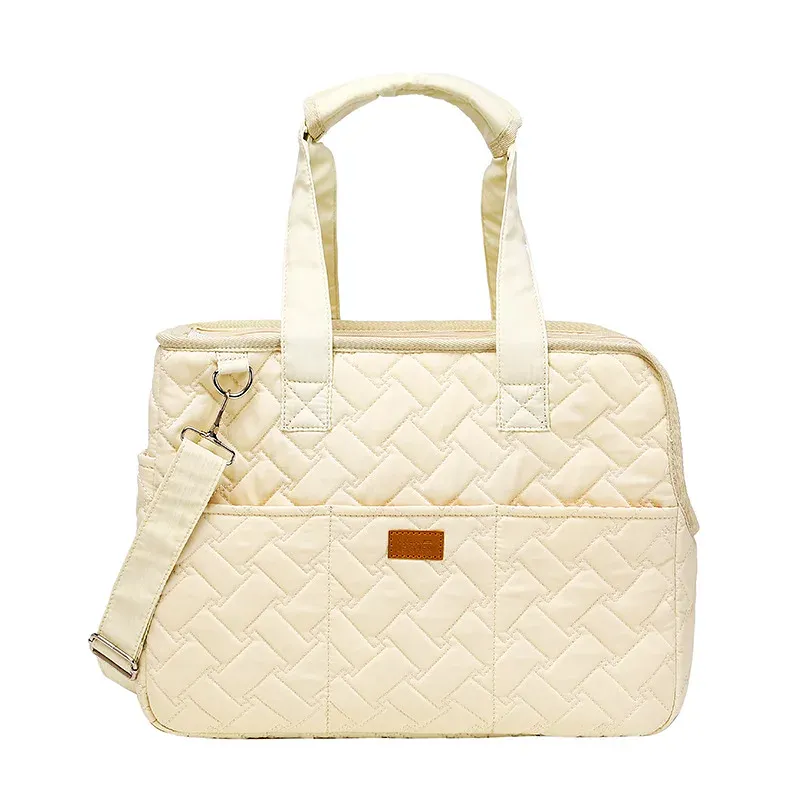
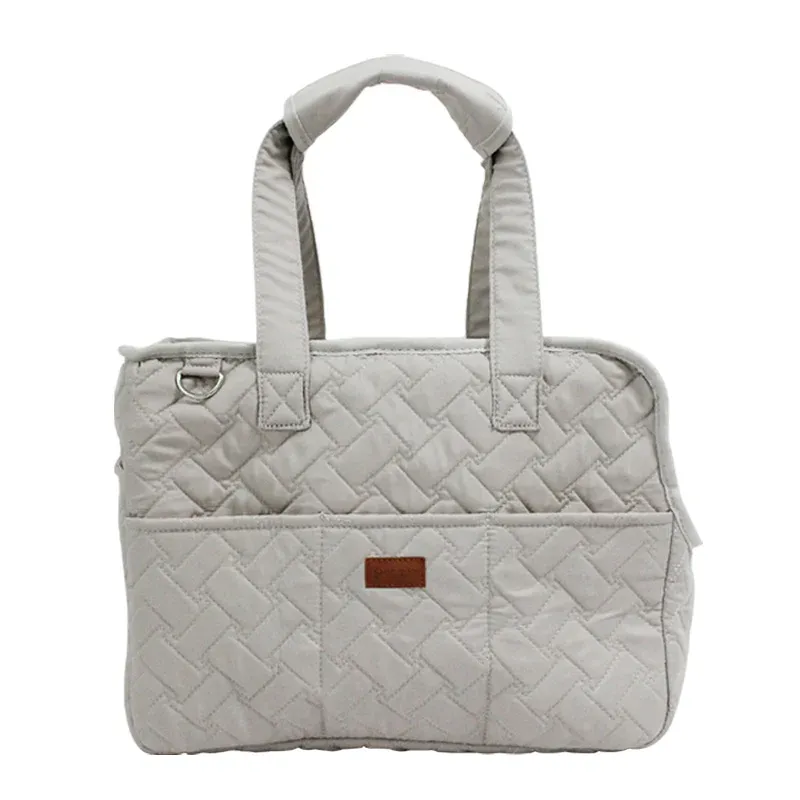
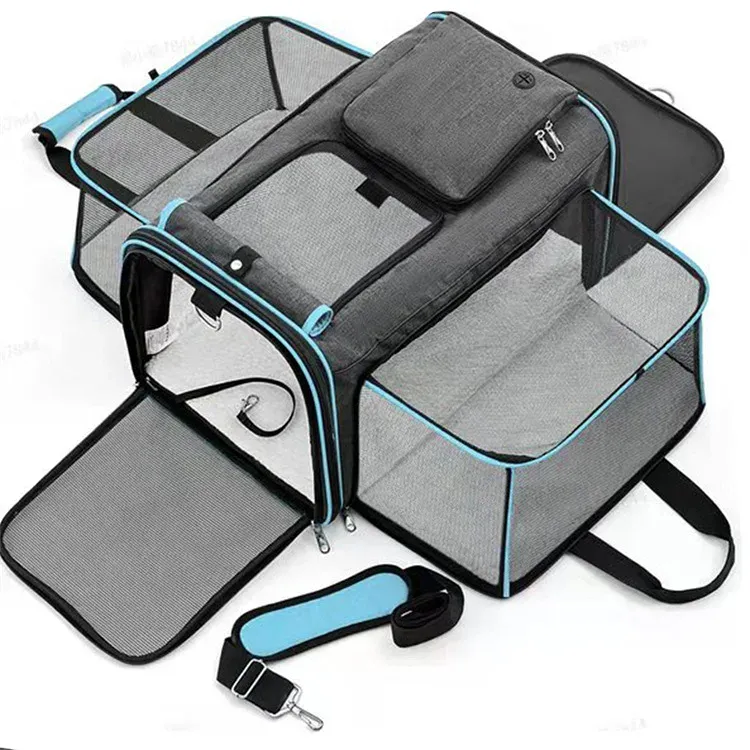
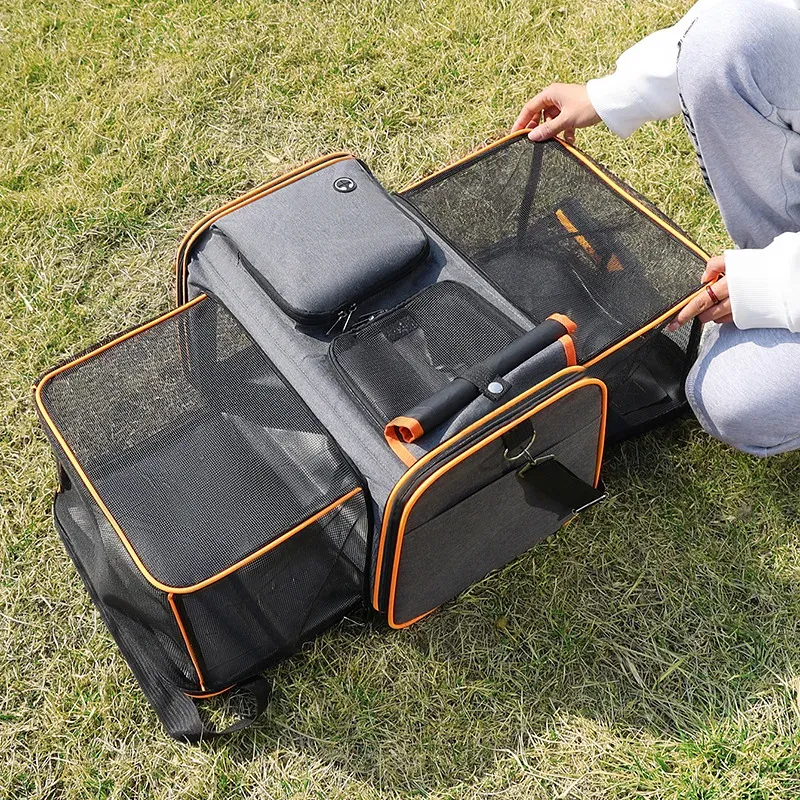
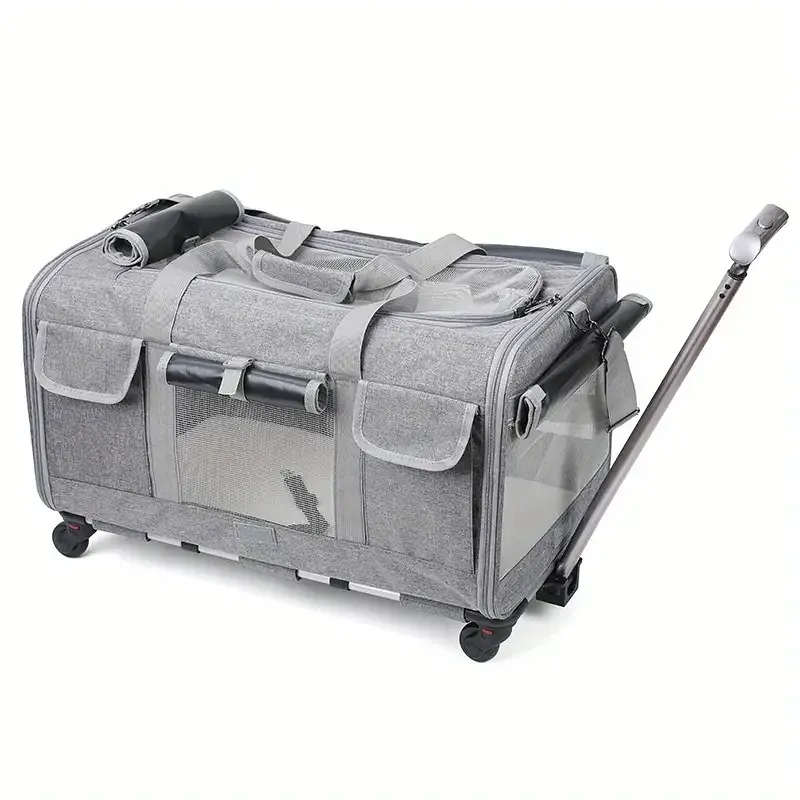
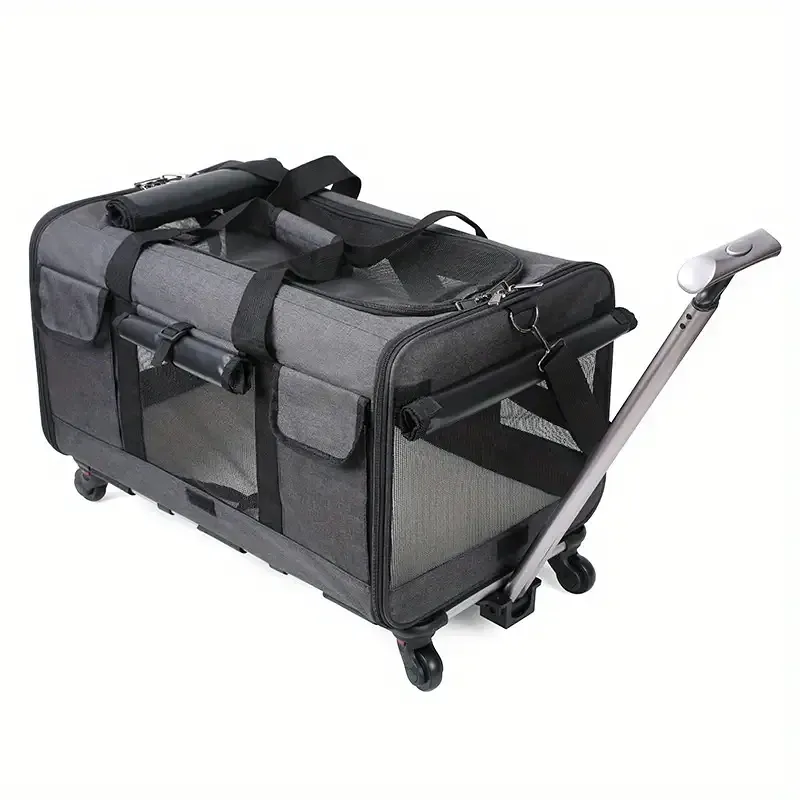
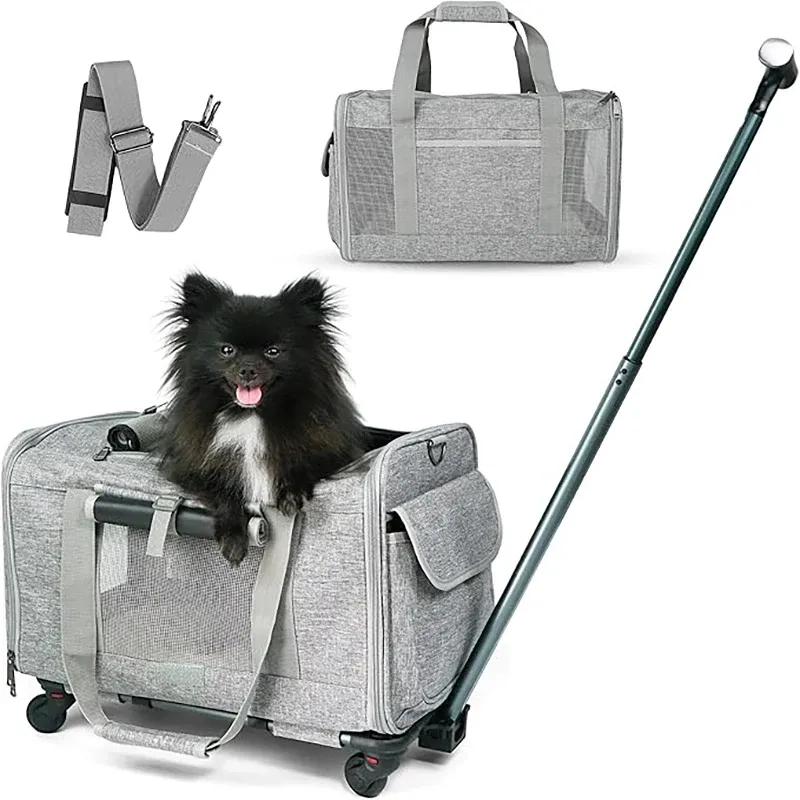
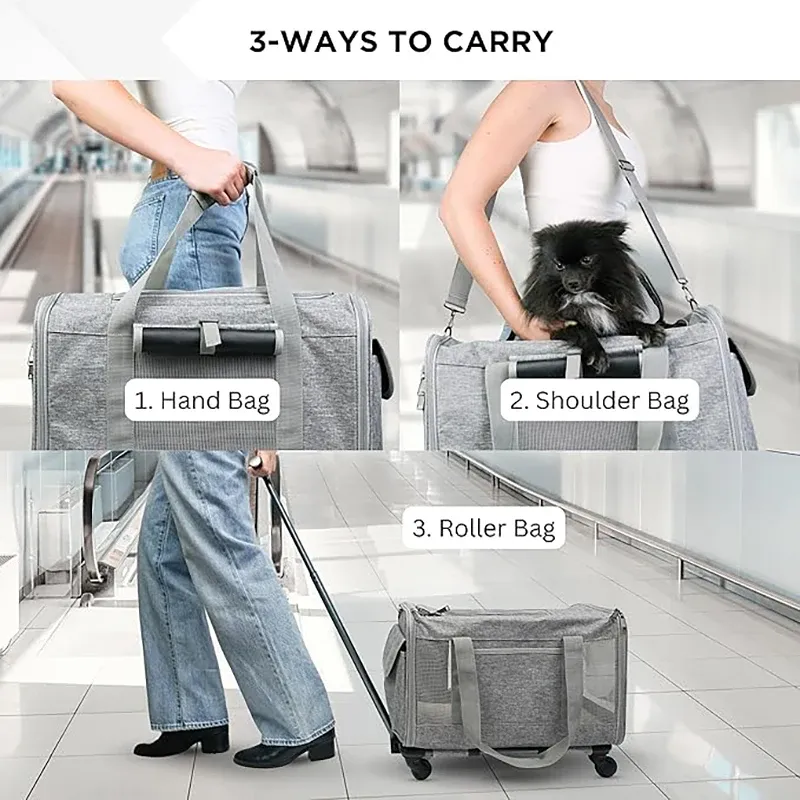
Cabin-Size Soft-Sided Dog Carrier with Mesh Windows
By
4.8139
$60.99$67.99
New Customers Only: Extra 10% OFF with code WELCOME10
Home / Shop / Dog Grass Pads for Balconies


Nothing matches the current filters. Widen the price range or clear a filter to see the shop again.
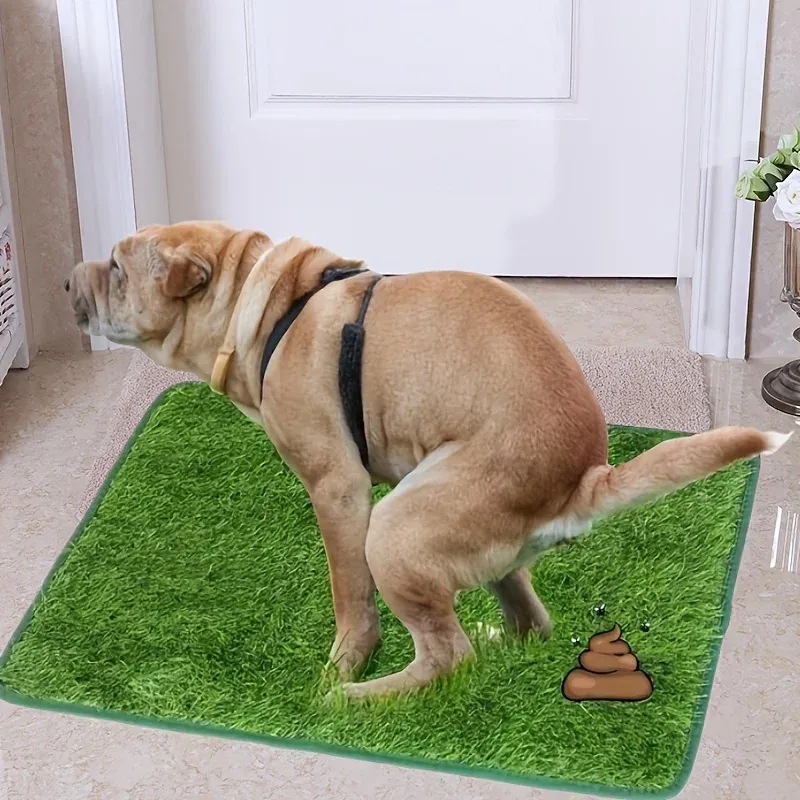
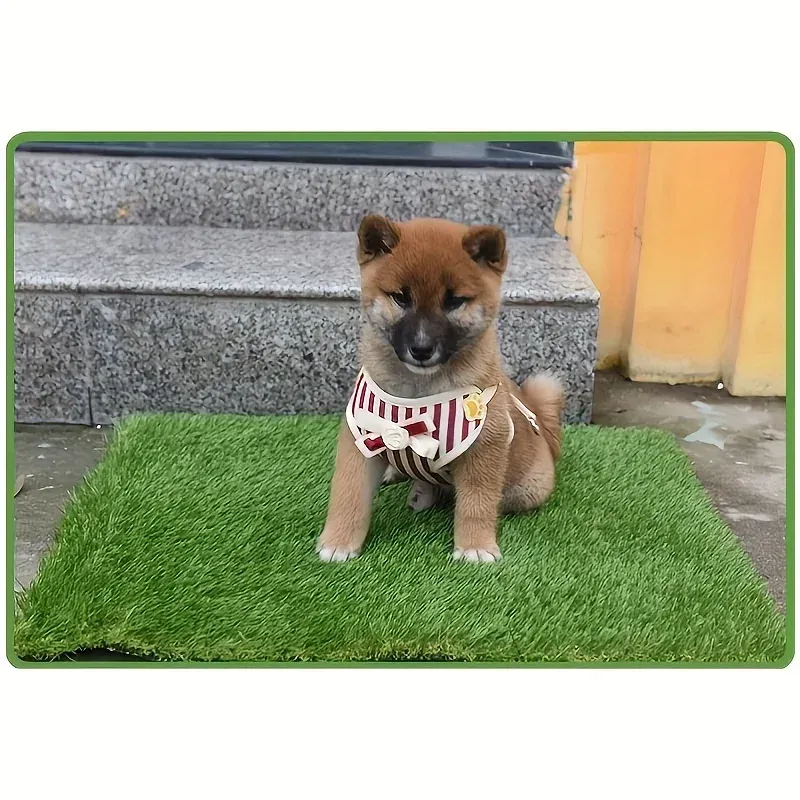
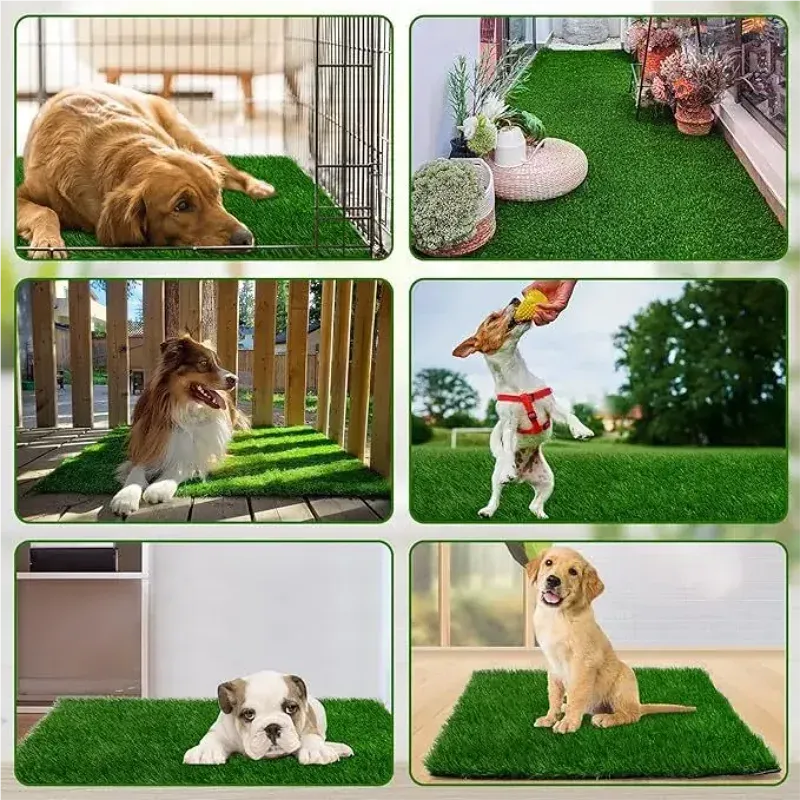
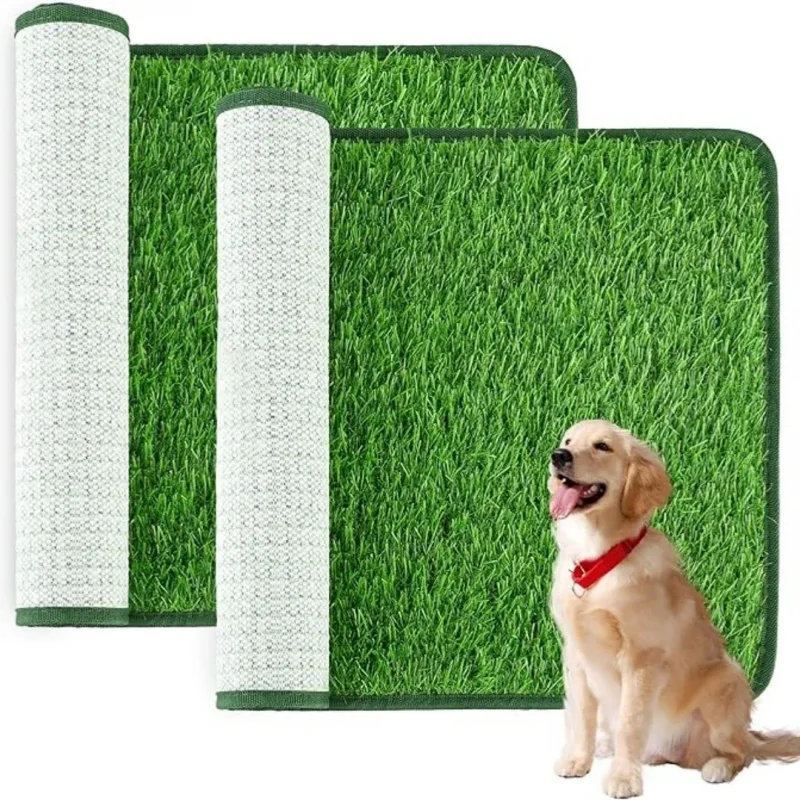
Living in a flat with a dog means planning toilet breaks around stairs, lifts and the weather. A puppy who can’t hold on through the night, a senior dog who needs to go more often, or a small dog in a fourth-floor flat in January all make a late-night trip outside harder. An artificial grass potty pad gives your dog a familiar surface to use on a balcony, terrace or in a utility room, and it rinses clean. This section covers hemmed grass pads, reusable grass toilet mats and washable grass pee mats with non-slip backing. This guide explains how they work, which type suits which home, how to size and place one, how to train your dog to use it, and, most importantly, how to keep it clean so it doesn’t smell. Grass pads are part of our pet cleaning products range.
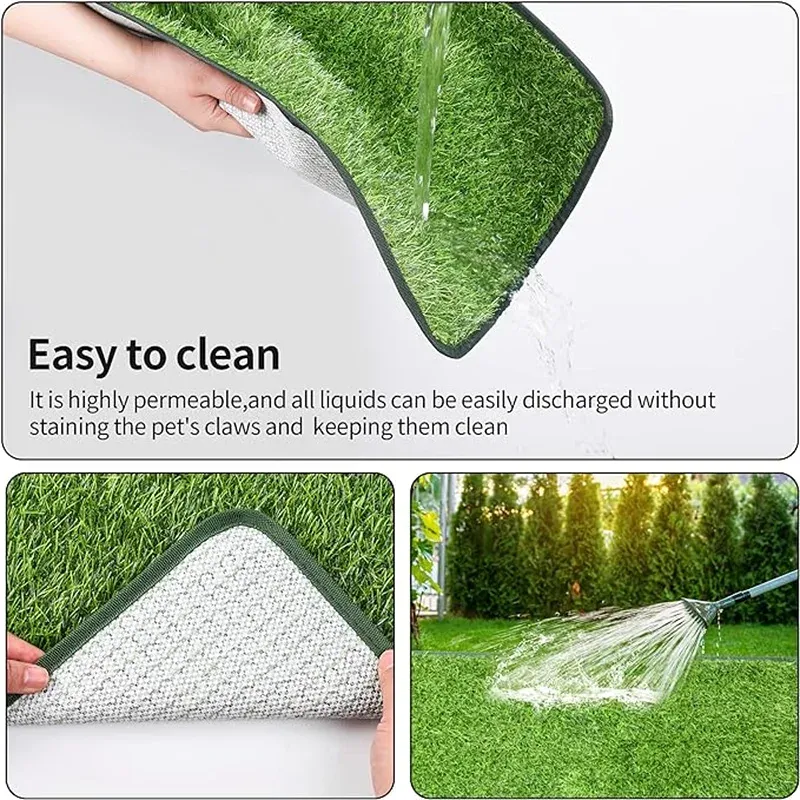
Most pads have three parts: a layer of artificial grass with drainage holes, a backing that holds the grass together, and sometimes a tray underneath that catches liquid. Urine drains through the grass, so your dog’s paws stay drier, and the grass surface feels like the lawn your dog already associates with going to the toilet. Unlike disposable puppy pads, they’re washed and reused.
| Type | What it is | Best for | Trade-off |
|---|---|---|---|
| Hemmed grass pad | A grass mat with bound edges, used on its own or in a tray | Balconies, terraces, indoor use in a tray | Needs a tray or waterproof surface underneath indoors |
| Reusable grass toilet mat | A thicker grass mat for regular outdoor use | Balconies and terraces with drainage | Heavier to lift for rinsing |
| Washable grass pee mat with non-slip backing | A grass mat with a grippy base that stays put | Tiled or wooden floors, small spaces | Liquid still needs to drain or be soaked up |
| Grass pad with drainage tray | Grass on a grid over a catch tray | Indoor use, flats without outdoor space | The tray must be emptied often |
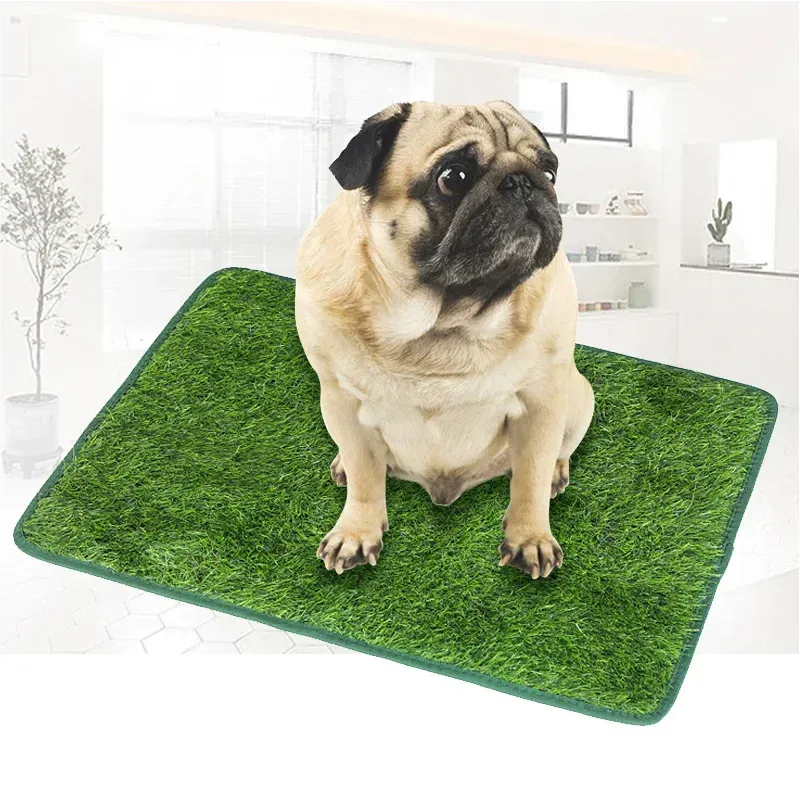
Your dog needs to stand, turn and squat on the pad without stepping off it. Measure your dog’s length from nose to the base of the tail, then choose a pad at least that long, and ideally a little more. Male dogs that cock their leg may need the pad placed against a wall with a washable surface, or a pad with a raised edge. For more than one dog, or a large breed, choose a bigger pad or two side by side.
Patience matters. Puppies may take a few weeks, and dogs used only to outdoor grass may need longer. If an adult dog that was house-trained suddenly starts having accidents, talk to your vet; it can be a sign of a urinary infection or another health problem.
A grass pad doesn’t replace walks. Dogs still need daily exercise, sniffing and time outdoors for their physical and mental health.
This is where grass pads succeed or fail. Urine contains uric acid, which leaves a lasting smell if it isn’t rinsed out.
Some owners keep two pads, so one can dry fully while the other is in use.
Balcony pads work best when nobody below notices them. Rinse into your own drain rather than letting water run off the edge, pick up poo promptly, and keep the pad away from shared walls and vents. In rented flats or buildings with strict balcony rules, check with your landlord or building manager first. A pad on a tray with a lid or a deep rim also keeps things tidier on windy days.
| Option | Reusable | Feels like outdoors | Upkeep |
|---|---|---|---|
| Artificial grass pad | Yes | Yes | Rinse and wash regularly |
| Disposable puppy pad | No | No | Throw away after use |
| Washable puppy pad | Yes | No | Machine wash |
Grass pads suit dogs that will eventually go outdoors, because the surface is closer to a lawn. Puppy pads can be easier for very young puppies or for overnight back-up inside a dog playpen.
| Problem | Likely cause | What to try |
|---|---|---|
| Dog goes next to the pad | Pad too small, or placed in a corner they avoid | Choose a larger pad or move it to a more open spot |
| Strong smell | Uric acid building up in the fibres or tray | Rinse more often and wash weekly with an enzyme cleaner |
| Dog chews or drags the pad | Boredom or play, common in puppies | Use a tray or weighted pad and supervise at first |
| Dog won’t use it at all | Not linked with the toilet yet | Go back to scheduled, rewarded visits |
| Puddles under the pad | Tray full or floor not level | Empty the tray more often and check the surface |
They will if they aren’t rinsed. Pick up poo straight away, rinse often and wash weekly with an enzyme cleaner to keep smells down.
Yes, on a tray or waterproof mat on a hard floor. Empty and clean the tray often.
It varies. Many puppies learn within a few weeks with regular, rewarded visits at the same times each day.
We sell gear for dogs only, and every grass pad we list has to pass the same checks: good drainage, a backing that holds up to regular rinsing, and a calm look on a balcony or in a utility room. Each product page gives the size in centimetres with inches in brackets, so you can check it fits your dog and your space. Orders over $79 ship free with tracking. Questions about placement or cleaning? Email [email protected] and a real person will help.
Make toilet breaks easier for your flat-dwelling dog with a grass pad from TAILOVO.