New
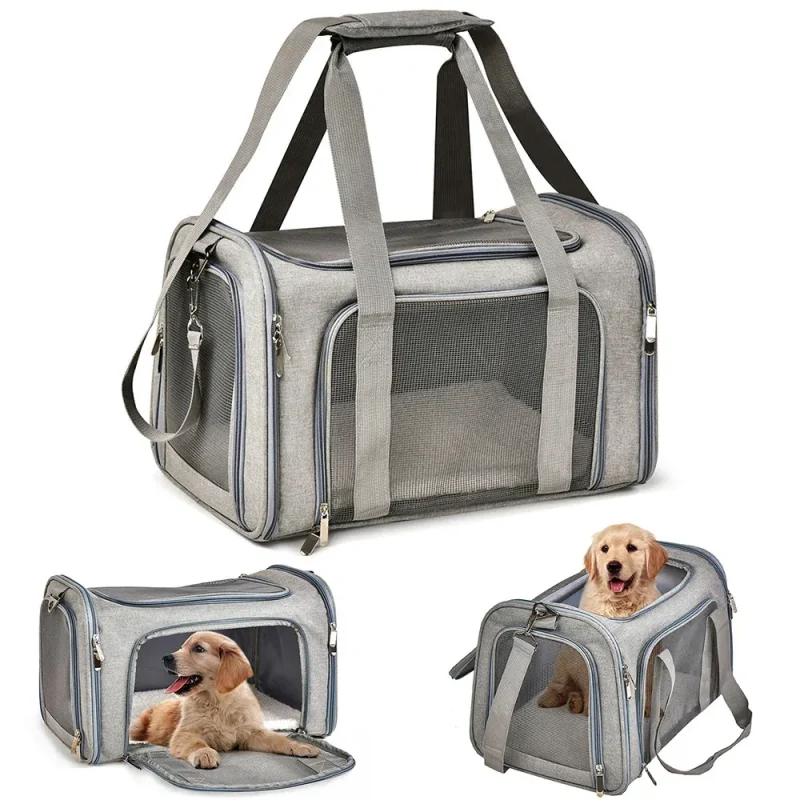
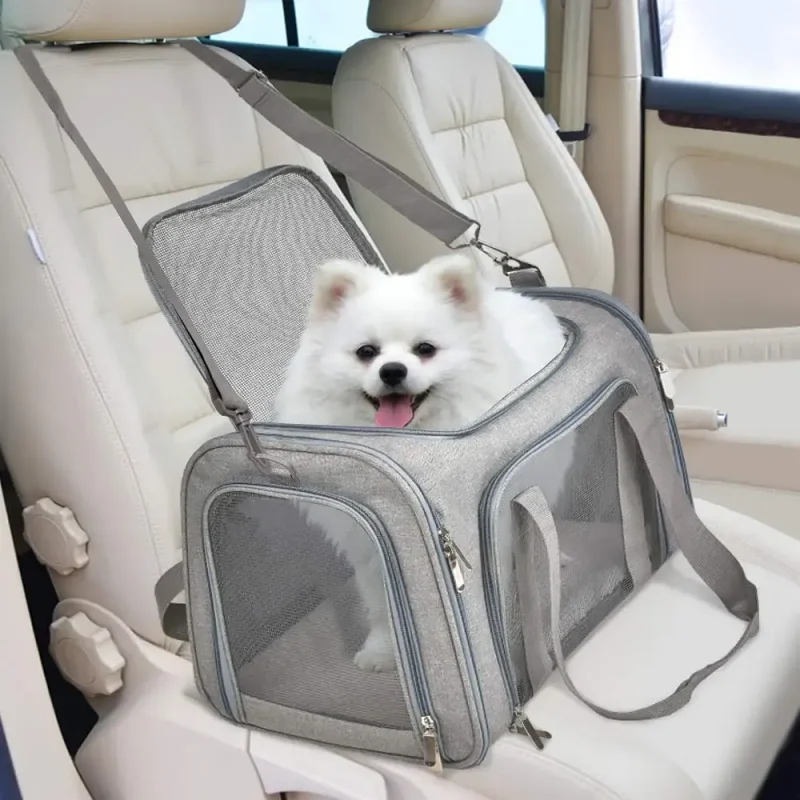
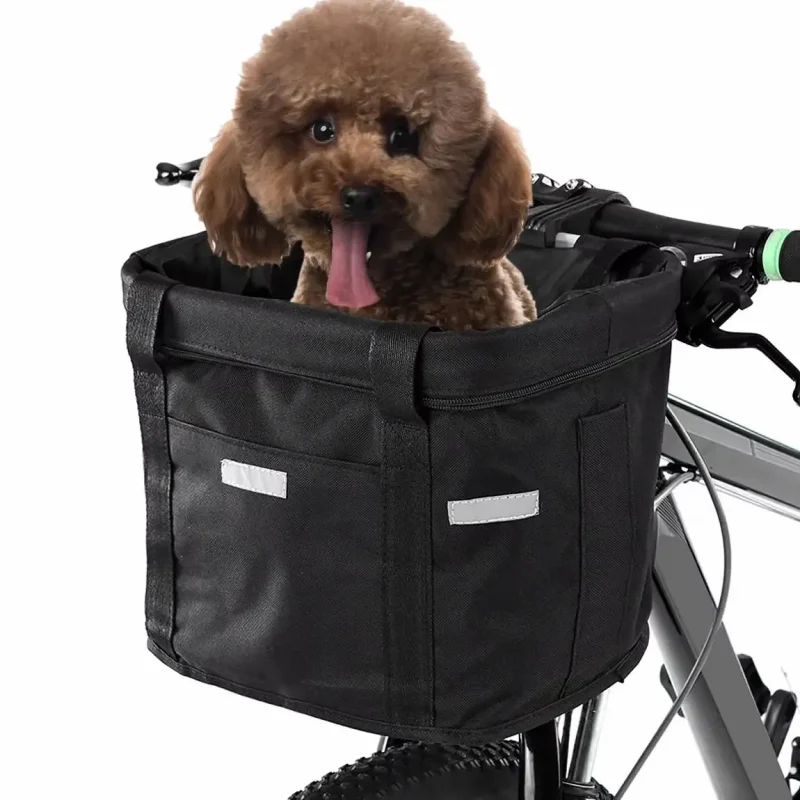
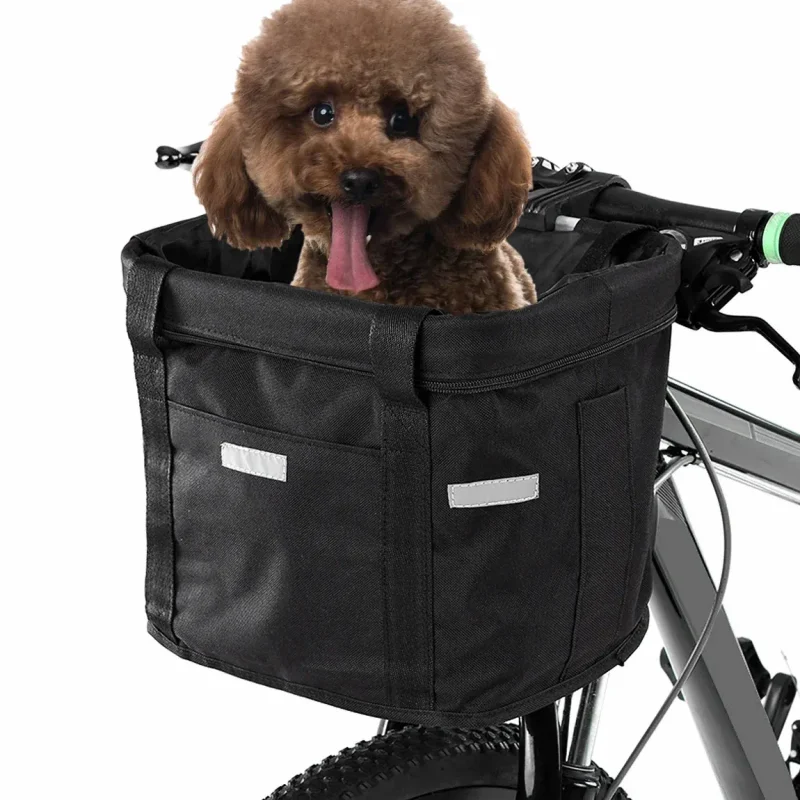
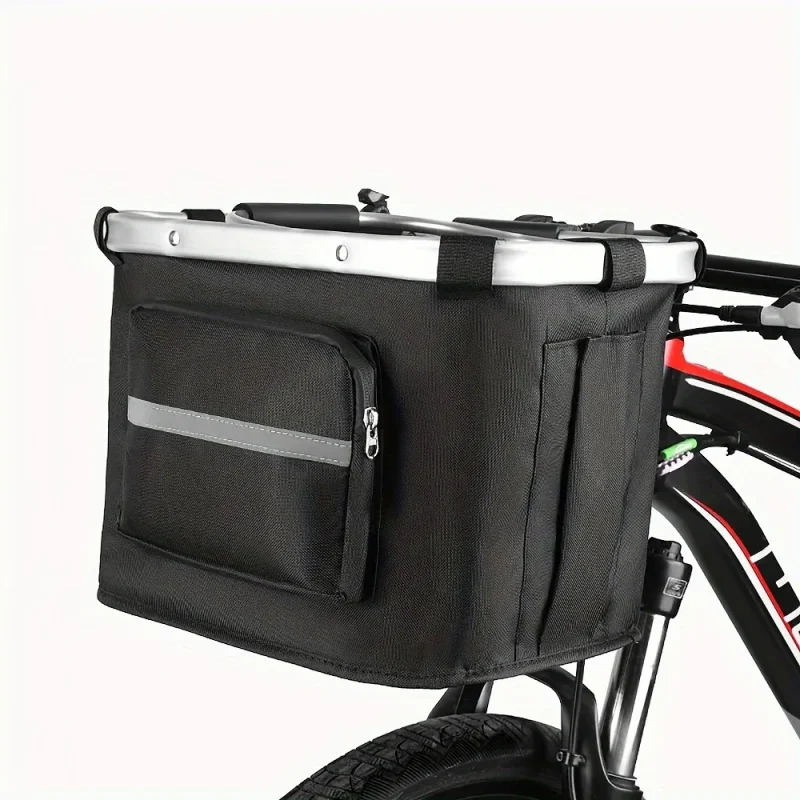
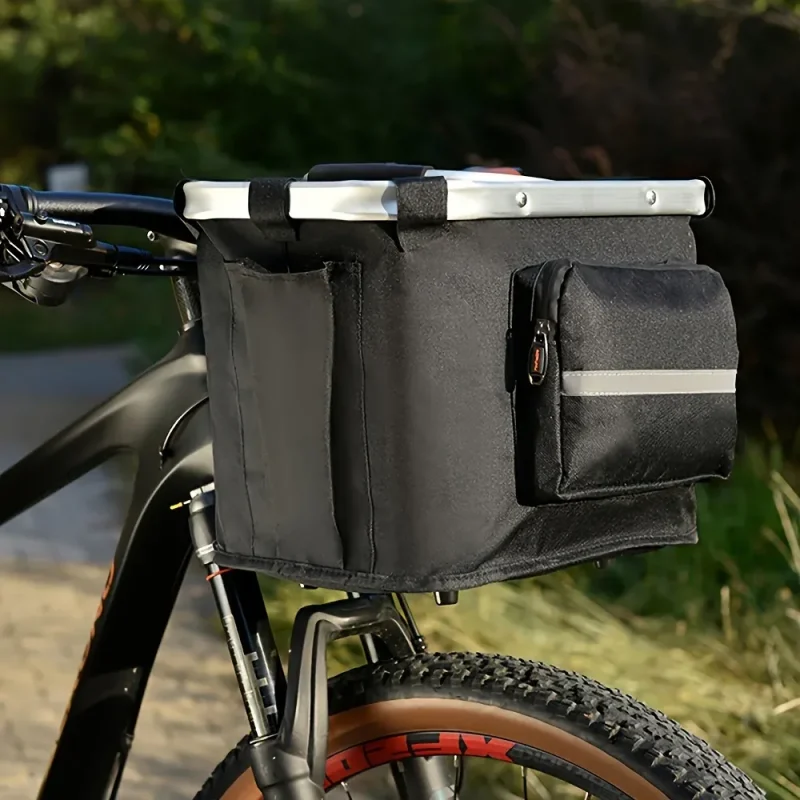
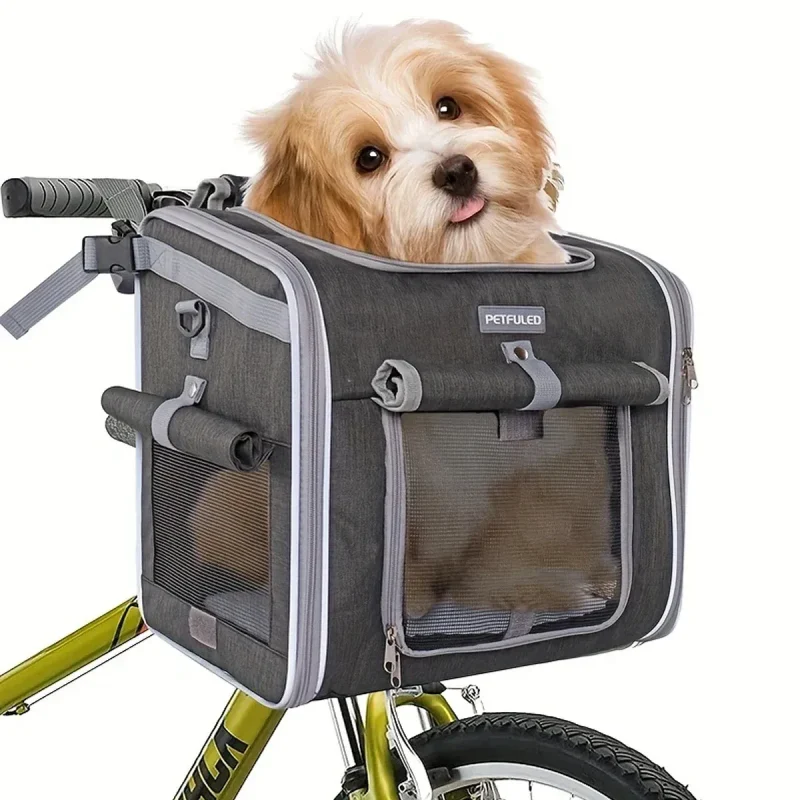
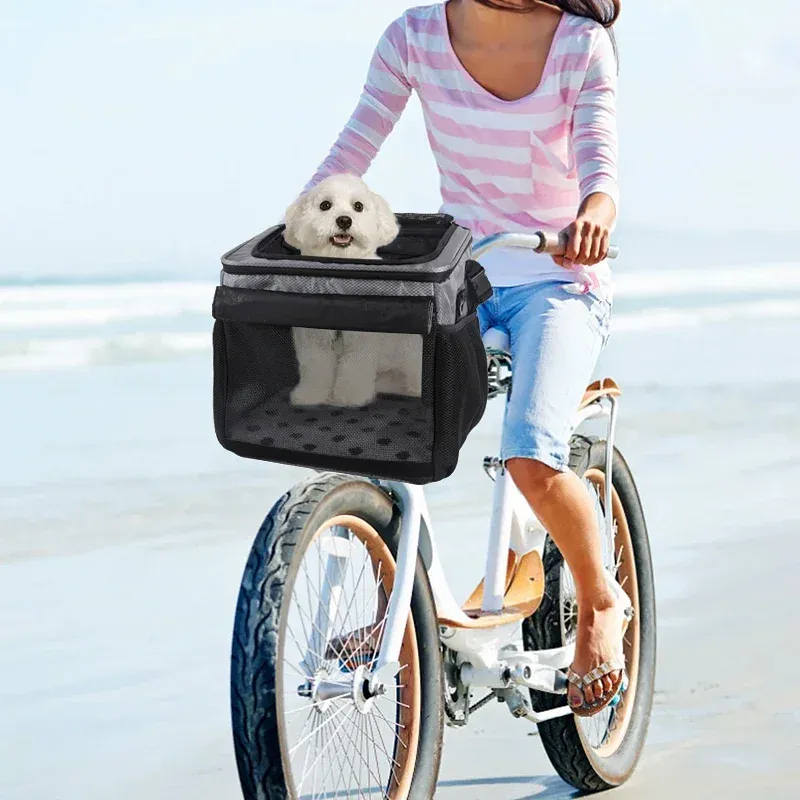
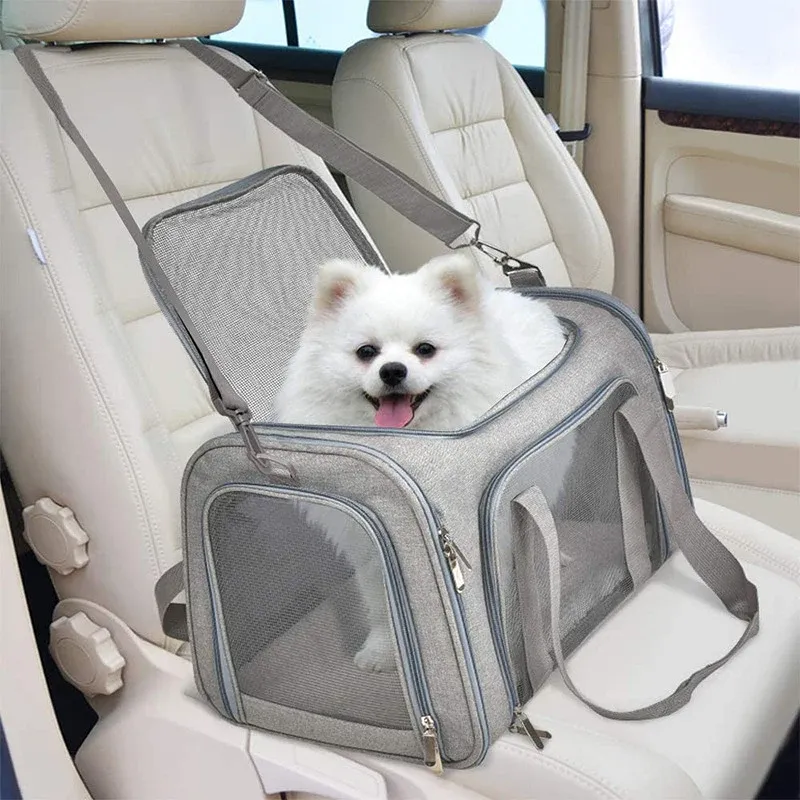
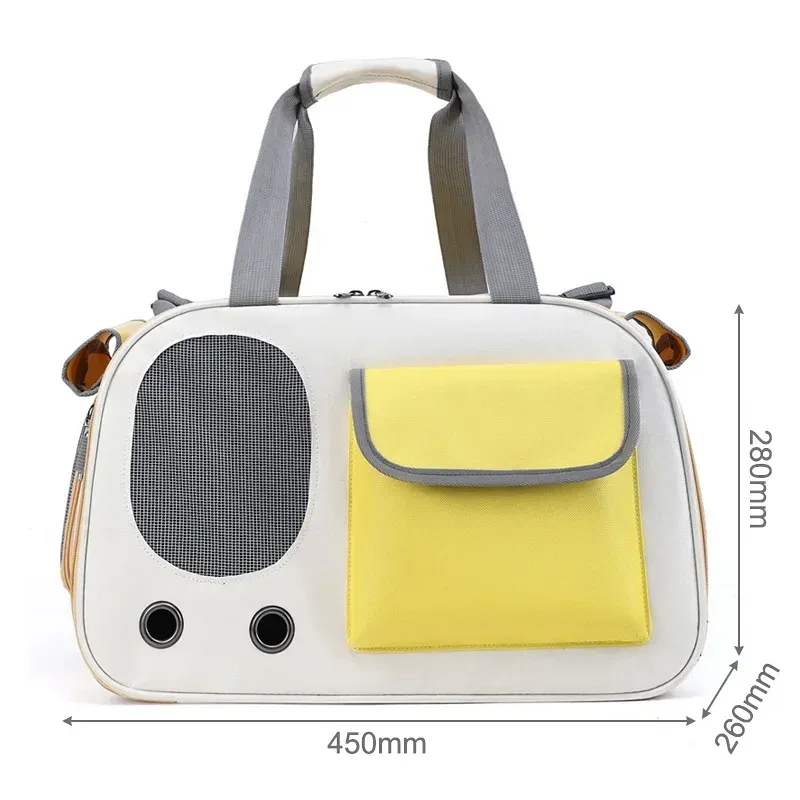
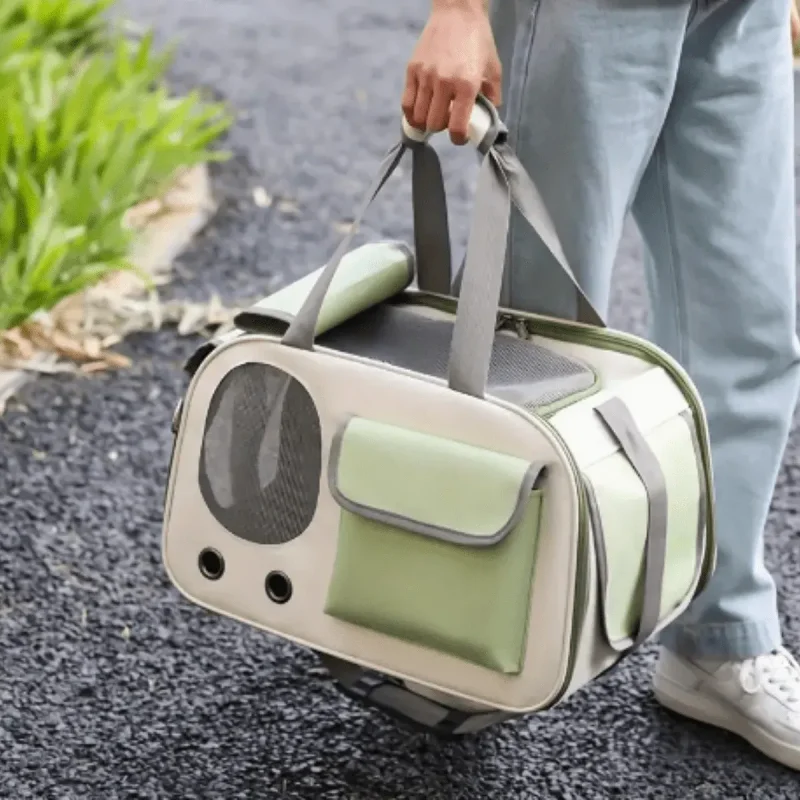
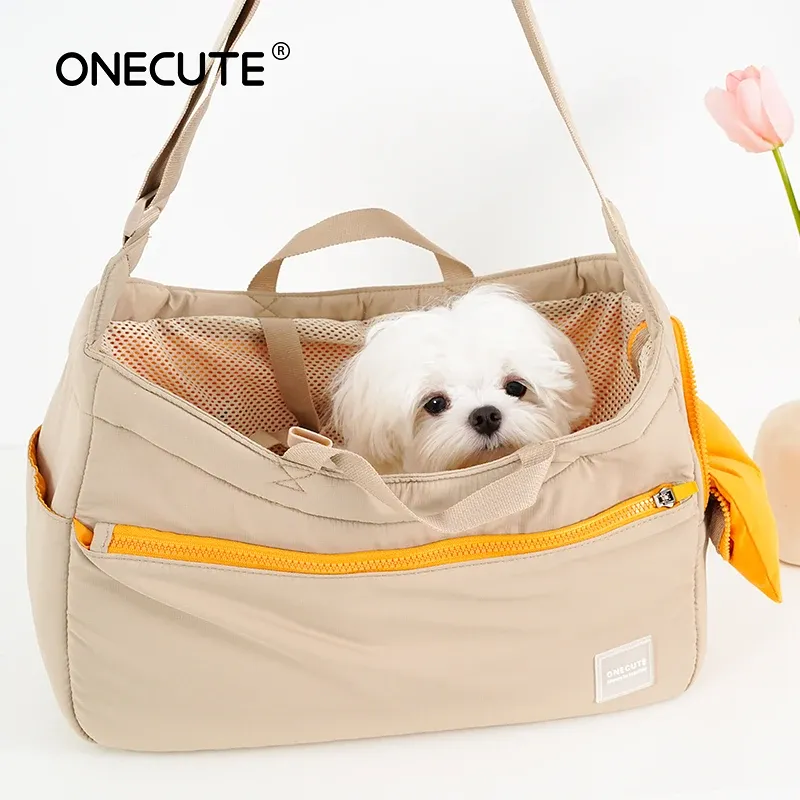
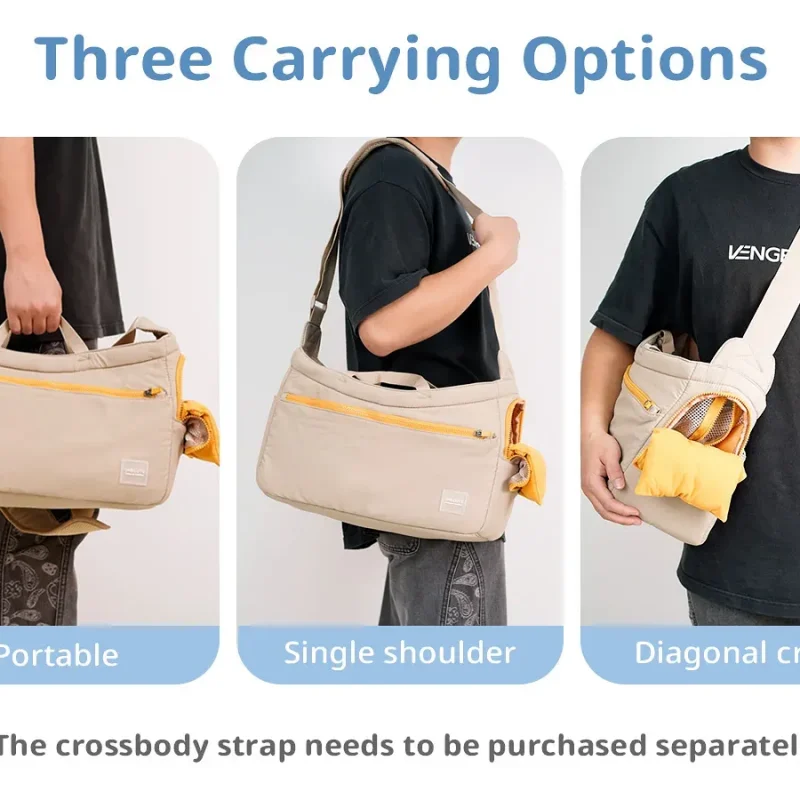
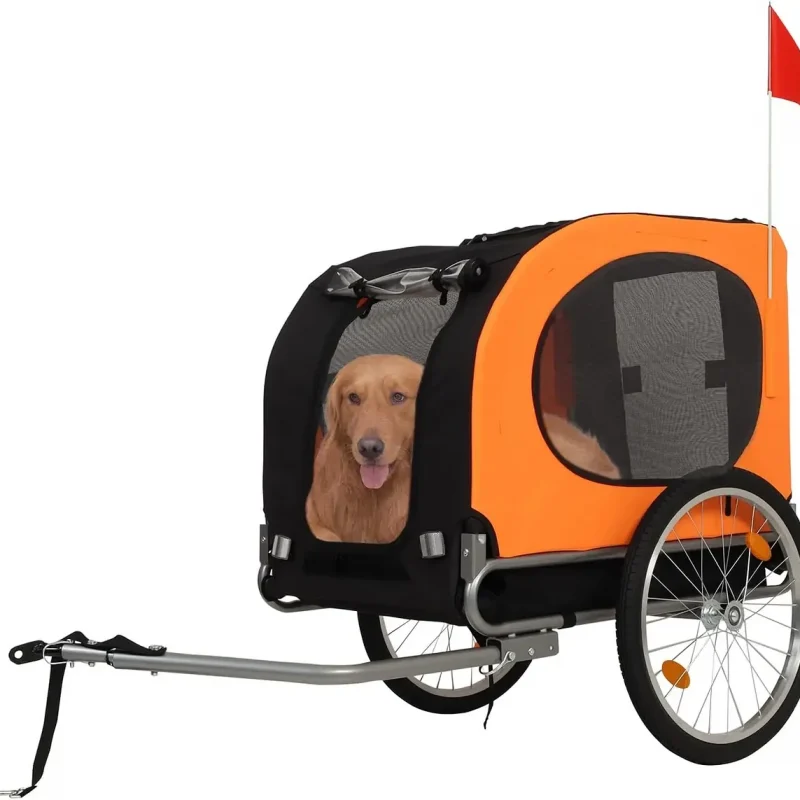
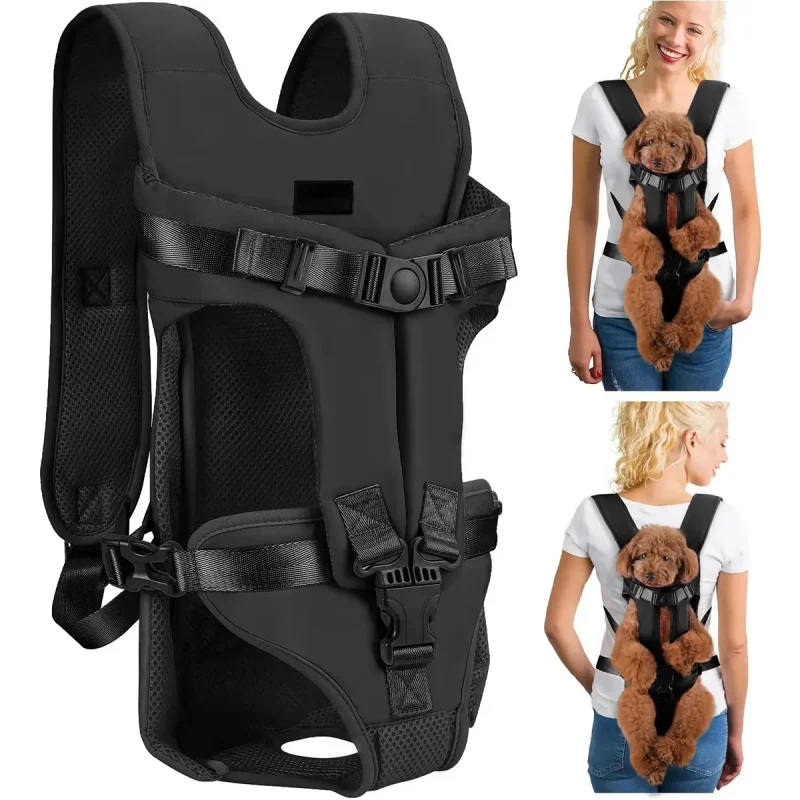
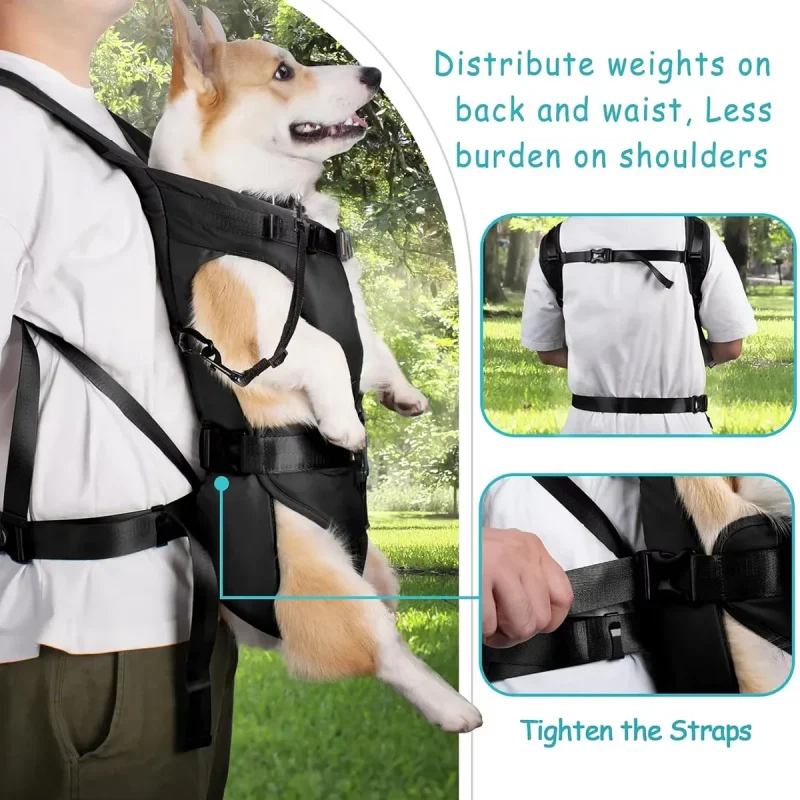
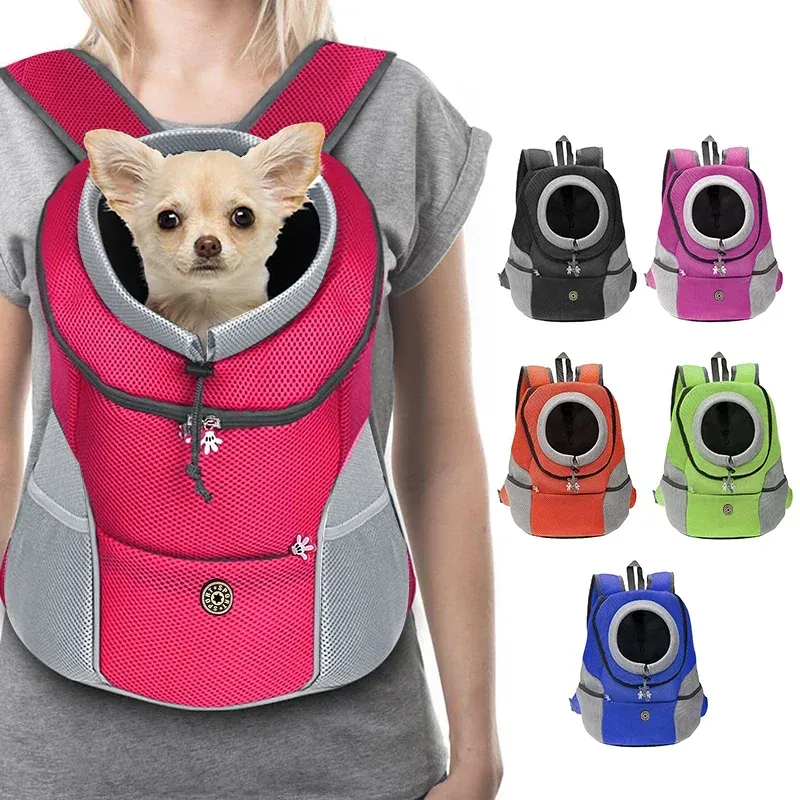
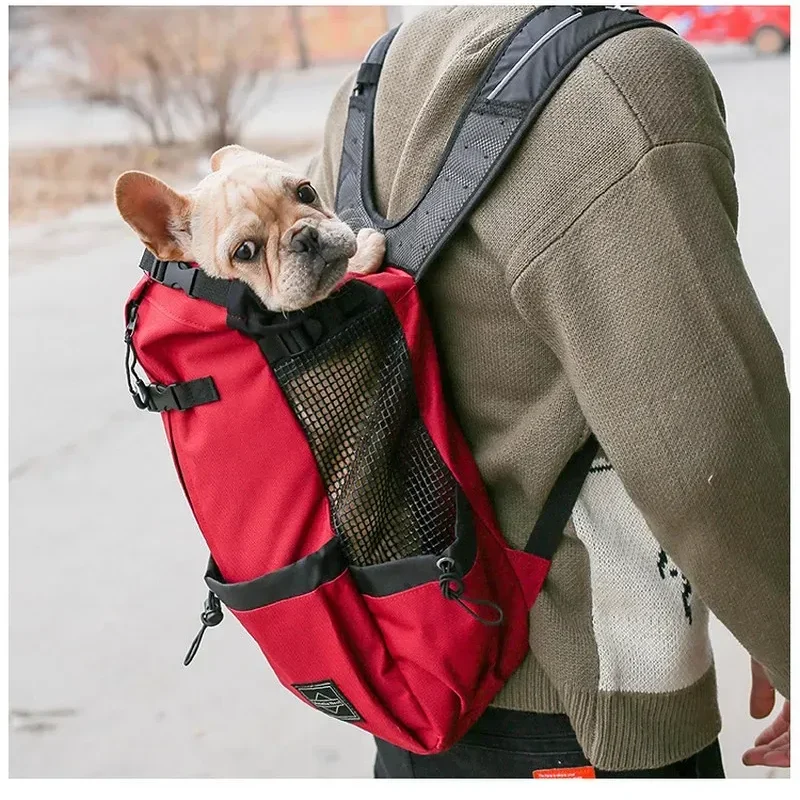
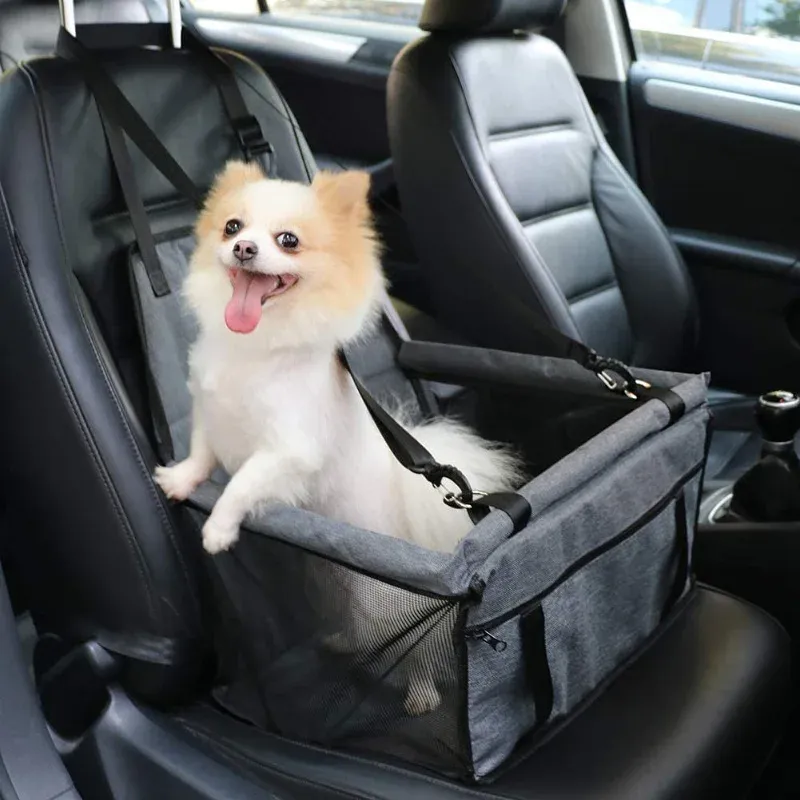
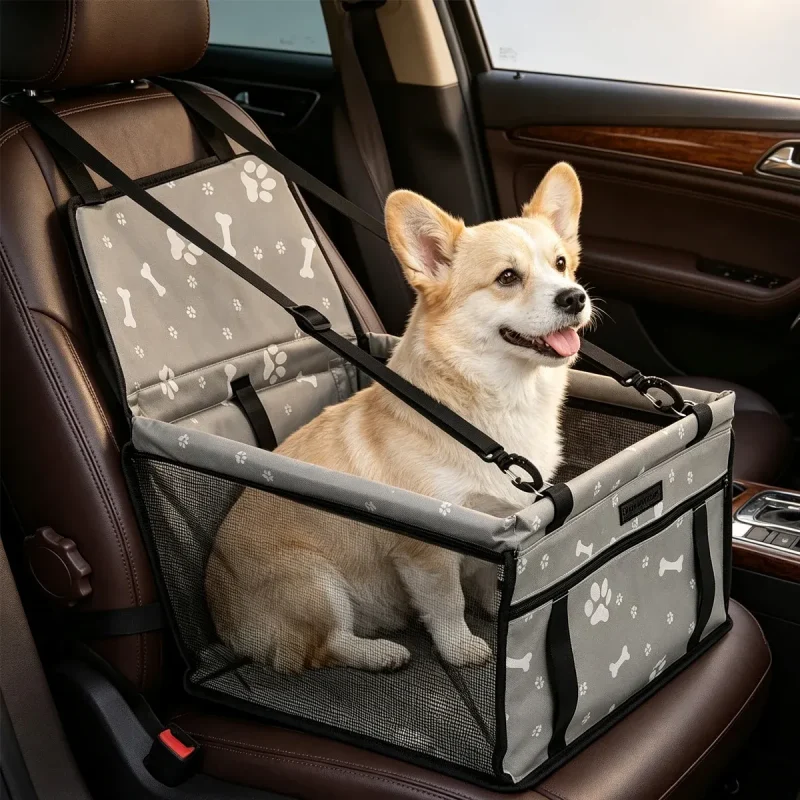
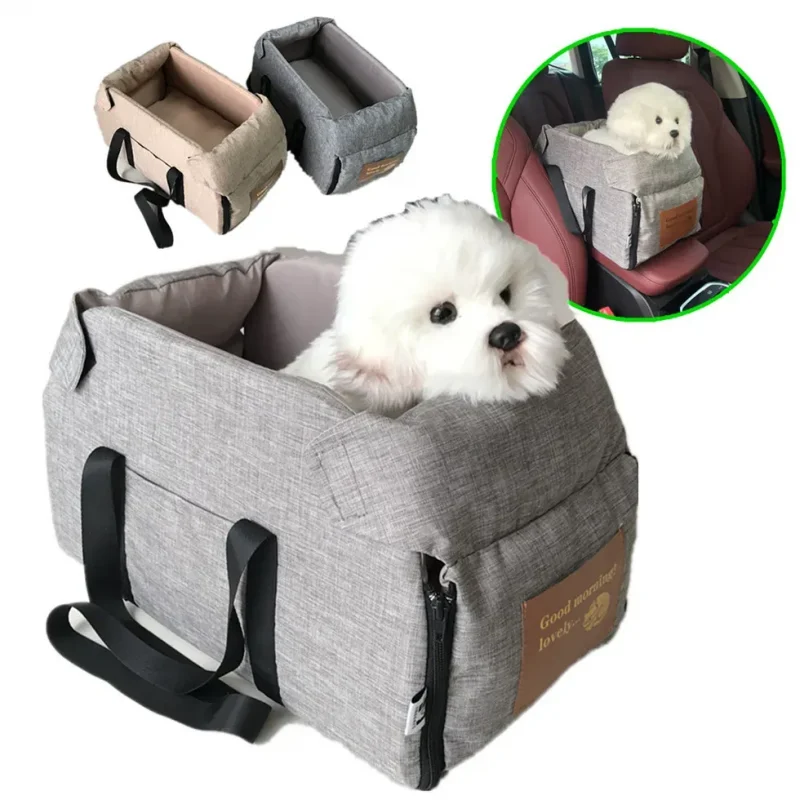
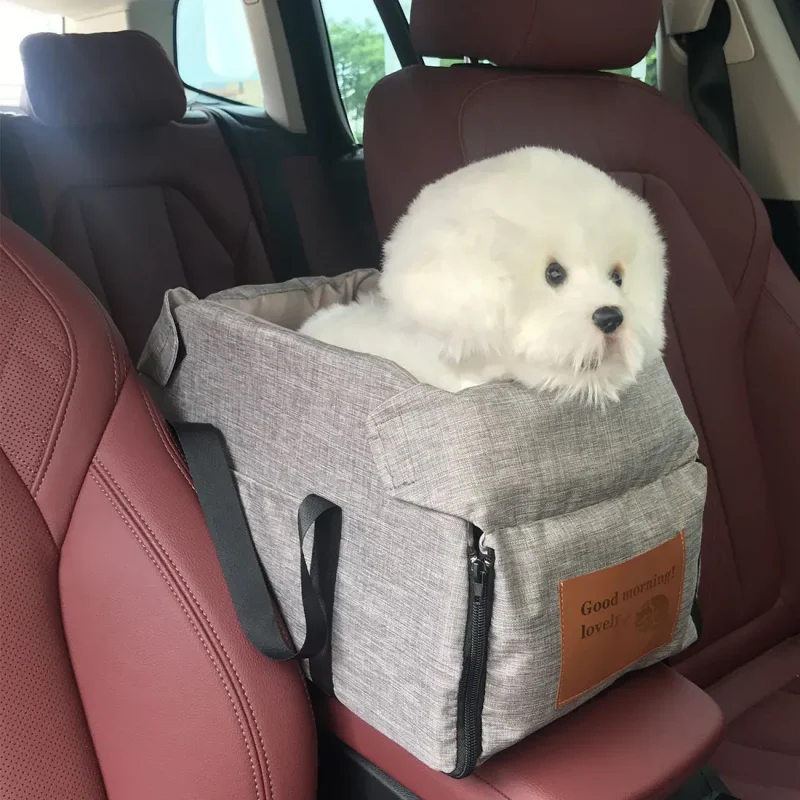
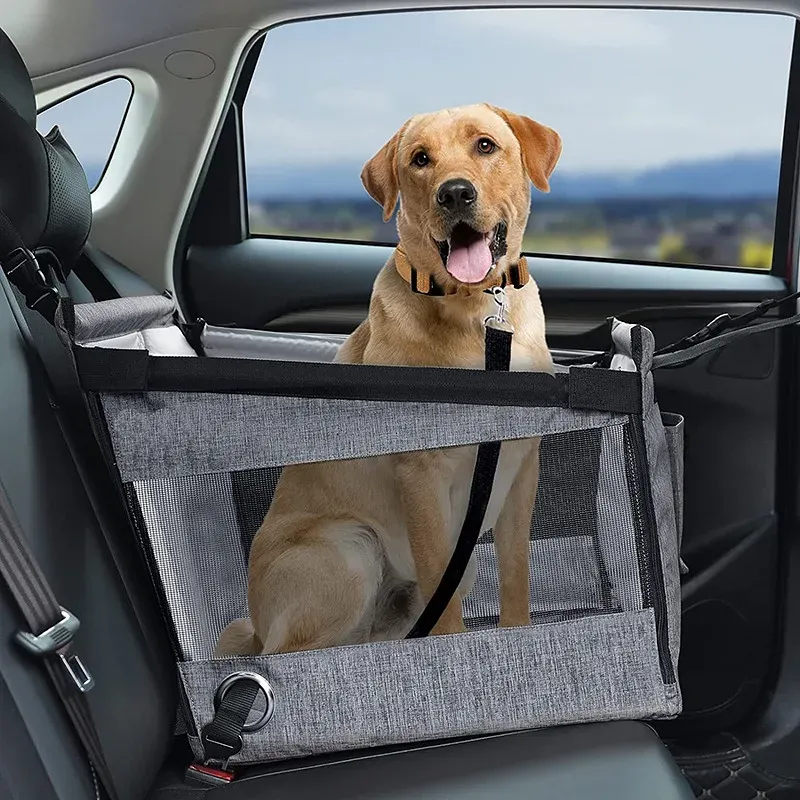
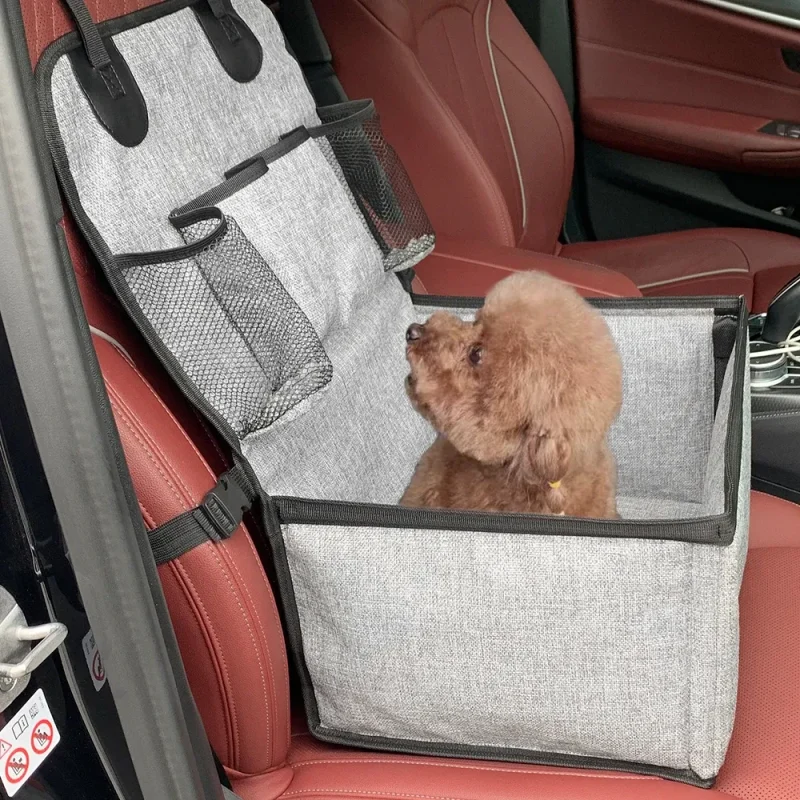
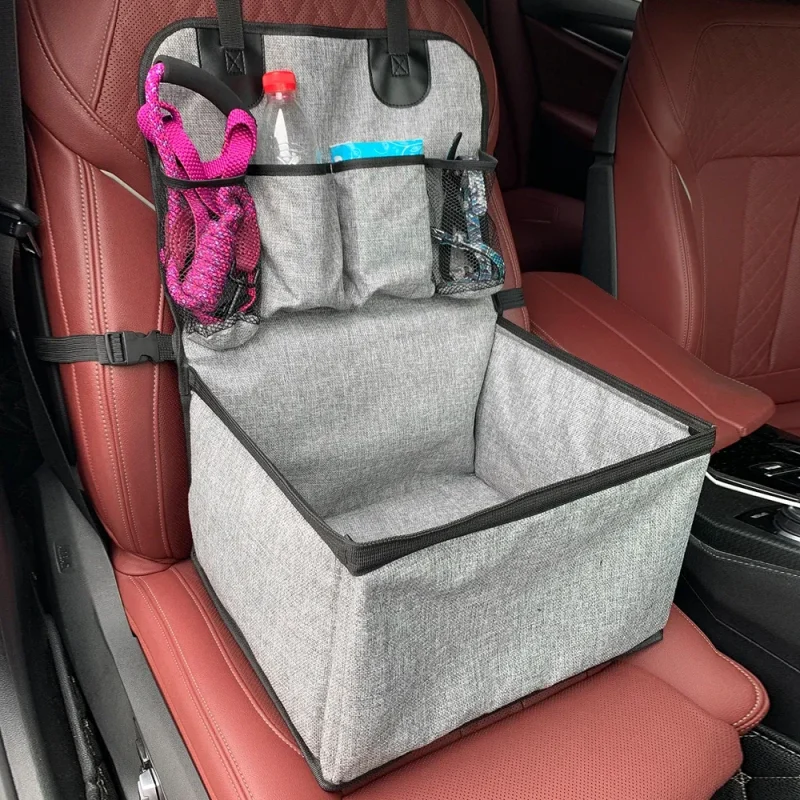
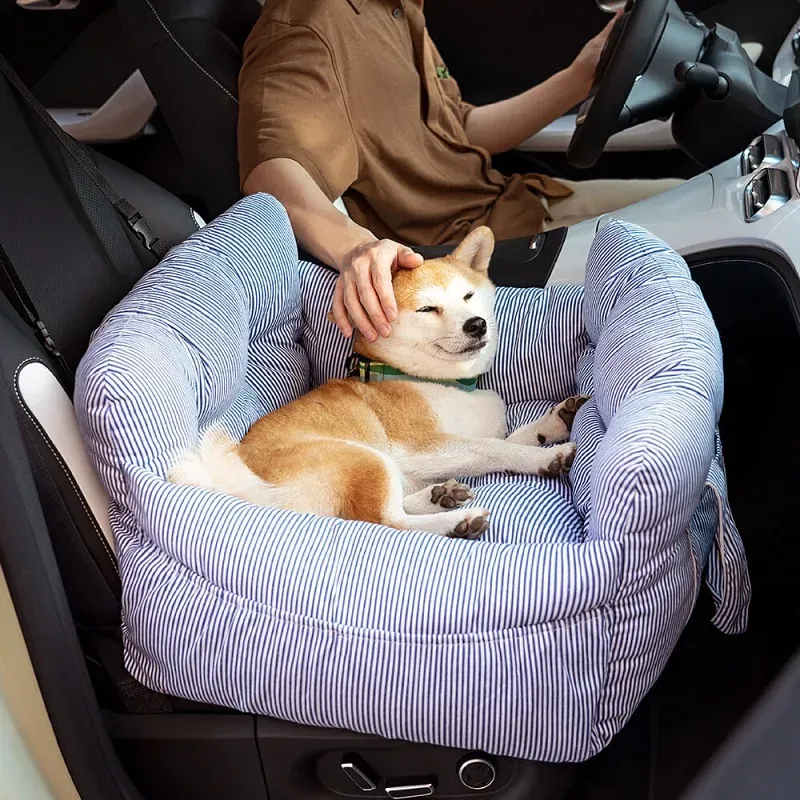
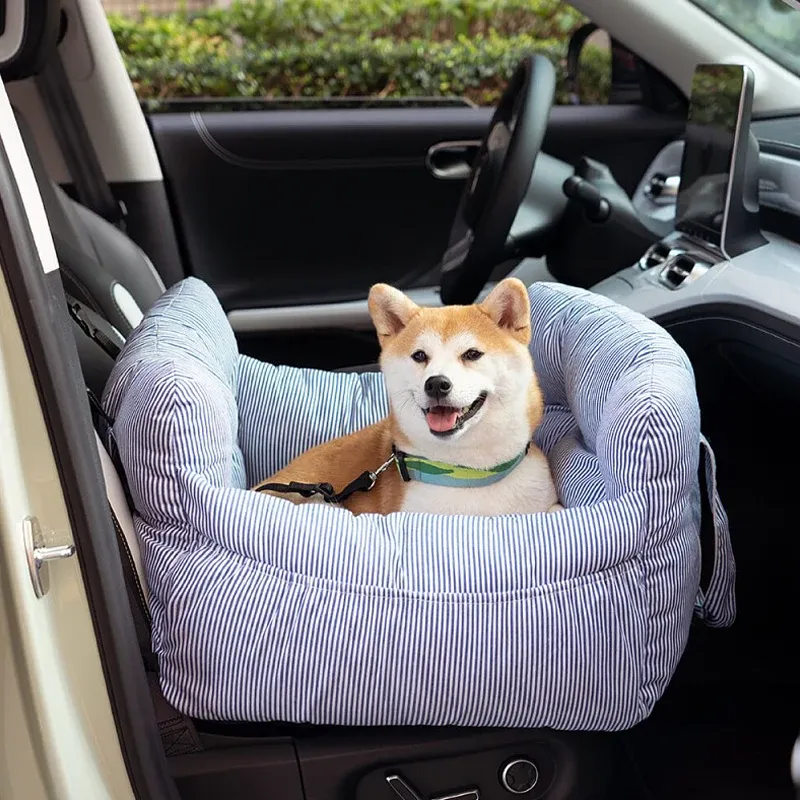
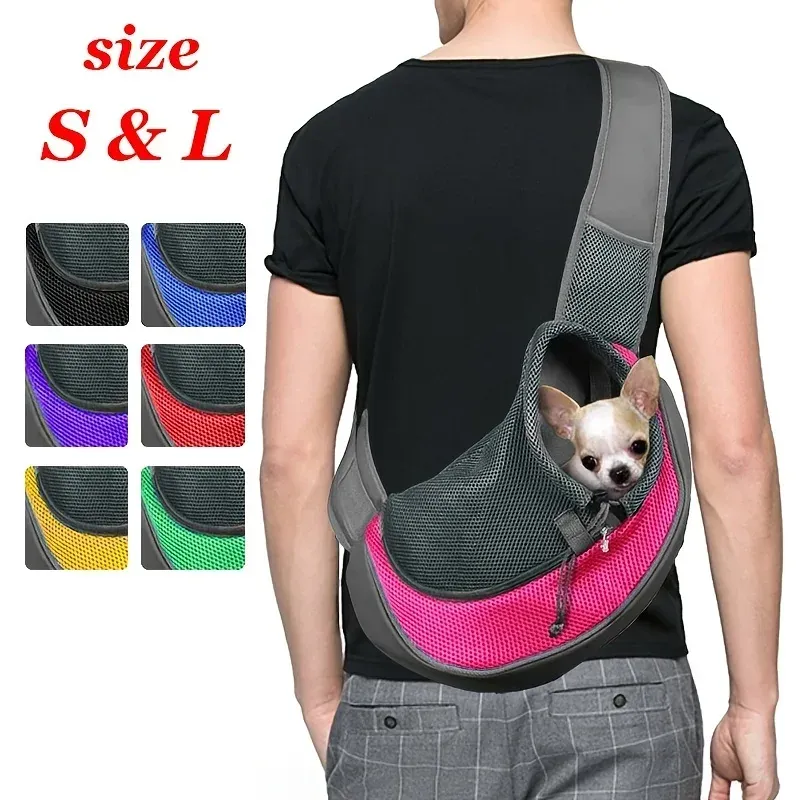
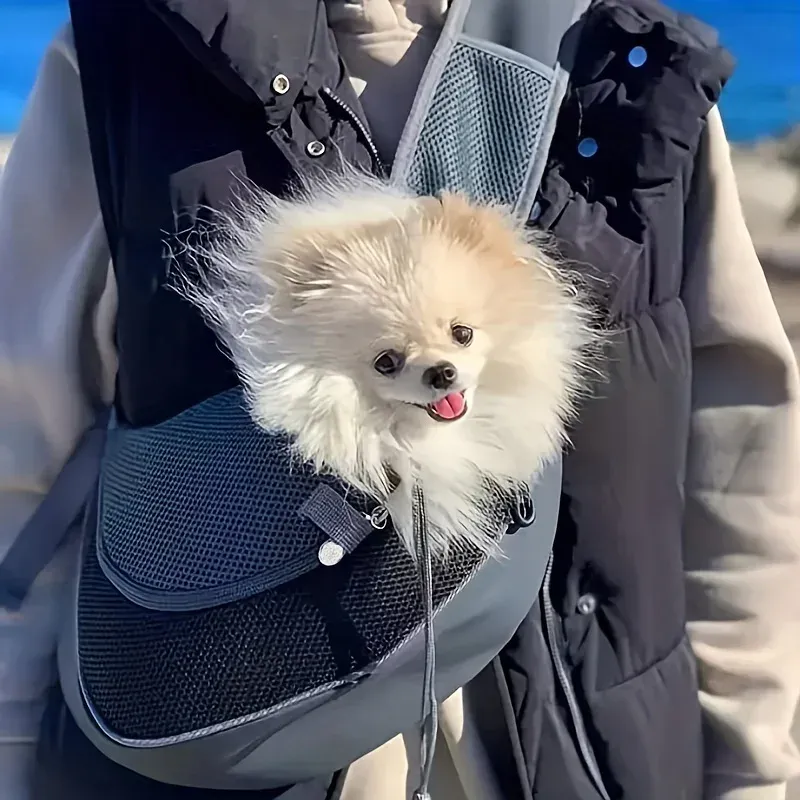
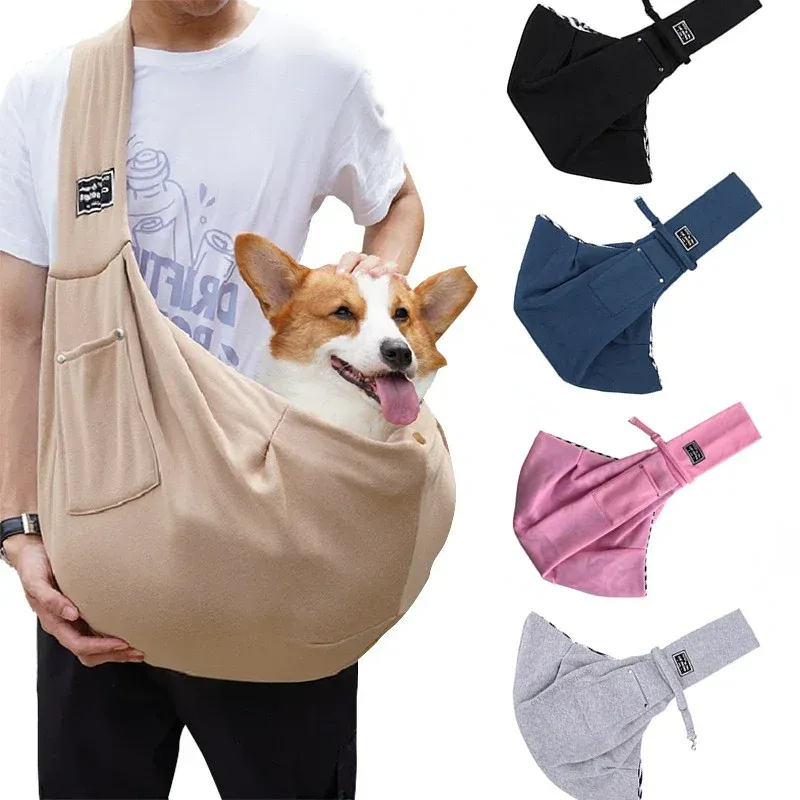
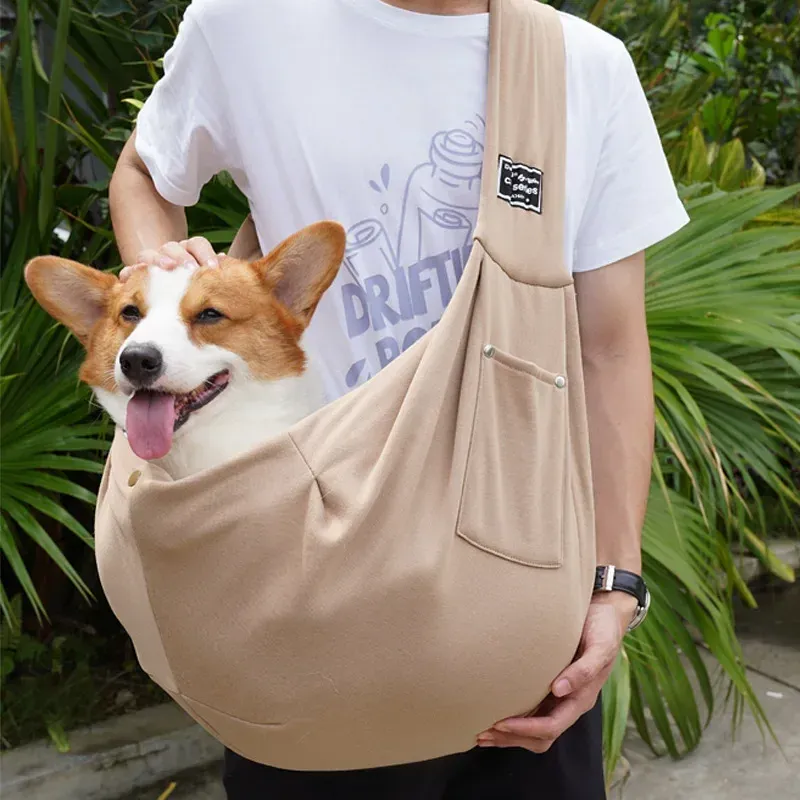
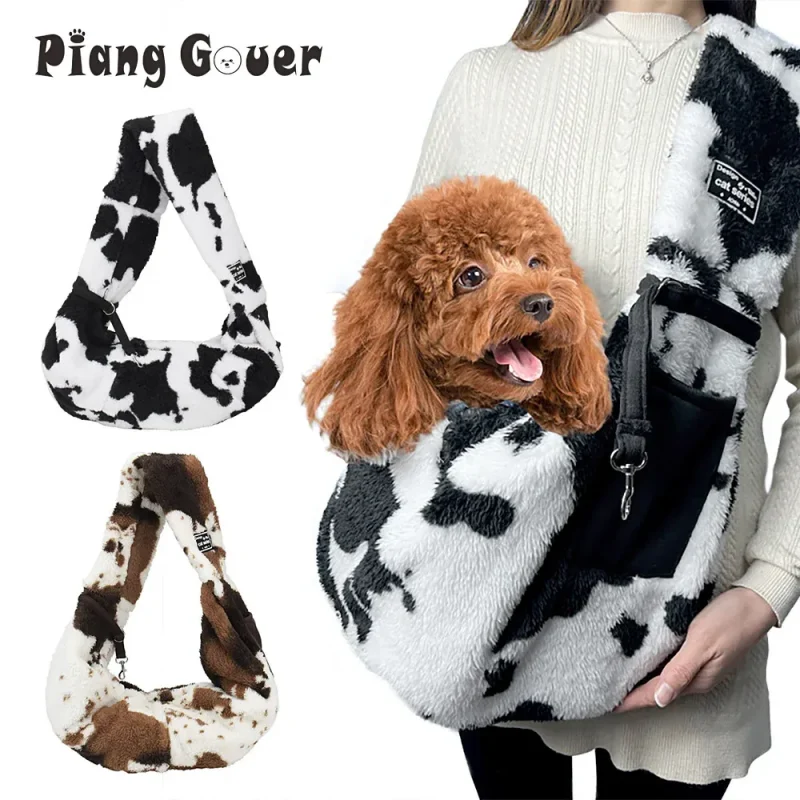
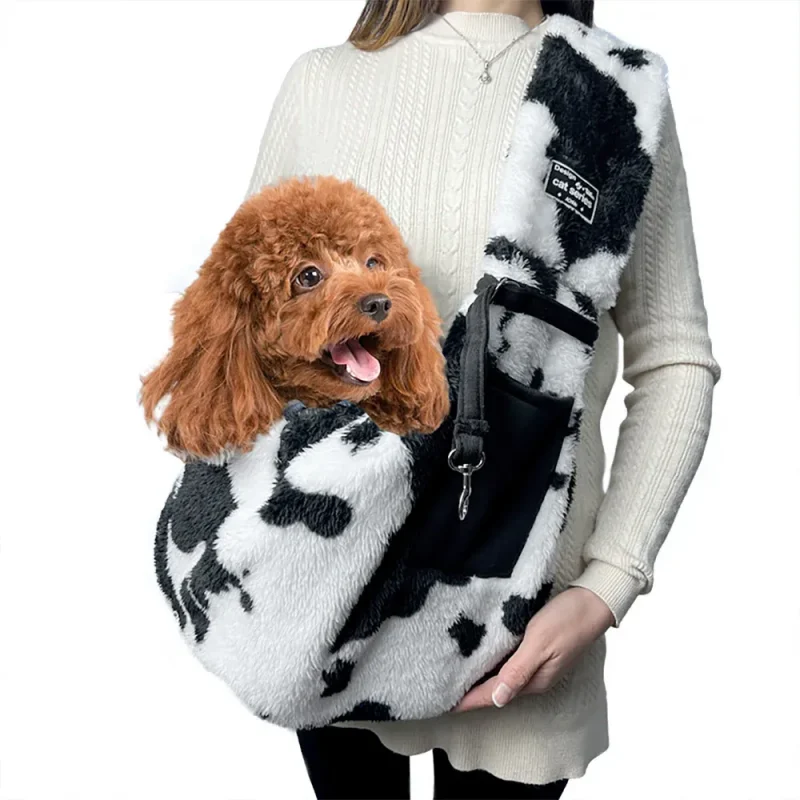
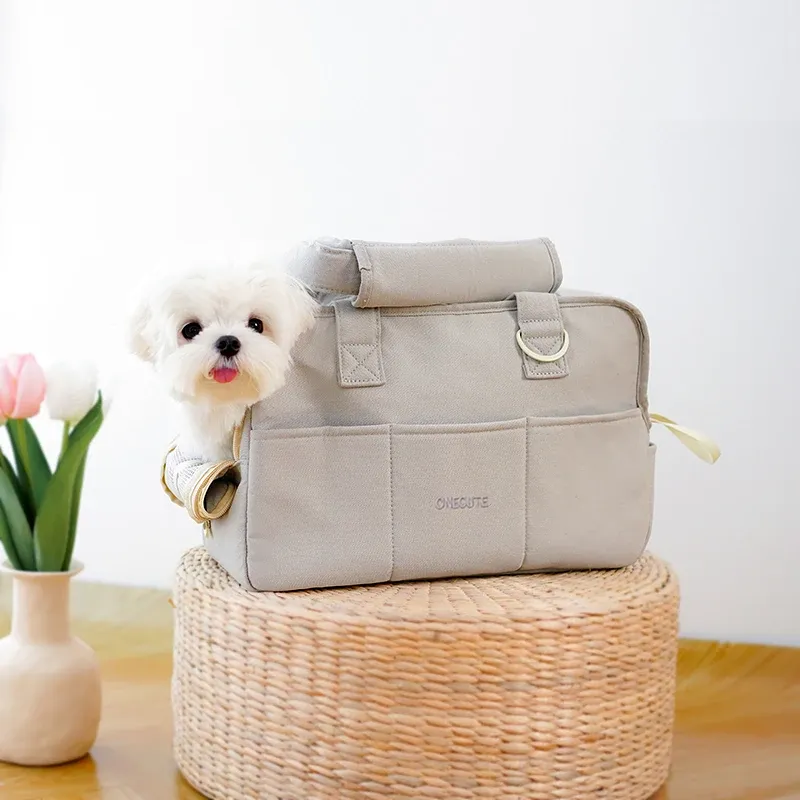
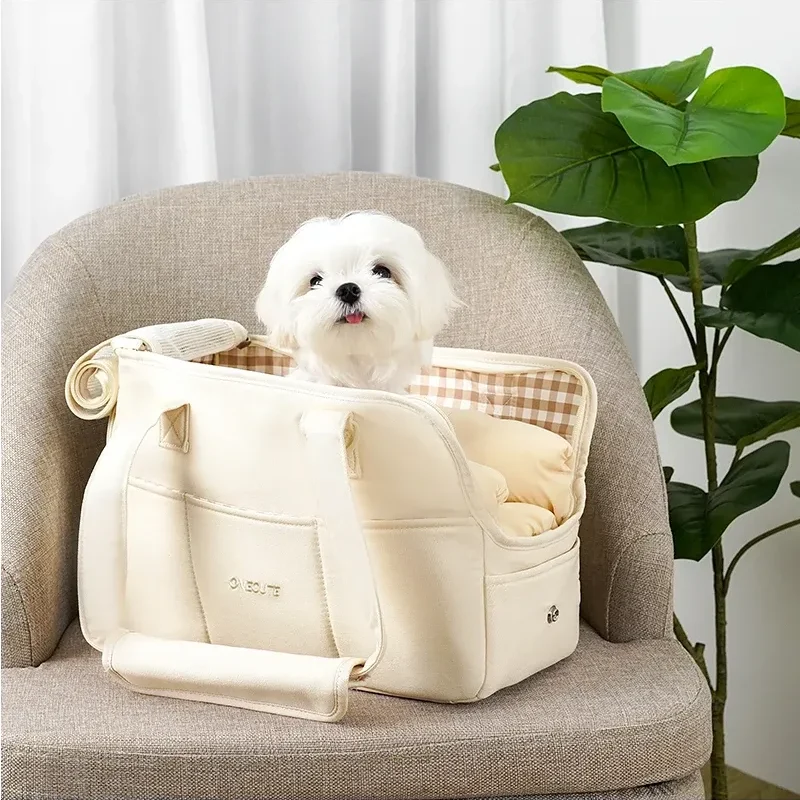
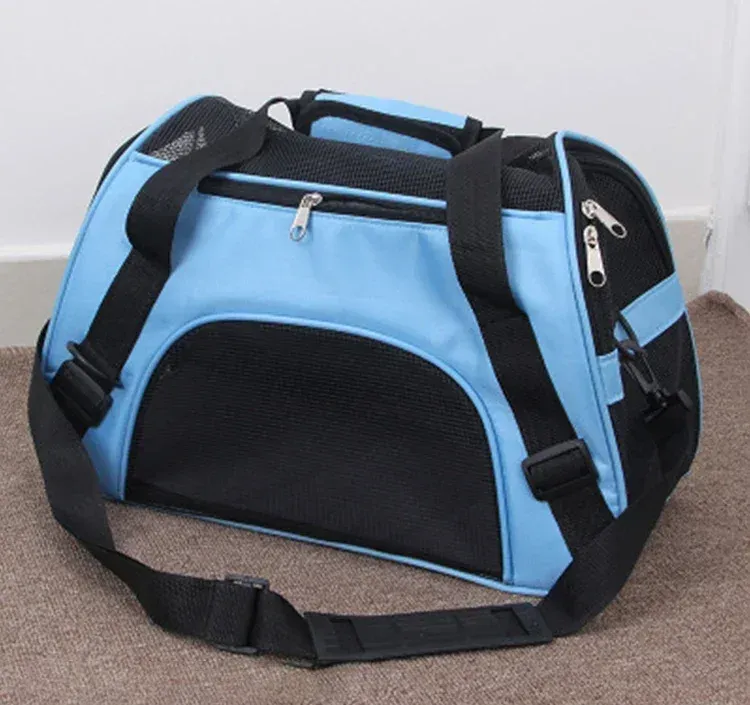
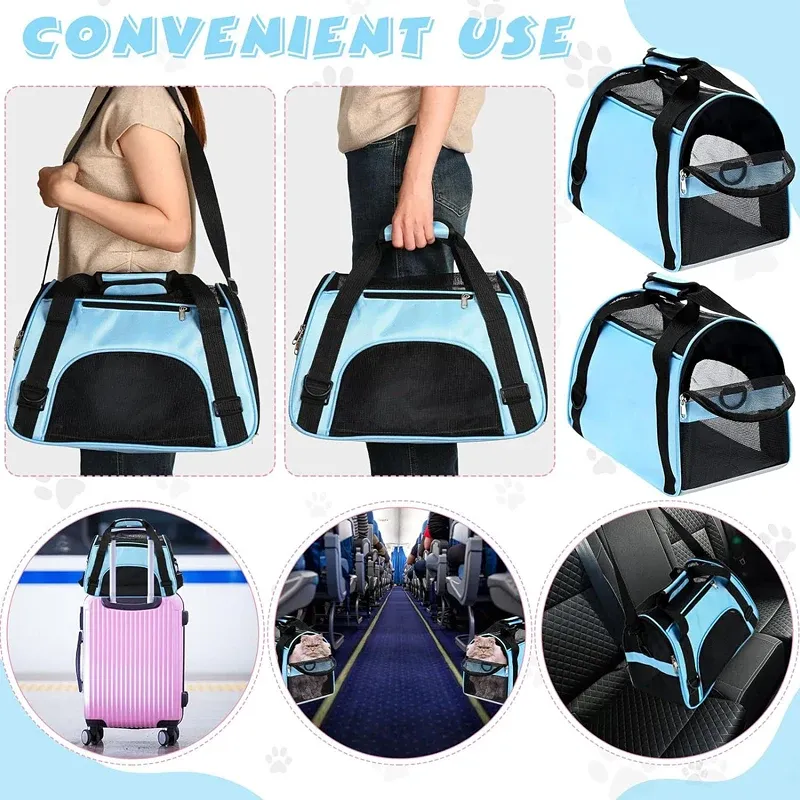
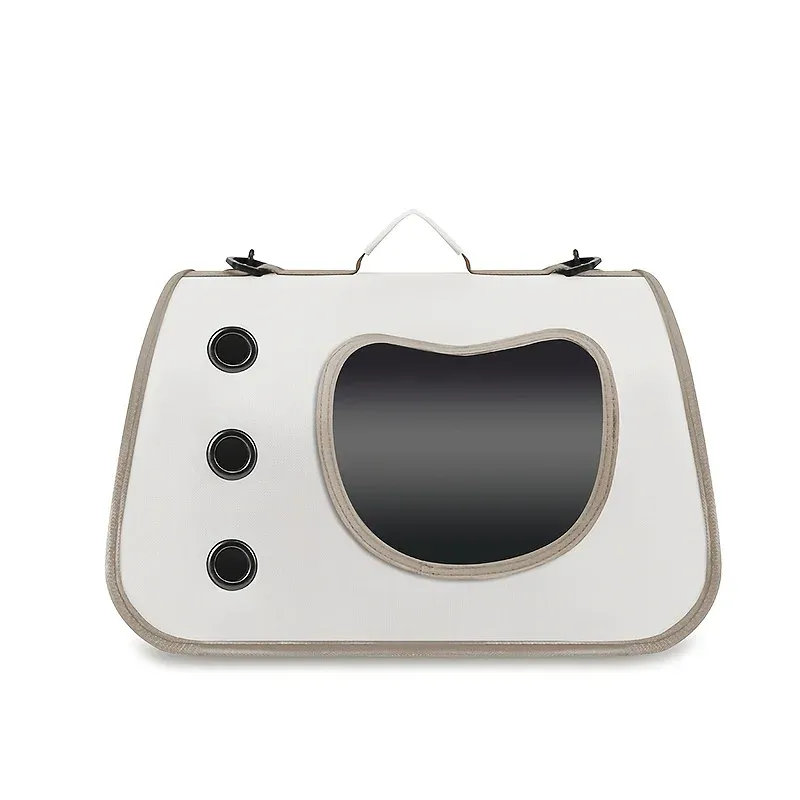
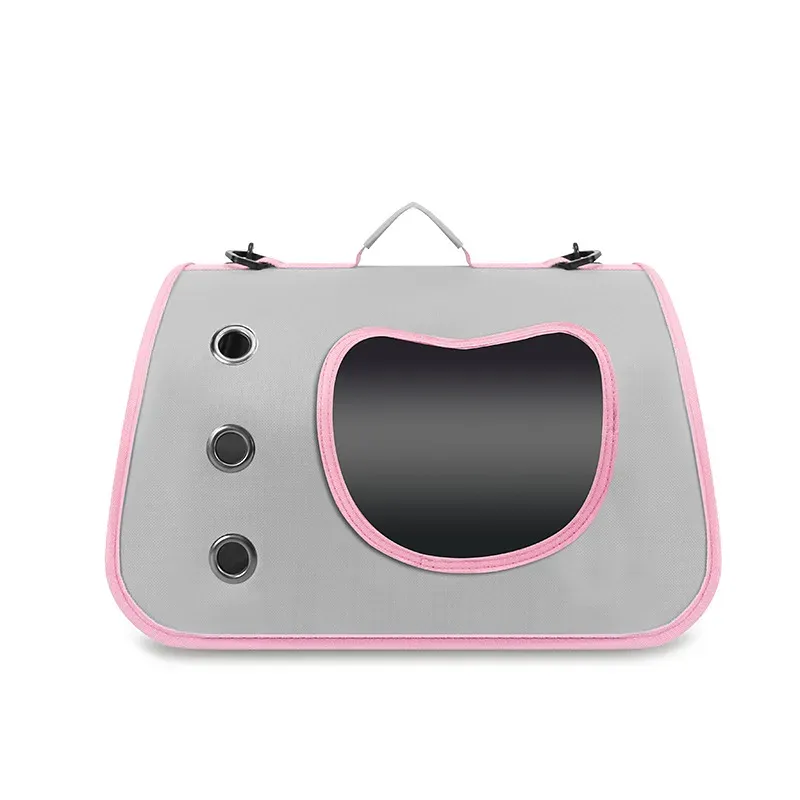
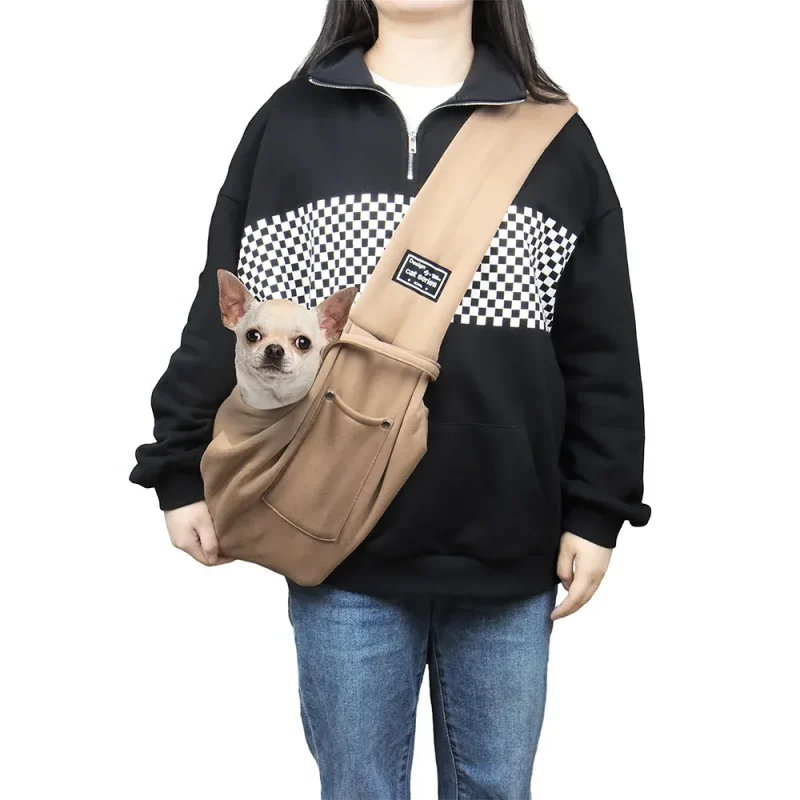
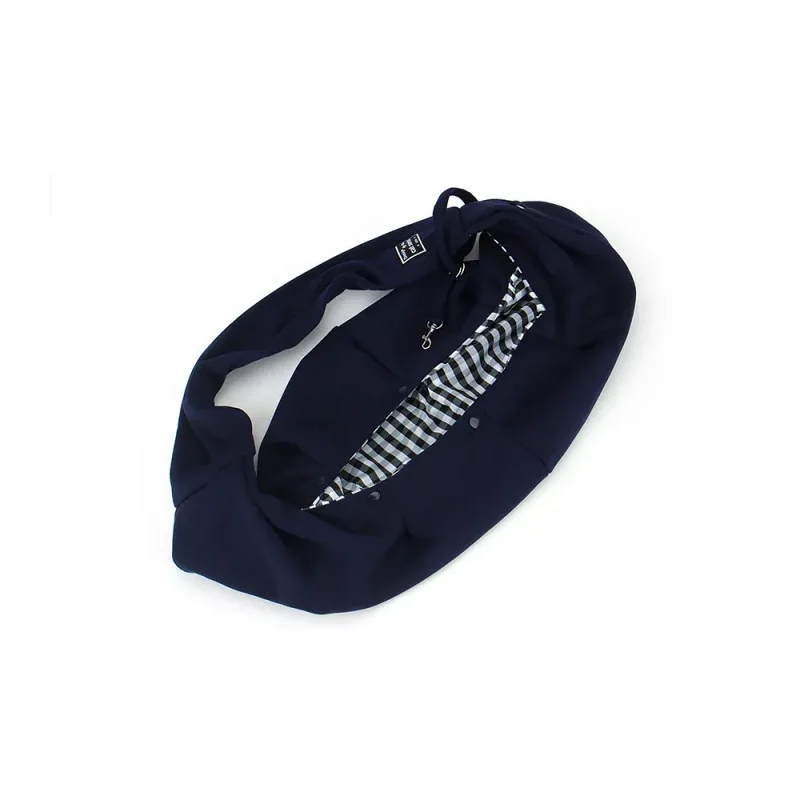
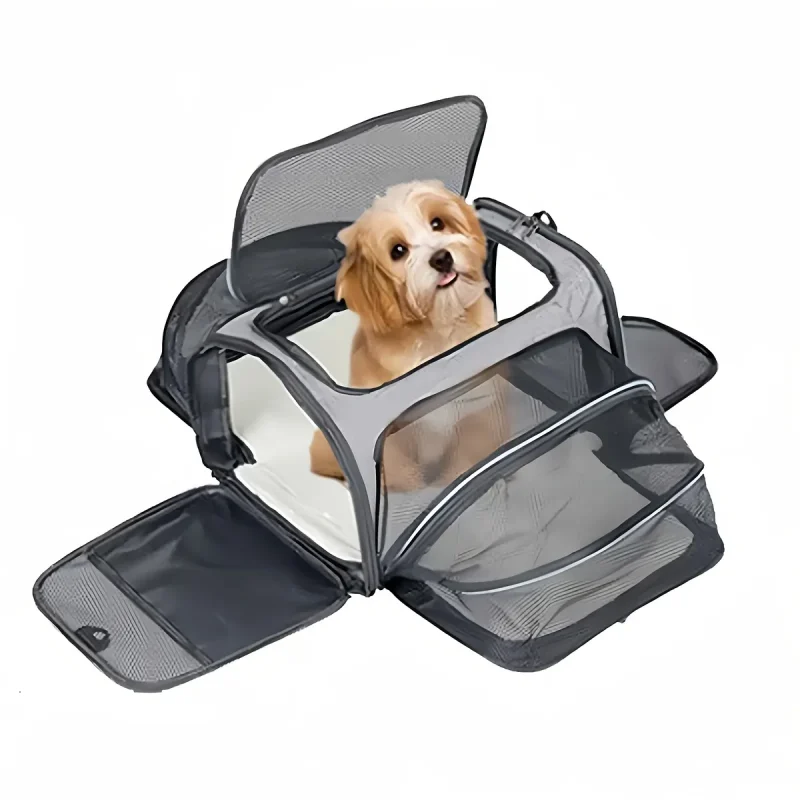
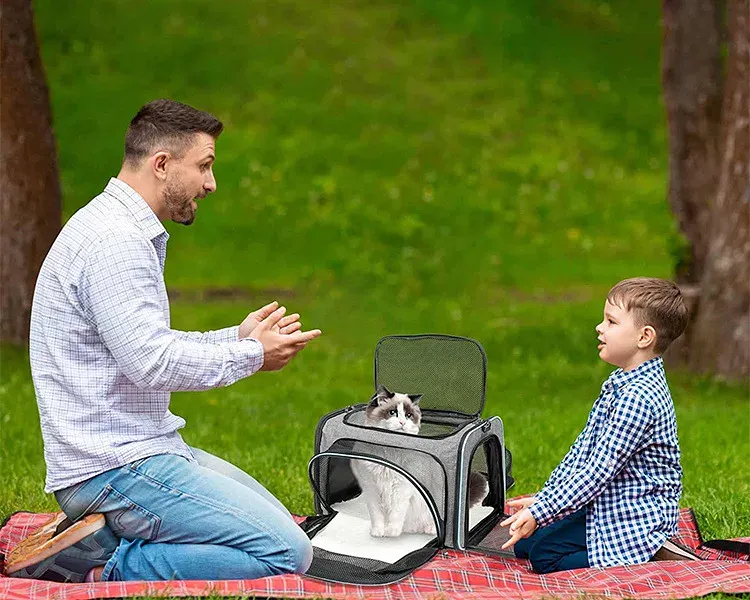
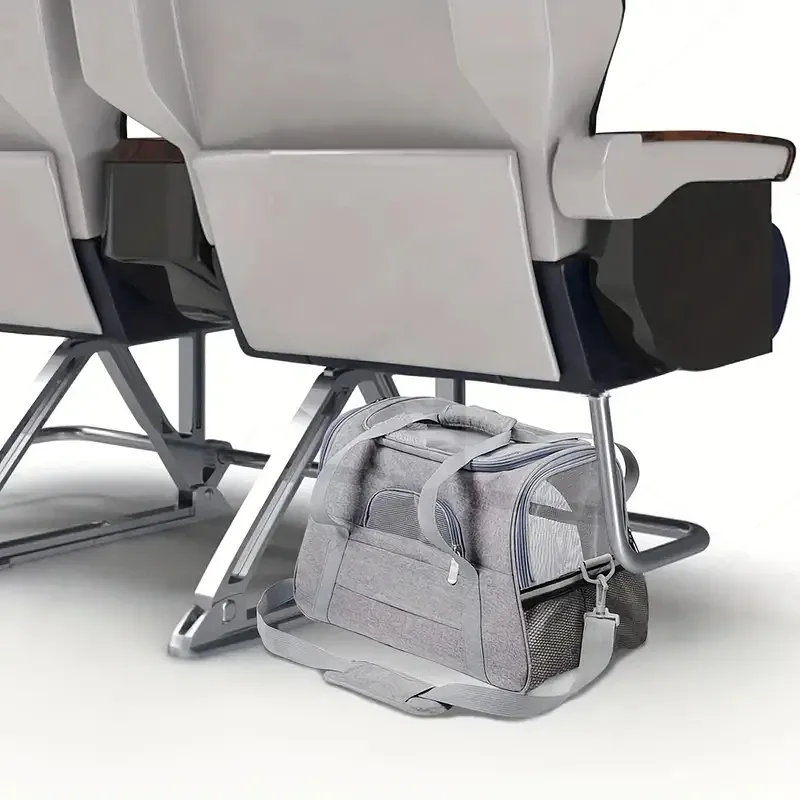
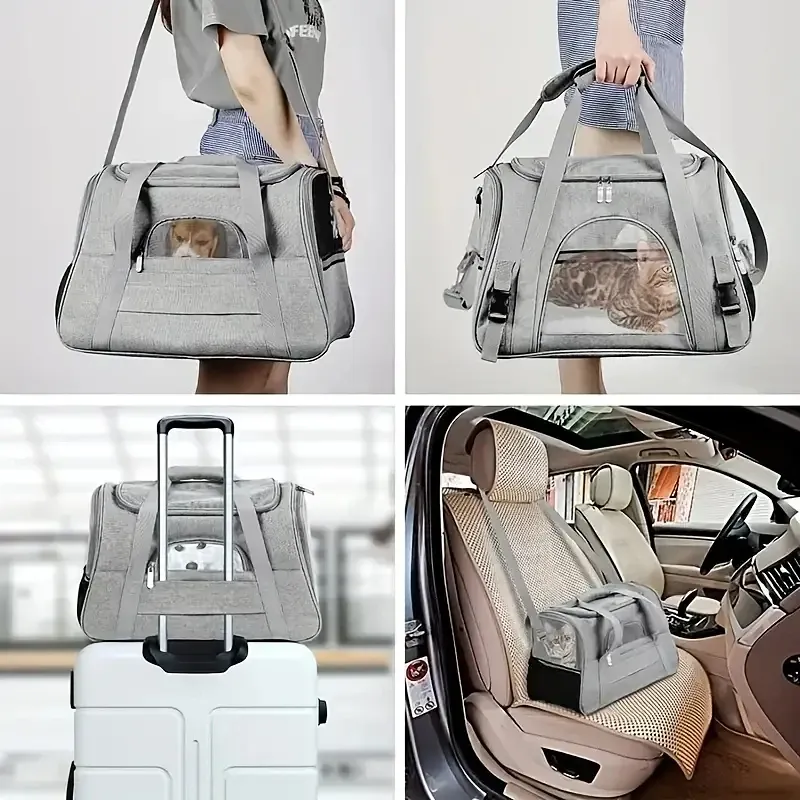
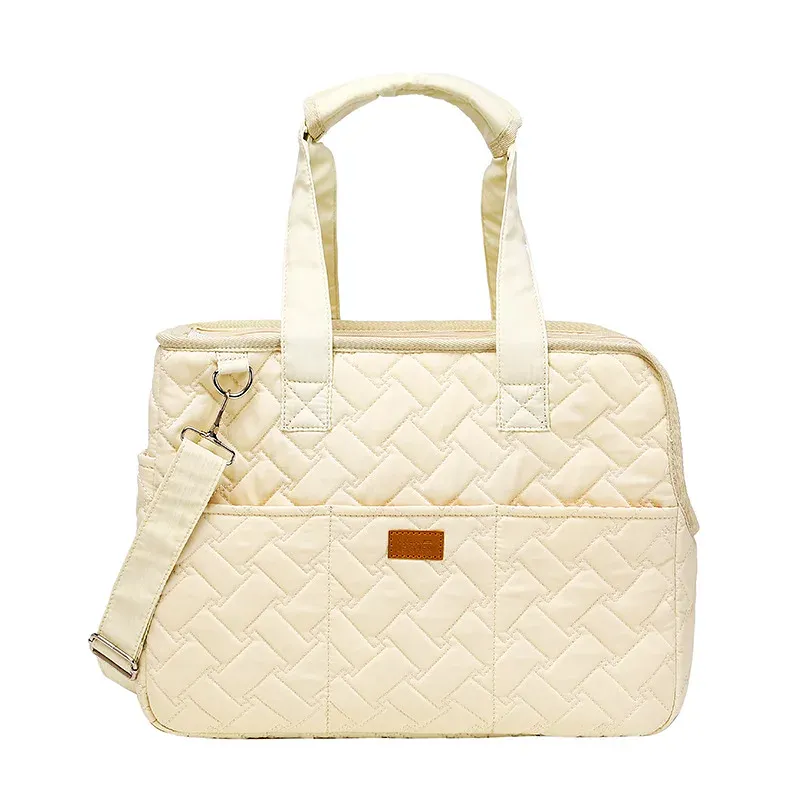
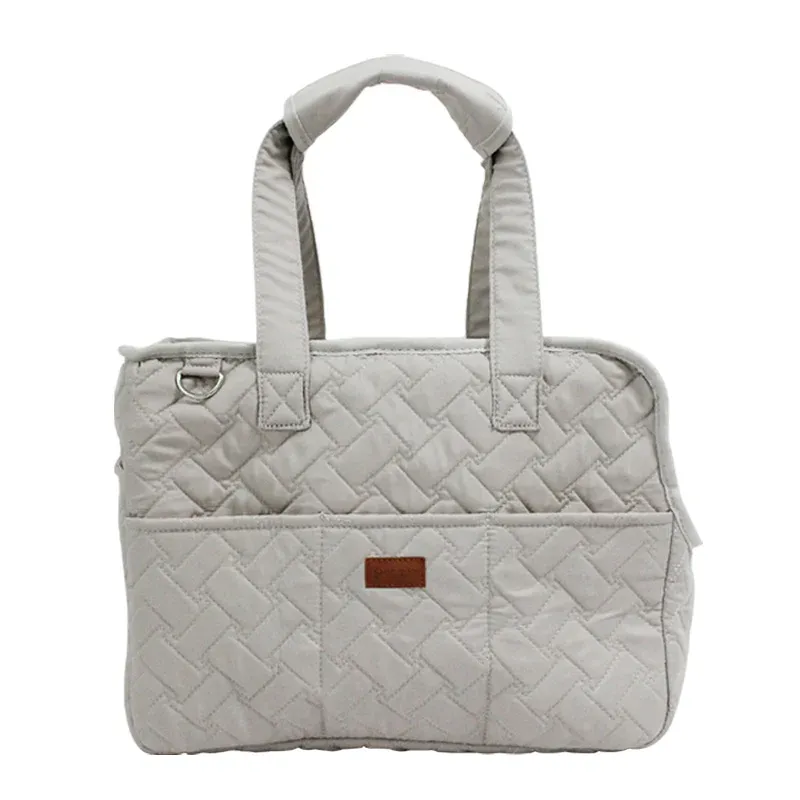
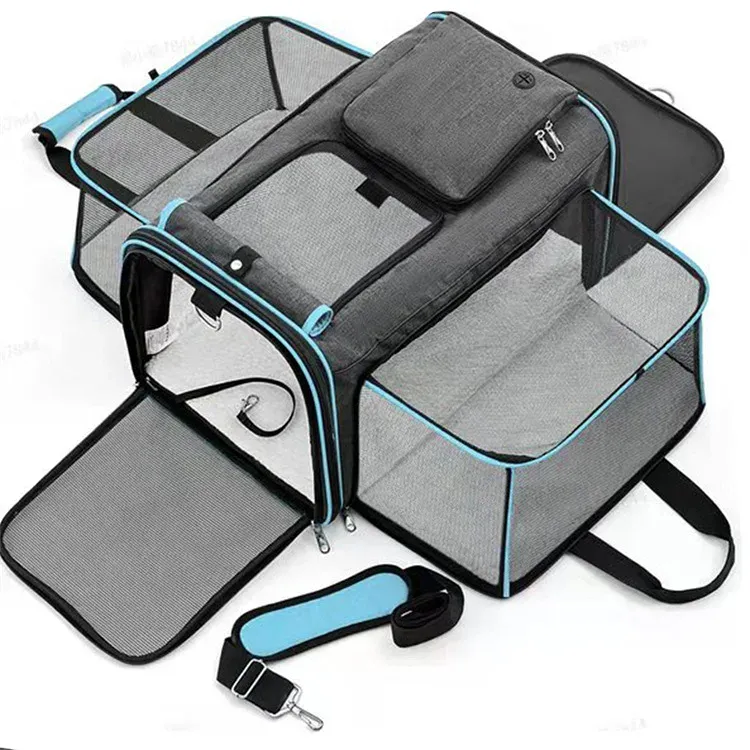
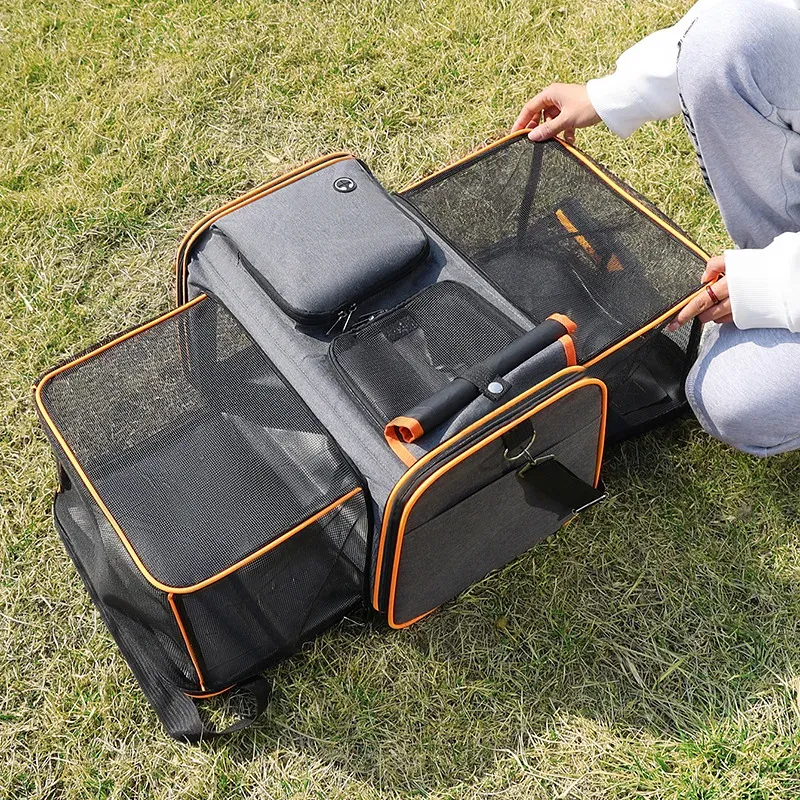
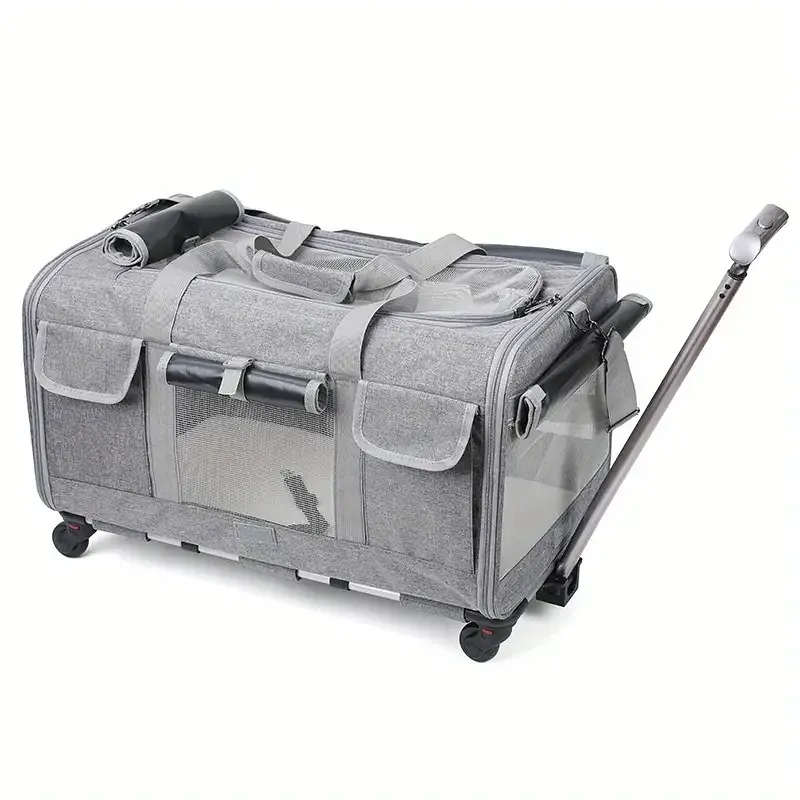
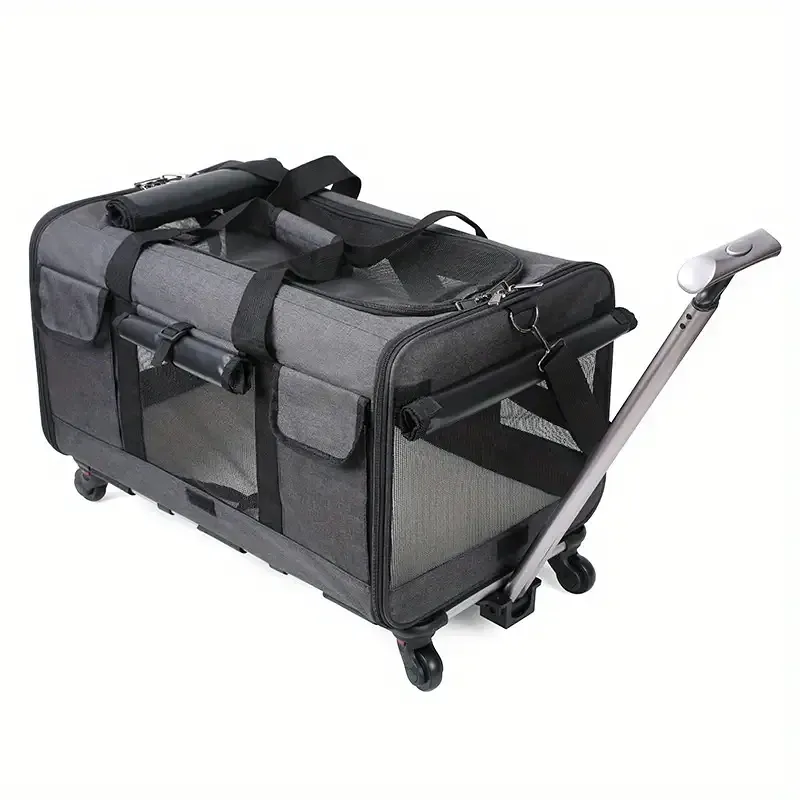
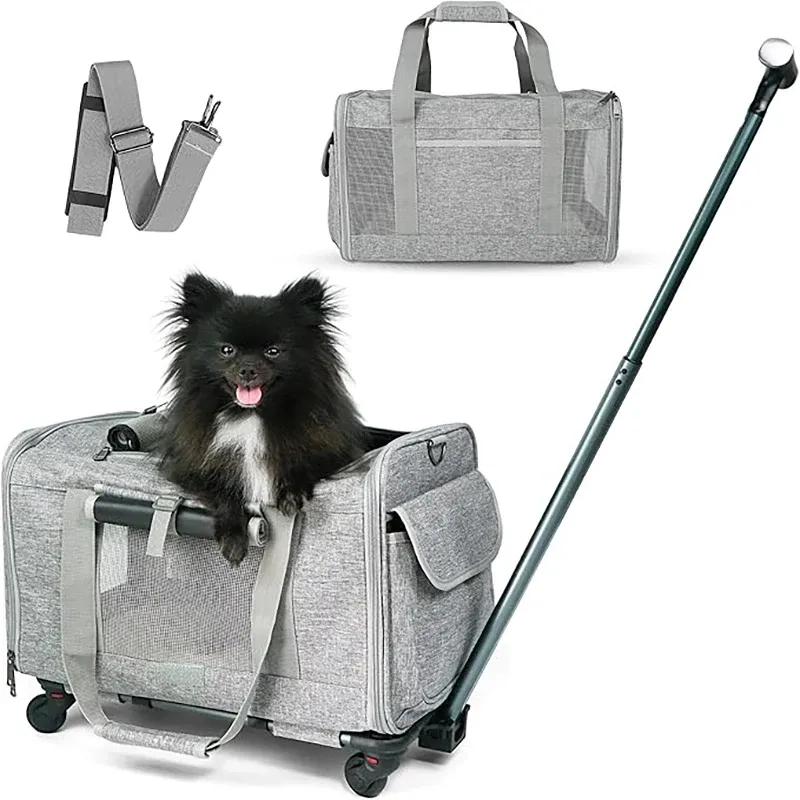
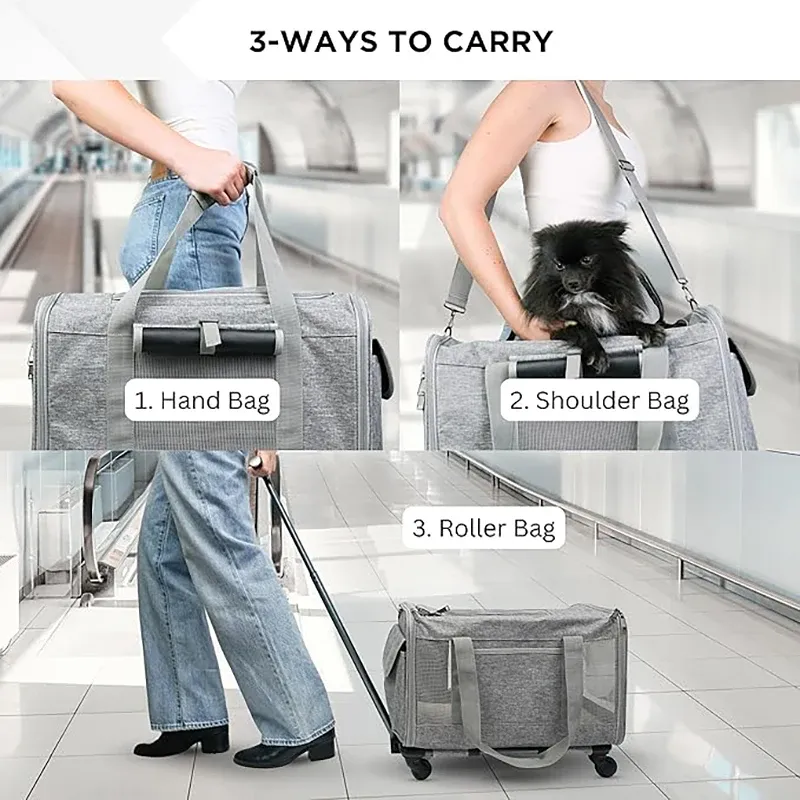
Cabin-Size Soft-Sided Dog Carrier with Mesh Windows
By
4.8139
$60.99$67.99
New Customers Only: Extra 10% OFF with code WELCOME10
Home / Shop / Sofa & Carpet Pet Hair Removers


Nothing matches the current filters. Widen the price range or clear a filter to see the shop again.
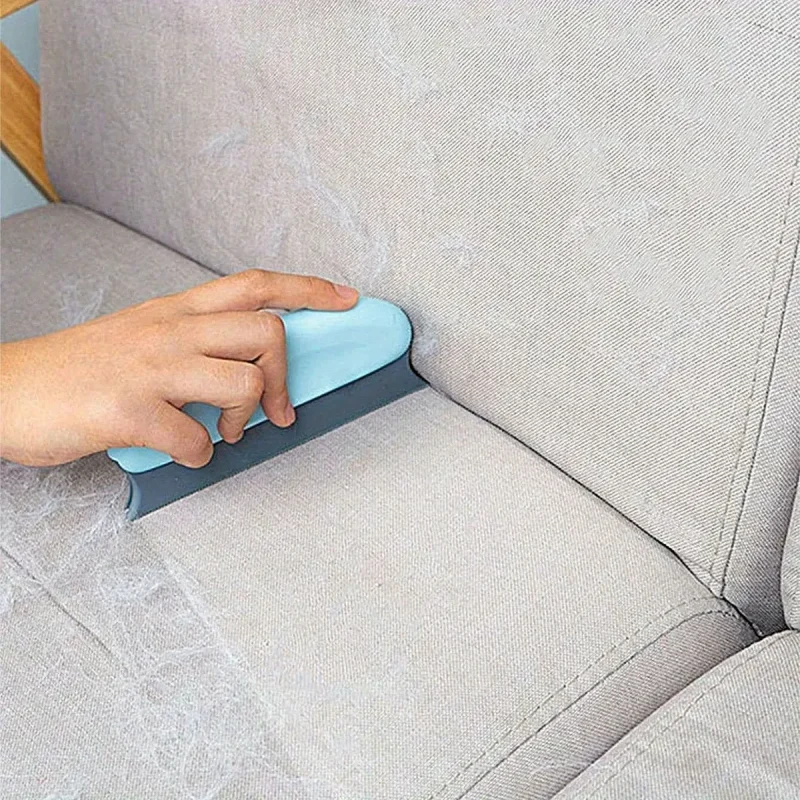
Dog hair works its way into upholstery in a way that a vacuum cleaner doesn’t always get back out. Short, stiff hairs from a Labrador or a Staffie spear into the weave of a sofa; fine undercoat from a Husky or a Golden Retriever felts into carpet. A reusable dog hair remover uses friction instead of suction: you drag a rubber edge, a ridged metal blade or a sawtooth scraper across the fabric, and the hair rolls up into a clump you can pick off. This section covers metal-blade lint and hair removers, rubber-edge handheld removers and sawtooth carpet scrapers for sofas, beds, carpets, rugs and car seats. This guide explains how each one works, which fabrics they suit, which to avoid, and how to use them without damaging your furniture. They’re part of our wider pet cleaning products range.
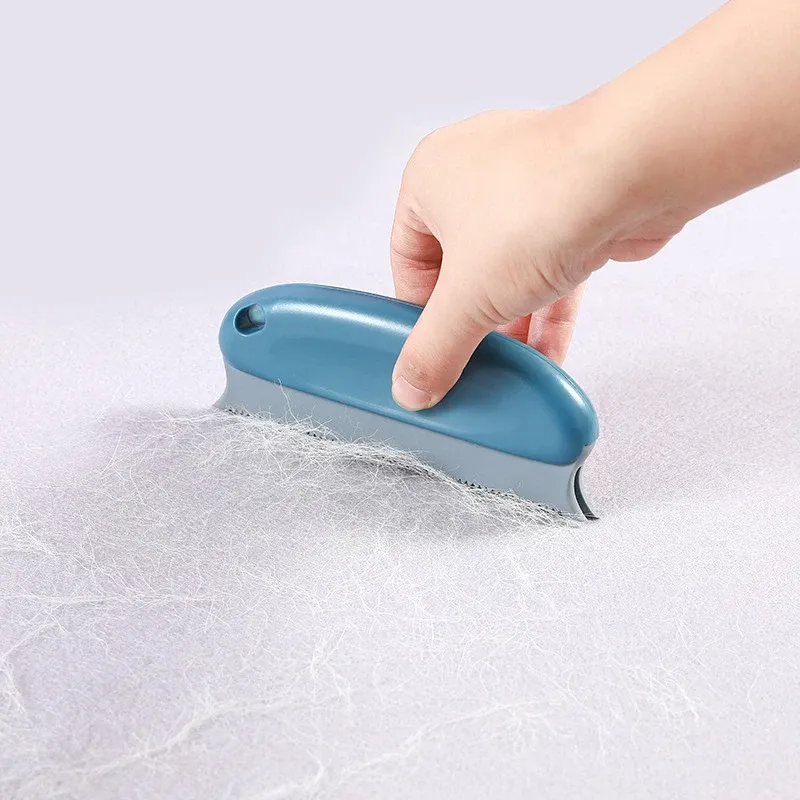
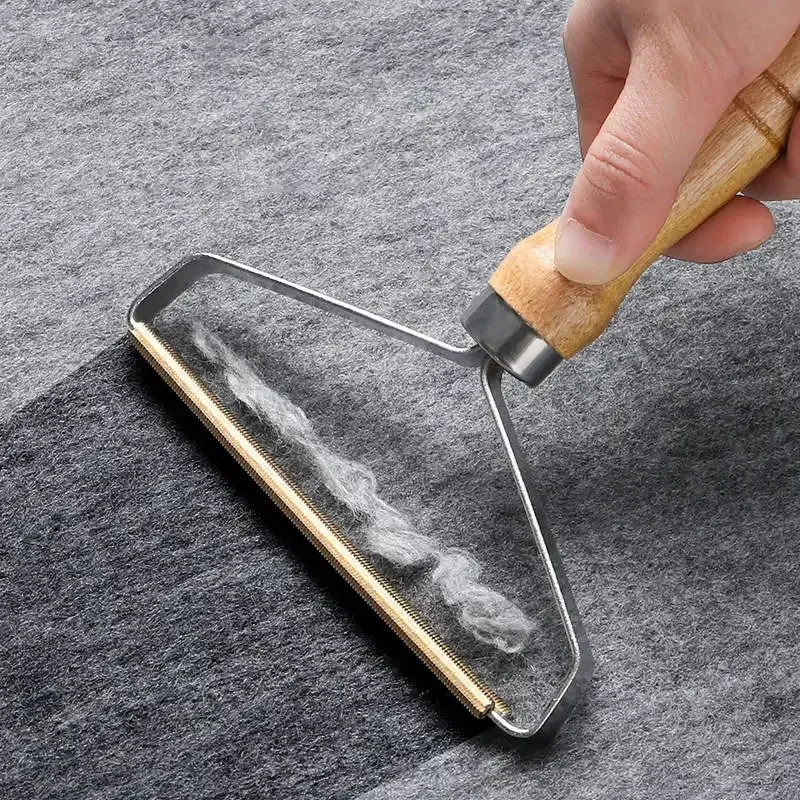
When you pull a rubber or ridged edge across fabric, it catches hairs and drags them along until they ball up. Rubber also builds a slight static charge that helps lift fine hair. Metal blades with fine teeth comb hair and lint out of the fabric surface. Because nothing sticky or disposable is involved, you don’t need refills; you just pull the hair off the tool and keep going.
| Type | How it works | Best on | Use with care on |
|---|---|---|---|
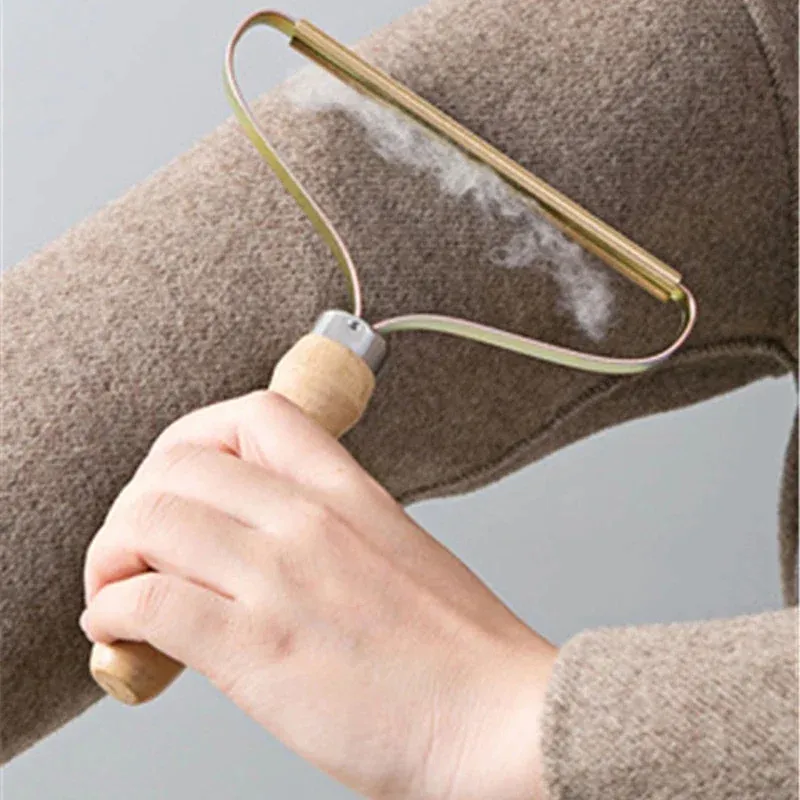
| Metal-blade remover with wooden handle | A fine-toothed metal edge combs hair and pilling from fabric | Wool, knitted throws, coats, firm upholstery | Delicate silk, velvet, loose weaves |
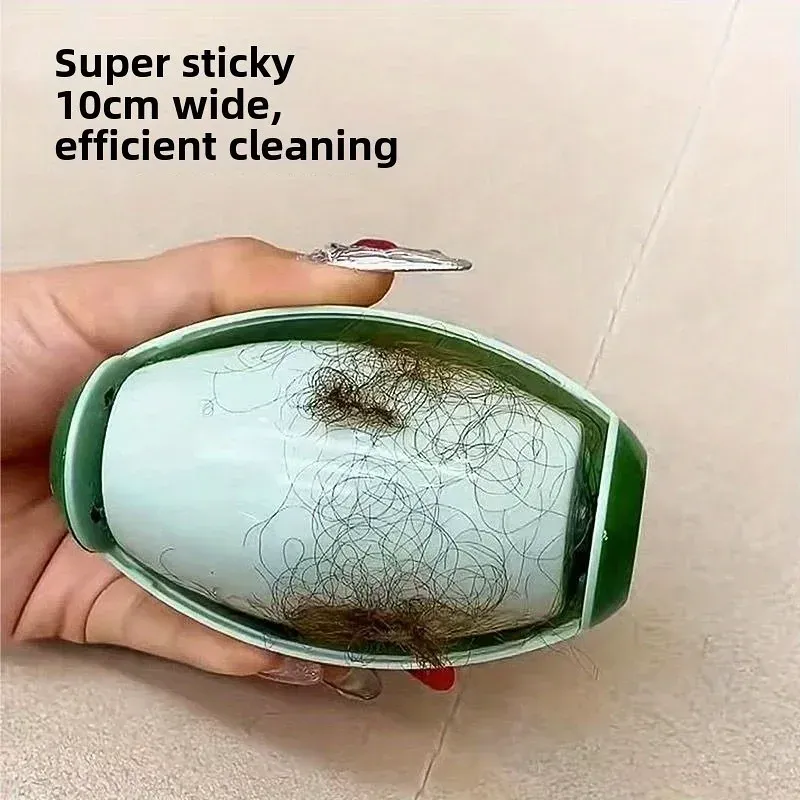
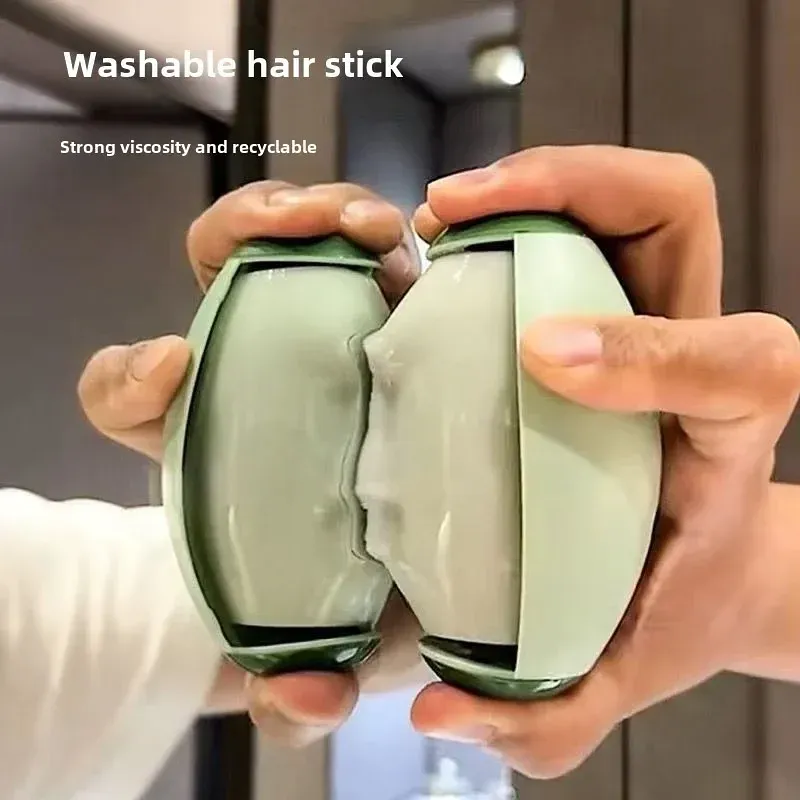
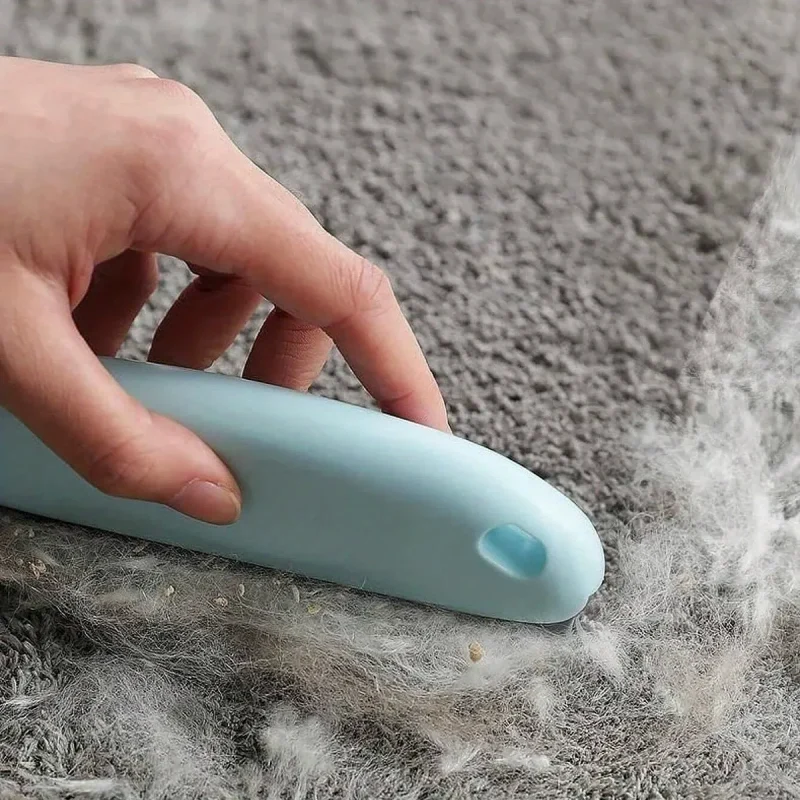
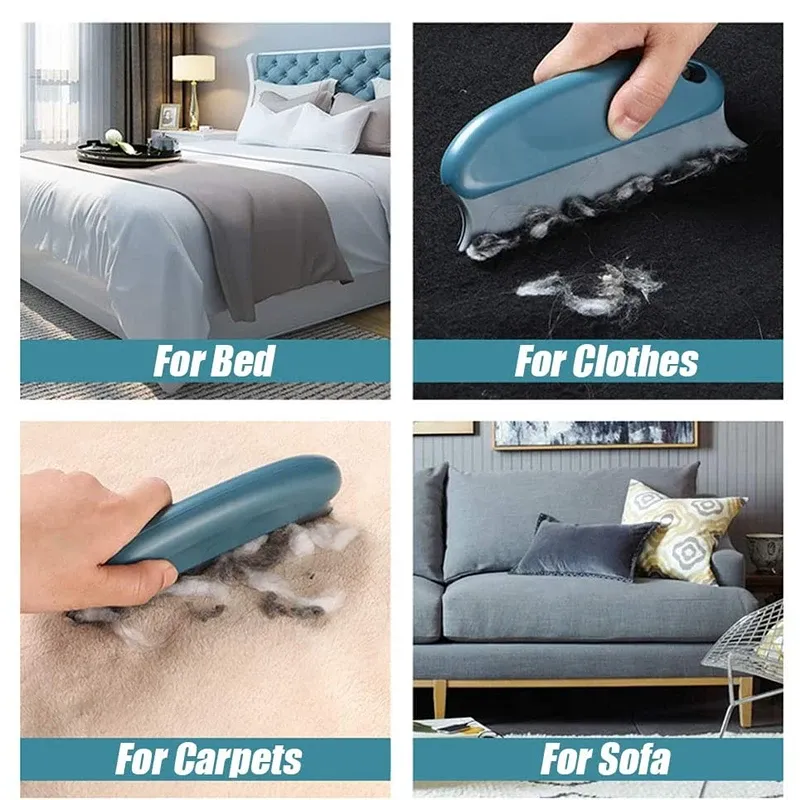
| Handheld rubber-edge remover | Soft rubber catches and rolls hair with static | Sofas, beds, cushions, car seats, dog beds | Very few fabrics; the gentlest option |
| Sawtooth rubber carpet scraper | A rigid rubber edge with teeth that rake hair from pile | Carpets, rugs, car boot carpet, stairs | Shaggy rugs and fragile antique rugs |
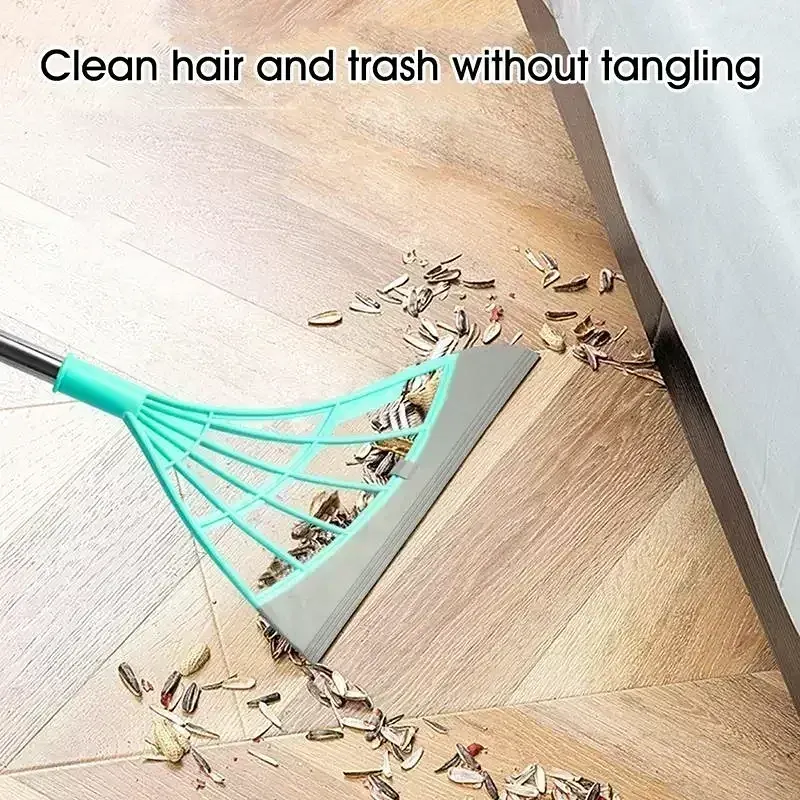
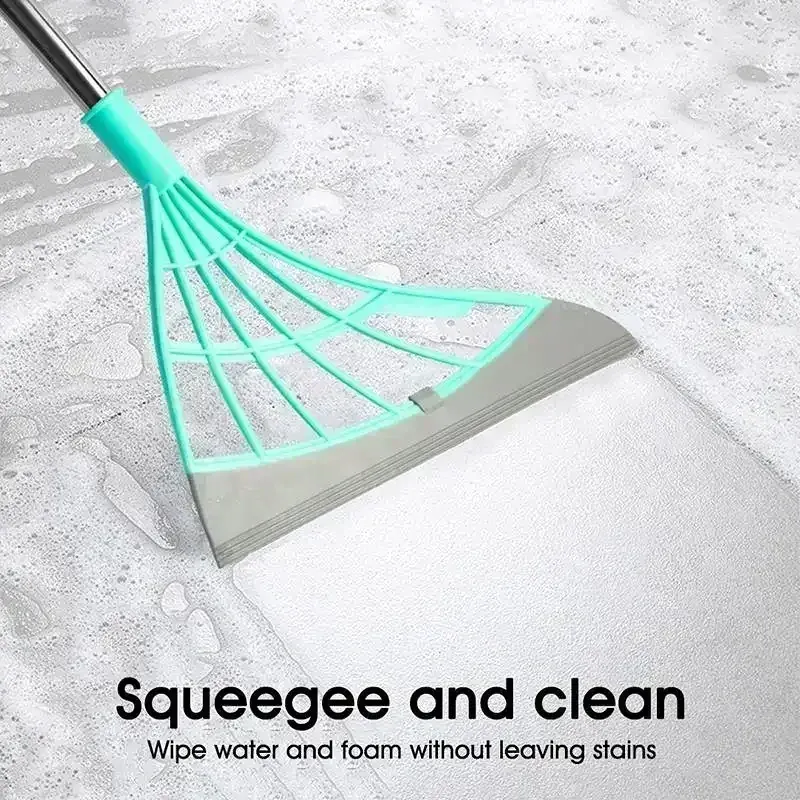
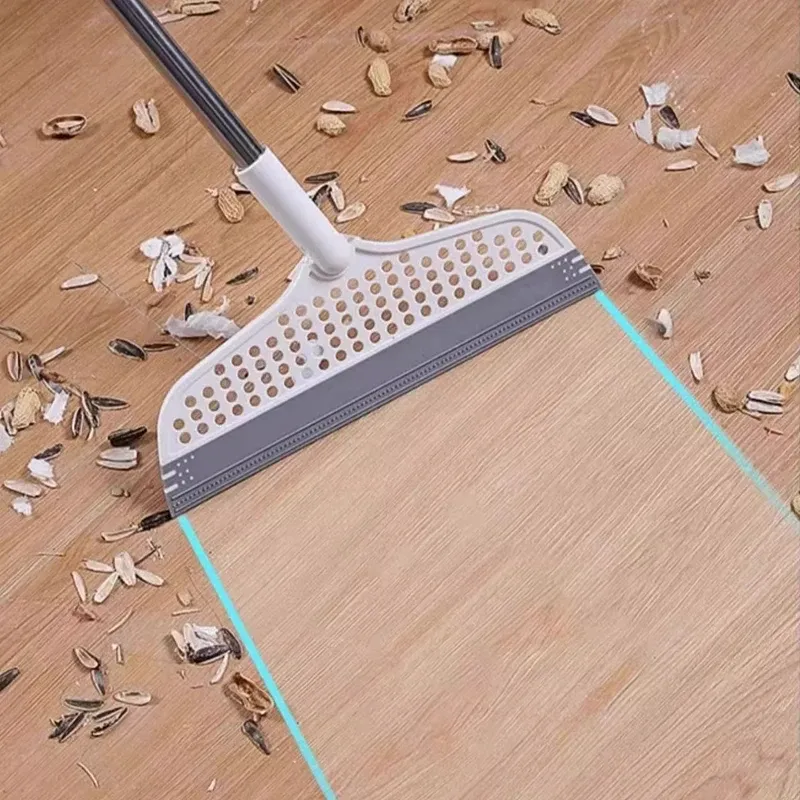
| Rubber brooms | Rubber bristles sweep hair from floors and carpets | Large floor areas | Covered in our rubber brooms for pet hair section |
Always test a new remover on a hidden part of the fabric, such as the back of a cushion, before using it on a visible area.
On carpets, a few strokes with a sawtooth scraper before vacuuming often lifts more hair than vacuuming alone, because it loosens hair the vacuum can’t grip.
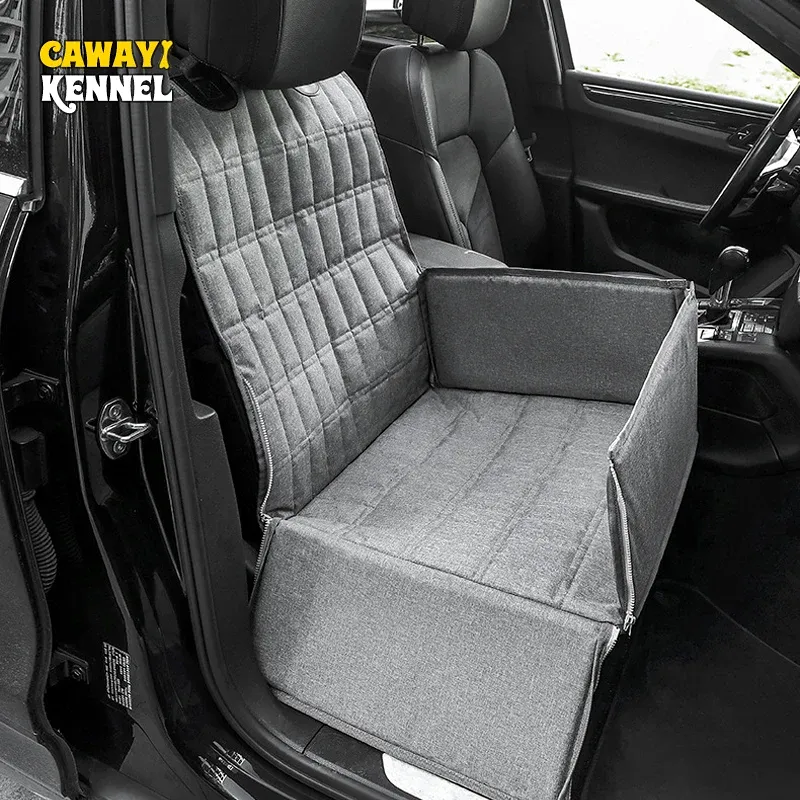
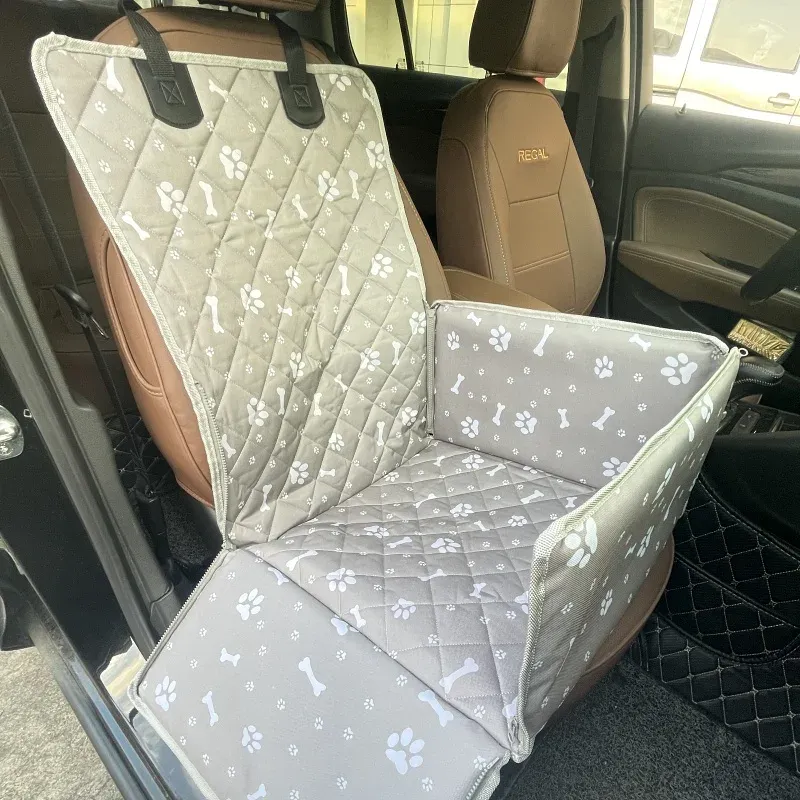
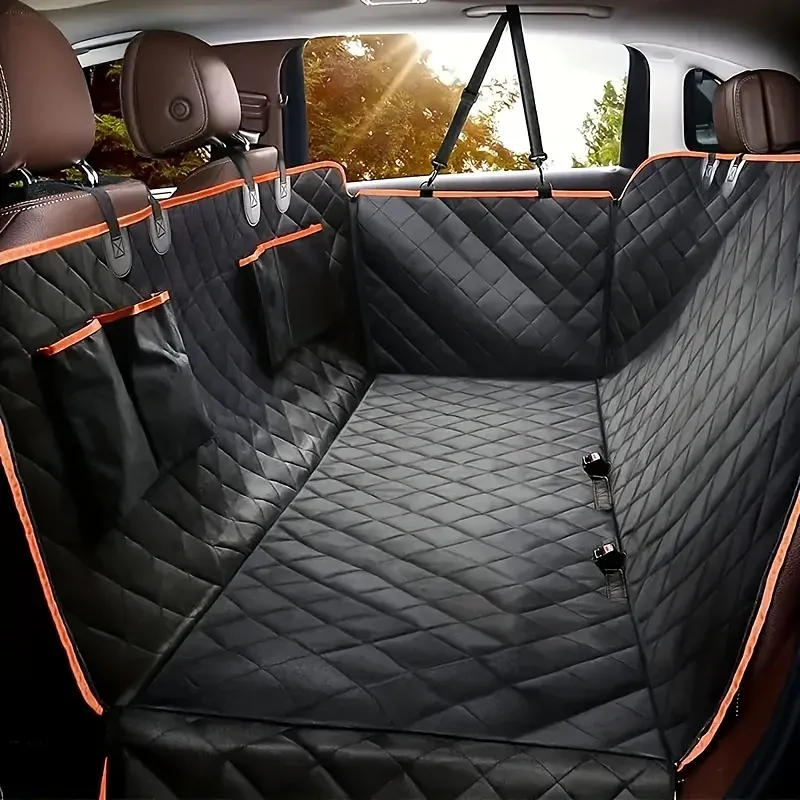
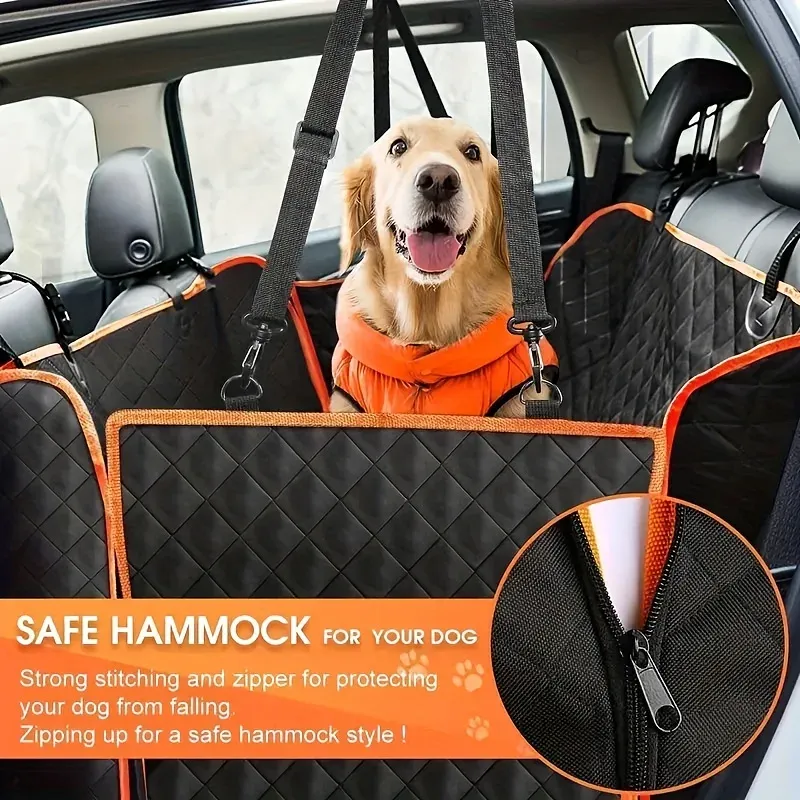
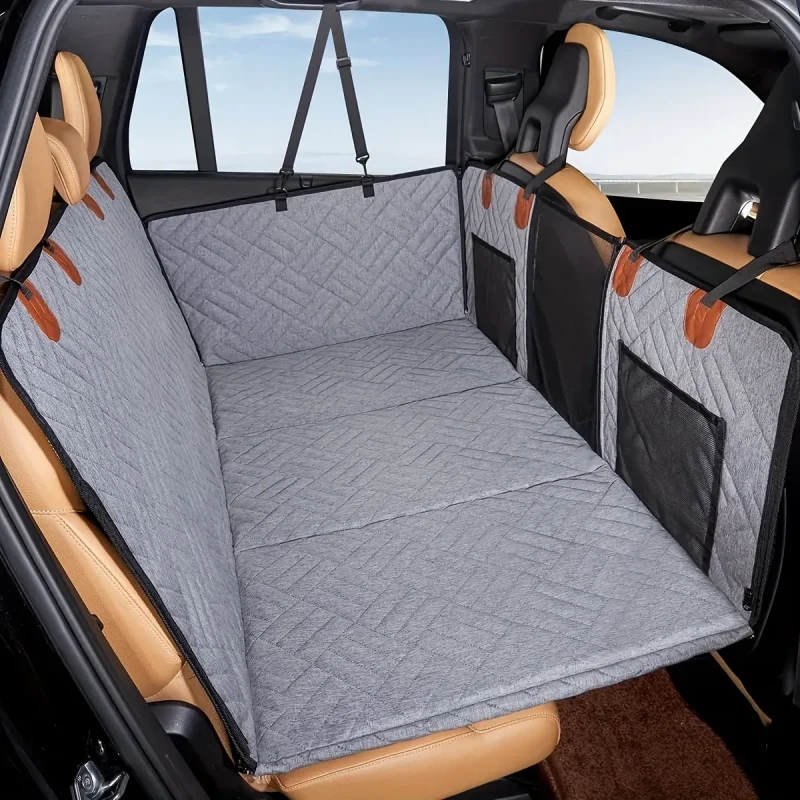
Car upholstery and boot carpet are some of the hardest places to clear, because hair is pressed in by your dog’s weight on every journey. A rubber-edge remover works on fabric seats, and a sawtooth scraper on the boot carpet. Clear up regularly, as hair left for months becomes harder to lift. A boot liner or a dog car seat cover cuts the job down considerably.
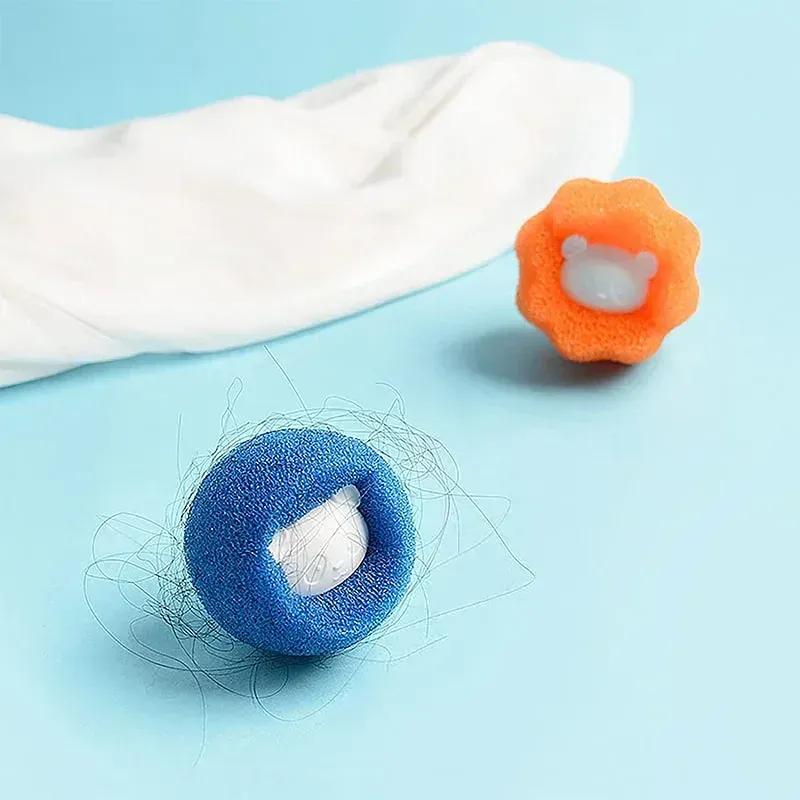
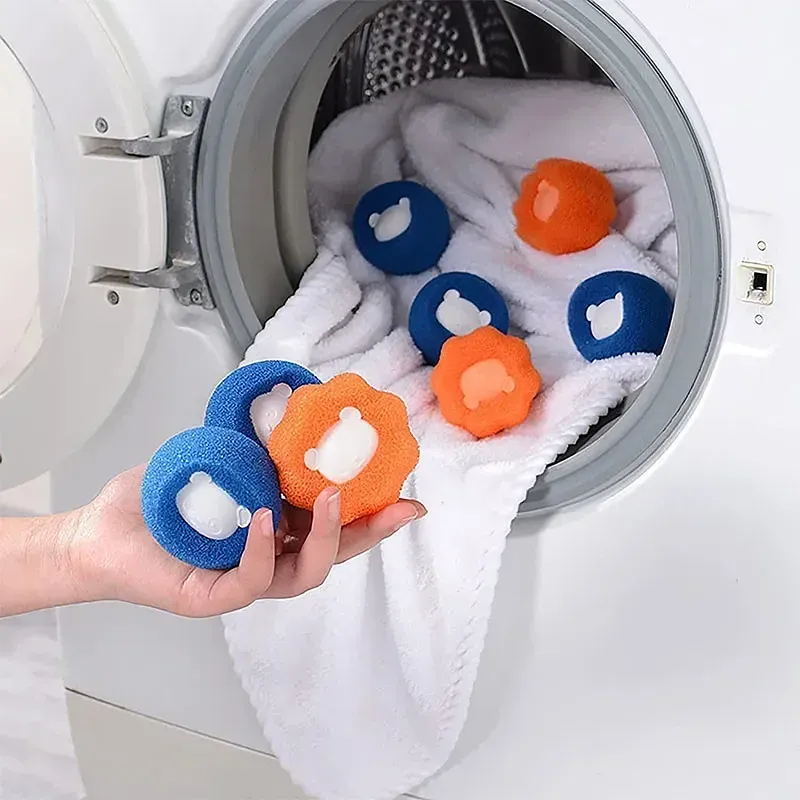
Before washing a dog bed cover, run a rubber remover over it to take off most of the hair. This stops hair clogging your washing machine filter and sticking to other laundry. A washing machine hair catcher adds a second line of defence in the drum.
| Coat type | Examples | What the hair is like | Most useful tool |
|---|---|---|---|
| Short, coarse coat | Labrador, Pug, Beagle, Staffie | Stiff hairs that weave into fabric | Rubber-edge remover, sawtooth scraper |
| Double coat | Husky, German Shepherd, Golden Retriever | Soft undercoat that clumps | Rubber-edge remover, rubber broom |
| Long, silky coat | Cavalier, Setter | Long strands that wrap round fibres | Rubber-edge remover |
| Low-shedding coat | Poodle, Bichon, Schnauzer | Little hair on furniture | Occasional rubber remover |
Sticky rollers are quick for clothes on the way out of the door, but they run out, create waste and struggle with hair that’s woven into upholstery. Reusable rubber and metal removers cost more at first but last for years and grip embedded hair better. Many owners keep both: a reusable remover for furniture and a reusable roller by the front door.
Ten or fifteen minutes once or twice a week usually keeps hair from building up into a bigger job.
People who are sensitive to dogs usually react to dander and proteins in saliva and skin rather than the hair itself, but hair carries those allergens around the home. Clearing hair regularly from fabrics, washing bedding and using an air purifier from our pet tech range can help reduce exposure. Anyone with significant allergy symptoms should speak to a doctor.
Stair carpet collects hair at the back of each tread, where vacuums struggle. A small handheld rubber remover or a sawtooth scraper pulls it forward so you can pick it up. On mattresses, a rubber remover lifts hair from the surface before you change the sheets. For the gaps down the sides of sofa cushions, use the narrow edge of the tool, then a crevice nozzle.
Use a rubber-edge hair remover with short strokes in one direction, pick off the clumps, then vacuum. Test on a hidden area first.
Rubber removers are gentle on most fabrics. Metal blades and sawtooth scrapers suit tougher fabrics and carpets; avoid them on delicate, looped or velvet upholstery.
Rake the carpet with a sawtooth rubber scraper or rubber broom to loosen embedded hair, then vacuum.
We sell gear for dogs only, and every hair remover we list has to pass the same checks: an edge that lifts hair without harming common fabrics, a comfortable grip and no refills to buy. Each product page gives the size in centimetres with inches in brackets and says clearly which surfaces it suits. Orders over $79 ship free with tracking. Not sure which tool suits your sofa or carpet? Email [email protected] and a real person will help.
Get your sofa, bed and car back from the dog hair with a reusable remover from TAILOVO.