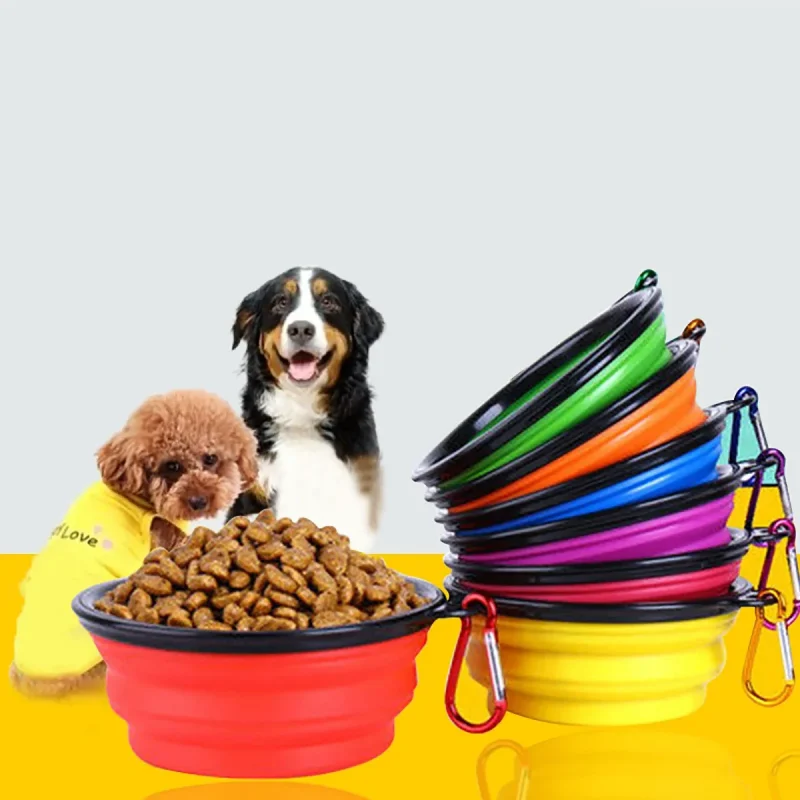
Play isn’t a luxury for dogs. Chewing, chasing, tugging, sniffing and solving problems are things dogs were bred to do, and a dog without an outlet for them often finds its own: the skirting boards, the sofa cushions, or the post. The right toys give that energy somewhere to go, and they’re one of the easiest ways to tire out a dog on a rainy day when walks are short. This section covers chew toys, tug ropes, fetch balls, flirt poles, puzzle feeders, snuffle mats, soft toys and teething toys, and this guide explains how to match toys to your dog’s play style and chewing strength, how to choose a safe size, what the materials do, and how to keep toys clean and safe. We’re adding toys to this section as they pass our checks for sturdy materials and sensible sizing. Everything else we stock is in our pet supplies shop.
Know your dog’s play style
| Play style |
What your dog does |
Toys that suit |
| Chaser |
Runs after anything that moves |
Fetch balls, soft flying discs, flirt poles, ball launchers |
| Tugger |
Grabs and pulls, loves a game with you |
Cotton rope tugs, tug toys with handles |
| Chewer |
Settles down to gnaw for long spells |
Durable chew toys, tough toys for power chewers |
| Sniffer |
Nose down on every walk |
Snuffle mats, treat-dispensing toys, scatter games |
| Problem solver |
Works out how to open cupboards |
Puzzle feeders and brain games |
| Cuddler or carrier |
Carries toys around, sleeps with them |
Soft plush toys and squeaker toys |
Most dogs mix two or three of these. A small set of toys covering different styles, rotated through the week, keeps them interesting far longer than a basket of similar ones.
Types of dog toy
- Durable chew toys made from tough rubber or nylon give a dog something legal to gnaw. Chewing helps dogs settle, and it’s a natural outlet for teething puppies.
- Tough toys for power chewers are thicker and denser, for dogs that destroy ordinary toys in minutes.
- Teething toys for puppies are softer, sometimes textured, to soothe gums while adult teeth come through.
- Cotton rope tug toys suit games of tug, and the fibres can help clean teeth as your dog chews. Stop using them once they fray, so your dog doesn’t swallow strands. For proper tooth brushing, see our dog grooming tools.
- Fetch balls come in rubber, tennis-style felt and foam. Rubber balls last longer and are easier to wash than felt.
- Self-rolling interactive balls move on their own and keep a dog busy for short sessions. Supervise and put them away afterwards.
- Automatic ball launchers throw balls for you. Limit sessions, because some dogs don’t know when to stop.
- Soft flying discs are gentler on teeth and gums than hard plastic discs.
- Flirt poles and lure toys are a toy on a cord at the end of a pole. They use a dog’s chase instinct in a small space and are a good way to practise “leave it” and “drop”.
- Puzzle feeders and brain games make a dog work out how to get treats from compartments, slides or lids.
- Treat-dispensing toys release kibble as they roll, turning a meal into a game.
- Washable snuffle mats hide kibble in fabric strips, so your dog uses their nose to find it. They’re calming and good for dogs recovering from injury who can’t run.
- Soft plush and squeaker toys are for gentle players and carrying. They won’t survive a determined chewer.
Choose the right size
Size is the most important safety choice with toys.
- Balls and small toys should be too big to fit fully into your dog’s mouth or slip to the back of the throat. A ball that’s too small can be swallowed or cause choking, especially for large dogs.
- Chew toys should be big enough that your dog can’t crack them in half or get the whole thing in their mouth.
- Tug toys should be long enough to keep your hands well away from your dog’s teeth.
- If in doubt, go bigger. A toy slightly too big is a little awkward; a toy too small is a risk.
Match the toy to the chewer
- Gentle chewers (many small breeds, older dogs, carriers) do well with plush, rope and softer rubber toys.
- Average chewers suit standard rubber toys, ropes and puzzle feeders.
- Power chewers (often young, strong breeds) need toys made specifically for hard chewing, and close supervision with anything new.
Avoid very hard items that don’t give at all, such as cooked bones or antler-hard objects, which can crack teeth. A good test is whether you can press a thumbnail into the surface.
Materials and what they do
- Natural or synthetic rubber is bouncy, tough and easy to wash. Hollow rubber toys can be stuffed with food.
- Nylon is very hard and long-lasting, for heavy chewers.
- Cotton rope is soft on the mouth and good for tug, but frays with use.
- Plush fabric is soft and comforting, but not built for chewing. Squeakers and stuffing can be swallowed once a toy is torn open.
- Silicone and TPR are flexible and gentle on gums, suited to lick mats, soft discs and puppy toys.
- Fleece and felt are used in snuffle mats and tug toys; they wash well in a mesh bag.
Play that tires a dog out
- Short training games with a toy reward use your dog’s brain as well as their legs. Ten minutes of “find it” can tire a dog more than a longer walk. Clickers and treat pouches from our dog training equipment make these games easier.
- Tug is a good game when it has rules: your dog takes the toy on a cue and lets go on “drop”. Stop if teeth touch skin.
- Fetch is best in short bursts. Repetitive high-speed sprints and sharp turns can be hard on joints, especially for young and older dogs.
- Nose work with snuffle mats or hidden treats suits every age and fitness level.
Toys for puppies and older dogs
- Puppies need soft, textured teething toys and supervised play. Swap toys out as their adult teeth arrive and their jaws get stronger.
- Older dogs often enjoy softer toys, puzzle feeders and snuffle mats that keep the mind busy without strain on the joints.
Toys for time alone and anxious moments
A dog left alone for a few hours, or worried by fireworks, storms or visitors, often settles better with something to do. A rubber toy stuffed with part of their meal and frozen, a lick mat, or a puzzle feeder gives them a calm job, and licking and chewing help a lot of dogs relax. Choose only toys your dog can’t break into pieces for unsupervised time, and leave squeakers, plush and rope toys for play when you’re there. If your dog is very distressed when left alone, toys won’t solve it on their own; speak to your vet or a qualified behaviourist about separation-related problems.
Toy safety
- Supervise play with any new toy until you know how your dog treats it.
- Check toys regularly, and throw away anything cracked, frayed or torn.
- Take away toys with loose squeakers, eyes or stuffing.
- Don’t leave dogs alone with toys they can break apart.
- Keep children’s toys, socks and small household items out of reach; swallowed objects are a common reason for emergency vet visits.
- If your dog swallows part of a toy, call your vet for advice.
Keep toys interesting
Dogs get bored of toys that are always lying around. Keep a few out and store the rest, swapping them every few days so old toys feel new again. A toy storage basket makes this easy and keeps the floor clear.
Cleaning toys
- Wash rubber and nylon toys in warm soapy water, and rinse well. Many go in the top rack of a dishwasher; check the product page.
- Machine-wash plush, rope and snuffle mats in a mesh bag, and dry them fully.
- Clean food-stuffed toys after every use, so food doesn’t go off inside.
Questions owners ask
What toys are safe for heavy chewers?
Thick, solid rubber or nylon toys made for power chewers, sized so your dog can’t fit the whole toy in their mouth. Supervise at first and replace them when damaged.
How many toys does my dog need?
A few of different types, rotated, works better than many similar toys left out all the time.
Are tennis balls safe for dogs?
Felt can wear down teeth over time and small balls can be a choking risk for large dogs. A rubber ball of the right size is often a better choice.
Why buy your dog’s toys from TAILOVO
We sell gear for dogs only, and every toy we list has to pass the same checks: sturdy materials, sensible sizing for the dogs it’s meant for, and easy cleaning. Each product page says what kind of play and chewing strength it suits, with sizes in centimetres and inches. Orders over $79 ship free with tracking. Not sure which toy suits your dog? Email [email protected] with your dog’s breed and play style, and a real person will help.
Match the toy to how your dog plays, and find it at TAILOVO.