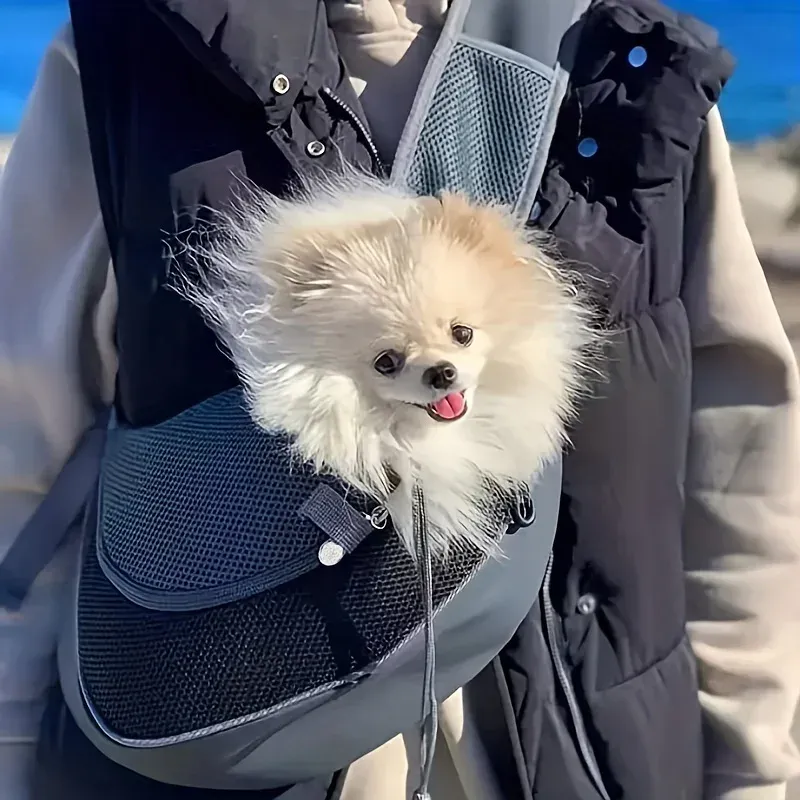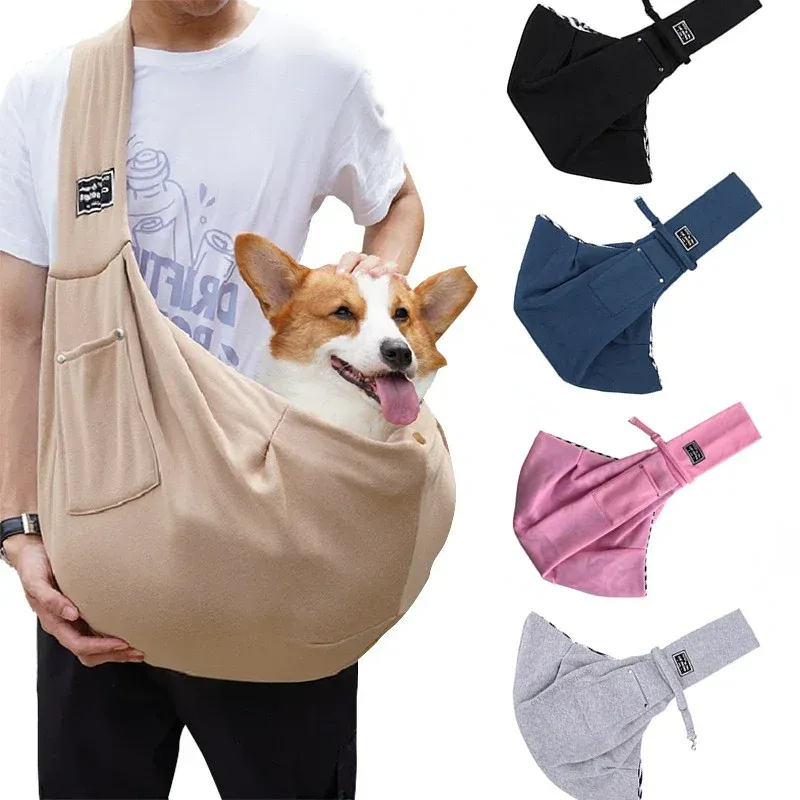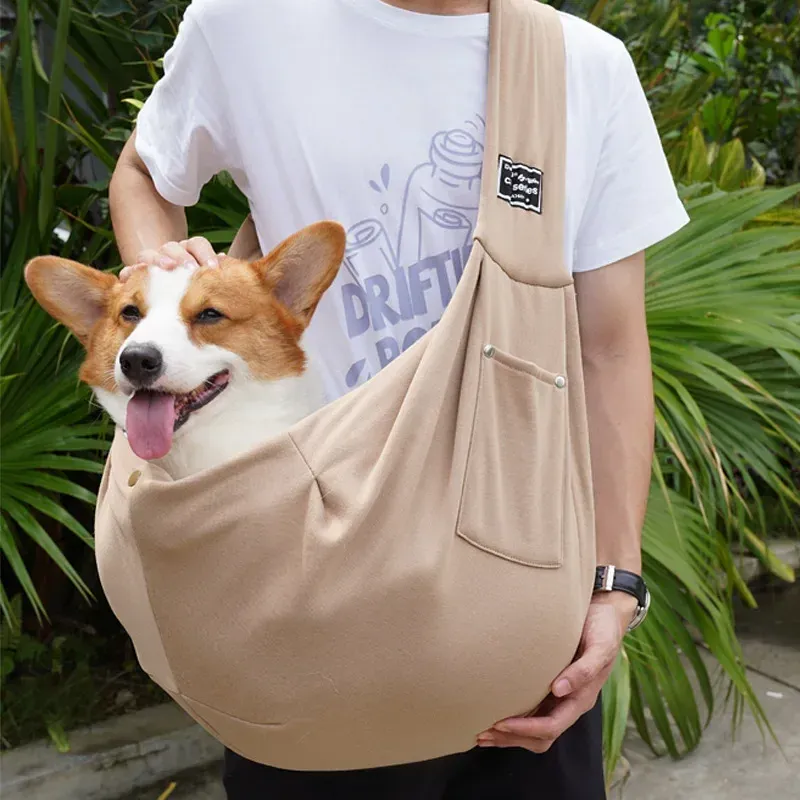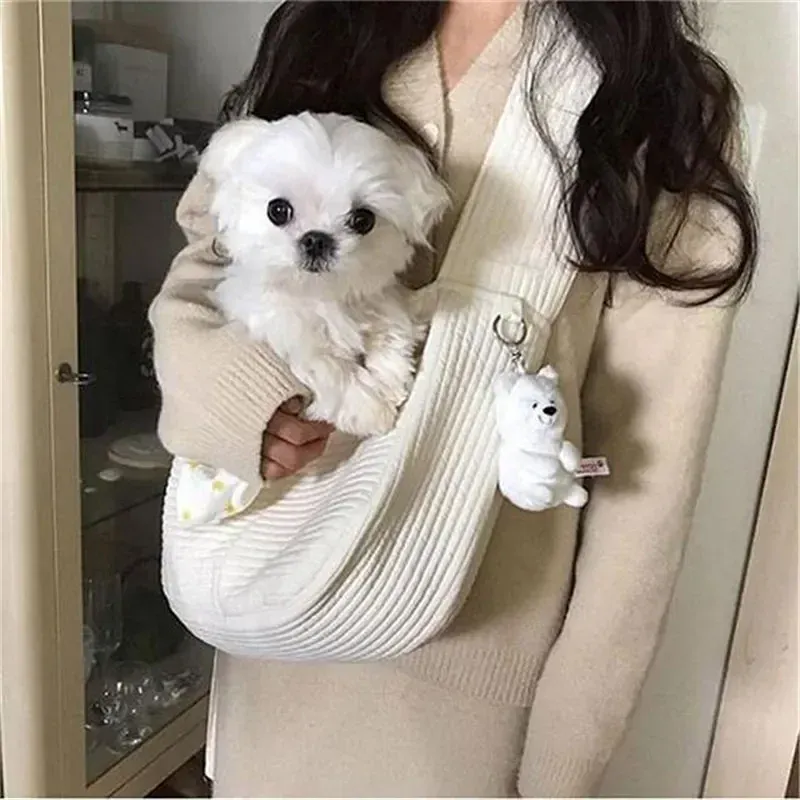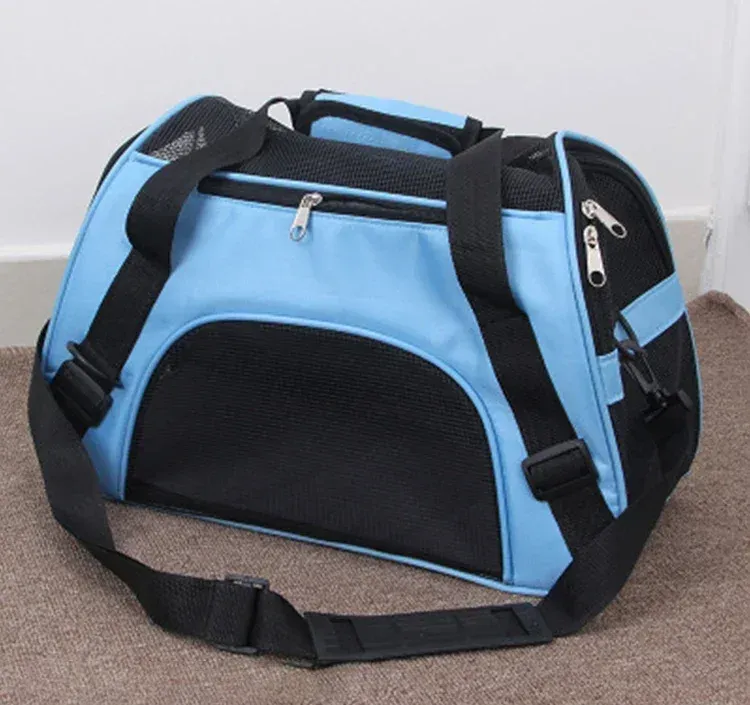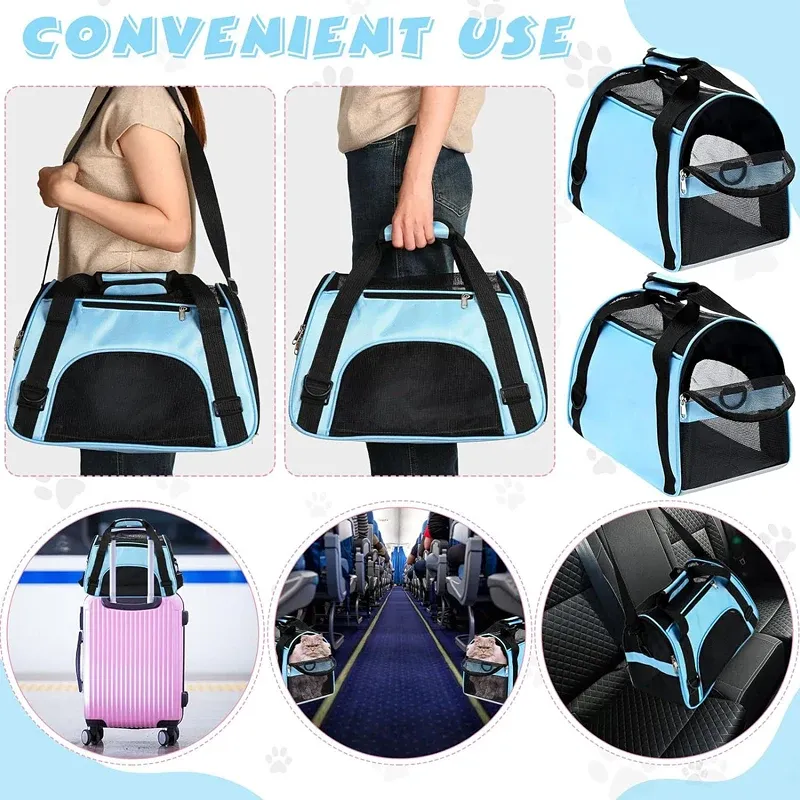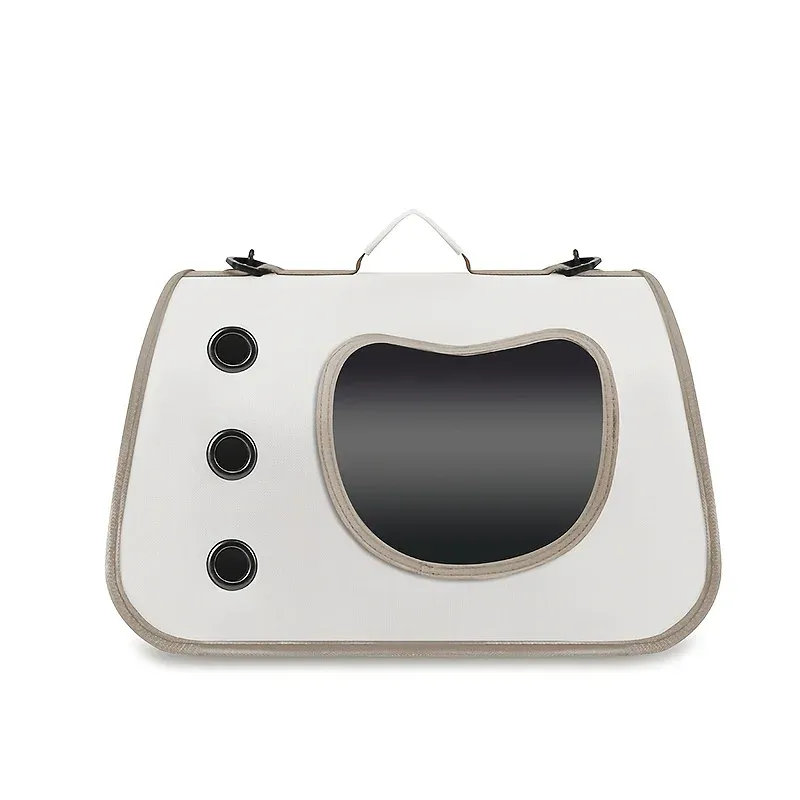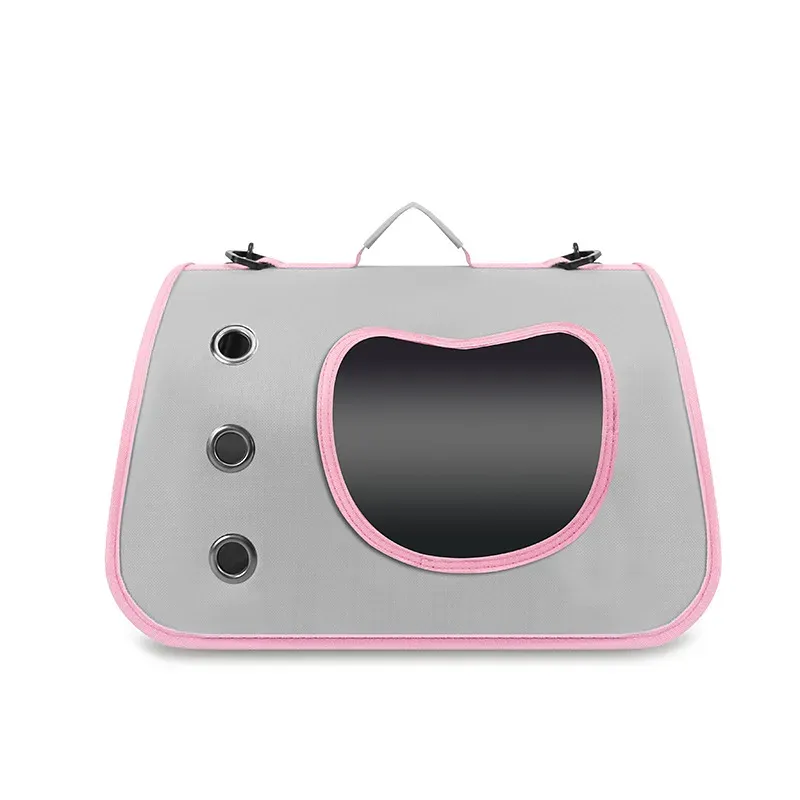
New
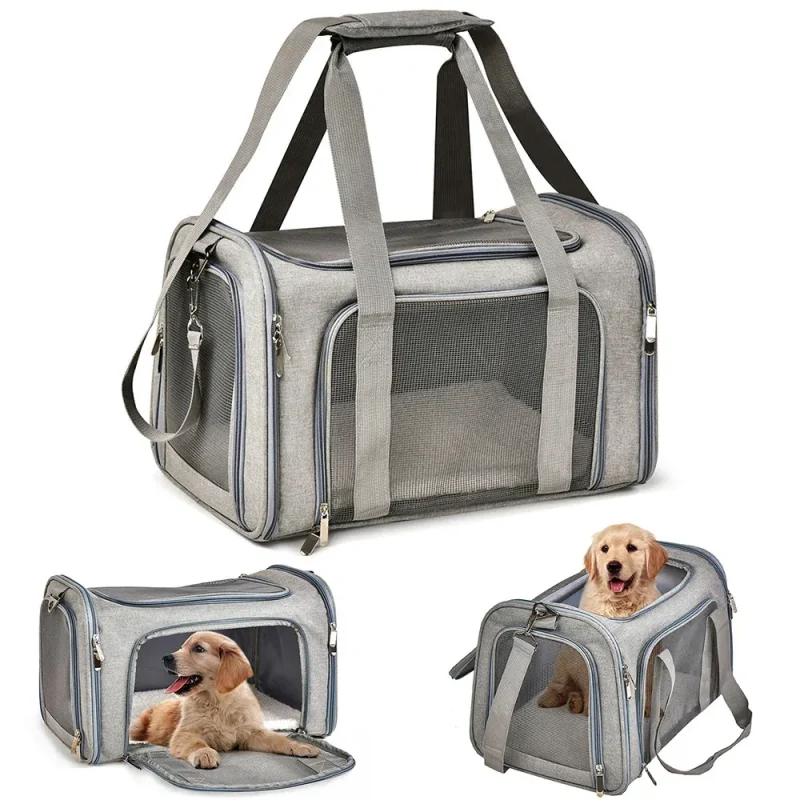
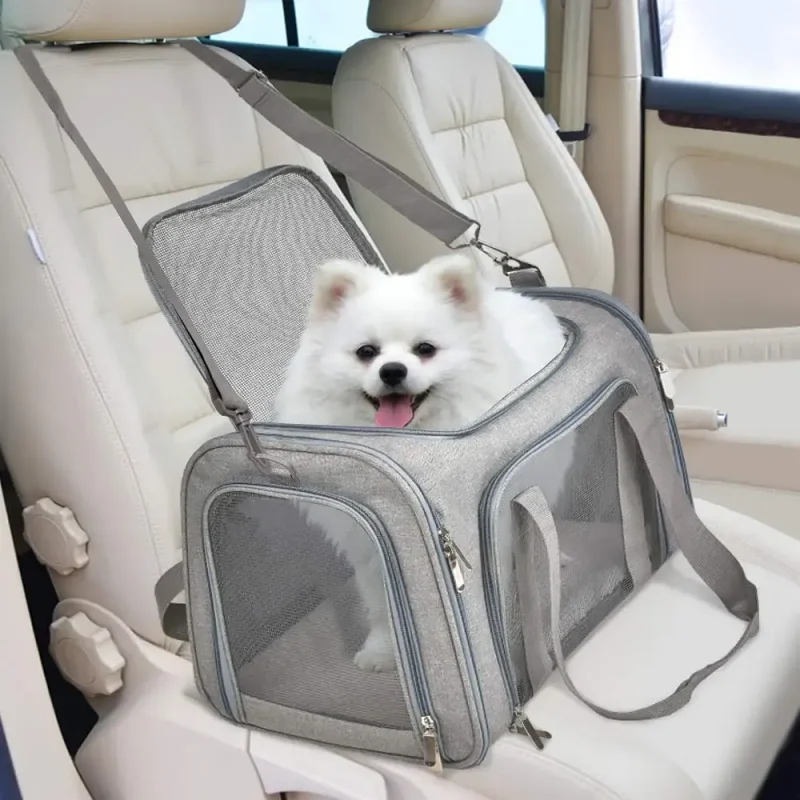
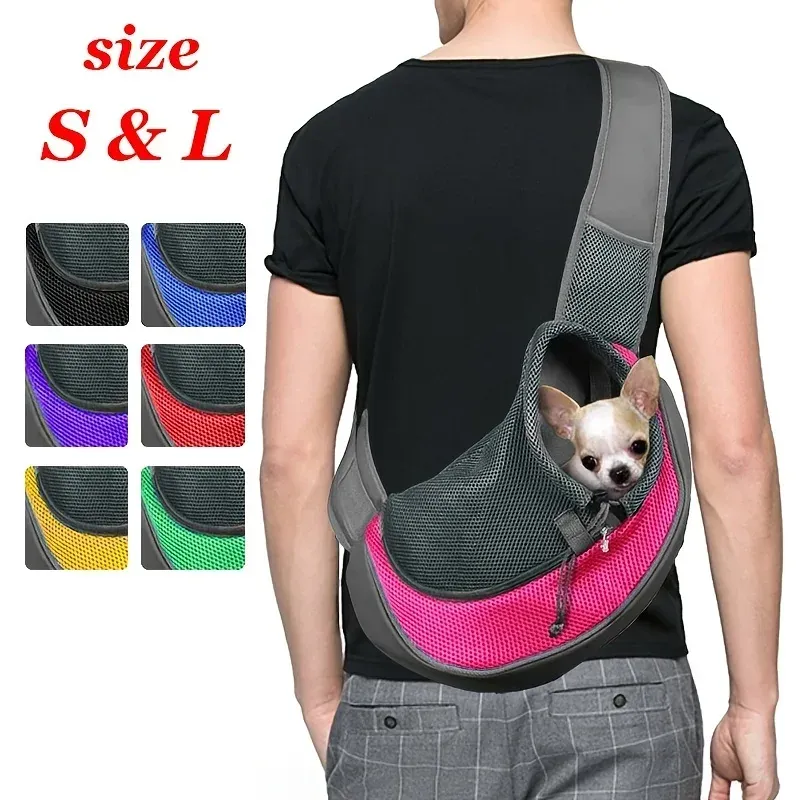
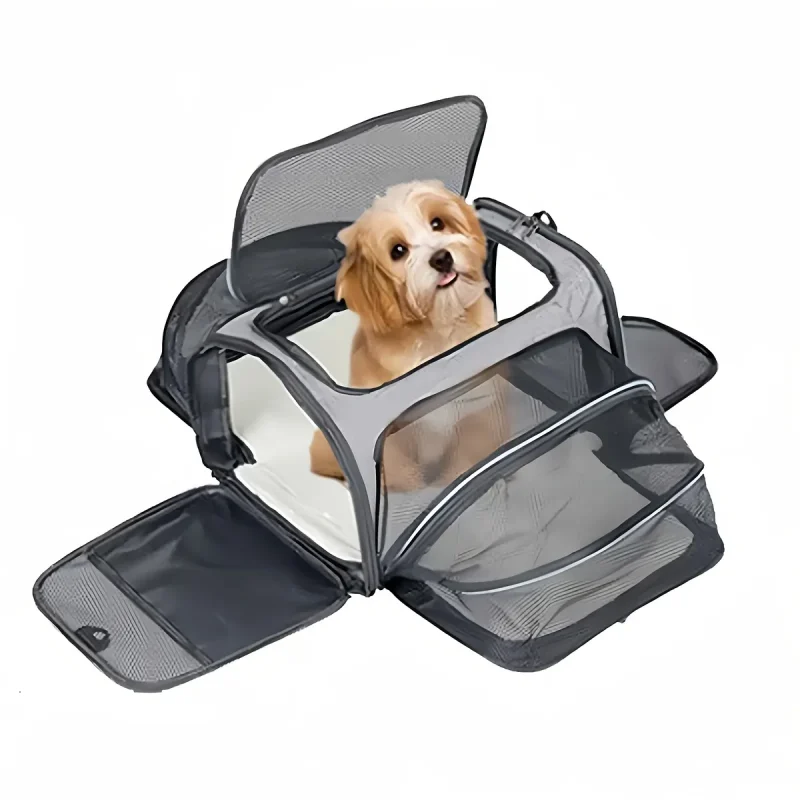
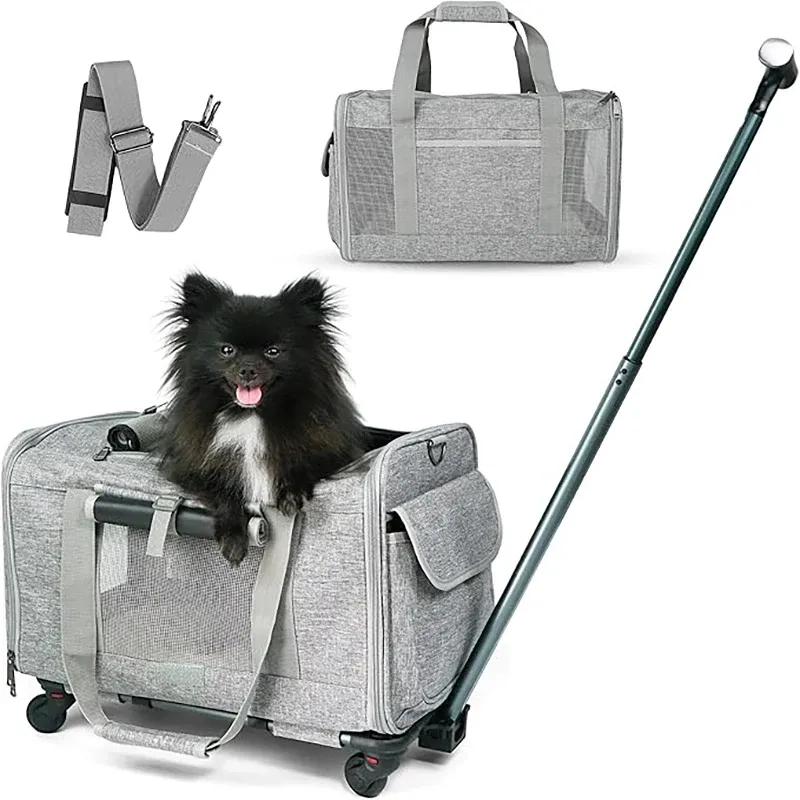
Cabin-Size Soft-Sided Dog Carrier with Mesh Windows
By
4.8139
$60.99$67.99
New Customers Only: Extra 10% OFF with code WELCOME10
Home / Shop / Soft-Sided Cat & Dog Carriers



Nothing matches the current filters. Widen the price range or clear a filter to see the shop again.
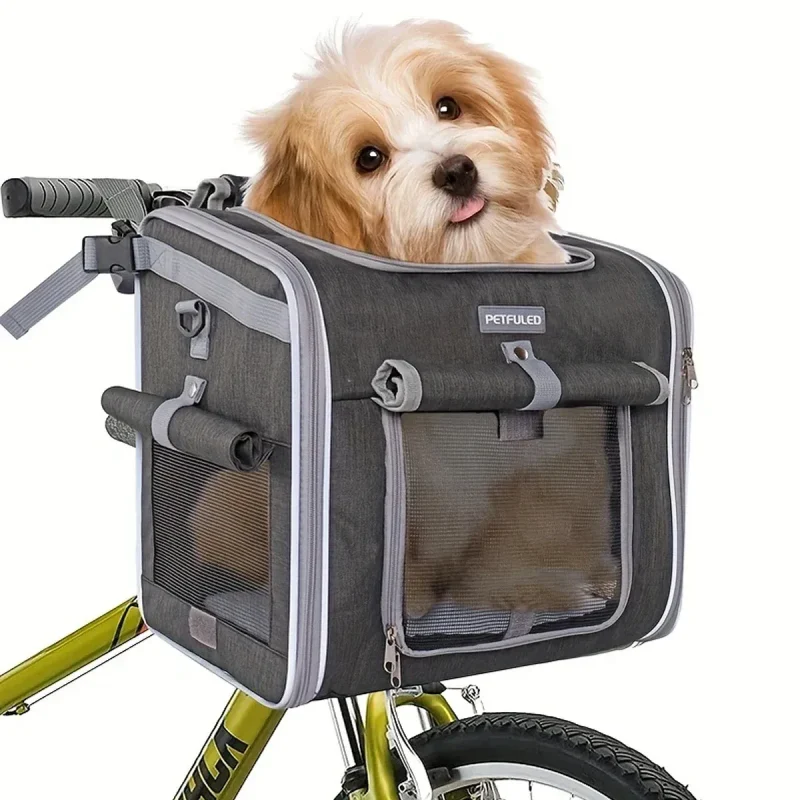
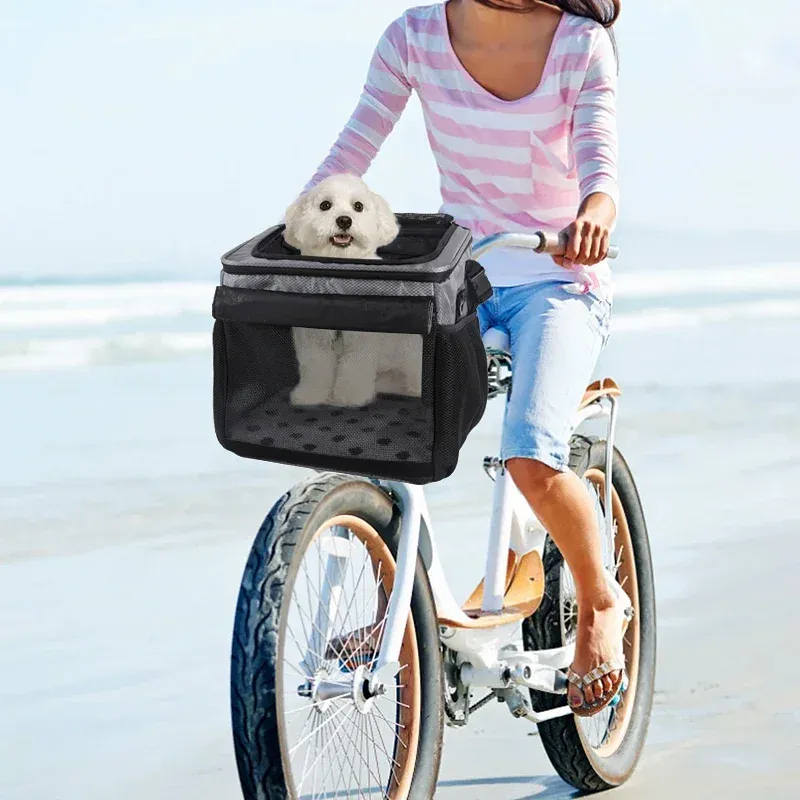
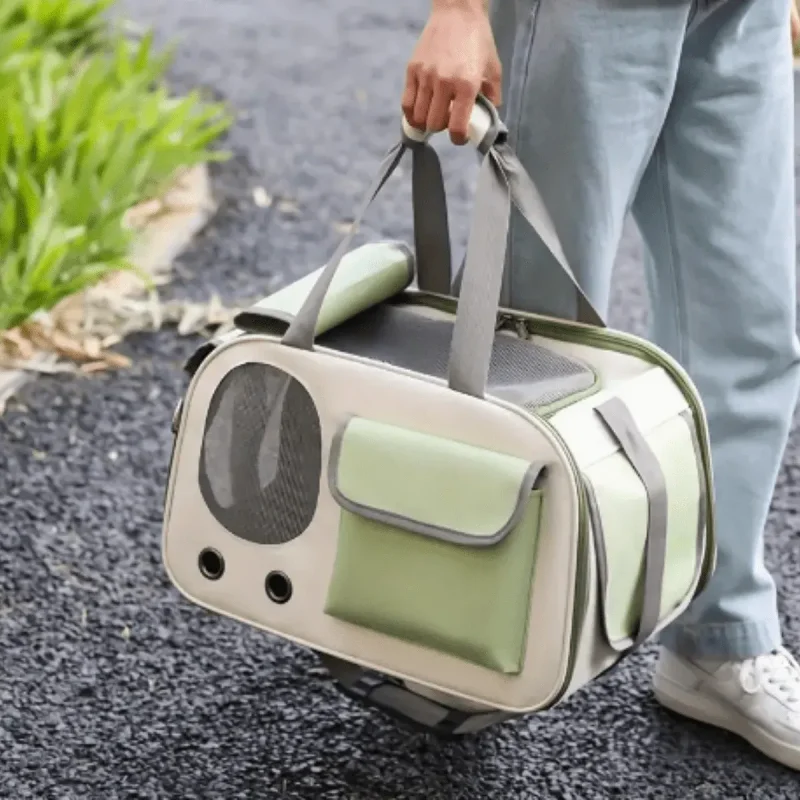
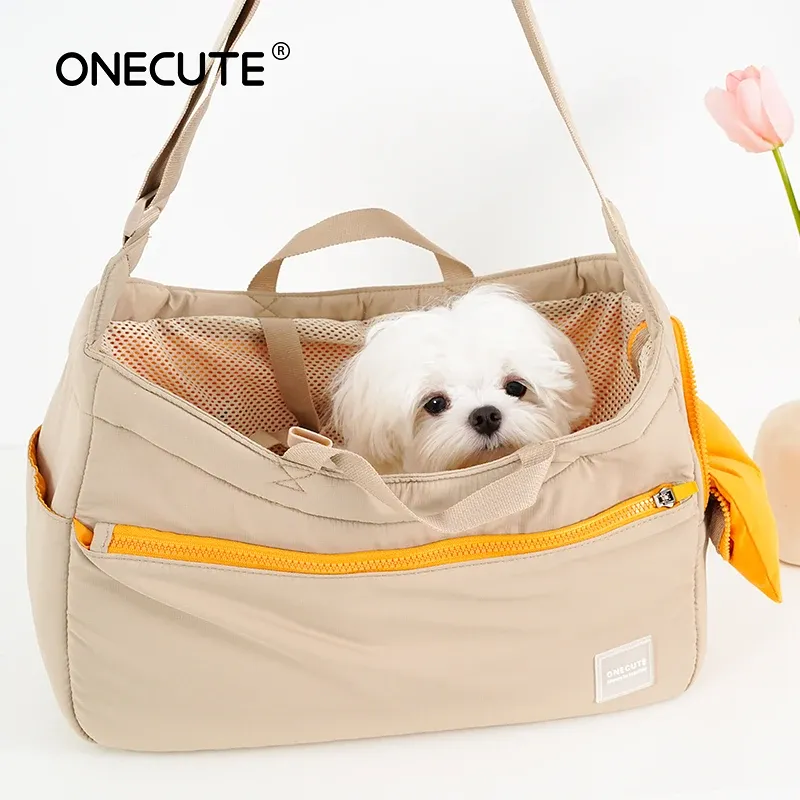
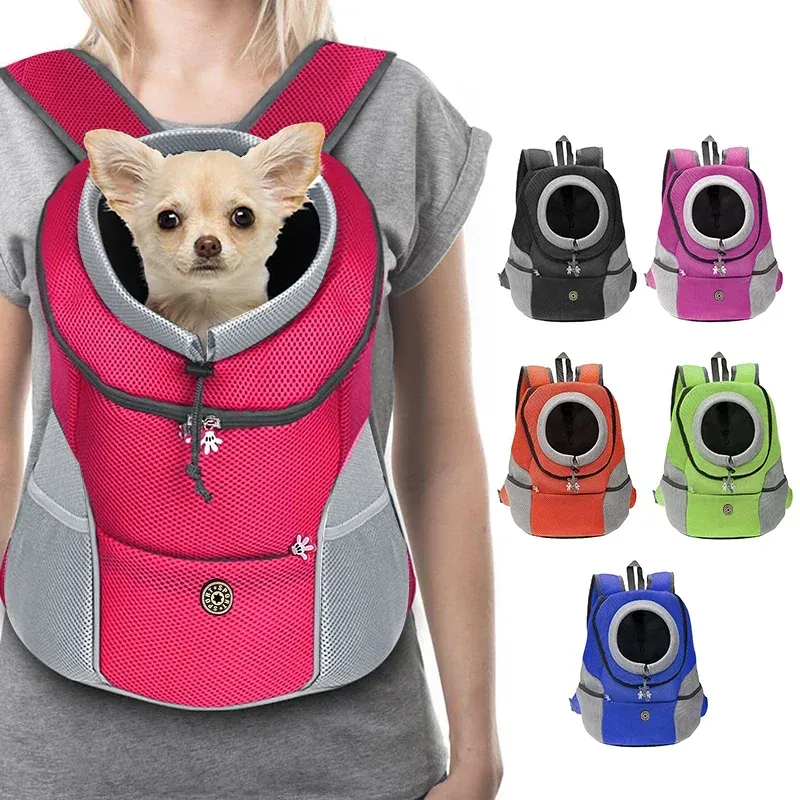
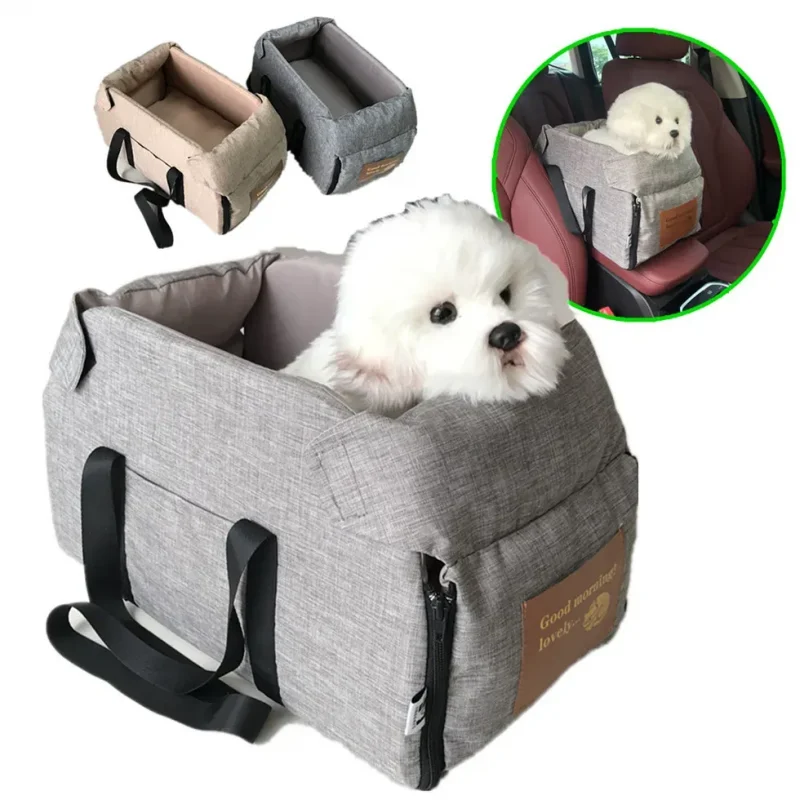
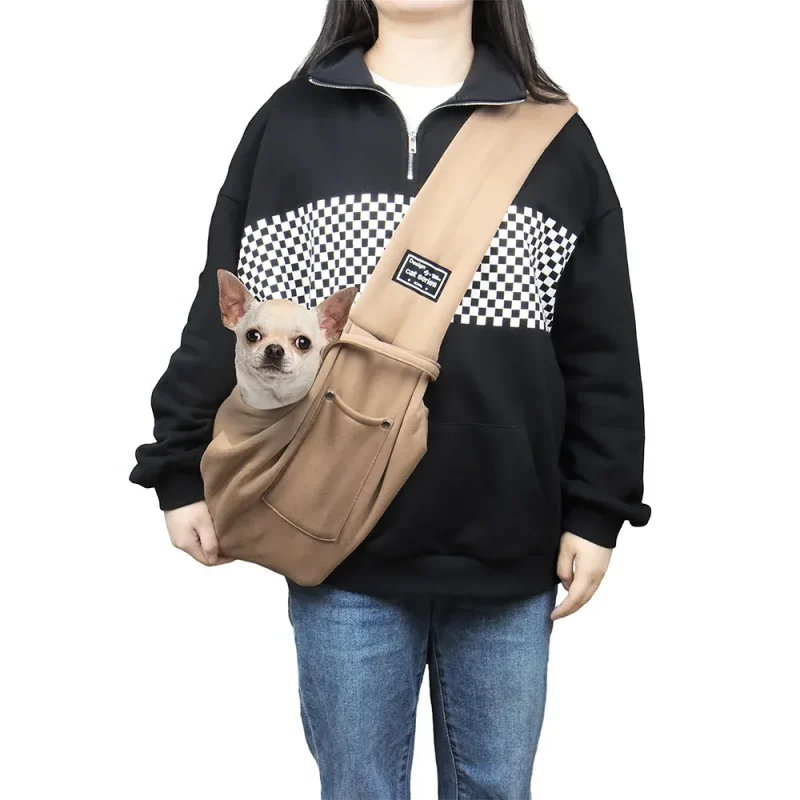
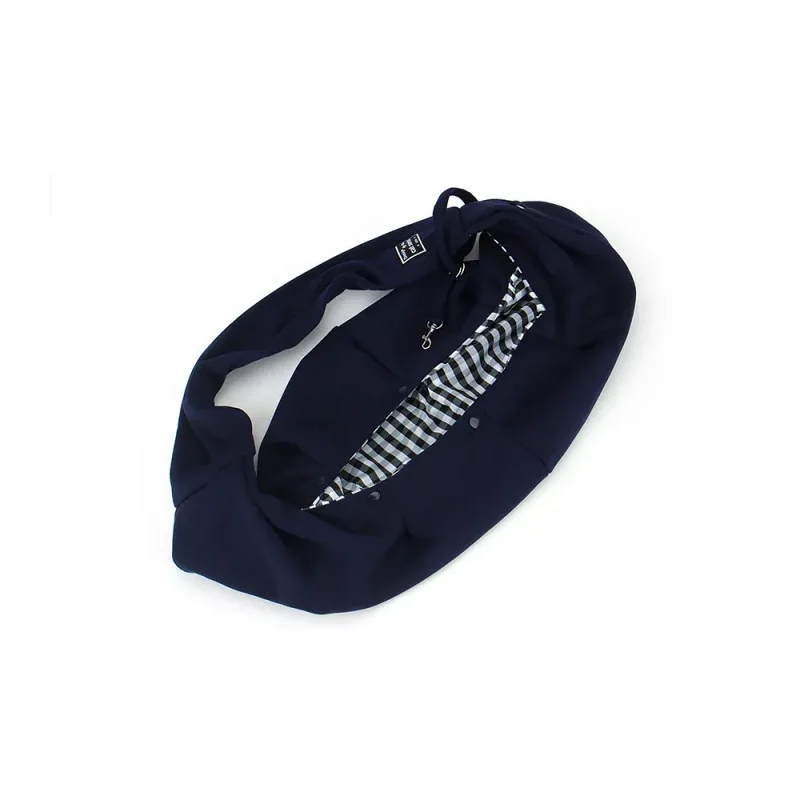
A soft-sided carrier is the bag you reach for most often with a small dog: the vet visit, the tram into town, the café where your dog waits quietly at your feet. It’s lighter than a hard crate, it folds flat when you’re not using it, and most dogs settle better in a padded bag they can see out of than in a plastic box. This section covers shoulder carriers, crossbody bags, quilted totes, foldable mesh handbags and expandable carriers for small and medium dogs. This guide explains the styles, the materials, how to measure your dog so the bag actually fits, the weight limits that matter, and how to get a dog happy to step inside. These carriers sit alongside the rest of our dog travel accessories.
| Style | How you carry it | Best for | Trade-off |
|---|---|---|---|
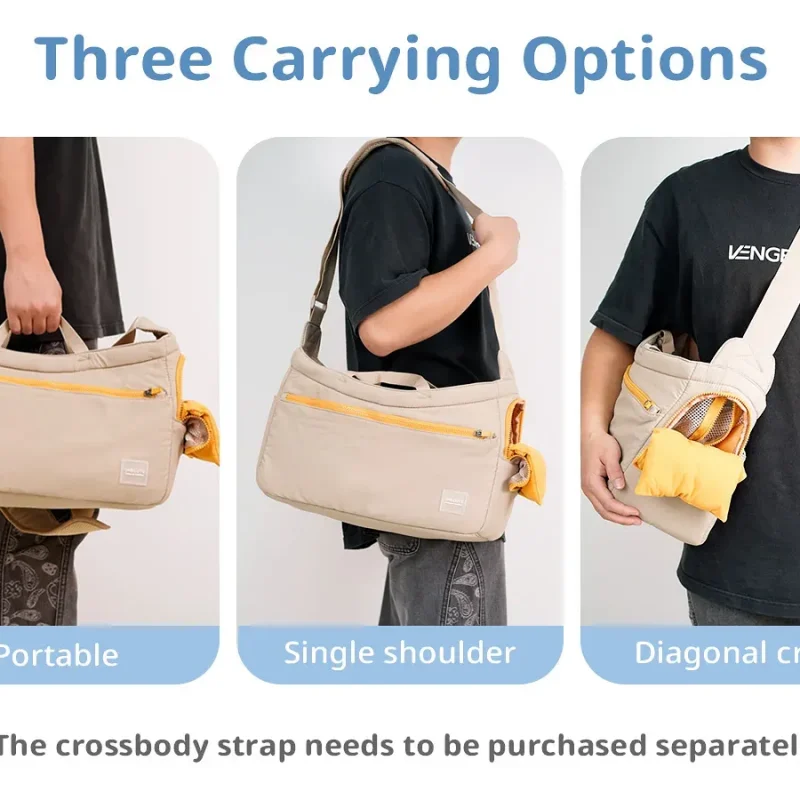
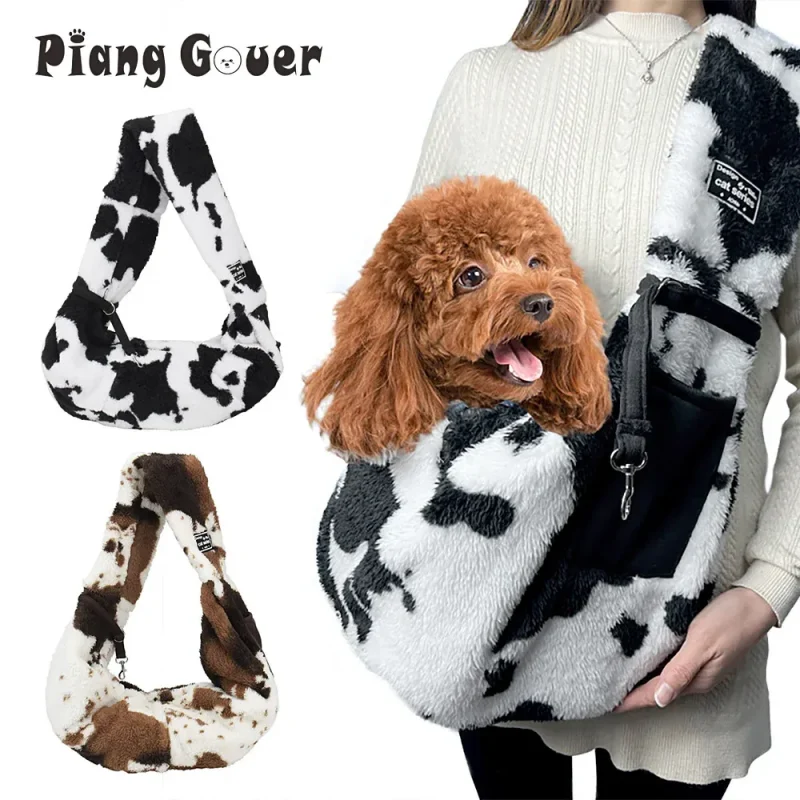
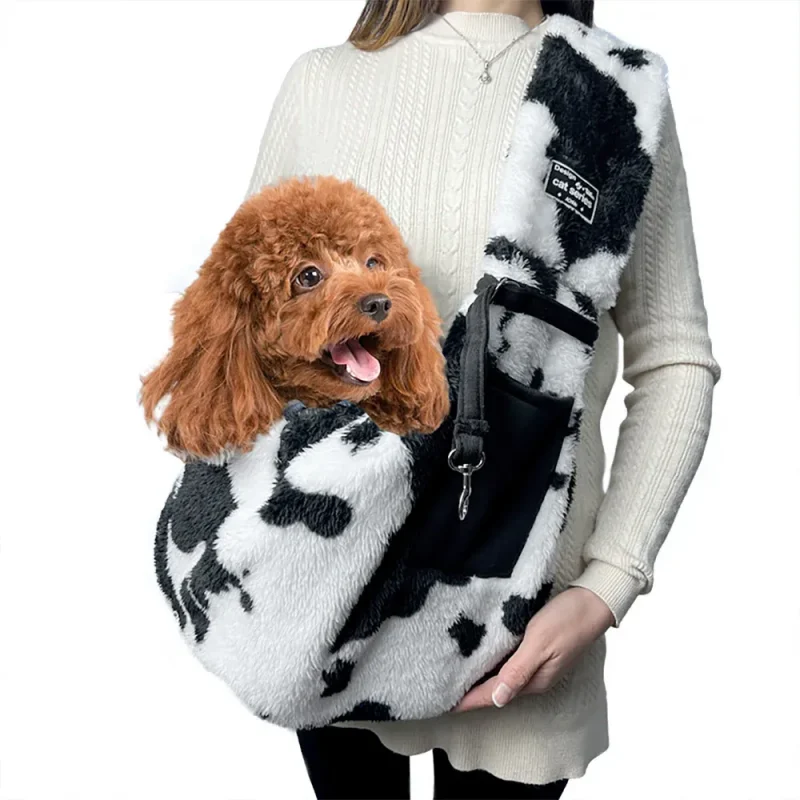
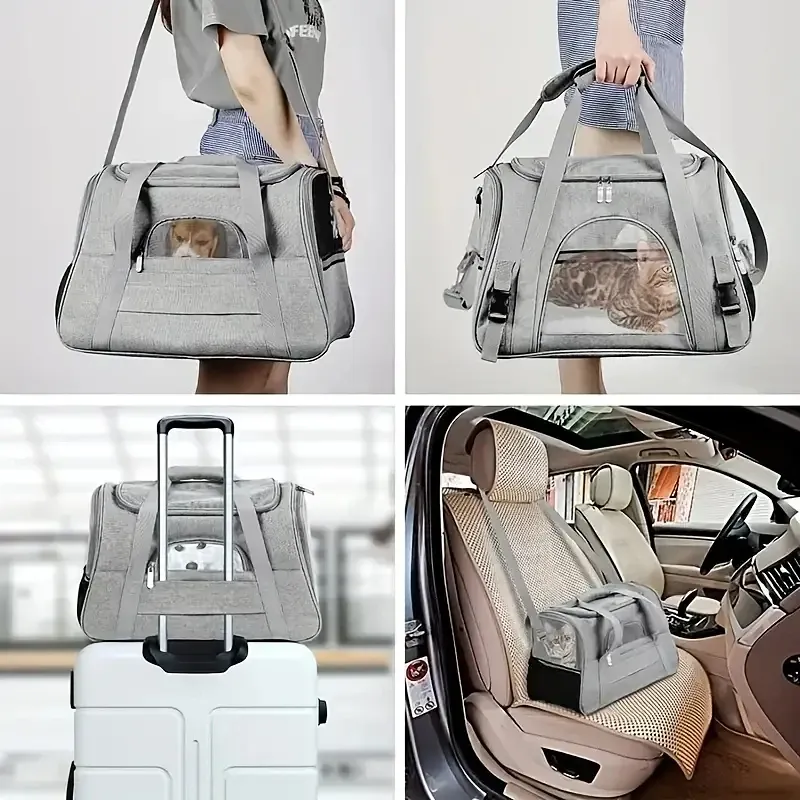
| Shoulder carrier | One strap over the shoulder, or by the handles | Short trips, vet visits, shops | Weight sits on one side; tiring beyond 20–30 minutes |
| Crossbody carrier | Strap across the body, bag at the hip | Walking through town, public transport | Usually for lighter dogs |
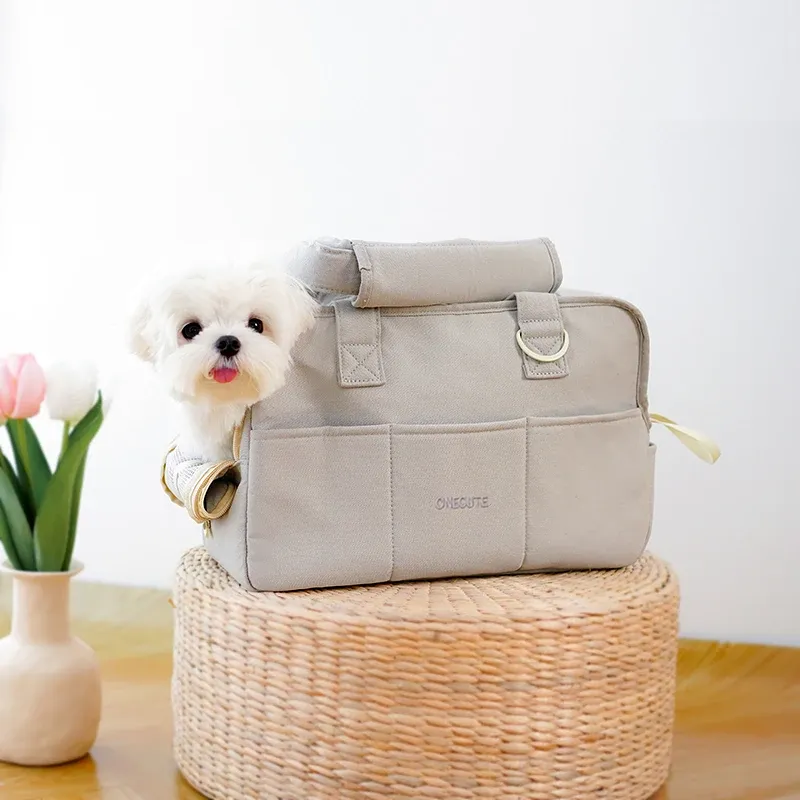
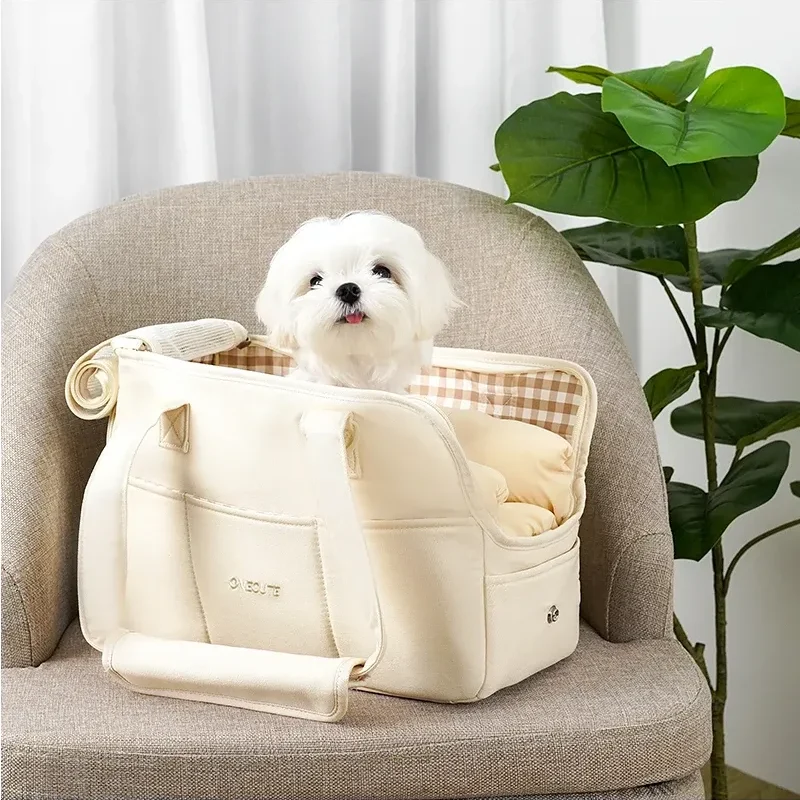
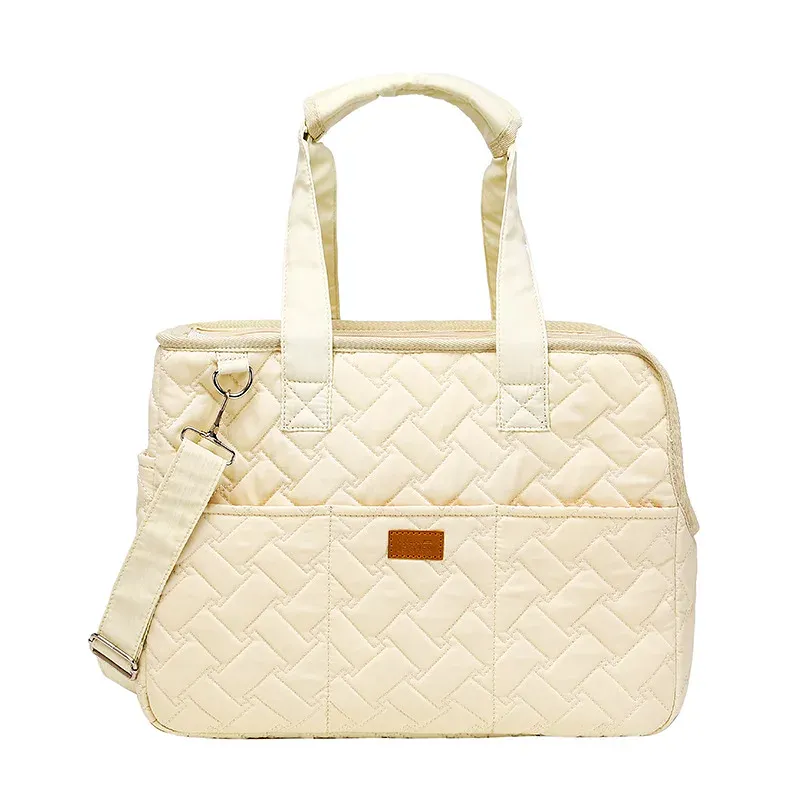
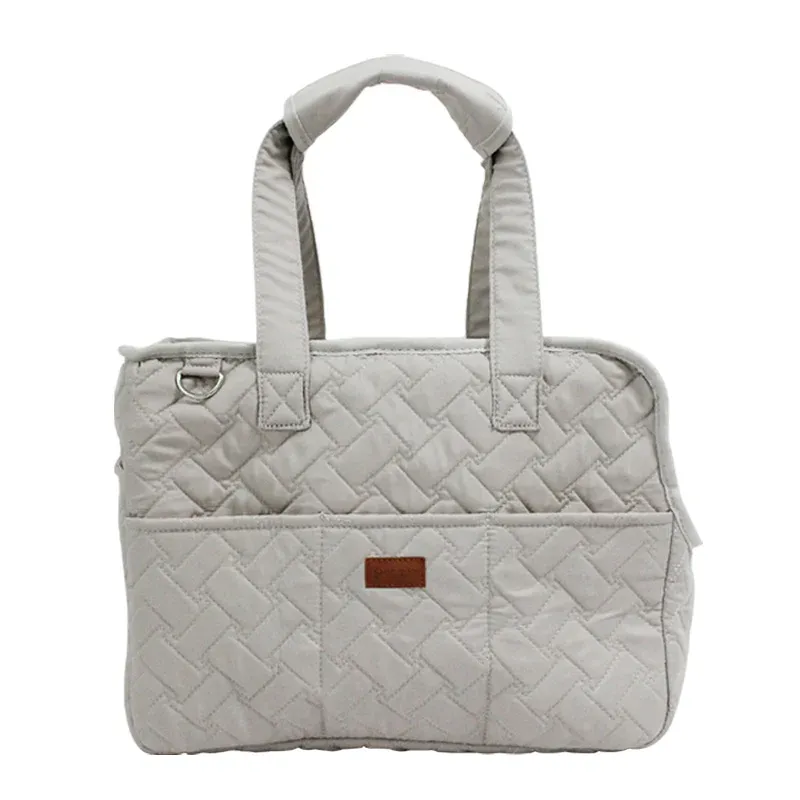
| Quilted tote | Handles or a long shoulder strap | Cafés, shops, dogs that like a cosy, enclosed space | Less airflow than mesh |
| Foldable mesh handbag | Handles, folds flat | Warm weather, occasional use, storing in a car | Mesh is less protective against claws and rain |
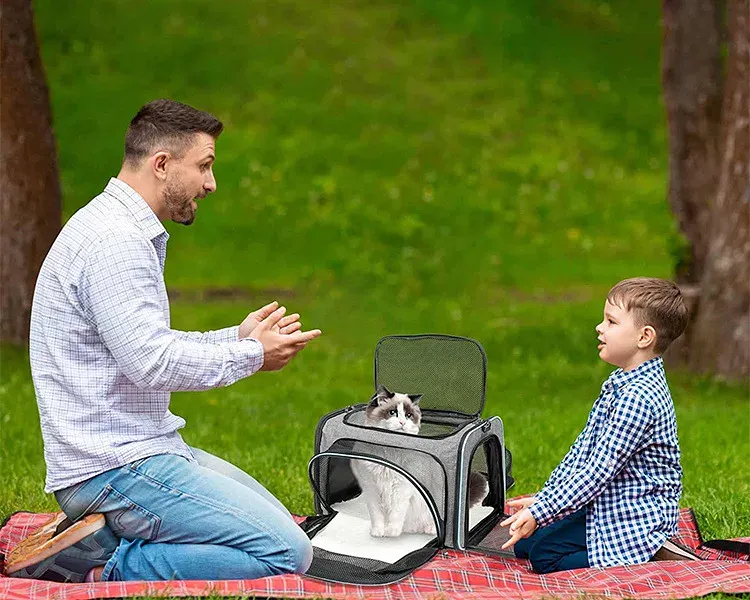
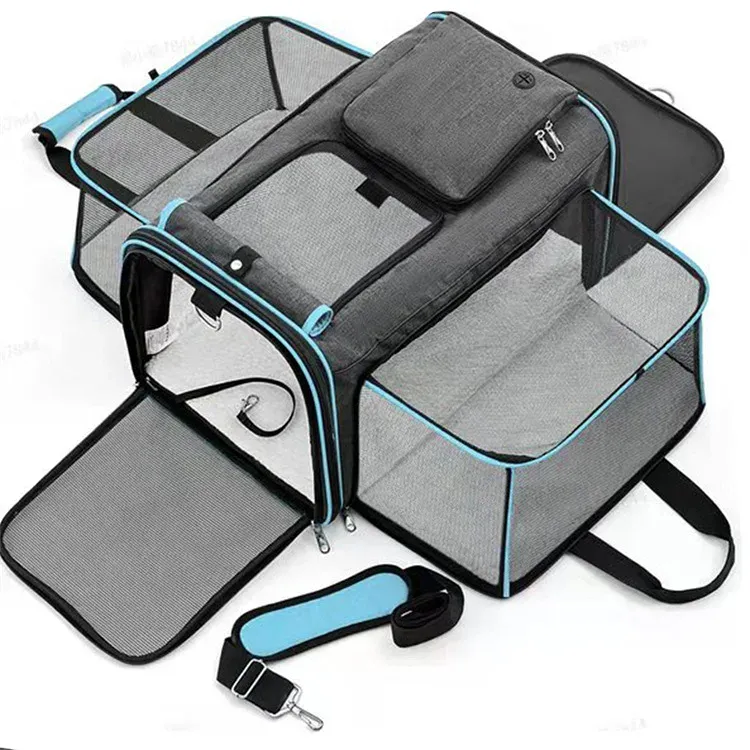
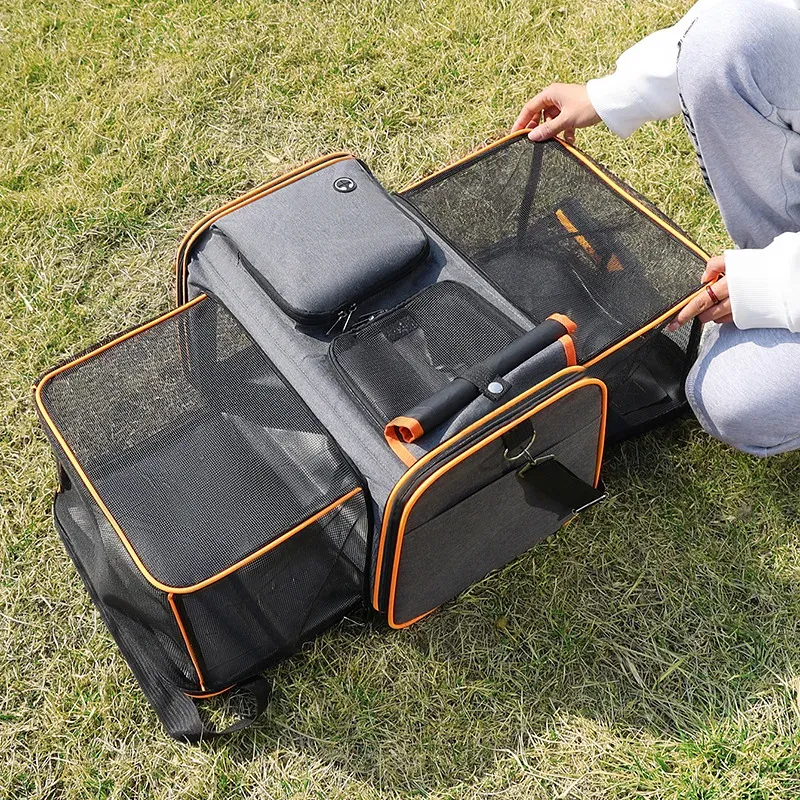
| Expandable carrier | Shoulder strap; side panels unzip to add space | Longer waits, giving a dog room to stretch when you stop | Bulkier when expanded |
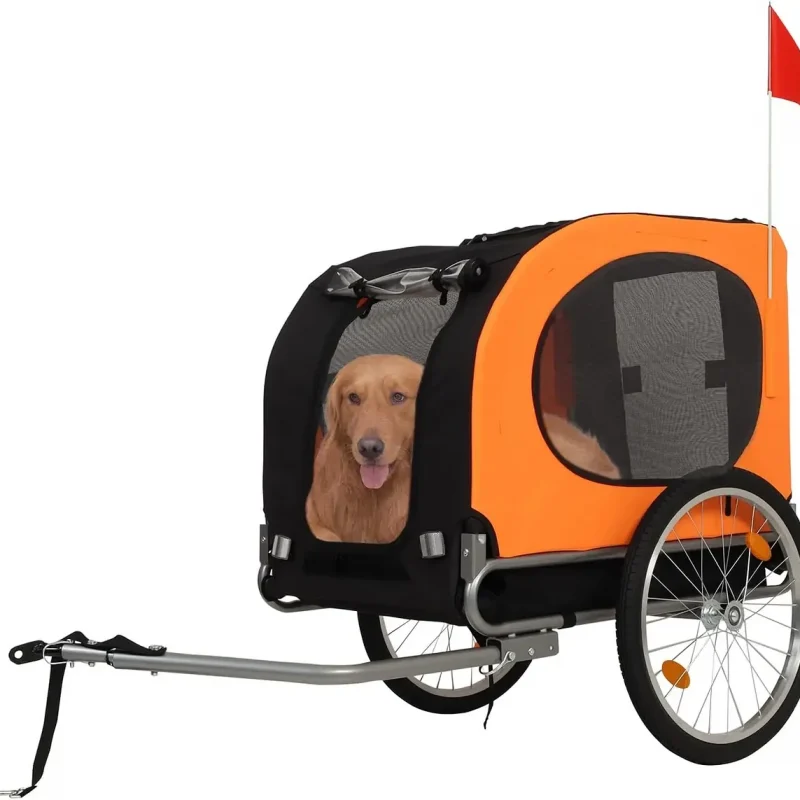
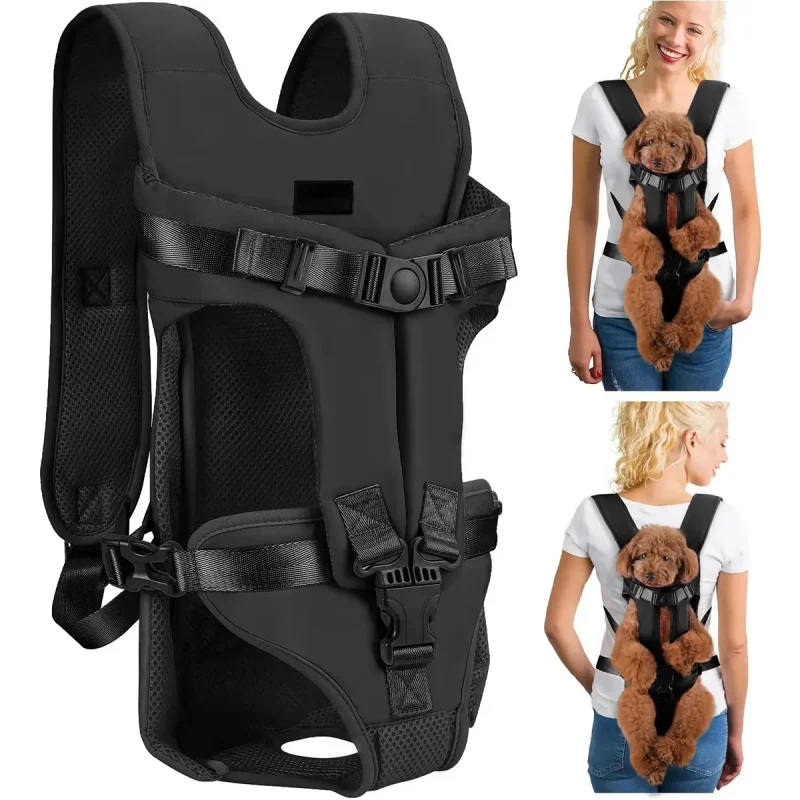
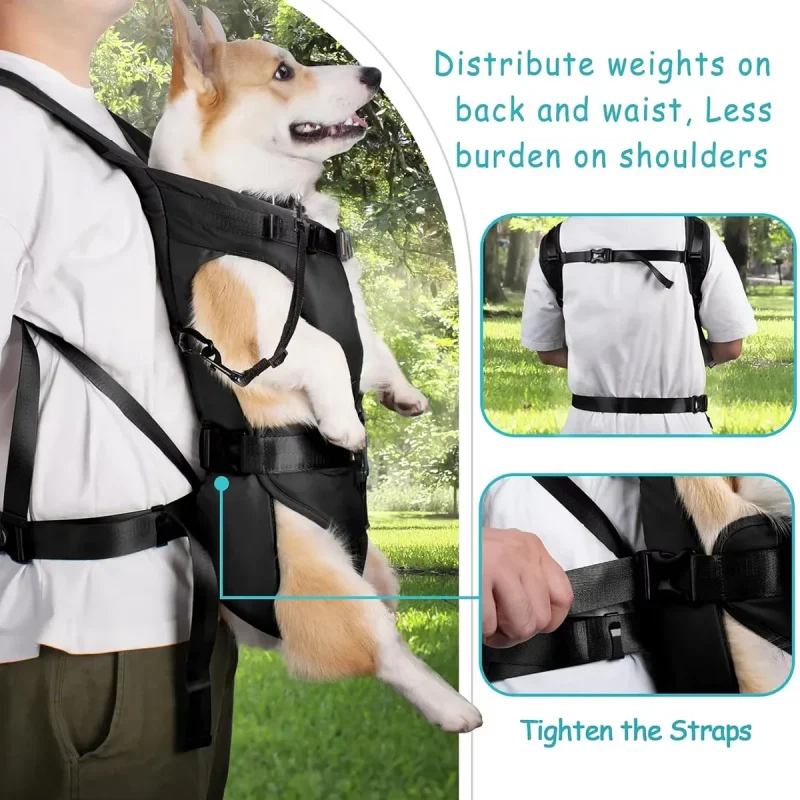
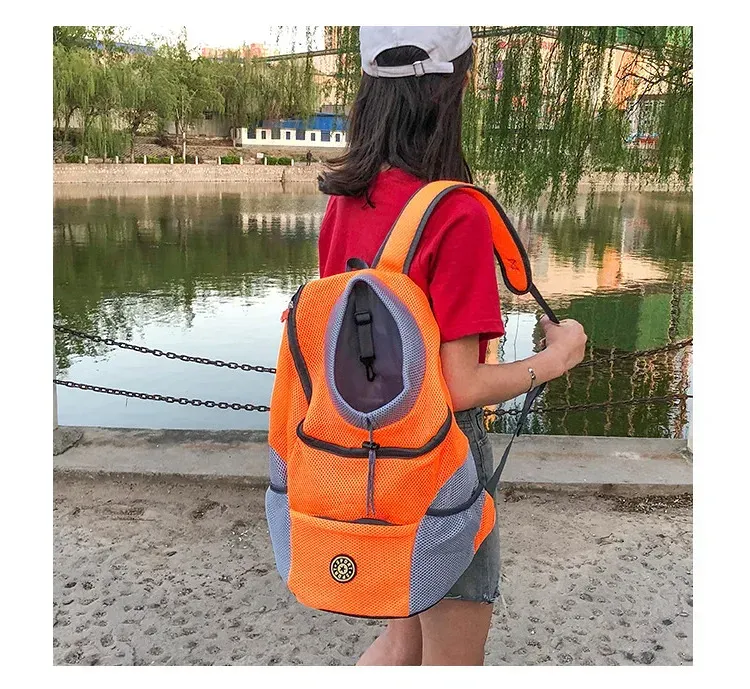
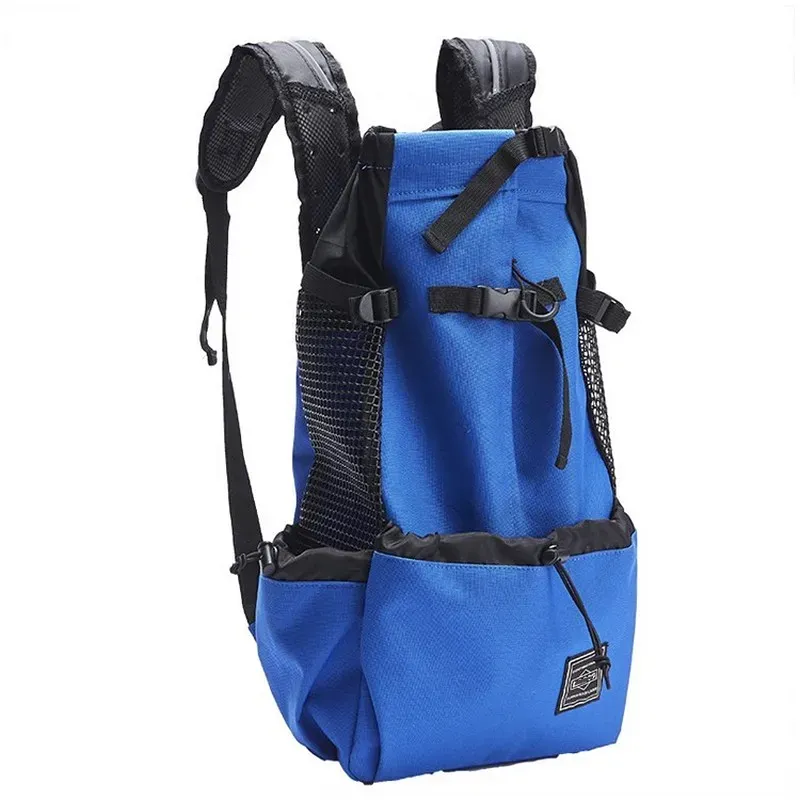
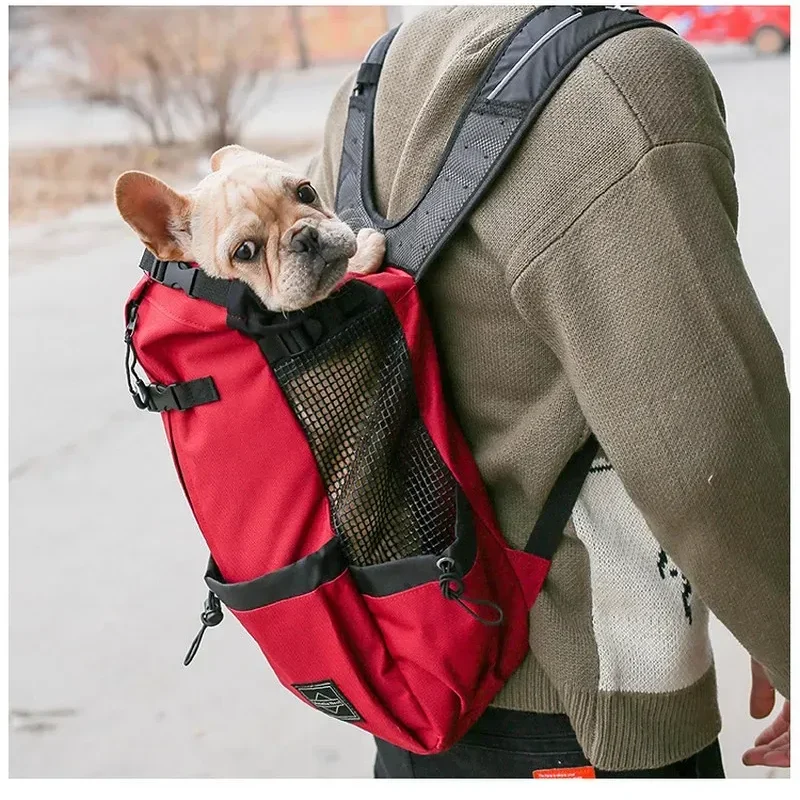
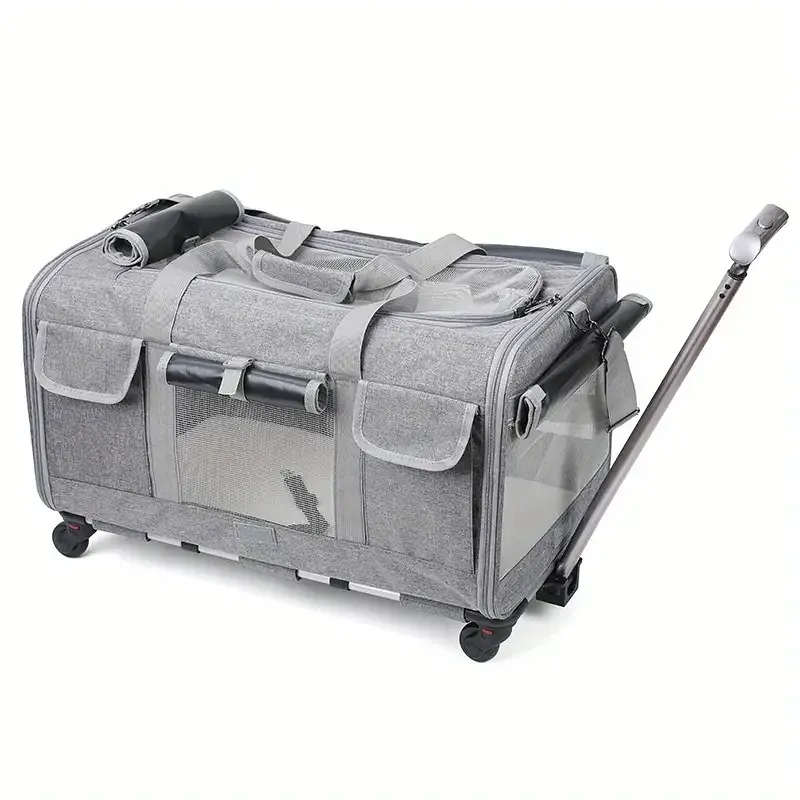
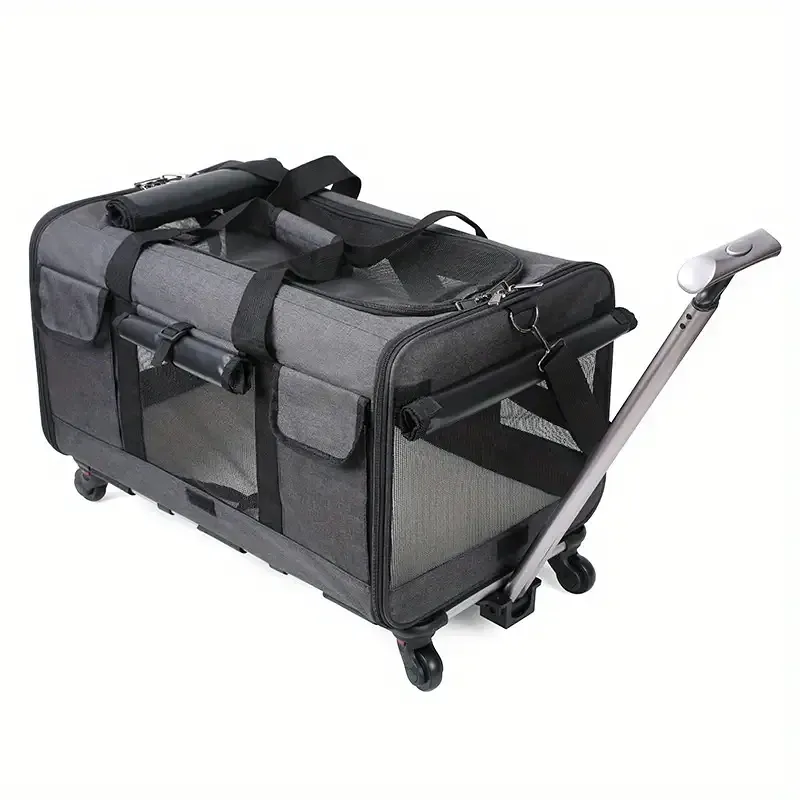
If you’ll be carrying your dog for an hour or more, or walking long distances, a dog backpack carrier or a wheeled carrier spreads the weight better. A soft shoulder or crossbody bag is at its best for short, everyday trips.
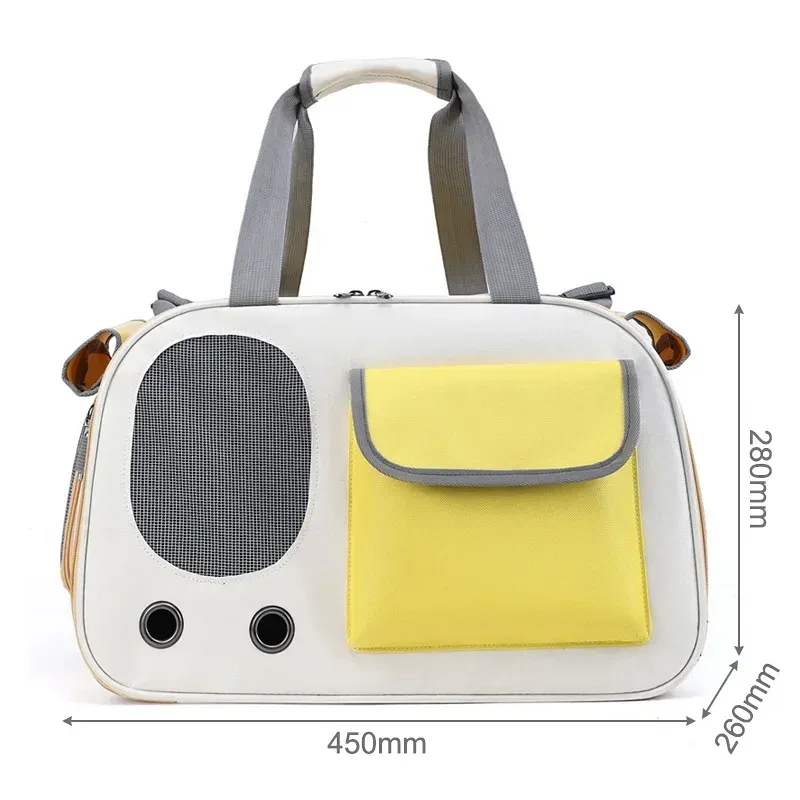
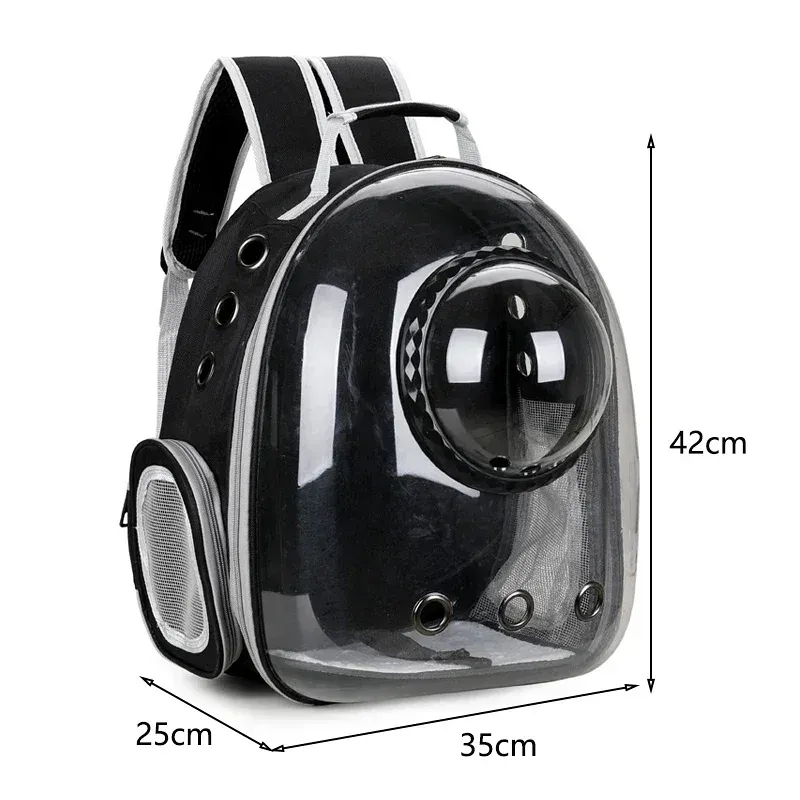
The carrier’s inner length should be a few centimetres longer than your dog’s body, and the height enough for them to sit up without crouching. Your dog should be able to turn round and lie down comfortably. Always check the carrier’s maximum weight as well as its dimensions; a bag that looks roomy may only be rated for 5 kg (11 lb).
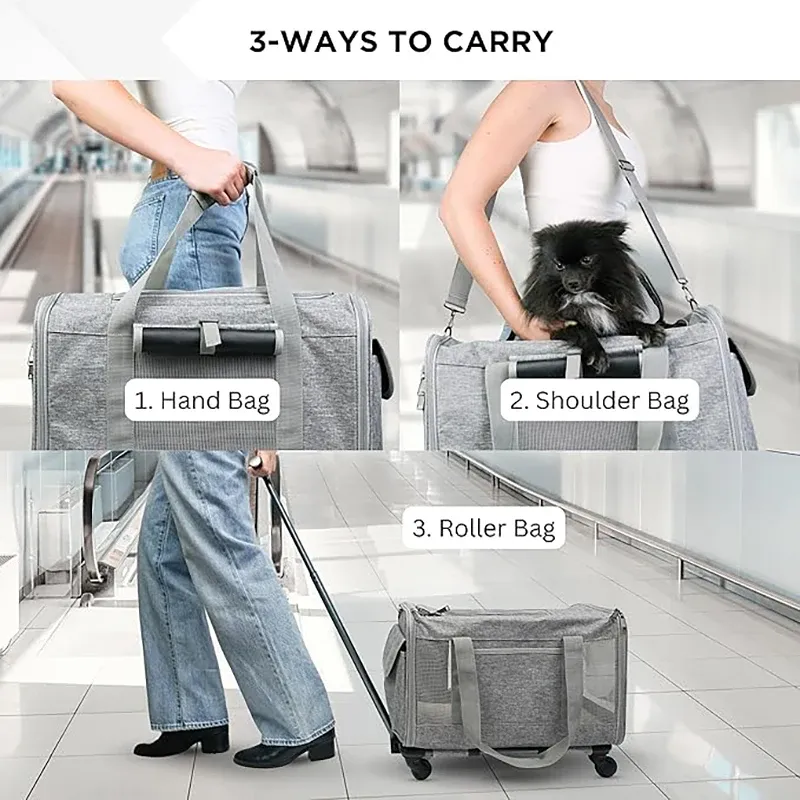
Most soft shoulder carriers are designed for dogs up to roughly 5–8 kg (11–18 lb), with larger soft carriers going higher. The limit on the label is for the bag’s strength; your comfort is another matter. A 7 kg (15 lb) dog on one shoulder feels heavy quickly. For heavier small dogs, look for a wide, padded strap, a rigid base that stops the bag sagging, and a design you can switch between hand and shoulder.
Never leave a dog zipped in a carrier in a warm car or in direct sun. Carriers trap heat, and small dogs, especially flat-faced breeds, can overheat quickly.
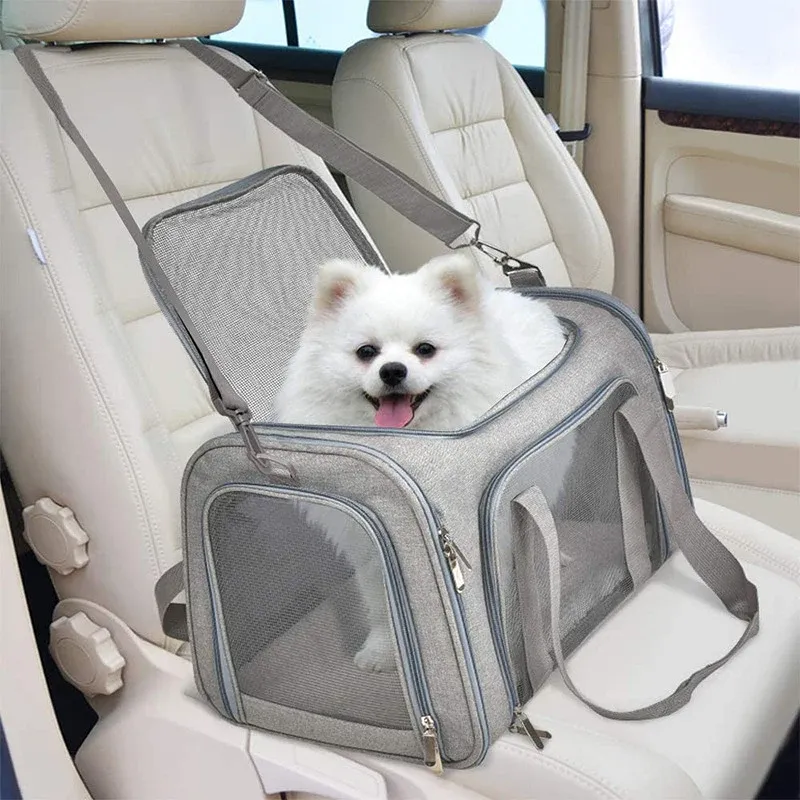
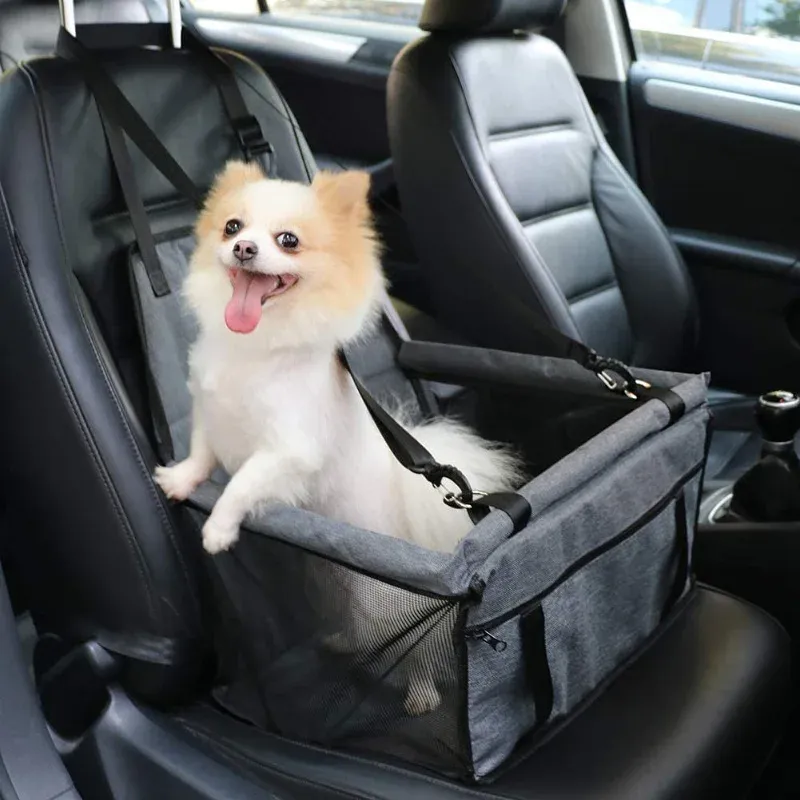
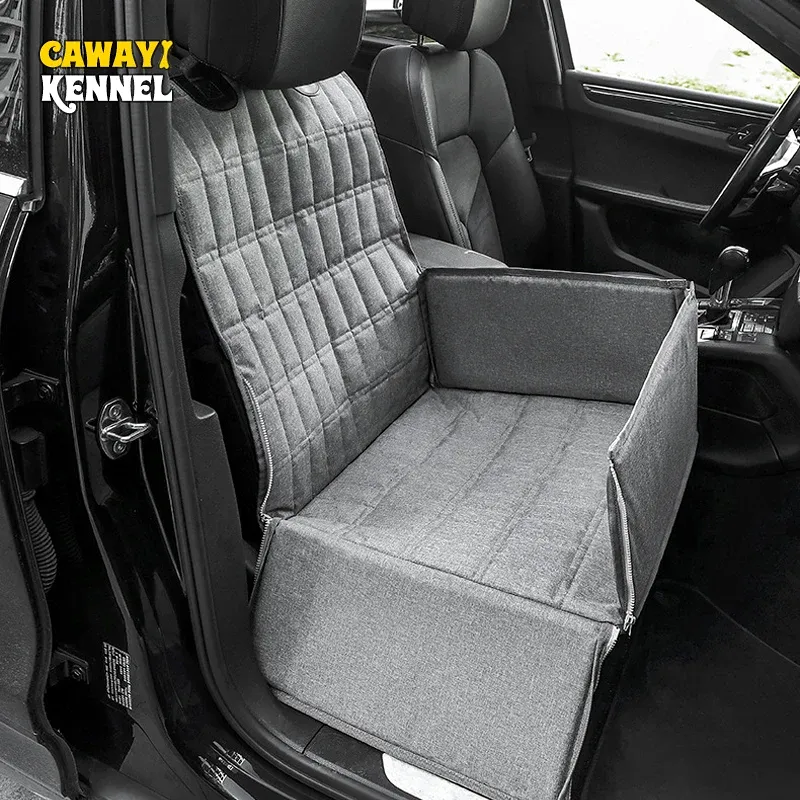
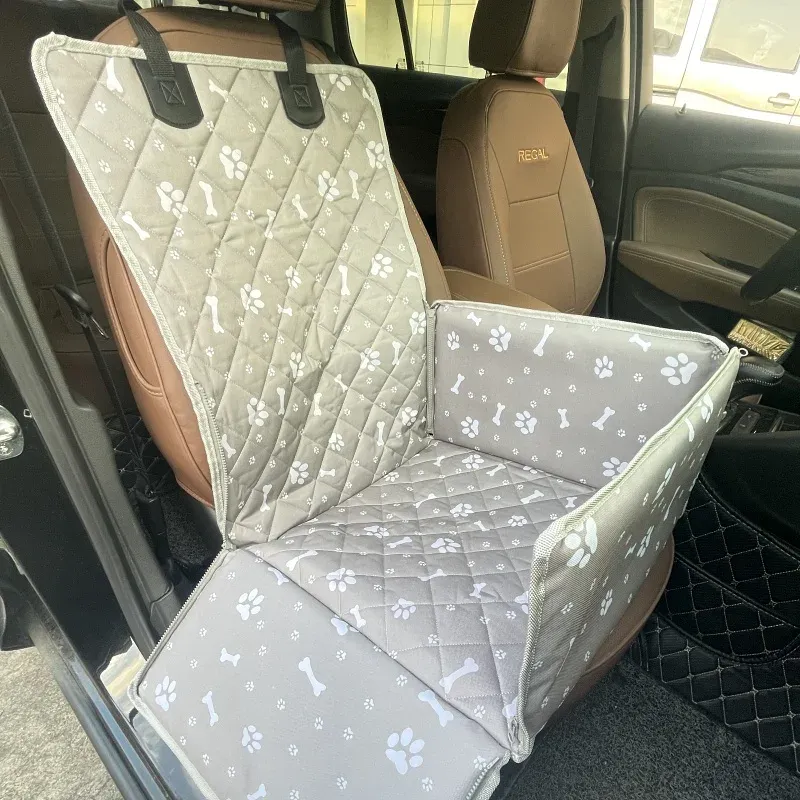
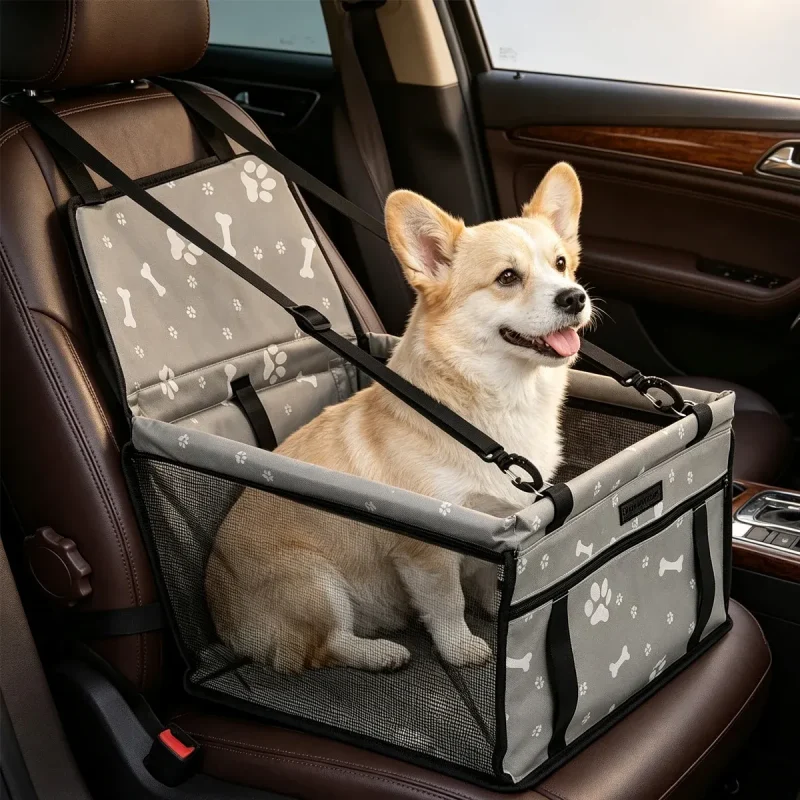
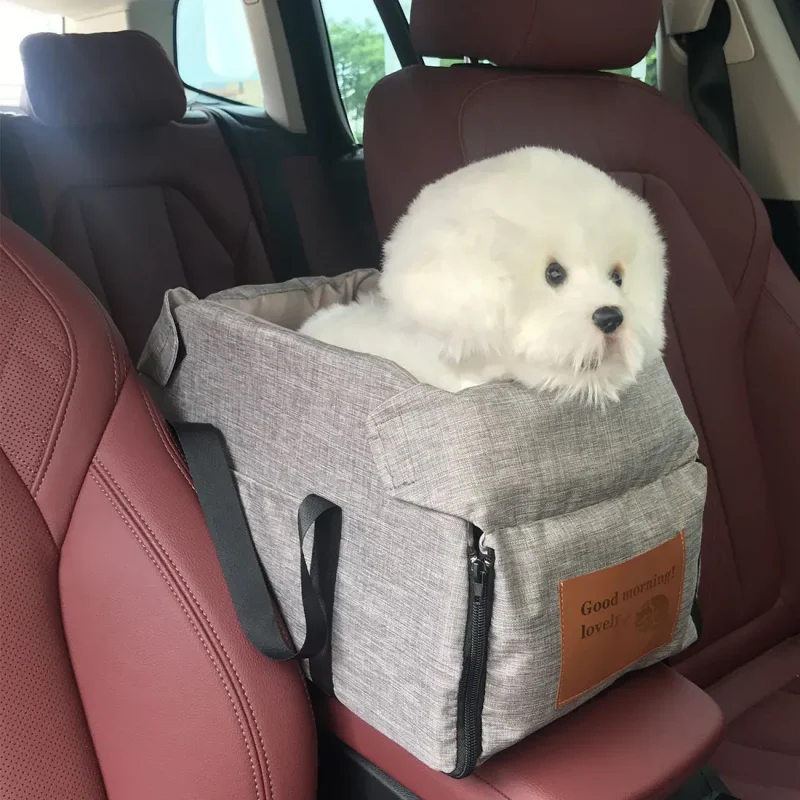
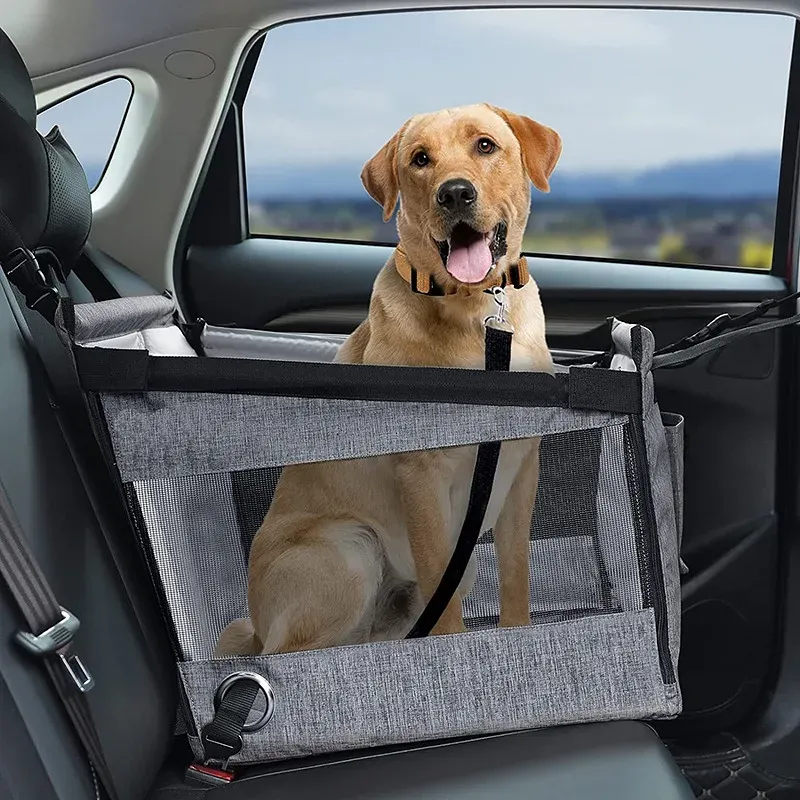
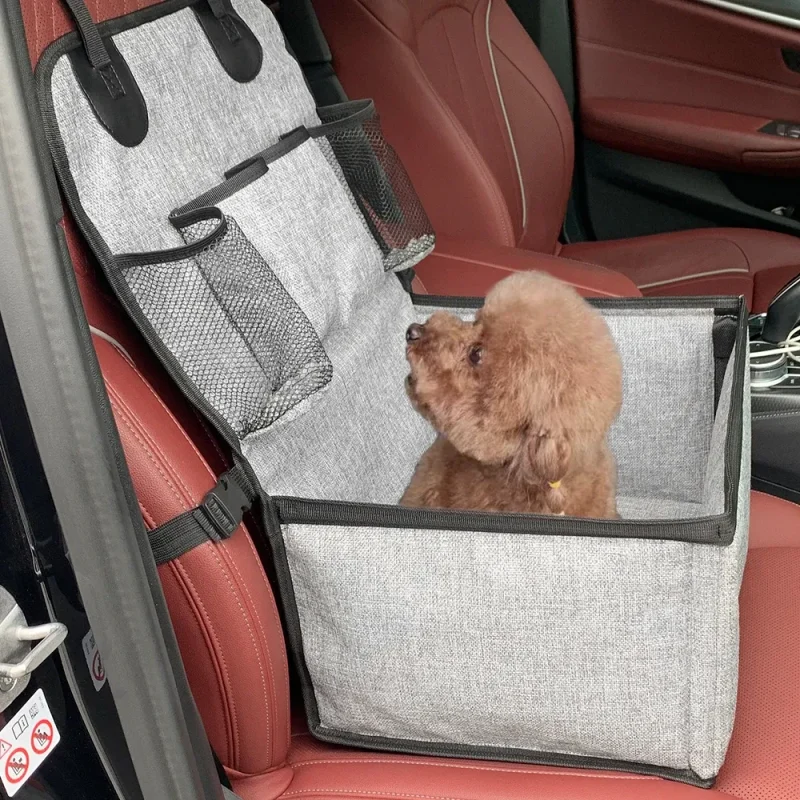
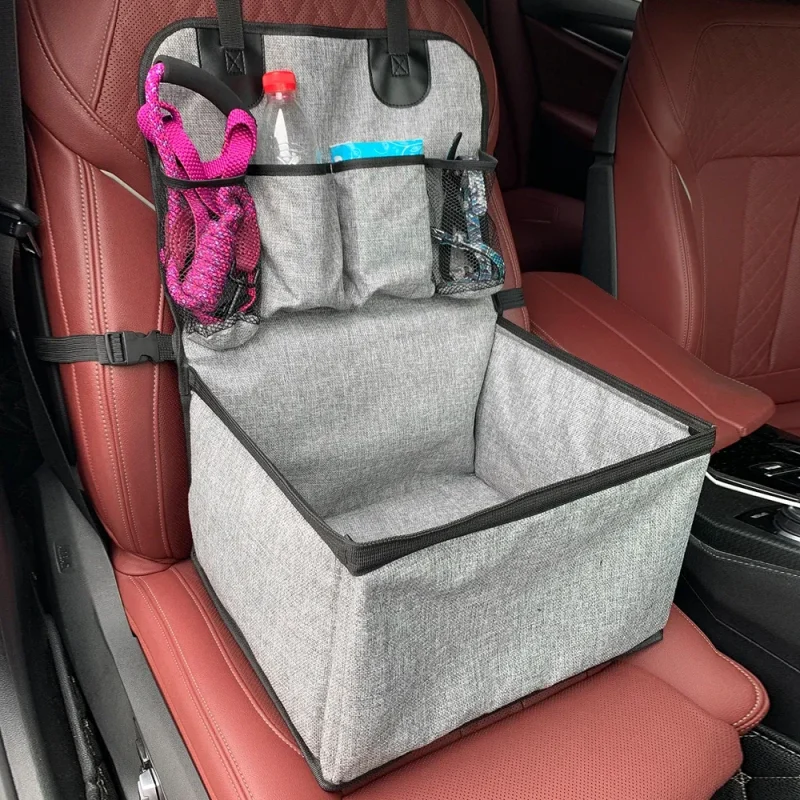
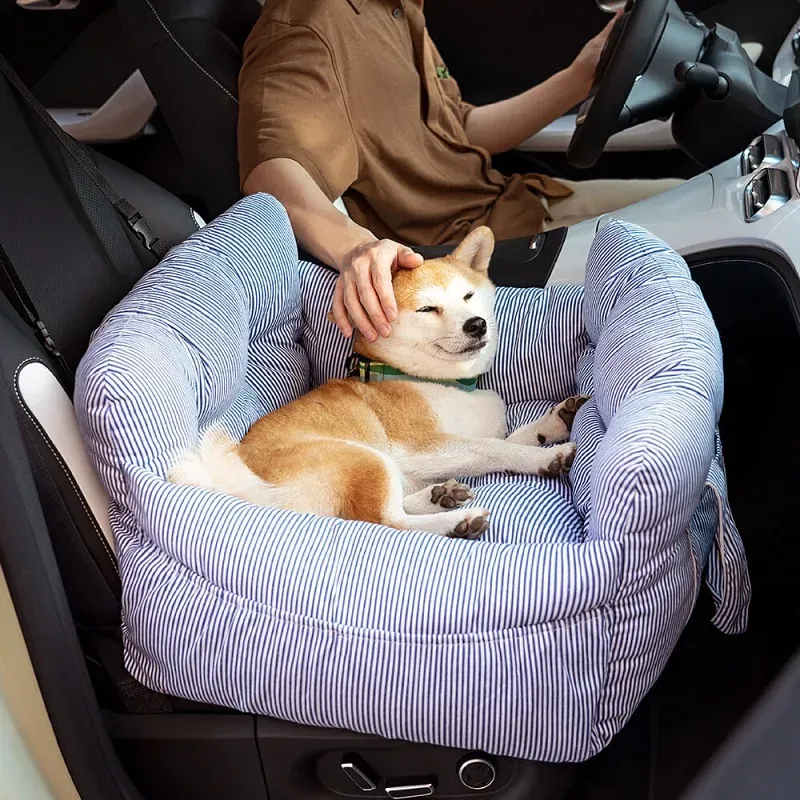
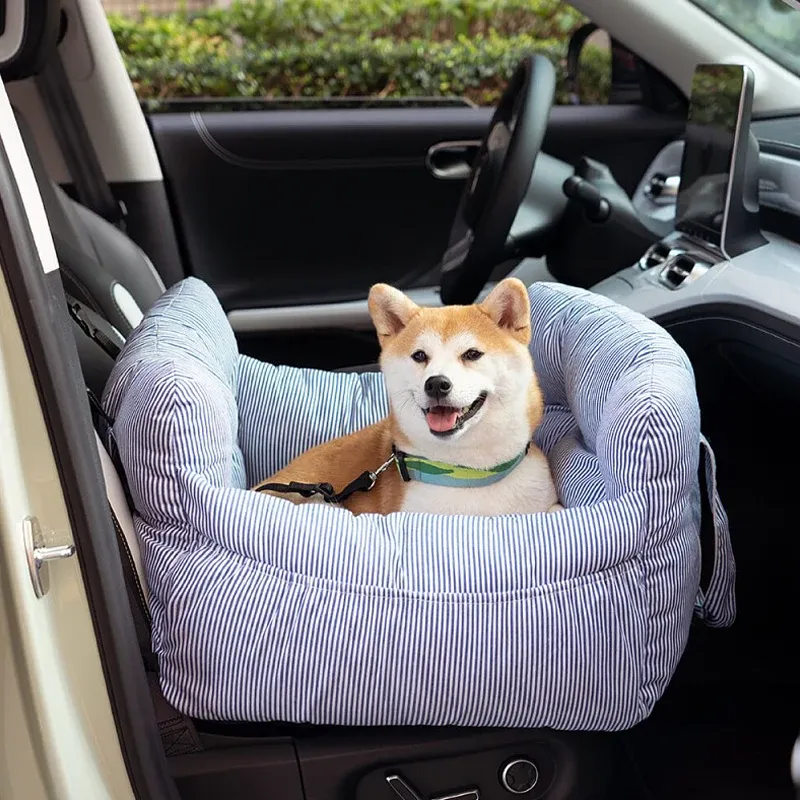
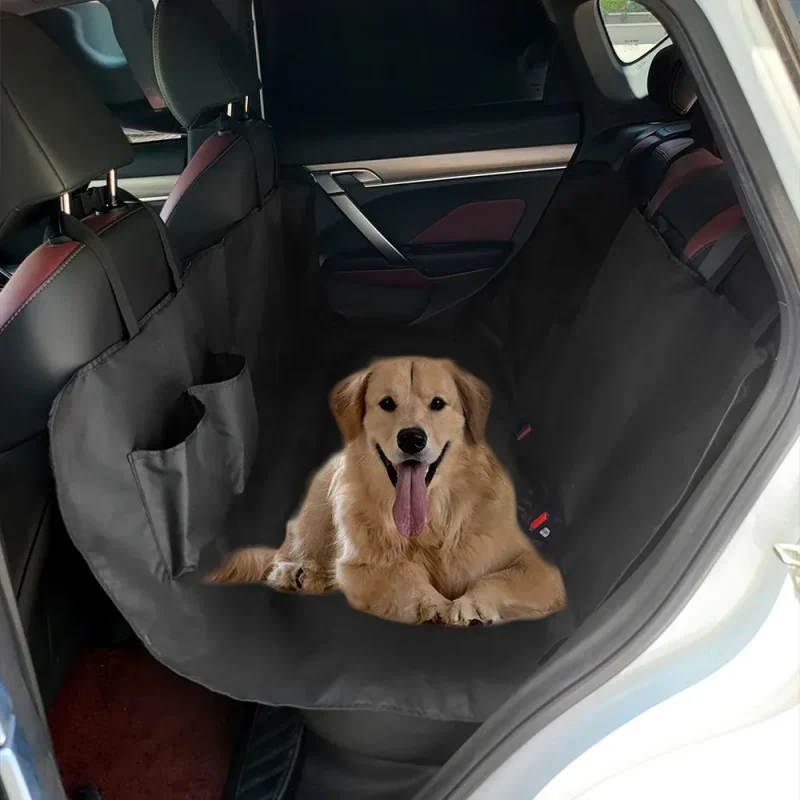
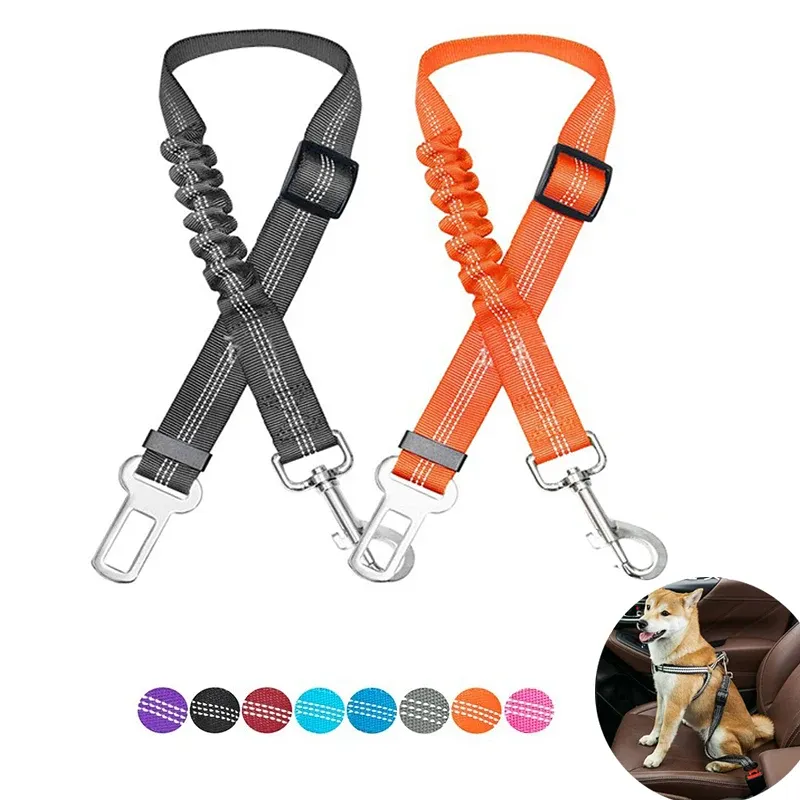
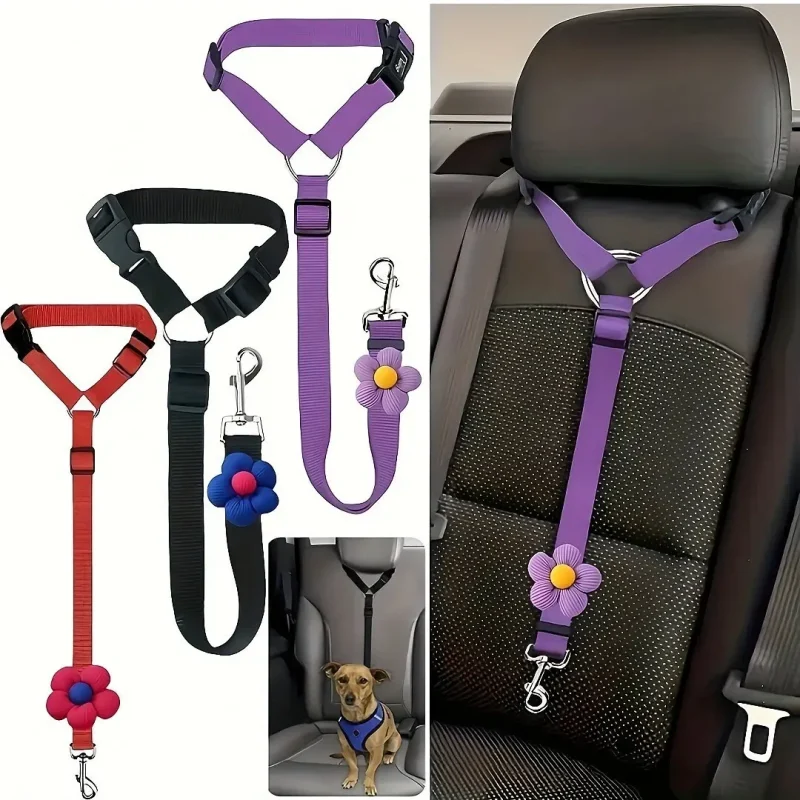
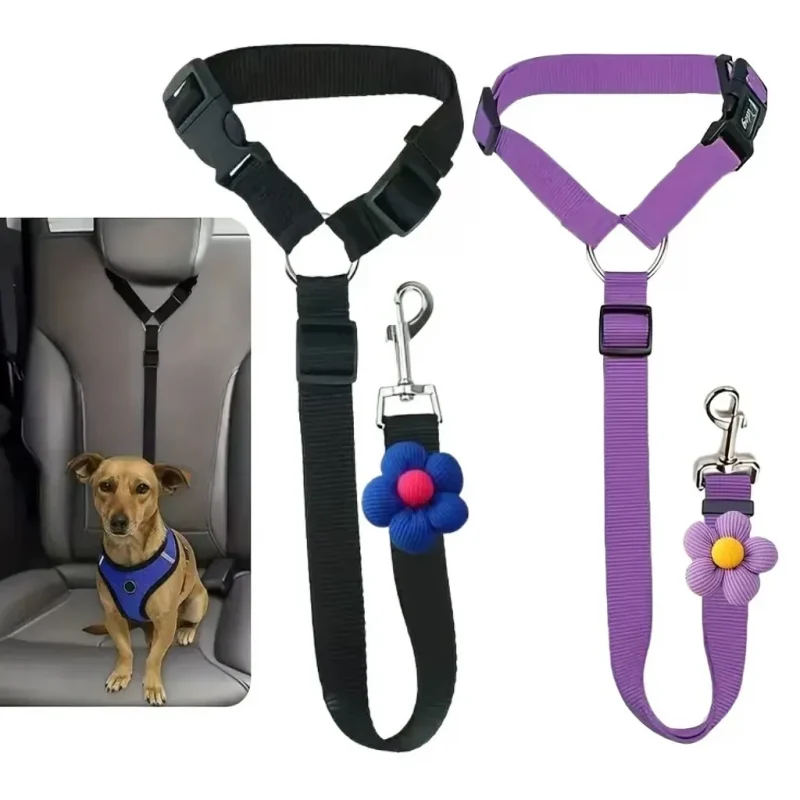
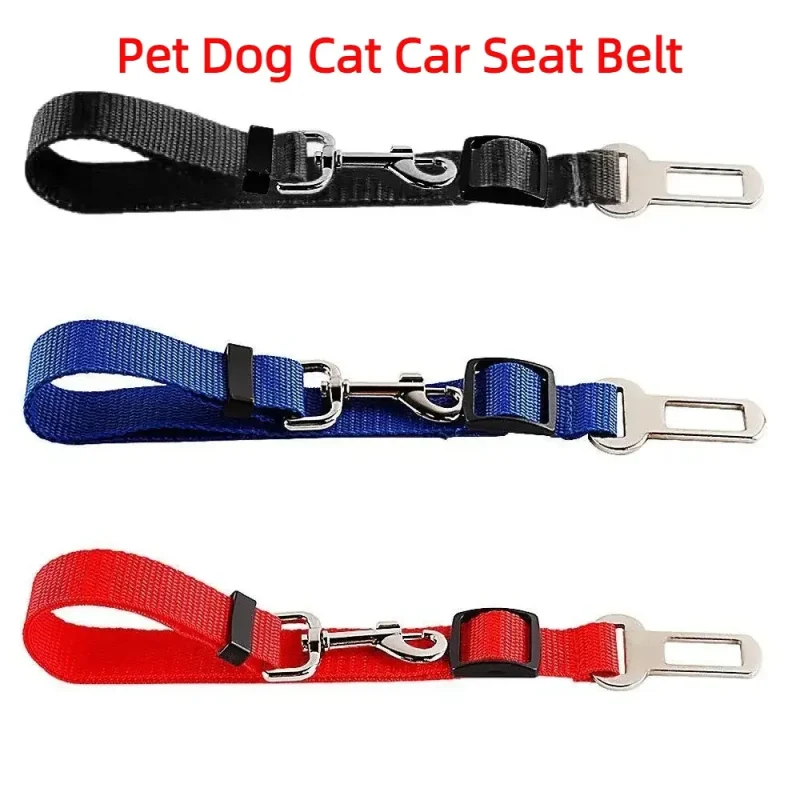
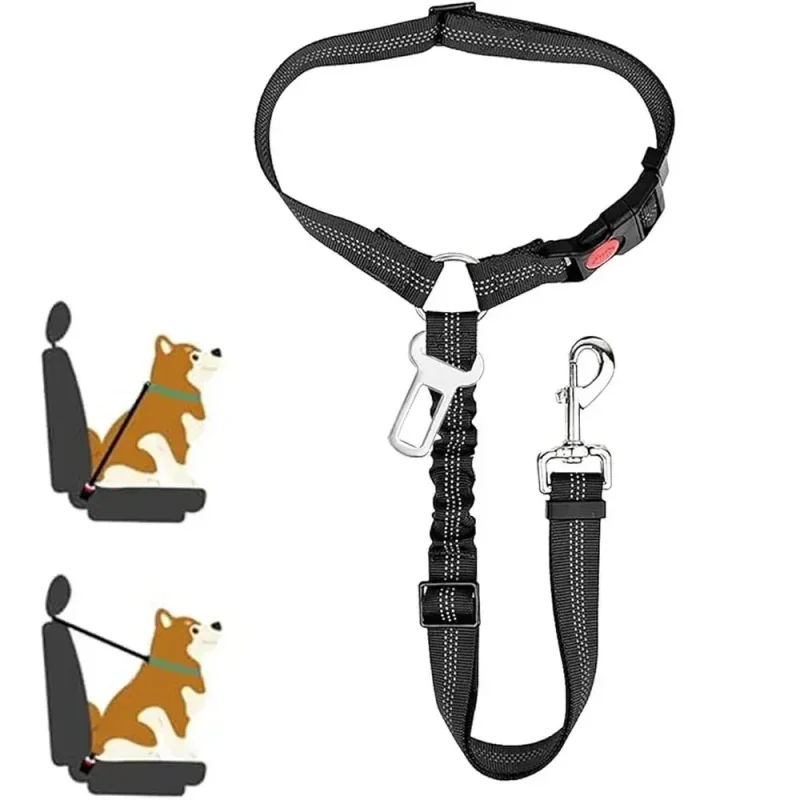
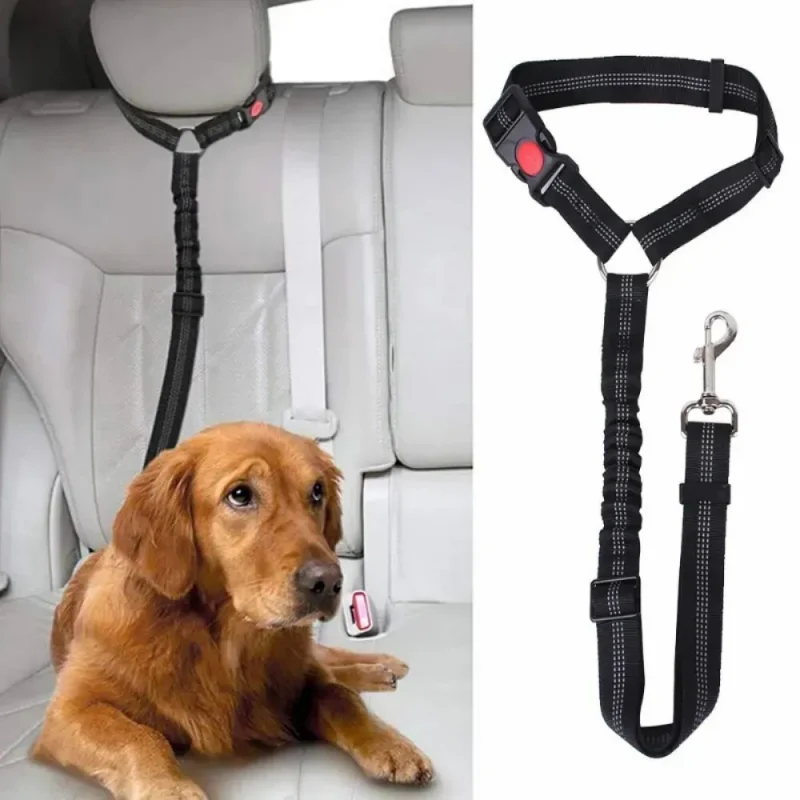
A soft carrier can travel on the back seat or in the footwell, but it isn’t a crash-tested restraint. If you drive regularly with your dog, look at carriers with seat belt loops, or use a crash-tested crate or harness and seat belt tether for longer journeys. Never put a carrier on the front seat in front of an airbag.
Many European train, tram and bus operators let small dogs travel in a closed bag, sometimes free and sometimes with a ticket. Rules vary by operator and country, so check before you travel. A carrier also makes it easier to take a small dog into shops or cafés where dogs on the floor aren’t welcome, though the venue always has the final say.
Signs your dog isn’t comfortable yet include panting, whining, scrabbling at the mesh or trying to get out. Go back a step and slow down.
| Situation | What to prioritise |
|---|---|
| Vet visits | A top opening so the vet can lift your dog out gently, and a washable cushion in case of nerves or accidents |
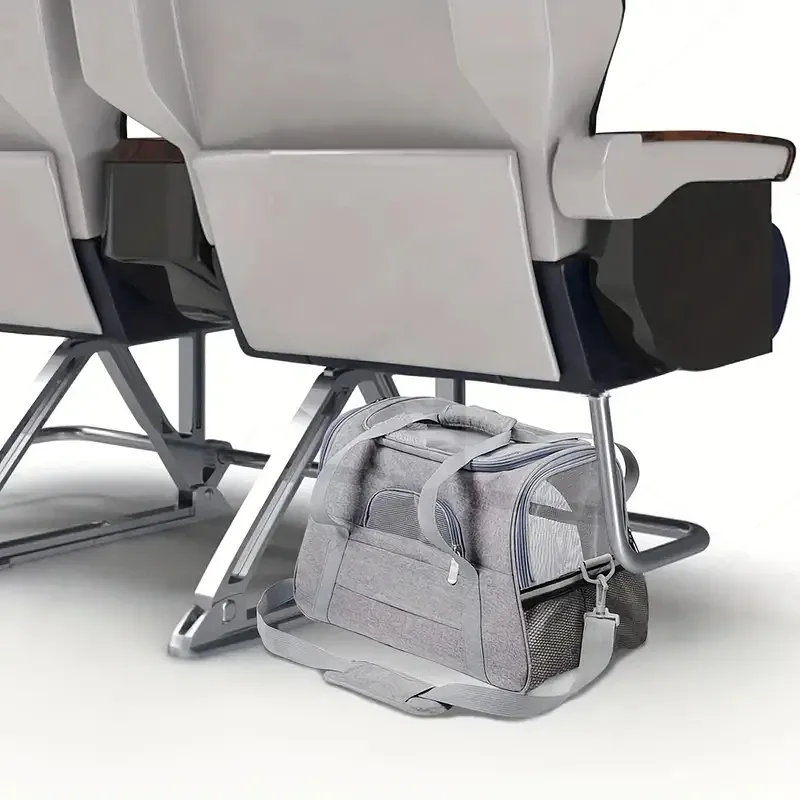
| Trains, trams and buses | A closed, compact bag that fits on your lap or under a seat, with mesh so your dog can see you |
| Cafés and shops | A calm-looking tote with a firm base that stands on the floor without tipping |
| Summer days | Mesh on several sides, a light colour, and plenty of shade breaks |
| Winter and rain | Oxford fabric or quilted panels, and a roll-down cover over the mesh |
| Storage at home or in the car | A foldable design that packs flat into a boot or cupboard |
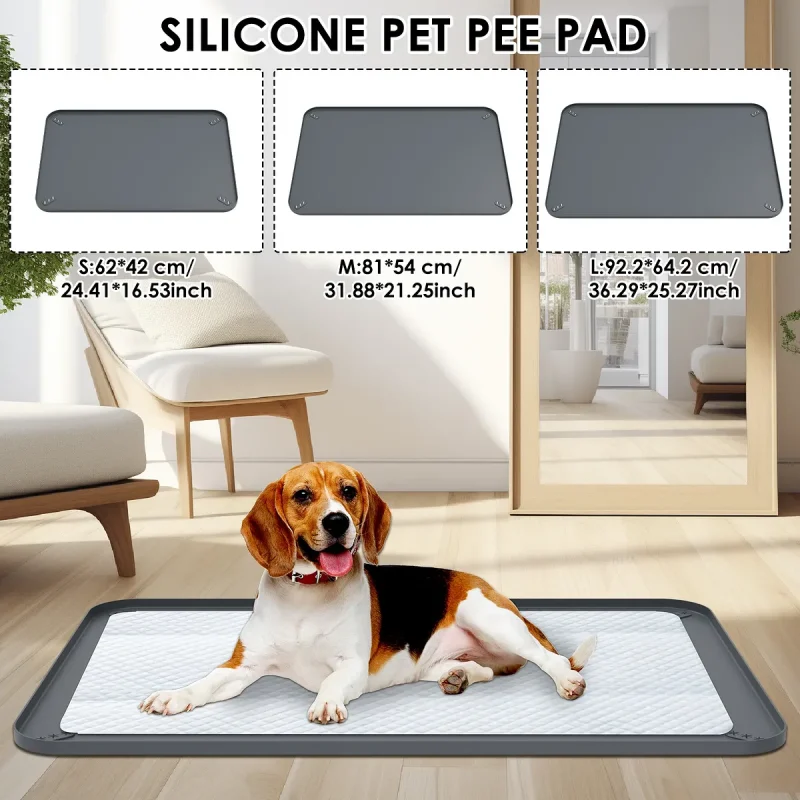
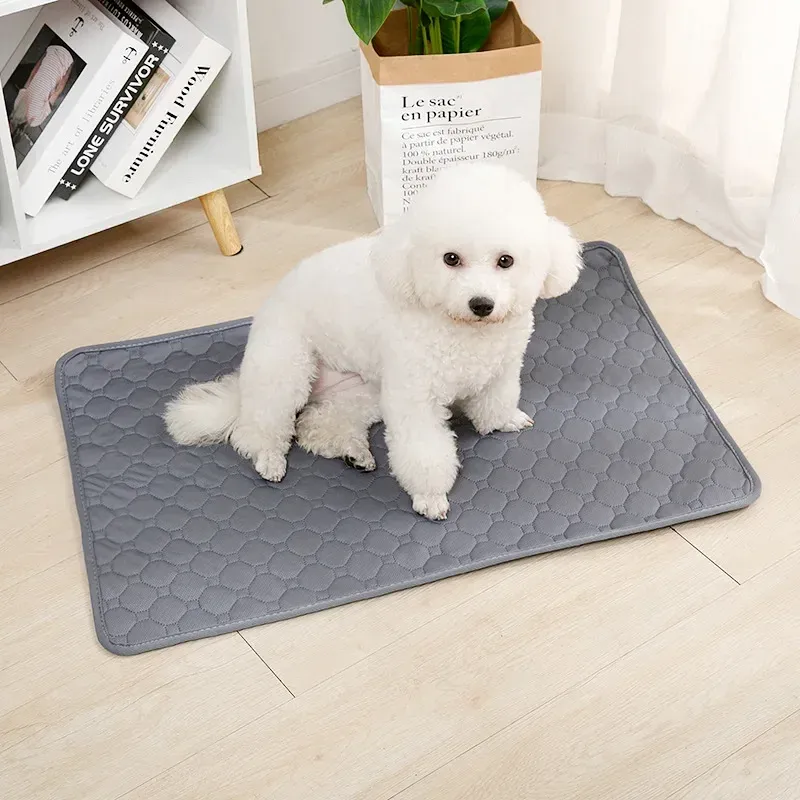
A soft carrier is useful in the weeks before a puppy’s vaccinations are complete, when your vet may advise keeping them off the ground in public places. It lets you carry them to see the sights and sounds of town safely, which helps early socialisation. Choose a carrier with room to grow, keep trips short, and bring a puppy pad for the base. Puppies grow quickly, so check the fit every few weeks.
Measure nose to tail base and floor to head, add a few centimetres, and check the weight limit. Your dog should be able to turn and lie down.
Some are, but airlines set their own size limits for cabin pets. Check with your airline and look at airline-approved carriers if you fly.
No. Carriers are for travel and short waits. Give your dog breaks to stretch, drink and go to the toilet.
We sell gear for dogs only, and every soft carrier we list has to pass the same checks: a firm base, secure zips, an internal clip and enough airflow. Each product page gives the inner size in centimetres with inches in brackets and the maximum weight in kg (lb), so you can check the fit before you order. Orders over $79 ship free with tracking. Unsure which style suits your dog? Email [email protected] and a real person will help.
Find a light, well-made carrier for everyday trips with your small dog at TAILOVO.