Free tracked shipping on orders over $79 Measurements, materials and care details on every listing Questions? Email [email protected]

Home / Shop / Dog Seat Belt Tethers

Dog Seat Belt Tethers for Car Travel

Store guarantee badge 1Store guarantee badge 2Store guarantee badge 3
You are $79.00 away from free tracked shipping Free tracked shipping over $79

A dog loose on the back seat slides on corners, stands up at every junction and ends up between the front seats when you brake. A dog seat belt tether is the simplest fix: one end fastens to the car, through the seat belt buckle or around the headrest, and the other clips to the back of your dog’s harness. The four tethers in this category work with dogs of most sizes, as long as they wear a well-fitted harness. This guide explains the two ways a tether attaches, why length matters more than anything else, what the hardware and materials do, and what a tether can and can’t do in an emergency stop. Tethers work alongside the seats, covers and guards in our dog travel accessories range.

The tethers compared

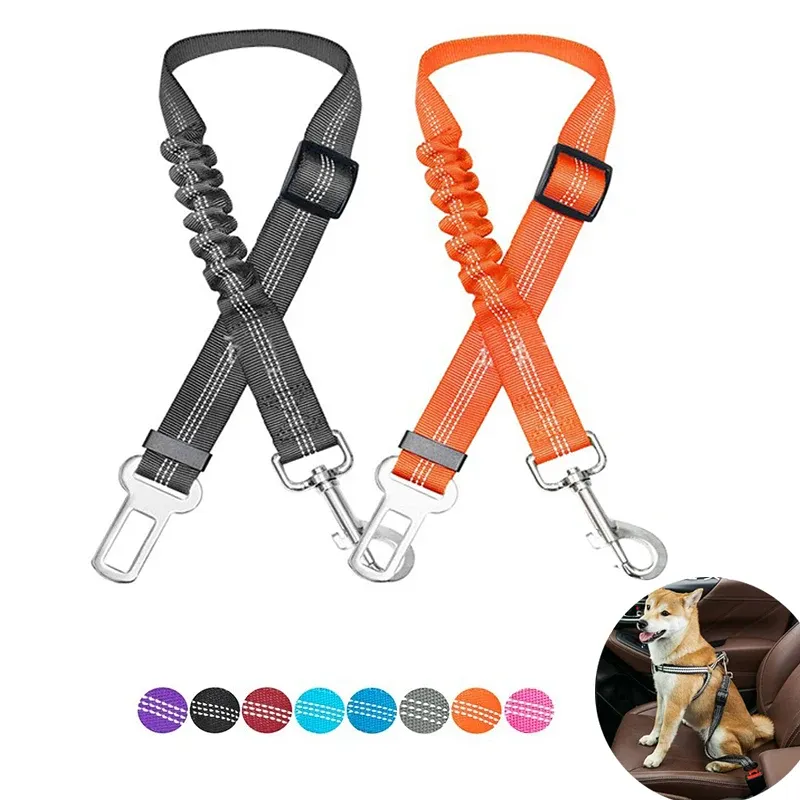
Tether Attaches to the car by Length Strap Hardware
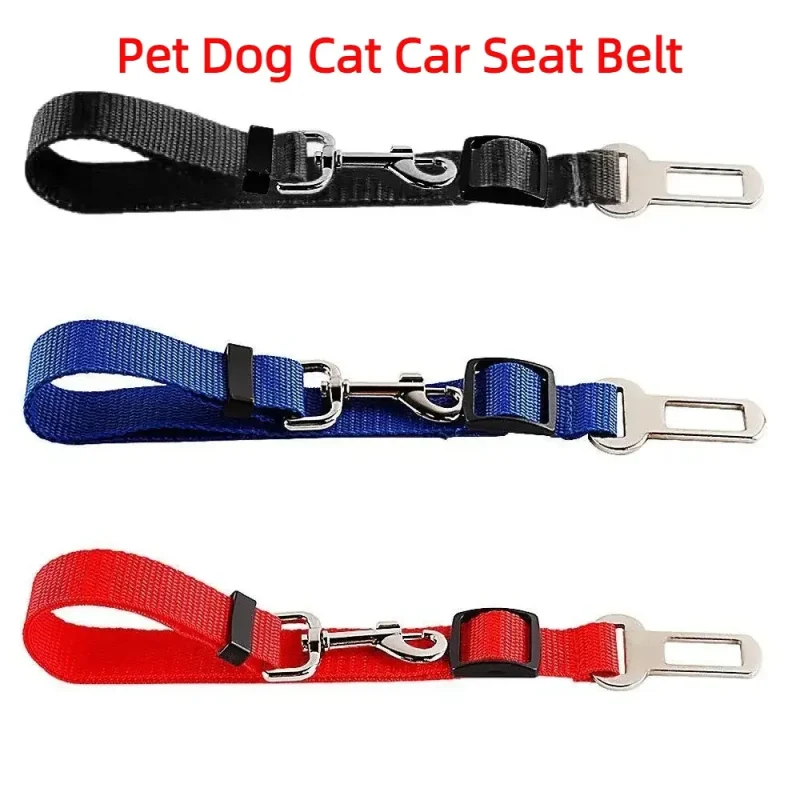
Adjustable dog car safety belt Seat belt buckle 38–69 cm (15–27 in) Plain nylon webbing, no stretch; eight colours Metal tongue and snap hook
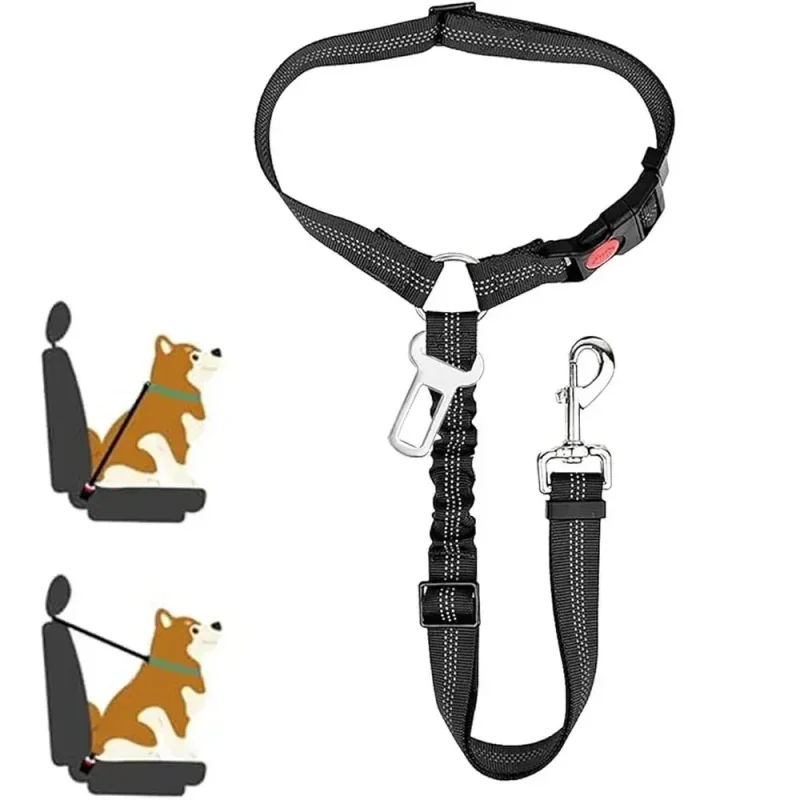
Reflective elastic seat belt with bungee Seat belt buckle Adjustable Webbing with a bungee section and reflective stitching; eight colours 360° swivel snap
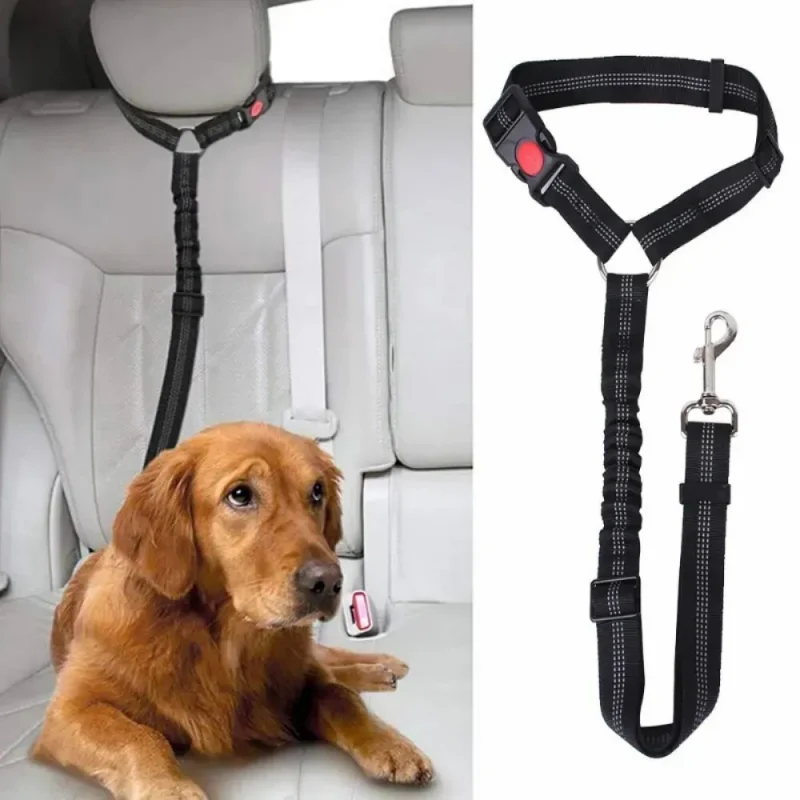
2-in-1 headrest seat belt Headrest loop or seat belt buckle Adjustable Nylon with a bungee section and reflective stitching 360° swivel hook, lockable buckle
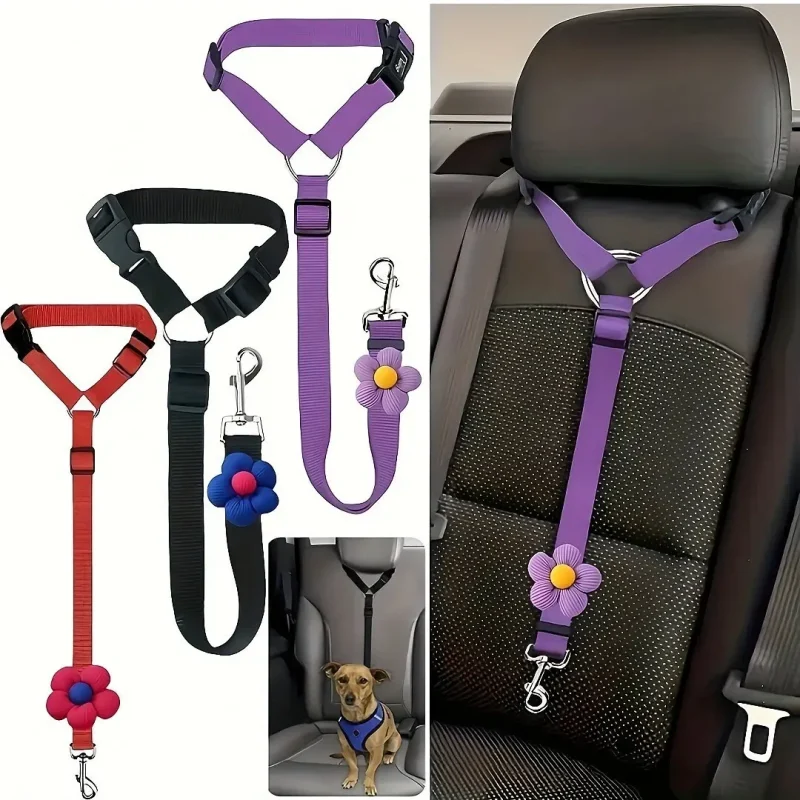
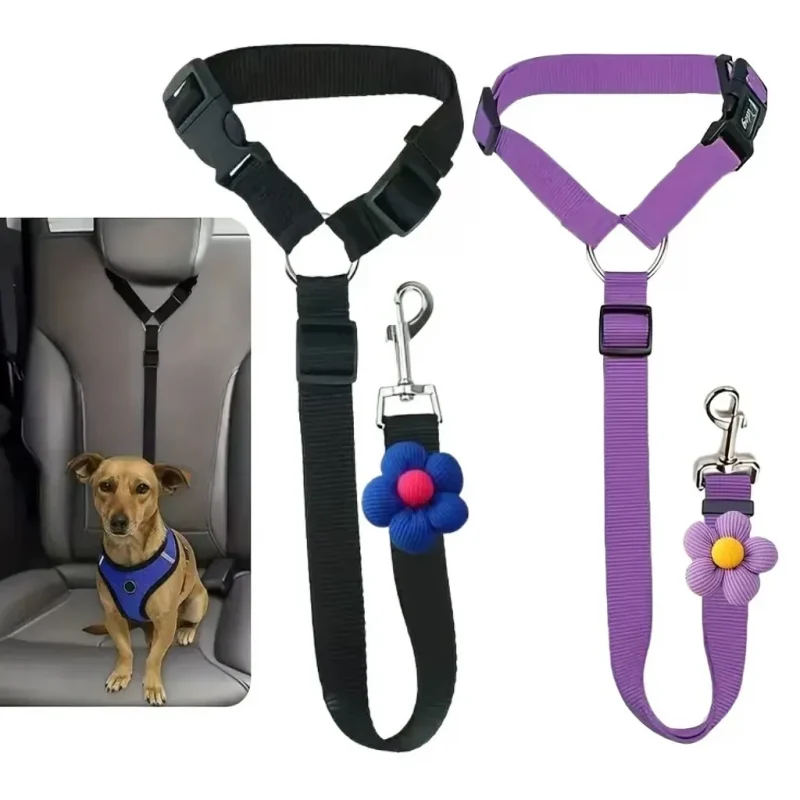
Headrest tether with flower charm Headrest loop only Adjustable Polyester-blend webbing; black, red or purple Quick-release buckle, harness snap hook

Buckle or headrest: which attachment?

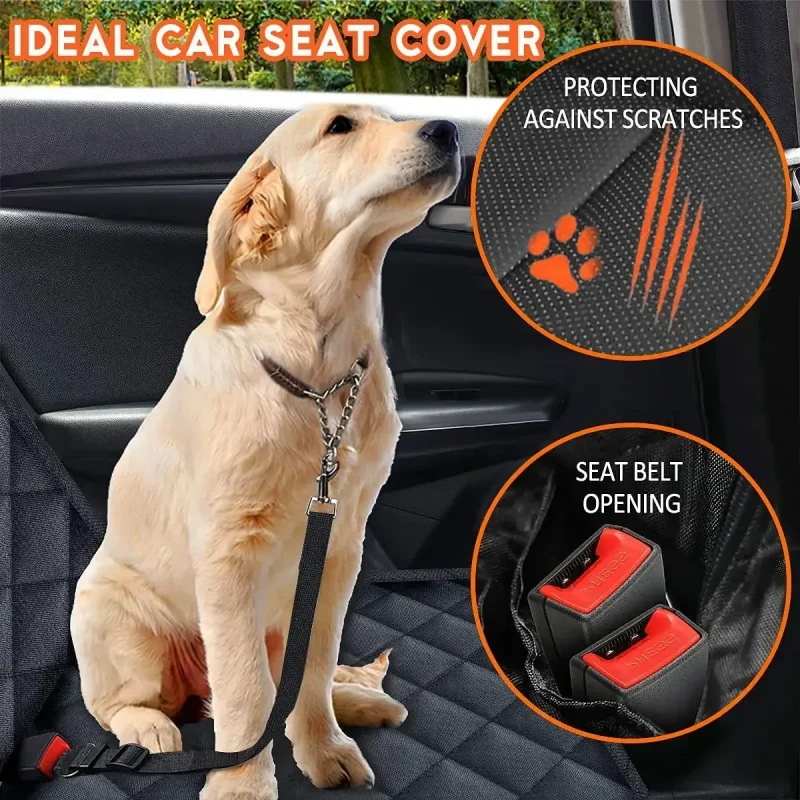
  • Seat belt buckle tethers click into the car’s buckle like a seat belt tongue. They anchor low and close to the seat, which keeps your dog sitting or lying rather than standing. Check that the tongue clicks in fully and holds when you pull it, because buckle shapes vary between cars. When a tether occupies the buckle, that seat can’t be used by a passenger.
  • Headrest tethers loop round the headrest posts. They leave the buckle free, which suits cars where the buckle is hard to reach, or where a passenger needs it. Because the anchor point is higher, keep the strap short so your dog can’t reach the front seats.
  • 2-in-1 tethers do both, which helps if you switch between cars.

Why tether length matters most

The shorter the tether, the less distance your dog can travel before it stops them. In a hard stop, a dog on a long tether builds up more speed before the strap goes tight, and can be thrown into the back of the front seat or off the seat altogether. The Center for Pet Safety, a US charity that crash-tests pet travel products, treats long tethers as a known risk and looks for tethers that can be adjusted to 6 inches (about 15 cm) or less.

A good everyday length lets your dog:

  • sit up and lie down comfortably,
  • turn round on the seat,
  • but not reach the footwell, the window or the front seats.

Set the length with your dog on the seat, before you start the engine, and check it again each time a different person straps them in.

Bungee or plain webbing?

  • A bungee section stretches when your dog moves or when you brake, which takes the sharp jerk out of everyday stops and starts. It makes the ride smoother for a dog that shifts about. Because it stretches, set it a little shorter than you would a plain strap.
  • Plain, non-stretch webbing, like the adjustable safety belt, keeps a fixed length. What you set is what your dog gets, which makes it easy to keep short.

None of the tethers here has been crash-tested, so there is no test data to say which style performs better in a collision.

What the materials and hardware do

  • Nylon webbing is strong for its weight and doesn’t stretch much on its own. It is the usual choice for leads and seat belts.
  • Polyester-blend webbing is soft to handle and holds colour well; the headrest tether uses it with a knitted flower charm.
  • Reflective stitching catches torchlight or headlights when you’re getting your dog out of the car on a dark evening.
  • Metal snap hooks clip to the harness ring. A 360° swivel lets the strap turn as your dog moves, so it doesn’t twist into a short knot.
  • Lockable and quick-release buckles let you adjust the length quickly, and release your dog fast when you stop.

Harness first: never a collar

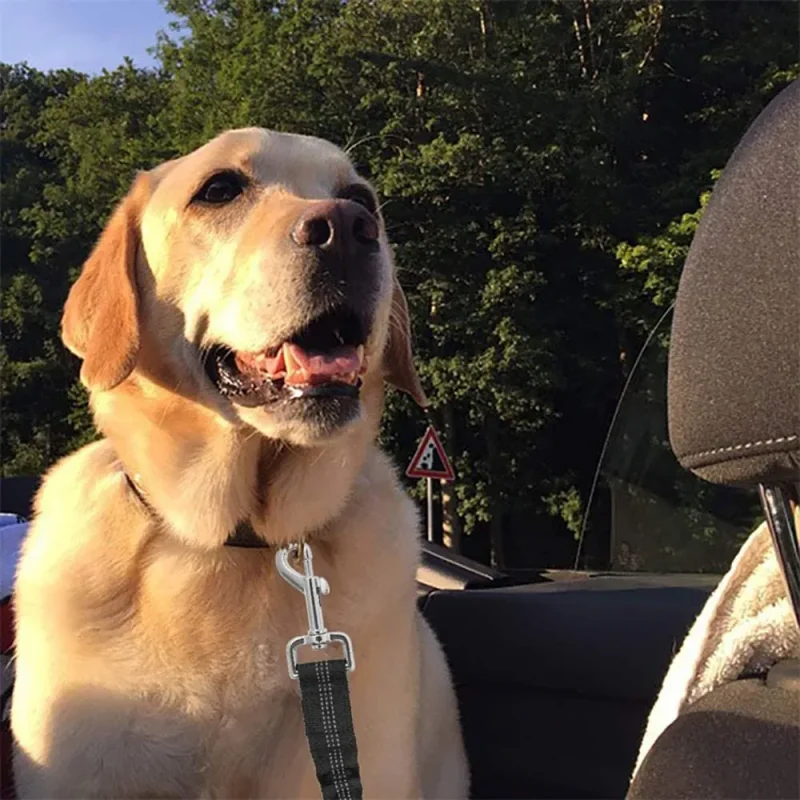
Every tether here clips to a harness, never to a collar. A collar puts any jolt straight onto your dog’s neck and windpipe. A well-fitted harness spreads the force across the chest and shoulders.

  • Clip the tether to the ring on the back of the harness, between the shoulder blades.
  • Fit the harness so you can slide two fingers under the straps, with the chest strap behind the front legs, not on the throat.
  • A walking harness is better than a collar, but it isn’t built for crash forces. If you want impact protection, use a car harness that has been crash-tested, or a crash-tested crate.

Fitting a tether, step by step

  1. Put your dog’s harness on before they get into the car.
  2. Choose the seat: the back seat is safer, away from the passenger airbag.
  3. Fasten the tether to the car: click it into the buckle, or loop it round the headrest posts and close the buckle.
  4. Lift or help your dog onto the seat, and clip the snap hook to the back ring of the harness.
  5. Adjust the length so your dog can sit and lie down but can’t reach the front seats or the window.
  6. Give the strap a firm tug to check the buckle and hook are closed.

In the UK, Rule 57 of the Highway Code asks drivers to keep dogs suitably restrained in the car and lists a seat belt harness as one way to do it.

Choosing for your dog

  • Small and medium dogs suit any of the four tethers. The headrest tether is a good fit where the buckle is awkward to reach.
  • Large dogs are better on a buckle tether, which anchors them low on the seat.
  • Restless or excitable dogs do better with a bungee section, which takes the jerk out of their movements.
  • Two dogs need a tether each, attached to separate points, so they can’t tangle.
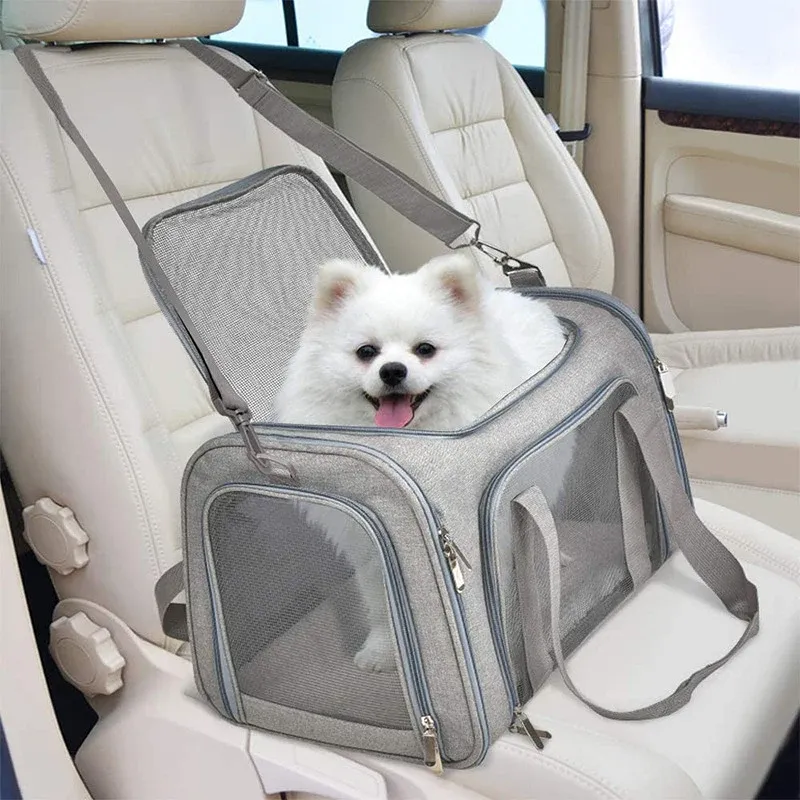
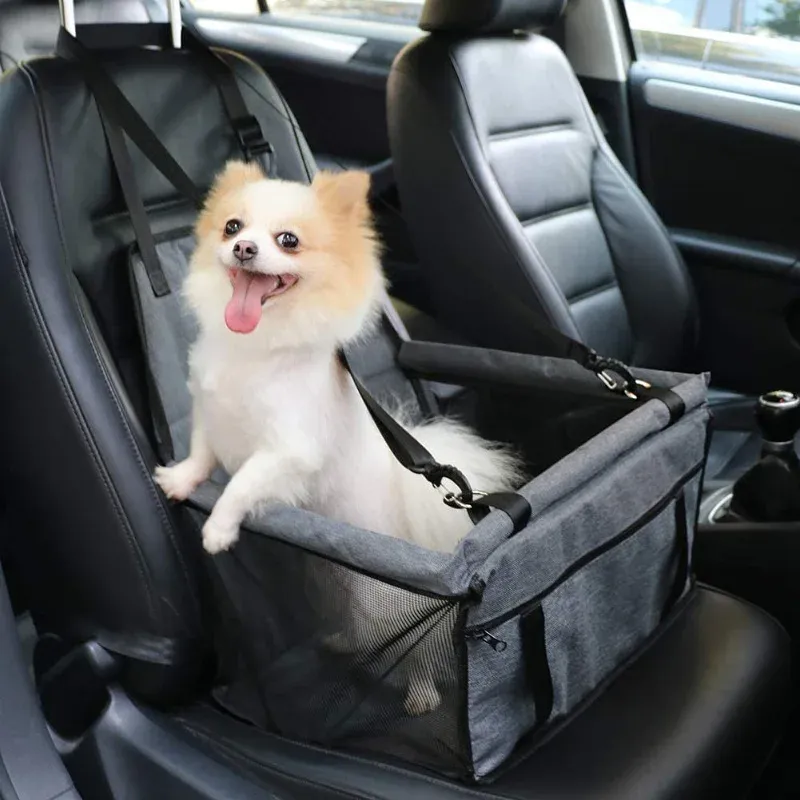
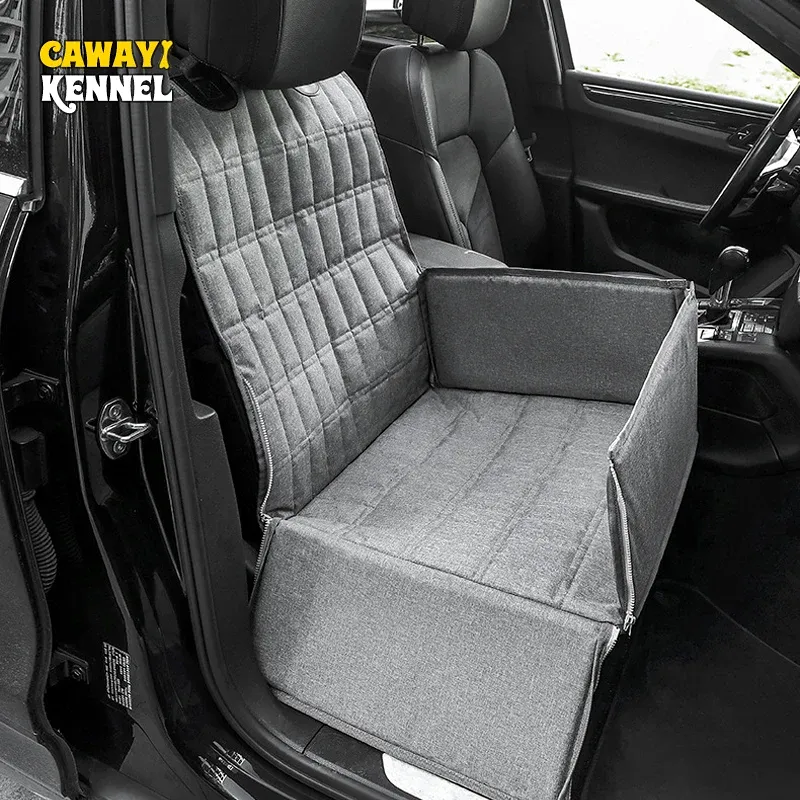
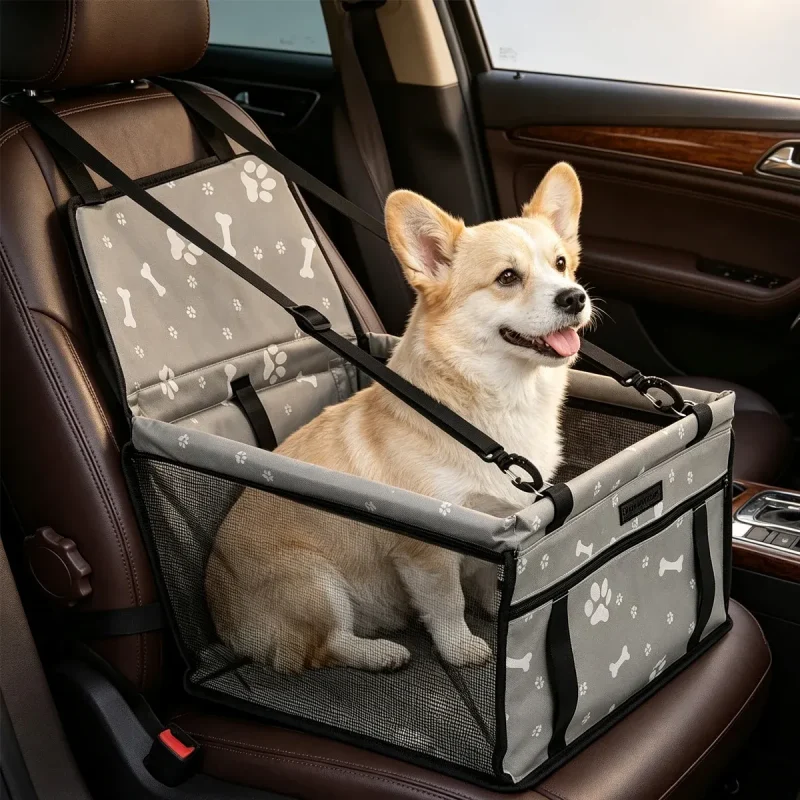
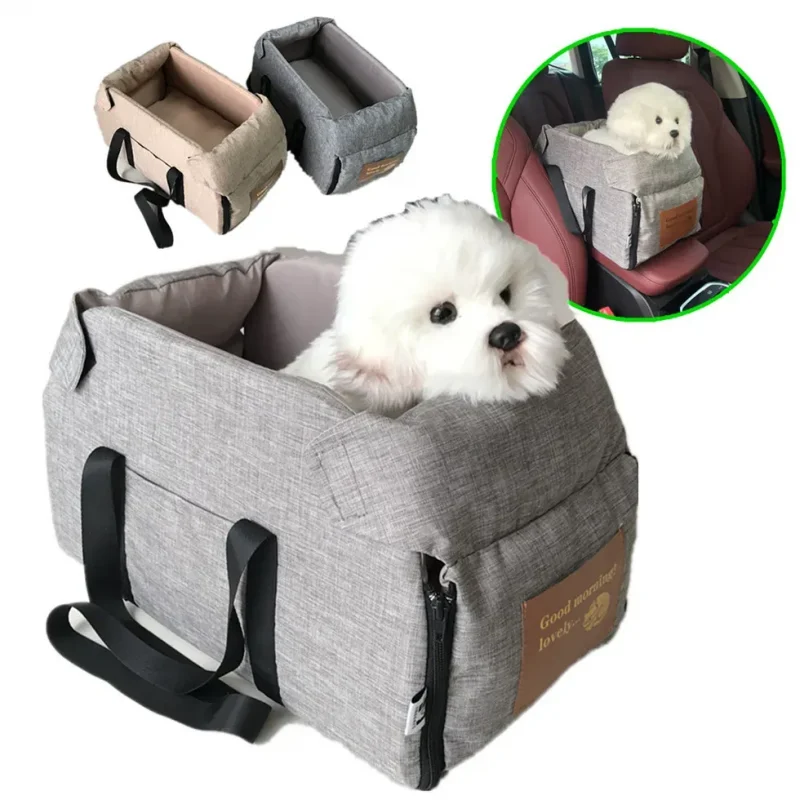
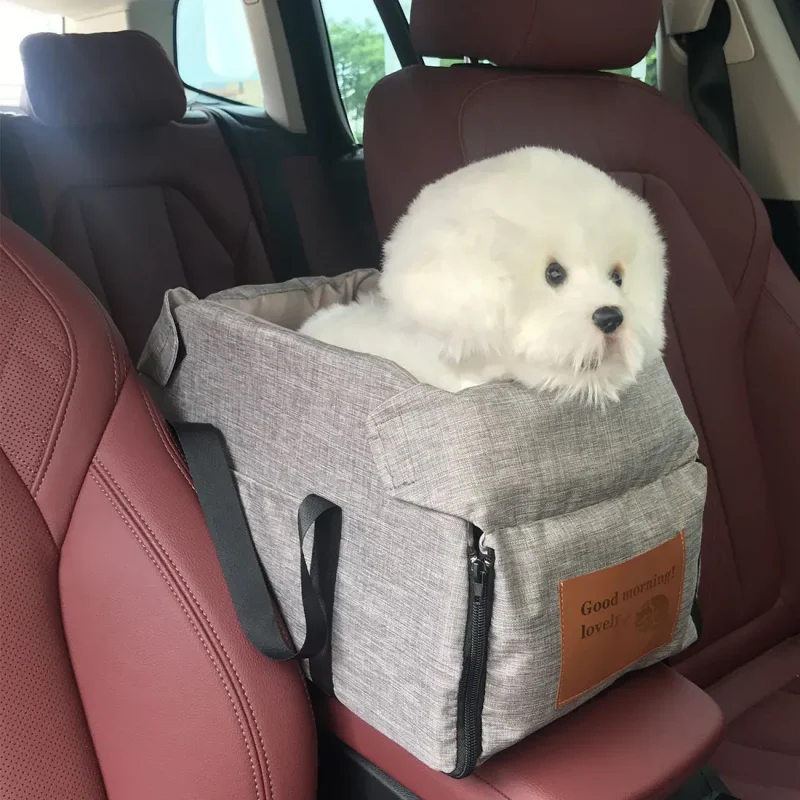
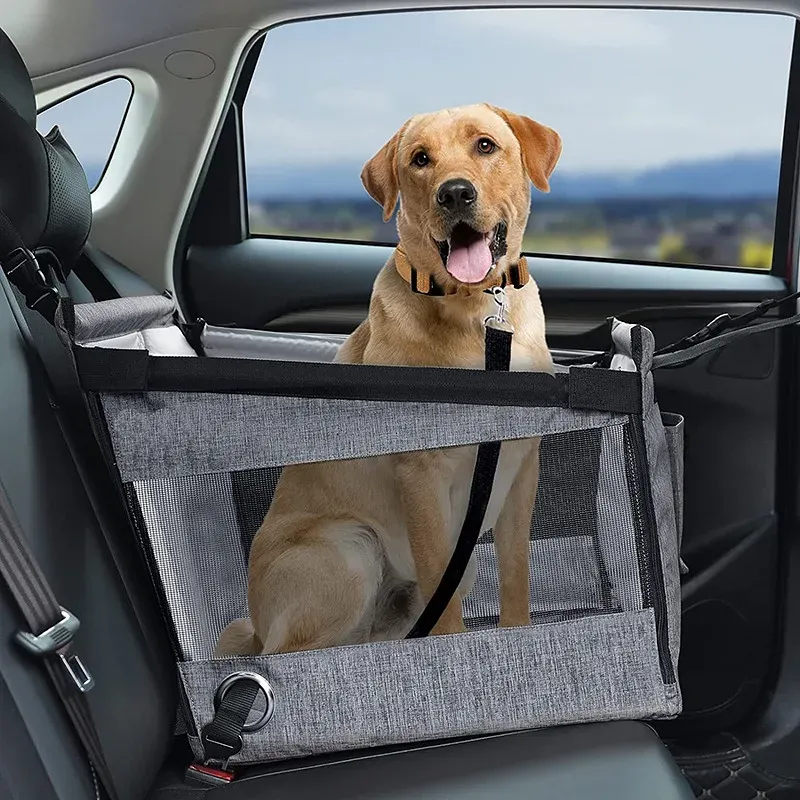
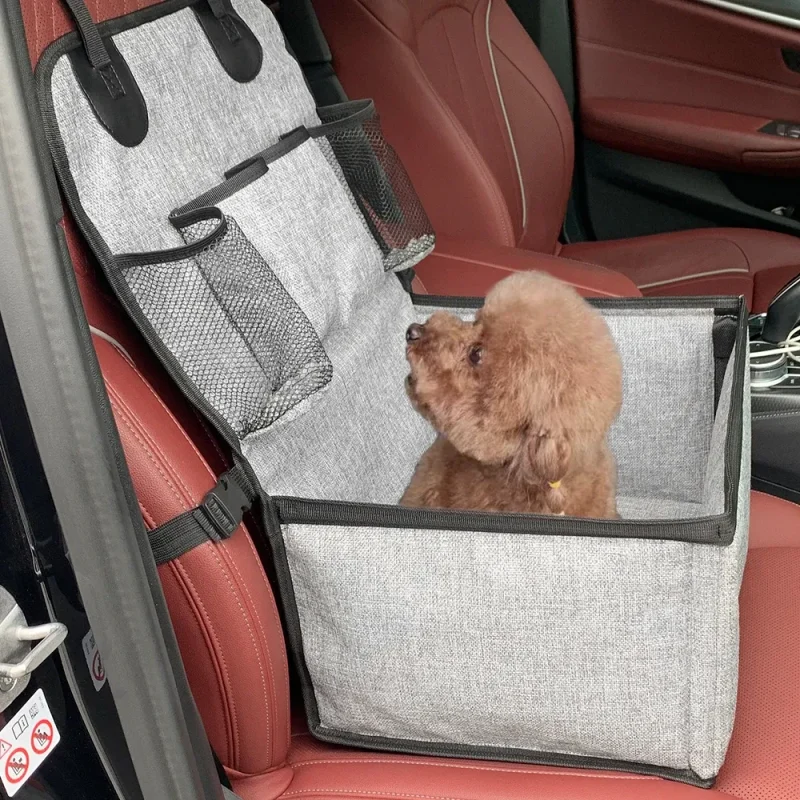
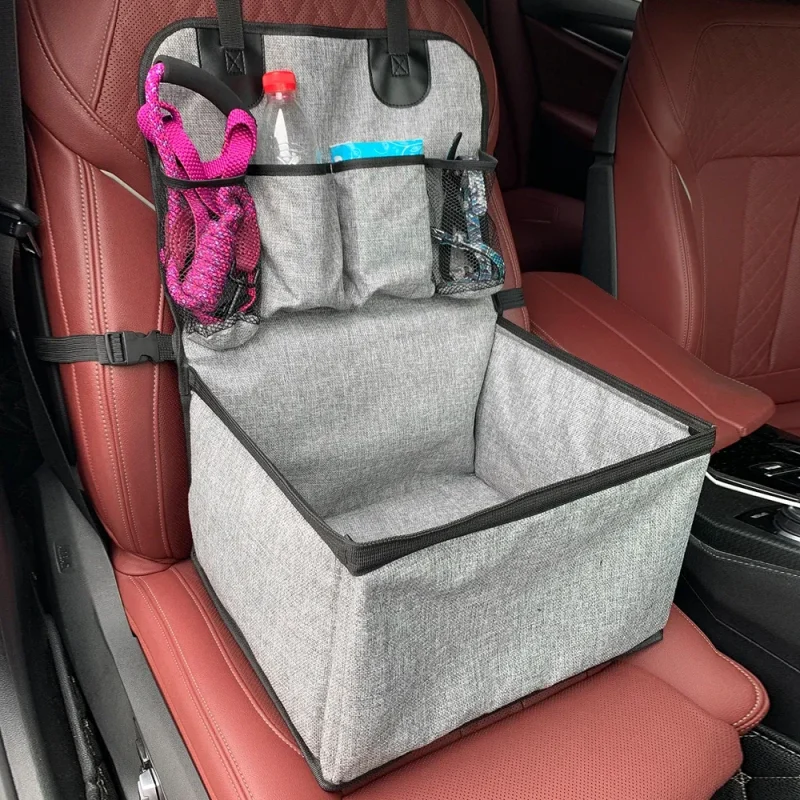
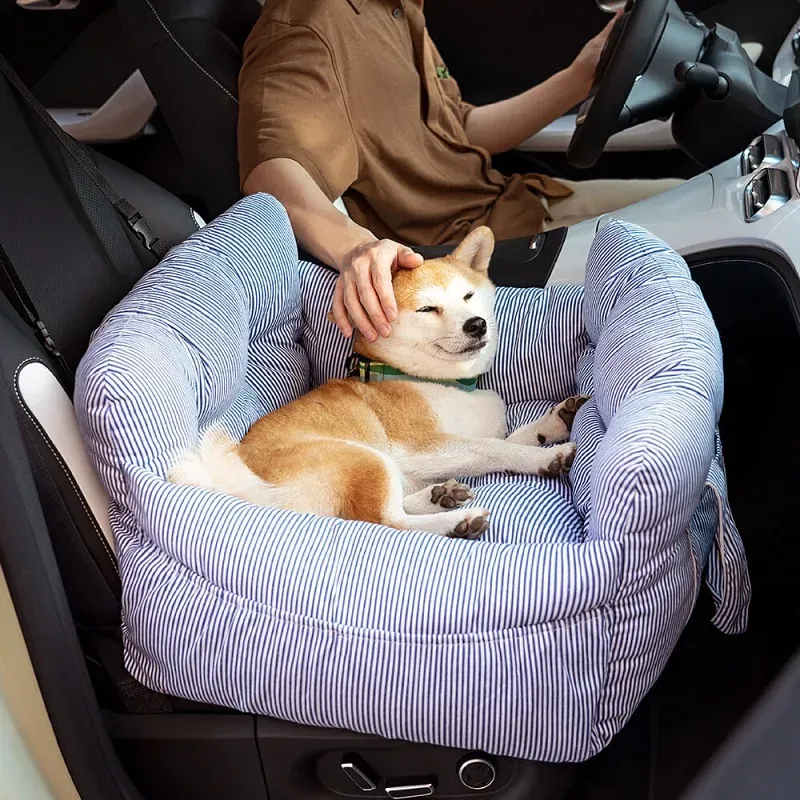
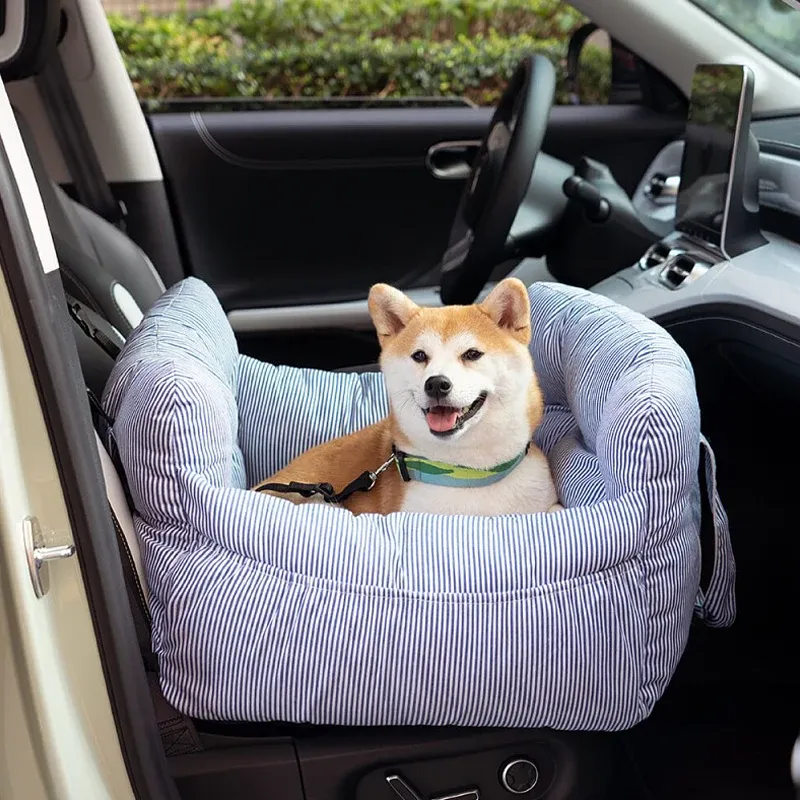
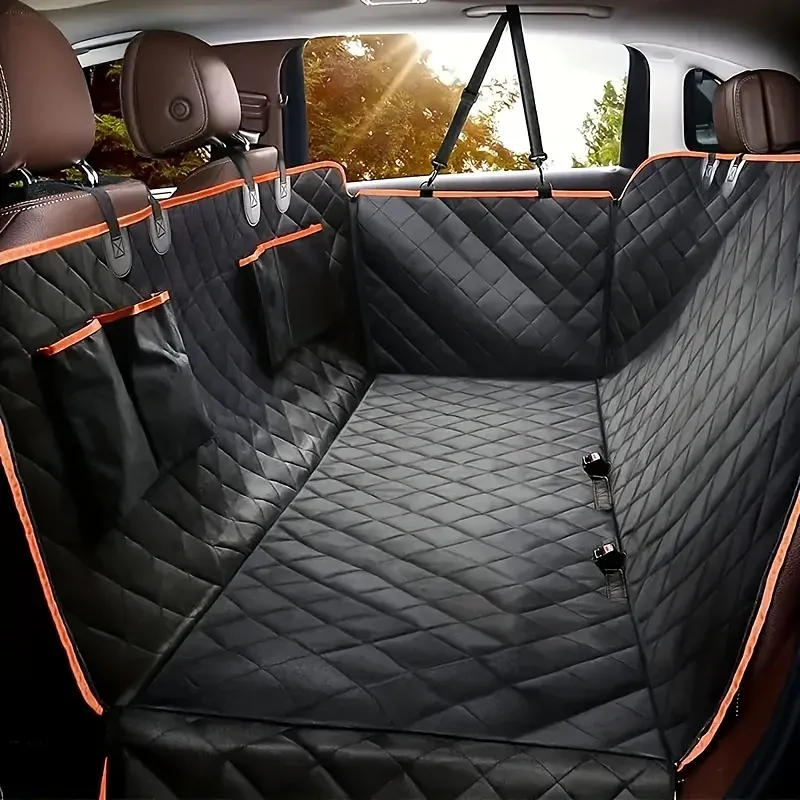
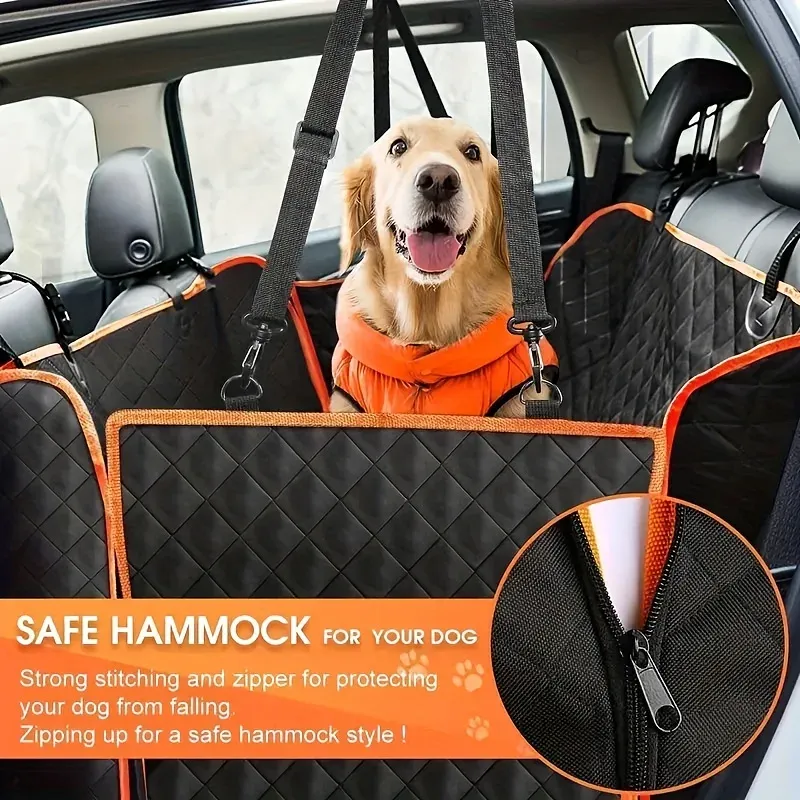
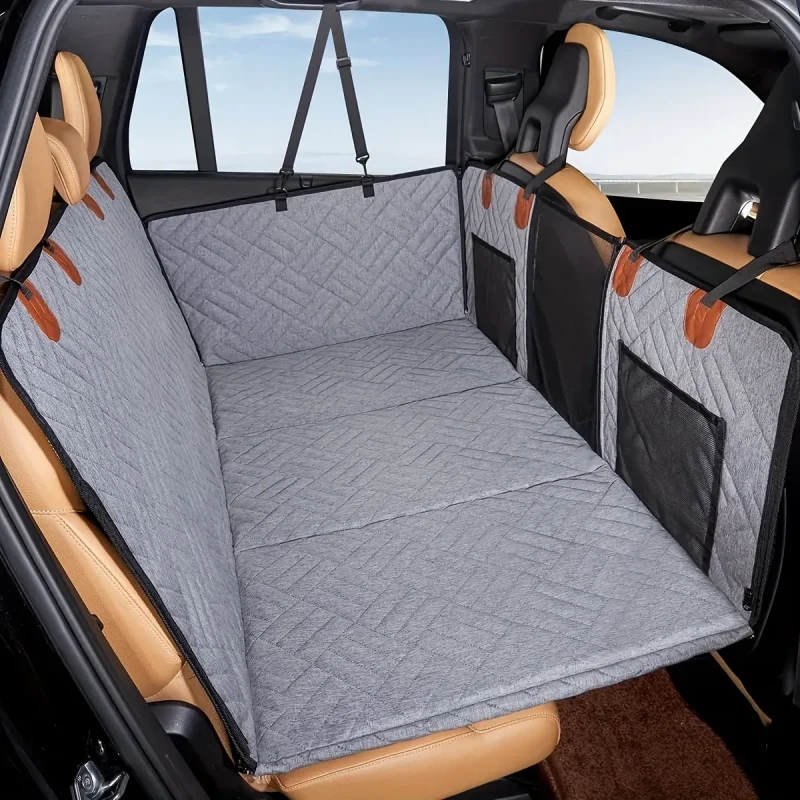
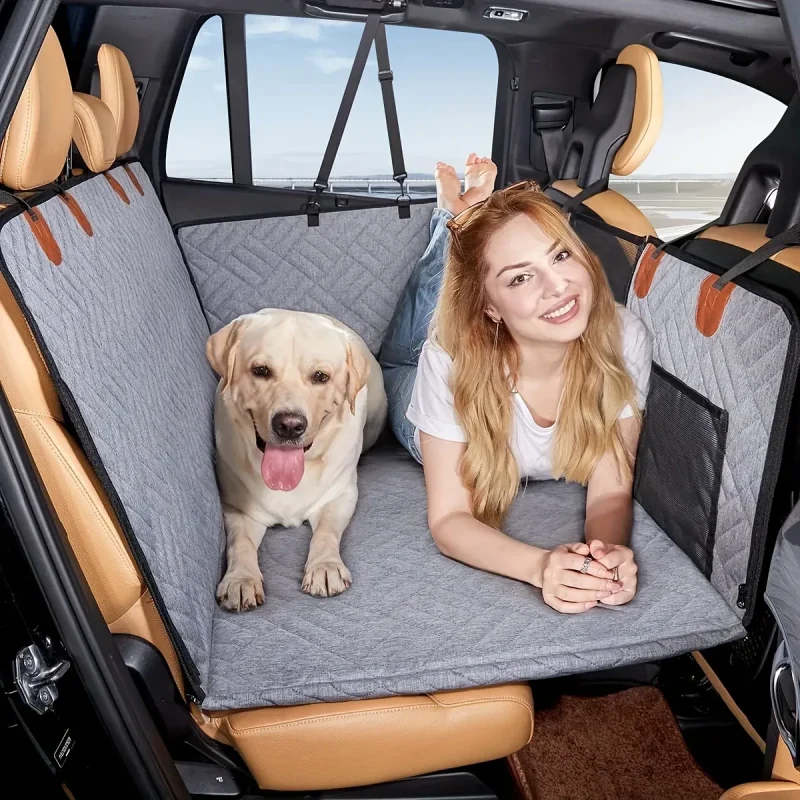
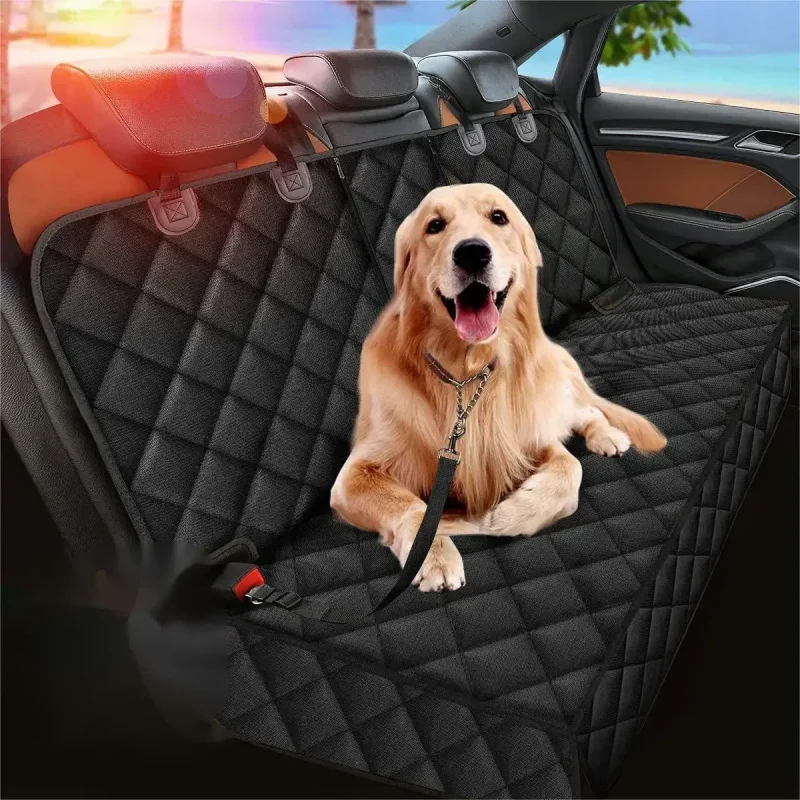
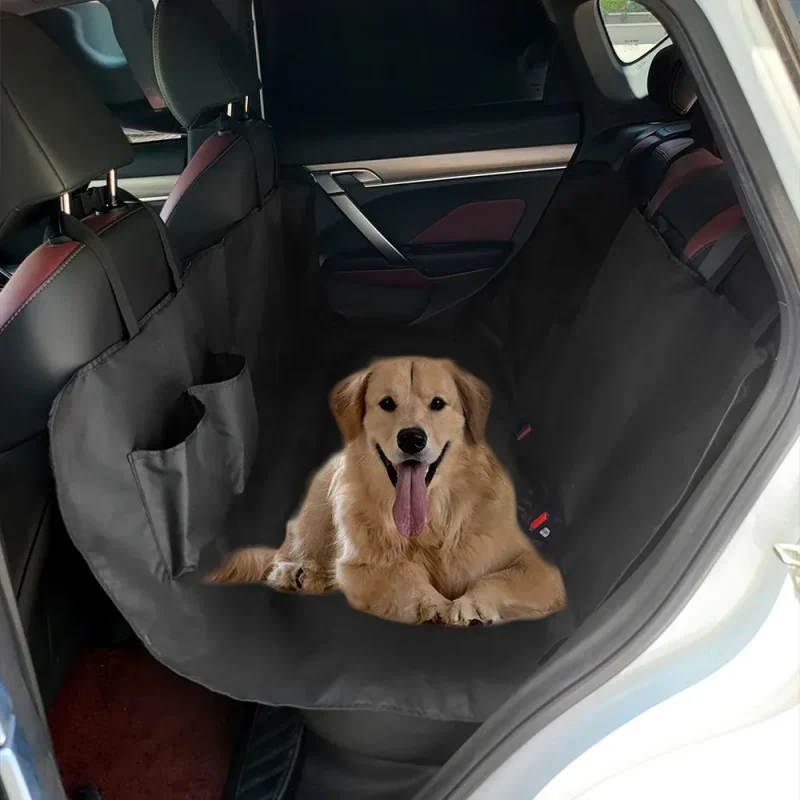
  • Dogs in a booster seat or hammock still need a tether. Seats and covers keep them comfortable; the tether keeps them in place.

What a tether doesn’t do

A tether keeps your dog on the seat and out of the driver’s way during ordinary driving. It is not a crash-tested restraint, and none of the tethers in this category is sold as one. For the most protection in a collision, use a crash-tested harness and anchoring system, or a crash-tested crate secured in the boot.

Common problems and fixes

  • Your dog tangles in the strap. It’s too long. Shorten it until your dog can only sit and lie down.
  • The tongue won’t click into your buckle. Buckle shapes vary between cars. Use a headrest tether instead.
  • Your dog chews the tether. Keep journeys short and supervised, give them something safe to chew, and replace a chewed strap straight away.
  • The strap twists. Check that the swivel hook moves freely, and untwist the strap before each trip.

Cleaning and care

  • Hand-wash tethers in cool water and air-dry them.
  • Check the stitching, buckle and hook regularly, and before long journeys.
  • Replace a tether if the webbing is frayed, the bungee has lost its stretch or the hook no longer snaps shut.

Questions owners ask

How long should a dog seat belt be?

Short enough that your dog can sit and lie down but can’t reach the front seats, footwell or window. Shorter is safer.

Can I attach a dog seat belt to a collar?

No. Always use a harness, so that a sudden stop doesn’t pull on your dog’s neck.

Do I need a tether if my dog is in a booster seat?

Yes. A booster or a dog car hammock keeps your dog comfortable; the tether is what stops them climbing out when you brake.

Where should my dog sit in the car?

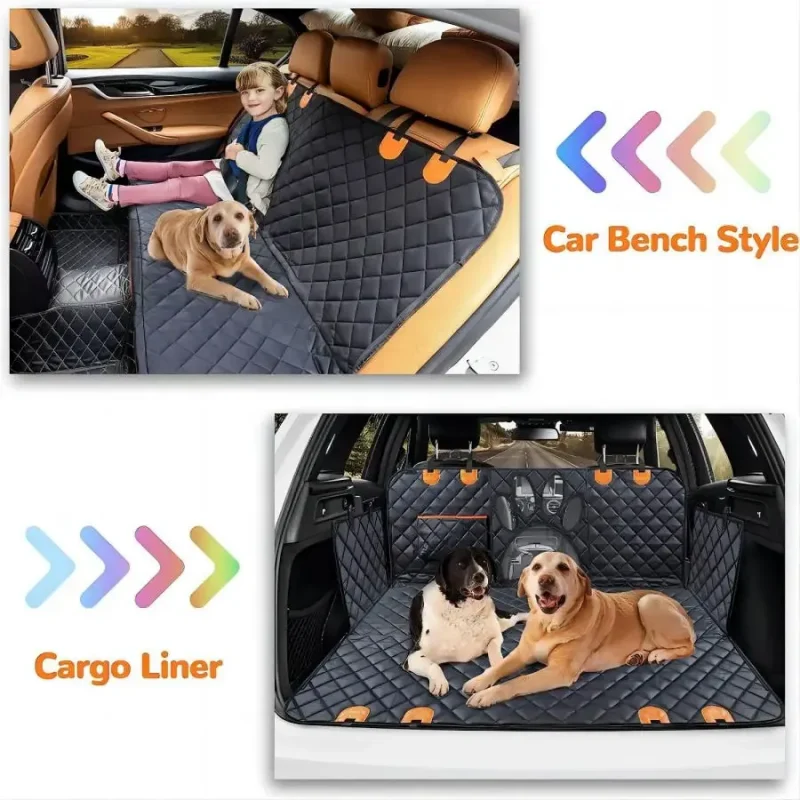
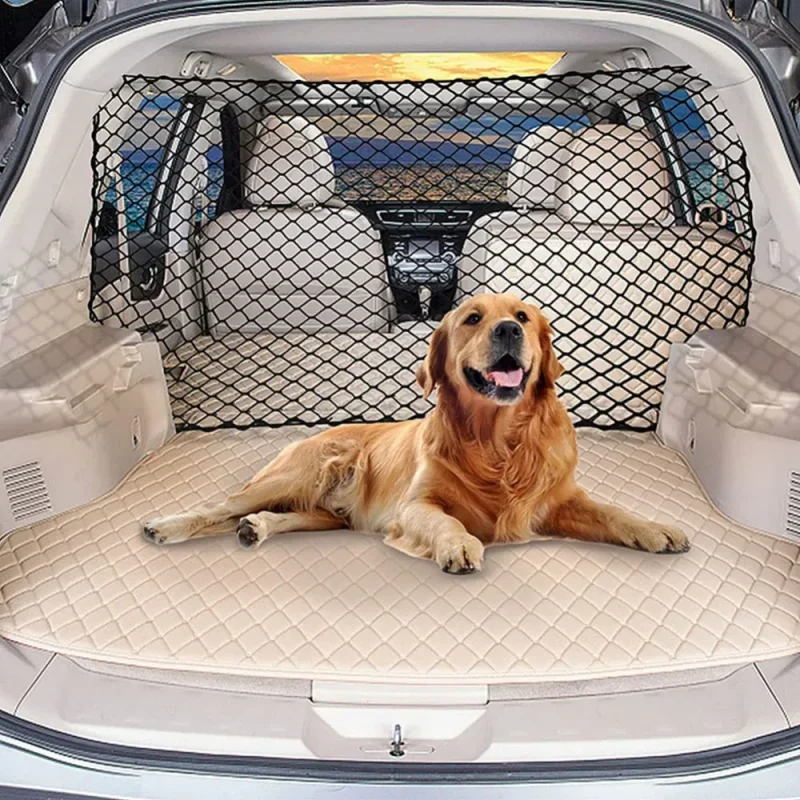
On the back seat, behind the passenger seat if possible, so you can glance at them without turning round. Keep small dogs away from the front passenger seat, where an airbag opens with great force. If your dog rides in the boot, use a dog guard or a crate rather than a tether, because most boots have no seat belt buckle.

Why buy your dog seat belt tether from TAILOVO

We list how each tether attaches, its length where the maker gives it, and plainly what it can and can’t do, so you choose the right one for your car and your dog. We sell gear for dogs only, and every tether has to pass the same checks: a secure hook, a buckle that holds, and webbing that adjusts short. Orders over $79 ship free with tracking, so it’s easy to add a tether to a seat cover or booster. Questions about your car’s buckle? Email [email protected] and a real person will help.

Clip your dog in properly on every drive, and order the tether that suits your car from TAILOVO today.
JOIN THE PACK

Sign up for practical dog-care notes and early word on new arrivals. Use code WELCOME10 for 10% off your first order.
Need sizing or order help? Email Us