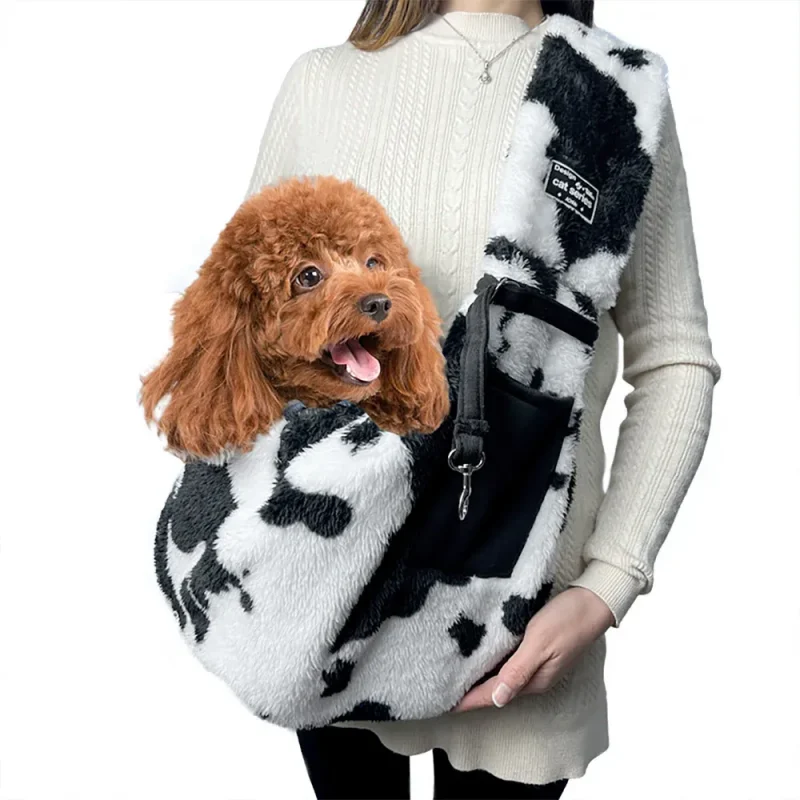
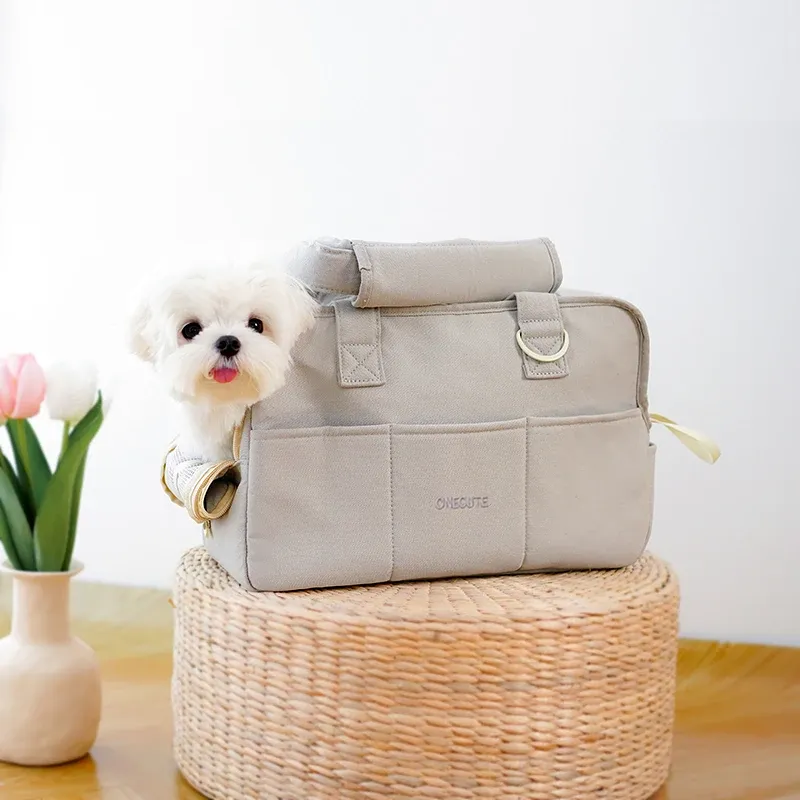
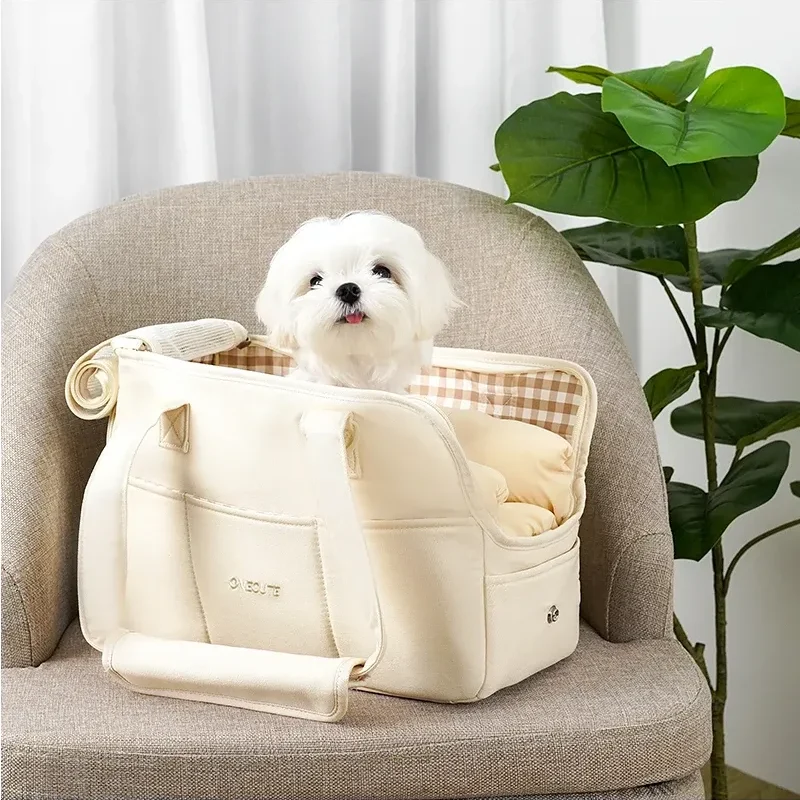
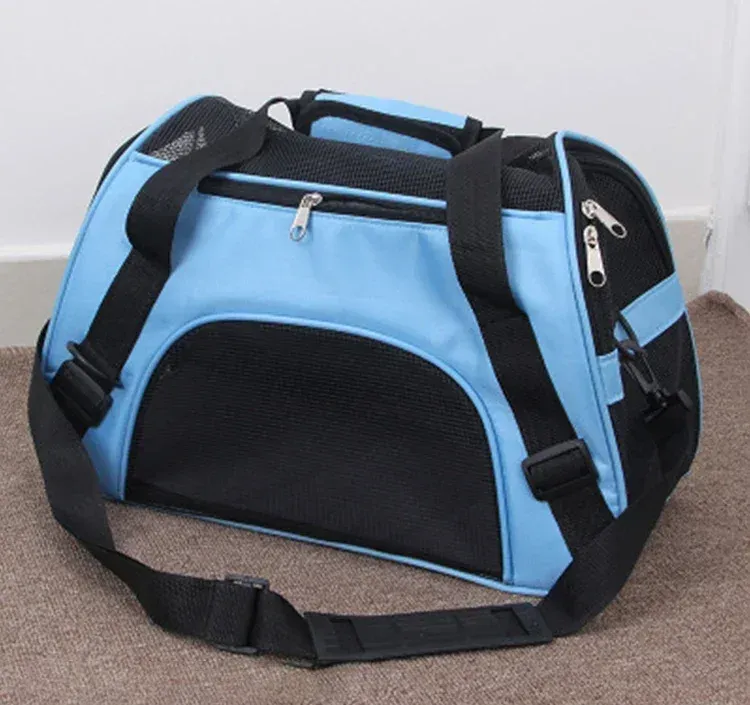
Dogs sleep for a large part of the day, so the bed is the piece of kit your dog uses most. A good one keeps them off a cold, hard floor, supports their joints, suits the way they like to lie, and survives being washed again and again. A poor one goes flat in a few months, smells of wet dog, or is the wrong shape for how your dog actually sleeps. This guide covers the different kinds of dog bed, how to measure your dog, what the fillings and covers do, which beds suit puppies, older dogs and particular breeds, and how to keep a bed clean. We’re adding beds to this section as they pass our checks for fit, washability and calm design. You can browse everything else we stock in our dog accessories shop.
Start with how your dog sleeps
Watch your dog for a few evenings before you choose. Most dogs have a favourite position, and it decides the shape of bed that suits them.
| Sleeping style |
What it looks like |
Beds that suit it |
| Curler |
Tucked into a ball, nose to tail |
Round or donut beds with raised sides to lean into |
| Sprawler |
Stretched out flat on the side |
Rectangular mattresses and orthopaedic beds with a large flat area |
| Leaner |
Head on a raised edge, back against something |
Sofa-style beds with bolsters on three sides |
| Burrower |
Digs under blankets or cushions |
Covered or cave beds, or a bed with a throw on top |
| Hot sleeper |
Seeks out cool floors, pants at night |
Raised beds or cooling mats |
The main kinds of dog bed
- Calming donut beds. Round, deep and soft, with a raised rim. Curlers and anxious dogs often settle well in them. They are harder to keep clean, so look for a removable cover.
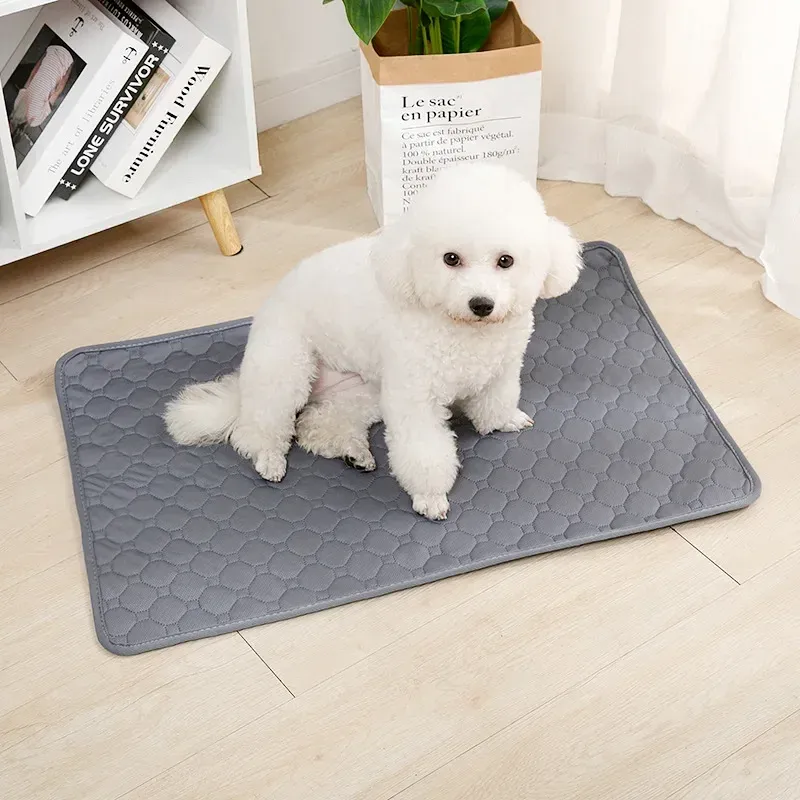
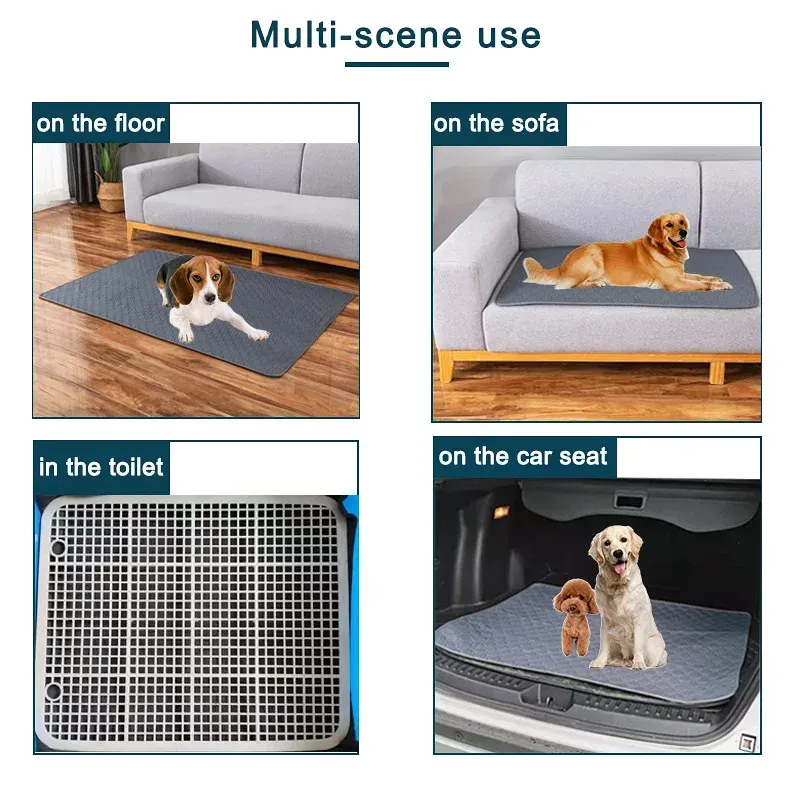
- Washable beds. Beds whose whole cover, or the whole bed, goes in the washing machine. Worth paying attention to if your dog comes home muddy or has the odd accident.
- Memory foam and orthopaedic beds. A thick foam base that spreads your dog’s weight, so hips, elbows and shoulders don’t press through onto the floor. These suit older dogs, large breeds and dogs with joint problems.
- Raised beds. A fabric or mesh panel stretched on a frame, lifting your dog off the ground. Air moves underneath, which helps dogs that run hot, and they stay off cold or damp floors outdoors. For nights away, see our dog camping gear.
- Self-cooling mats. Thin mats that feel cool to lie on, for hot weather or warm flats.
- Heated beds and heat pads. Give gentle warmth for short-coated, older or thin dogs in cold homes. Choose low-temperature designs, keep cables out of reach, and don’t use them with a dog that chews.
- Sofa beds and crate end tables. Beds that look like furniture, so the dog’s spot fits in the living room rather than standing out.
- Teepee tents. A covered den shape for dogs that like to hide away. Best for small dogs and puppies.
- Blankets, throws and sofa throws. Easy to wash, and a waterproof throw protects the sofa if your dog is allowed up.
- Replacement covers. Extend the life of a good bed when the cover wears out.
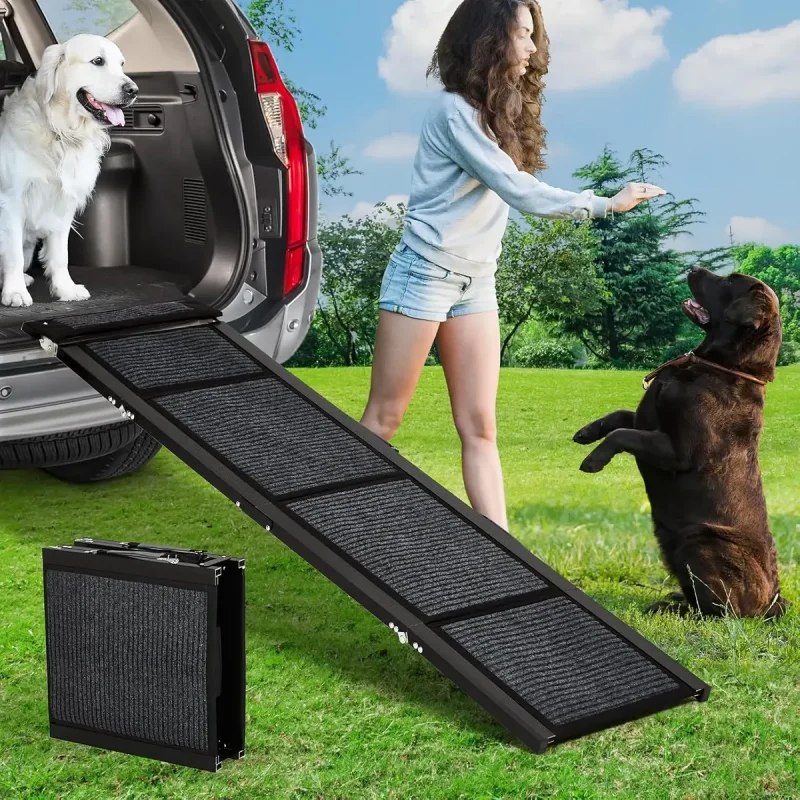
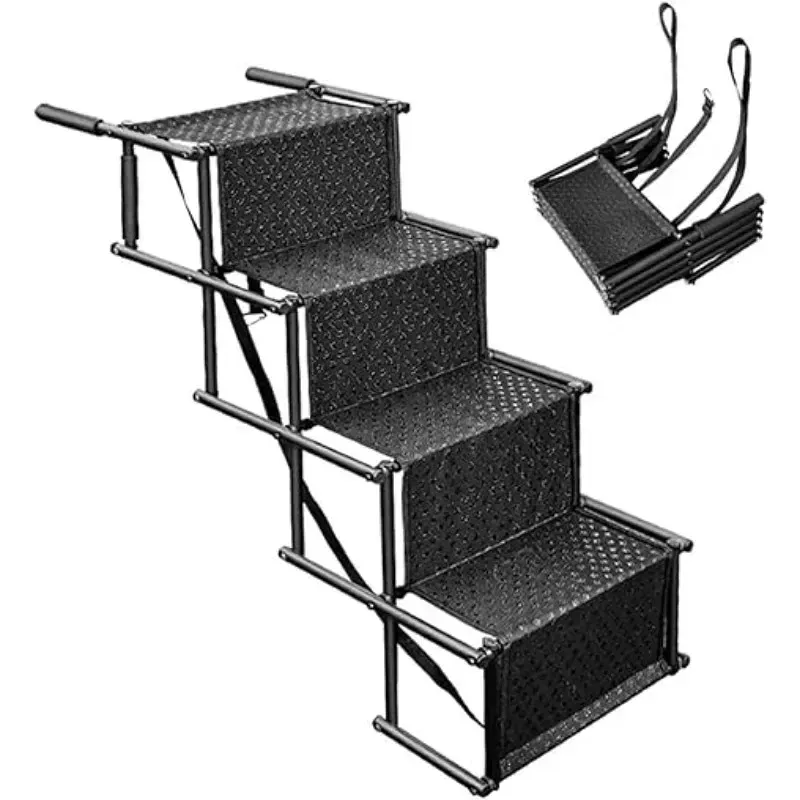
- Steps and sofa ramps. Let small, older or long-backed dogs reach the sofa or bed without jumping down.
How to measure your dog for a bed
- Measure them lying in their usual position. Wait until your dog is asleep or settled, and measure from the tip of the nose to the base of the tail.
- Measure the width across their body at the widest point, including legs if they sprawl.
- Add room. A common guide is to add about 20 to 30 cm (8 to 12 in) to your dog’s length so they can stretch and turn round. Curlers need less; sprawlers need more.
- Check the inside measurement, not the outside. Thick bolsters can take a lot of space from the sleeping area.
- Measure the space it will go in. A large bed in a narrow hallway or a small flat is a trip hazard.
- If you’re between sizes, go up for a sprawler or a growing puppy, and down for a curler who likes to feel enclosed.
Fillings and what they do
- Memory foam moulds to your dog’s shape and spreads pressure. It suits older dogs and large breeds. A thicker layer matters for heavy dogs, because thin foam flattens under their weight.
- Solid support foam is firmer and springs back. It is often used under memory foam, or on its own in mattress-style beds.
- Polyester fibre fill is soft and cosy, and suits donut and cushion beds. It clumps and flattens over time, so a bed you can refill or wash helps.
- Raised frames have no filling at all. Your dog lies on a taut panel, which stays cool and dries quickly.
Covers: the part you’ll deal with most
- Removable, zipped covers make washing possible. Check the washing temperature on the product page; many covers wash at 30–40°C (86–104°F).
- Waterproof or water-resistant liners under the cover stop accidents and drool soaking into the foam. They matter for puppies and older dogs.
- Durable fabrics such as canvas, Oxford or tightly woven polyester resist claws. Bouclé, corduroy and faux fur are softer and look at home in a living room, but hold more hair.
- Non-slip bases stop the bed sliding on wooden floors when your dog flops into it.
Beds for different dogs
- Puppies chew and have accidents. Choose a washable bed with a waterproof liner, and avoid loose stuffing they could swallow. A crate mattress works well during training, and you’ll find dog crates and playpens in our home essentials range.
- Older dogs benefit from orthopaedic foam, a low entry so they don’t have to step up high, and a non-slip base.
- Large and giant breeds need thick, high-density foam that doesn’t bottom out under their weight.
- Long-backed dogs such as Dachshunds and Basset Hounds need a firm, flat base and a low entry, plus steps or a ramp if they’re allowed on the sofa.
- Sighthounds such as Whippets and Greyhounds have little padding of their own over bony points, so they appreciate thick, soft beds and blankets.
- Flat-faced breeds such as Pugs and French Bulldogs often overheat and may breathe more easily with their head raised on a bolster. A cooler, raised bed can help in summer.
- Anxious dogs often settle in a round bed with high sides, or a covered bed, placed in a quiet corner.
Where to put the bed
- Somewhere quiet but within sight of the family, so your dog can rest without feeling shut out.
- Away from radiators, draughty doors and direct sun from a window.
- Off cold tiles or stone floors where you can, especially for older dogs.
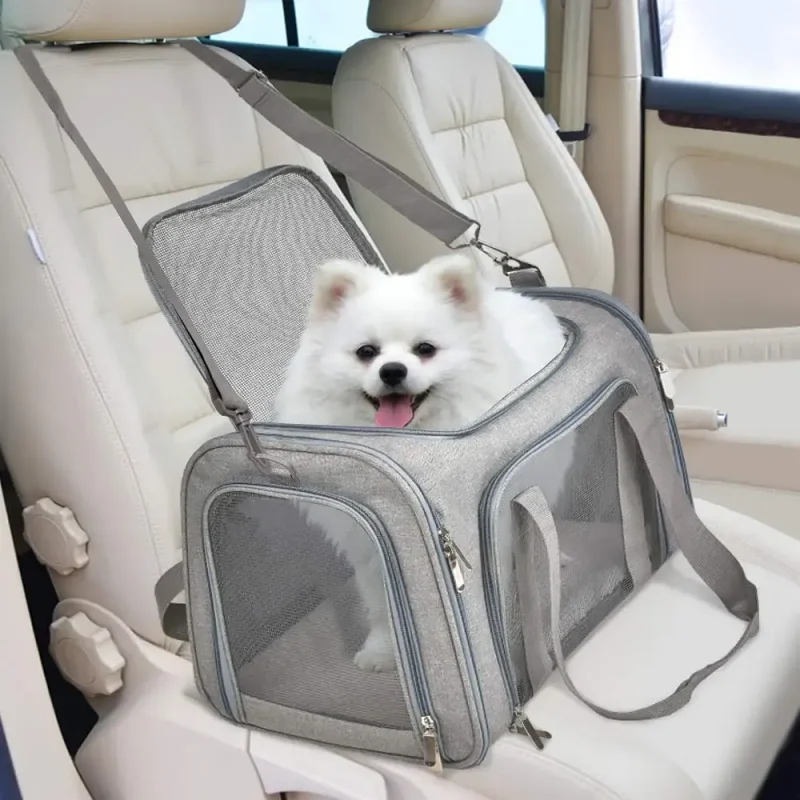
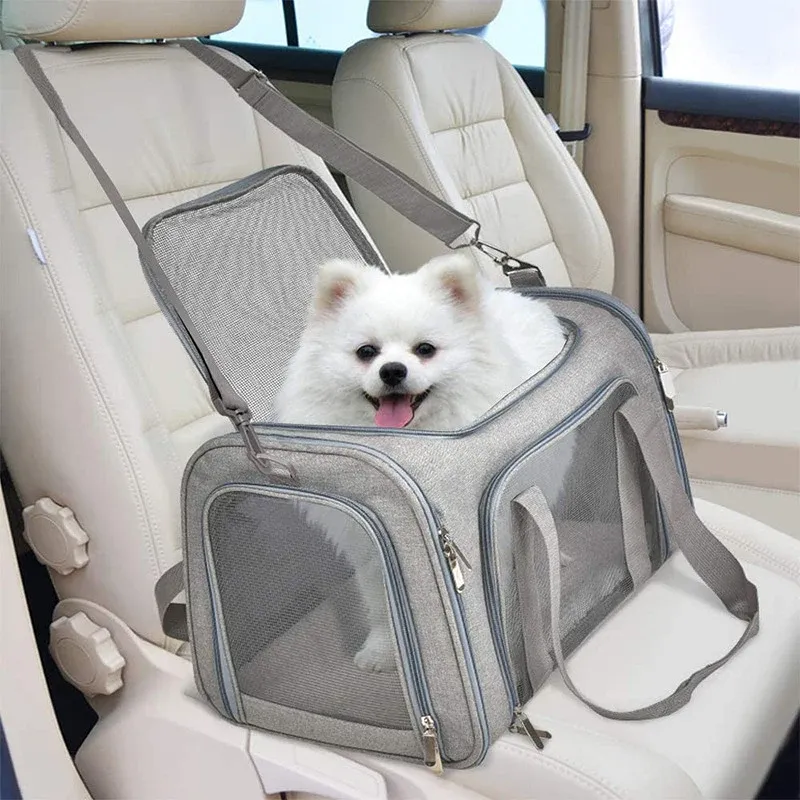
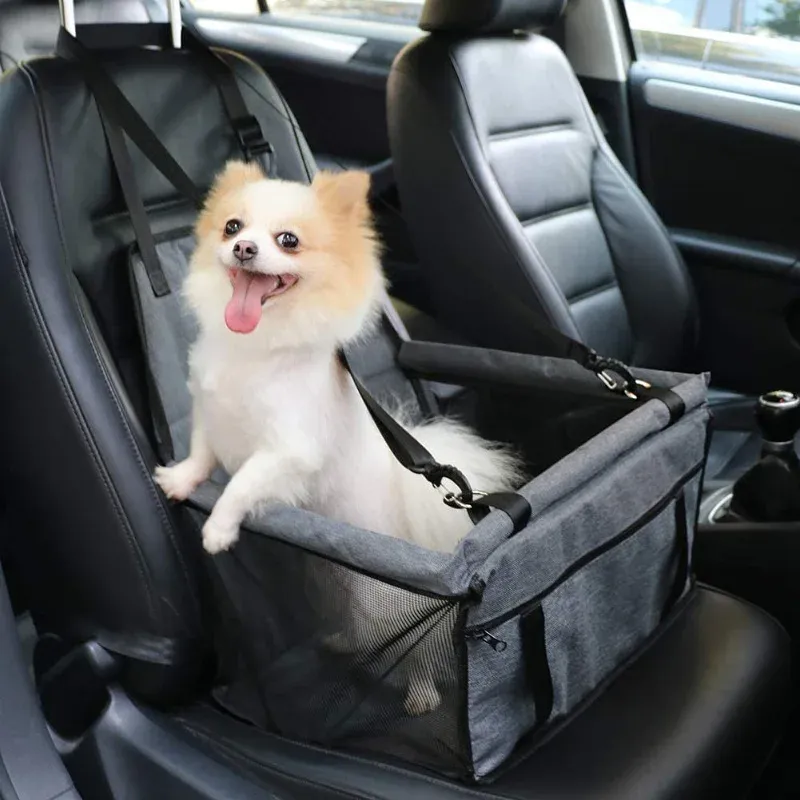
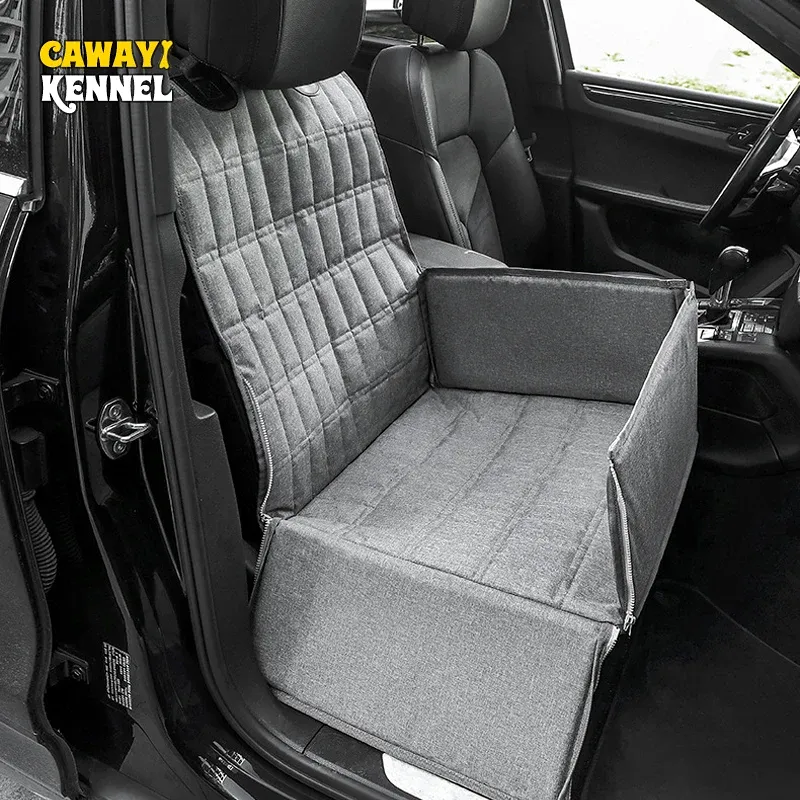
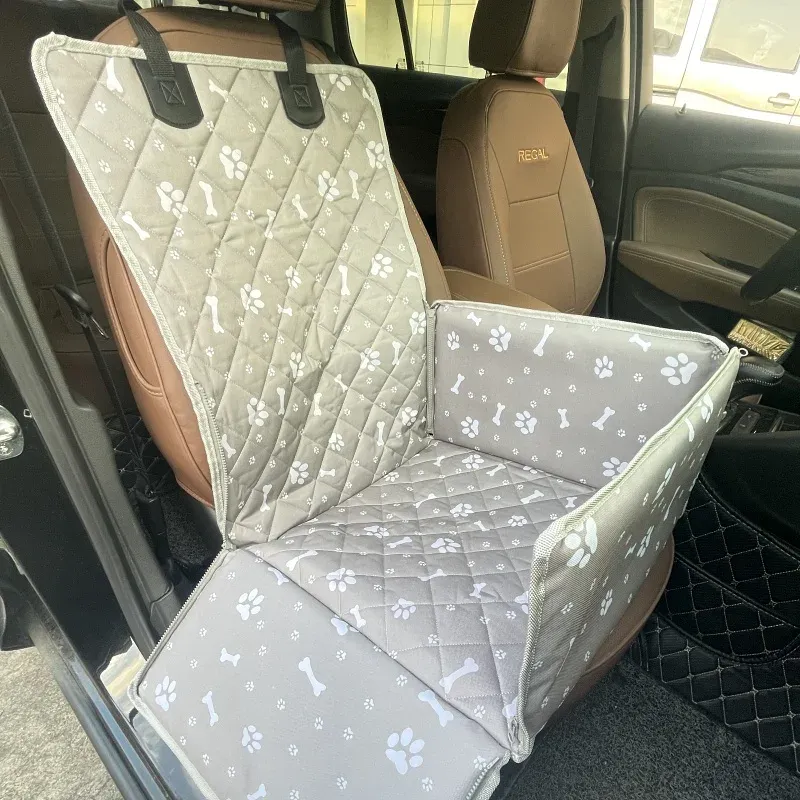
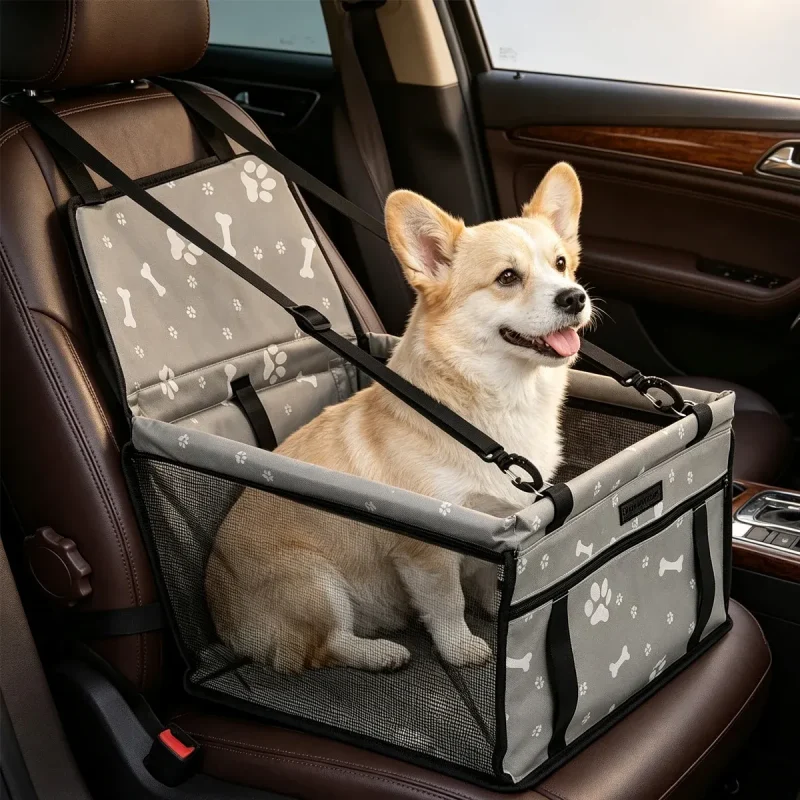
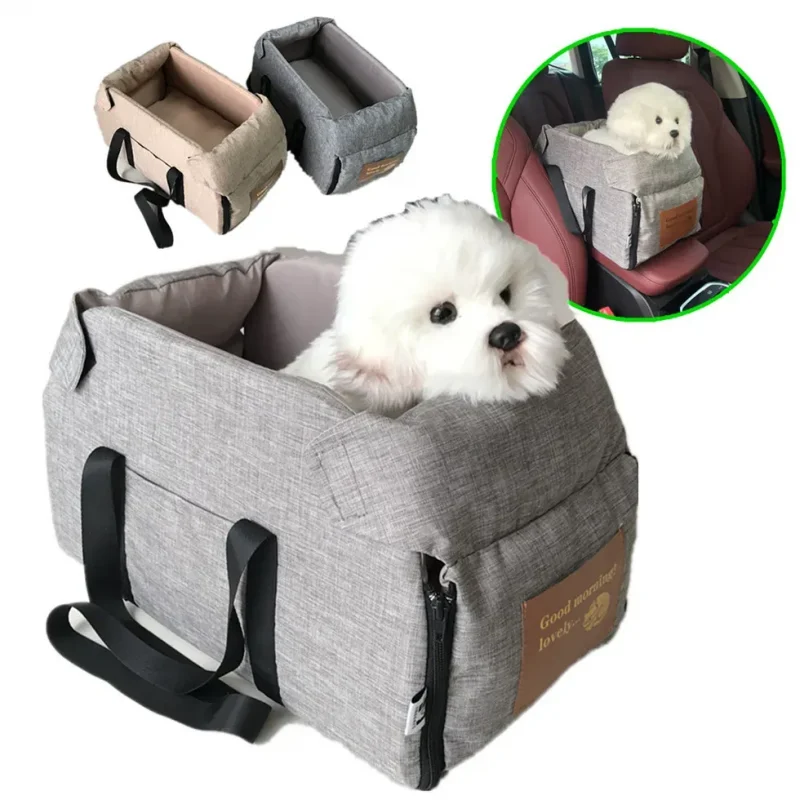
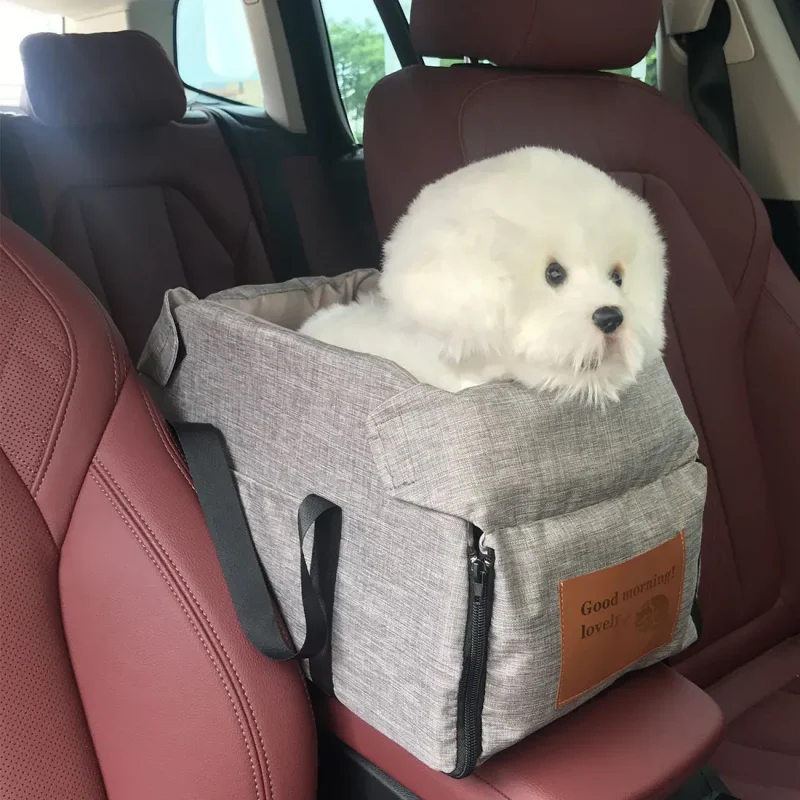
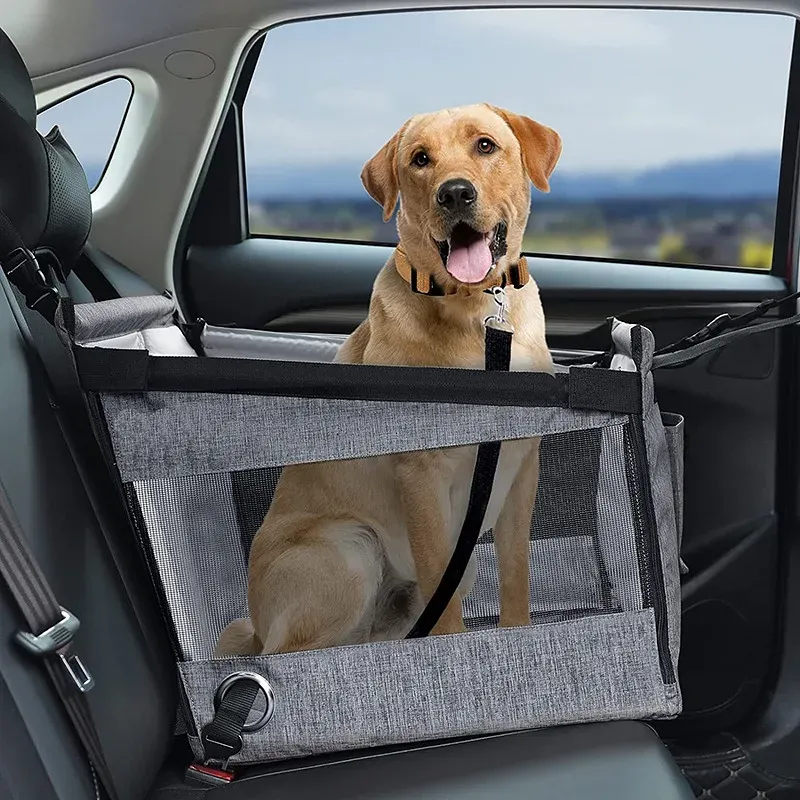
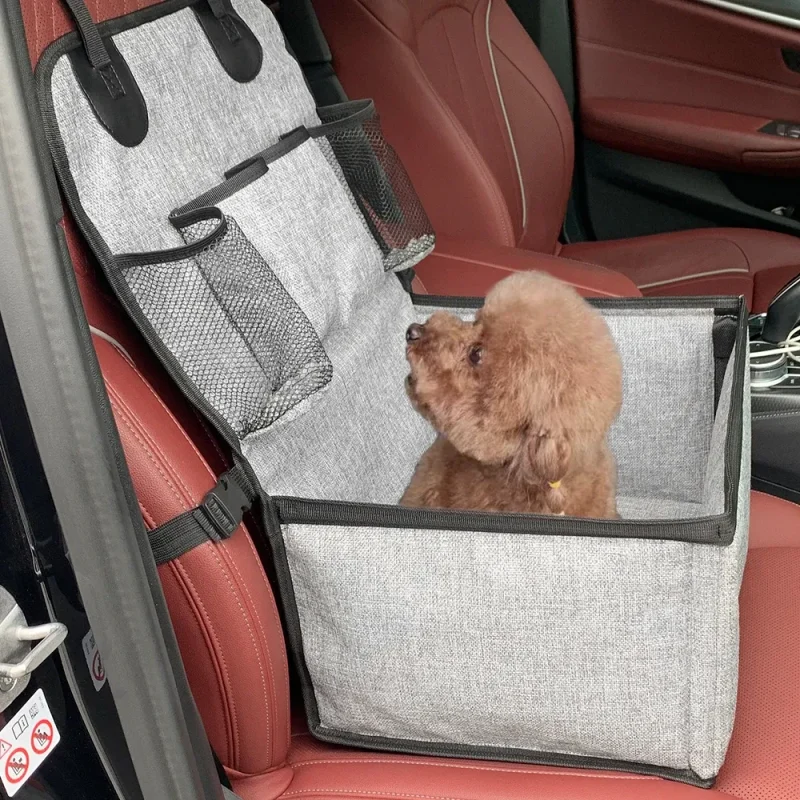
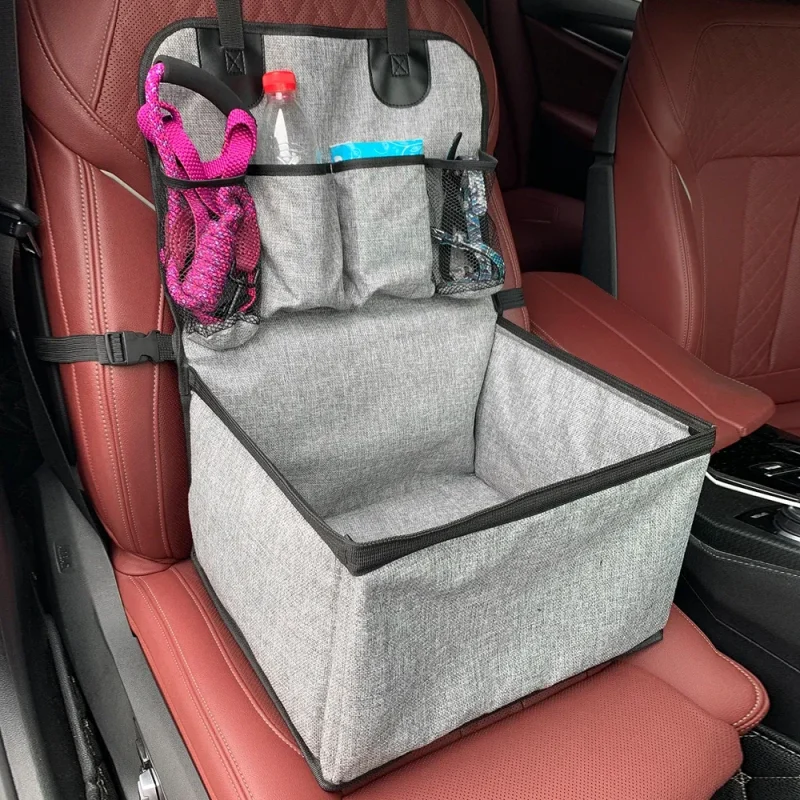
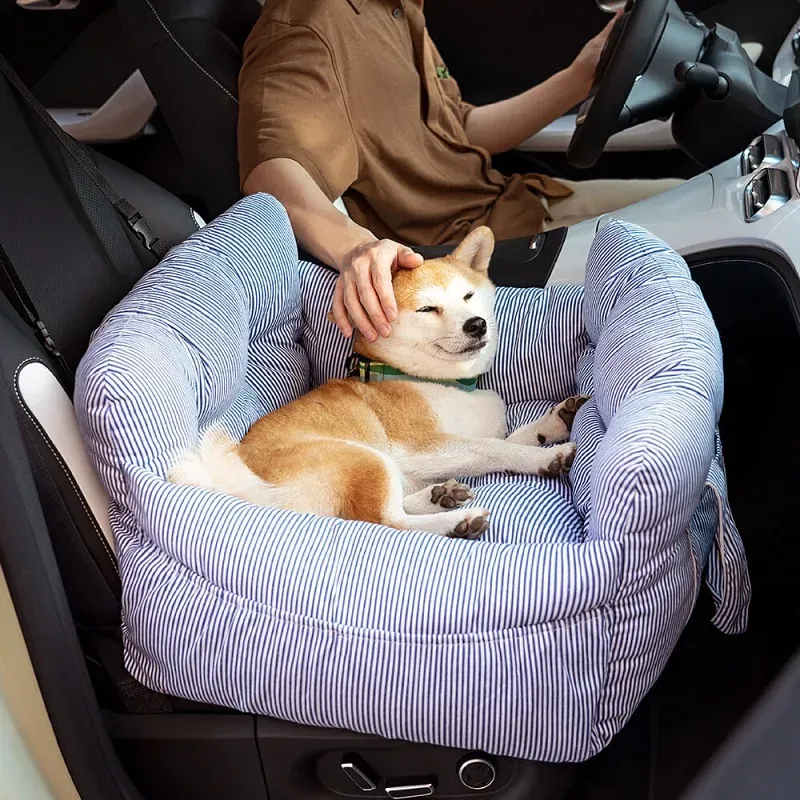
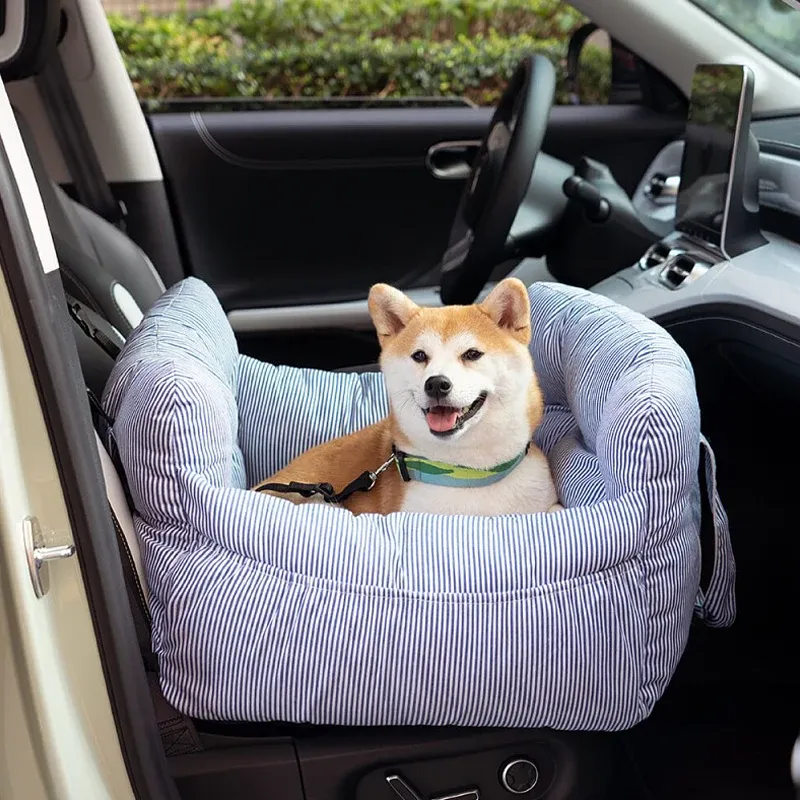
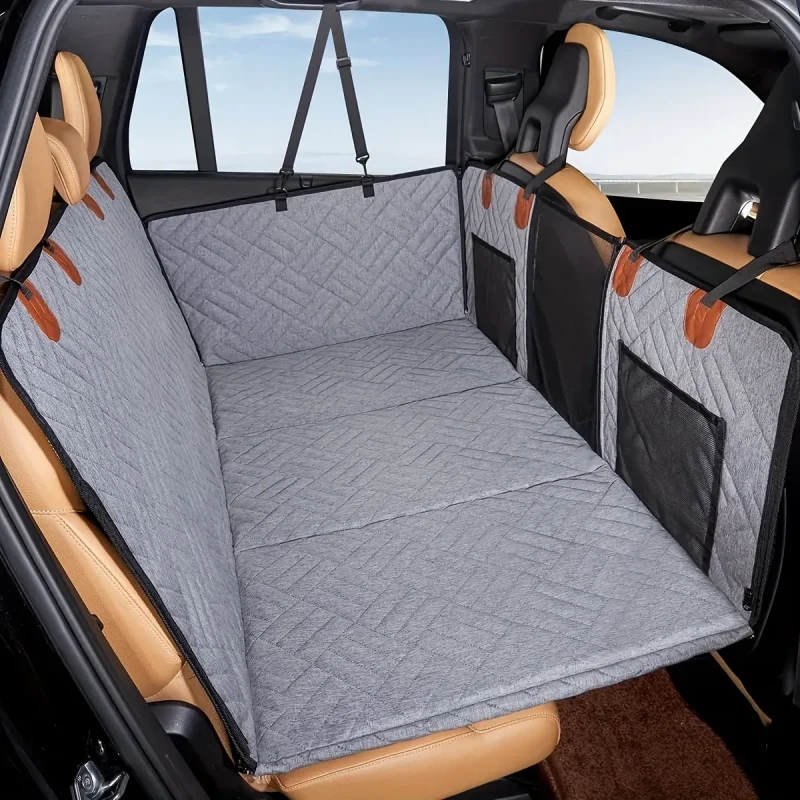
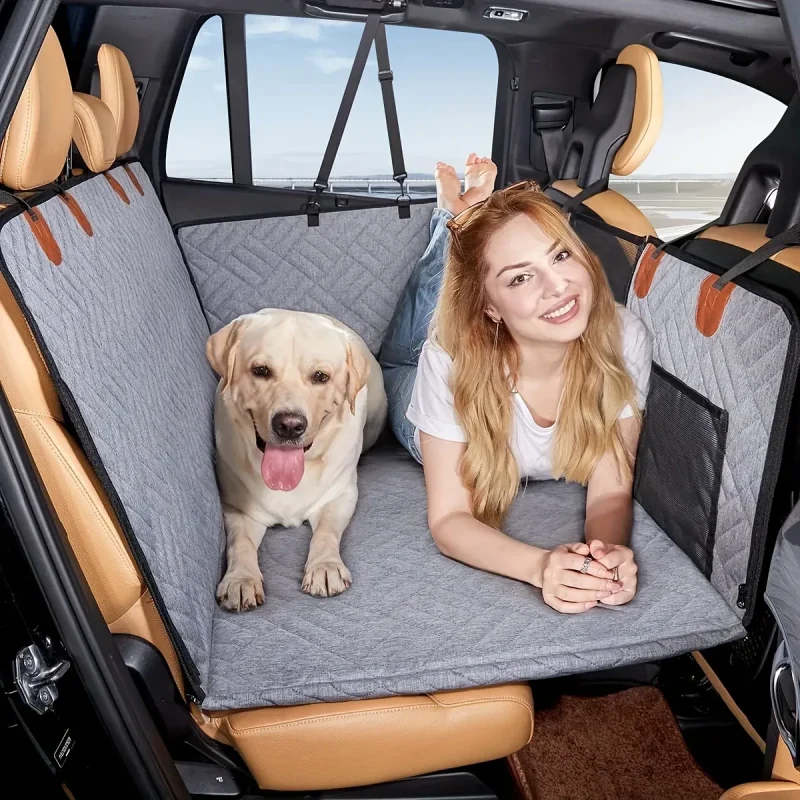
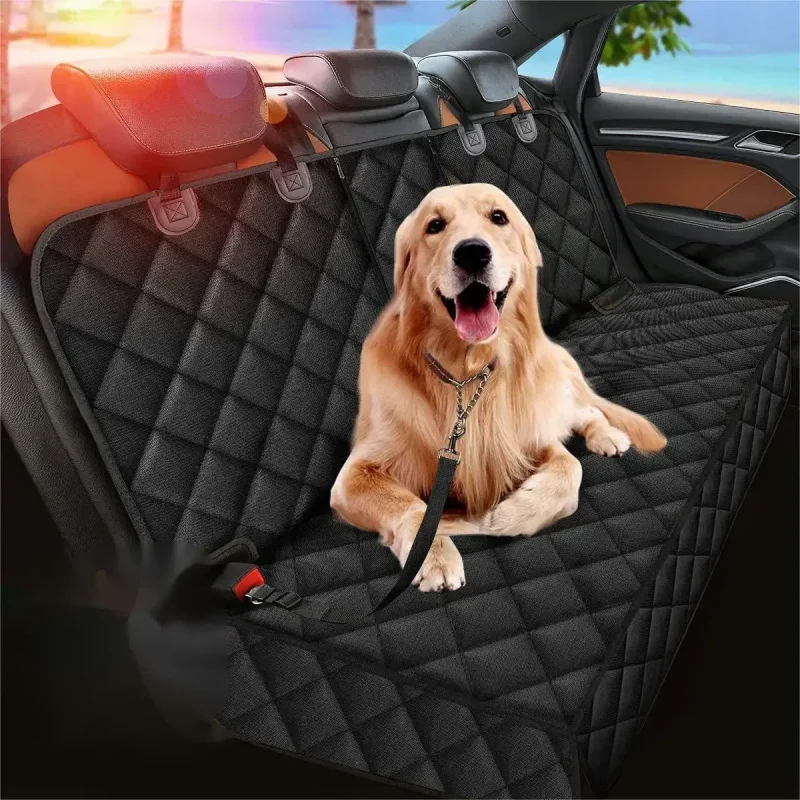
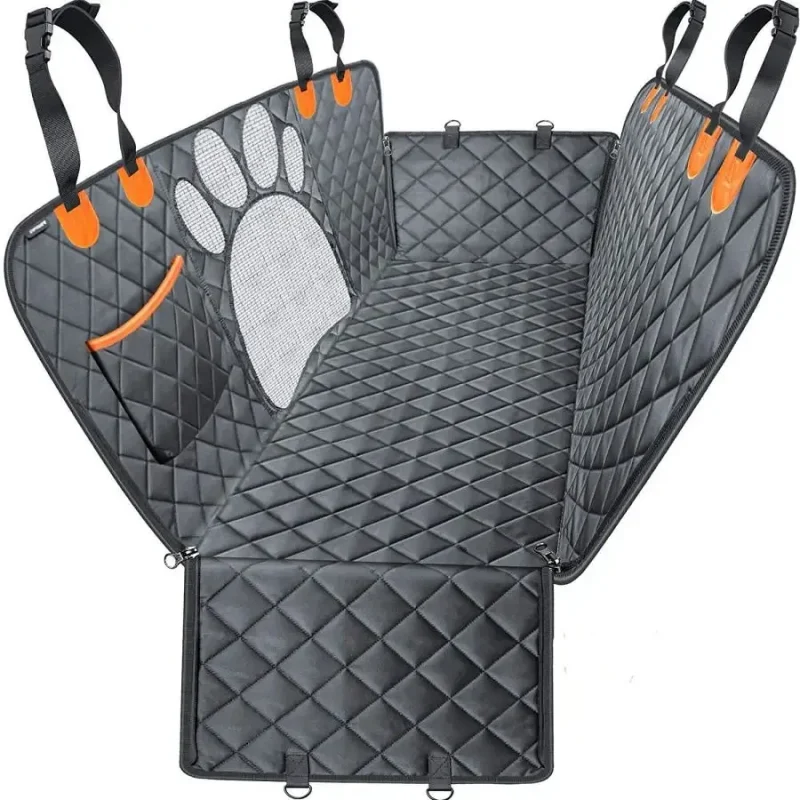
- Two beds often work well: one in the living room and one where your dog sleeps at night. For journeys, a padded dog car seat works as a bed at the other end.
Common problems and fixes
- Your dog ignores the new bed. Put a blanket or an old T-shirt that smells of home on it, and reward your dog for lying there.
- The bed has gone flat. Fibre fill compresses over time. Fluff it after washing, or switch to foam for a heavier dog.
- Your dog chews the bed. Remove it when you’re not there, give a safe dog toy to chew instead, and choose tougher fabrics without loose edges.
- It smells even after washing. The foam underneath has absorbed moisture. A waterproof liner and a spare cover stop this happening again.
Cleaning and care
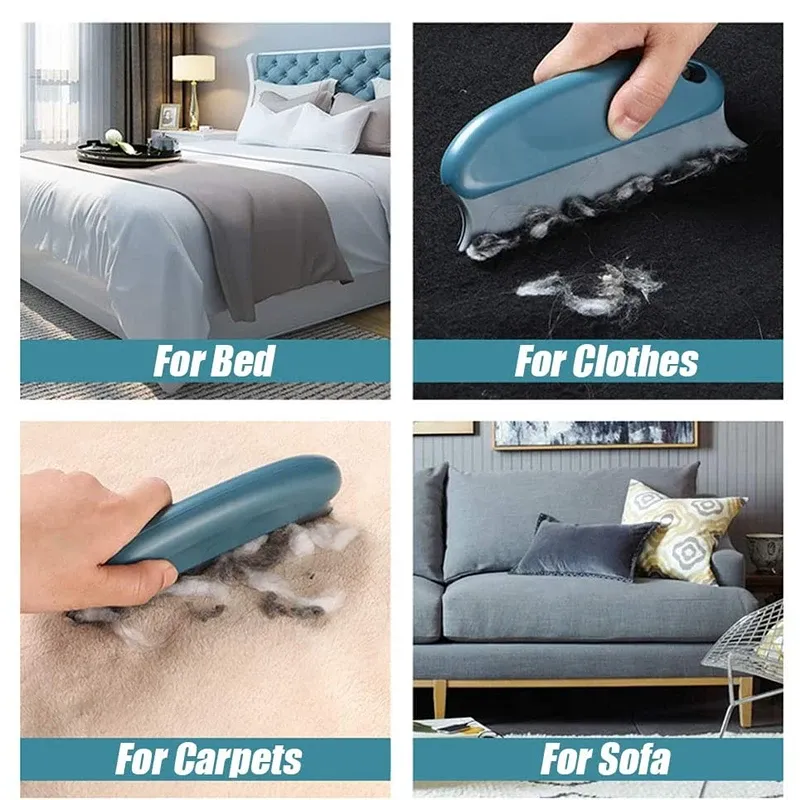
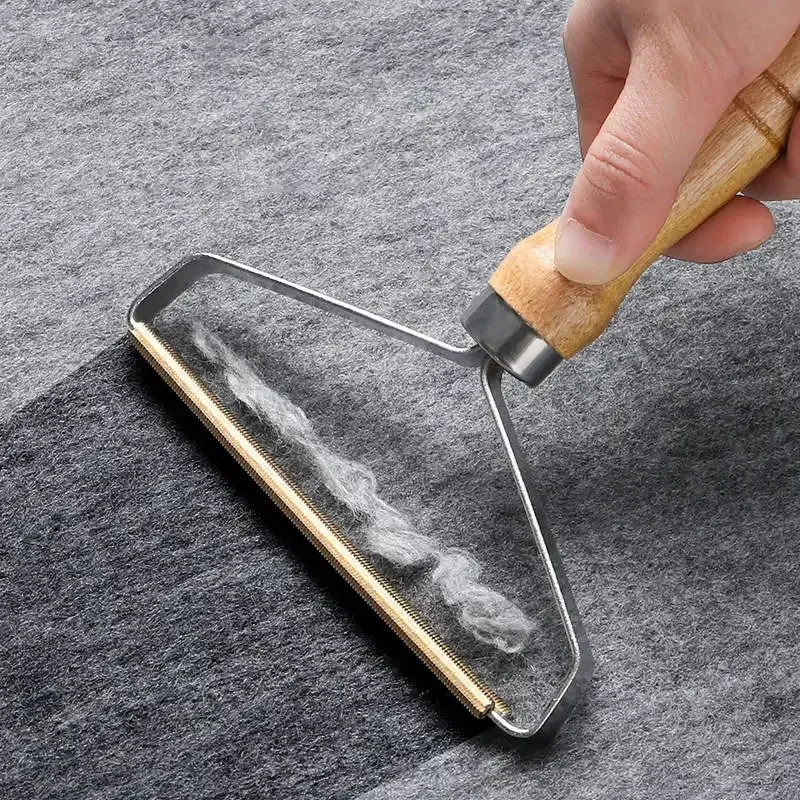
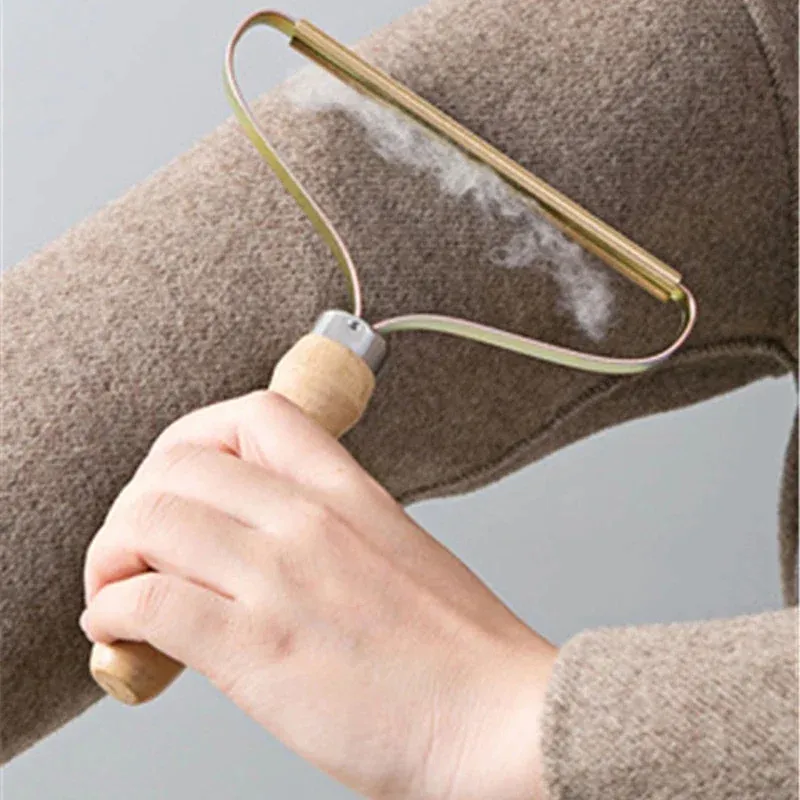
- Vacuum or shake out the bed weekly to remove hair and grit. A pet hair remover makes quick work of hair on the cover.
- Wash the cover every couple of weeks, or more often for muddy dogs, at the temperature on the label.
- Air foam in a dry, well-ventilated place; don’t put memory foam in a tumble dryer.
- Keep a spare cover so the bed isn’t out of use while one dries.
- Replace a bed when the foam no longer springs back or the cover has holes your dog can pull stuffing through.
Questions owners ask
What size dog bed do I need?
Measure your dog lying in their usual position from nose to base of tail, then add about 20–30 cm (8–12 in). Compare that with the inside measurement of the bed.
Does my older dog need an orthopaedic bed?
Older dogs, large breeds and dogs with stiff joints usually rest more comfortably on thick foam that keeps their hips and elbows off the floor. Ask your vet if your dog has arthritis.
Should my dog’s bed be raised?
A raised bed suits dogs that run hot and dogs that sleep outdoors or on cold floors. Curlers who like to feel enclosed usually prefer a soft bed with sides.
Why buy your dog’s bed from TAILOVO
We sell gear for dogs only, and every bed we list has to pass the same checks: the cover comes off for washing, the base supports the dog’s body, and the design looks calm enough to stay in your living room. Each bed page gives exact sizes in centimetres with inches in brackets, the filling and the washing temperature, so you can match it to your dog before you order. Orders over $79 ship free with tracking. Not sure which size to choose? Email [email protected] with your dog’s measurements, and a real person will help.
Measure your dog in their favourite sleeping position, and find their bed at TAILOVO.