New
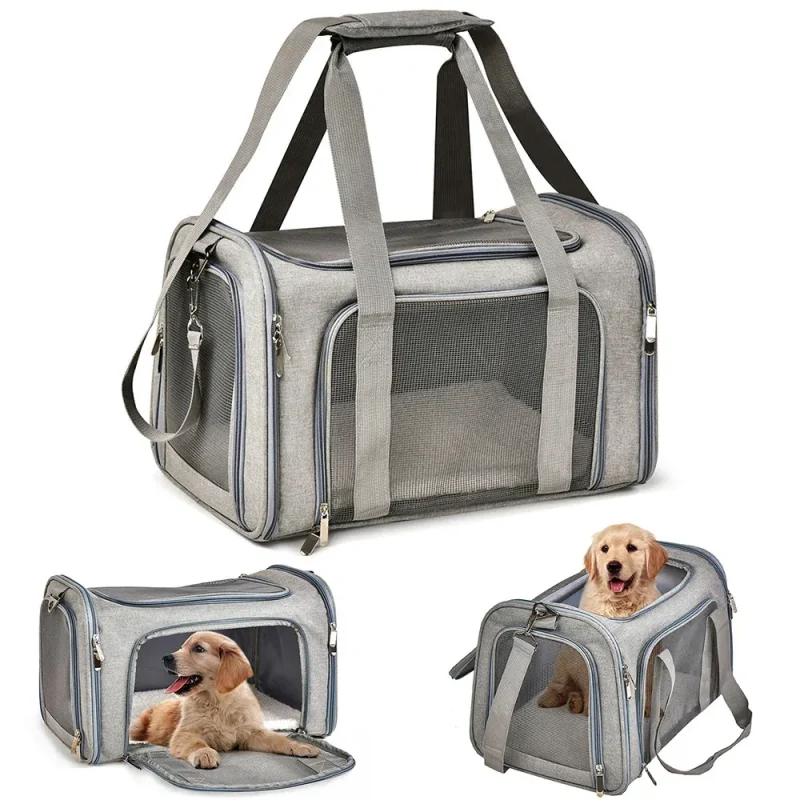
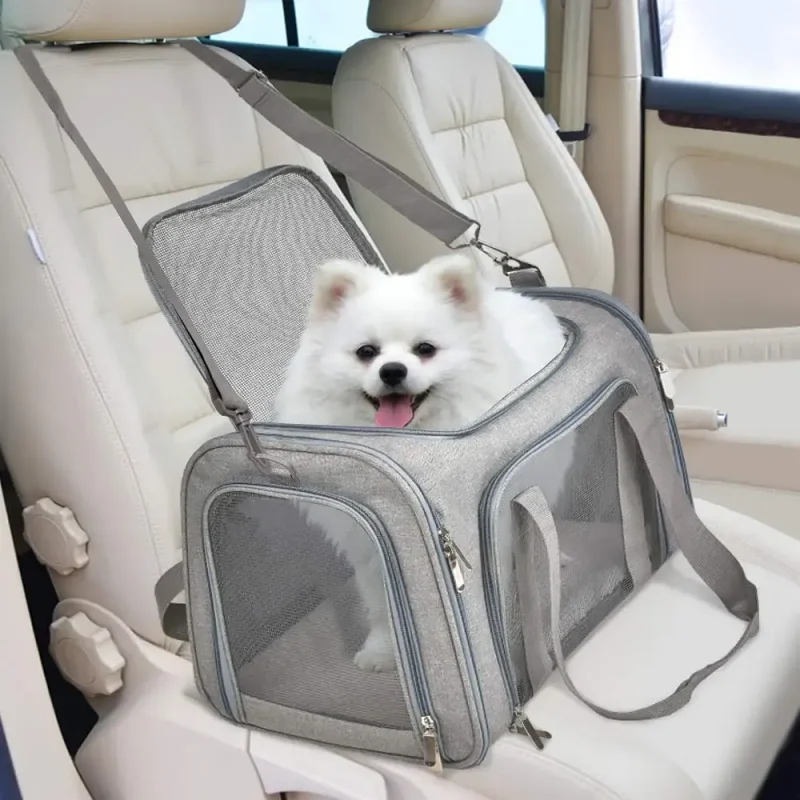
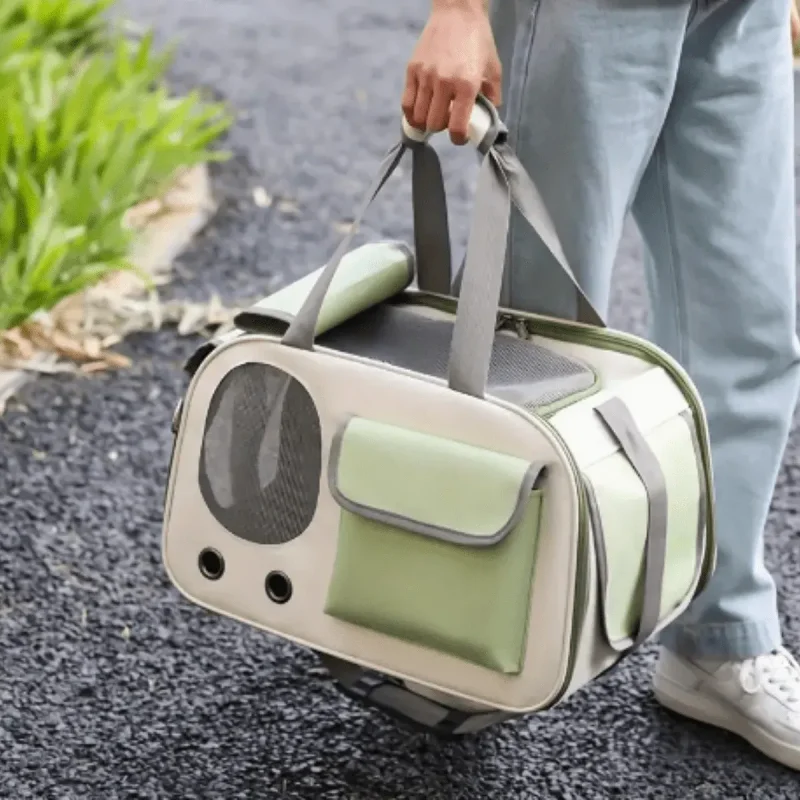
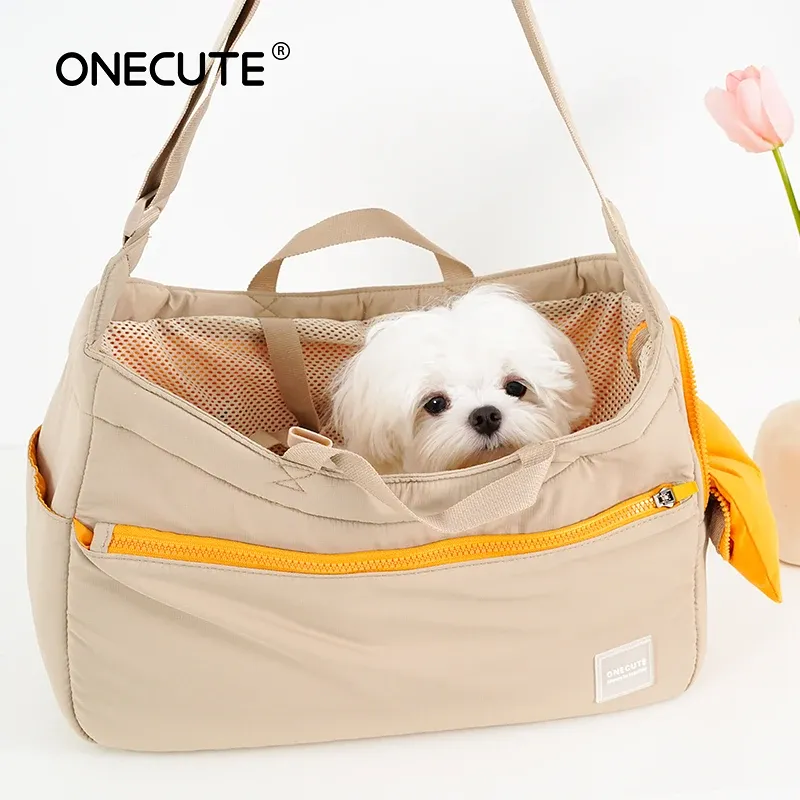
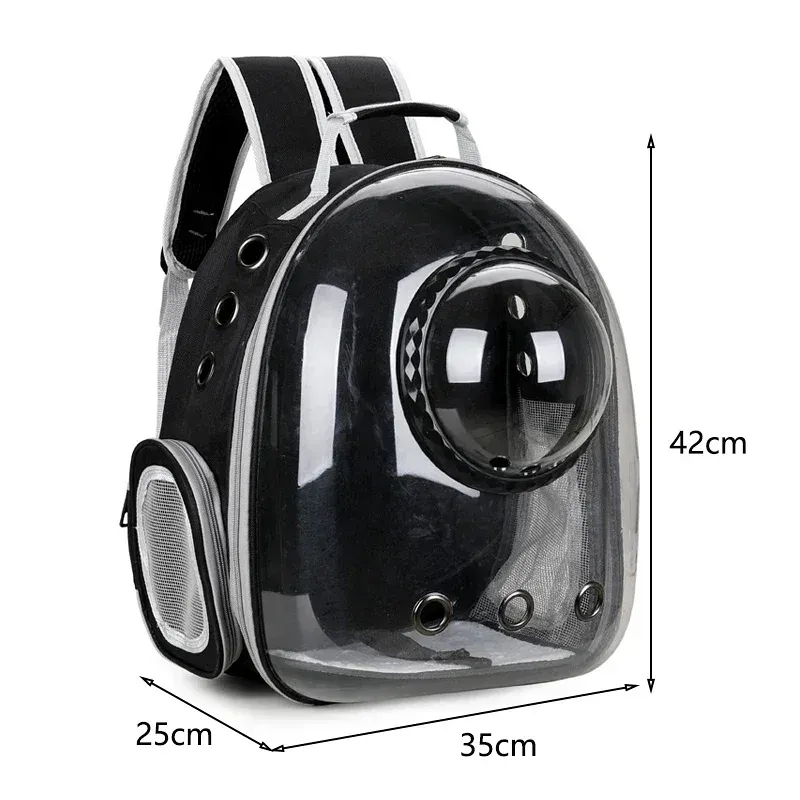
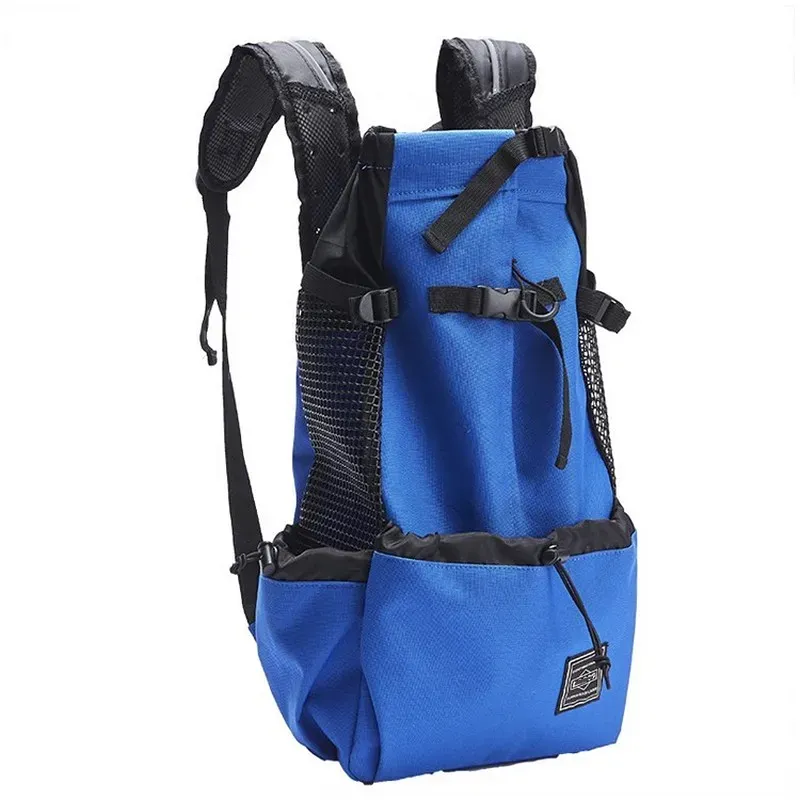
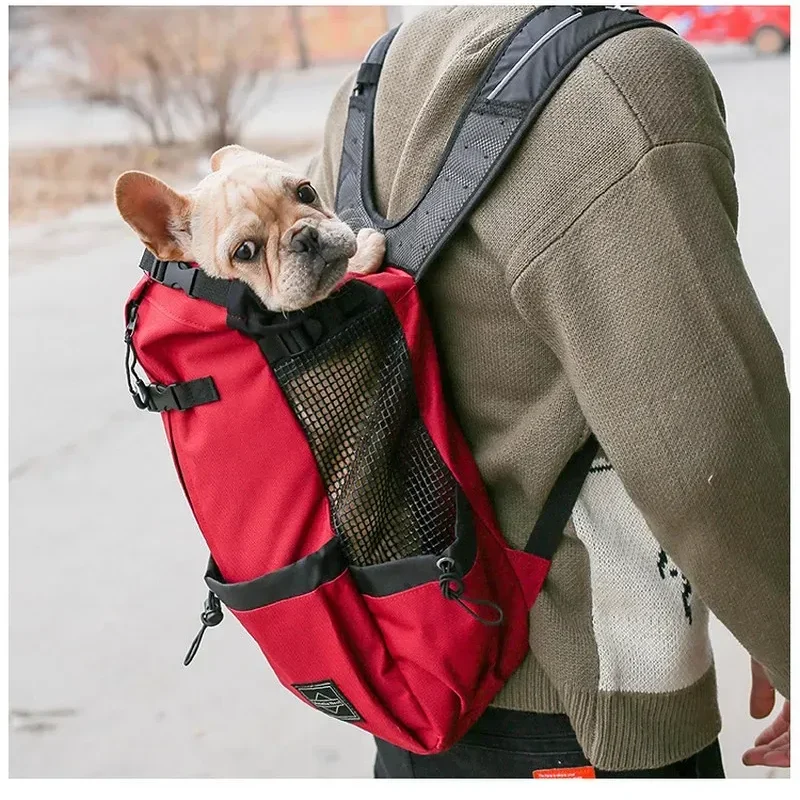
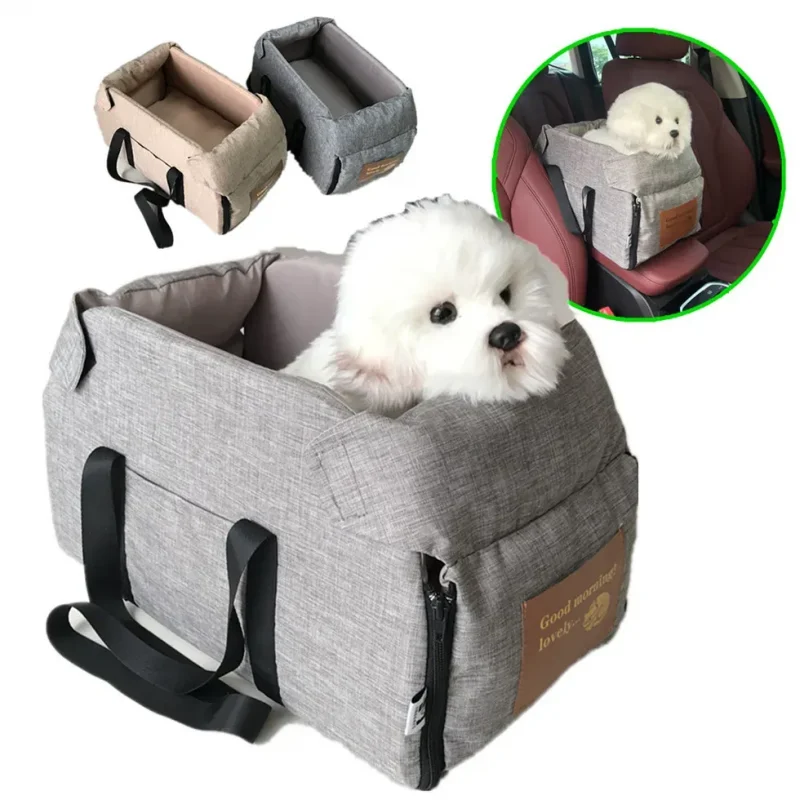
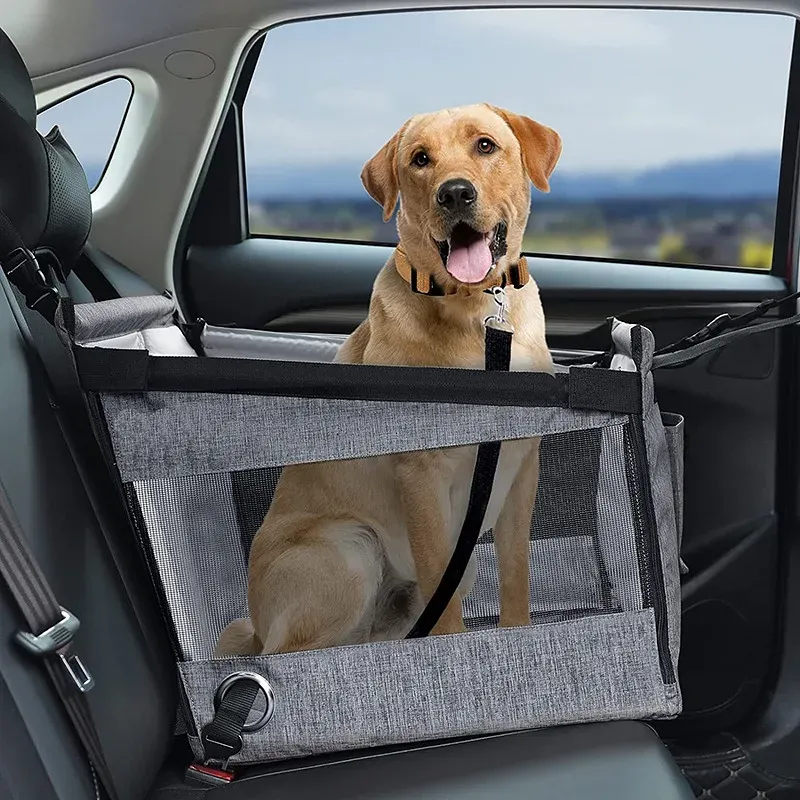
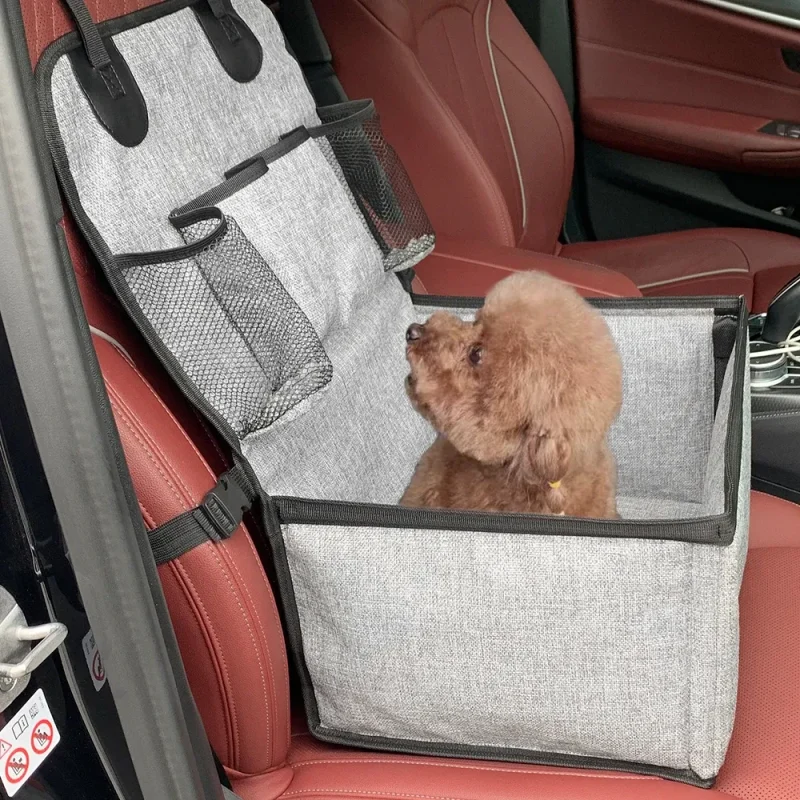
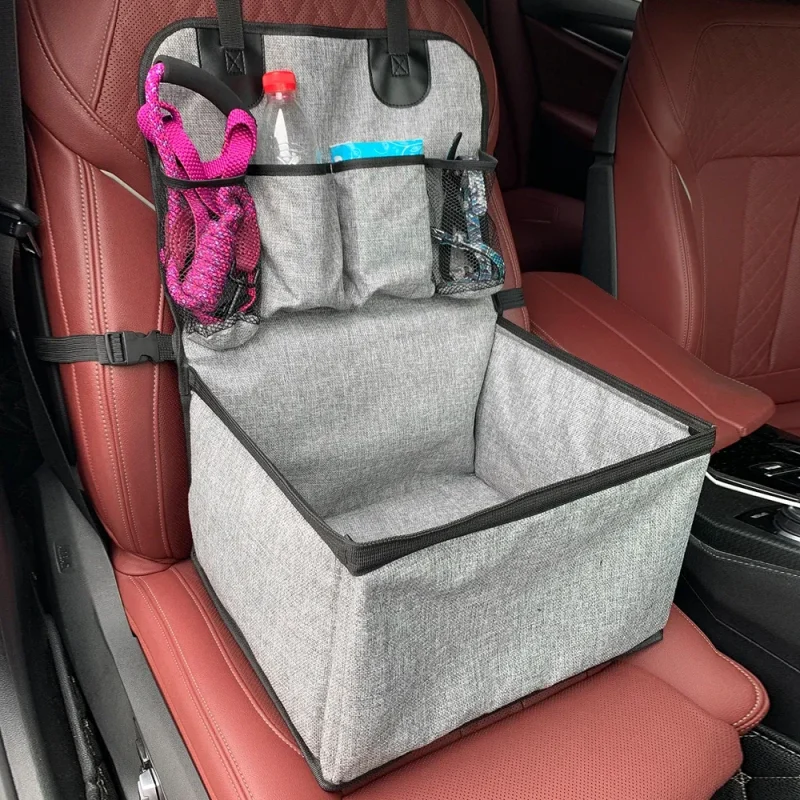
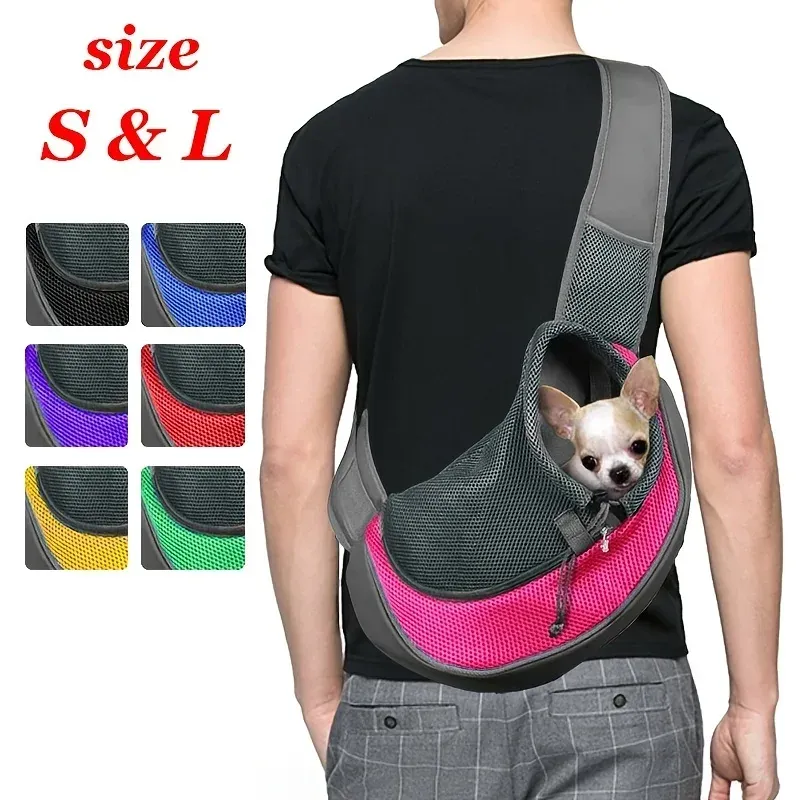
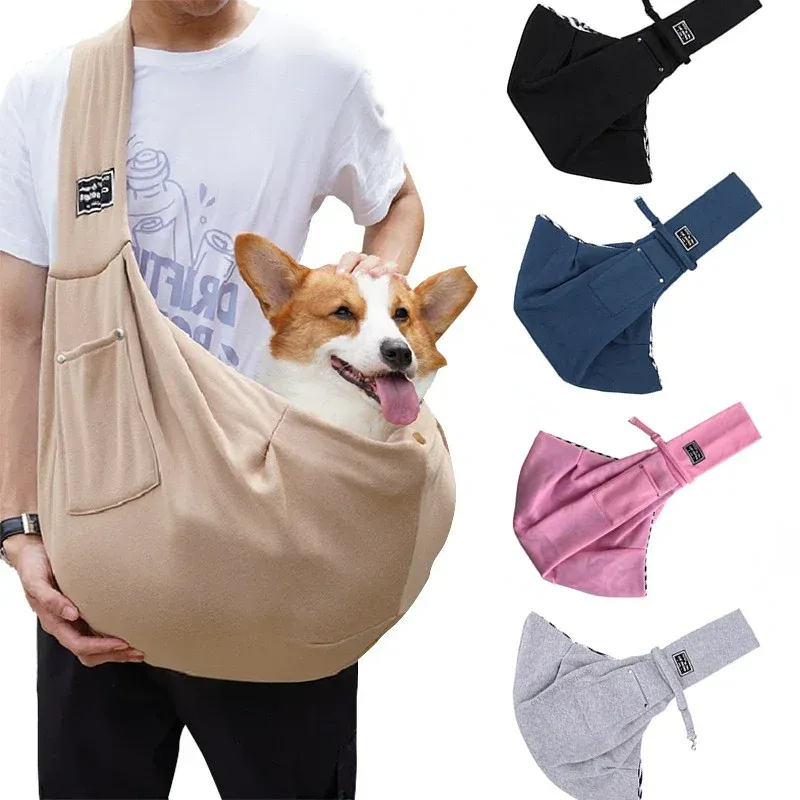
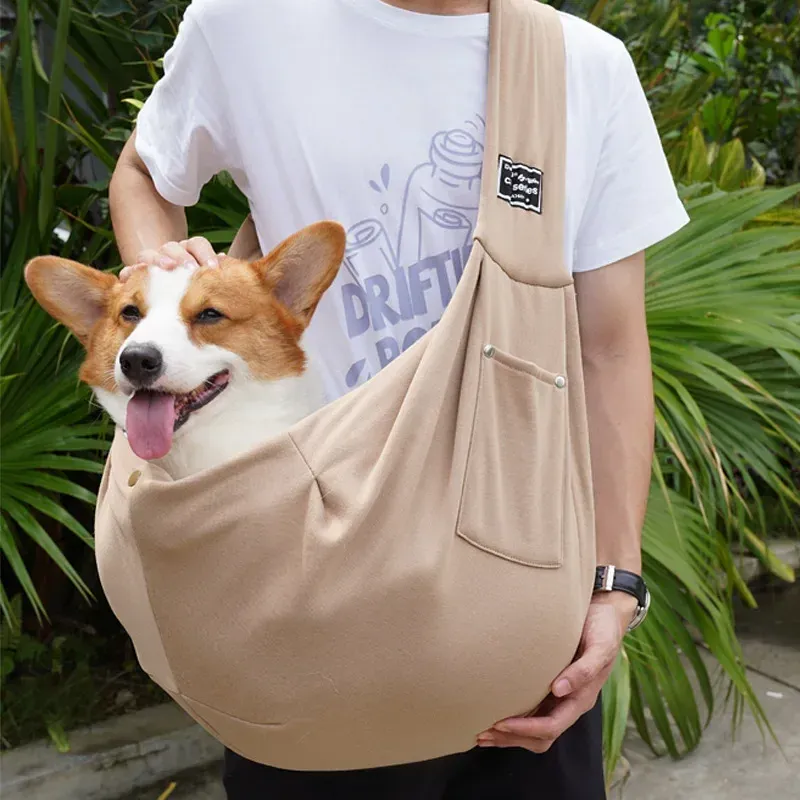
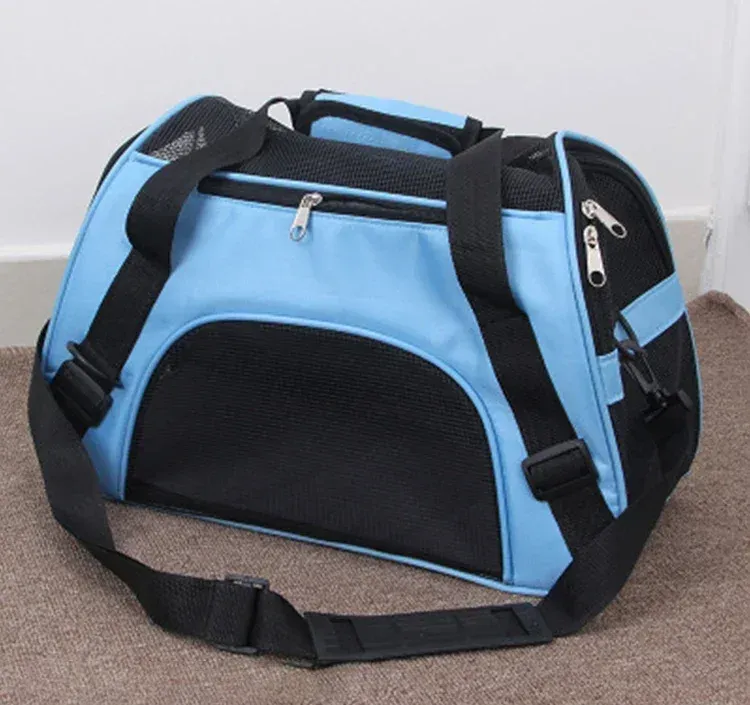
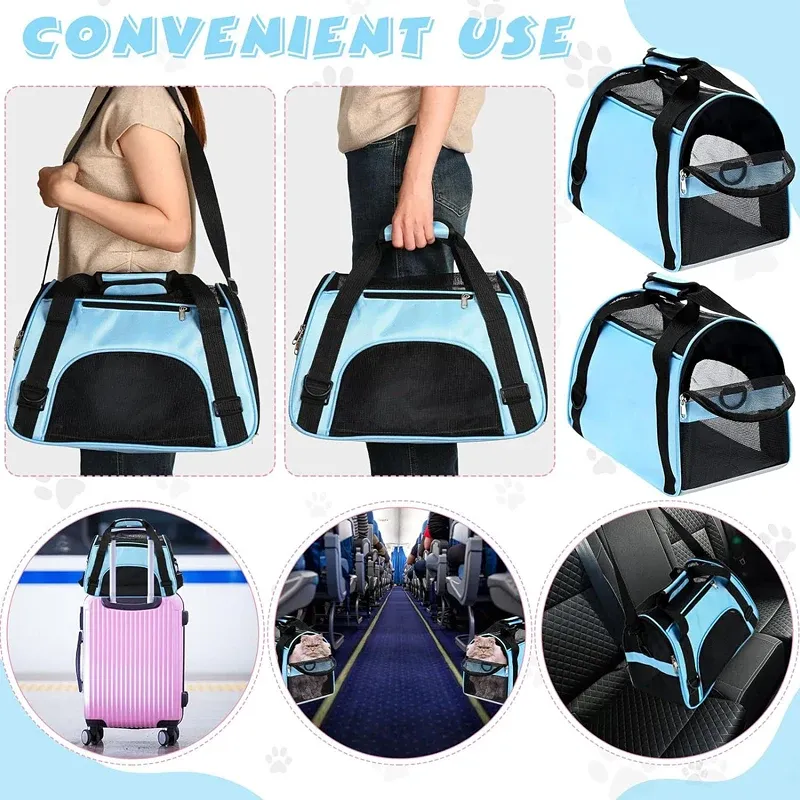
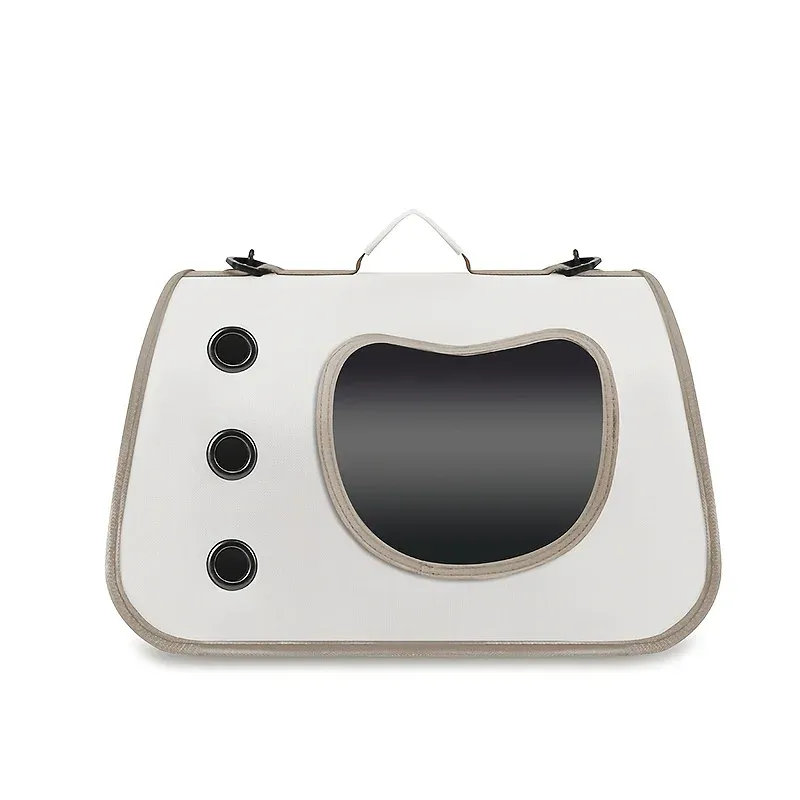
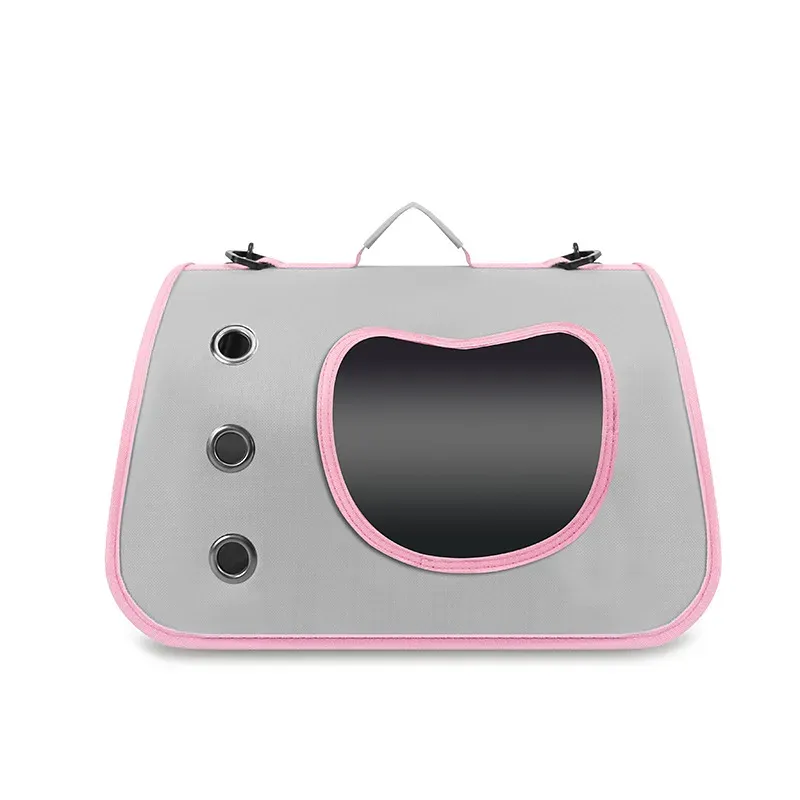
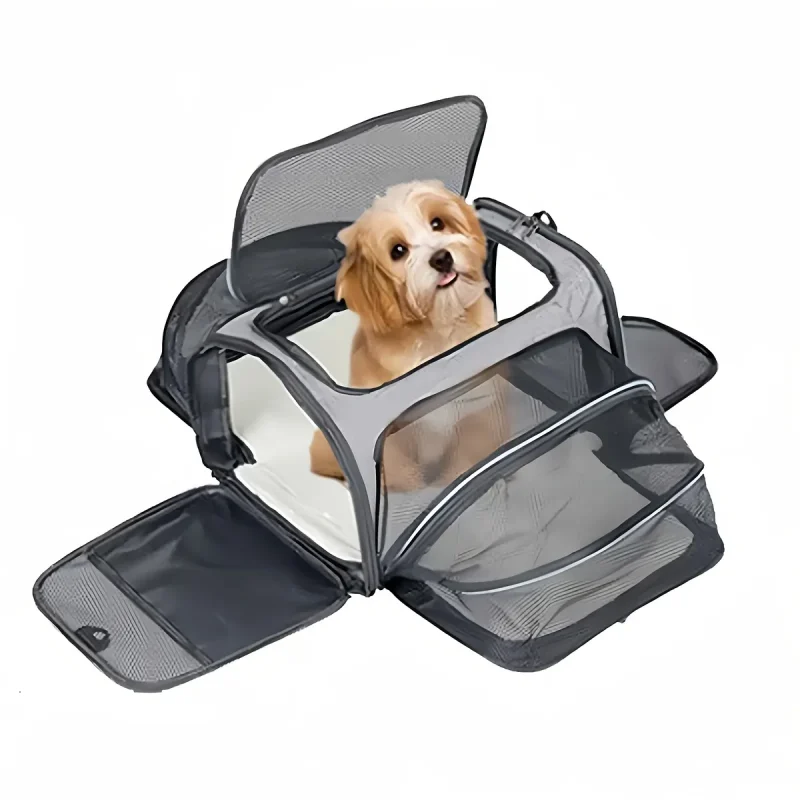
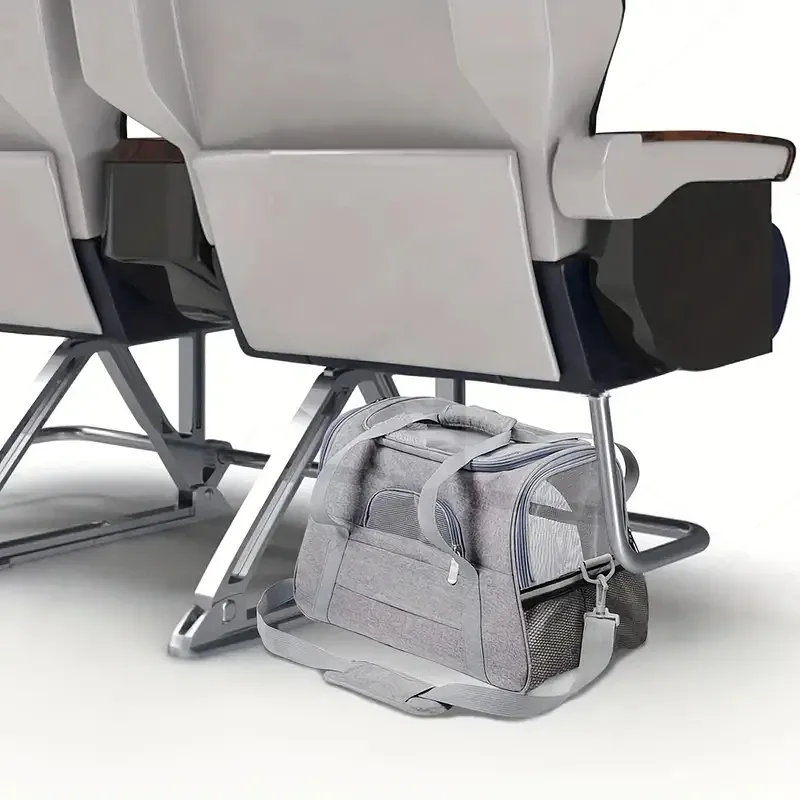
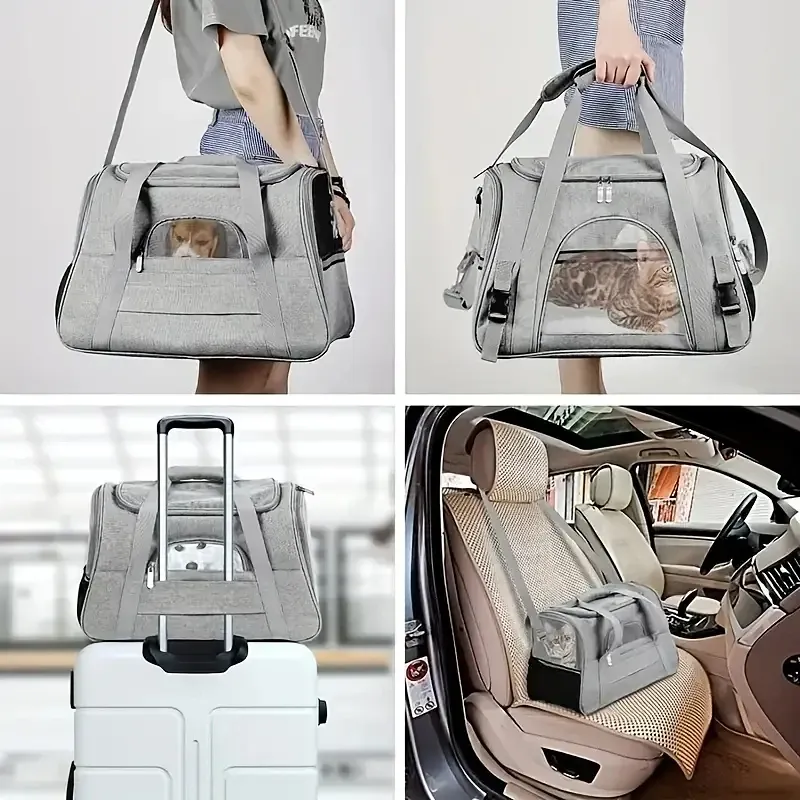
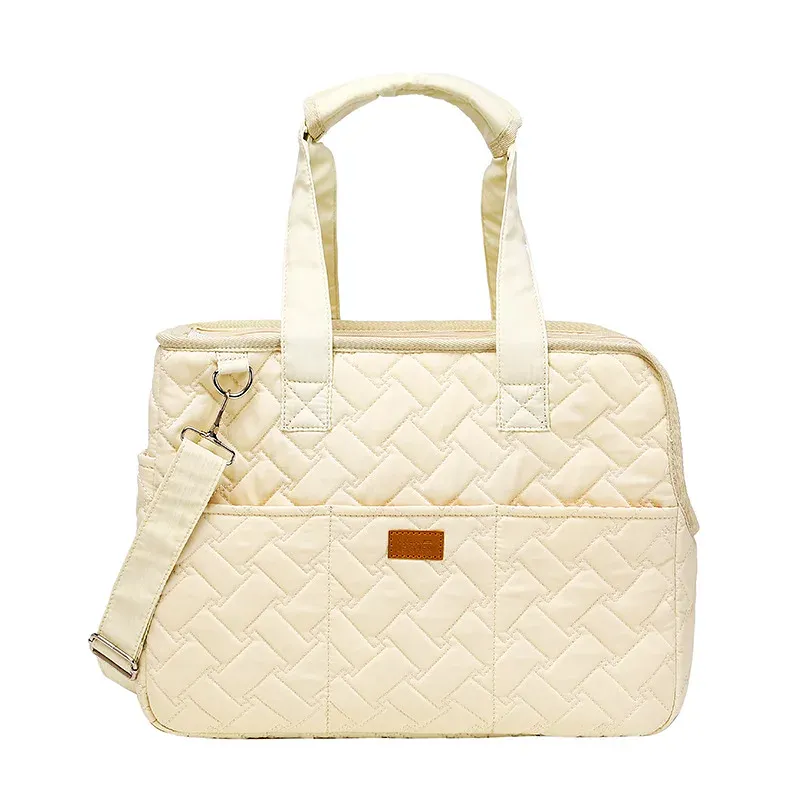
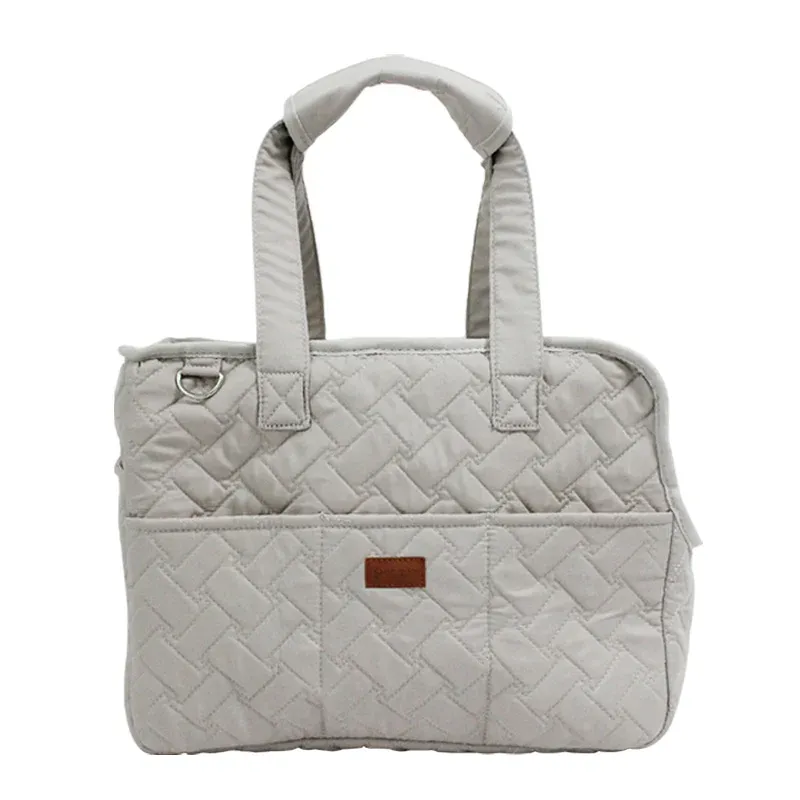
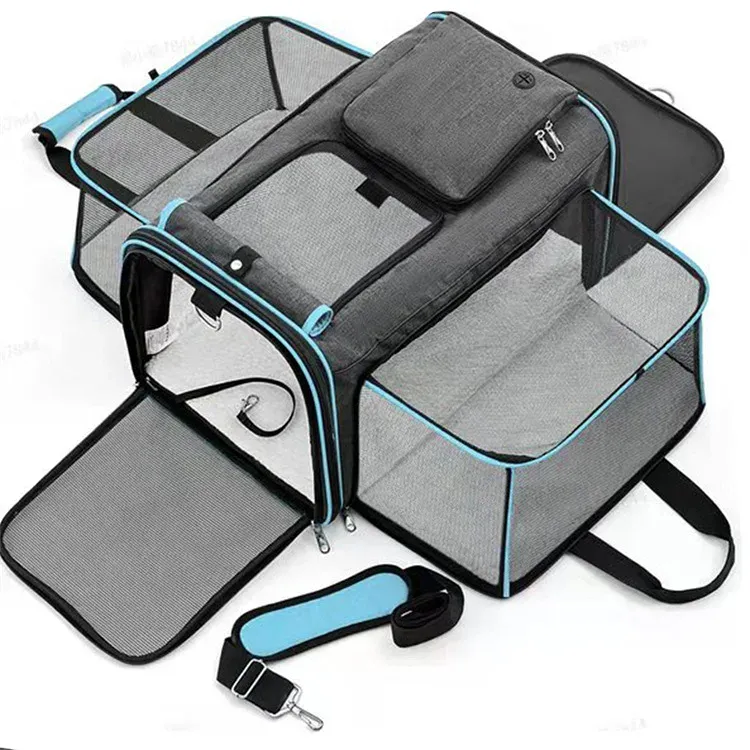
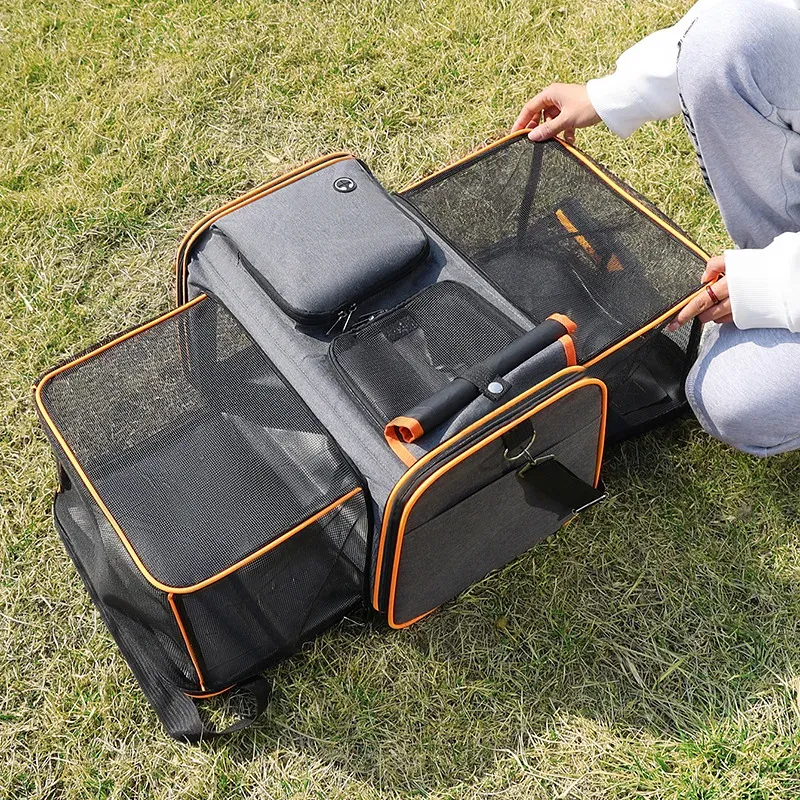
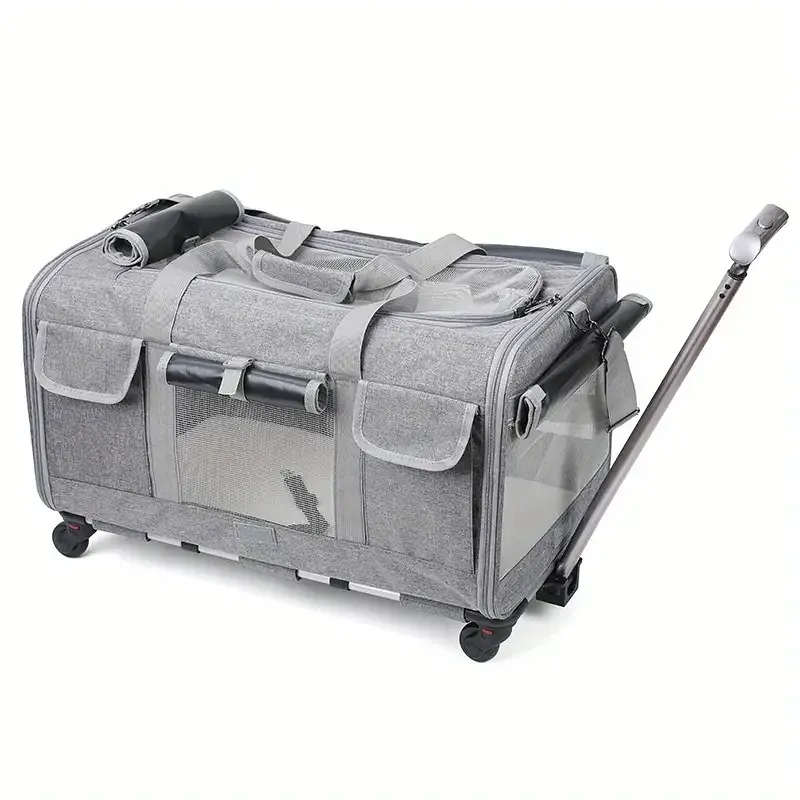
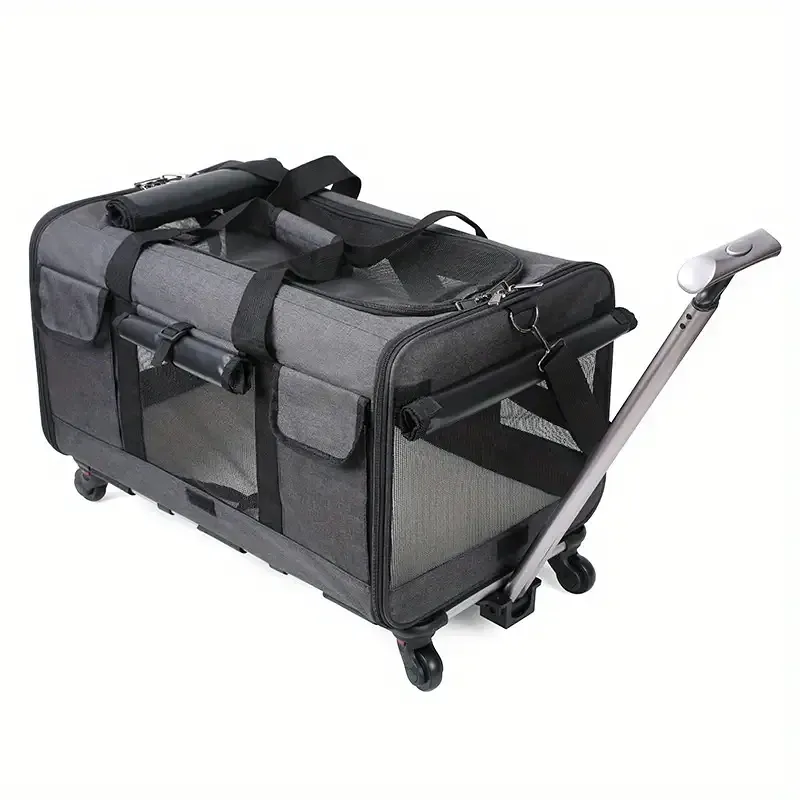
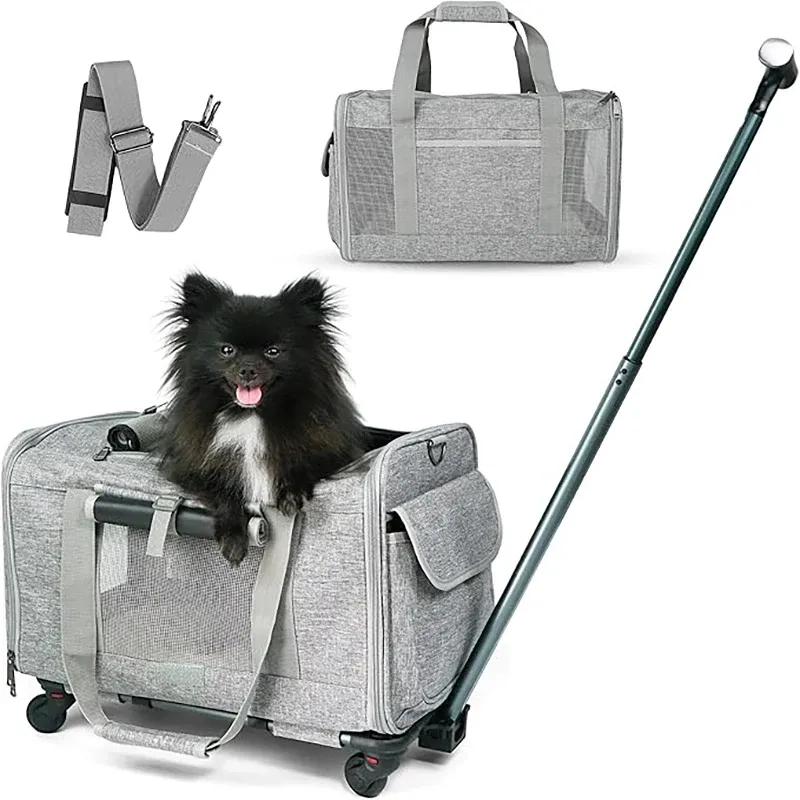
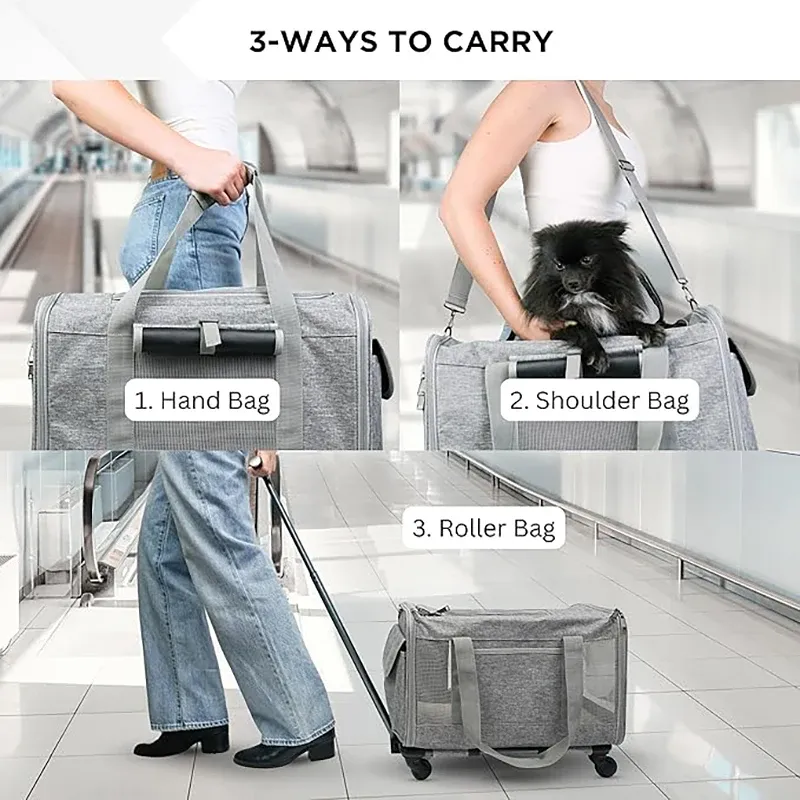
Cabin-Size Soft-Sided Dog Carrier with Mesh Windows
By
4.8139
$60.99$67.99
New Customers Only: Extra 10% OFF with code WELCOME10
Home / Shop / Rubber Brooms for Pet Hair



Nothing matches the current filters. Widen the price range or clear a filter to see the shop again.
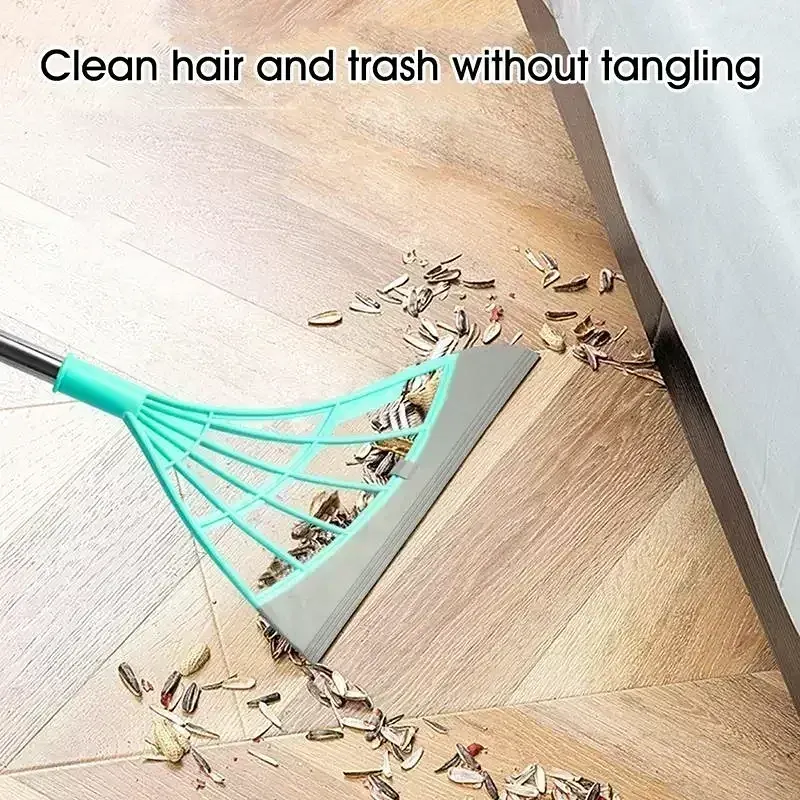
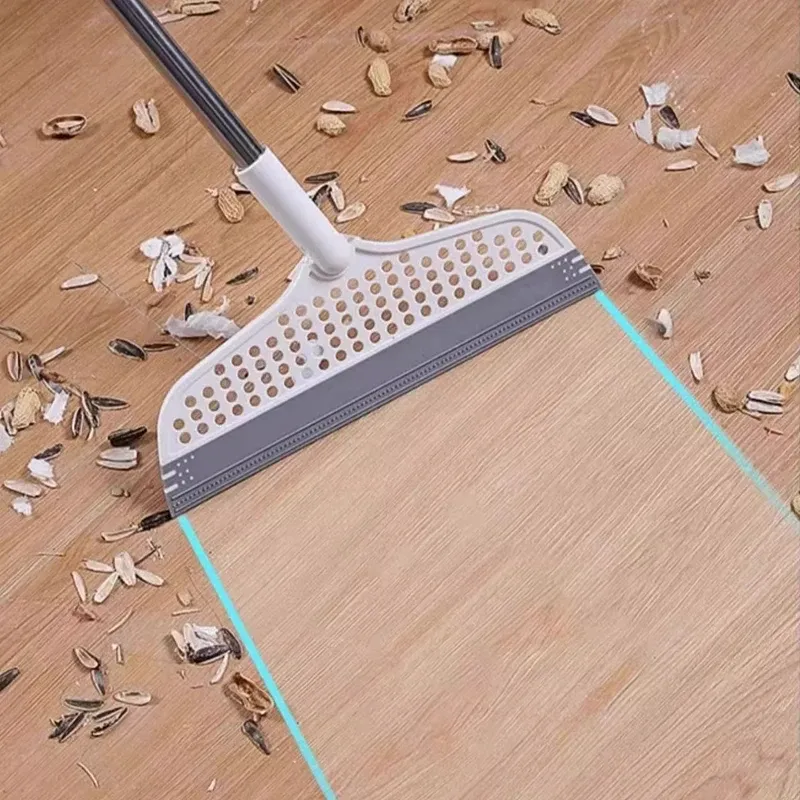
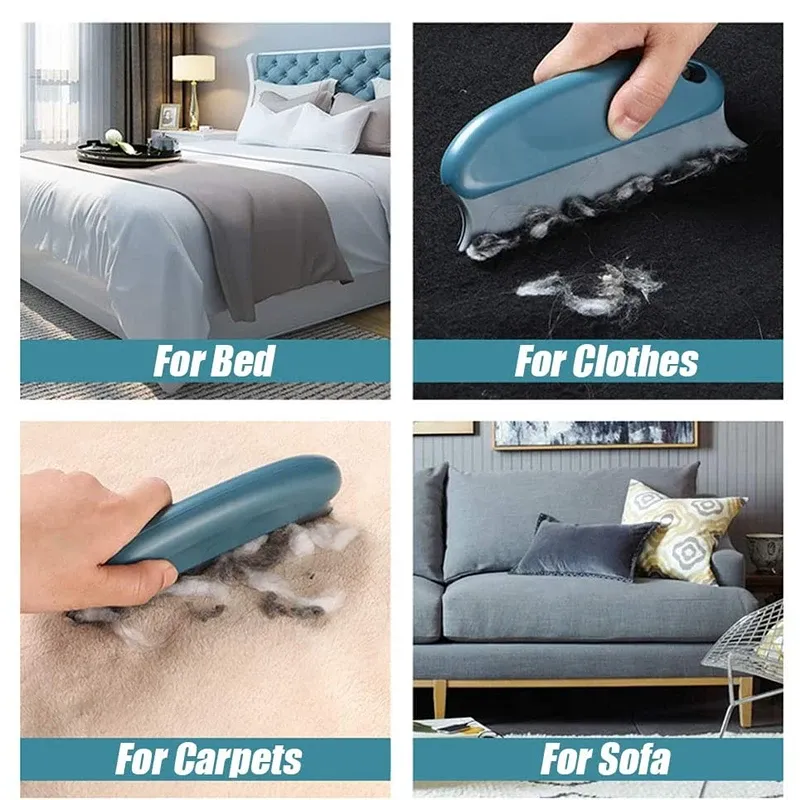
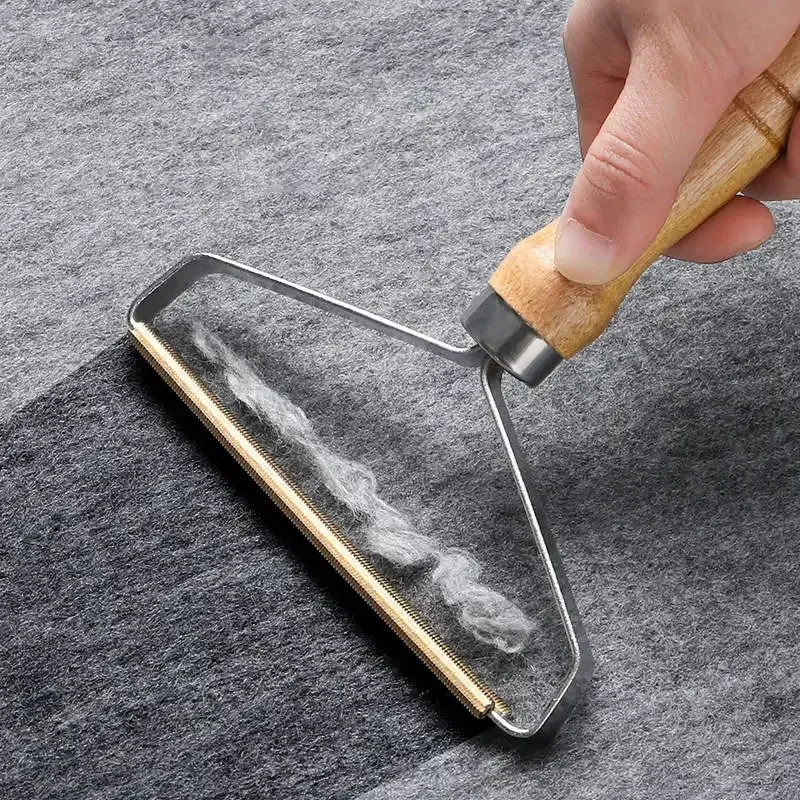
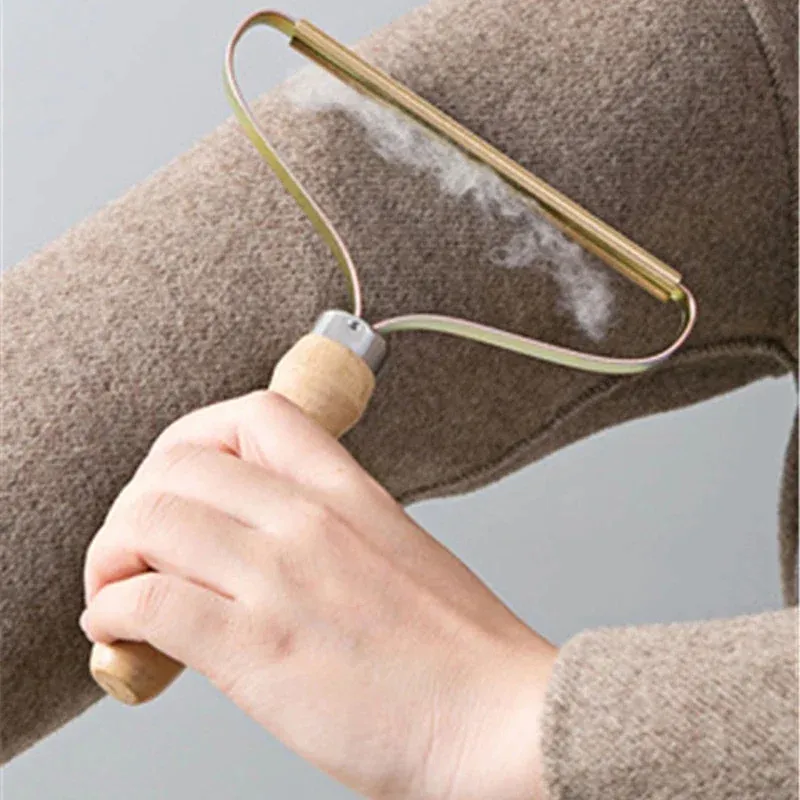
Sweep a wooden floor with an ordinary broom in a house with a shedding dog and much of the hair simply floats up and settles again a metre away. Fine undercoat drifts into corners, under radiators and along skirting boards, and on carpet it weaves in so deeply that a vacuum cleaner leaves a grey haze behind. A rubber broom works differently. Its soft silicone or rubber bristles grip hair with friction and a little static, rolling it into clumps instead of scattering it. This section covers silicone rubber brooms with squeegee edges for hard floors and carpets. This guide explains how rubber brooms work, which floors they suit, how they compare with vacuums and ordinary brooms, how to use the squeegee edge, and how to look after one so it lasts. Rubber brooms sit in our pet cleaning products range.
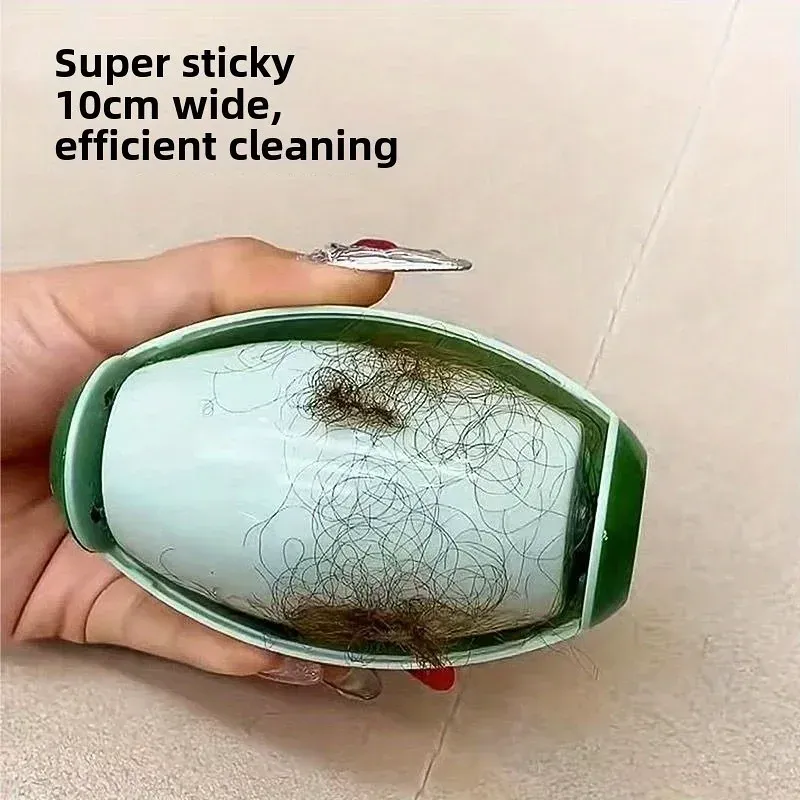
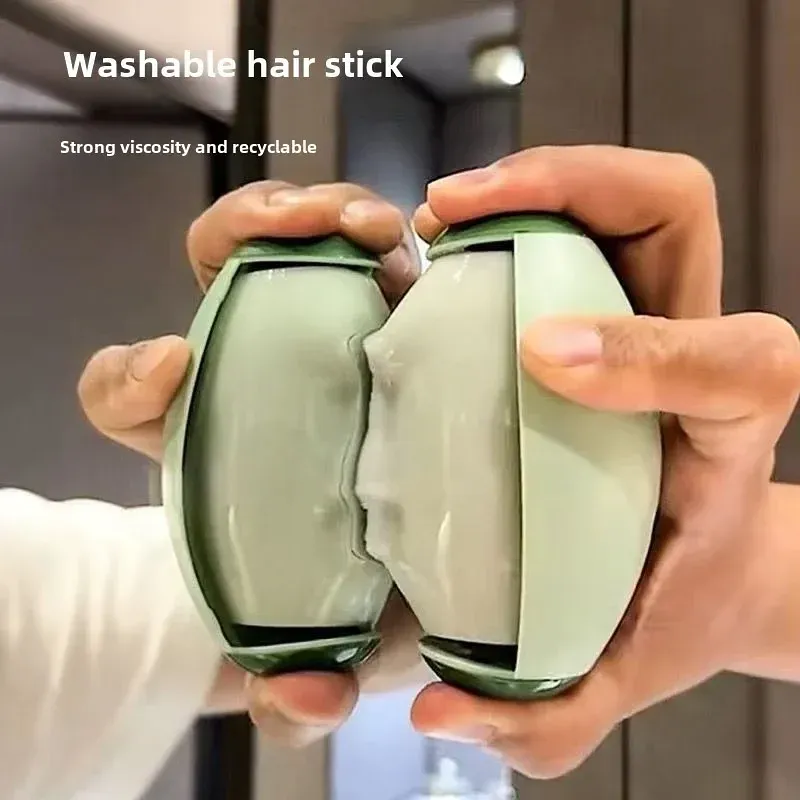
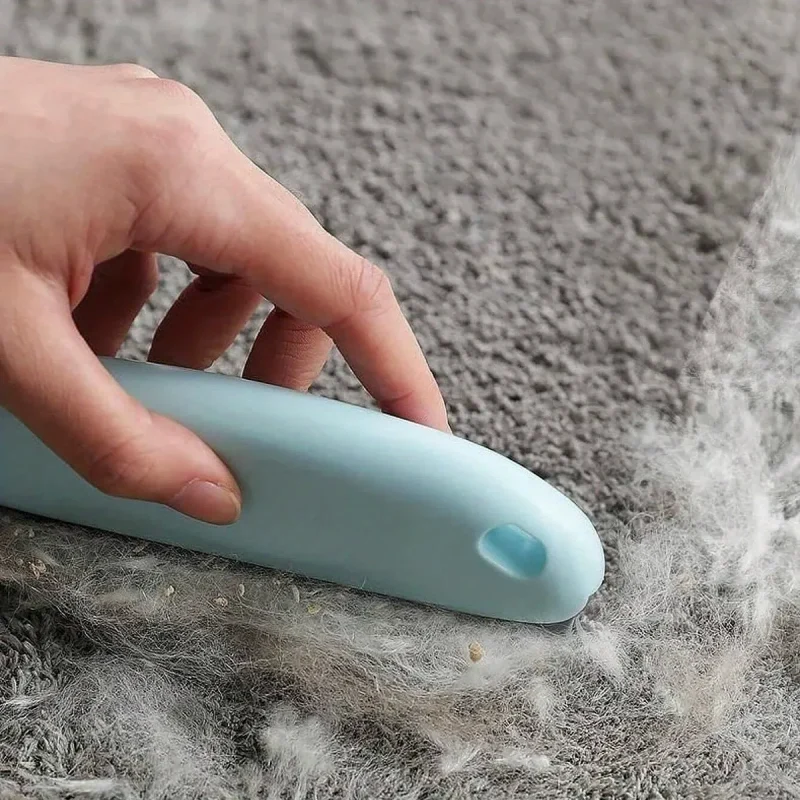
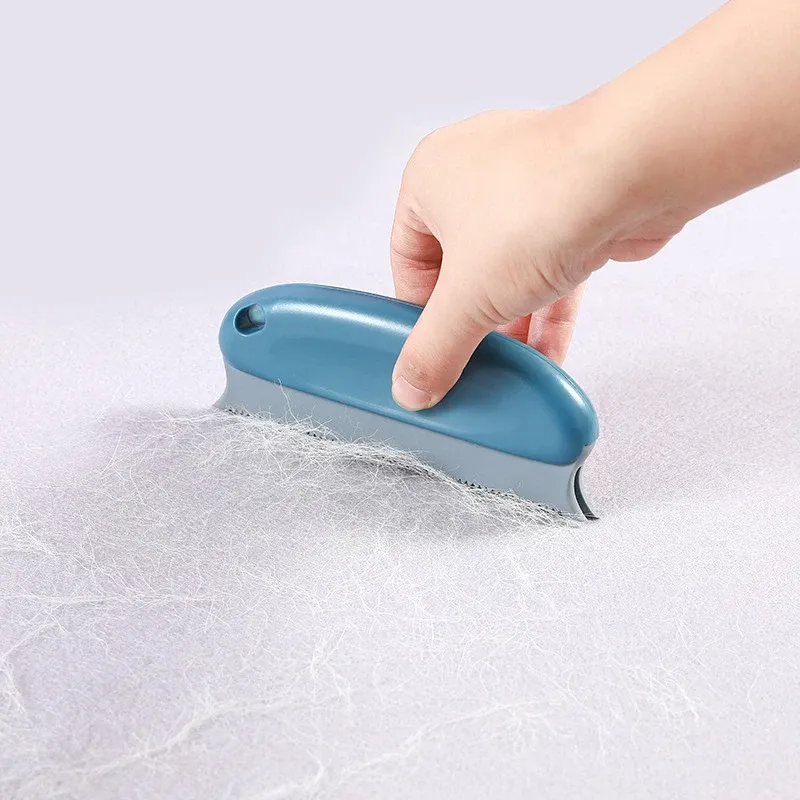
Each rubber bristle drags across the floor rather than flicking dust forward. Hair catches on the rubber and on other hairs, building into a roll that’s easy to pick up. On carpet, the bristles reach down between fibres and pull embedded hair up to the surface. The rubber also generates a mild static charge as it moves, which helps lift fine, light hair such as undercoat.
| Tool | Hard floors | Carpet and rugs | Fine undercoat | Wet mess |
|---|---|---|---|---|
| Rubber broom with squeegee | Good; hair rolls into clumps | Good at lifting embedded hair | Good | Squeegee edge handles water and drool |
| Ordinary bristle broom | Pushes hair but scatters fine fur | Poor | Poor | Poor |
| Vacuum cleaner | Good | Good on loose hair; misses woven-in hair | Good, but can clog brushes | Not suitable unless wet-and-dry |
| Microfibre mop | Good on dust and light hair | Not suitable | Moderate | Good |
Many owners use a rubber broom first to lift and gather hair, then vacuum the clumps. The broom makes the vacuum’s job quicker and stops hair winding round its brush roll.
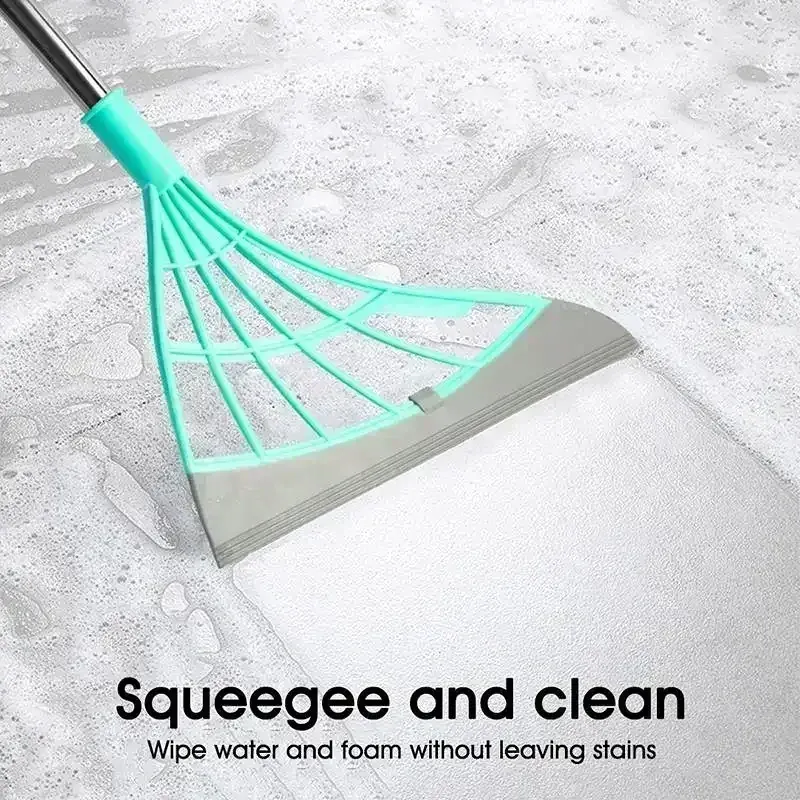
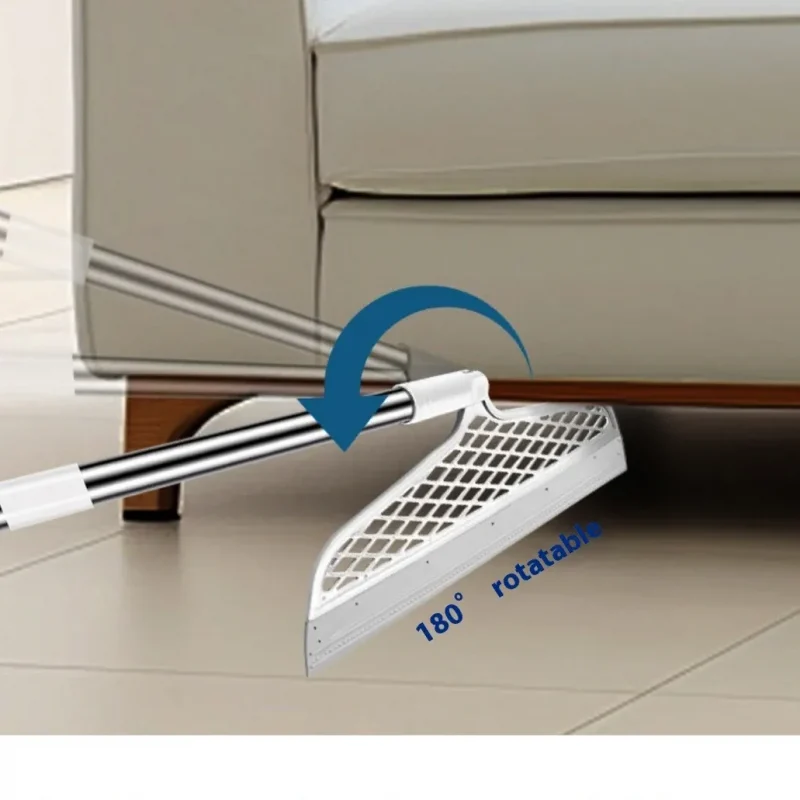
Most rubber brooms have a flat rubber squeegee along one side of the head. Turn the broom over to use it.
| Area | Where hair collects | How to sweep it |
|---|---|---|
| Hallway | By the door, under coat racks, along skirting boards | Sweep towards the door mat; use the squeegee after wet walks |
| Living room | Under the sofa, round the dog bed, in rug edges | Rake the rug first, then sweep the hard floor round it |
| Kitchen | Round food and water bowls, under cupboards | Squeegee spilled water, then sweep hair from the plinth line |
| Bedroom | Under the bed, in carpet by the bed | Short strokes on carpet towards you, then vacuum |
| Stairs | The back of each tread | Use the broom head sideways to pull hair forward |
Many double-coated dogs “blow” their undercoat in spring and autumn, shedding large amounts over a few weeks. During a moult, hair can build up daily, especially on hard floors where it gathers in soft drifts. Sweeping once a day with a rubber broom keeps it under control and stops hair being carried into every room on paws. Pair it with extra brushing with a deshedding tool from our dog grooming tools, outdoors where possible, and wash throws and dog bedding more often until the moult ends.
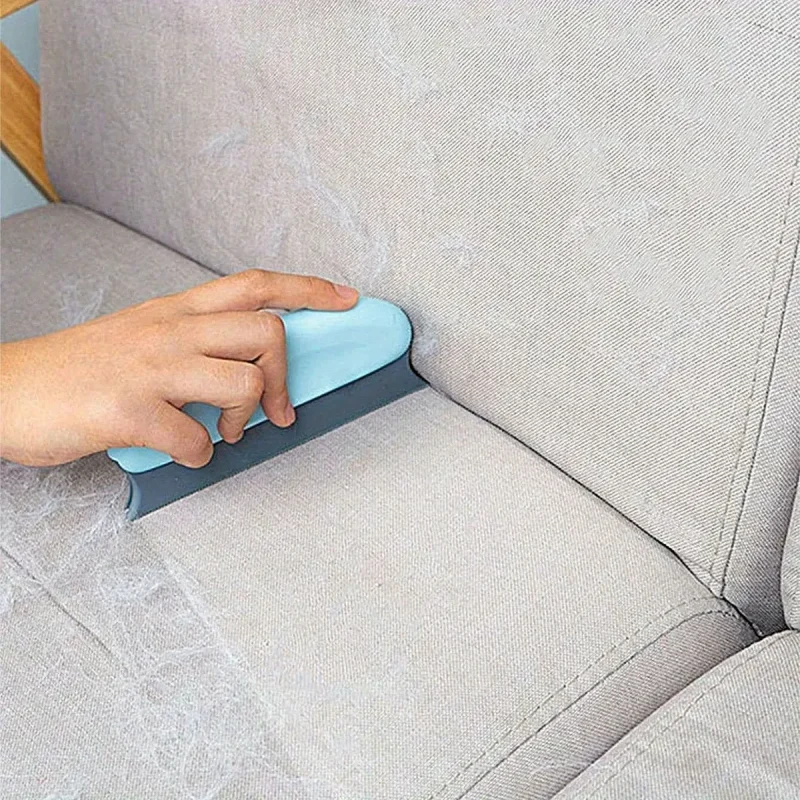
A rubber broom is also handy in a car boot with a carpeted floor, in a garden room or conservatory where your dog naps in the sun, and on decking after rain. For tight spaces such as car seats and sofas, a pet hair remover is easier to control.
An ordinary broom sends fine hair and dander back into the air, where it settles again on surfaces and can bother people who are sensitive to dogs. Because a rubber broom rolls hair into clumps rather than flicking it, it raises less dust. For anyone with allergies, sweeping with a rubber broom before vacuuming with a sealed, filtered vacuum is a sensible routine; an air purifier from our pet tech range helps too. People with significant allergy symptoms should speak to a doctor about managing them.
With indoor use and regular rinsing, a good rubber broom lasts a long time, because rubber bristles don’t splay or shed like ordinary bristles. Replace it when the bristles crack, harden, tear or stop gripping hair, or when the handle joint loosens.
Yes, especially on carpets and hard floors where hair drifts or weaves in. The rubber grips hair and rolls it into clumps instead of scattering it.
Yes. Use short, firm strokes towards you to pull embedded hair up, then vacuum the clumps.
Soft silicone or rubber bristles are gentle on sealed wood. Sweep away grit carefully and test on an unfinished or delicate floor first.
We sell gear for dogs only, and every rubber broom we list has to pass the same checks: bristles that grip hair on both carpet and hard floors, a firm squeegee edge, and a handle joint that doesn’t wobble. Each product page gives the head width and handle length in centimetres with inches in brackets. Orders over $79 ship free with tracking. Questions about your floor type? Email [email protected] and a real person will help.
Clear dog hair from every floor in the house with a rubber broom from TAILOVO.