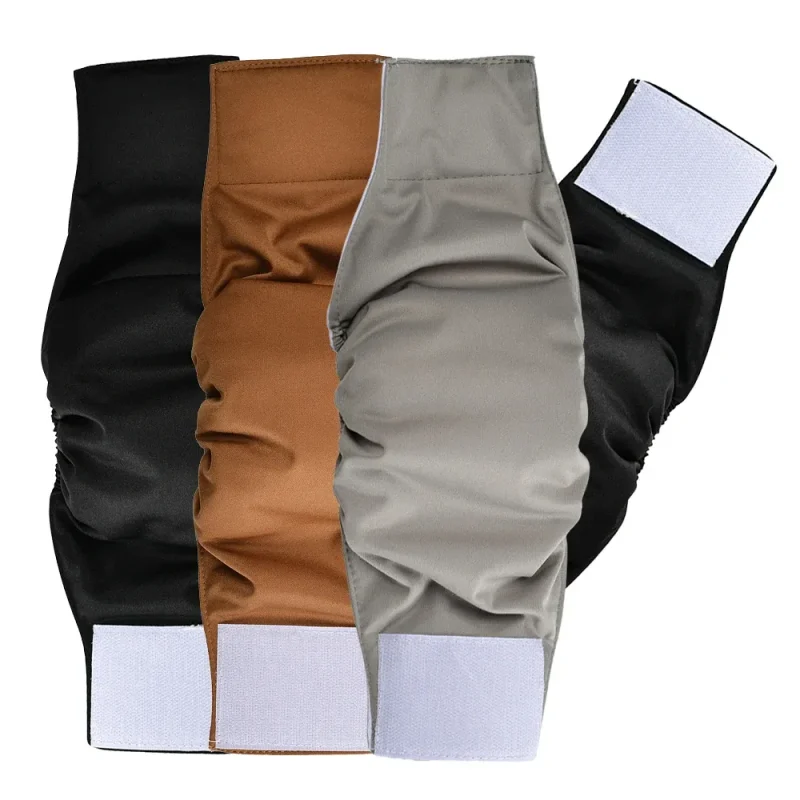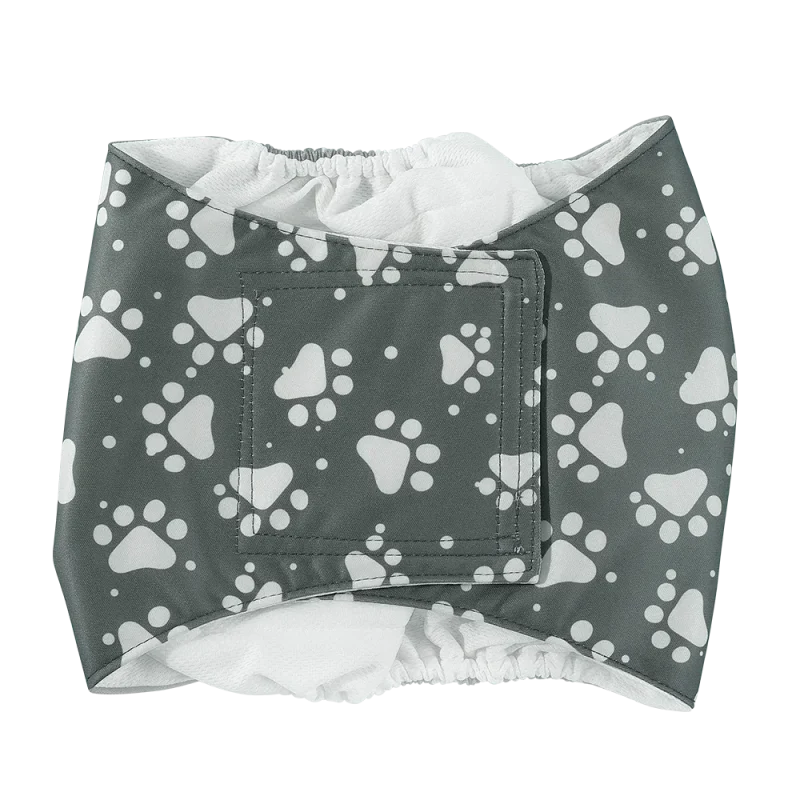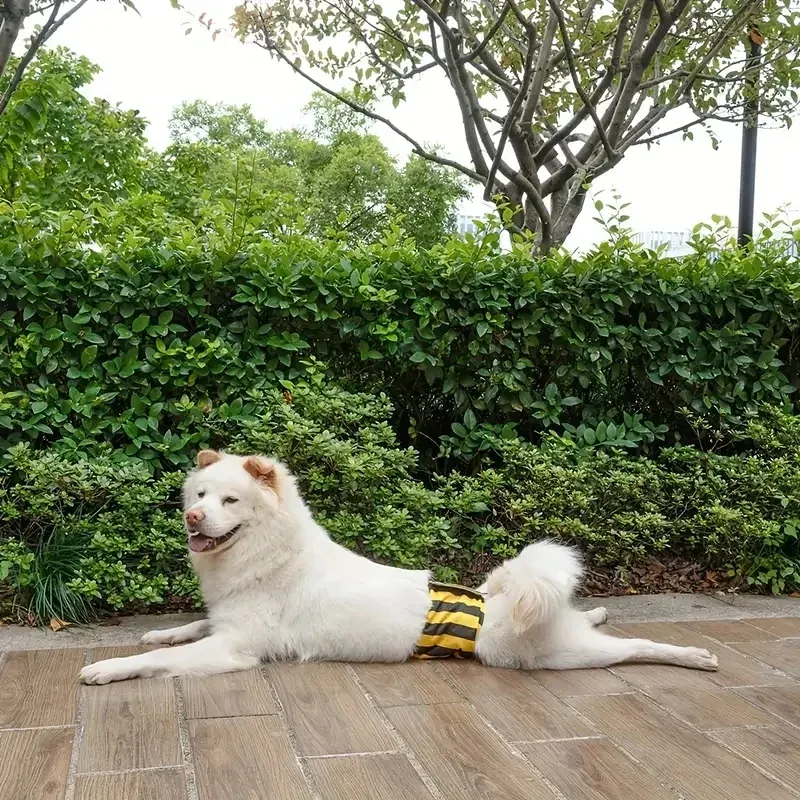
New
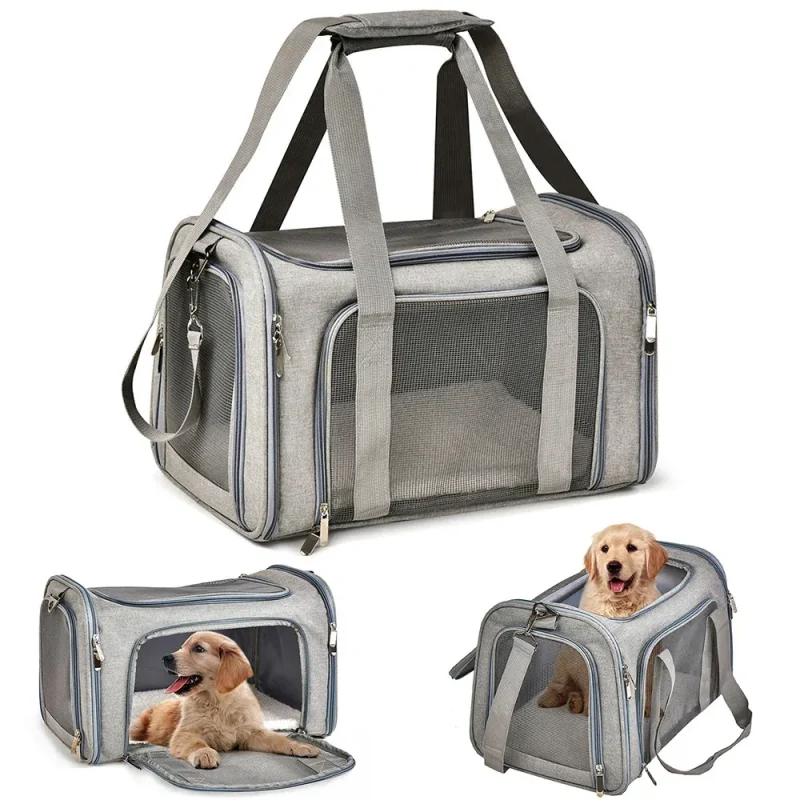
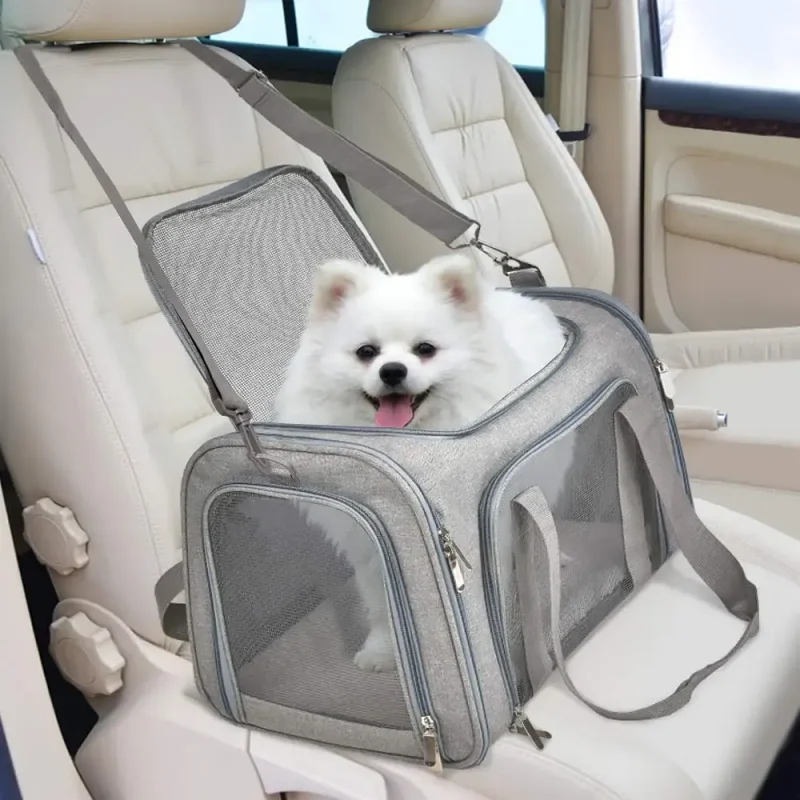
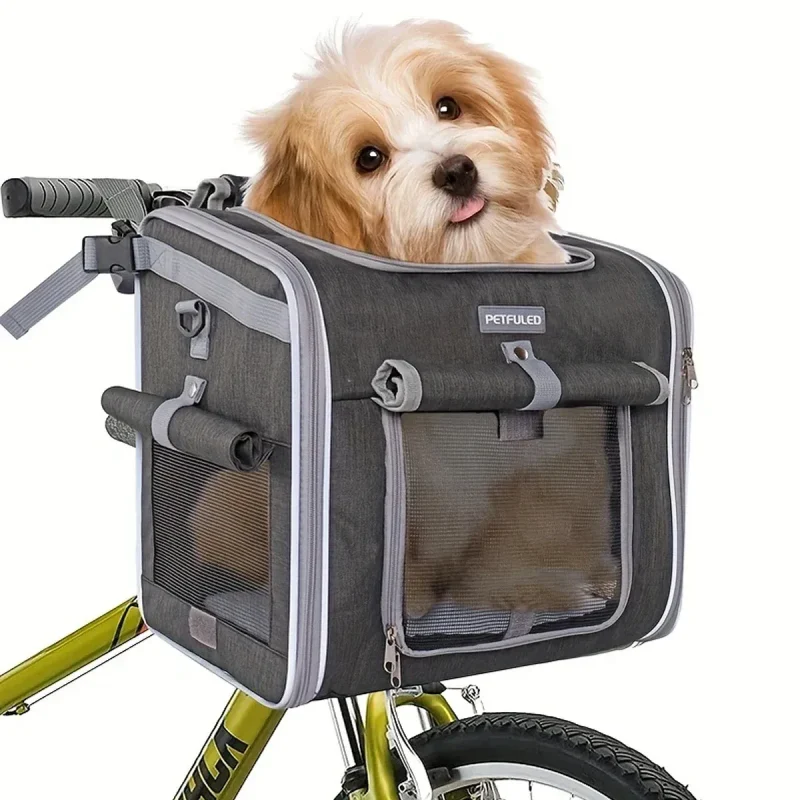
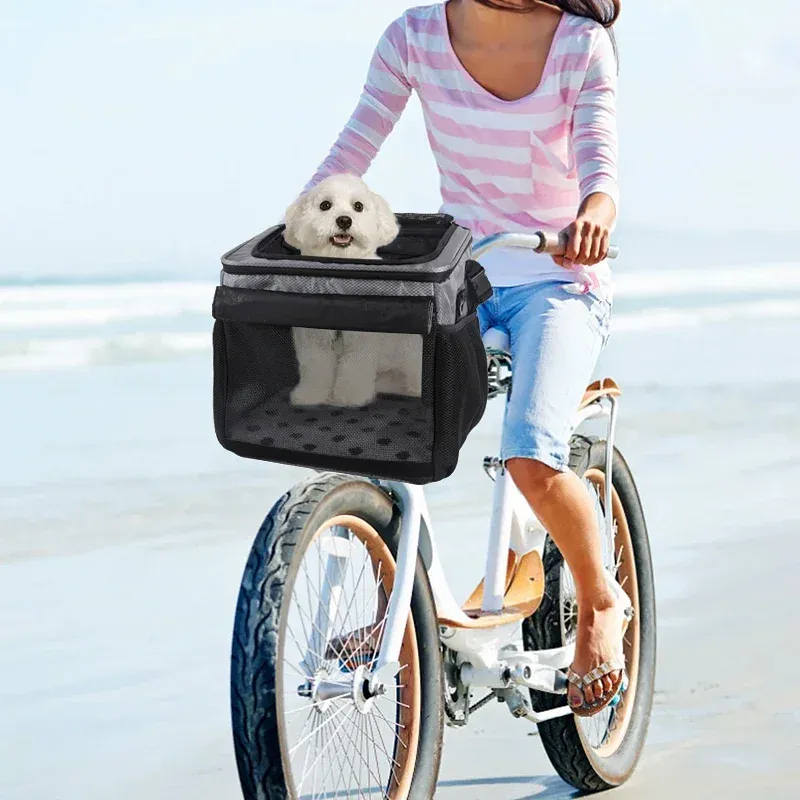
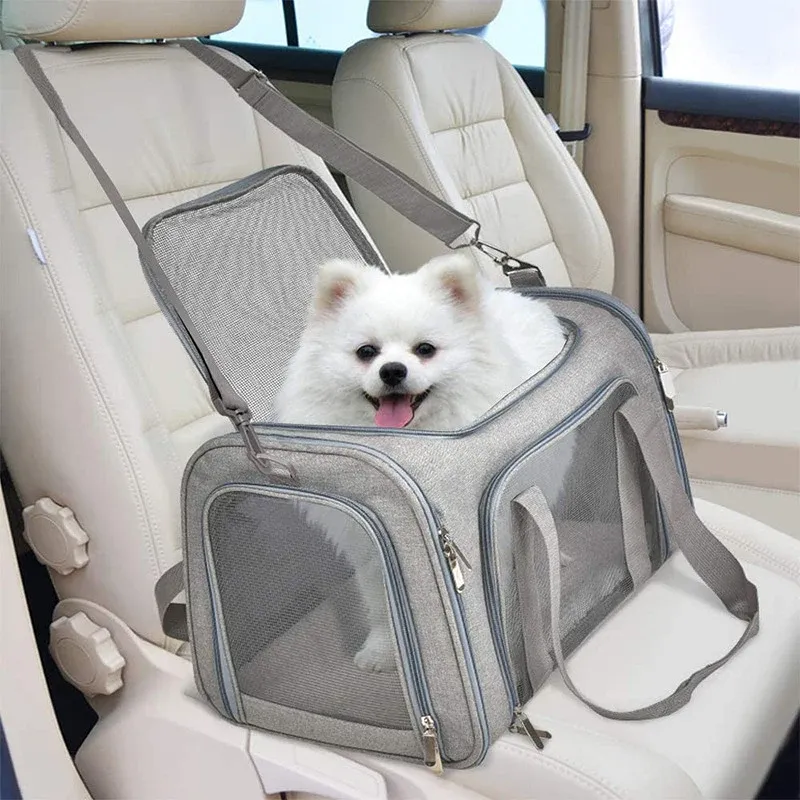
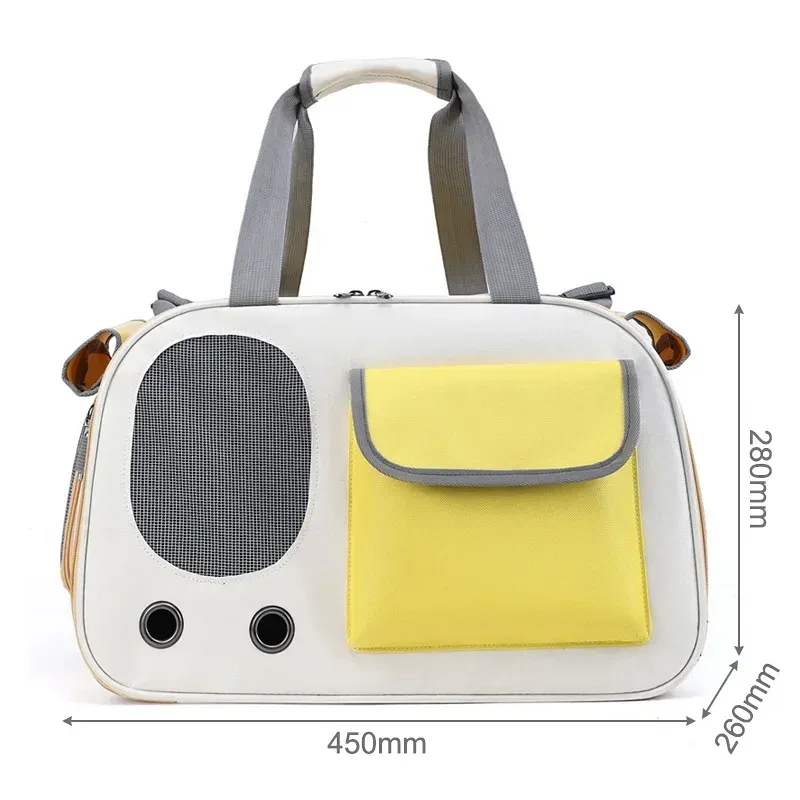
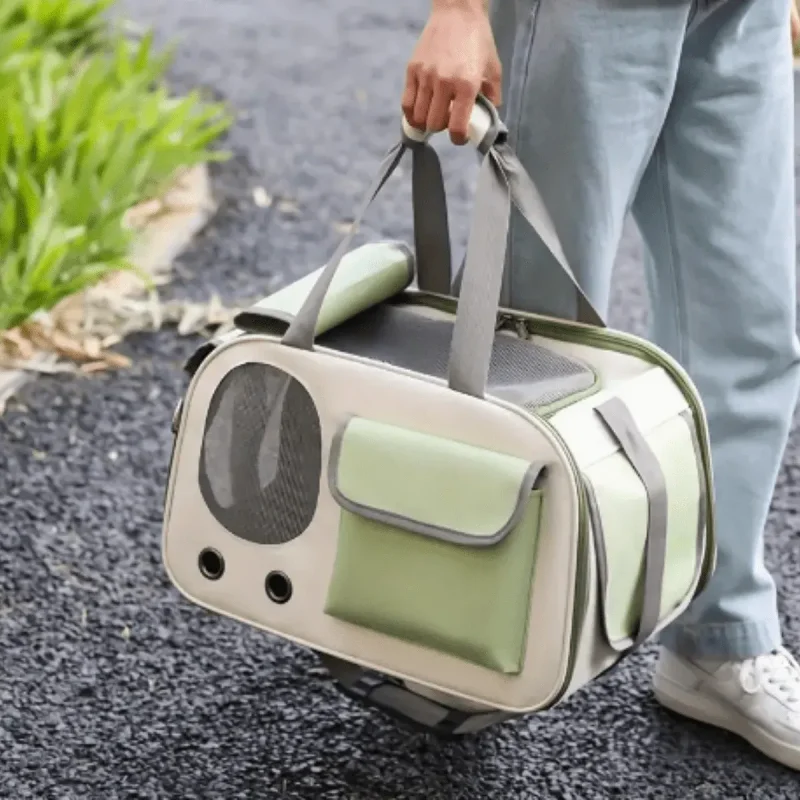
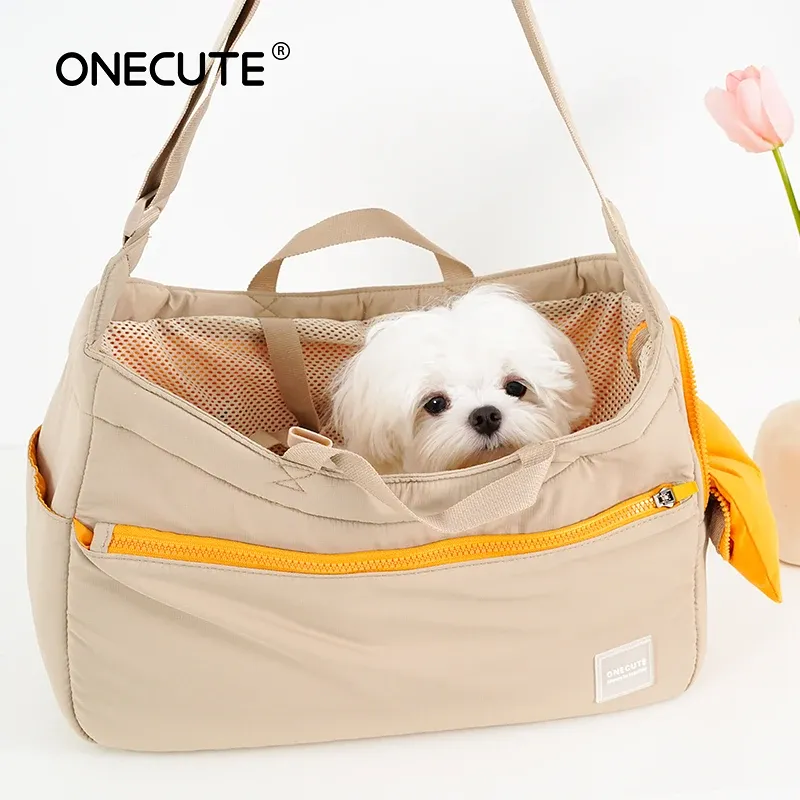
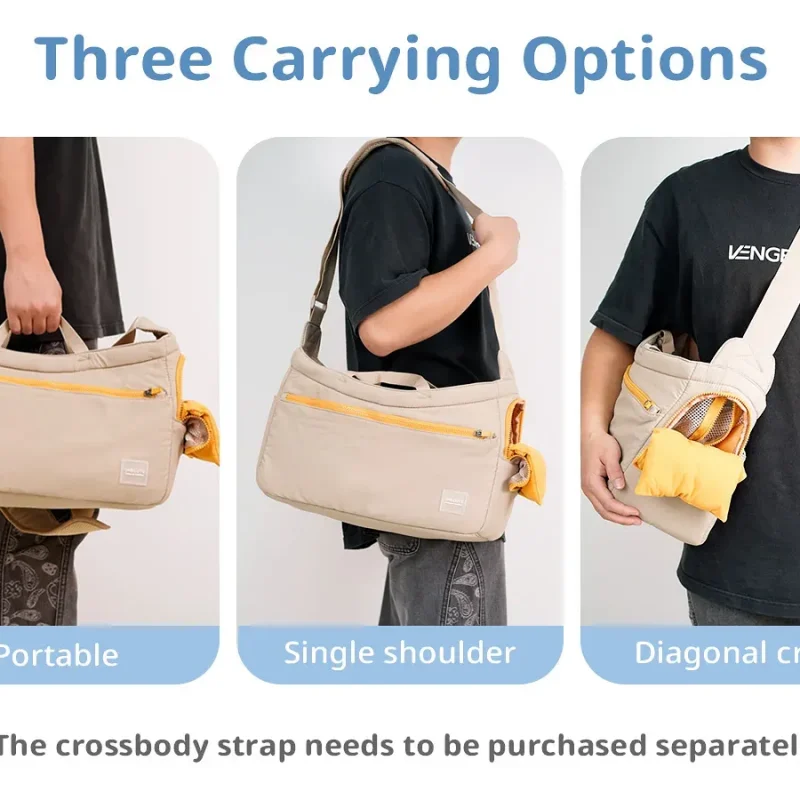
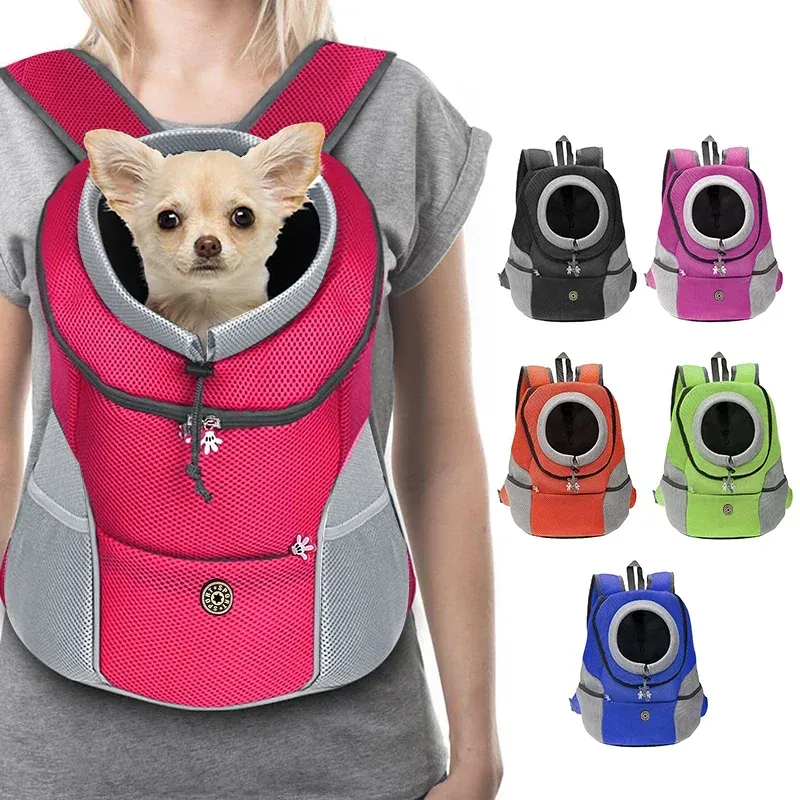
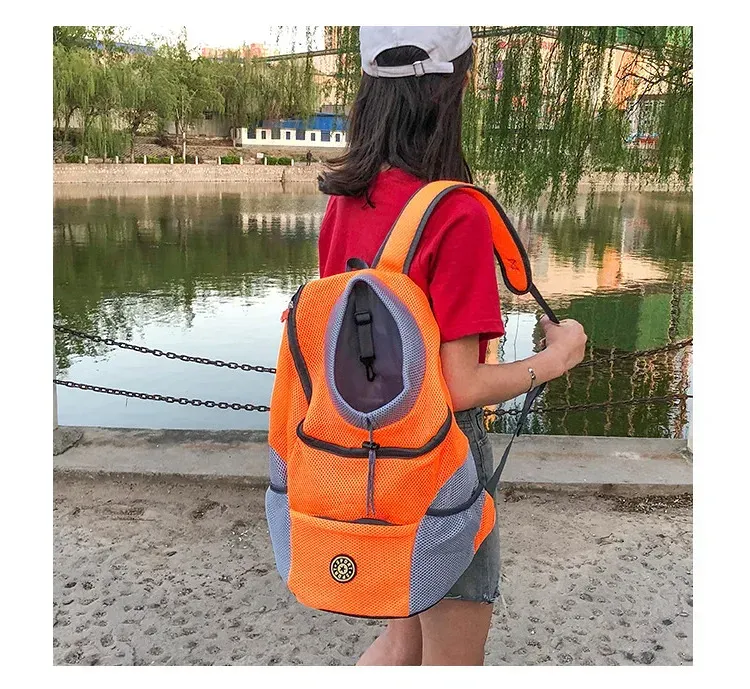
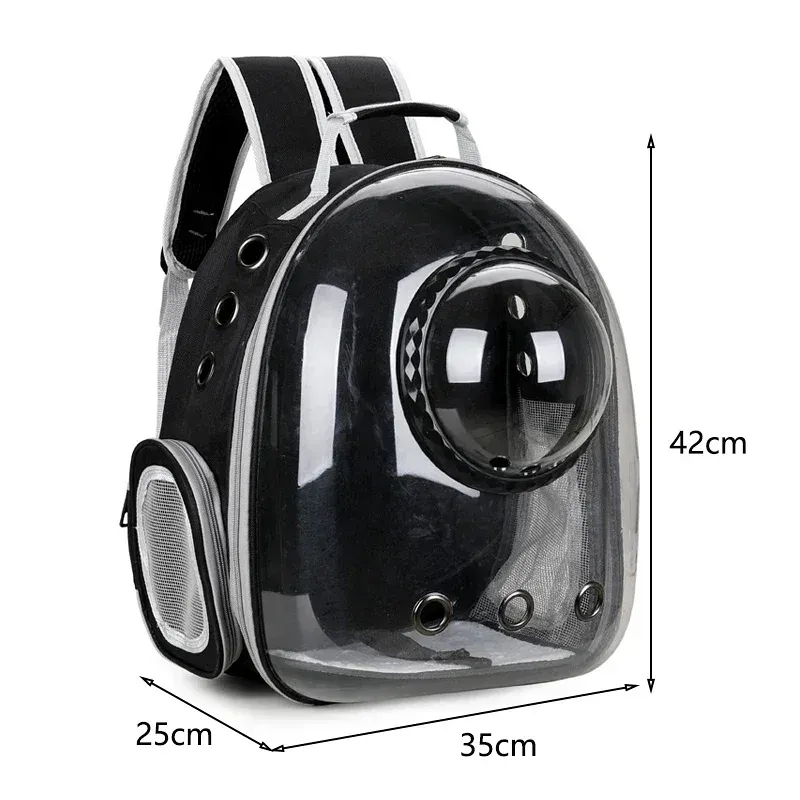
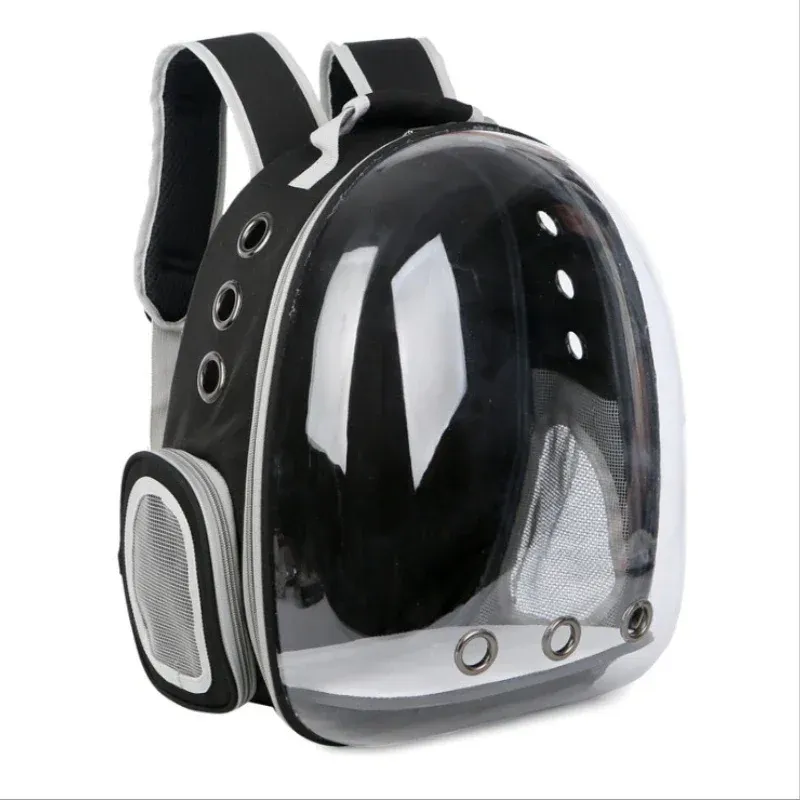
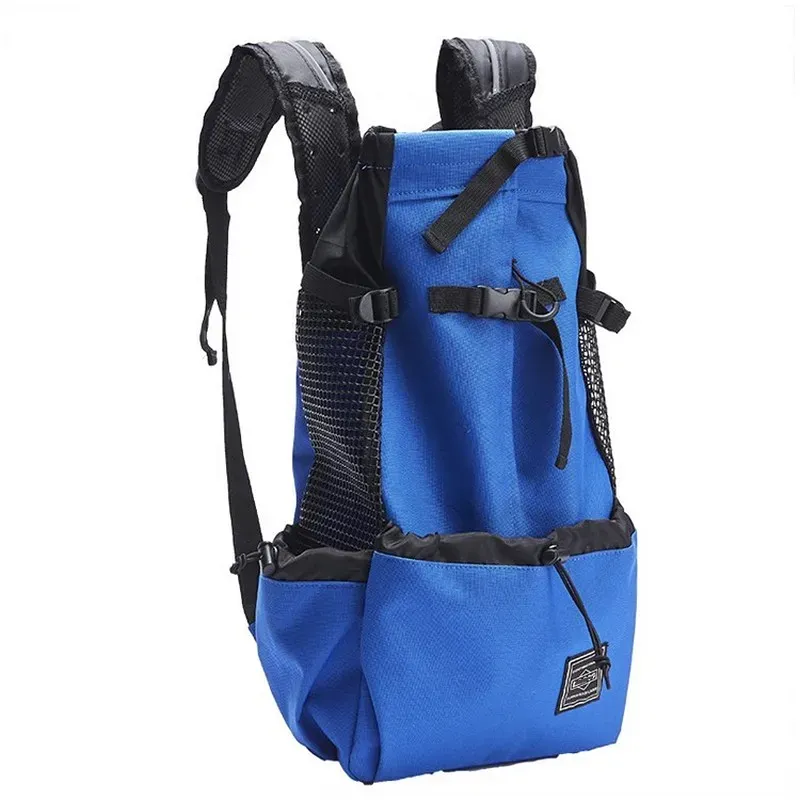
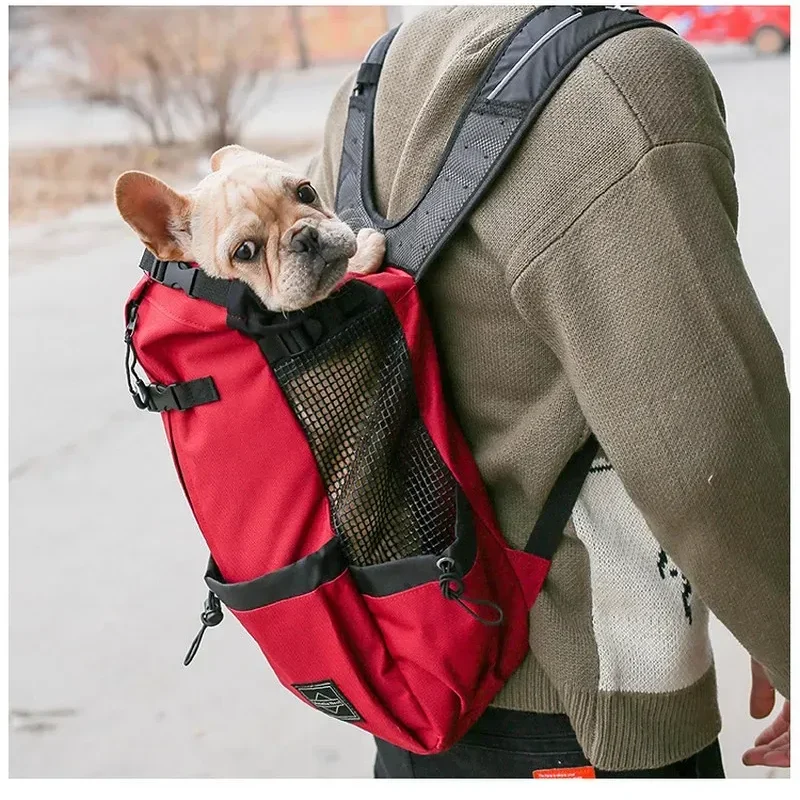
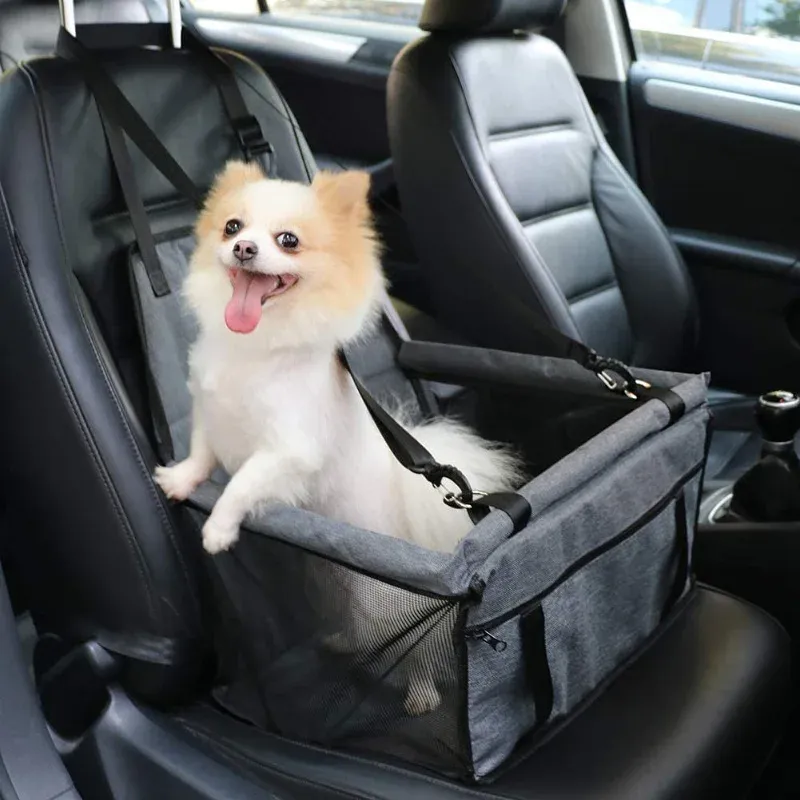
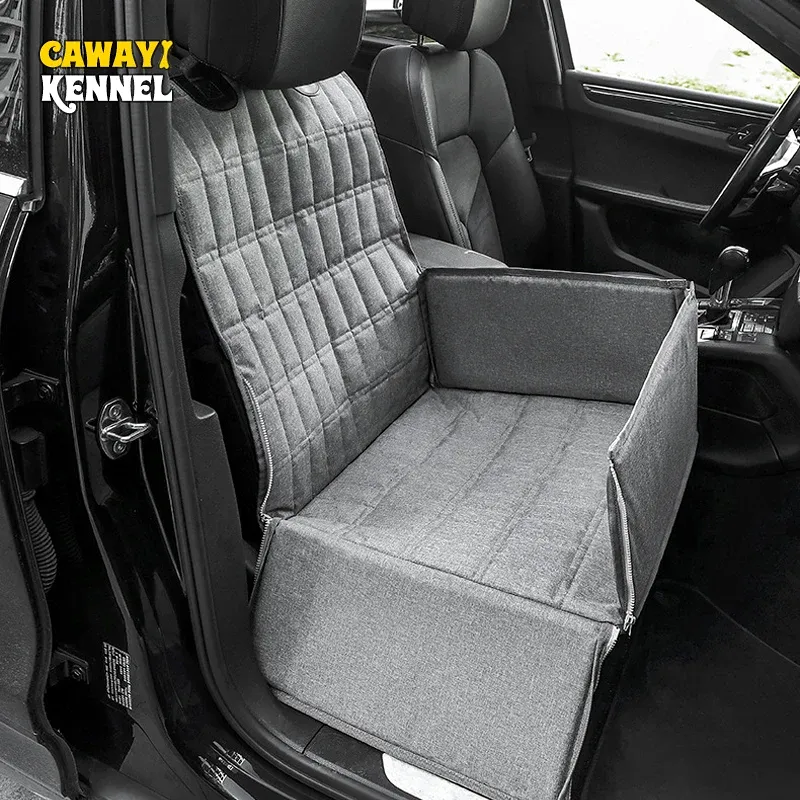
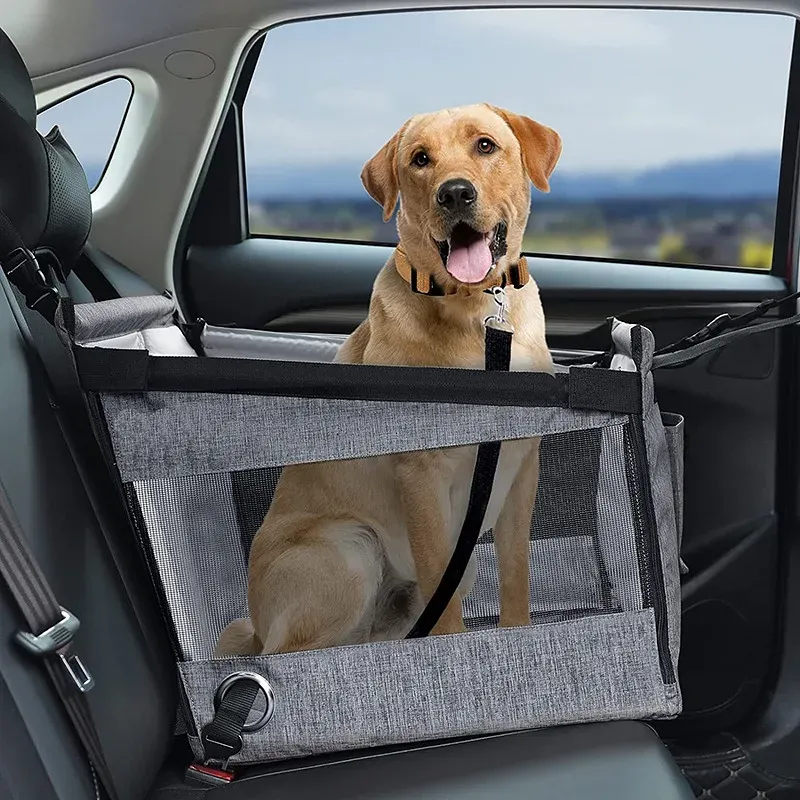
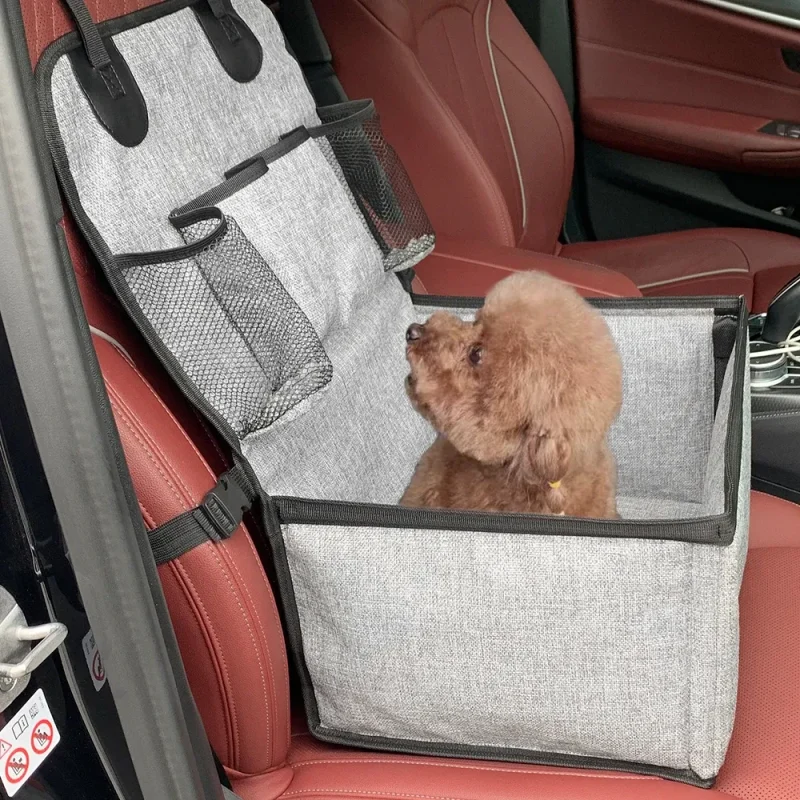
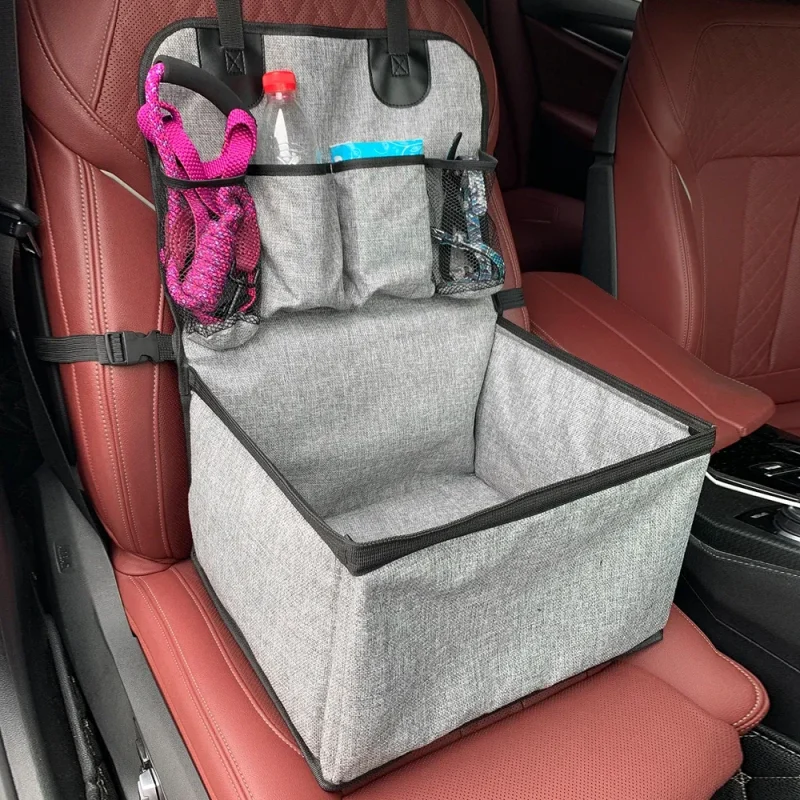
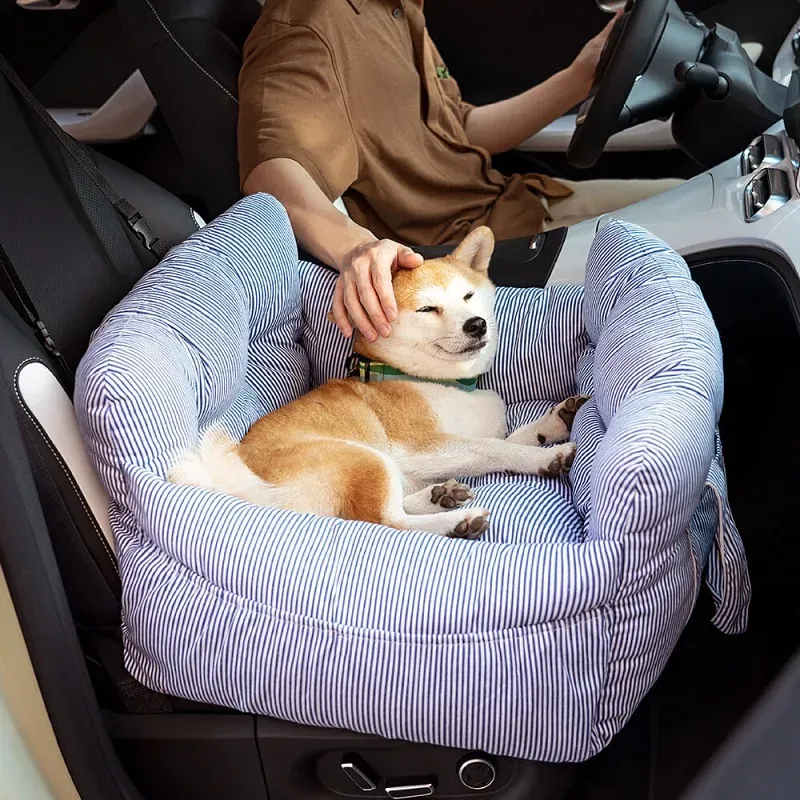
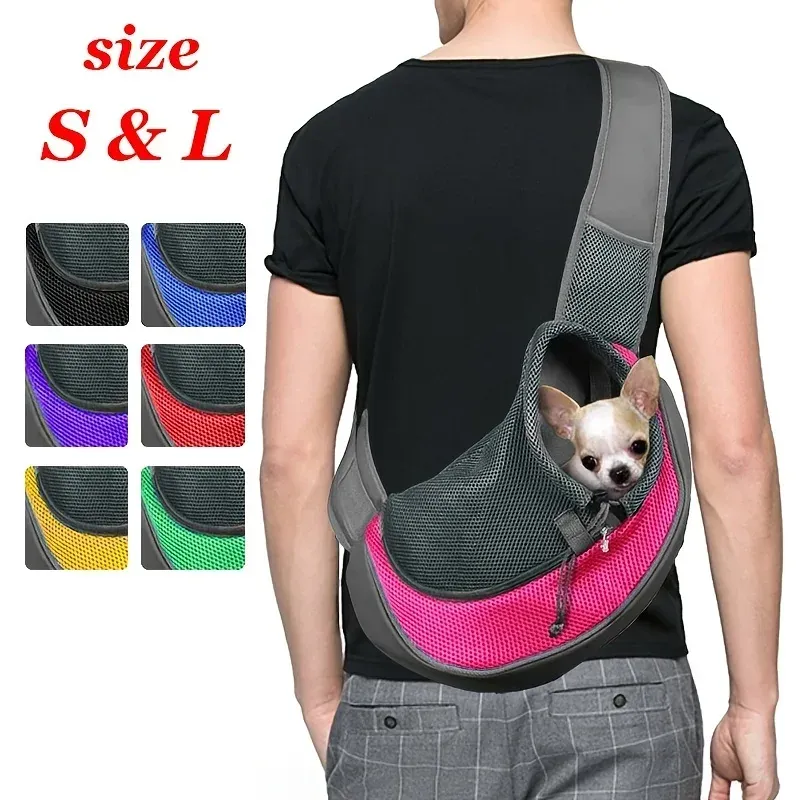
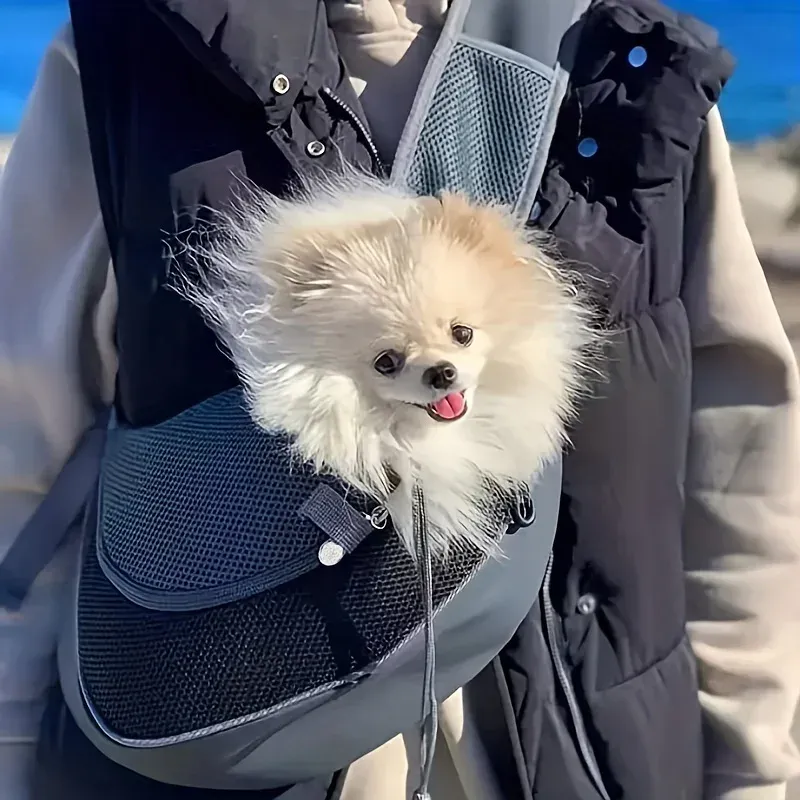
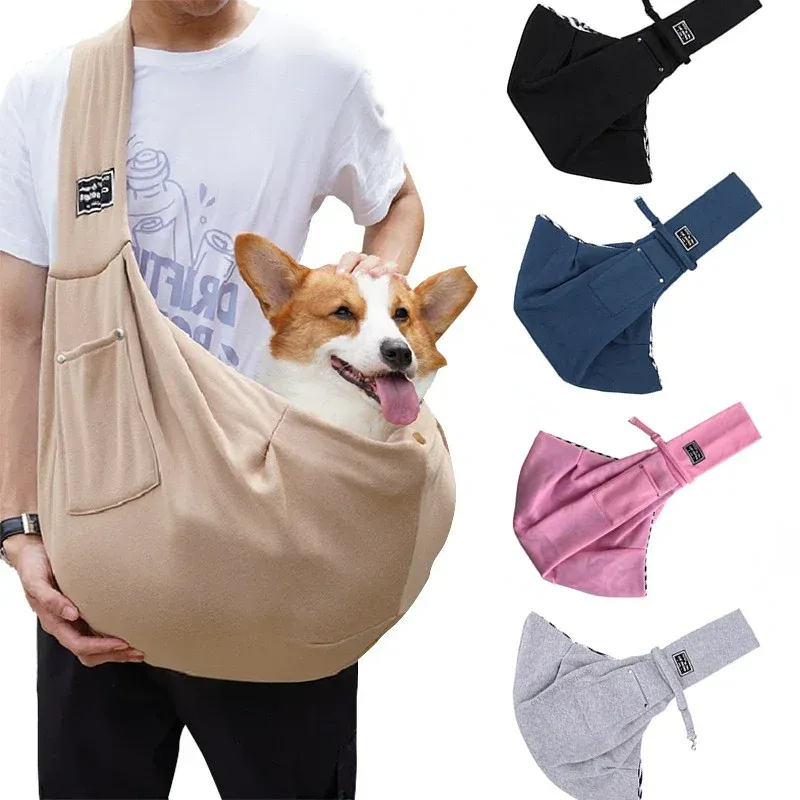
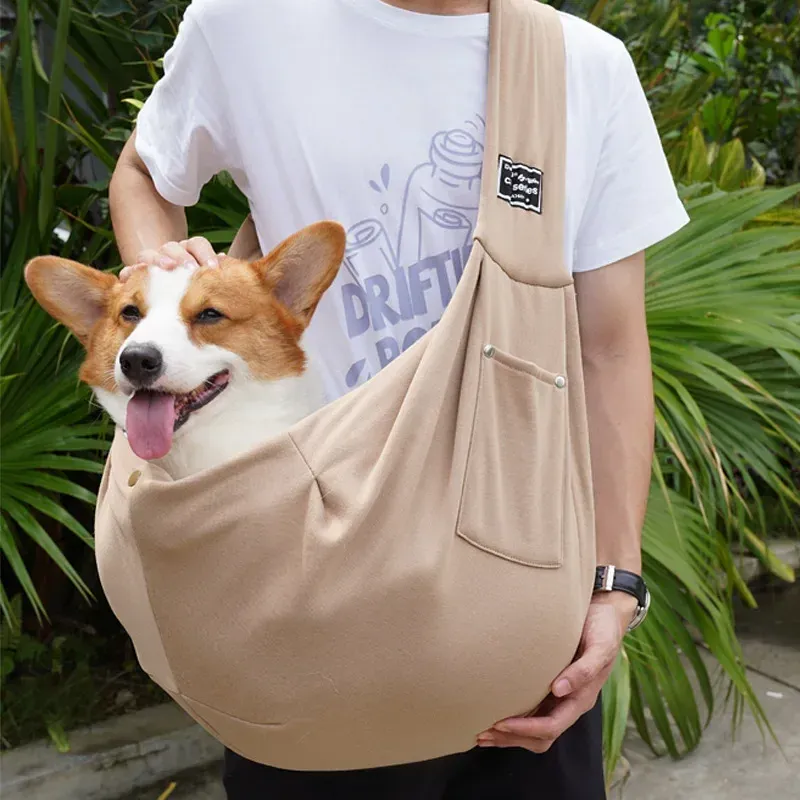
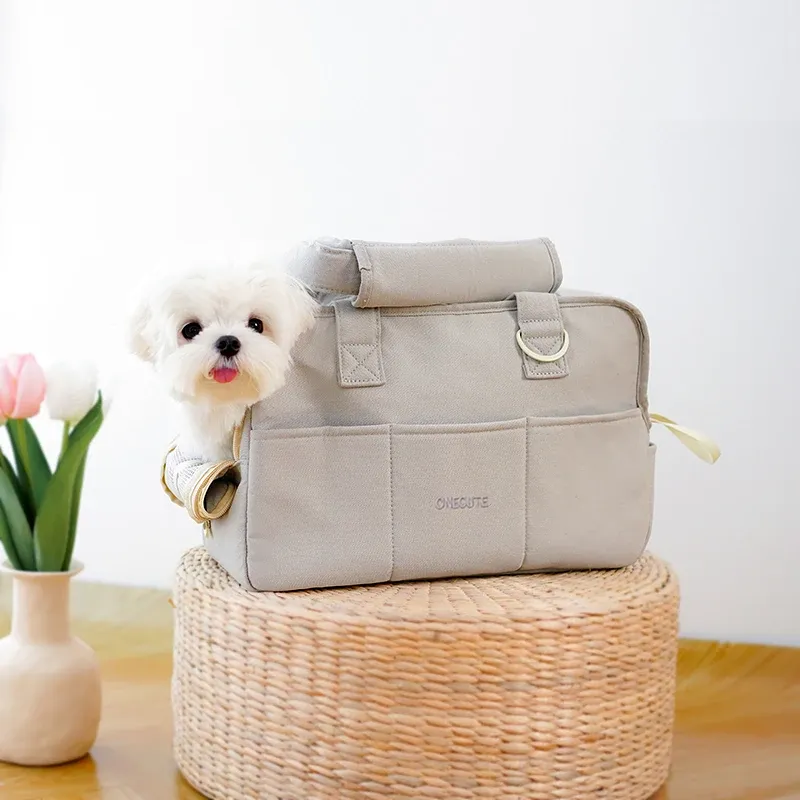
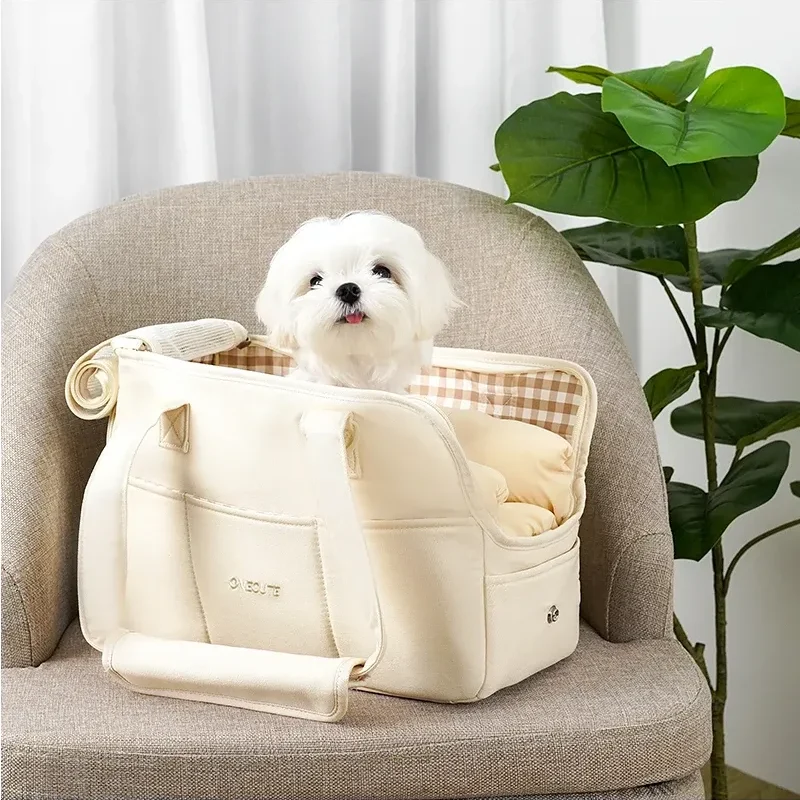
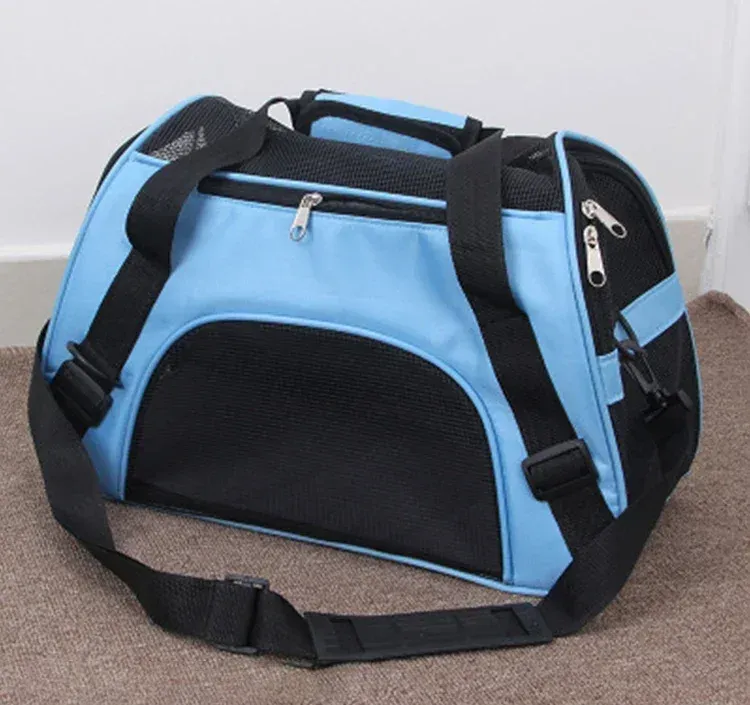
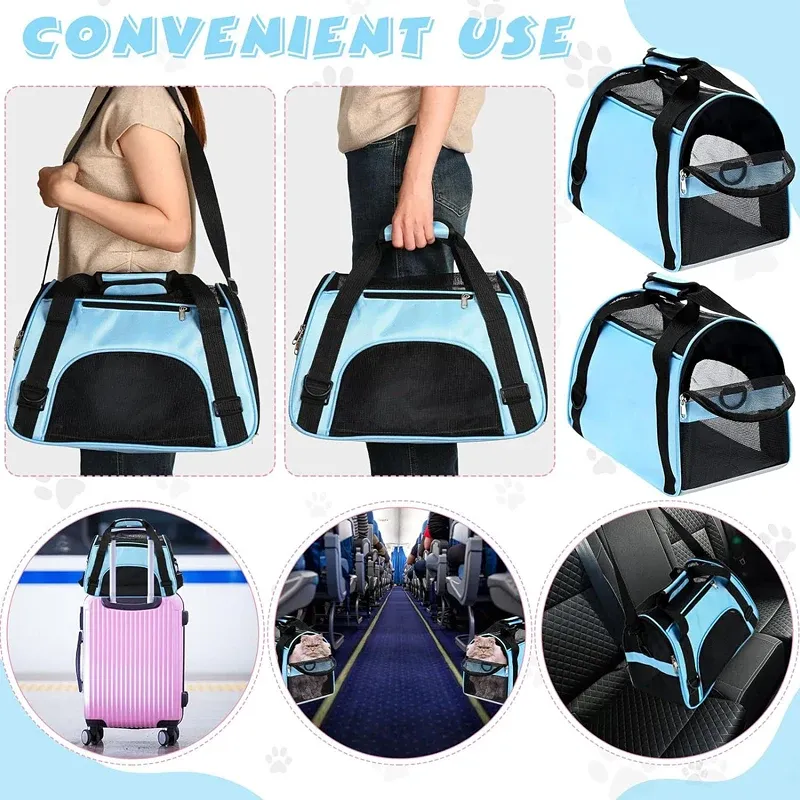
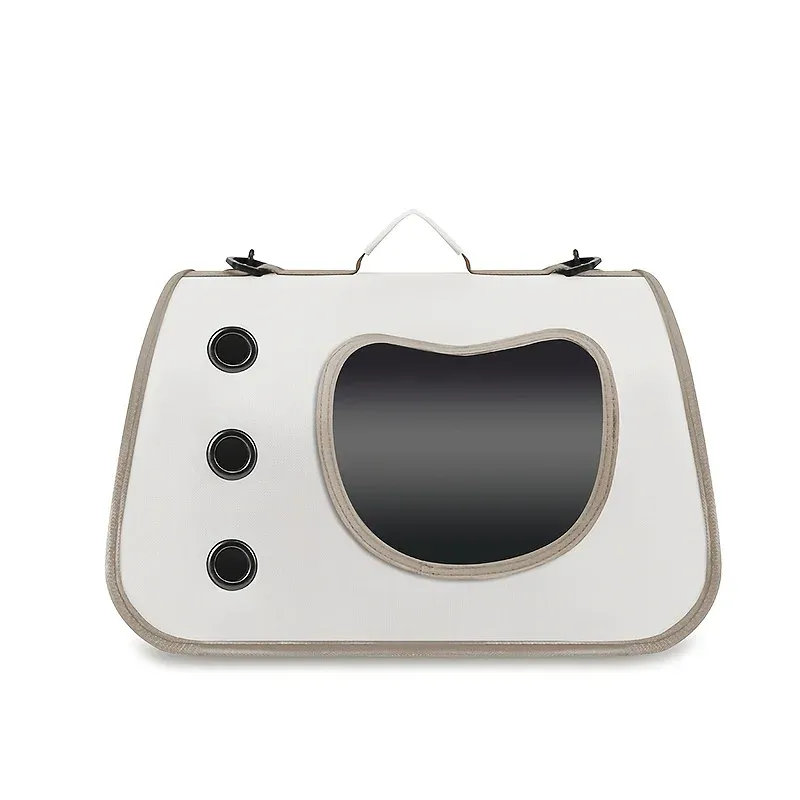
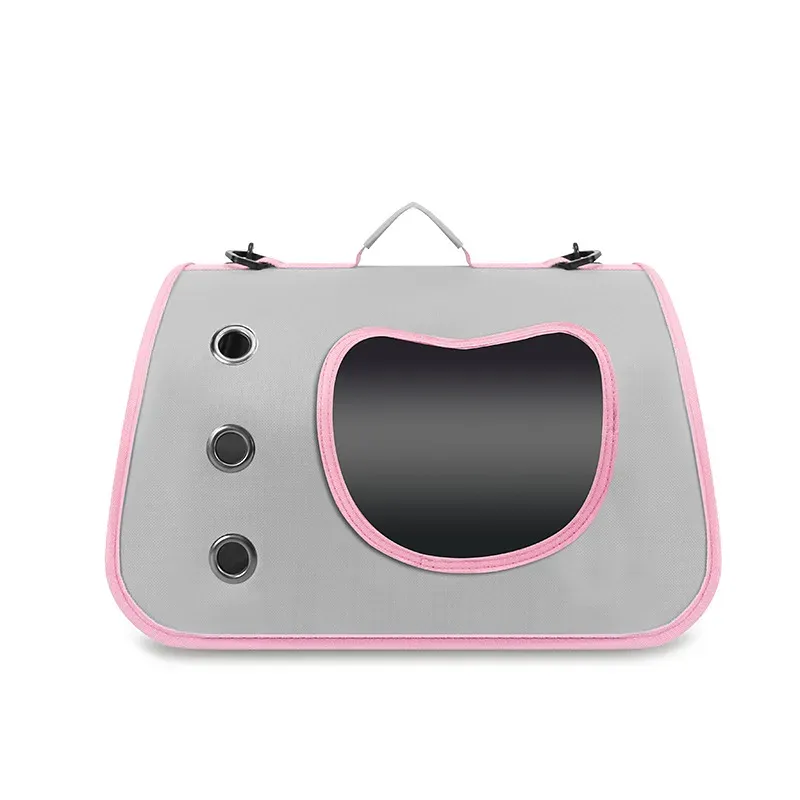
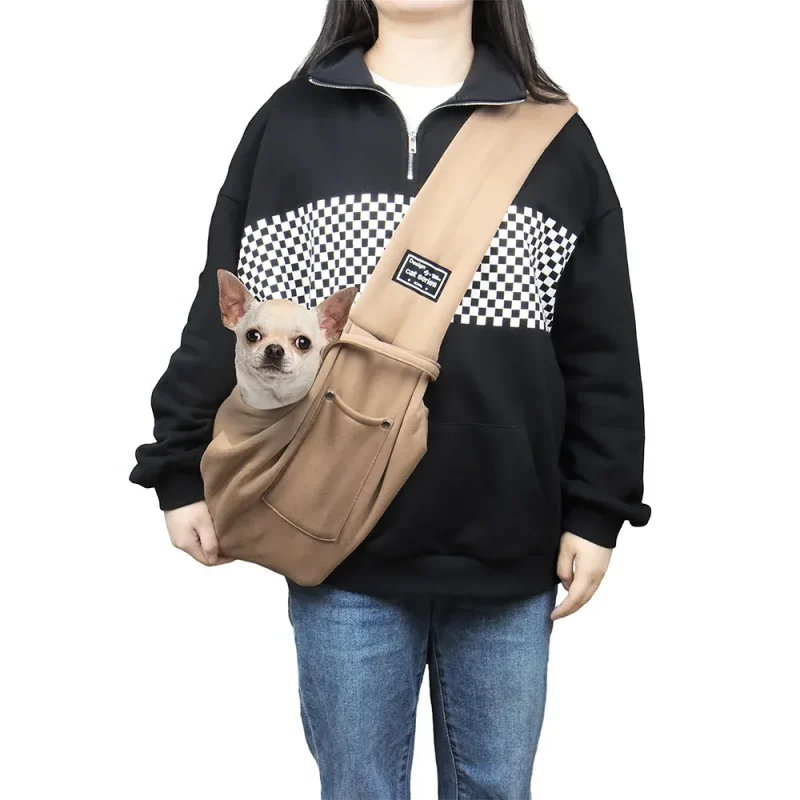
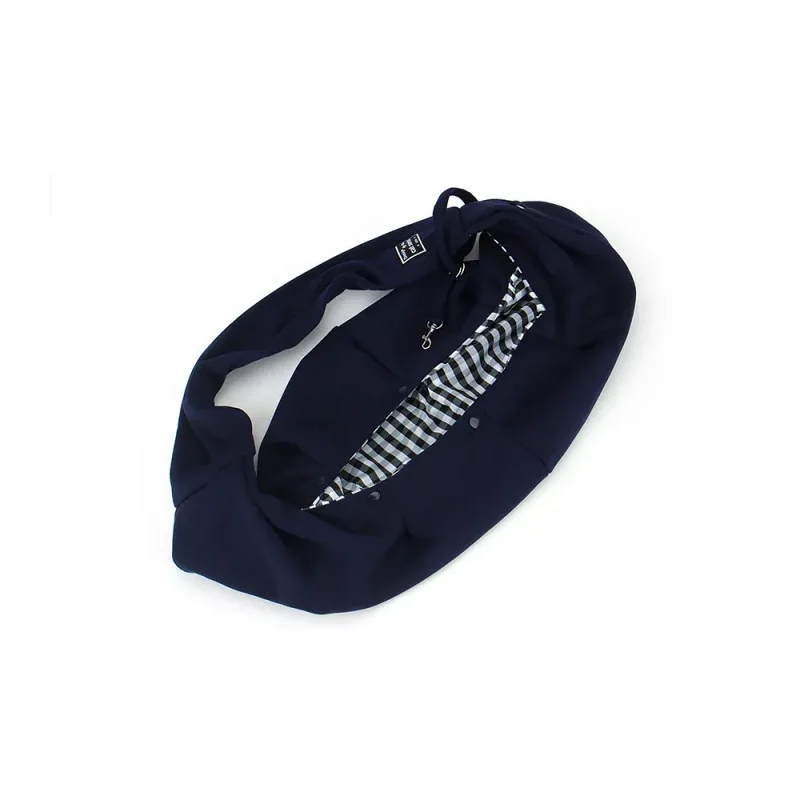
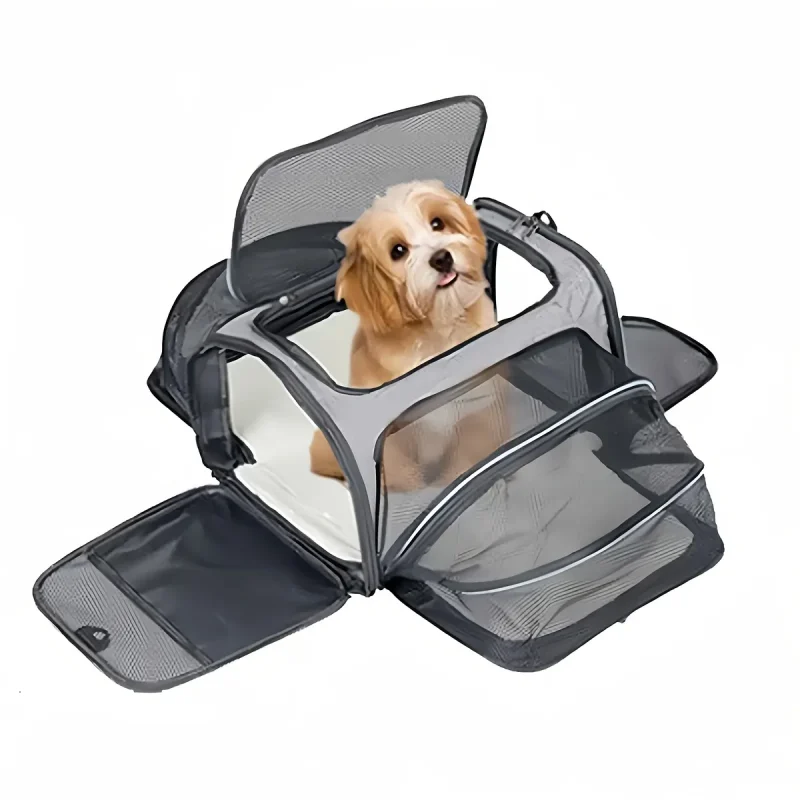
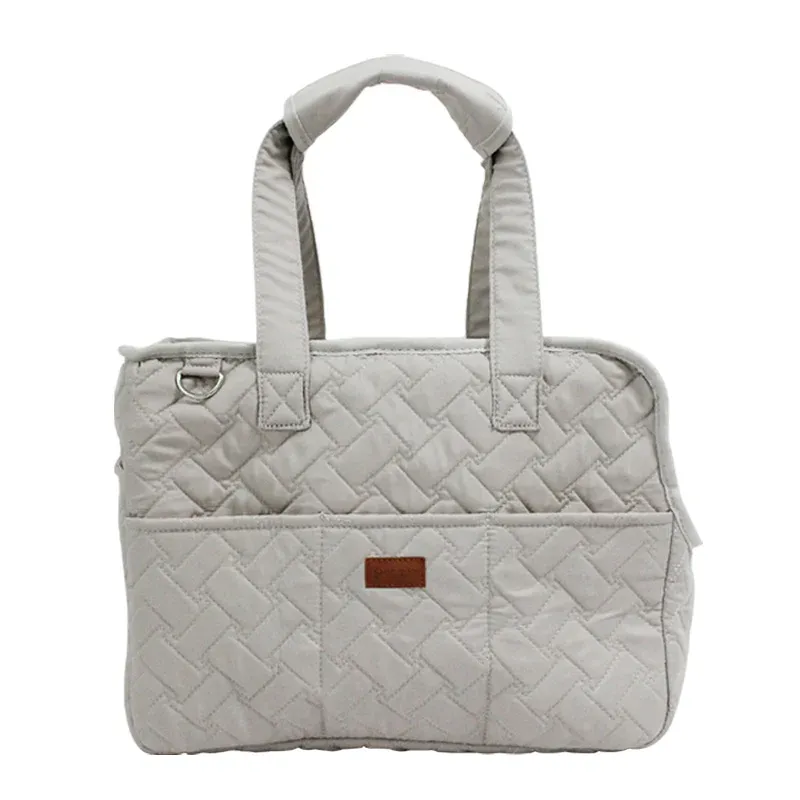
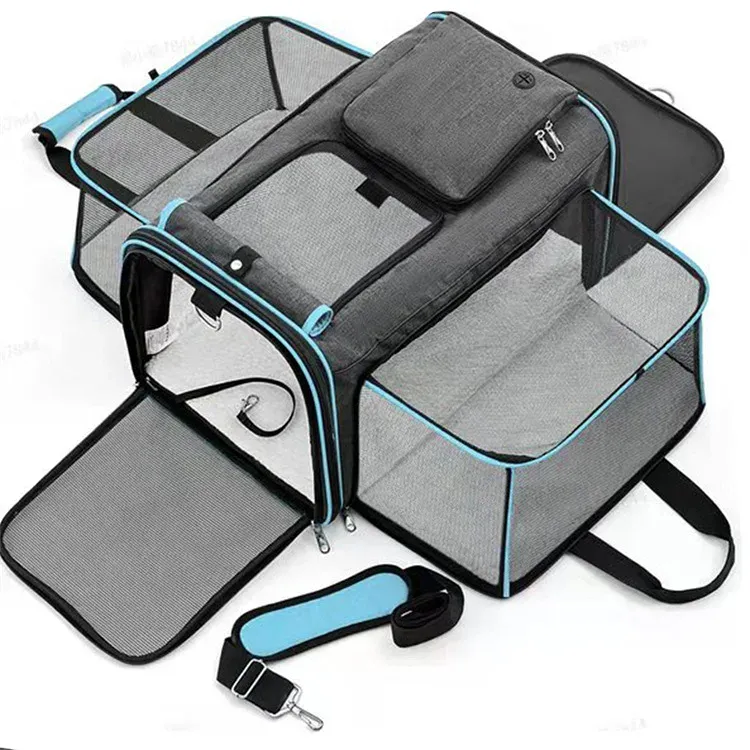
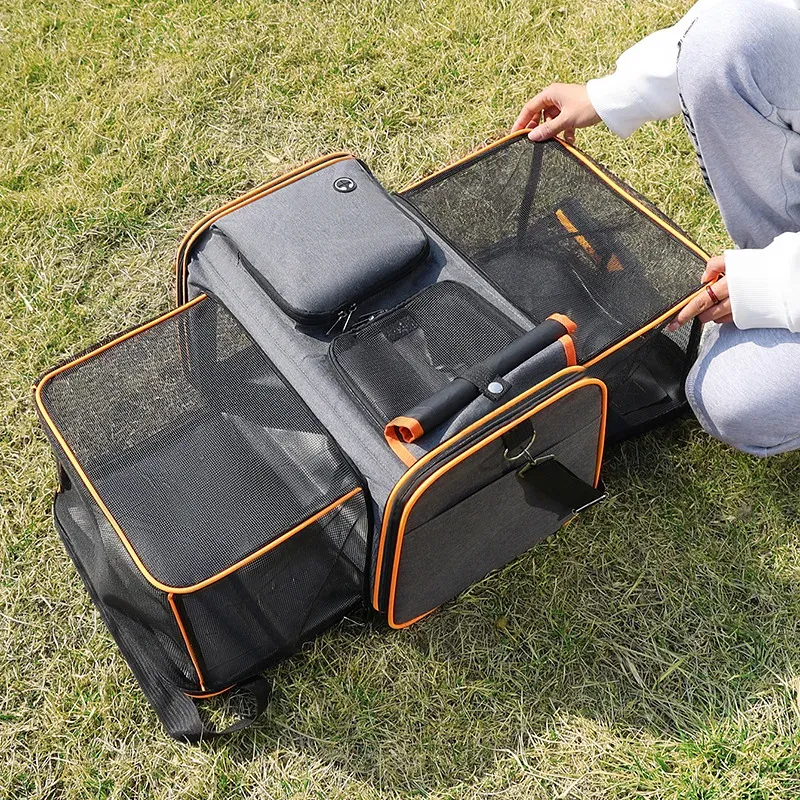
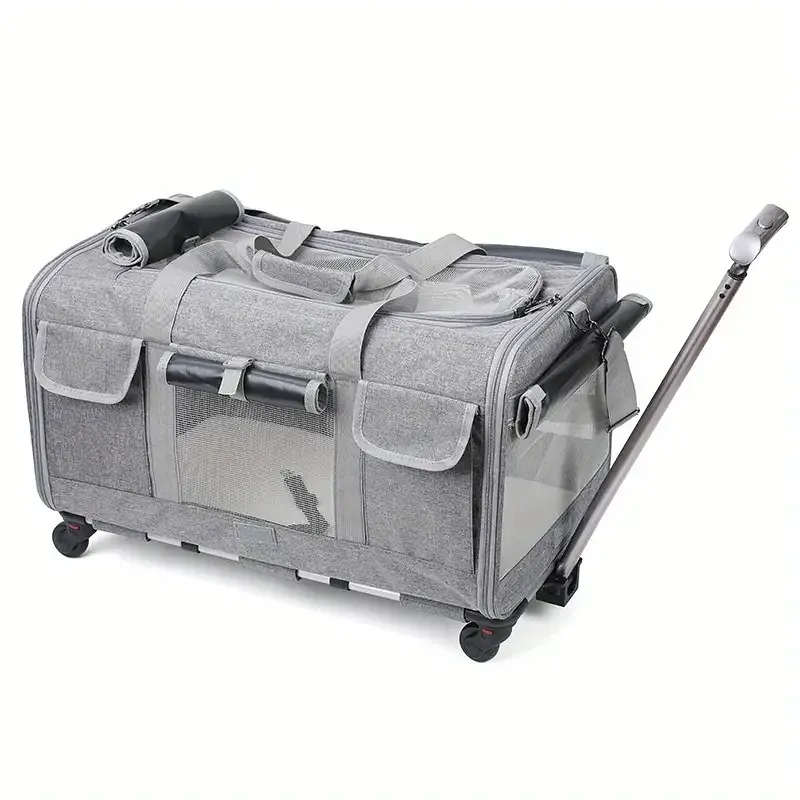
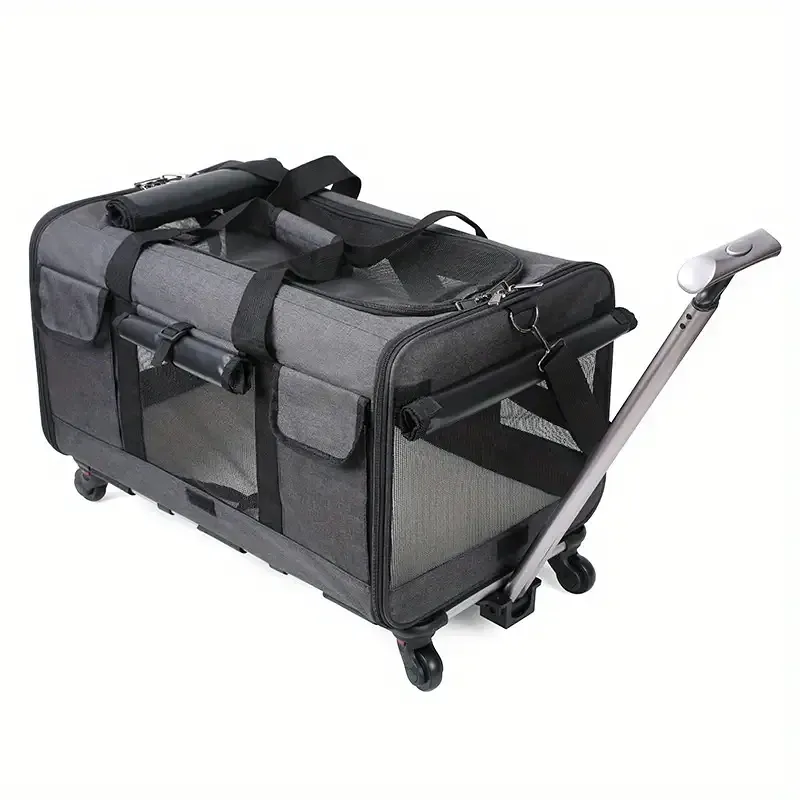
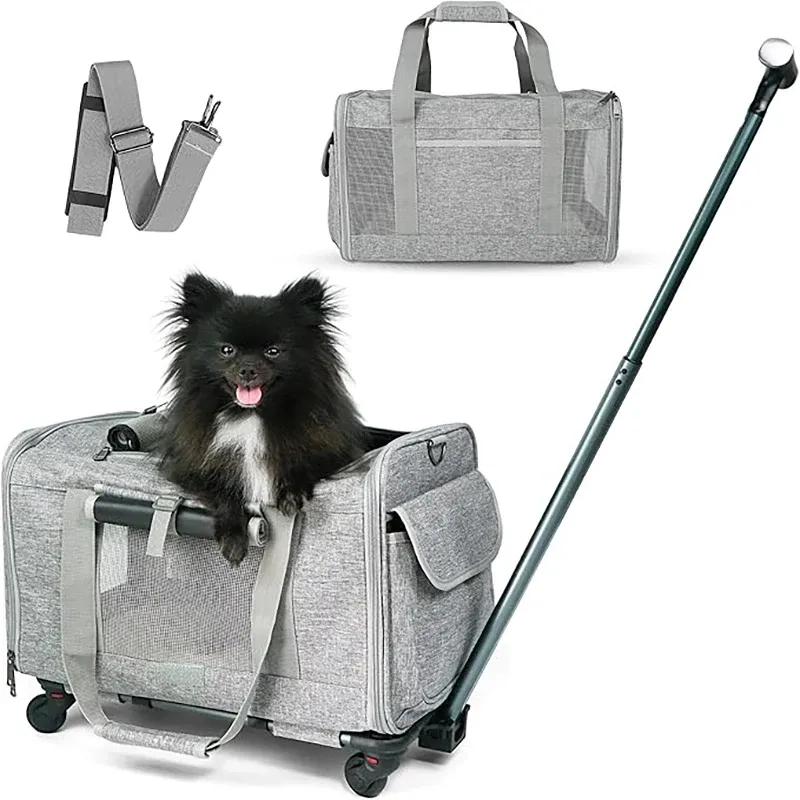
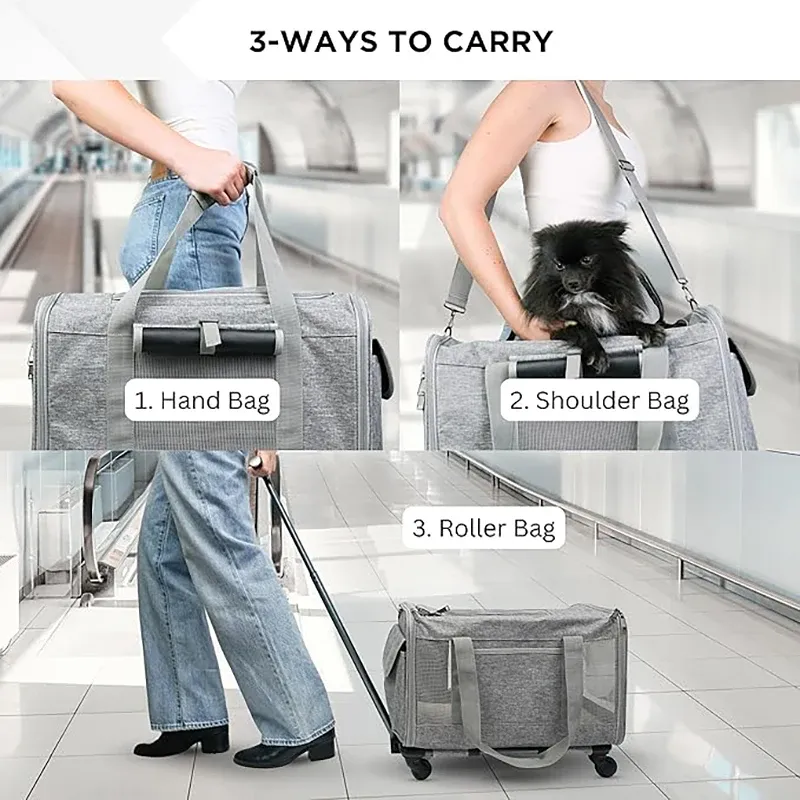
Cabin-Size Soft-Sided Dog Carrier with Mesh Windows
By
4.8139
$60.99$67.99
New Customers Only: Extra 10% OFF with code WELCOME10
Home / Shop / Dog Walking Gear: Harnesses & Leads



Nothing matches the current filters. Widen the price range or clear a filter to see the shop again.
The walk is the centre of most dogs’ day, and the gear you use shapes how it feels for both of you. A harness that sits in the wrong place rubs behind the front legs or limits the shoulders; a collar that’s too loose slips off in a panic; a lead that’s too long or too short makes every walk a tug of war. This section covers harnesses, leads, collars and ID tags, and this guide explains how each type works, how to measure your dog, what the materials do, and which choices suit pullers, sighthounds, rescue dogs and small breeds. We’re adding walking gear to this section as it passes our checks for fit and comfort. Everything else we stock is in our pet supplies shop.
Most dogs are walked on a harness, a collar, or both. They do different jobs.
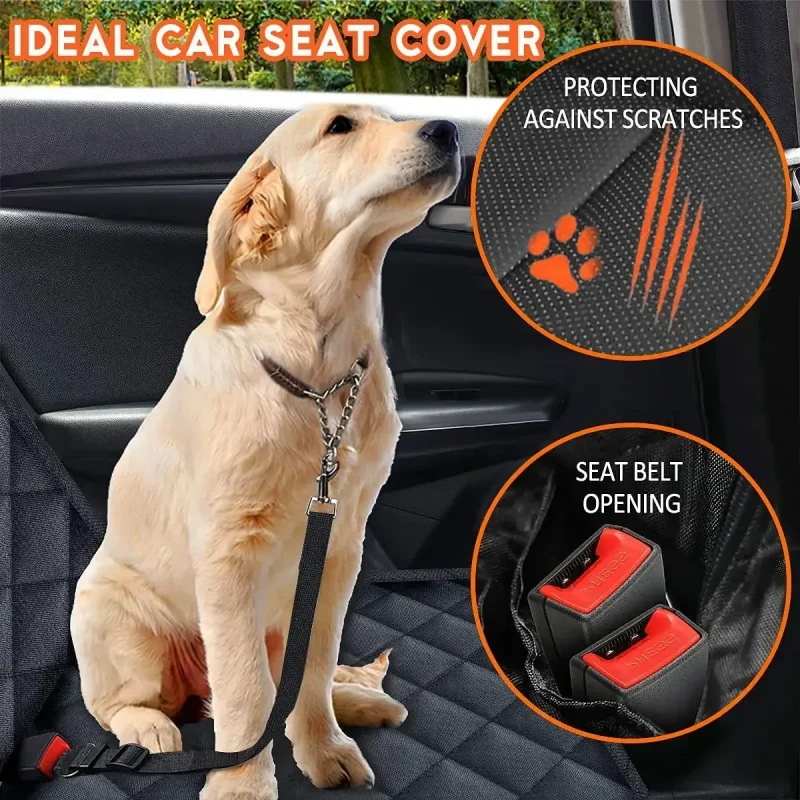
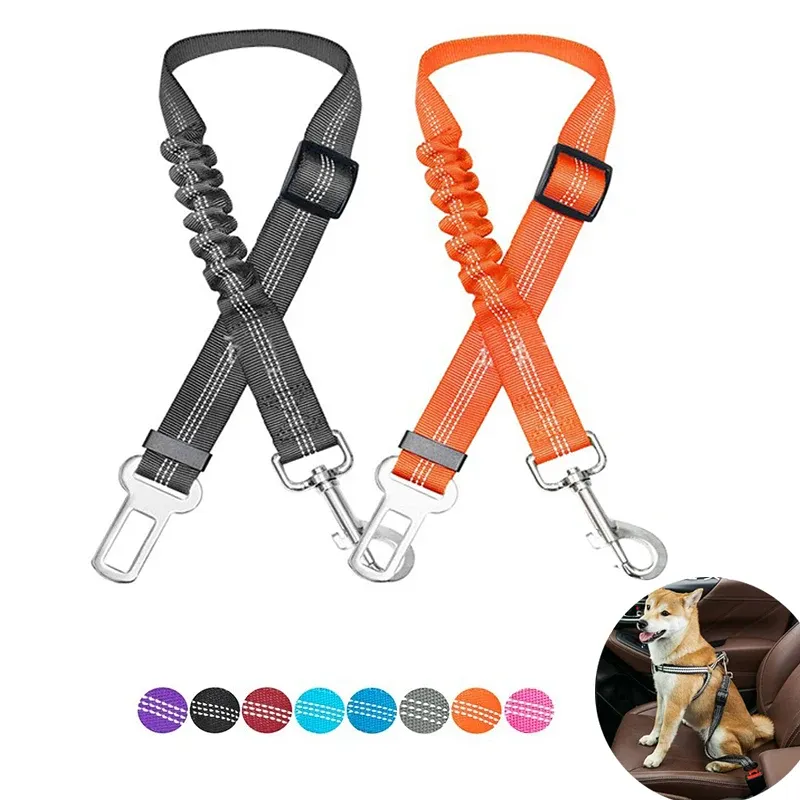
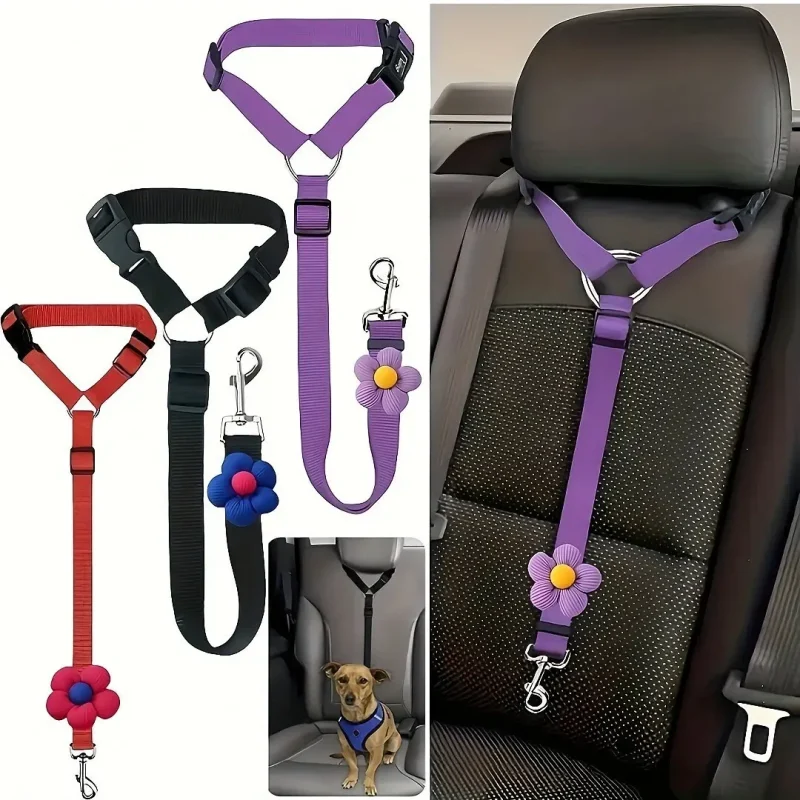
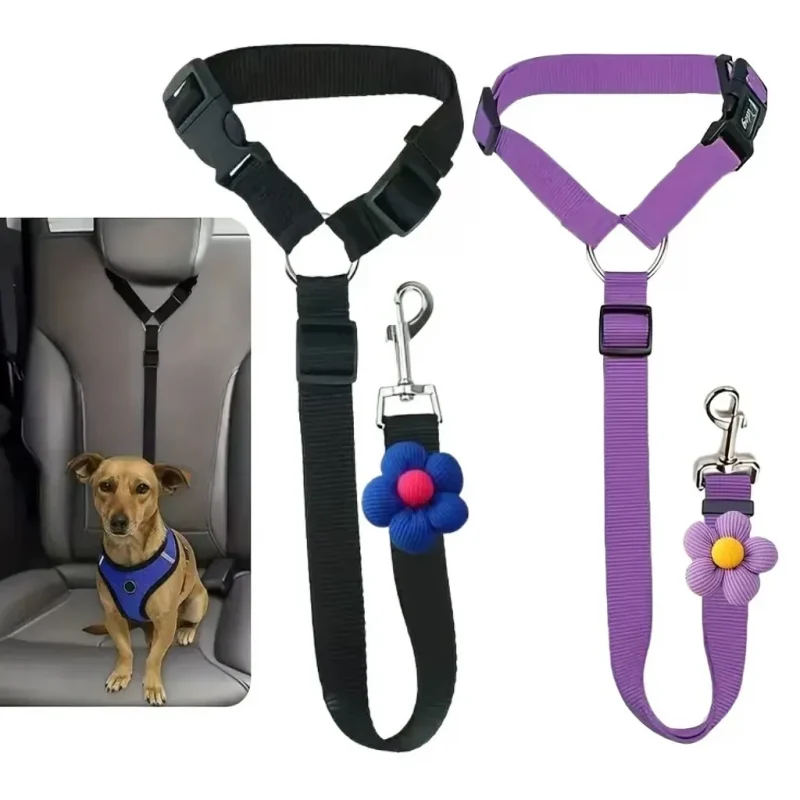
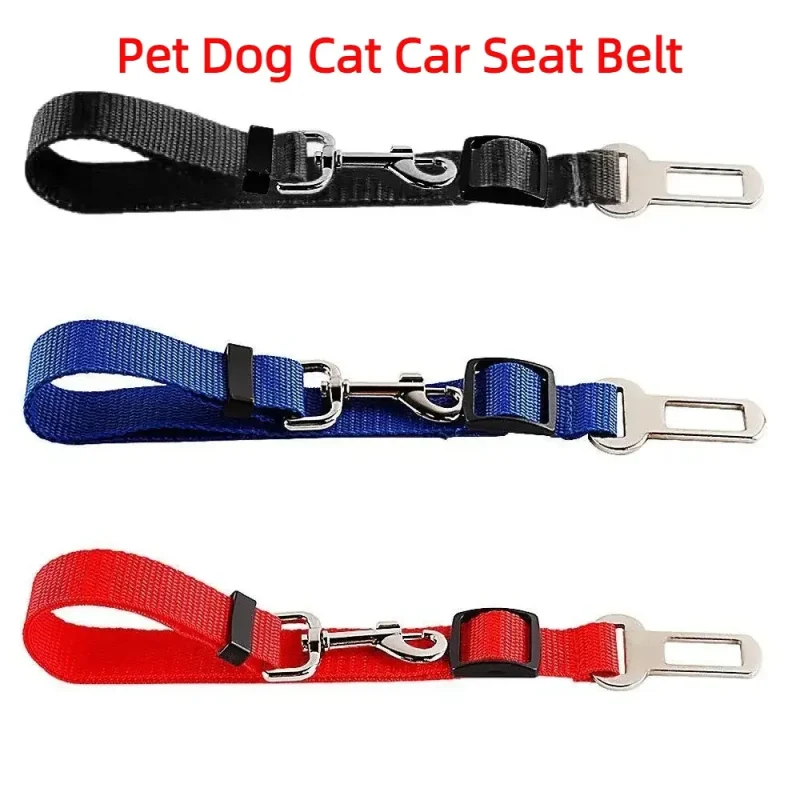
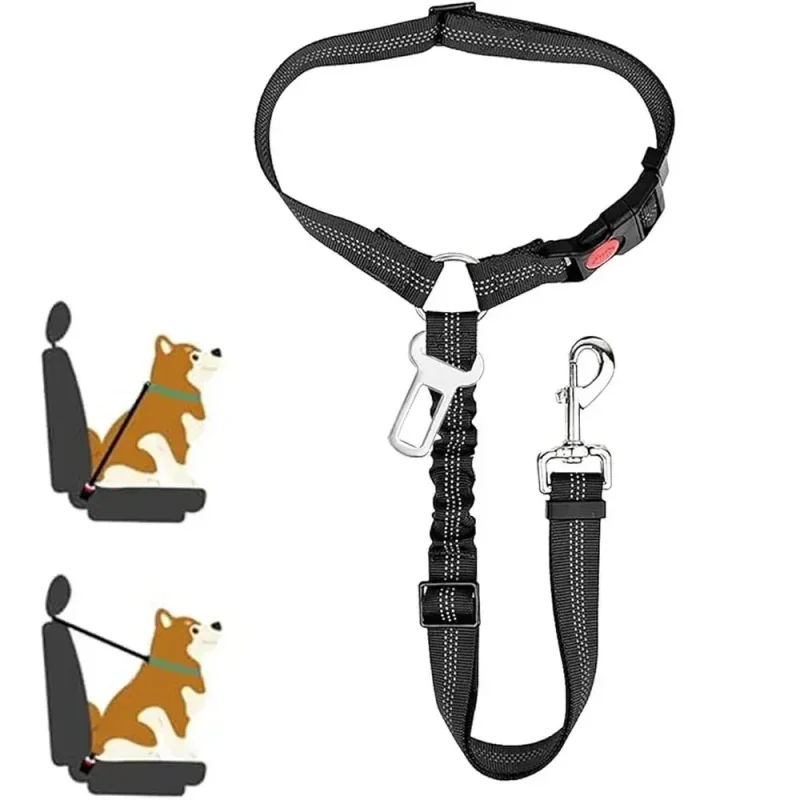
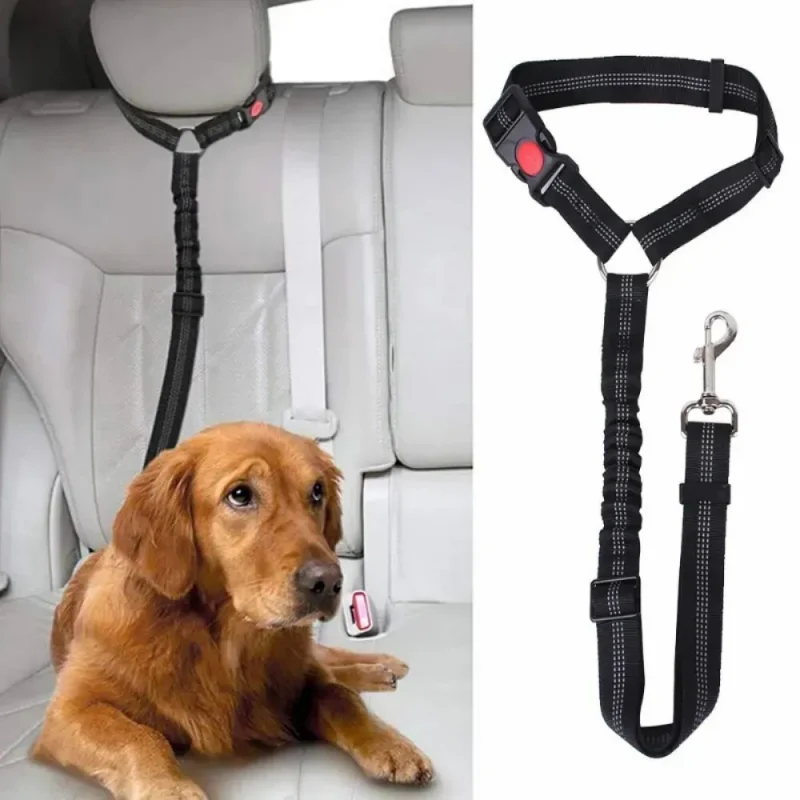
Using both works well: a flat collar for the ID tag, and a harness to clip the lead to. In the car, the same harness clips to a dog seat belt tether.
In England and Scotland, the Control of Dogs Order 1992 requires any dog in a public place to wear a collar with the owner’s name and address on it, either on the collar or on a tag attached to it. This applies even if your dog wears a harness and is microchipped. A phone number isn’t required by law but makes it much easier for someone to reach you. Other countries have their own rules, so check where you live.
Engraved tags and engraved name collars keep the details readable for years. Keep them up to date when you move house or change your number.
| Harness type | How it works | Suits |
|---|---|---|
| Y-front harness | A Y-shaped strap runs down the chest between the front legs, leaving the front of the shoulders open | Everyday walks, dogs that move freely, deep-chested breeds |
| No-pull harness with front clip | The lead clips at the chest; when the dog pulls, they turn back towards you | Dogs learning to walk on a loose lead |
| Step-in harness | The dog steps into two loops and it fastens on the back | Small dogs that dislike things going over their head |
| Escape-proof harness | An extra strap round the waist stops the dog backing out | Nervous rescue dogs, sighthounds, escape artists |
The design matters less than the fit. Studies on harnesses have found that even Y-shaped designs, often described as non-restrictive, can reduce shoulder movement, especially if the harness is too big and the straps sit in front of the shoulders. A harness that fits well, with straps clear of the shoulder joints and the armpits, matters more than the label on the box.
We don’t sell prong collars, choke chains without a stop, shock collars or other “correction” devices, in any market.
| Measurement | How to take it | Used for |
|---|---|---|
| Neck | Round the neck where a collar sits, with two fingers under the tape | Collars, the neck loop of a harness |
| Chest girth | Round the widest part of the ribcage, just behind the front legs | Harnesses |
| Weight | On a bathroom scale (weigh yourself holding your dog, then subtract) | Lead strength, harness size charts |
Measure with a soft tape, and measure twice. If your dog is between sizes on a harness chart, check whether the straps adjust far enough on both sizes, and go for the one where your measurement sits in the middle of the range.
Check the fit again after a few weeks, when the straps have settled, and whenever your dog gains or loses weight or grows its winter coat.
Lead hooks and hallway organisers keep leads, harnesses and poo bags in one place by the door, so they dry properly after a wet walk and you aren’t hunting for them as your dog waits.
For walking, a well-fitted harness keeps pressure off the neck and suits most dogs, especially pullers and small breeds. Keep a collar on for the ID tag.
In England and Scotland, a dog in a public place must wear a collar or tag with the owner’s name and address, even if it wears a harness and is microchipped.
A harness with a front clip on the chest helps, combined with training your dog to walk on a loose lead.
We sell gear for dogs only, and every harness, lead and collar we list has to pass the same checks: it respects the dog’s body and movement, it fastens easily with cold hands, and it comes in calm colours that suit everyday life. Each product page gives size charts in centimetres with inches in brackets, so you can measure once and order with confidence. Orders over $79 ship free with tracking. Not sure which size fits? Email [email protected] with your dog’s neck and chest measurements, and a real person will help.
Measure your dog, choose the gear that fits, and walk out of the door with TAILOVO.