Free tracked shipping on orders over $79 Measurements, materials and care details on every listing Questions? Email [email protected]

Home / Shop / Dog Clothing & Weatherwear

Dog Coats, Jumpers and Weatherwear

Store guarantee badge 1Store guarantee badge 2Store guarantee badge 3
You are $79.00 away from free tracked shipping Free tracked shipping over $79

Not every dog needs a coat. A Labrador or a Husky with a thick double coat copes with most European winters on its own. But a Whippet shivering at a bus stop, a Dachshund whose low belly drags through wet grass, or an older dog whose coat has thinned all have a real reason to wear something. This section covers coats, raincoats, jumpers, cooling coats, boots, hi-vis vests and the smaller accessories that go with them, and this guide explains which dogs benefit, how to measure for a good fit, what the fabrics do, and how to tell when your dog is too hot or too cold. We’re adding clothing to this section as it passes our checks for fit and practicality. For everything else, browse our dog accessories shop.

Does your dog need a coat?

Dogs that tend to feel the cold and wet include:

  • Short-coated and thin-skinned breeds, such as Whippets, Greyhounds, Italian Greyhounds, Staffordshire Bull Terriers and Boxers.
  • Small and toy breeds, which lose body heat faster than big dogs.
  • Low-slung dogs, such as Dachshunds, Corgis and Basset Hounds, whose belly and chest get soaked on wet grass.
  • Older dogs and puppies, which control their temperature less well.
  • Dogs recovering from illness or clipped for grooming.

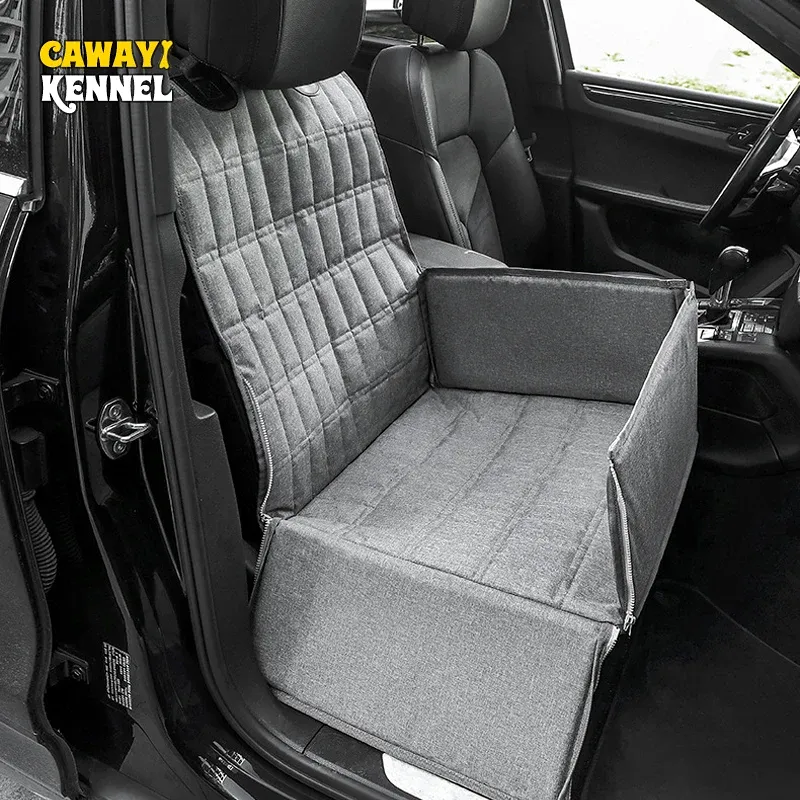
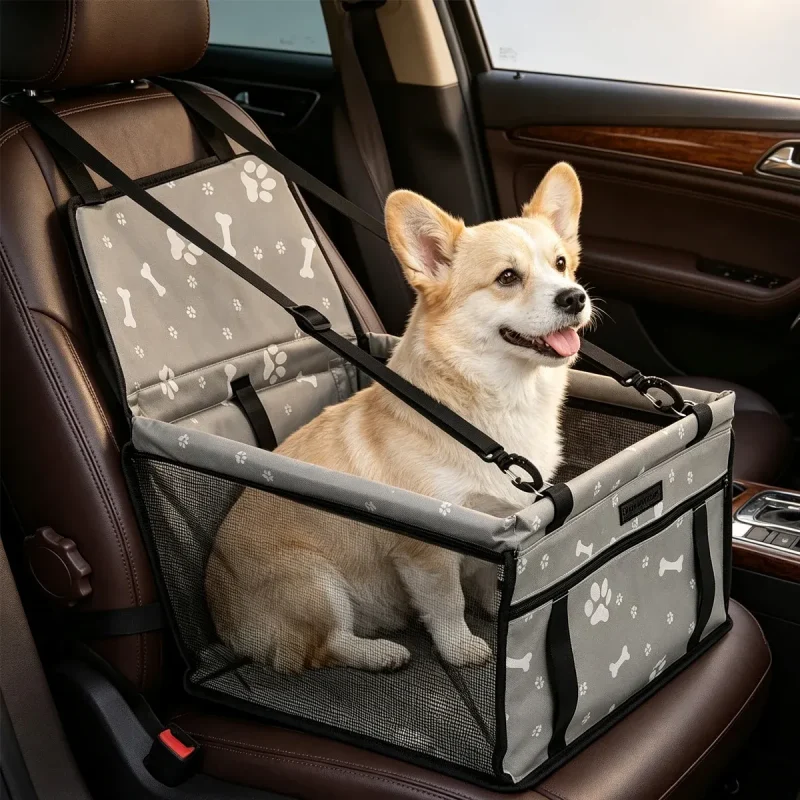
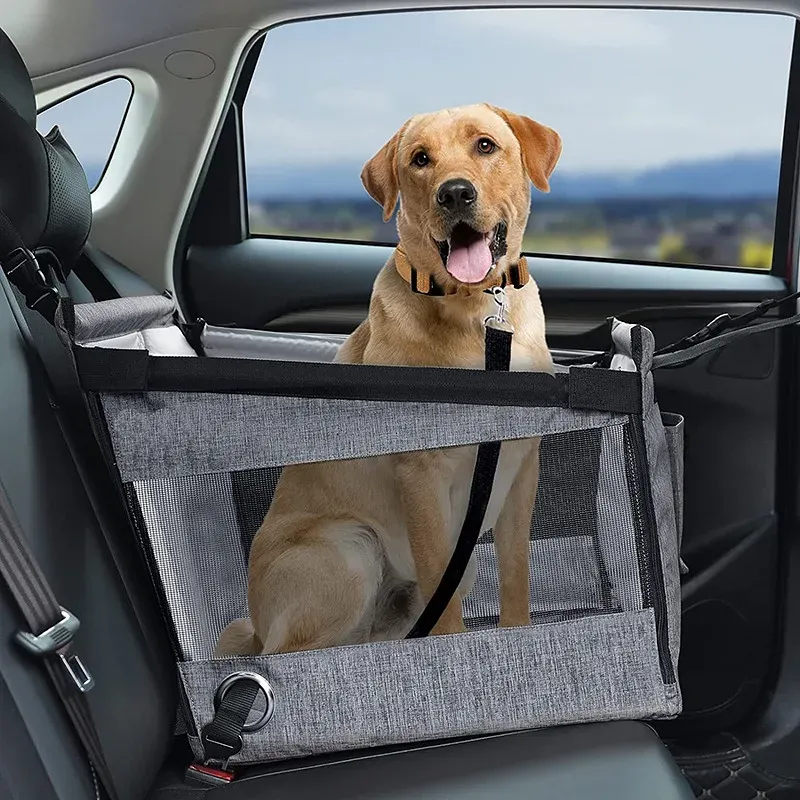
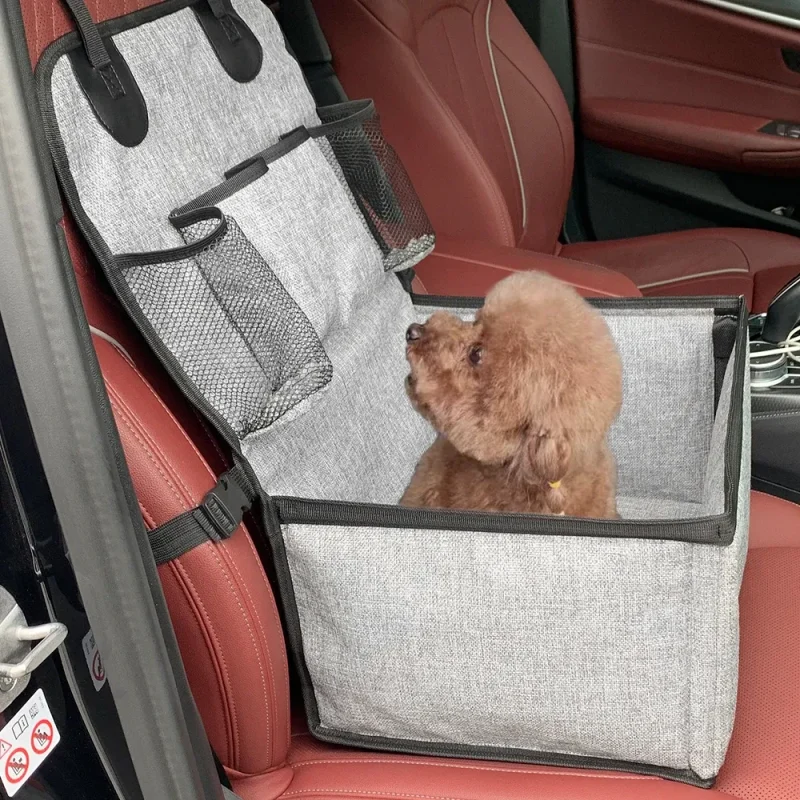
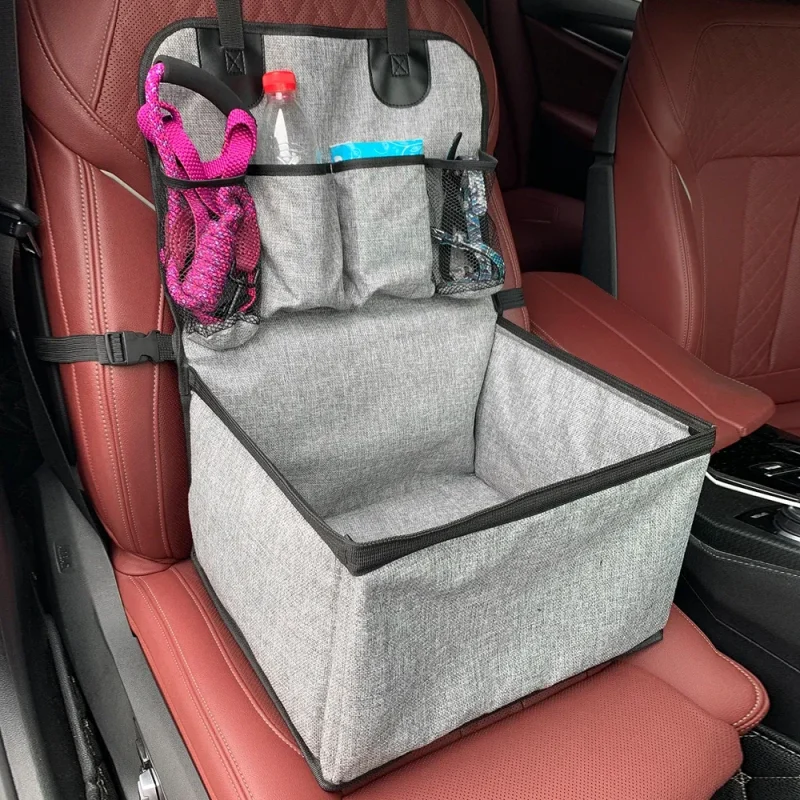
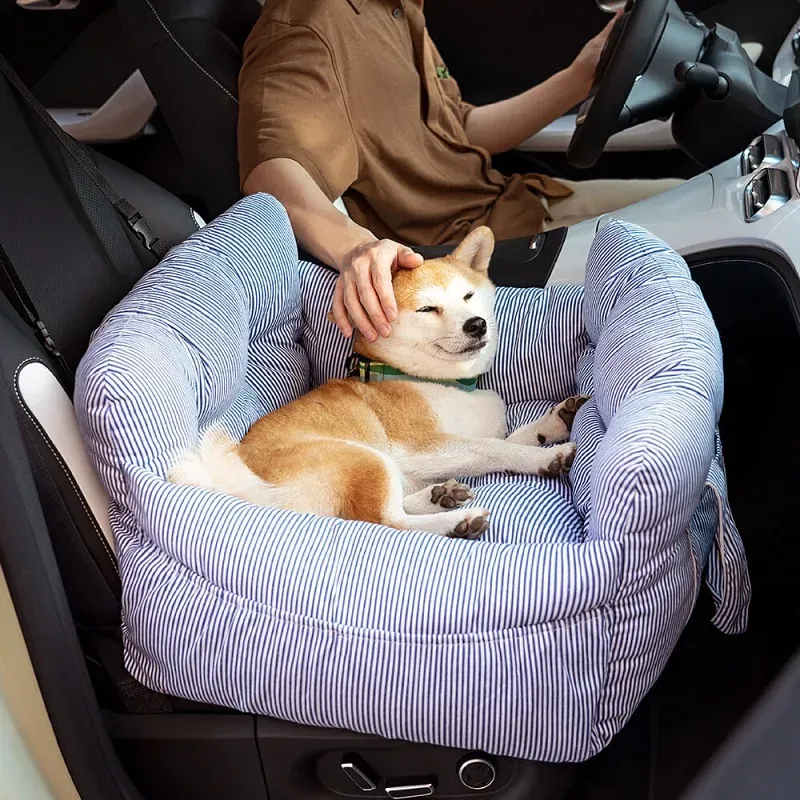
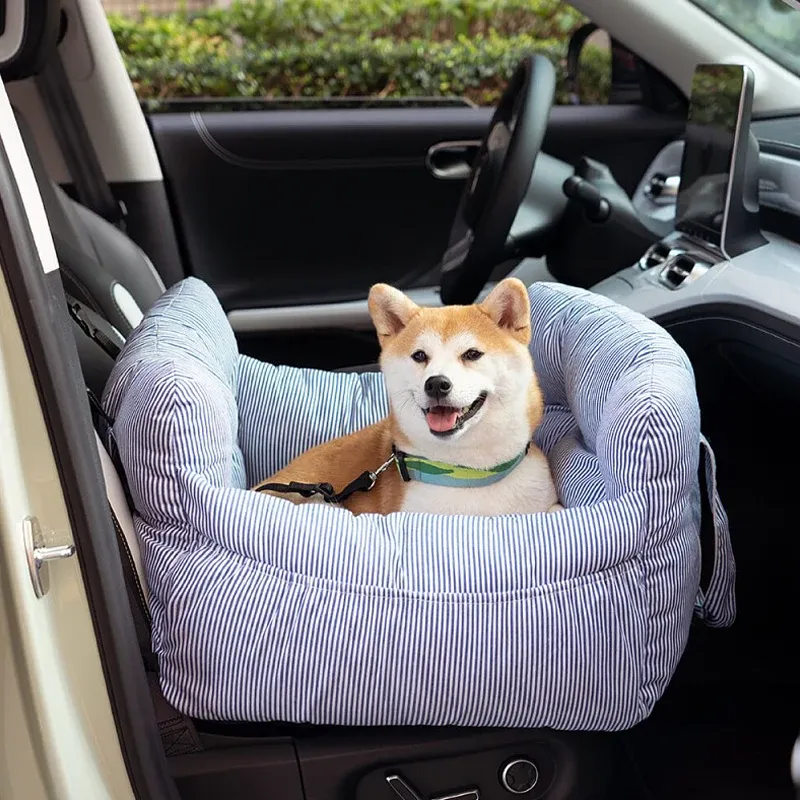
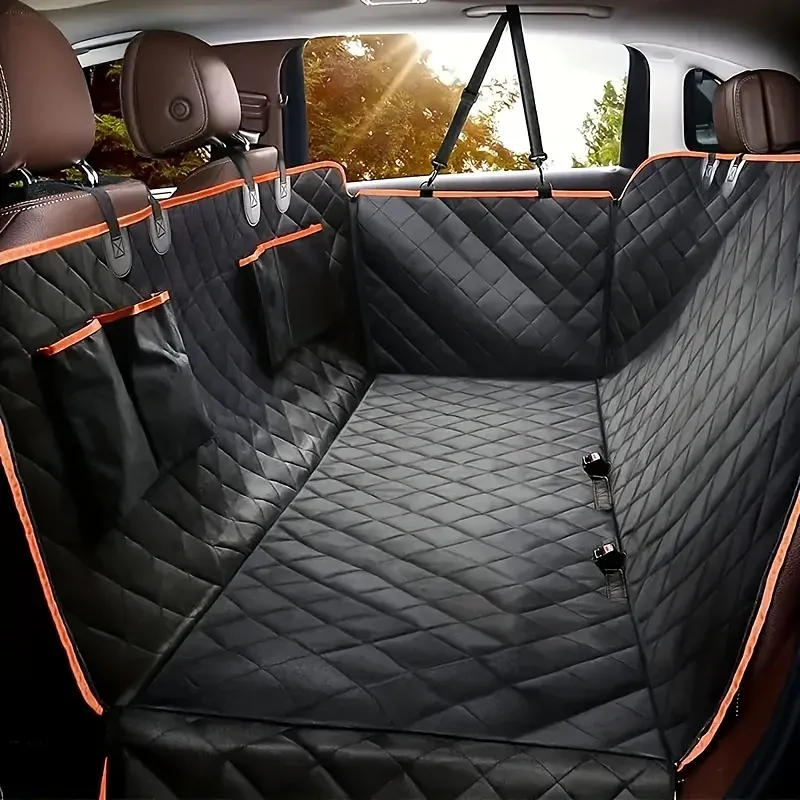
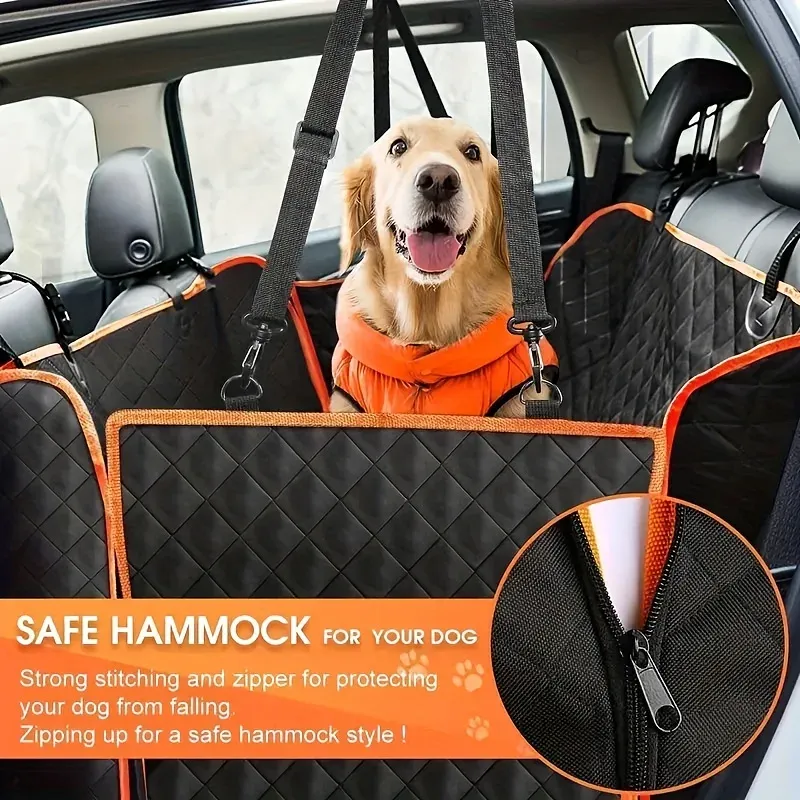
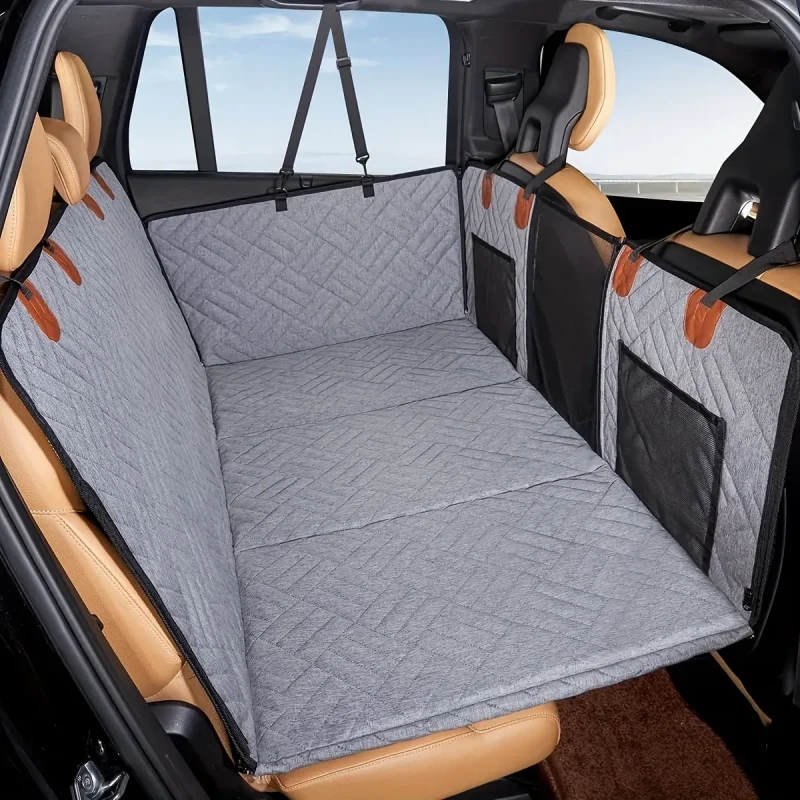
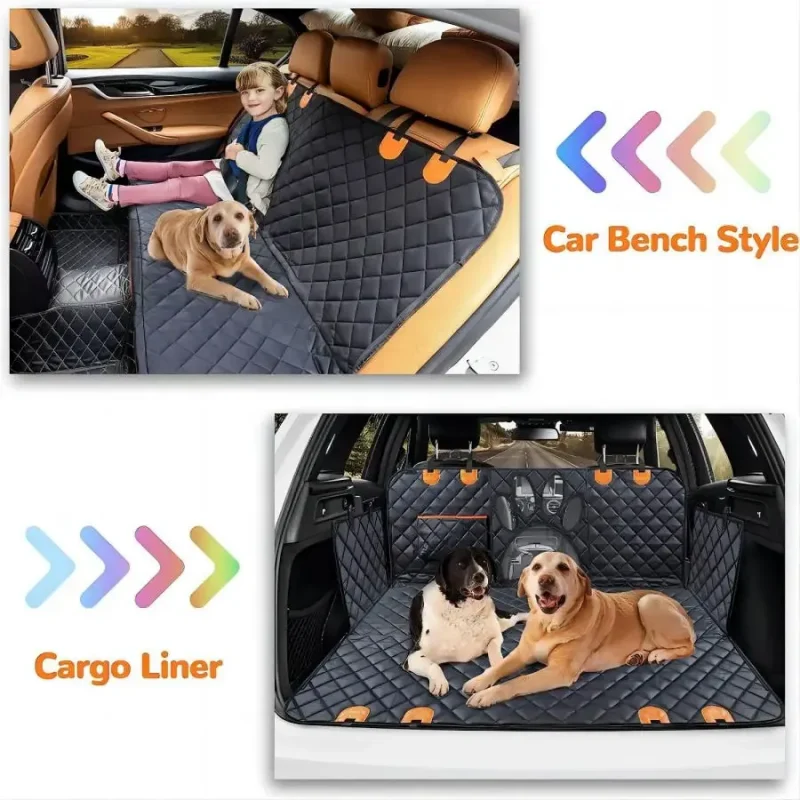
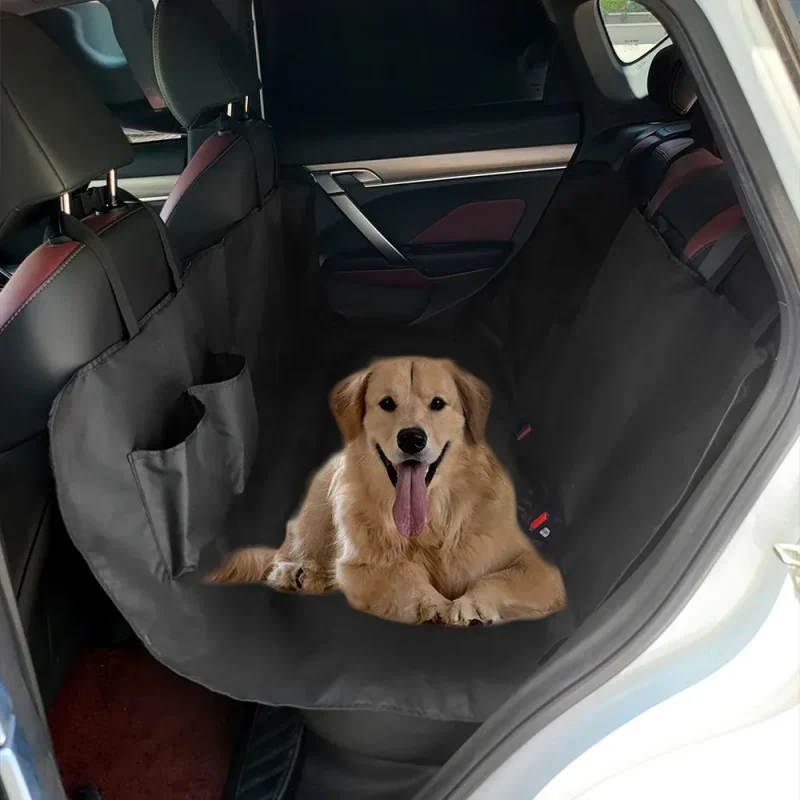
Thick-coated breeds rarely need a warm coat and can overheat in one. A light raincoat can still save you towelling a soaking-wet dog after every walk, and keeps the car cleaner alongside a dog car seat cover.

Signs your dog is cold include shivering, hunching up, lifting paws off the ground, slowing down or trying to turn for home.

Types of dog clothing

Type What it’s for When to use it
Waterproof coats and winter jackets Keep rain off and hold warmth in Cold, wet walks
Raincoats and rain jackets Light shell against rain, little insulation Mild, wet days
Jumpers and knitted sweaters Warmth indoors and on dry days Cold homes, short dry walks
Hoodies and sweatshirts Light warmth, soft feel Mild days, chilly evenings
Pyjamas and onesies Warmth overnight, keep hair off furniture Thin-coated dogs in cold houses
Snoods and neck warmers Keep ears and neck warm, or keep long ears out of food Cold walks, mealtimes for Spaniels
Cooling coats Evaporative cooling when soaked in water Hot days, active dogs
Hi-vis reflective vests Make your dog visible to drivers and cyclists Dark mornings and evenings, woods in shooting season
Boots and paw protectors Protect paws from salt, ice, hot pavements and rough ground Winter grit, hikes, injured paws
Non-slip grip socks Grip on wooden and tiled floors Older dogs that slip indoors
Post-surgery recovery suits Cover a wound or stitches instead of a cone After an operation, on your vet’s advice
Calming anxiety wraps Gentle, even pressure round the body Fireworks, storms, travel, if your dog finds it helps
Sun caps, goggles and summer clothes Shade the eyes and head Bright sun, boats, snow
Bandanas, bows, collar charms and seasonal outfits Decoration Photos and occasions, for dogs that tolerate them

How to measure your dog for clothing

  1. Back length: stand your dog square and measure from the base of the neck, where a collar sits, to the base of the tail. Most coat sizes are based on this.
  2. Chest girth: measure round the widest part of the ribcage, just behind the front legs.
  3. Neck: measure round the neck where the collar sits.
  4. Weight: some size charts use weight as a guide too.

Compare all three measurements with the size chart, not just one. Deep-chested breeds such as Whippets often need a size by chest and a different size by back length, so a coat cut for that body shape fits better than a standard one. For boots, stand your dog on a sheet of paper, mark the front and back of a front paw, and measure the width and length.

How a good fit looks

  • The coat covers the back from the neck to the base of the tail, without dragging behind.
  • Your dog can lie down, sit and walk without the coat pulling at the shoulders.
  • Straps under the belly sit behind the front legs and don’t rub the armpits.
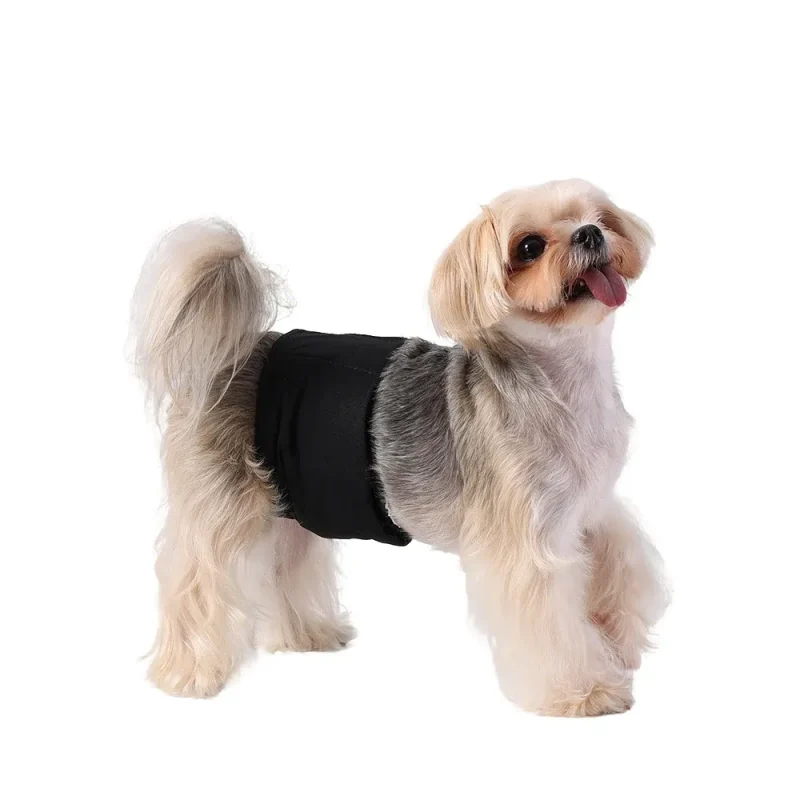
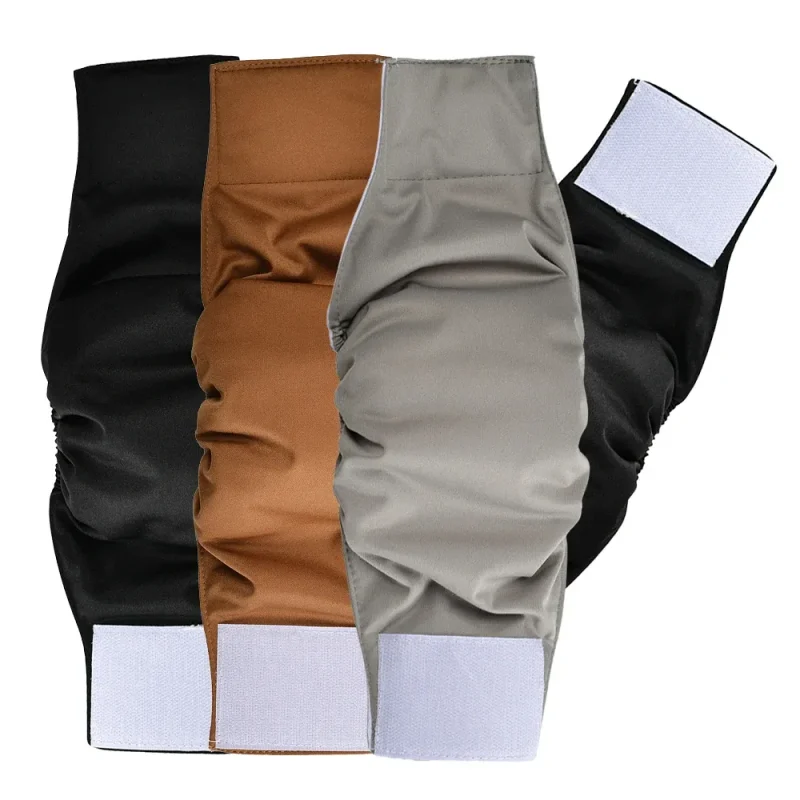
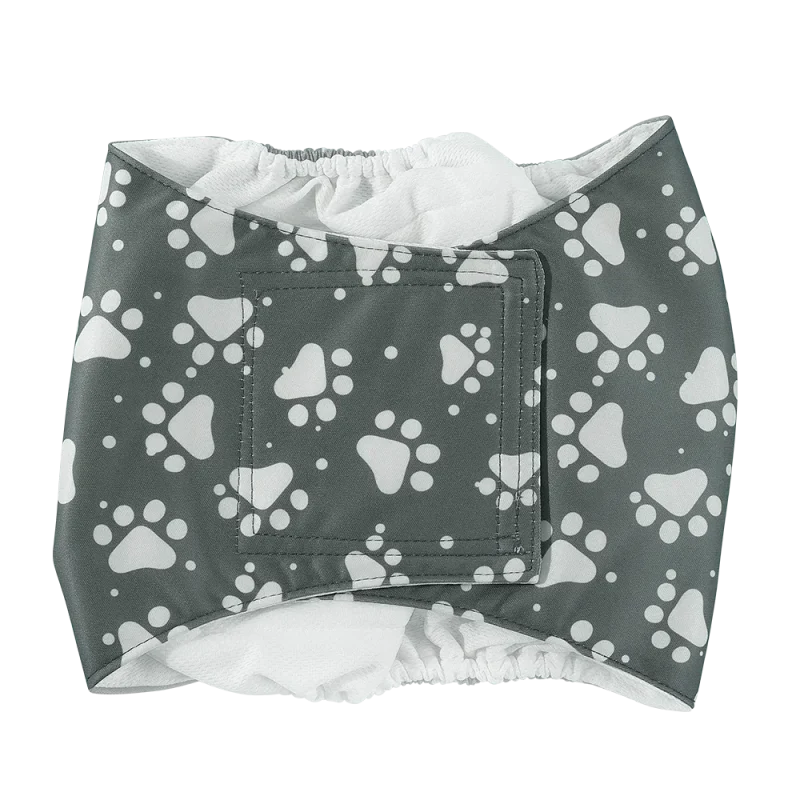
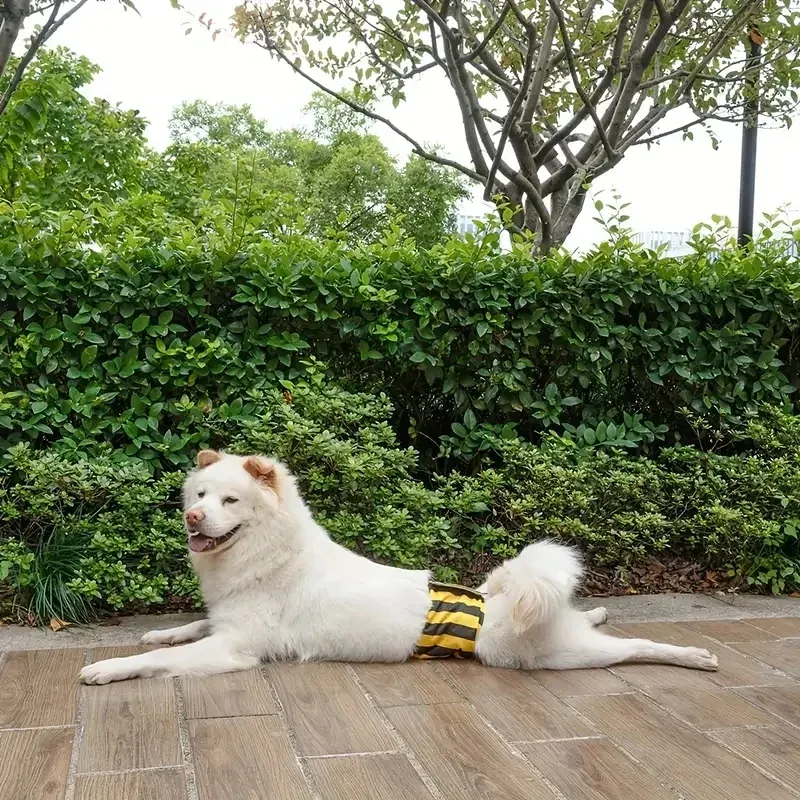
  • On male dogs, the belly cover stops short so it doesn’t get wet when they wee.
  • There’s a harness opening if you walk your dog on a harness under the coat. See our dog harnesses and leads for one that fits.
  • You can slip two fingers under the neck and chest straps.

Fabrics and what they do

  • Waterproof shells with taped seams keep rain out. Breathable fabrics let water vapour escape, so your dog doesn’t get damp from inside.
  • Fleece linings trap warm air and dry quickly.
  • Quilted or padded fills give the most warmth for very cold days and thin-coated dogs.
  • Knitted wool and cotton are soft and warm in dry weather, but hold water and get heavy in rain.
  • Cooling fabrics hold water and cool as it evaporates. They work best in dry heat and need re-wetting.
  • Reflective trim on coats and vests shows up in car headlights.
  • Rubber soles on boots grip ice and protect pads from grit and salt.

Weather sense

  • Cold and wet: put the coat on just before you go out and take it off when you’re back inside, so your dog doesn’t overheat indoors.
  • Winter roads: grit and de-icing salt can sting paws. Rinse your dog’s feet after walks, or use boots on treated pavements.
  • Hot days: walk early or late, avoid hot tarmac, and use a cooling coat only with water and shade nearby. Watch for heavy panting, which means your dog is too hot.
  • Dark evenings: a hi-vis vest or reflective coat, plus a light on the collar, helps drivers see your dog.

Getting your dog used to clothes

  1. Let your dog sniff the coat, and reward them.
  2. Lay it over their back for a few seconds, then reward and remove it.
  3. Fasten it for a minute or two indoors, with treats.
  4. Go for a short walk in it. Most dogs forget the coat once they’re outside.

Boots take longer. Put one on at a time for a few minutes indoors, and expect some high-stepping at first.

Choosing for your dog’s breed and lifestyle

  • Sighthounds need coats cut for a deep chest and narrow waist, with a high neck to keep their thin skin warm. A standard coat that fits the chest is usually far too wide at the waist.
  • Dachshunds and other low dogs need a coat with a full belly panel, because their underside takes the most spray from wet grass.
  • Active dogs that run off-lead need light, close-fitting coats that don’t catch on brambles or flap at speed. For trail days, see our outdoor dog accessories.
  • Older dogs often appreciate a jumper indoors in winter as well as a coat outside, and non-slip socks on smooth floors, plus a warm bed from our dog beds range.
  • City dogs walking on pavements in winter benefit most from boots or a rinse after walks, because of grit and salt.

Whatever the breed, choose clothing your dog can move freely in. A coat that limits the shoulders or presses on the throat is worse than no coat at all.

Common problems and fixes

  • The coat slips to one side. The chest strap is loose or the coat is too wide. Tighten the strap, or choose a narrower cut.
  • It rubs under the front legs. The belly strap sits too far forward. Move it back, or choose a design with a different strap position.
  • Your dog won’t walk in boots. Go back to short indoor sessions with treats.
  • Your dog is panting in a jumper. It’s too warm for the conditions. Take it off.

Cleaning and care

  • Brush off dried mud before washing. A slicker brush from our dog grooming supplies makes it quicker.
  • Wash coats at the temperature on the label, fastenings closed, and air-dry them.
  • Don’t tumble dry waterproof coats unless the label allows it; heat can damage the coating and taped seams.
  • Rinse boots after salted or muddy walks and let them dry away from radiators.

Questions owners ask

Does my dog need a coat in winter?

Short-coated, small, thin, older and low-slung dogs often benefit from a coat in cold, wet weather. Thick-coated breeds usually don’t need a warm coat.

How do I measure my dog for a coat?

Measure back length from the base of the neck to the base of the tail, chest girth behind the front legs, and neck size, then compare all three with the size chart.

Are dog boots necessary?

Not for everyday walks, but they help on salted winter pavements, hot surfaces, rough trails, and for dogs with sore or injured paws.

Why buy your dog’s clothing from TAILOVO

We sell gear for dogs only, and every coat and accessory we list has to pass the same checks: it’s cut to leave the shoulders and legs free, it fastens easily with cold hands, and it comes in calm colours that suit a walk in the woods as well as a café terrace. Each product page gives a size chart in centimetres with inches in brackets for back length, chest and neck. Orders over $79 ship free with tracking. Not sure which size? Email [email protected] with your dog’s measurements and breed, and a real person will help.

Measure your dog, check the weather, and find the right layer at TAILOVO.
JOIN THE PACK

Sign up for practical dog-care notes and early word on new arrivals. Use code WELCOME10 for 10% off your first order.
Need sizing or order help? Email Us