Regular grooming at home keeps your dog’s coat, skin, nails and teeth in good condition, and it’s also the best chance you get to spot a lump, a tick, a sore paw or a bad tooth before it becomes a vet visit. The right tools make it quicker and calmer for both of you; the wrong ones pull, scratch or simply don’t reach the undercoat. This section covers brushes and combs, deshedding and dematting tools, nail clippers and grinders, shampoos, bath and drying kit, paw washers and dental care, and this guide explains which tools suit which coat, how to bath and dry a dog, how to trim nails safely and how to make grooming something your dog accepts. We’re adding grooming kit to this section as it passes our checks for gentle contact with skin and easy cleaning. For everything else, browse our dog accessories shop.
Match the brush to the coat
| Coat type |
Example breeds |
Tools that work |
How often |
| Smooth, short |
Whippet, Boxer, Dalmatian |
Rubber grooming mitt or bristle brush |
Weekly |
| Double coat |
Labrador, German Shepherd, Husky |
Undercoat rake or deshedding tool, then a slicker |
Weekly, daily during moults |
| Long, silky |
Cocker Spaniel, Setter, Yorkshire Terrier |
Pin brush and wide-tooth comb, slicker for tangles |
Several times a week |
| Curly or wool |
Poodle, Bichon, Cockapoo |
Slicker brush and metal comb, regular clipping |
Several times a week |
| Wire |
Border Terrier, Schnauzer, Wire Dachshund |
Slicker brush, comb, and hand stripping or clipping |
Weekly |
Grooming tools explained
- Slicker brushes have fine bent pins that lift loose hair and small tangles. Brush gently: pressing hard can scratch the skin.
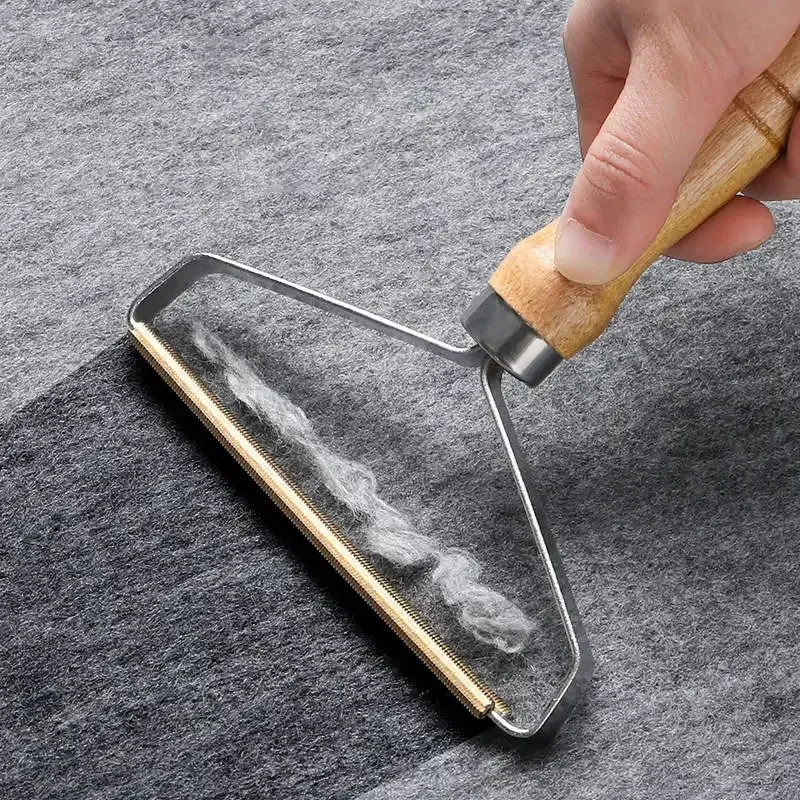
- Deshedding brushes and undercoat rakes reach through the top coat to pull out loose undercoat. They make the biggest difference to hair on your floor during a moult.
- Dematting tools have blades that cut through mats without pulling. Use them carefully, and leave tight mats close to the skin to a professional groomer.
- Combs check you’ve brushed right down to the skin. If the comb catches, there’s still a tangle.
- Fine-tooth flea combs catch fleas and flea dirt, and are useful for checking after walks in long grass.
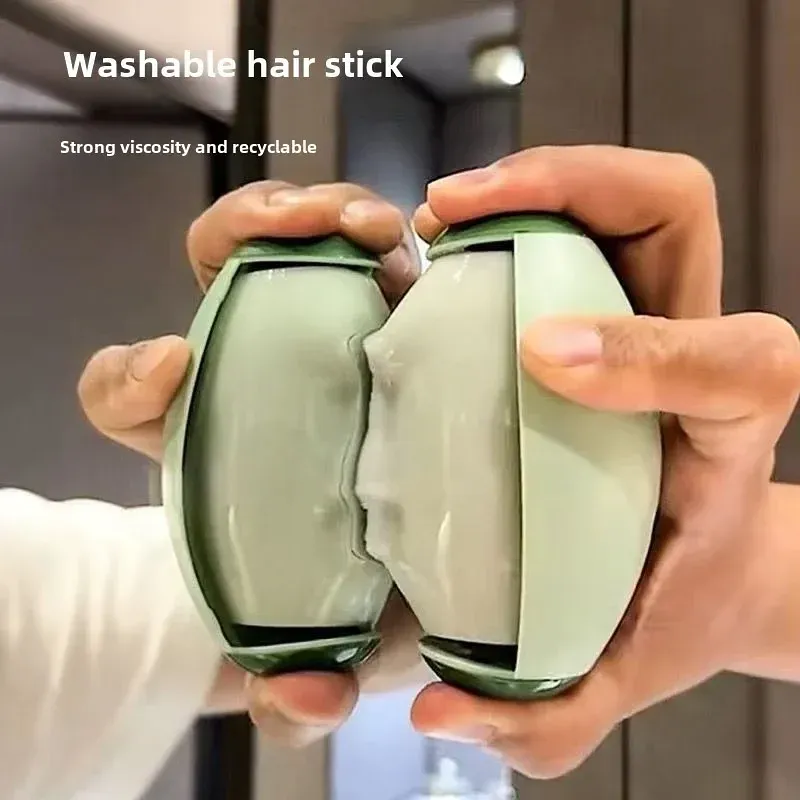
- Grooming mitts and silicone bath brushes massage and lift loose hair on short coats, and are gentle enough for sensitive dogs.
- Clippers and vacuum clippers trim coats at home. Vacuum clippers collect the hair as you go.
- Grooming scissors with rounded tips are safer around eyes, ears and paws.
- Grooming tables and foldable bath tubs bring your dog to a comfortable working height and save your back.
How to brush your dog
- Start with a calm, tired dog after a walk.
- Work in small sections, brushing in the direction the hair grows.
- For double coats, lift the top coat with one hand and brush the undercoat from the skin outwards.
- Finish by running a comb through to check for tangles.
- Pay attention to the places mats form first: behind the ears, under the collar, in the armpits and on the back legs.
- Check the skin as you go for lumps, ticks, redness or scabs.
Bathing and drying
- How often: most dogs need a bath only every few weeks, or when they’ve rolled in something. Too many baths can dry out the skin.
- Shampoo: use a shampoo made for dogs. Dog skin is different from ours, and human shampoos can irritate it.
- Brush before bathing. Water tightens mats, so remove tangles first.
- Water temperature: lukewarm, never hot. Test it on your wrist.
- Keep water out of ears and eyes. Wash the face with a damp cloth instead.
- Rinse thoroughly. Leftover shampoo causes itching.
- Dry well: towel off first, then use a drying coat or a dog dryer on a low heat setting. Never use a hot hairdryer close to the skin.
Shower sprayers that attach to a tap, and paw washers for muddy feet at the door, cut down the mess between full baths.
Nail trimming
Long nails change how a dog stands and walks, and they can split or catch. If you hear clicking on hard floors, the nails are probably too long.
- Get your dog used to having their paws handled before you trim anything.
- Trim a little at a time, just the tip, to avoid cutting the quick, the blood vessel inside the nail. On light nails you can see the pink quick; on dark nails, take tiny slices.
- A nail grinder smooths the edge and suits dogs that dislike the clip of clippers.
- Don’t forget the dewclaws on the inside of the legs.
- If you cut the quick, apply gentle pressure and a styptic powder, and stop for the day.
If your dog finds nail trims very stressful, ask your vet or a groomer to show you how, or to do them for you.
Teeth and dental care
Dental disease is common in dogs, and brushing is the most effective thing you can do at home. Dental kit and flea care are also in our pet health products.
- Use a dog toothbrush or finger brush, and a toothpaste made for dogs. Never use human toothpaste: some contain xylitol, which is toxic to dogs.
- Start slowly, letting your dog lick the paste, then brushing a few teeth at a time.
- Aim for daily brushing, focusing on the outer surfaces of the back teeth.
- Bad breath, red gums, or brown build-up on the teeth are signs to see your vet.
Grooming wipes, ears and eyes
- Grooming wipes freshen paws, faces and coats between baths.
- Ears: check them weekly. A little wax is normal, but redness, a strong smell or head shaking need a vet. Don’t push anything into the ear canal.
- Eyes: wipe away tear staining or discharge with a damp cloth, from the inner corner outwards.
Making grooming a calm routine
- Keep early sessions short, a few minutes, and end before your dog gets fidgety.
- Use treats, a lick mat with something tasty, and a calm voice.
- Groom on a non-slip surface so your dog feels steady.
- Introduce noisy tools such as clippers and dryers gradually: switch them on at a distance first, and reward.
- Stop if your dog is frightened, and try again later in smaller steps.
Grooming through the year
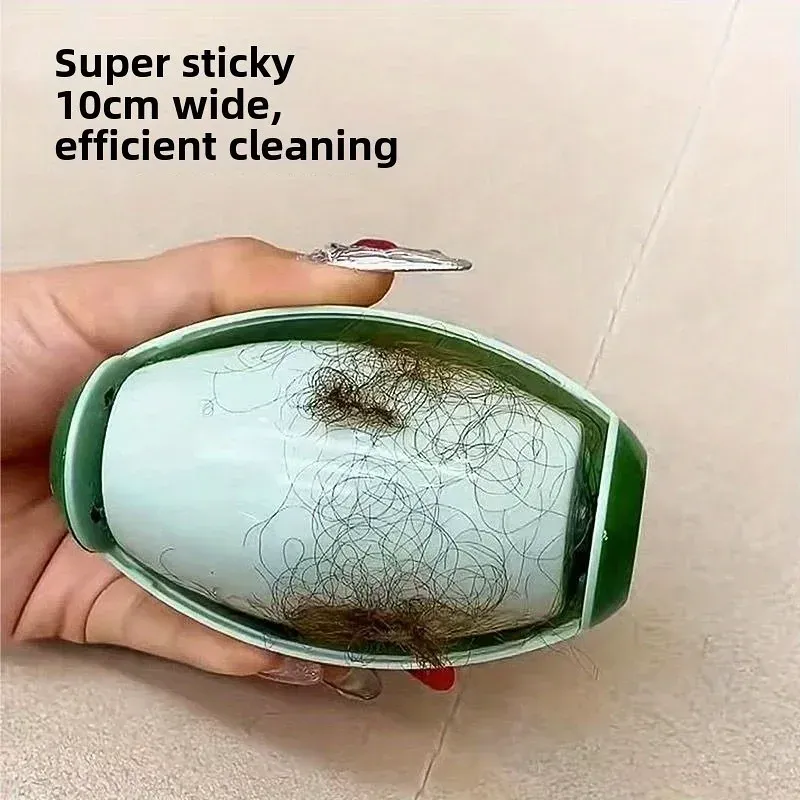
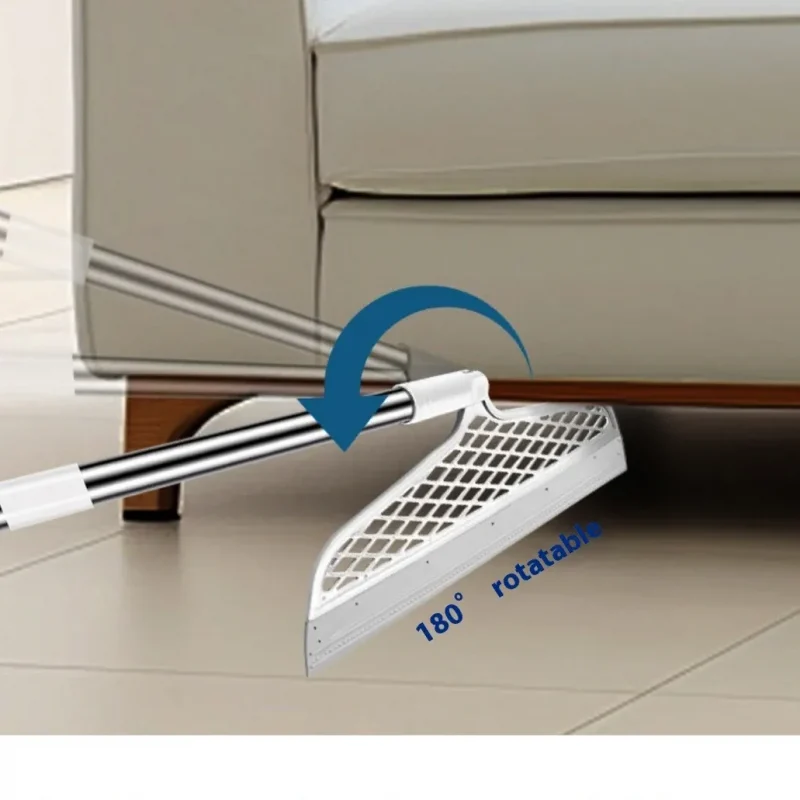
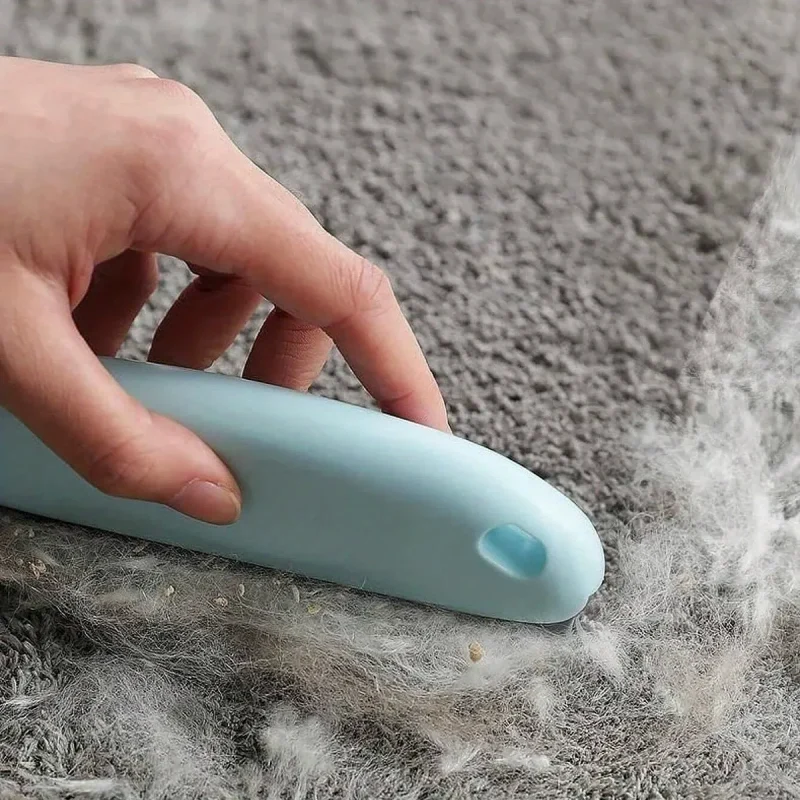
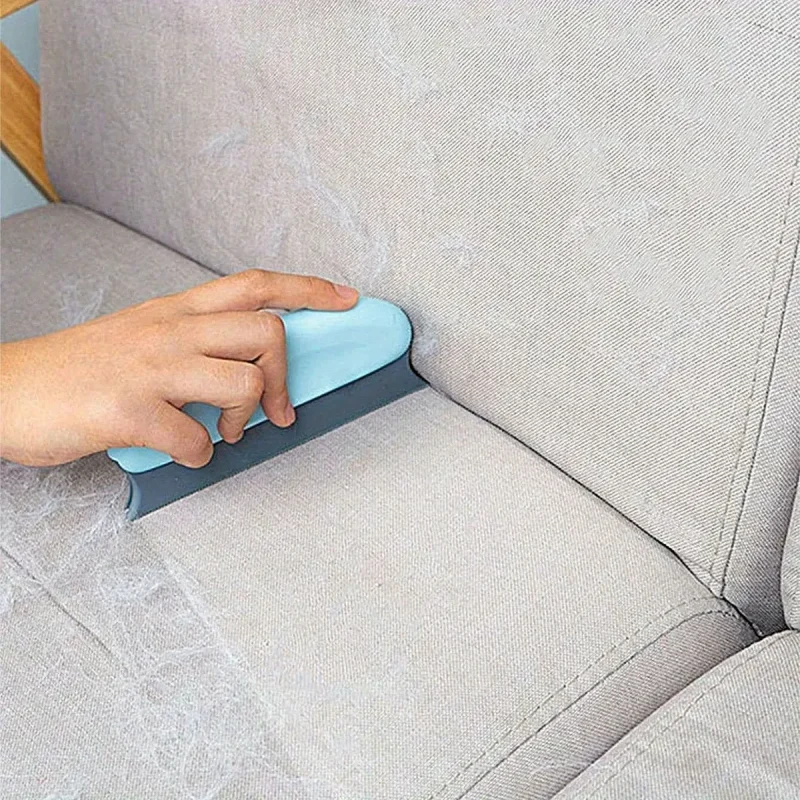
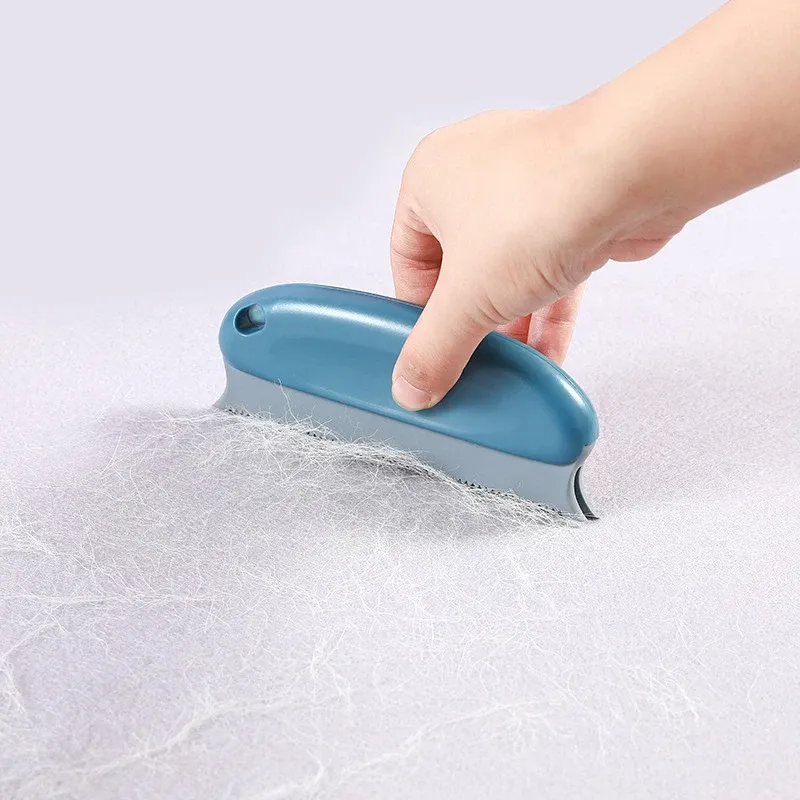
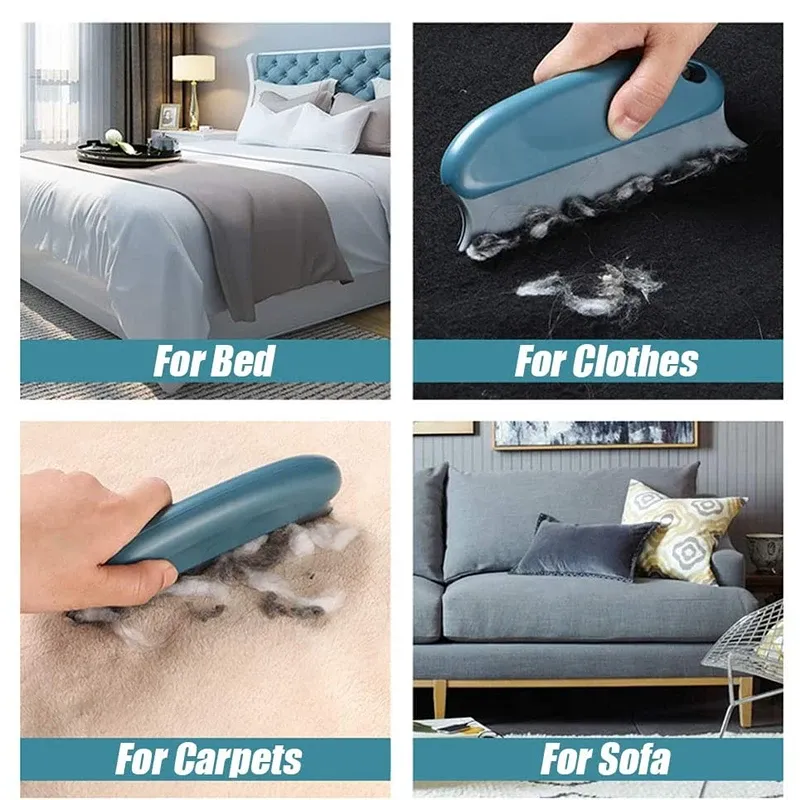
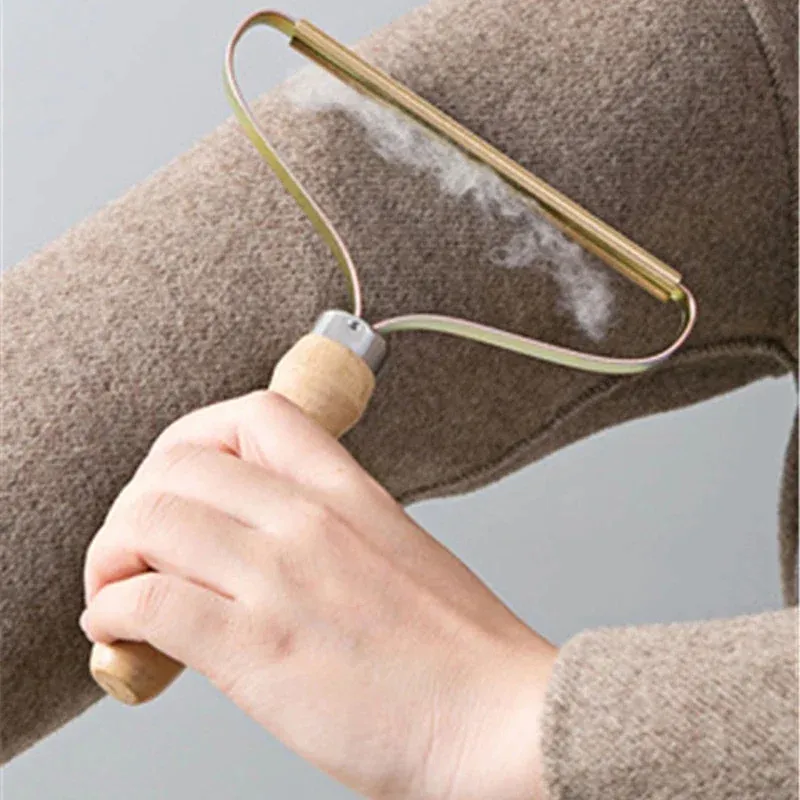
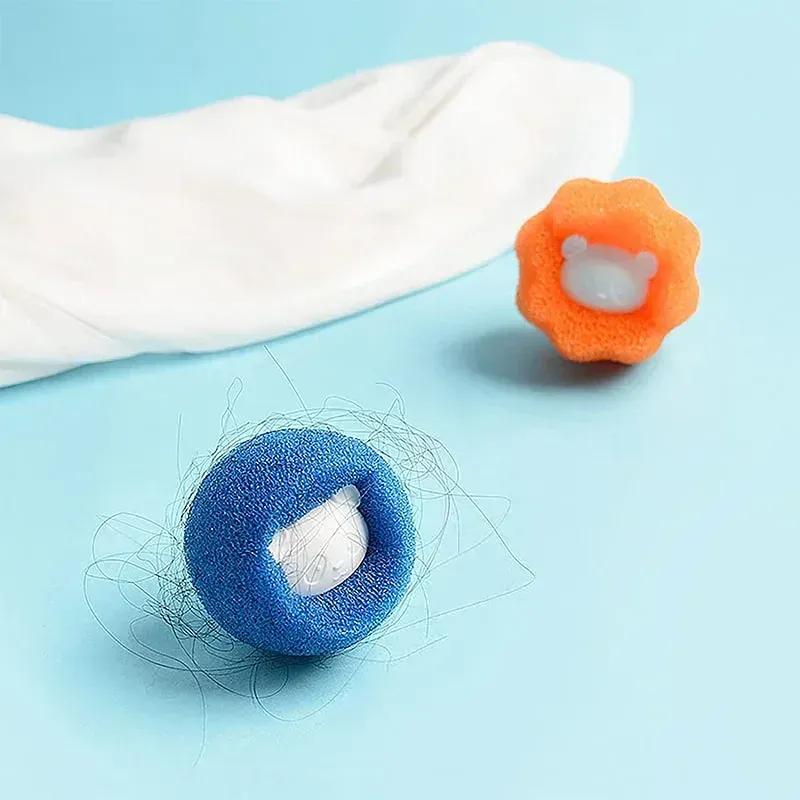
- Spring and autumn: double-coated dogs moult heavily as the seasons change. Brush daily during these weeks with an undercoat rake to keep hair off the sofa and stop the coat matting. A pet hair remover deals with what the brush misses.
- Summer: check for grass seeds between toes, in ears and in the armpits after walks, especially with long-coated and spaniel-type dogs. Don’t shave double coats short; the undercoat helps protect against sun.
- Winter: wipe or rinse paws after walks on gritted pavements (or fit boots from our dog clothes range), and dry your dog properly after wet walks so the coat and skin don’t stay damp overnight.
- All year: run a flea comb through the coat after walks in long grass and woodland, and check for ticks around the head, ears and legs.
Puppies and older dogs
- Puppies should get used to brushing, paw handling, nail touching and tooth brushing early, with tiny sessions and lots of treats. A soft brush and a finger toothbrush are enough to start.
- Older dogs may have stiff joints and thinner skin. Groom on a soft, non-slip surface, let them lie down if they prefer, and use gentle tools. Lumps found while brushing are worth showing your vet.
Cleaning your grooming kit
- Pull hair out of brushes after every use.
- Wash brushes and combs in warm soapy water every few weeks, and dry them well so metal pins don’t rust.
- Clean and oil clipper blades as the maker recommends.
- Keep toothbrushes separate and replace them when the bristles splay.
Questions owners ask
Which brush is best for a dog that sheds a lot?
For double-coated dogs, an undercoat rake or deshedding tool followed by a slicker brush removes the most loose hair. Brush weekly, and daily during a moult.
How often should I bath my dog?
Every few weeks for most dogs, or when they’re dirty. Use a dog shampoo and rinse thoroughly.
Can I use human shampoo or toothpaste on my dog?
No. Use products made for dogs. Some human toothpastes contain xylitol, which is toxic to dogs.
When should I take my dog to a professional groomer?
For breed clips on curly and wire coats, for tight mats close to the skin, and for nail trims if your dog is very anxious. A common pattern is a professional groom every few months with brushing, bathing and teeth cleaning at home in between.
Why buy your dog’s grooming kit from TAILOVO
We sell gear for dogs only, and every grooming tool we list has to pass the same checks: gentle on skin, comfortable to hold, and easy to clean after use. Each product page says which coat types it suits and how to care for it, with sizes in centimetres and inches. Orders over $79 ship free with tracking. Not sure which brush suits your dog’s coat? Email [email protected] with your dog’s breed, and a real person will help.
Match the tool to your dog’s coat, keep sessions short and calm, and find your grooming kit at TAILOVO.