Mealtimes happen twice a day, every day, for the whole of your dog’s life, so the bowl, the mat and the way you store and measure food matter more than they first seem. A bowl that slides across the floor, one that’s the wrong shape for your dog’s muzzle, or one that’s hard to clean properly makes those moments messier for both of you. This section covers bowls, slow feeders, raised stands, lick mats, water dispensers, food storage and measuring scoops, and this guide explains how to choose each one for your dog’s size, face shape and eating habits. We’re adding feeding accessories to this section as they pass our checks for stability and easy cleaning. Everything else we stock is in our pet supplies shop.
Choose the bowl shape for your dog’s face
Dogs’ faces vary more than any other domestic animal, and the bowl should suit the muzzle.
| Face shape |
Example breeds |
Bowl that suits |
| Flat-faced |
Pugs, French Bulldogs, Shih Tzus |
Shallow, wide bowls, or a tilted bowl so food slides to the front |
| Long ears |
Cocker Spaniels, Basset Hounds, Setters |
Deep, narrow bowls with sloping sides, so ears fall outside the bowl |
| Long muzzle |
Collies, sighthounds, Retrievers |
Standard or deeper bowls with room for the nose |
| Small and toy breeds |
Chihuahuas, Yorkshire Terriers |
Small, low bowls they can reach without stretching |
Bowl materials compared
- Stainless steel doesn’t crack, chip or hold smells, and goes in the dishwasher. It is the easiest material to keep hygienic. Look for a rubber base so it doesn’t slide or clatter.
- Ceramic is heavy, so it stays put, and glazed ceramic is smooth and easy to clean. Check for chips and cracks, which can harbour bacteria and should be replaced.
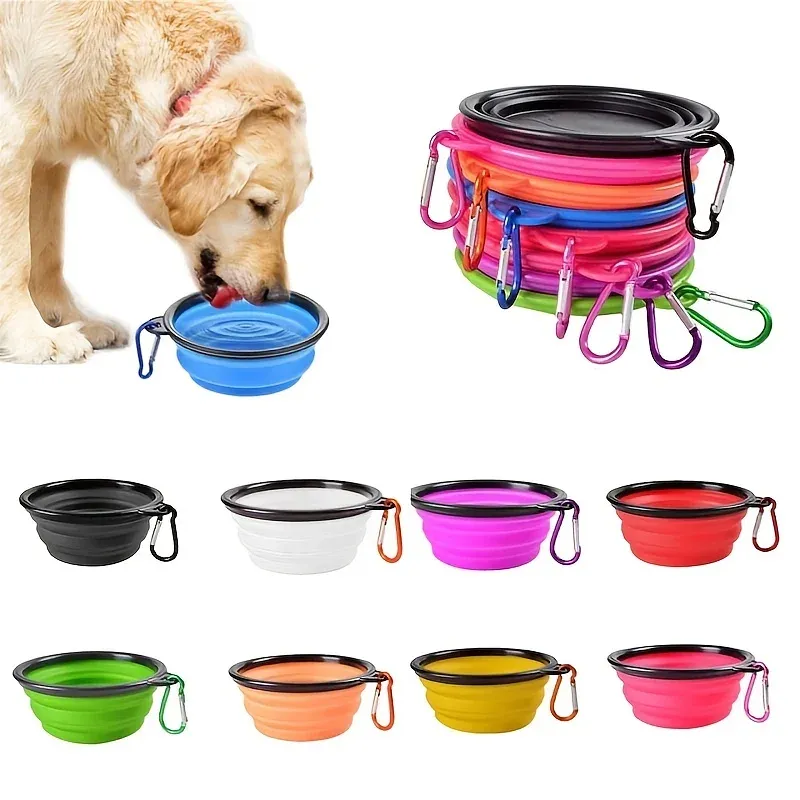
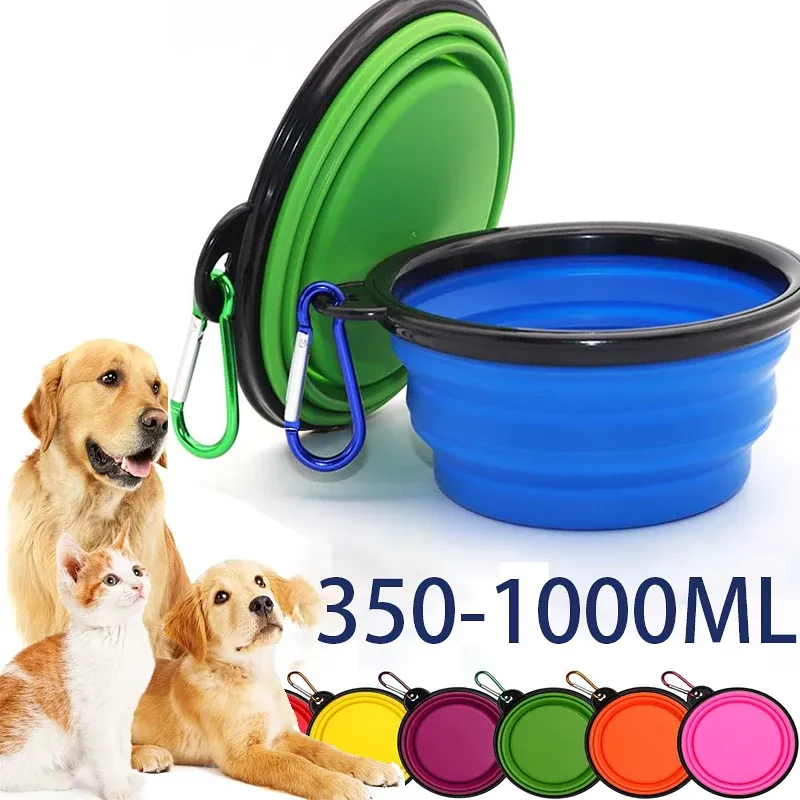
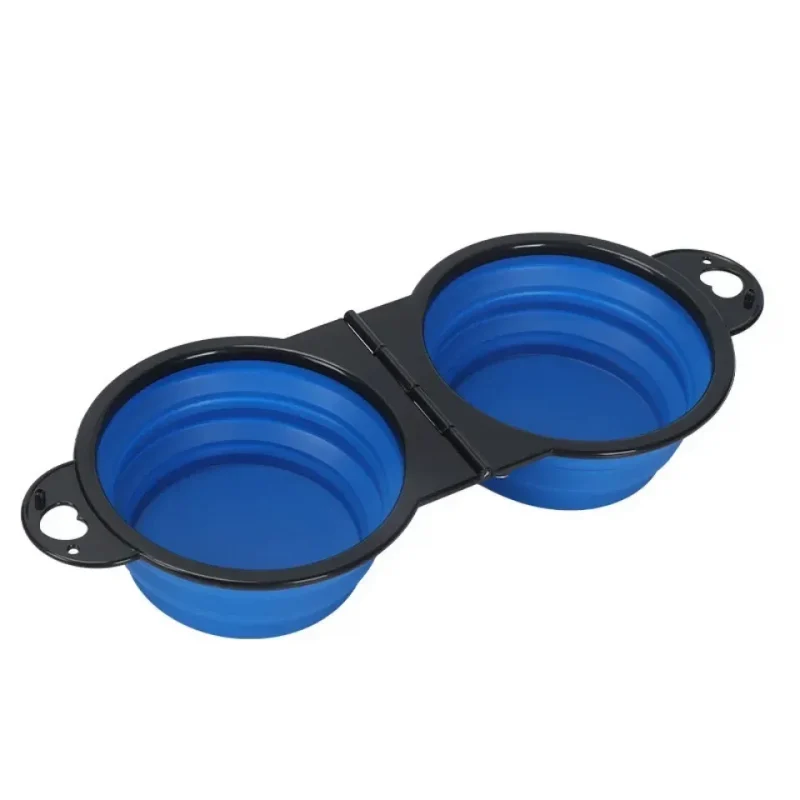
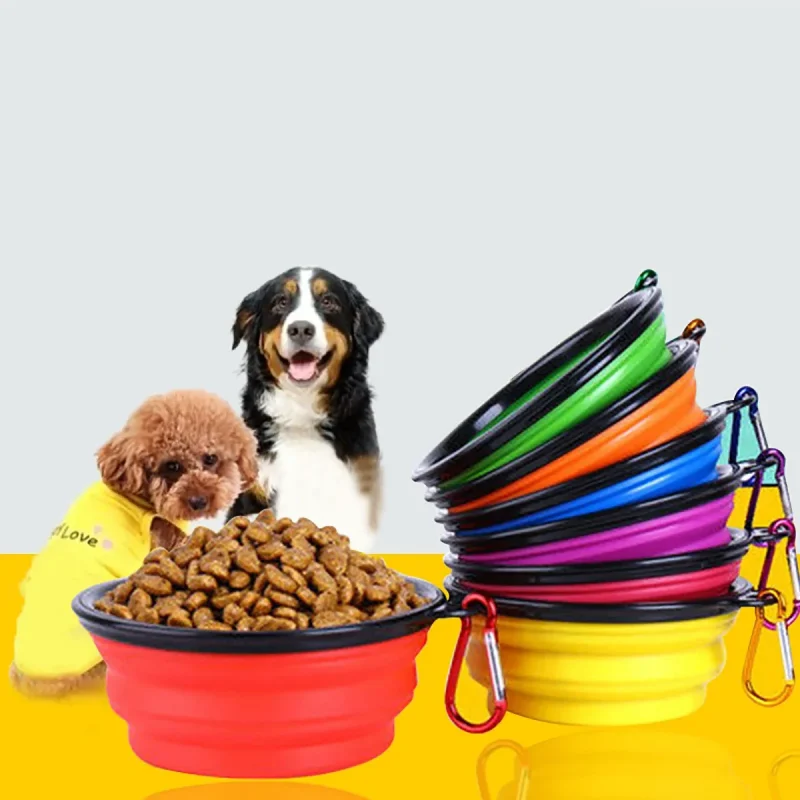
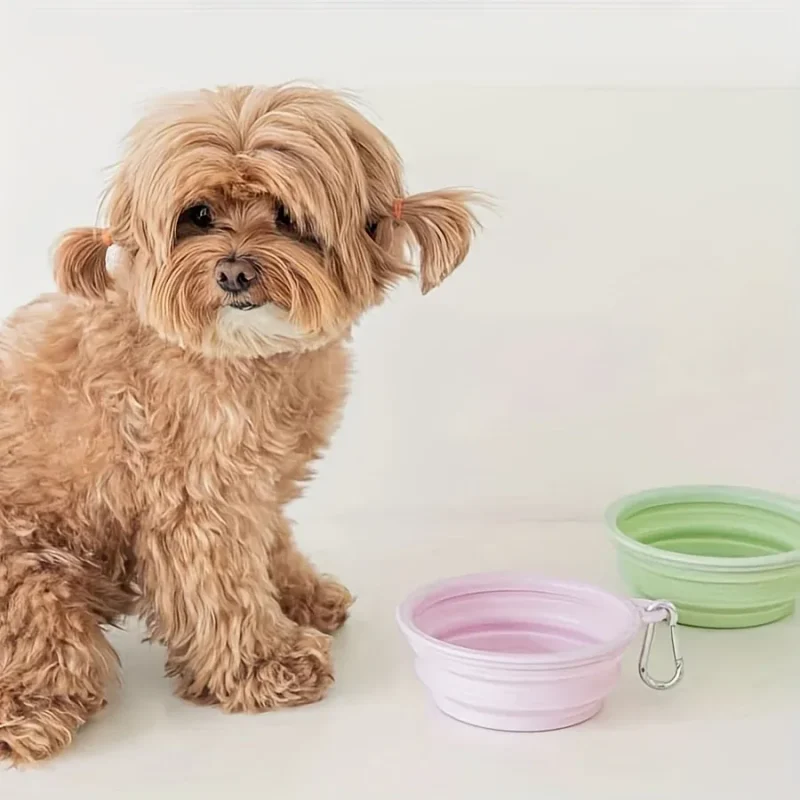
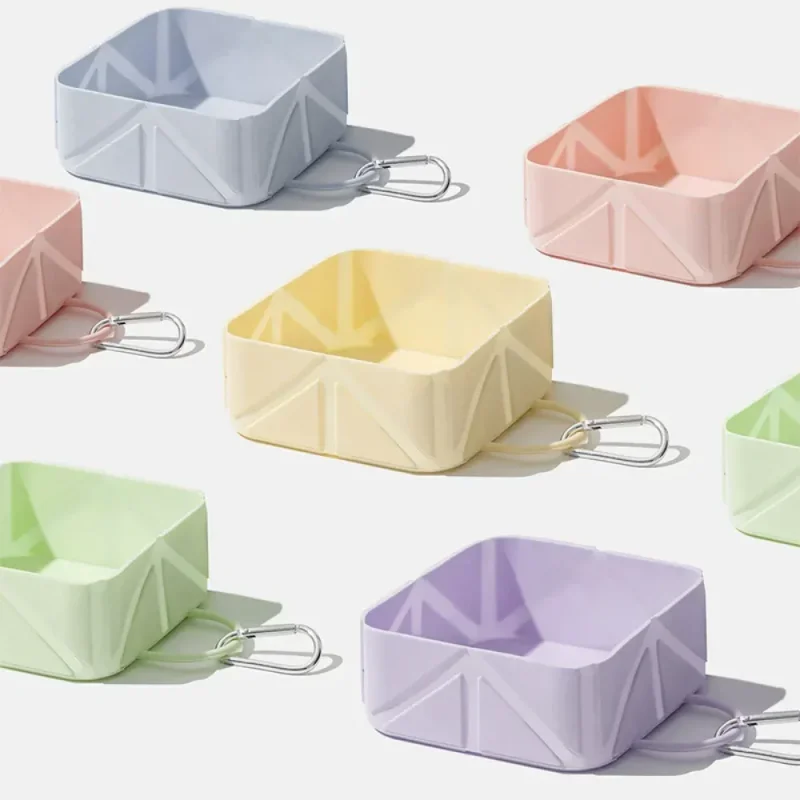
- Silicone is soft, light and folds flat, which suits travel bowls and feeding mats more than everyday heavy use.
- Plastic is light and cheap, but scratches over time, and scratches hold bacteria. Some dogs chew plastic bowls.
Types of feeding accessories
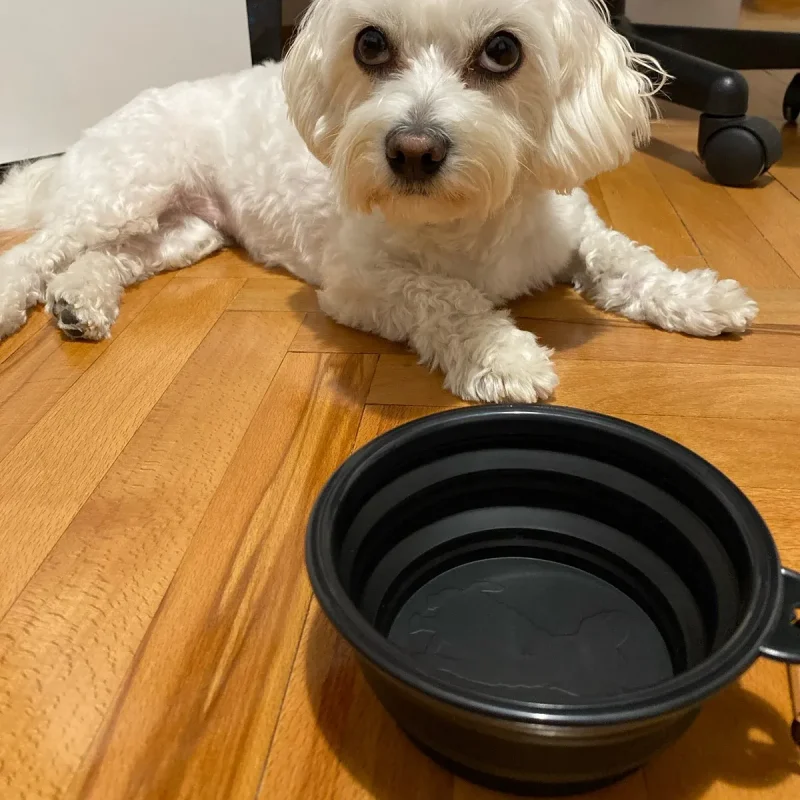
- Non-slip bowls have a rubber ring or base that stops the bowl travelling across the kitchen.
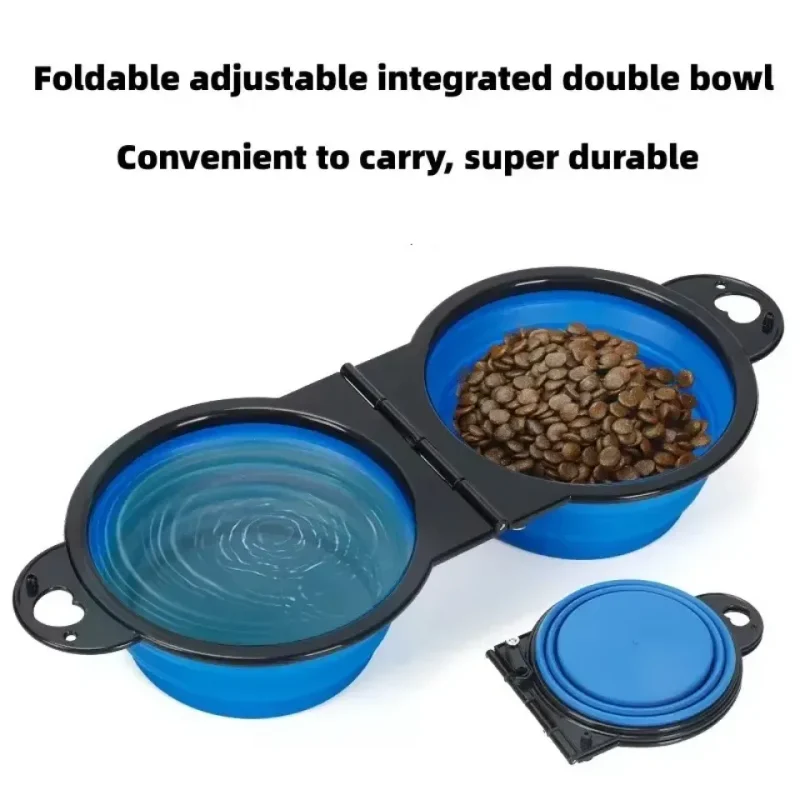
- Double bowl stations hold food and water side by side in one frame, which keeps the feeding area tidy.
- Slow feeder bowls have ridges or mazes that make a fast eater pick out each mouthful. They help dogs that gulp their food, cough or bring it back up after eating.
- Lick mats are textured mats you spread soft food on. Licking helps some dogs settle, and they’re useful at bath time, during grooming or on fireworks night.
- Raised bowl stands lift bowls off the floor, which can be more comfortable for tall dogs and dogs with stiff necks or joints. Some research on bloat in large, deep-chested breeds has linked raised bowls to a higher risk, so if you have a Great Dane, Setter or similar breed, ask your vet before raising their food bowl.
- Spill-proof water bowls have a floating disc or inward-curved rim that reduces splashing, useful for messy drinkers and in the car.
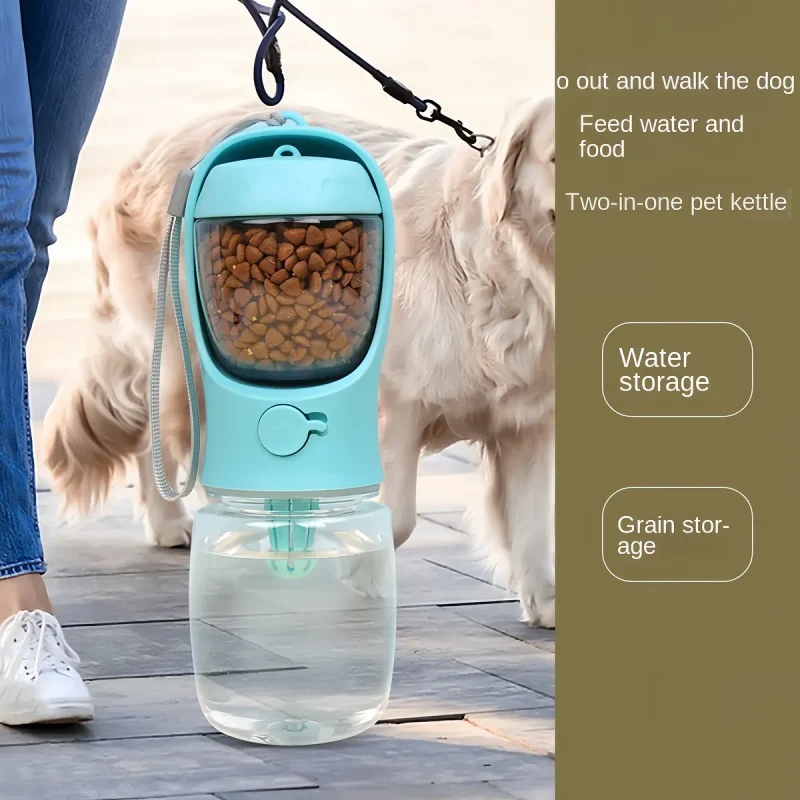
- Gravity water dispensers top up a bowl from a bottle, so there’s always water available while you’re out for a few hours.
- Automatic feeders release set portions at set times, useful for dogs that need several small meals.
- Airtight food storage keeps kibble fresh and dry, and keeps a determined dog out of the bag.
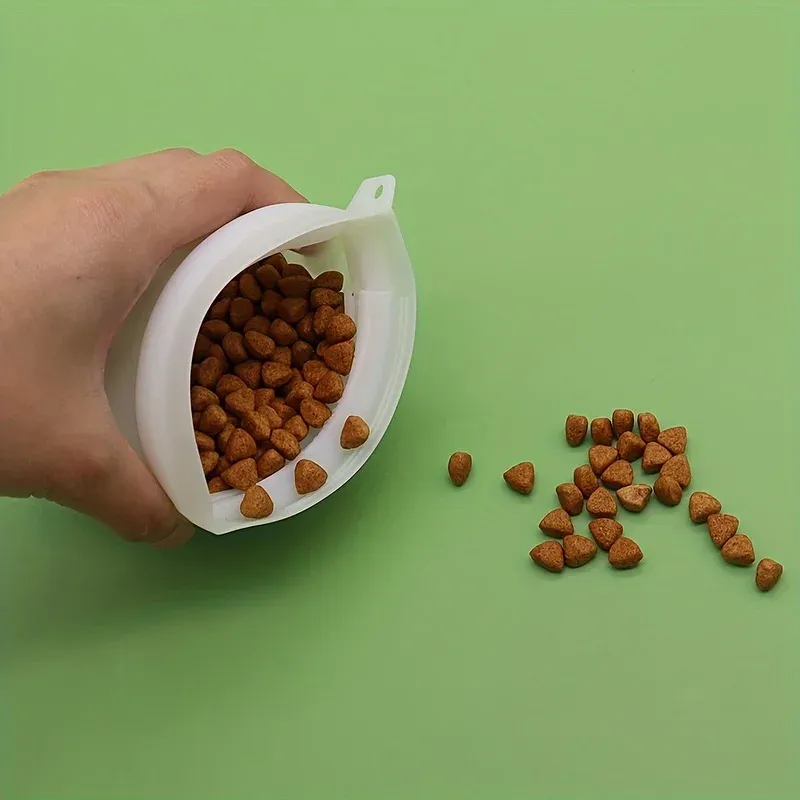
- Measuring scoops help you feed the right amount each time.
- Silicone feeding mats catch spills and stop bowls sliding on wooden floors.
- Silicone can lids seal opened tins of wet food in the fridge.
- Treat jars and tins keep treats sealed and within reach on the kitchen counter.
Choosing the right size
- Food bowl capacity: check how much your dog eats per meal and choose a bowl that holds it with room to spare, so food isn’t pushed over the rim.
- Water bowl capacity: a common guide is that dogs drink around 40 to 60 ml of water per kilogram of body weight per day, more in warm weather. A 20 kg (44 lb) dog may drink a litre or more, so choose a water bowl large enough that it doesn’t run dry between refills.
- Bowl height: for a standing dog, the rim usually sits comfortably somewhere between the lower chest and the elbow. Watch your dog eat: they shouldn’t need to splay their front legs or crouch.
- Base width: a wider base is more stable for enthusiastic eaters.
Measuring food accurately
Feeding guides on dog food packaging are based on weight in grams, not cups. A scoop holds a different weight of each kibble, depending on the size and density of the pieces. For the most accurate portions, weigh your dog’s food once on a kitchen scale, mark the level on a scoop, and use that scoop from then on. Adjust the amount with your vet’s advice if your dog is gaining or losing weight.
Feeding habits that help
- Feed at the same times each day, in a calm spot away from busy doorways.
- Give each dog in a multi-dog home its own bowl, spaced apart, to avoid squabbles.
- Pick up uneaten wet food after about 20 minutes so it doesn’t spoil.
- Keep fresh water available at all times, and change it at least once a day.
- Rest your dog for a while after a big meal rather than heading straight out for a run, especially large, deep-chested breeds.
Feeding puppies, older dogs and dogs with special needs
- Puppies eat three or four smaller meals a day at first. Choose small, heavy bowls they can’t tip over, and avoid plastic they can chew. A slow feeder can help a puppy that bolts its food.
- Older dogs with stiff necks or backs may find a slightly raised bowl more comfortable. A non-slip mat helps if their back legs slide on smooth floors while they eat.
- Dogs with dental problems may prefer a shallow bowl that lets them lift soft food easily.
- Dogs with megaoesophagus or other swallowing problems need a specific feeding position set by your vet, sometimes with a special chair. Follow their advice rather than general guides.
- Dogs on a diet benefit from accurate measuring and from lick mats and slow feeders, which make a smaller meal last longer. Puzzle feeders in our dog toys range work the same way.
Bowls away from home
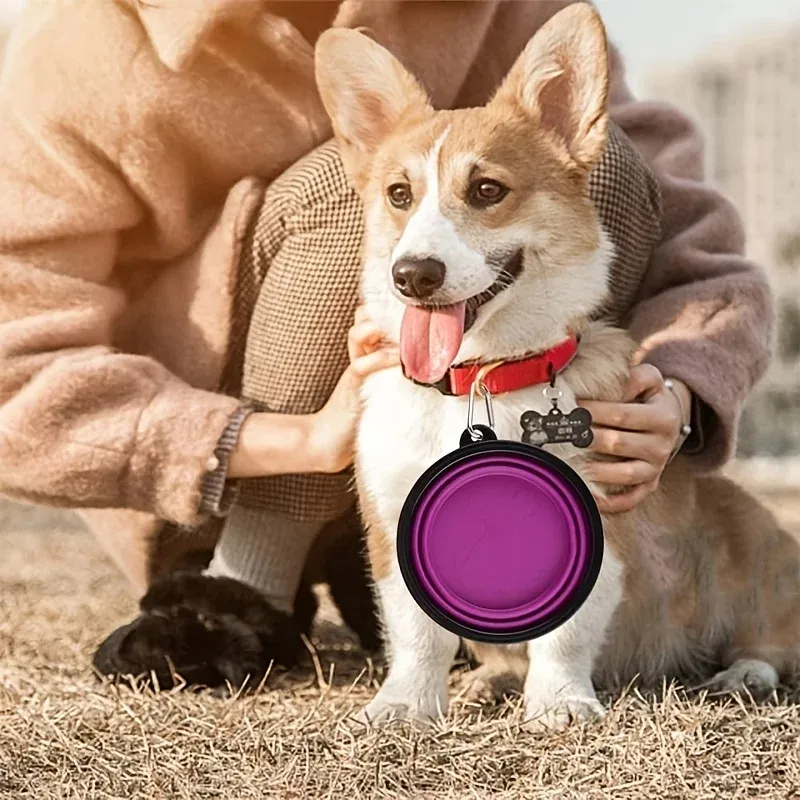
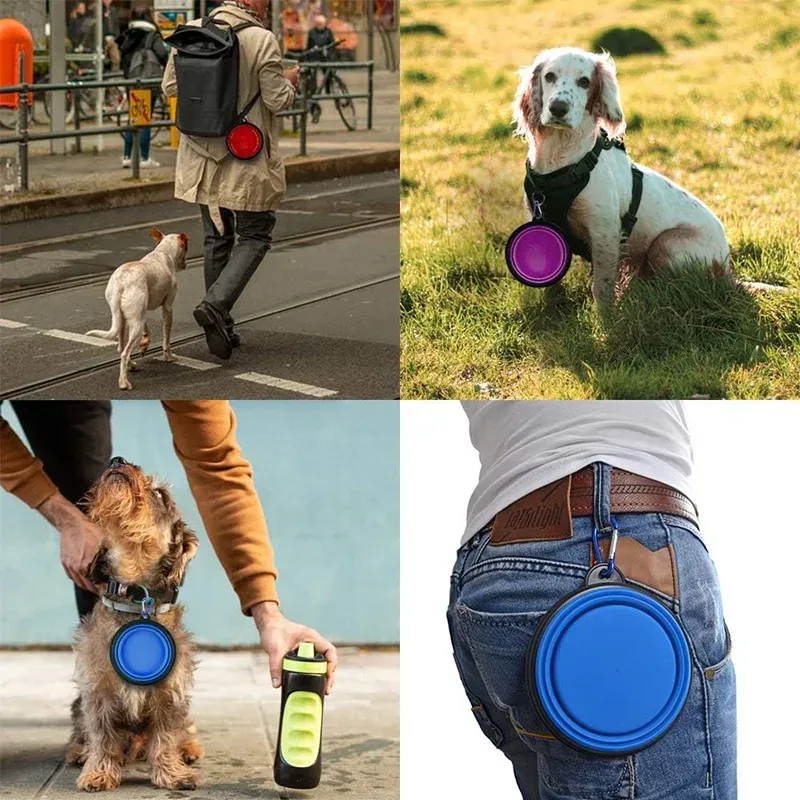
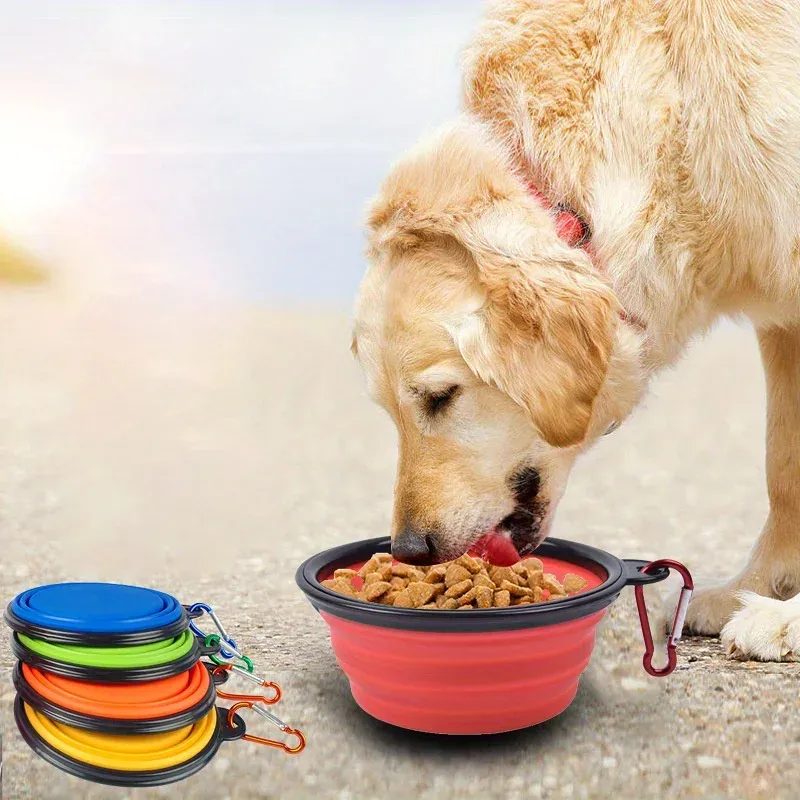
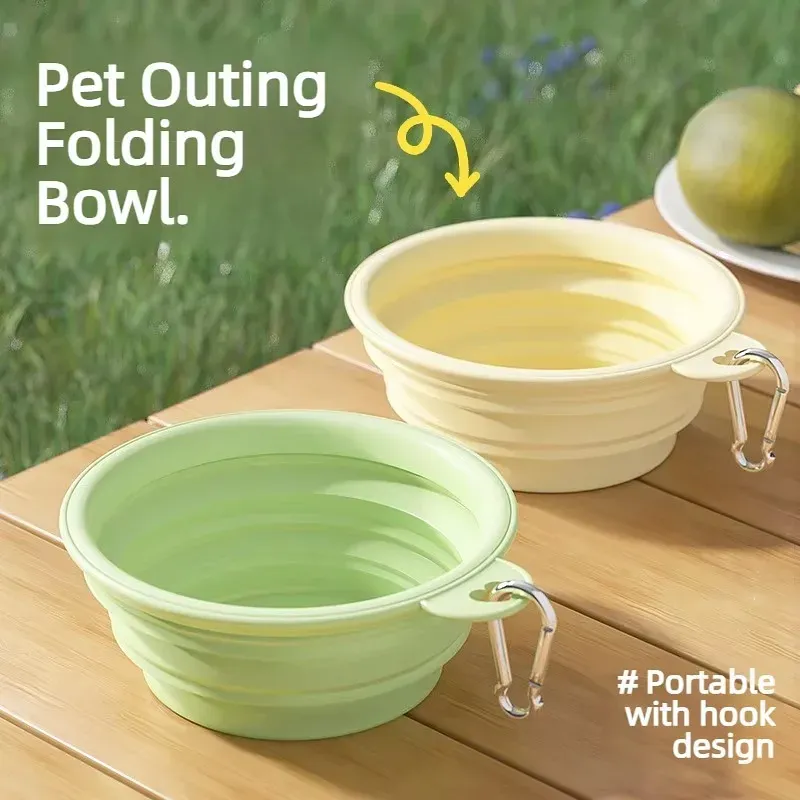
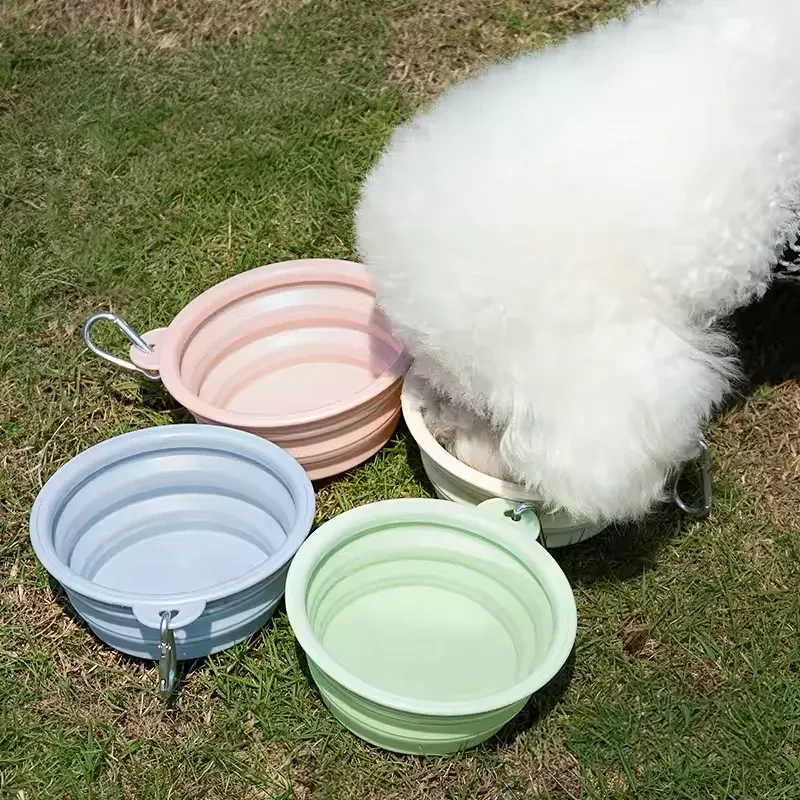
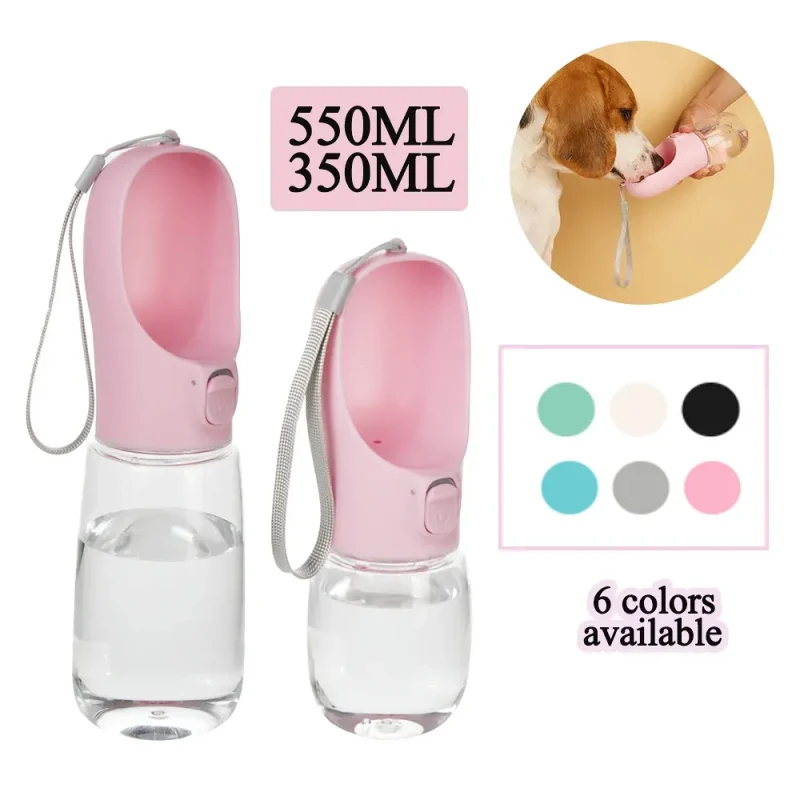
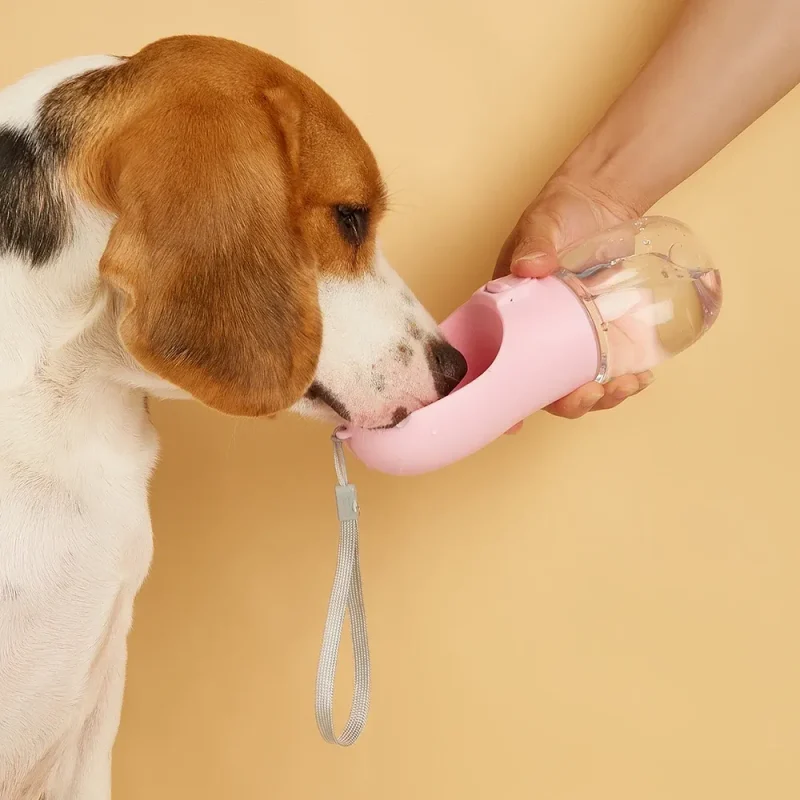
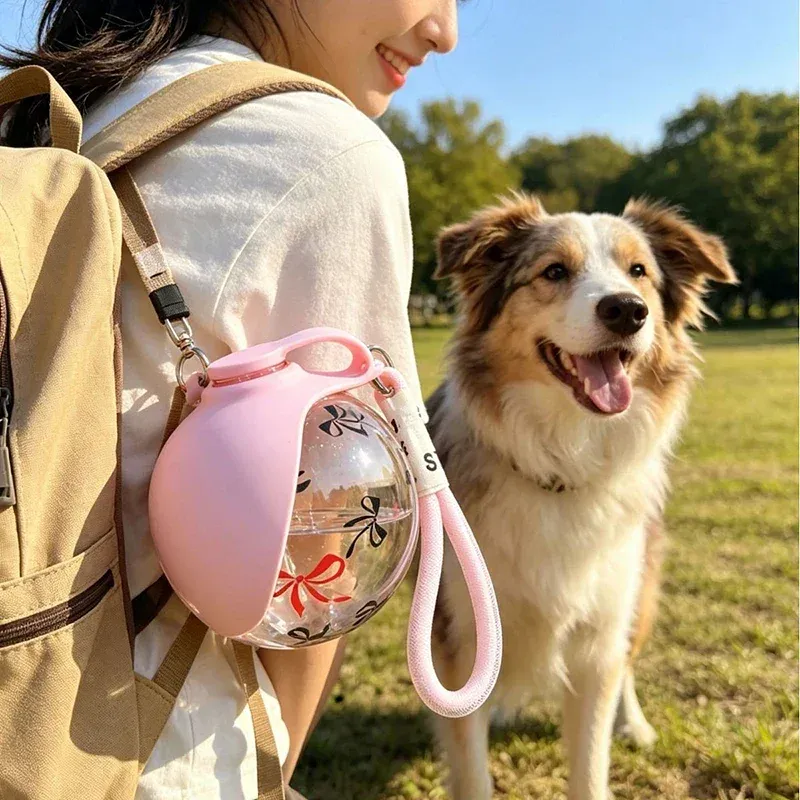
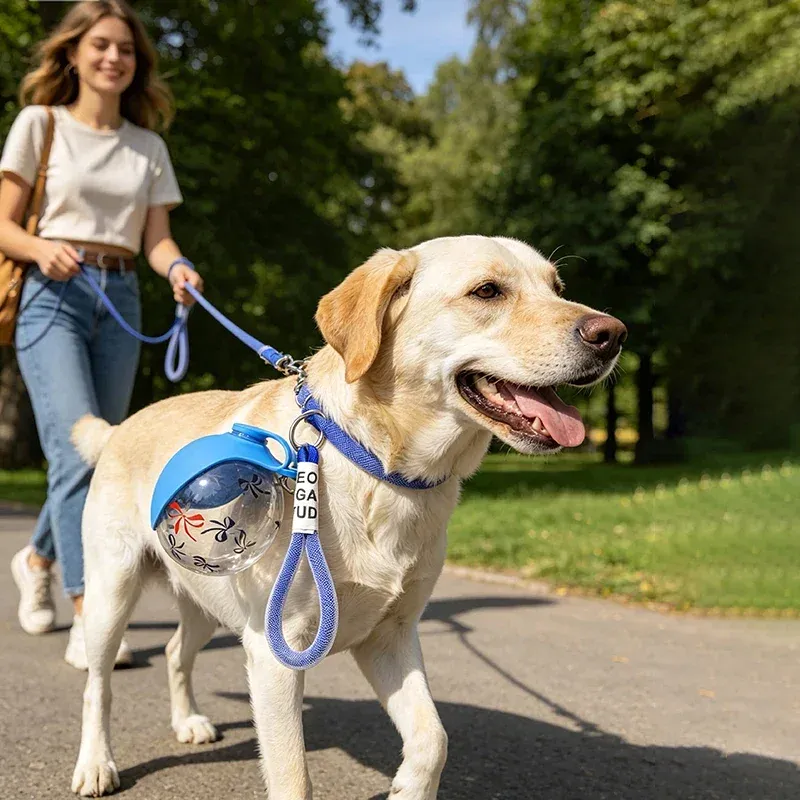
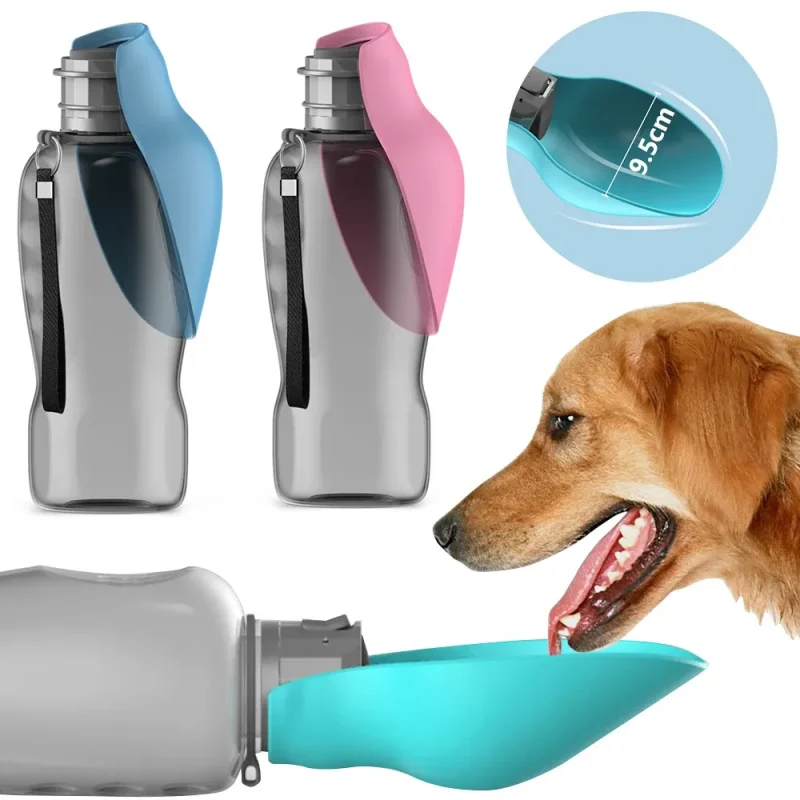
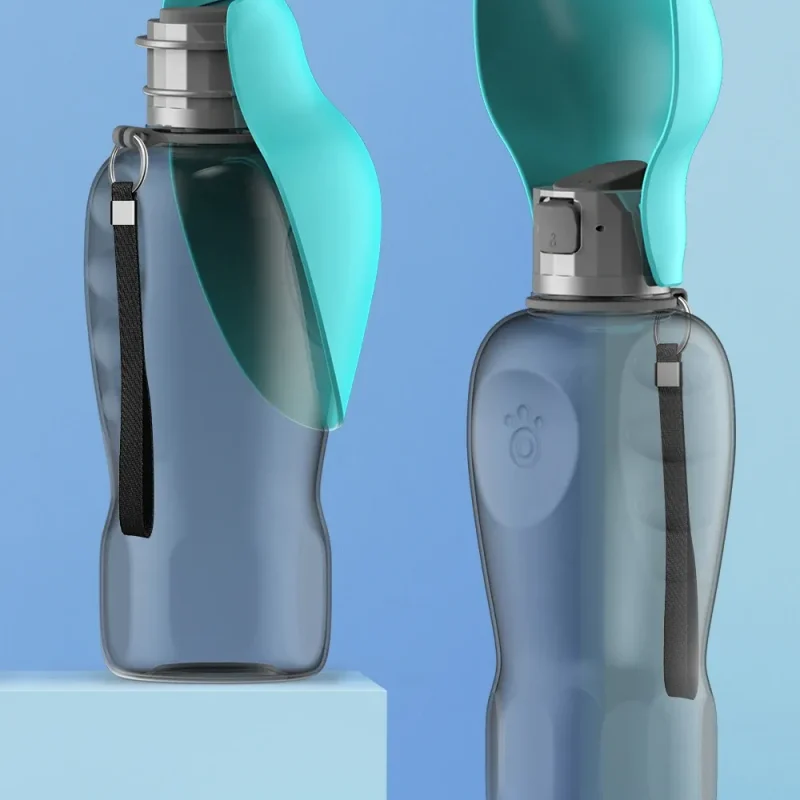
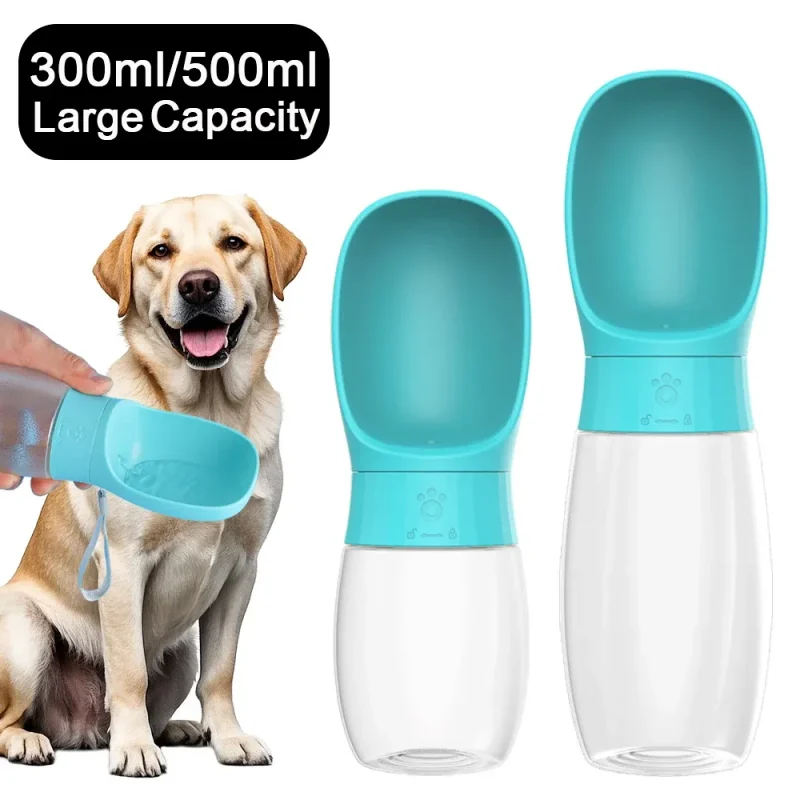
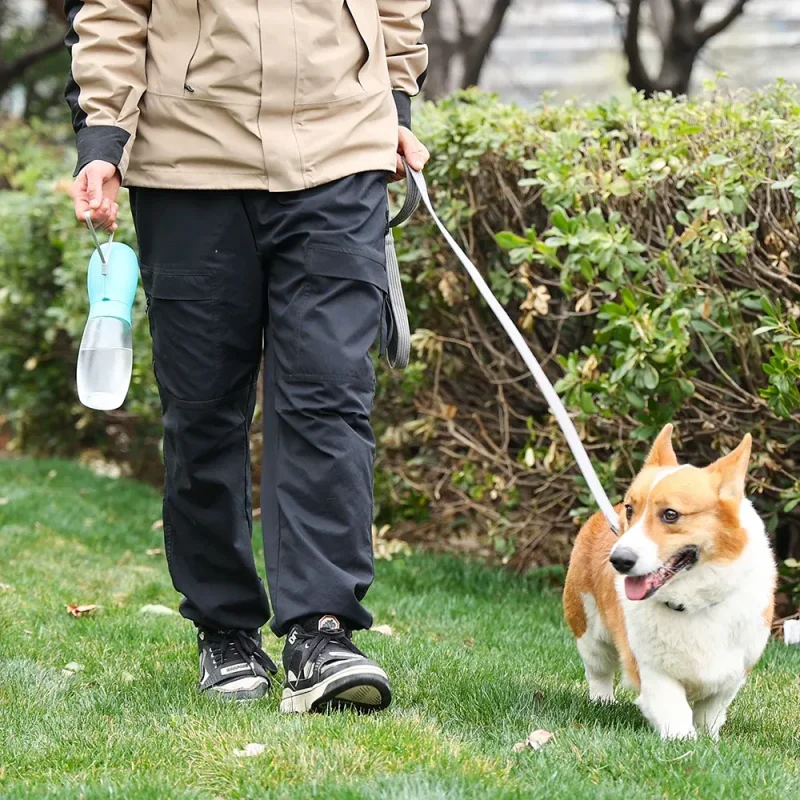
Your dog’s home bowls don’t need to travel. A collapsible dog bowl folds flat for walks and car trips, and a dog water bottle with a built-in trough gives a drink anywhere. For holidays, a lightweight double bowl or a set of folding bowls keeps the routine familiar in a new place, and a pre-portioned bag of their usual food avoids a sudden change of diet. Our travel bowls and water bottles are in our dog travel accessories section.
Common problems and fixes
- The bowl slides across the floor. Use a non-slip bowl or a silicone feeding mat underneath.
- Your dog eats too fast. Try a slow feeder bowl, a lick mat, or scatter the kibble on a clean mat.
- Long ears end up in the food. Use a deep, narrow spaniel-style bowl, or a snood from our dog clothes range at mealtimes.
- Water everywhere after drinking. Try a spill-proof bowl and a mat that catches drips.
- Food goes stale. Keep it in an airtight container, and use opened bags within the time on the packet.
Cleaning and care
- Wash food bowls after every meal and water bowls at least daily. A slimy film inside a water bowl is a sign it needs scrubbing.
- Stainless steel and glazed ceramic go in the dishwasher; check the product page for others.
- Wash slow feeders and lick mats with a brush to reach into the grooves.
- Clean food storage containers between bags, so old crumbs and oils don’t turn rancid.
- Replace chipped ceramic and scratched plastic bowls.
Questions owners ask
Which dog bowl material is best?
Stainless steel is the easiest to keep clean and doesn’t break. Heavy glazed ceramic is a good choice if your dog pushes bowls around.
Are raised dog bowls good for my dog?
They can be more comfortable for tall or older dogs. For large, deep-chested breeds prone to bloat, ask your vet first.
Do slow feeder bowls work?
They slow down dogs that gulp their food by making them work around ridges for each mouthful. Choose a pattern your dog can reach into comfortably.
How often should I wash my dog’s bowls?
Wash food bowls after every meal and water bowls at least once a day, with hot soapy water or in the dishwasher if the material allows.
Why buy your dog’s feeding gear from TAILOVO
We sell gear for dogs only, and every bowl and feeding accessory we list has to pass the same checks: it suits the dog’s muzzle, it stays put on the floor, and it cleans easily day after day. Each product page gives capacity in millilitres with fluid ounces in brackets and sizes in centimetres with inches in brackets, so you can match it to your dog before you order. Orders over $79 ship free with tracking. Not sure which bowl suits your breed? Email [email protected] and a real person will help.
Match the bowl to your dog’s face and appetite, and find it at TAILOVO.