New
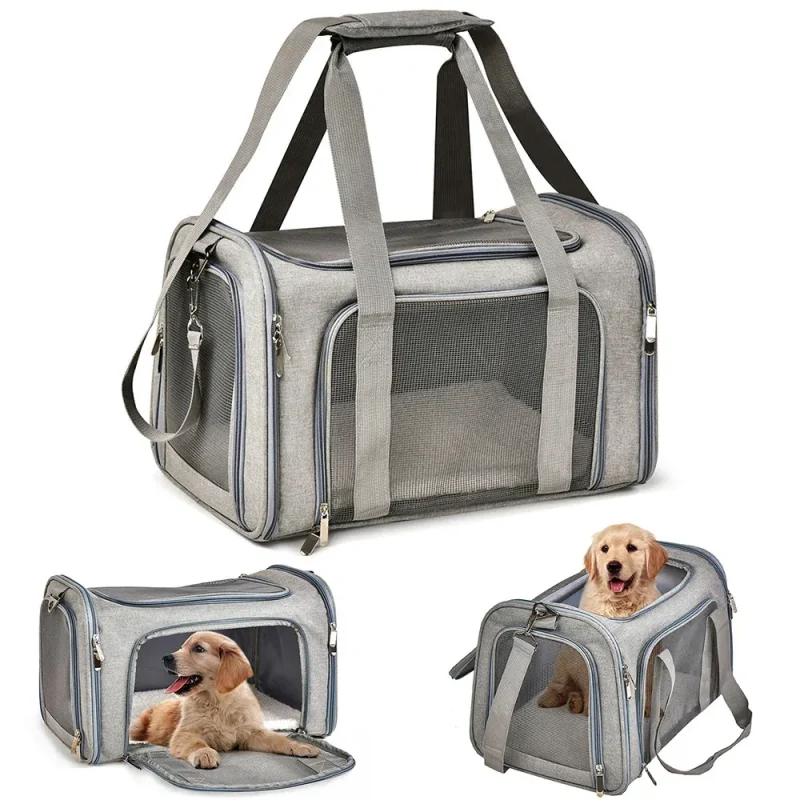
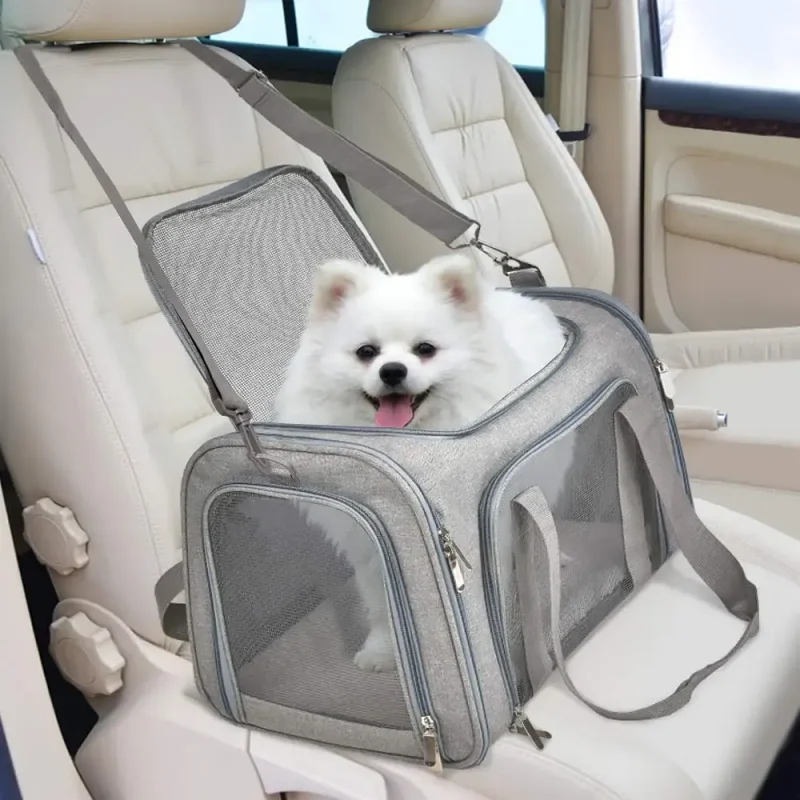
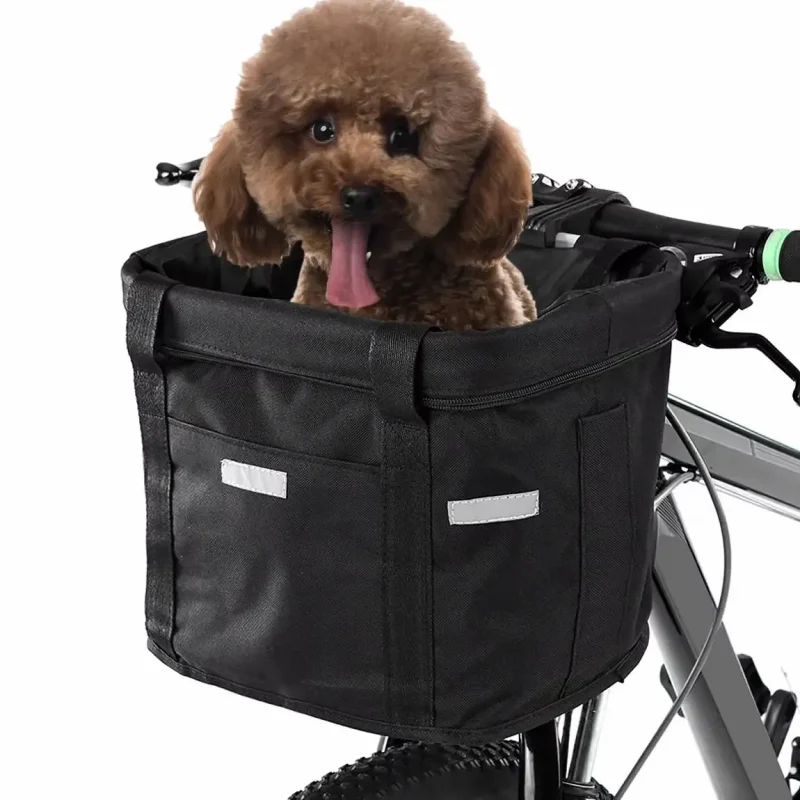
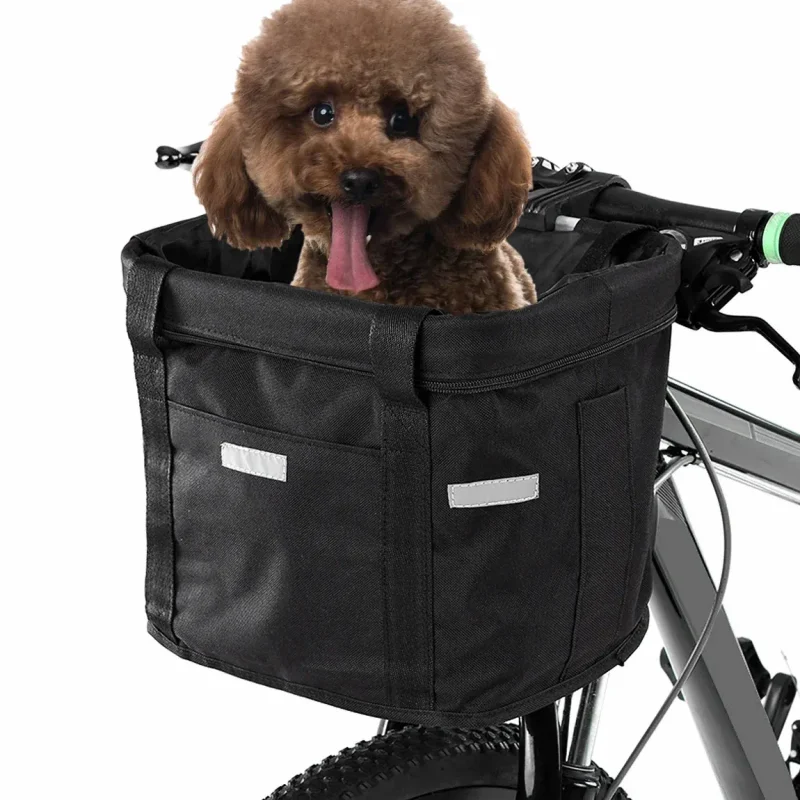
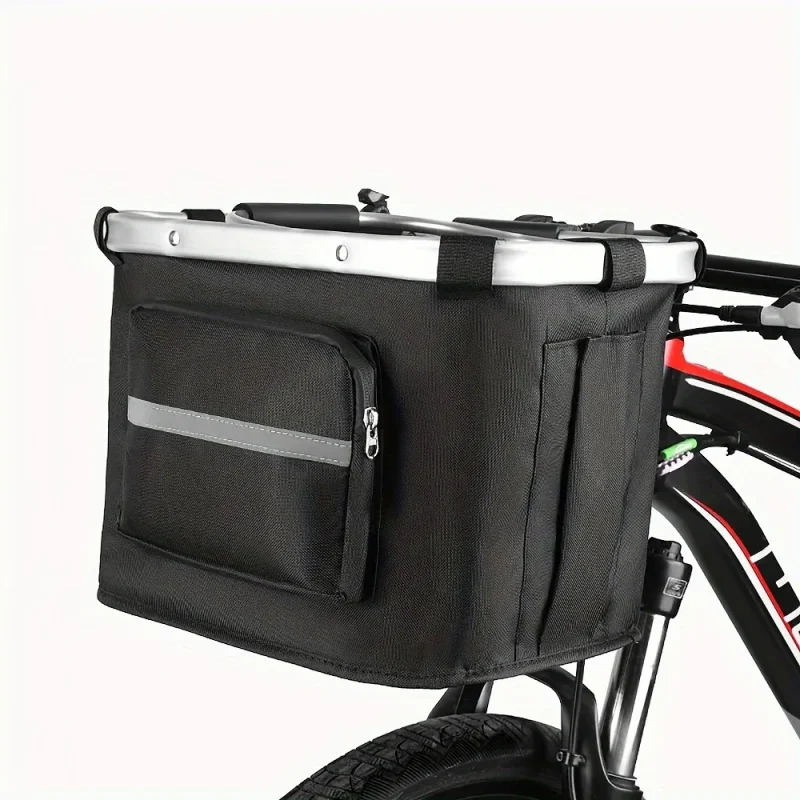
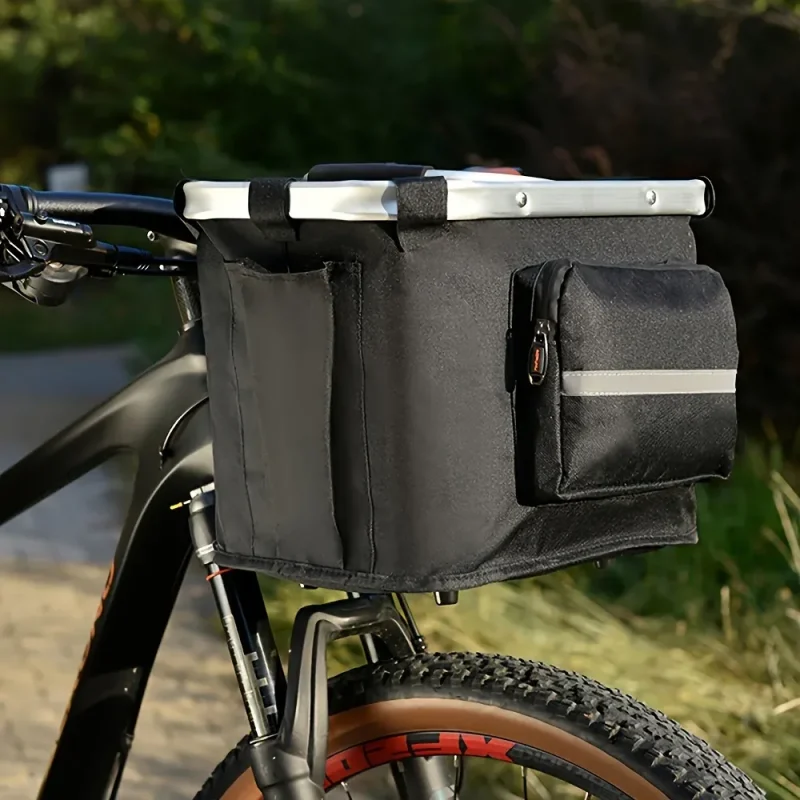
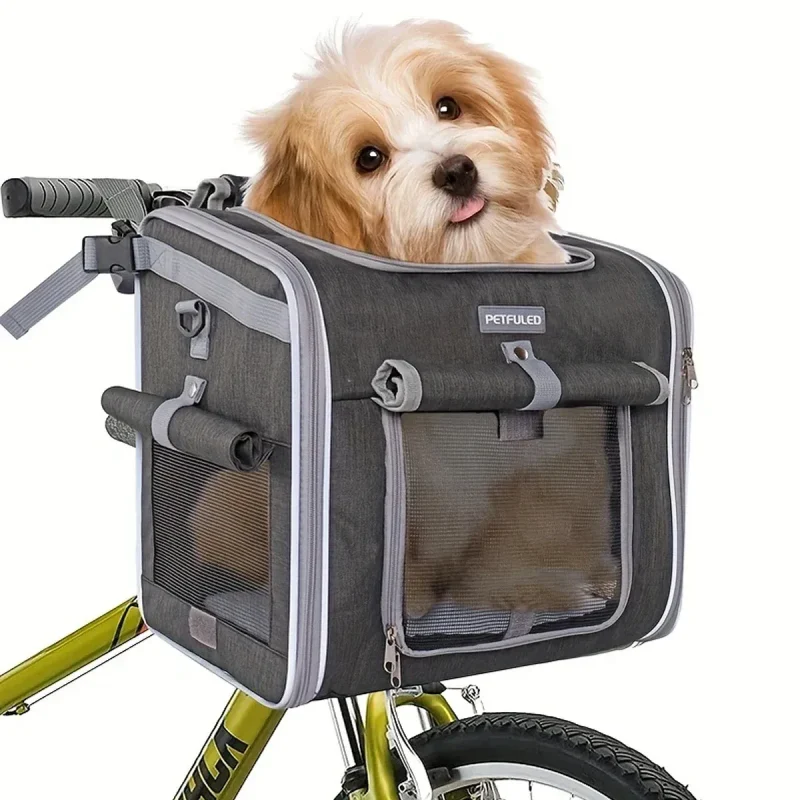
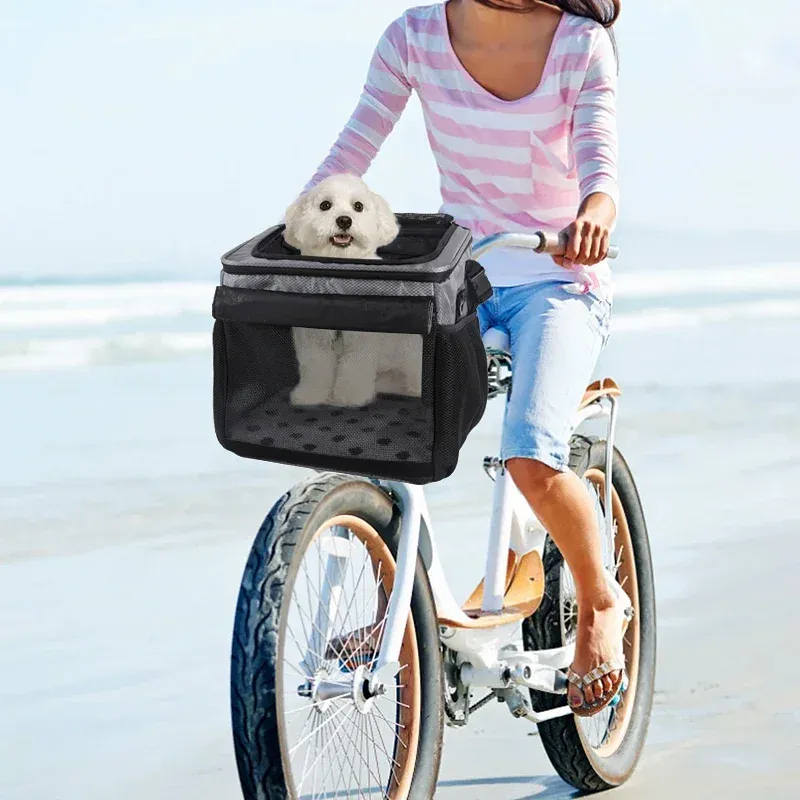
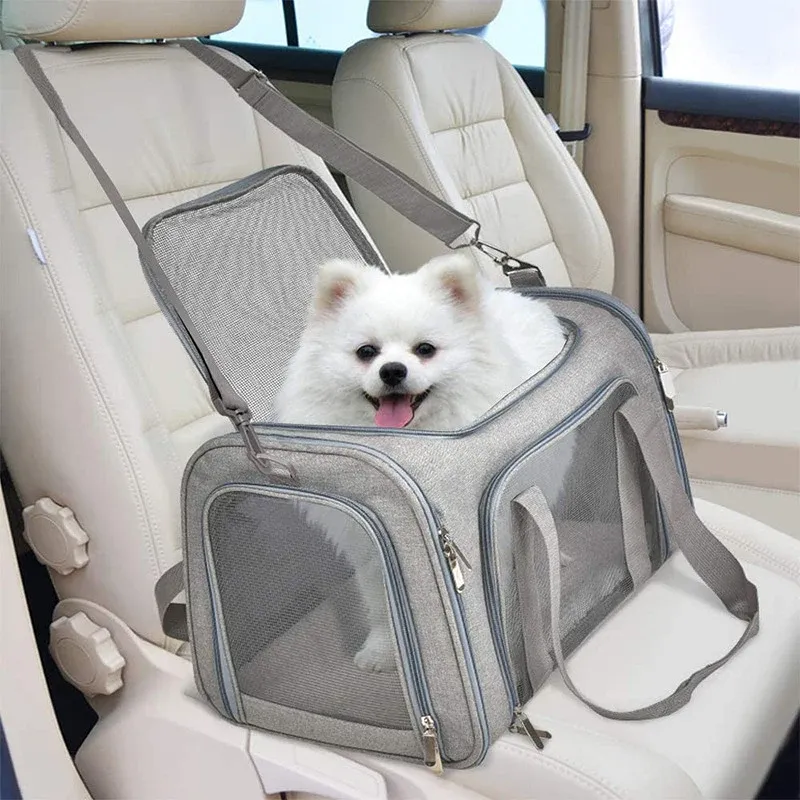
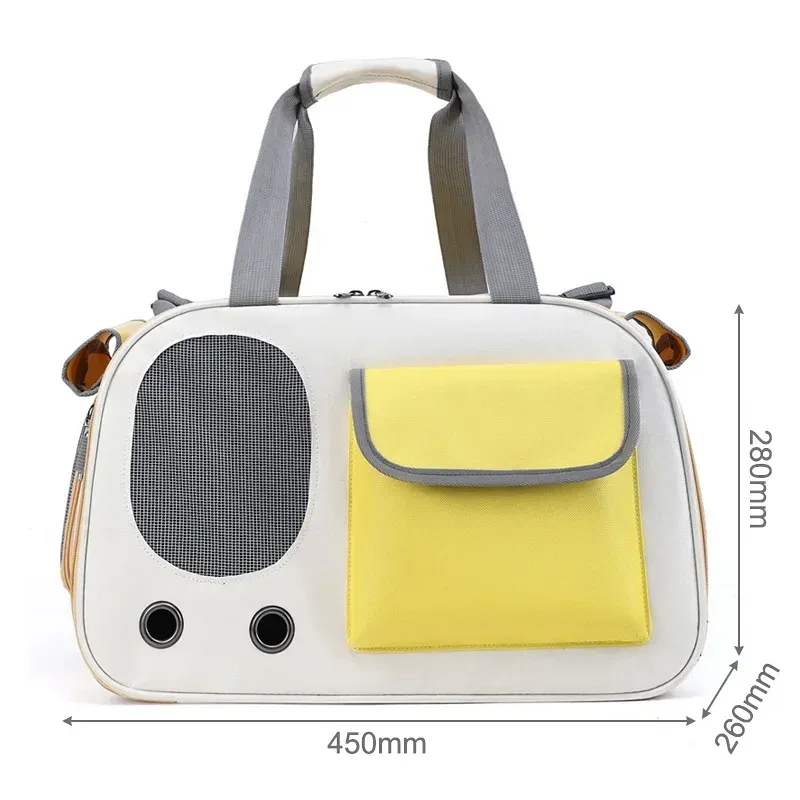
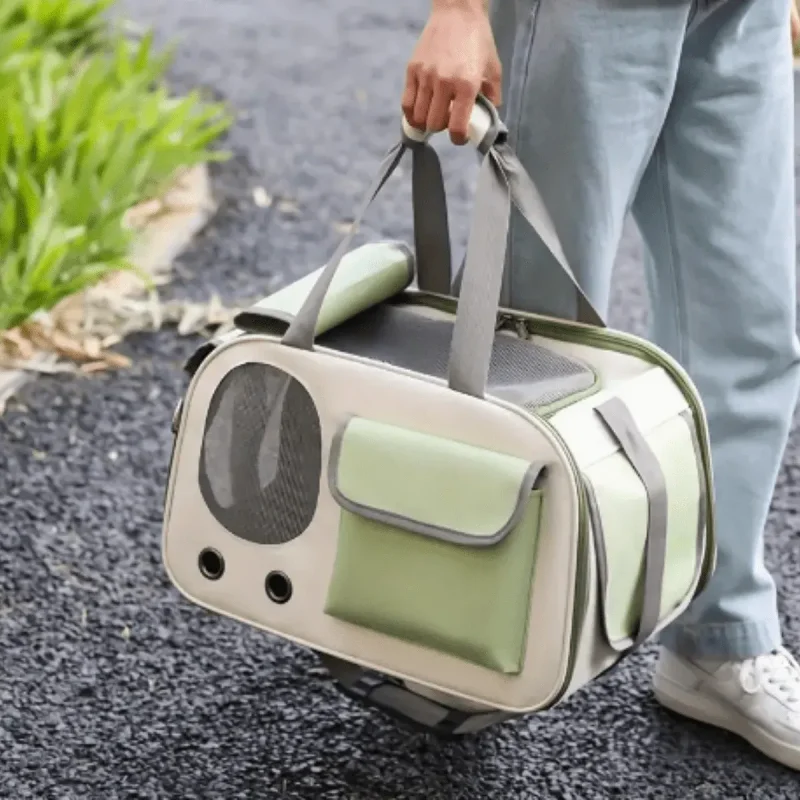
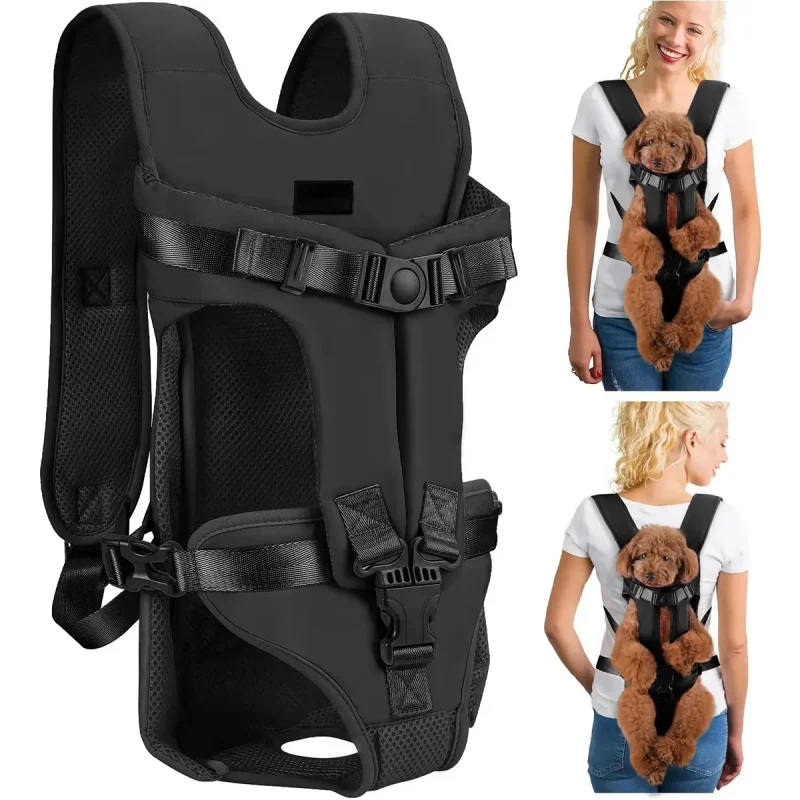
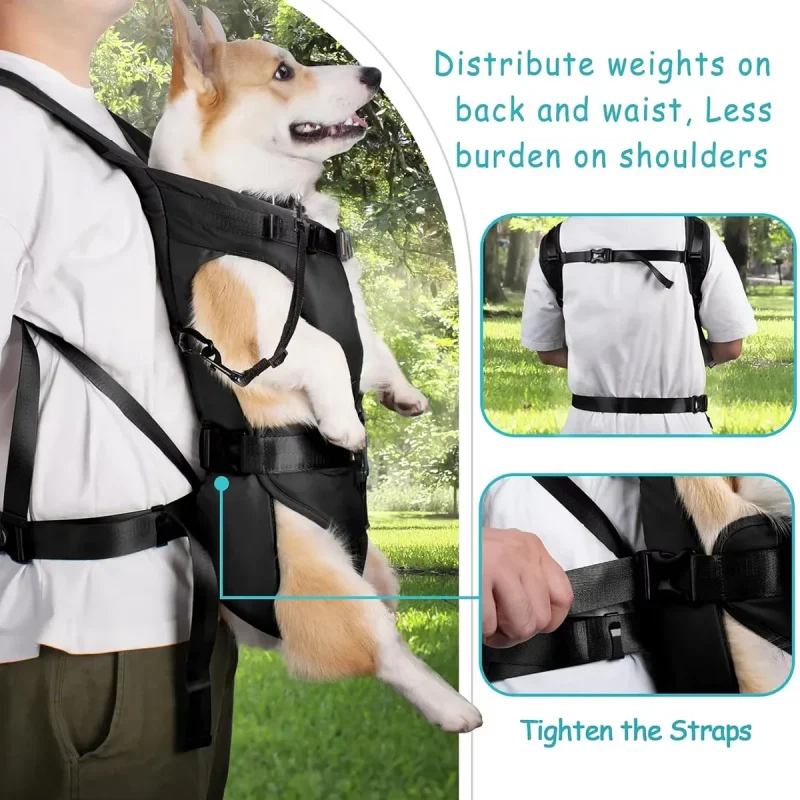
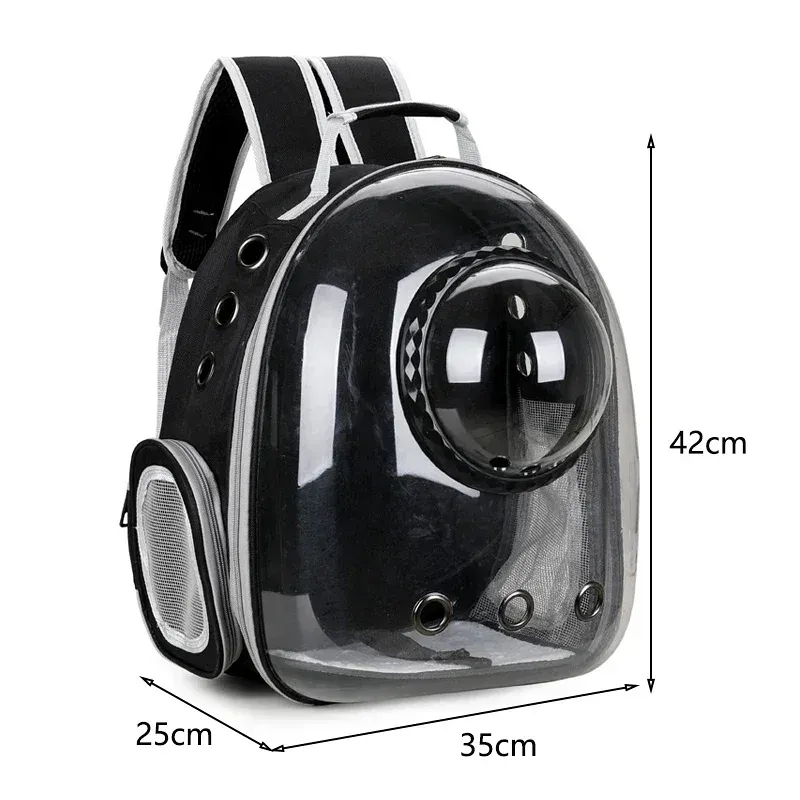
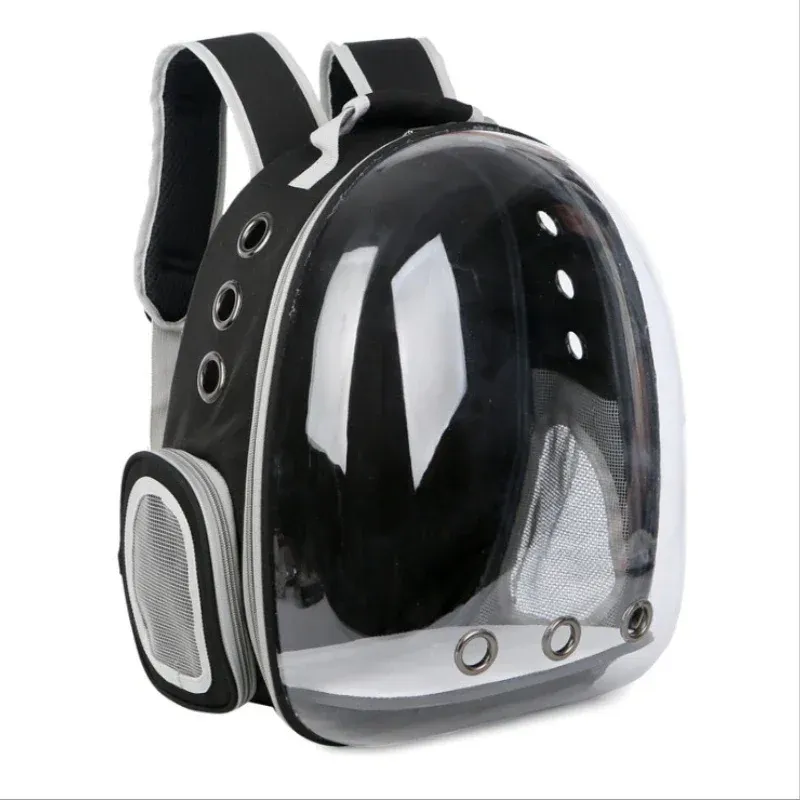
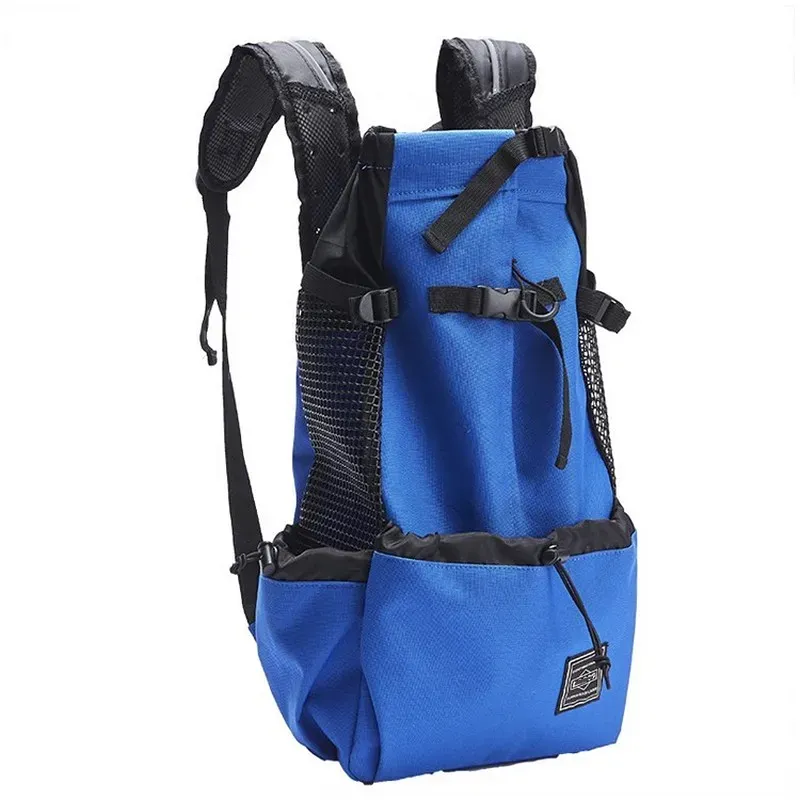
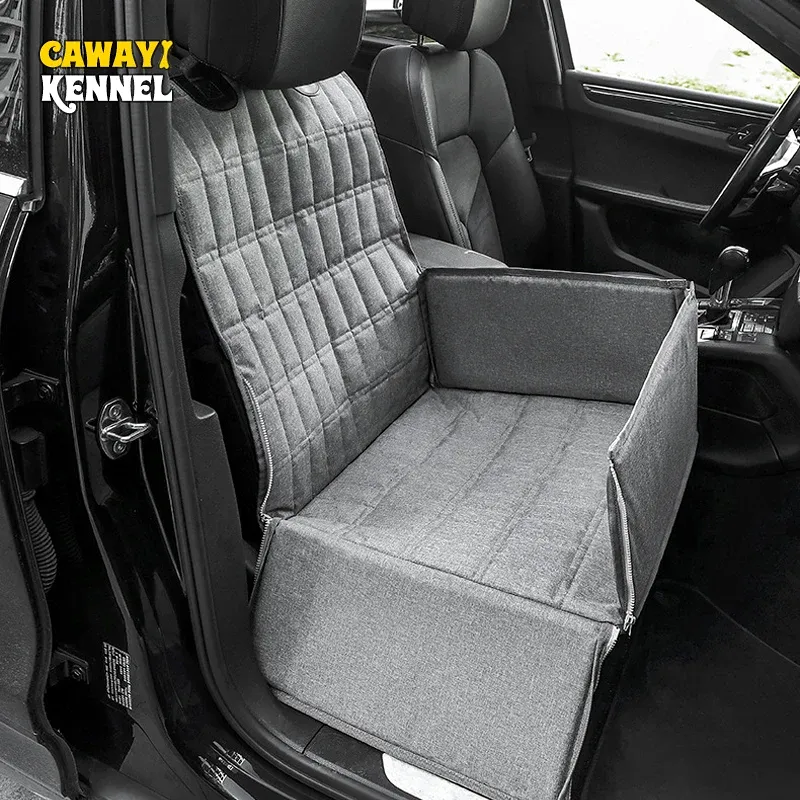
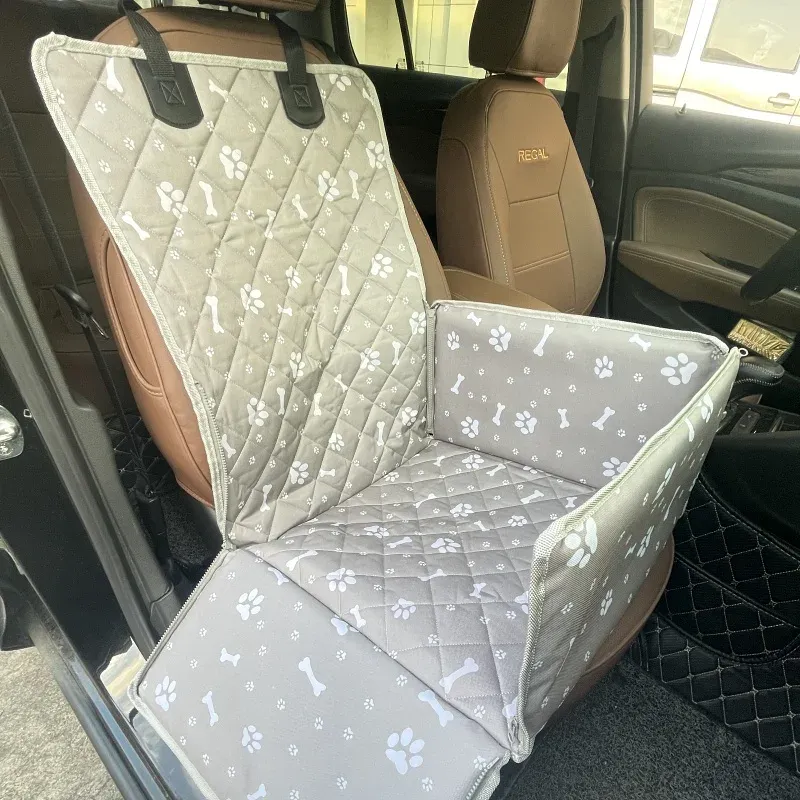
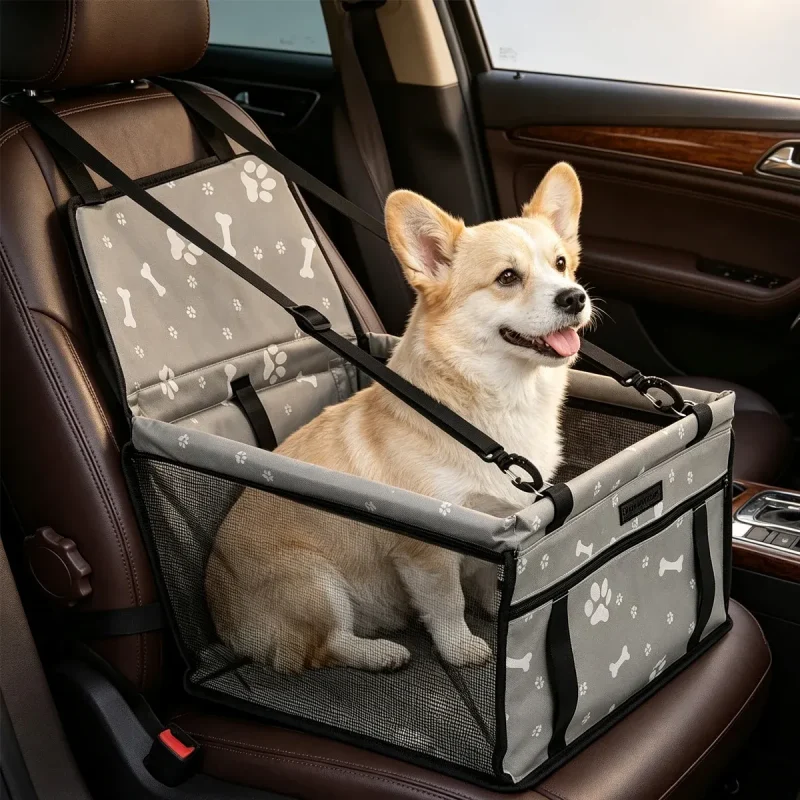
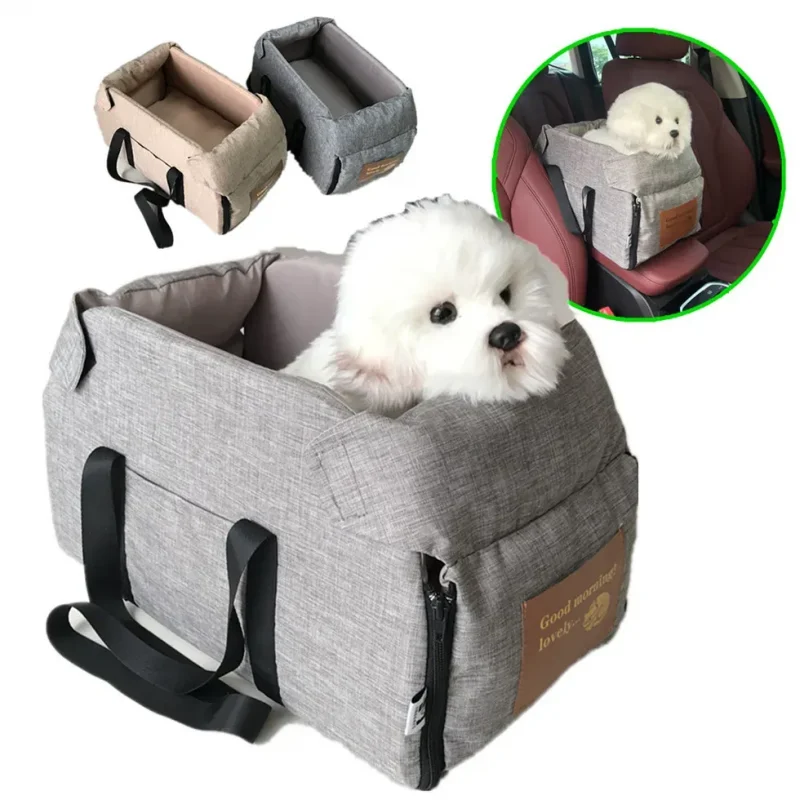
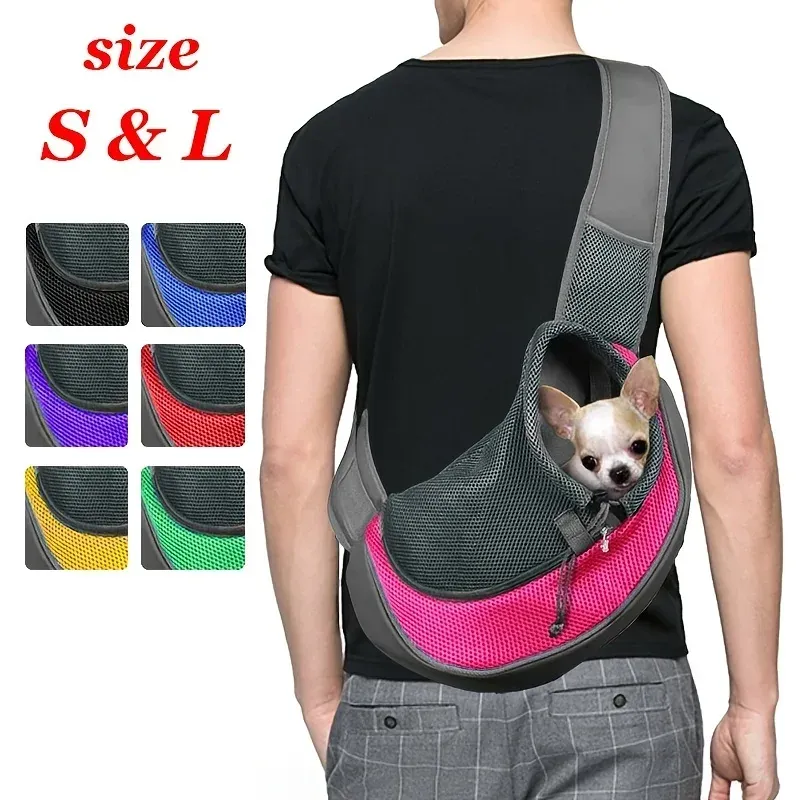
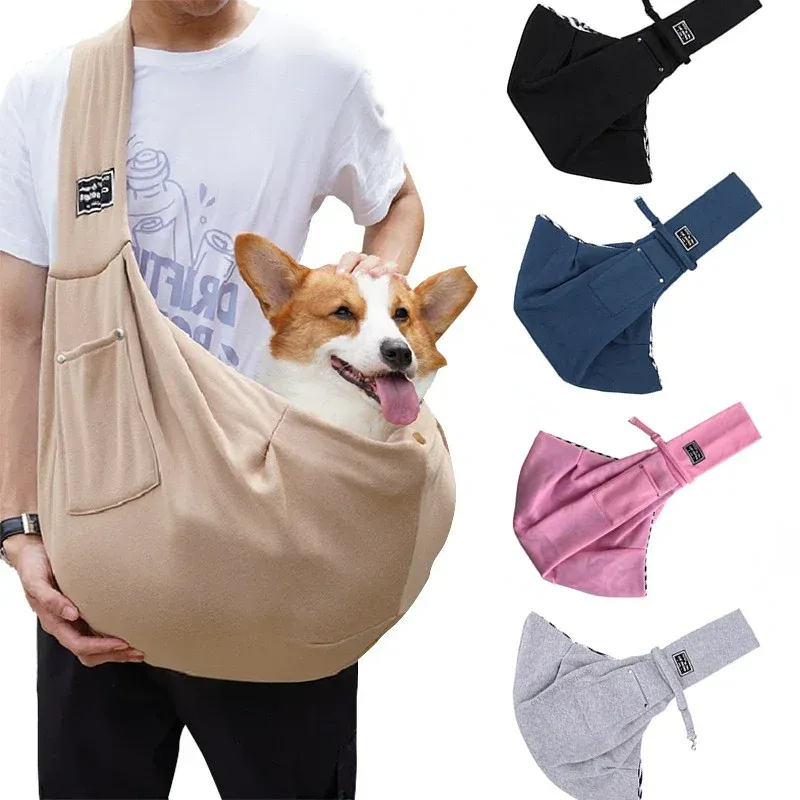
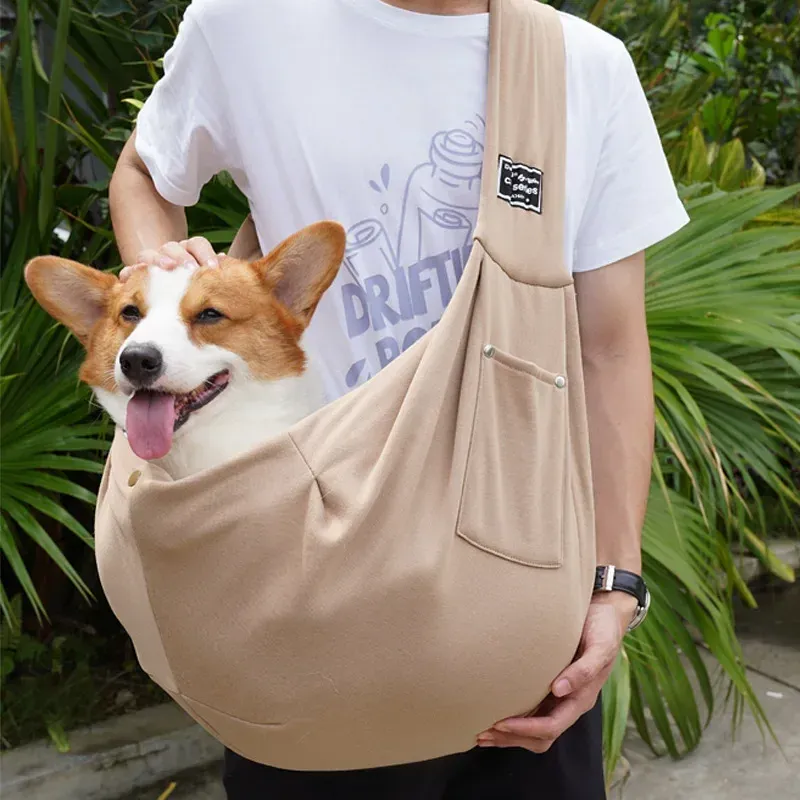
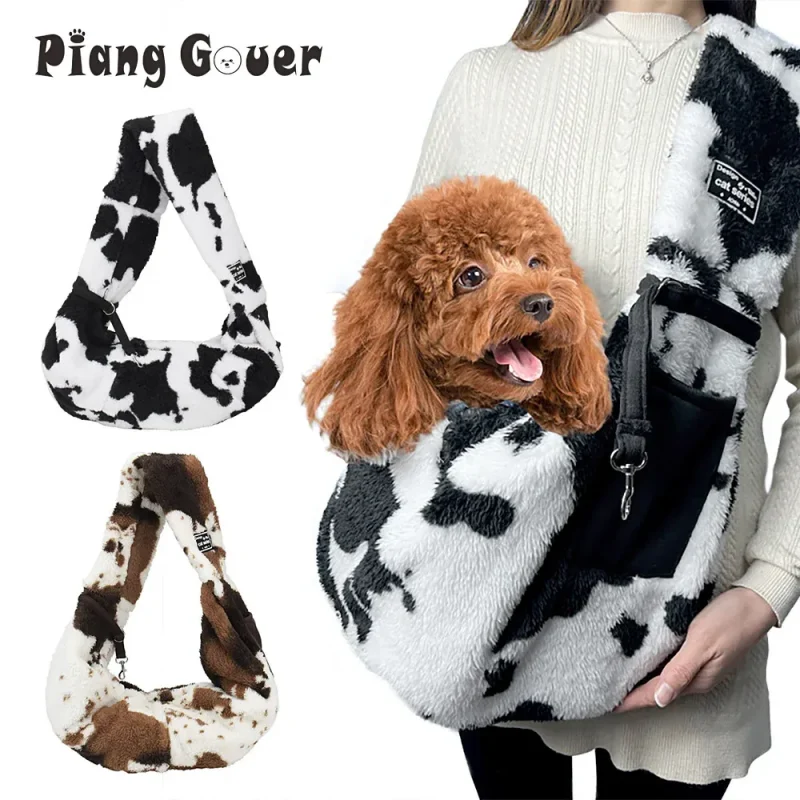
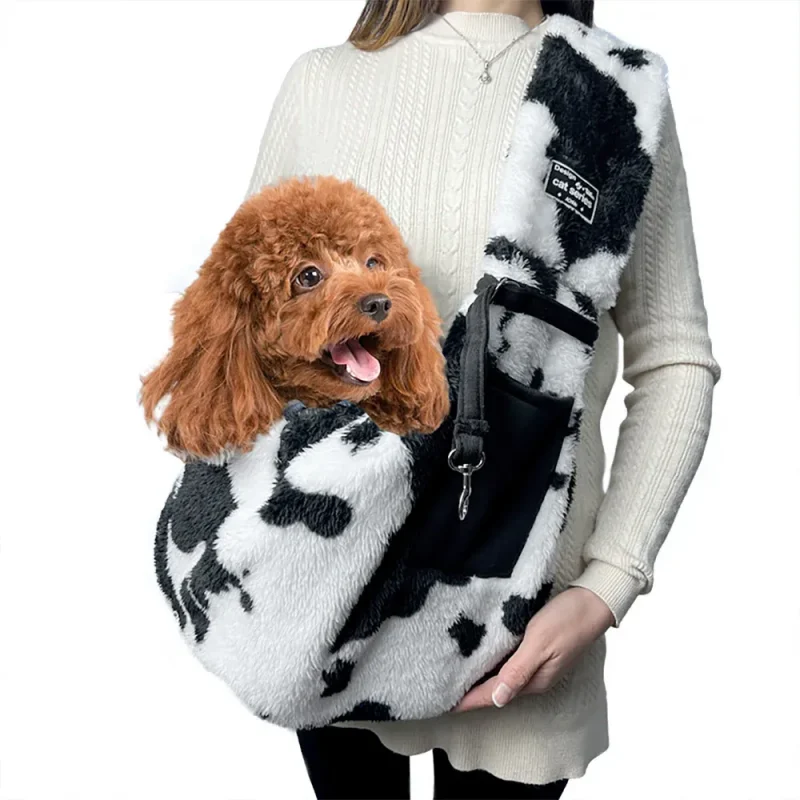
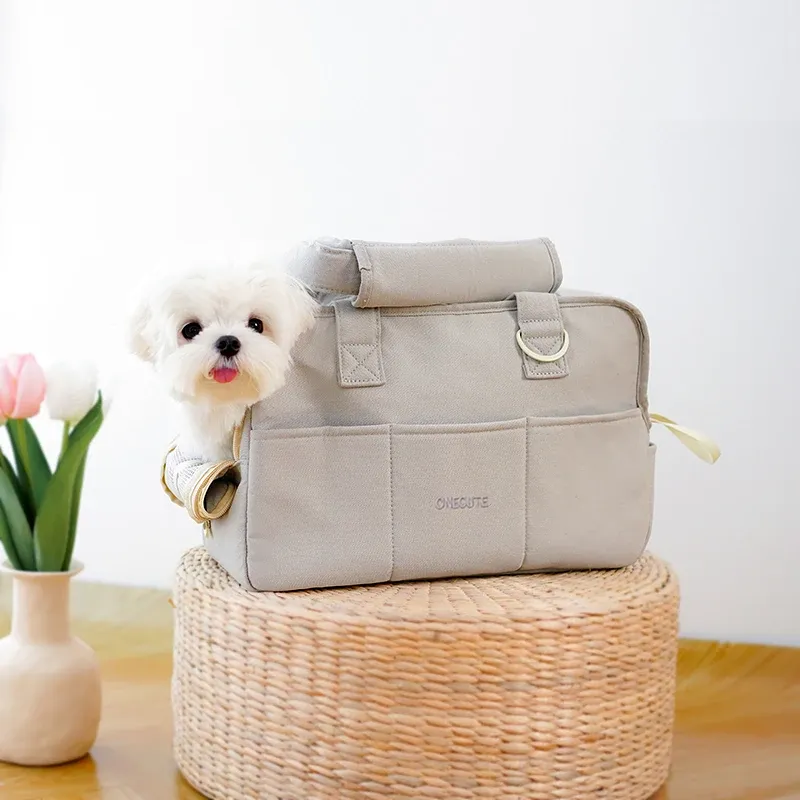
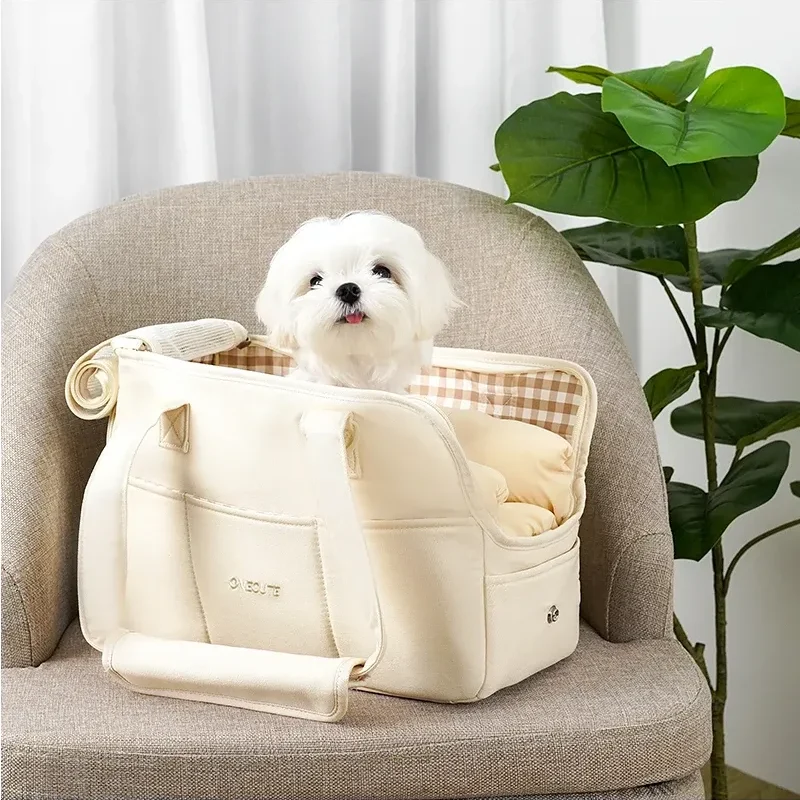
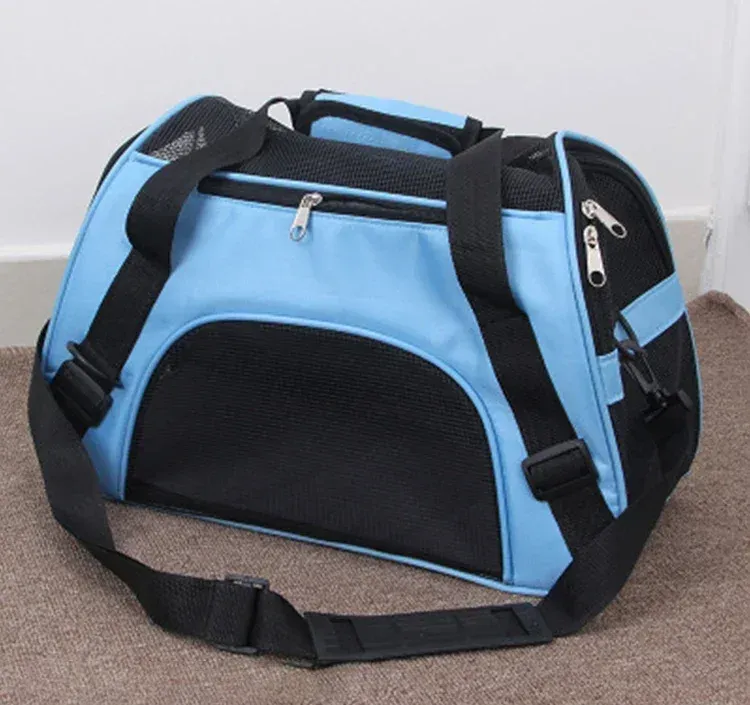
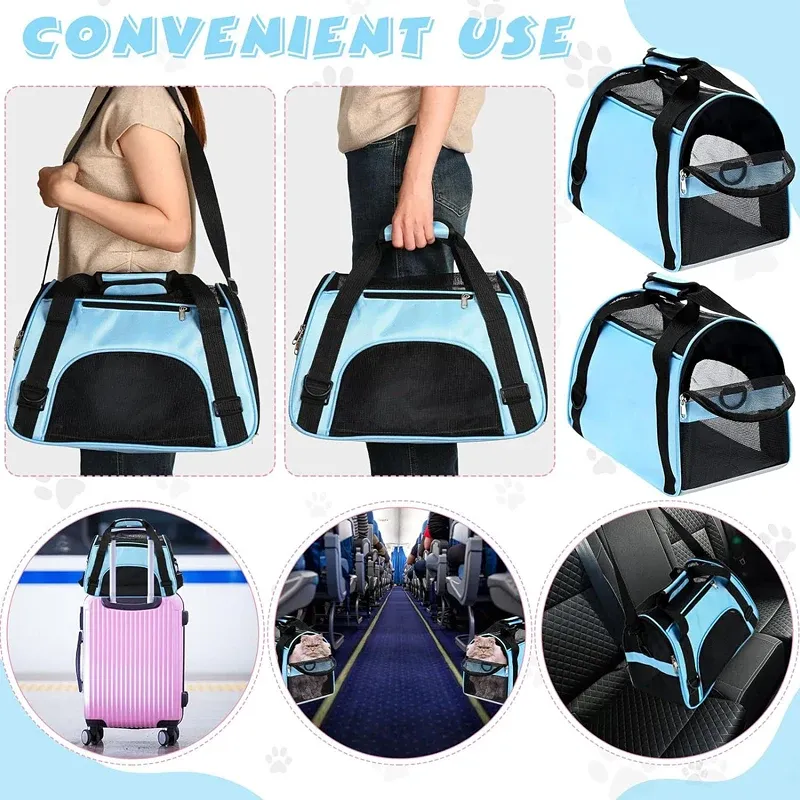
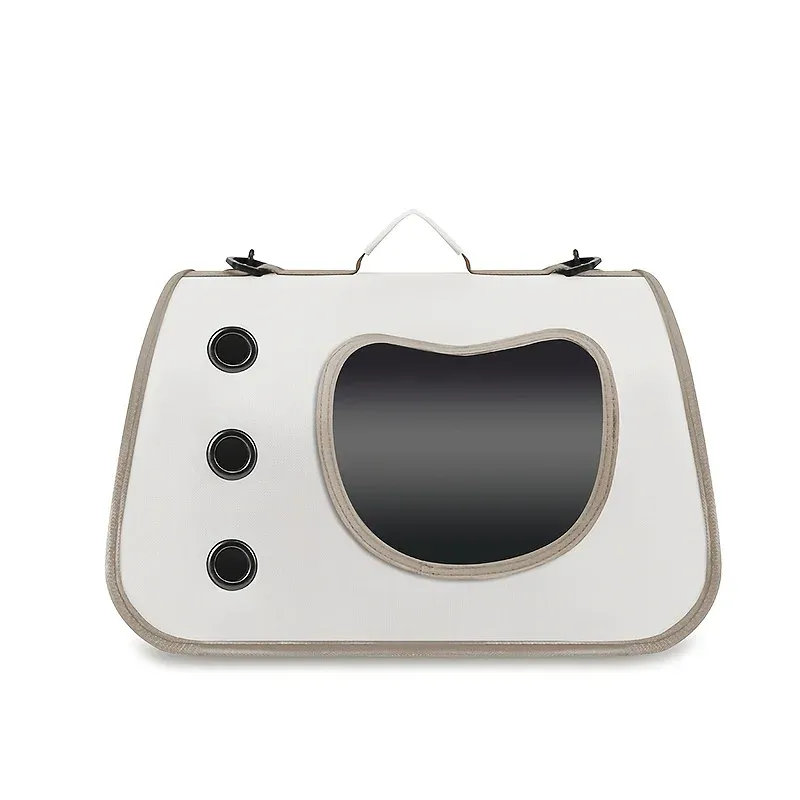
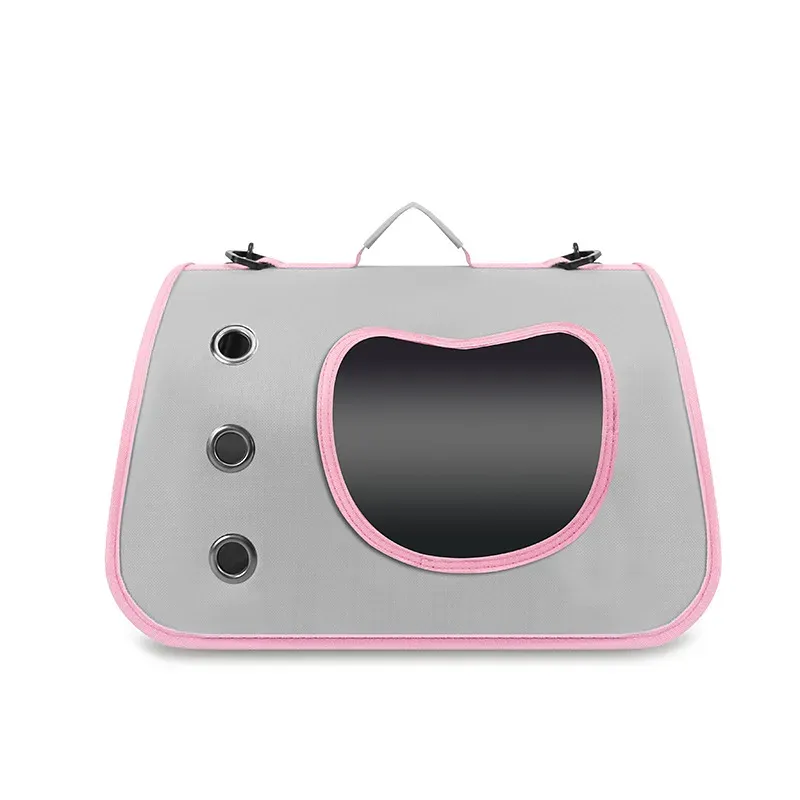
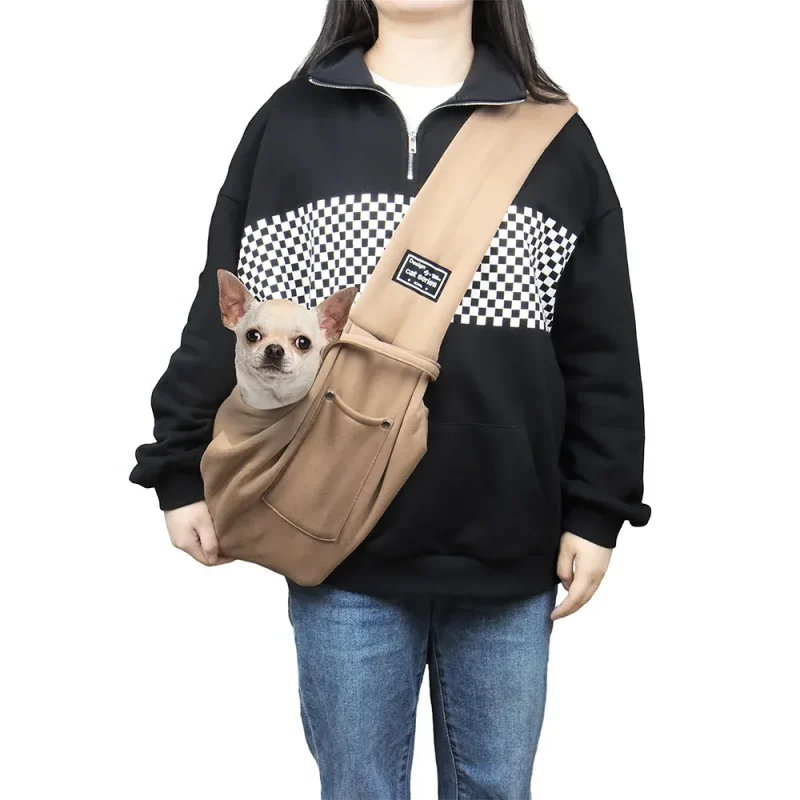
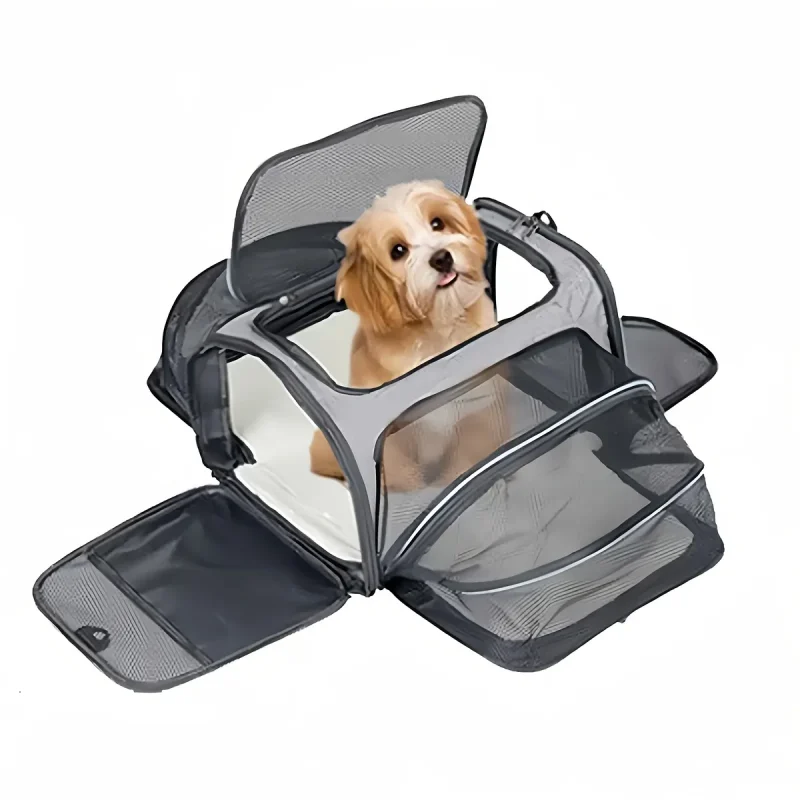
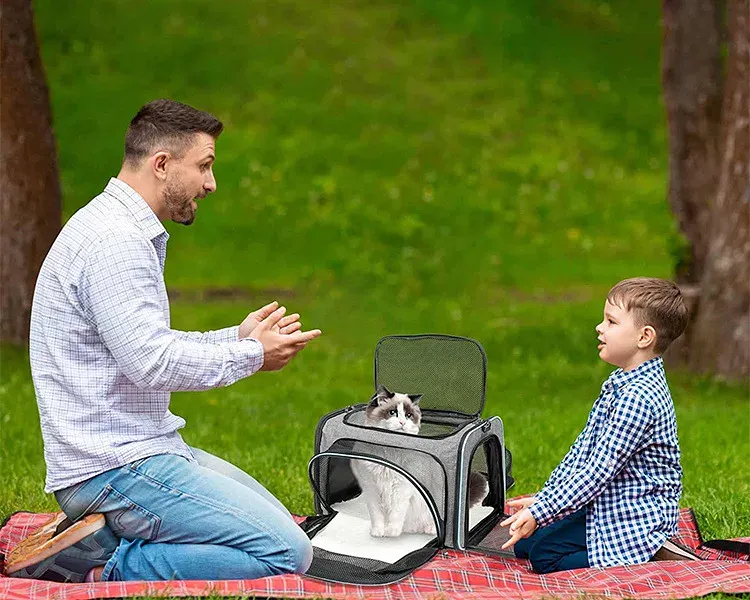
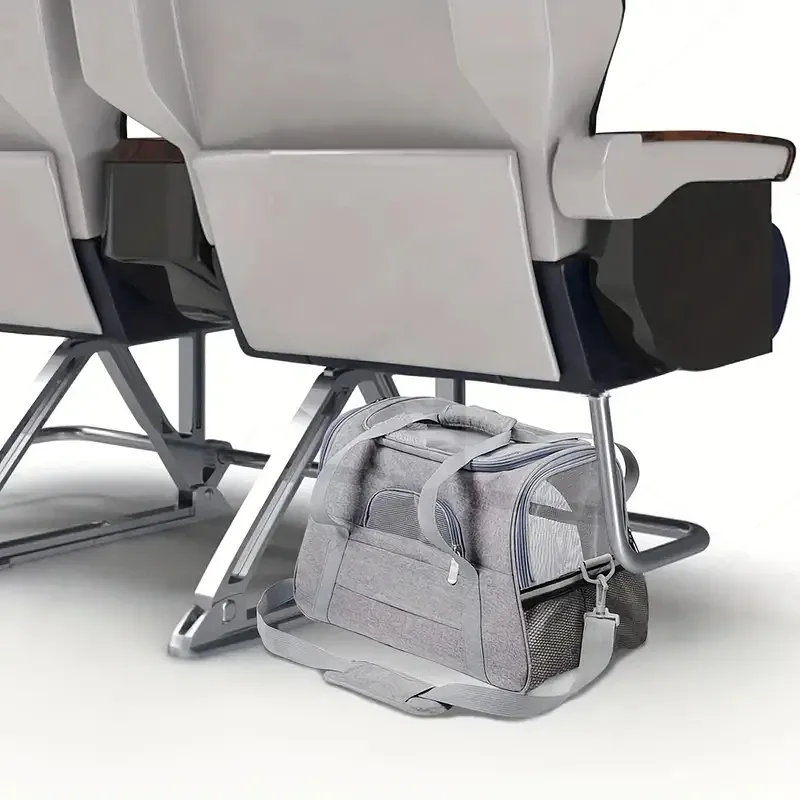
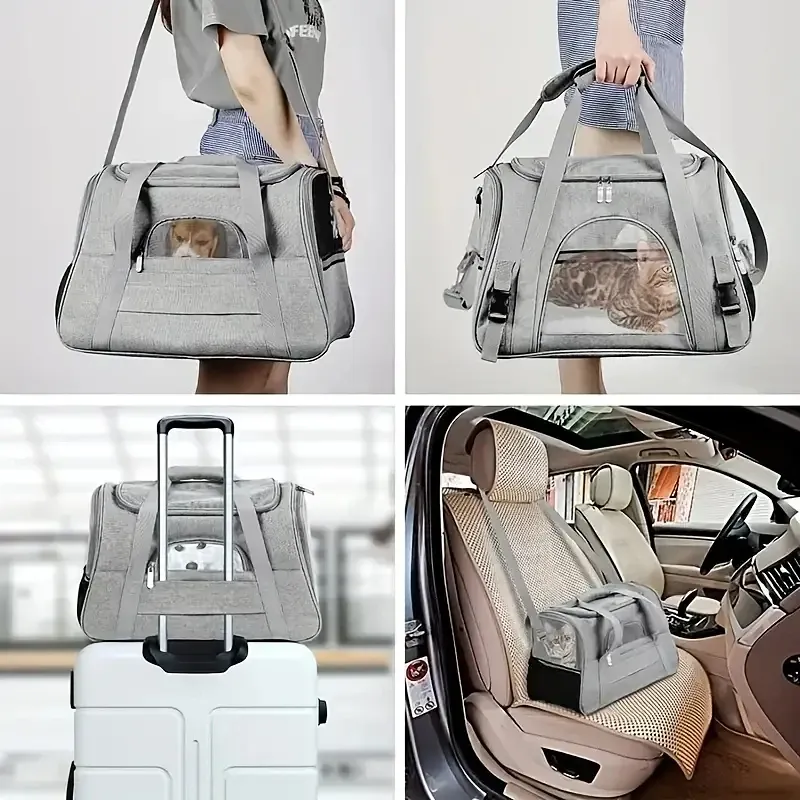
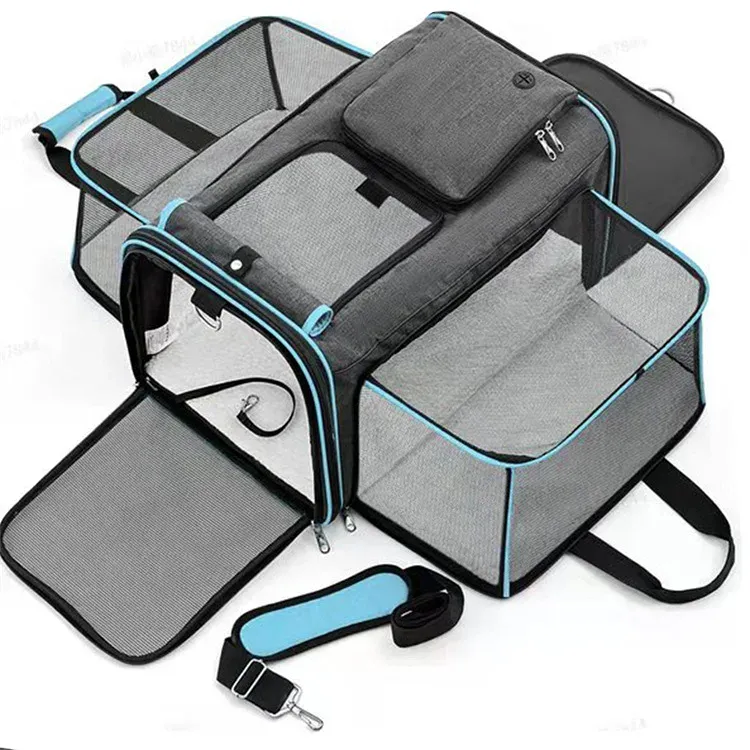
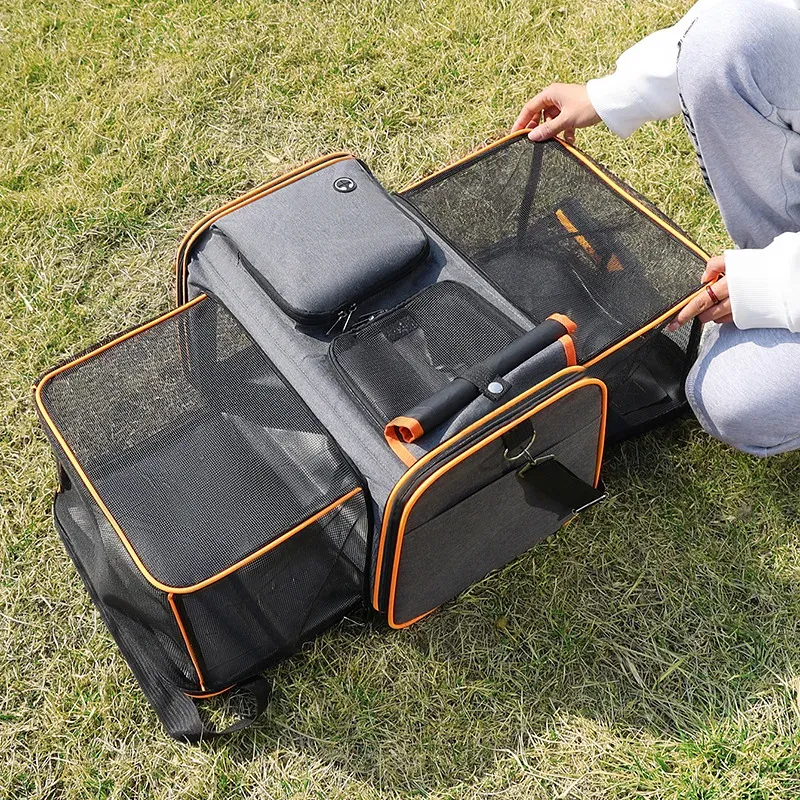
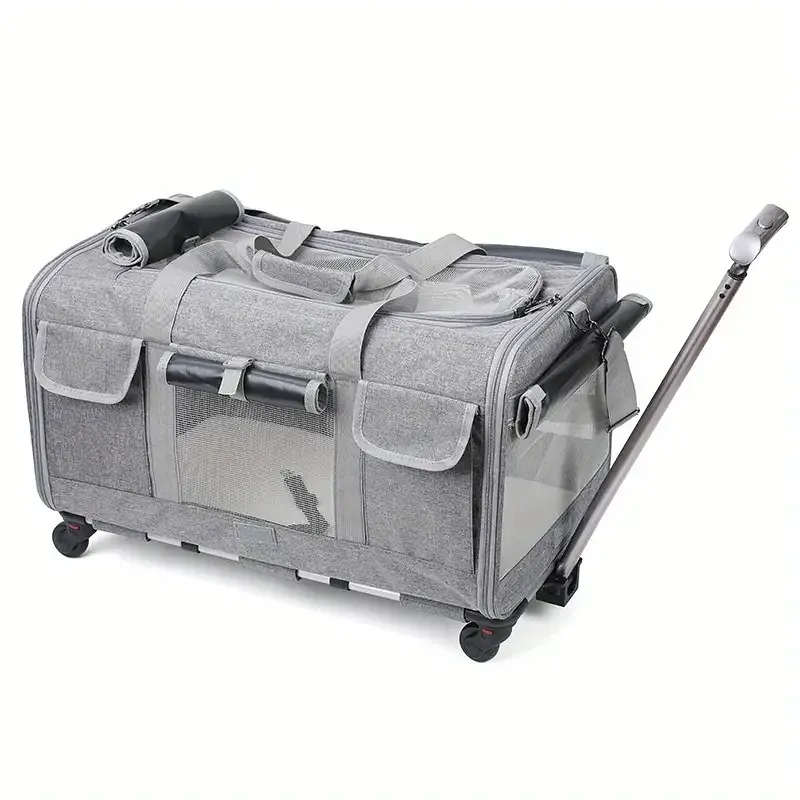
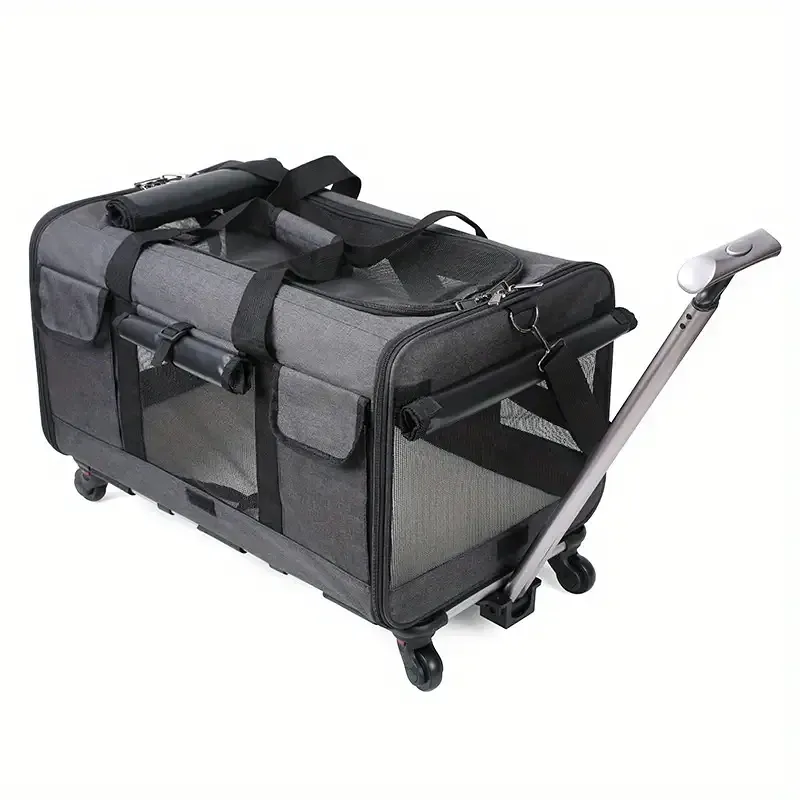
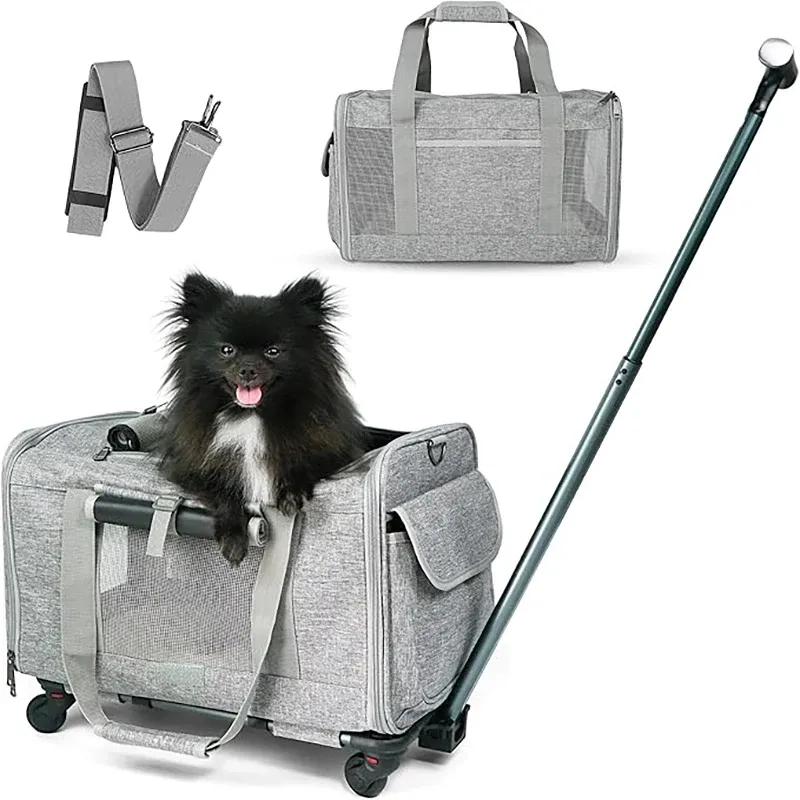
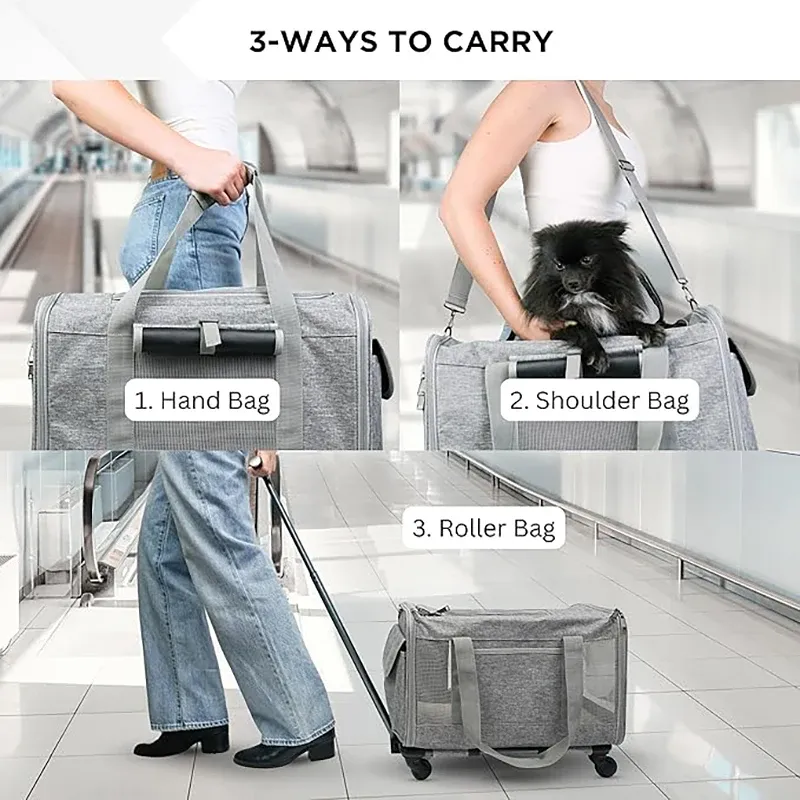
Cabin-Size Soft-Sided Dog Carrier with Mesh Windows
By
4.8139
$60.99$67.99
New Customers Only: Extra 10% OFF with code WELCOME10
Home / Shop / Memory Foam Orthopedic Dog Beds



Nothing matches the current filters. Widen the price range or clear a filter to see the shop again.
A dog with stiff hips gets up slowly, circles twice, and lowers themselves onto the bed with a small sigh. If the bed is a thin cushion, their elbows and hips end up pressed against the floor beneath it. An orthopaedic dog bed is built to stop that: a thick, dense foam base that spreads the dog’s weight and keeps joints off the hard floor. This guide explains what makes a bed genuinely orthopaedic, how memory foam differs from support foam and egg-crate foam, how thick the foam should be for your dog’s weight, which shapes suit which sleepers, and how to keep the foam clean and dry. We’re adding memory foam beds to this section as they pass our checks for foam depth, cover quality and honest sizing. For other shapes and styles, see all our dog beds, or browse the whole pet supplies shop.
“Orthopaedic” isn’t a regulated term for dog beds, so the word alone tells you little. What matters is what’s inside.
A quick test: press your fist into the centre of the bed with real weight behind it. If you feel the floor, a heavy dog will too.
| Foam type | How it feels | Best for | Watch for |
|---|---|---|---|
| Memory foam (visco-elastic) | Softens with body heat and moulds slowly to the dog’s shape | Older dogs, dogs with sore joints, pressure points | Can feel warm; a thin layer alone may bottom out under heavy dogs |
| High-density support foam | Firm and springy, holds its shape | A base layer under memory foam; heavy dogs | Too firm on its own for some thin-coated dogs |
| Layered (memory foam on support foam) | Soft on top, firm underneath | Most large and senior dogs | Check the depth of each layer, not just the total |
| Egg-crate (convex) foam | Ridged surface that lets air move | Dogs that run warm; budget beds | The ridges reduce the true supporting depth |
| Shredded memory foam fill | Squashy, mouldable | Dogs that like to dig and nest | Shifts and clumps; less even support |
For most dogs with joint problems, a layered bed gives the best balance: memory foam to relieve pressure, and a firm support layer so they never sink to the floor.
Heavier dogs need deeper foam. As a rough guide used across the bedding trade:
| Dog weight | Typical examples | Suggested foam depth |
|---|---|---|
| Up to 10 kg (22 lb) | Dachshund, Jack Russell, Cavalier | 5–8 cm (2–3 in) |
| 10–25 kg (22–55 lb) | Spaniel, Border Collie, Staffie | 8–10 cm (3–4 in) |
| 25–40 kg (55–88 lb) | Labrador, Golden Retriever, Boxer | 10–15 cm (4–6 in) |
| Over 40 kg (88 lb) | German Shepherd, Bernese, Great Dane | 15 cm (6 in) or more |
Treat these as starting points. Check the foam depth on each product page, and remember that a bolster adds height around the edge, not support underneath.
A bed that’s too small forces a stiff dog to curl tighter than is comfortable, or to rest their elbows on the floor at the edge.
A supportive bed can make rest more comfortable, but it doesn’t treat joint disease. If your dog is stiff, limping or reluctant to get up, speak to your vet about pain relief and management. For help getting around the home, see our dog mobility aids.
Foam can’t go in a washing machine, so the cover and liner do the hard work. Look for a zipped, removable outer cover in a durable fabric such as brushed canvas, microfibre or a tight-weave polyester, washable at 30–40°C (86–104°F). Underneath, a waterproof or water-resistant inner liner stops drool, wet coats and accidents soaking into the foam. This matters most for older dogs with occasional incontinence; a spare cover means the bed stays usable on wash day. Non-slip bases stop the bed sliding on wooden or tiled floors, which helps unsteady dogs get on and off safely.
Place it somewhere draught-free and level, away from radiators and direct heat, close to where the family spends time. Avoid stairs or steps on the way to the bed for dogs with mobility problems, and use rugs or runners on slippery floors between the bed and the water bowl.
A deep, layered memory foam bed can relieve pressure on sore joints and make lying down and getting up easier. It works alongside veterinary care, not instead of it.
Not usually, though large-breed puppies grow into heavy dogs quickly. Many owners wait until the chewing stage passes, as puppies can damage foam.
It depends on foam density, the dog’s weight and care. Replace the foam when it stays compressed or your dog’s hips reach the floor.
We sell gear for dogs only, and every orthopaedic bed we list has to pass the same checks: stated foam type and depth, a removable cover that washes properly, and a design that sits calmly in a living room. Each product page gives the inner sleeping area in centimetres with inches in brackets, plus the weight range it suits in kg (lb). Orders over $79 ship free with tracking. Not sure which depth or size suits your dog? Email [email protected] and a real person will help.
Give a stiff or ageing dog a better night’s rest, with a supportive bed from TAILOVO.