New
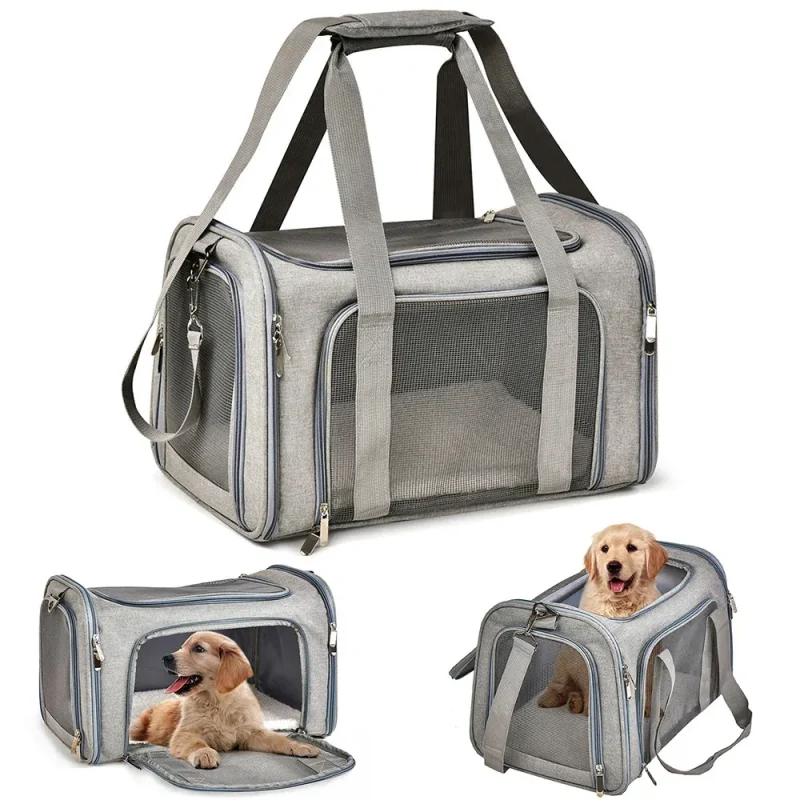
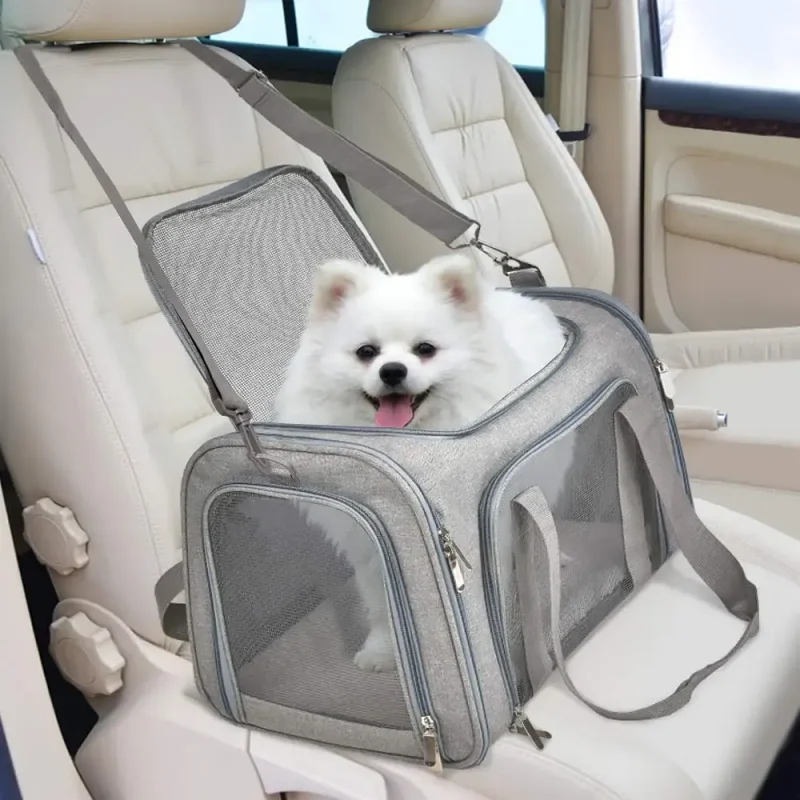
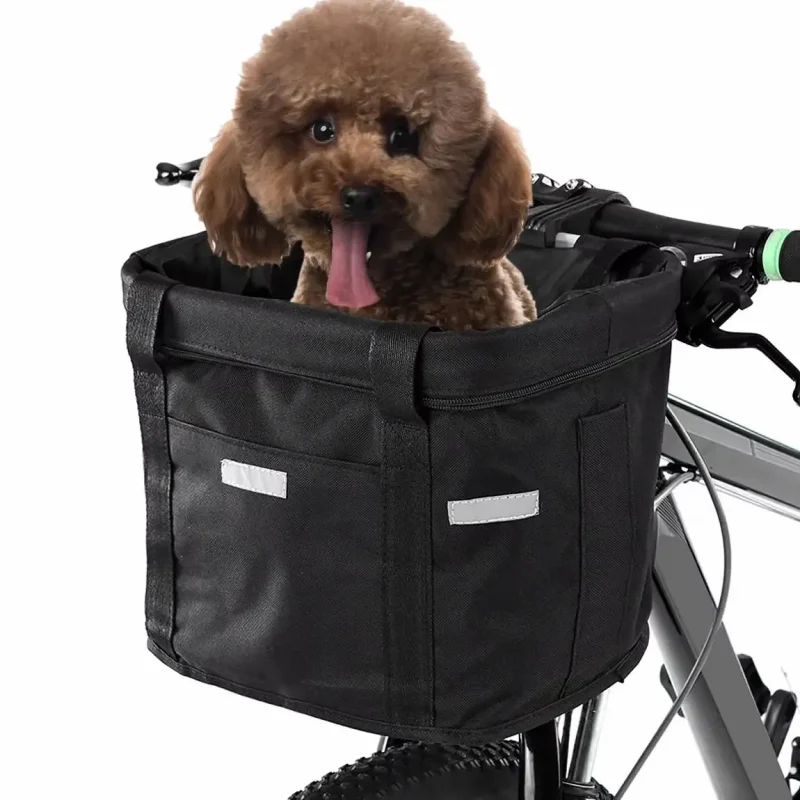
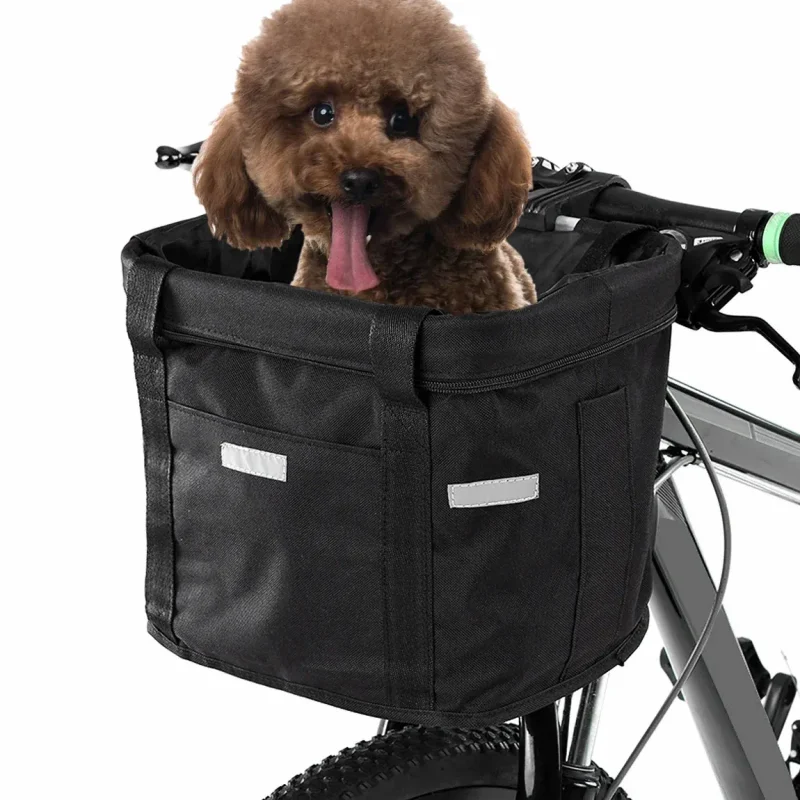
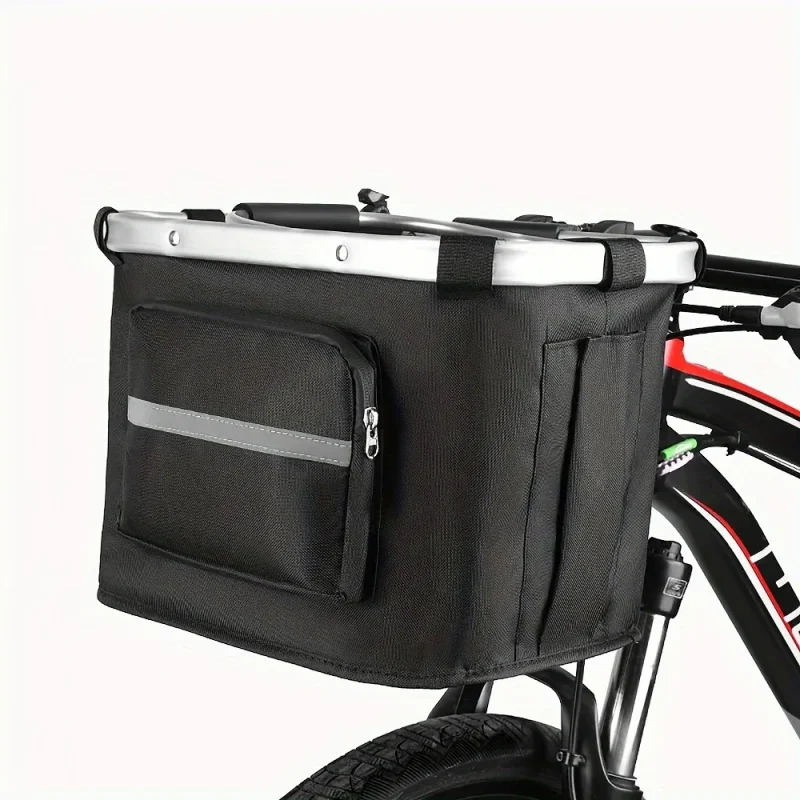
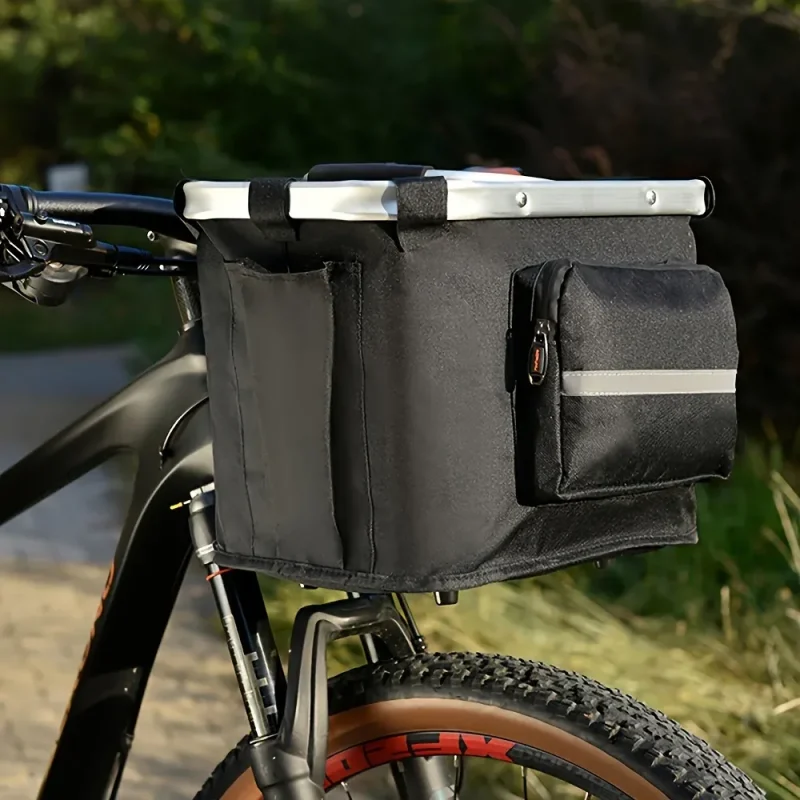
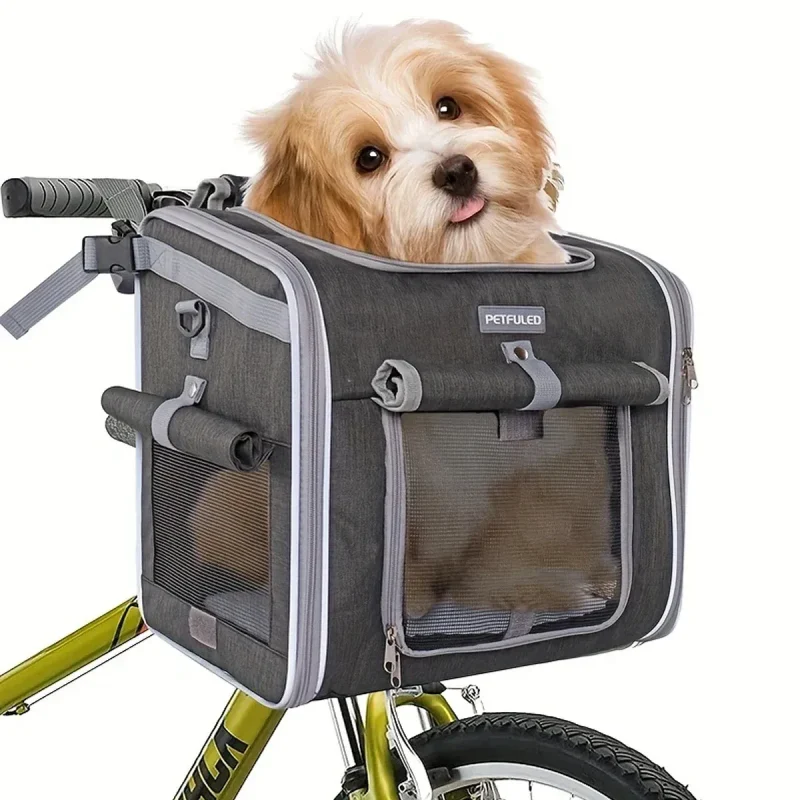
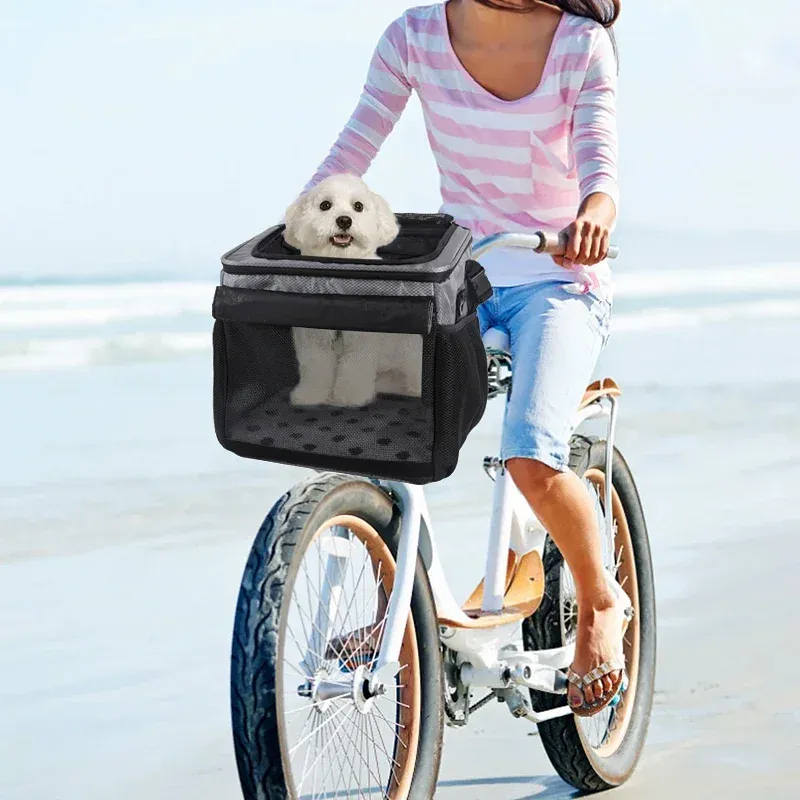
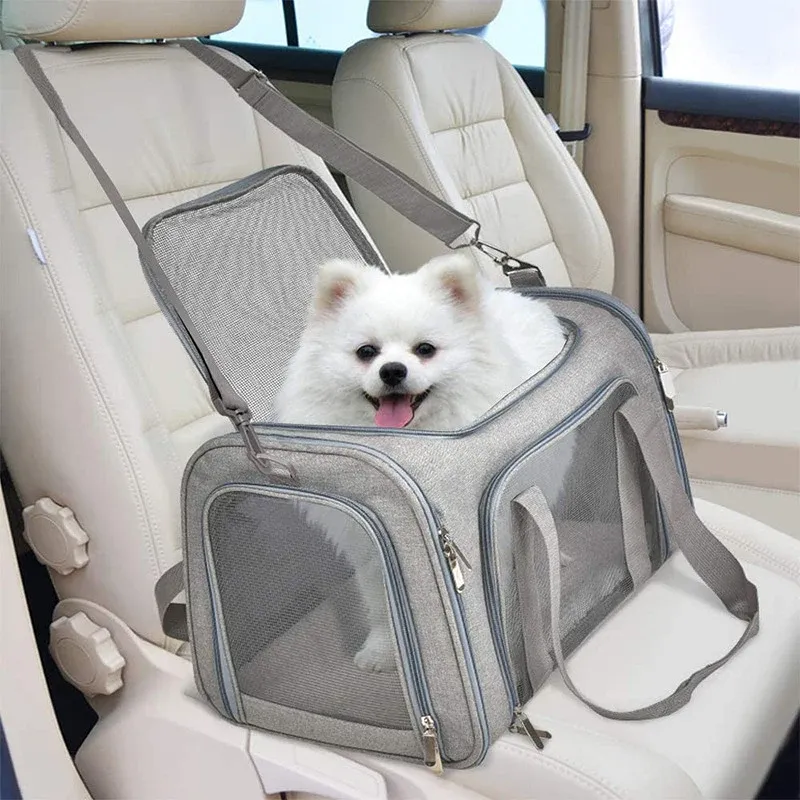
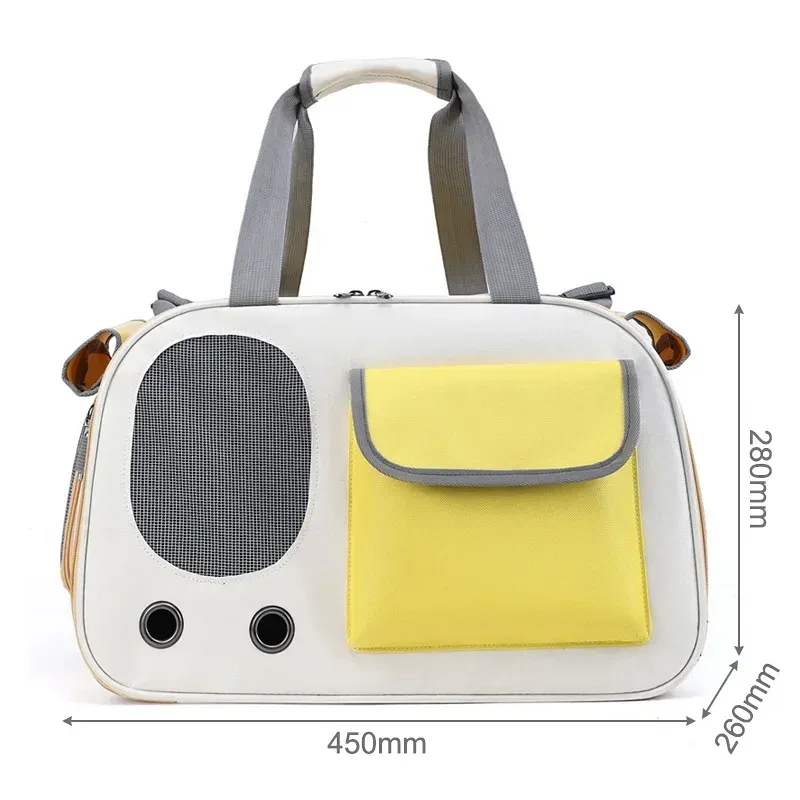
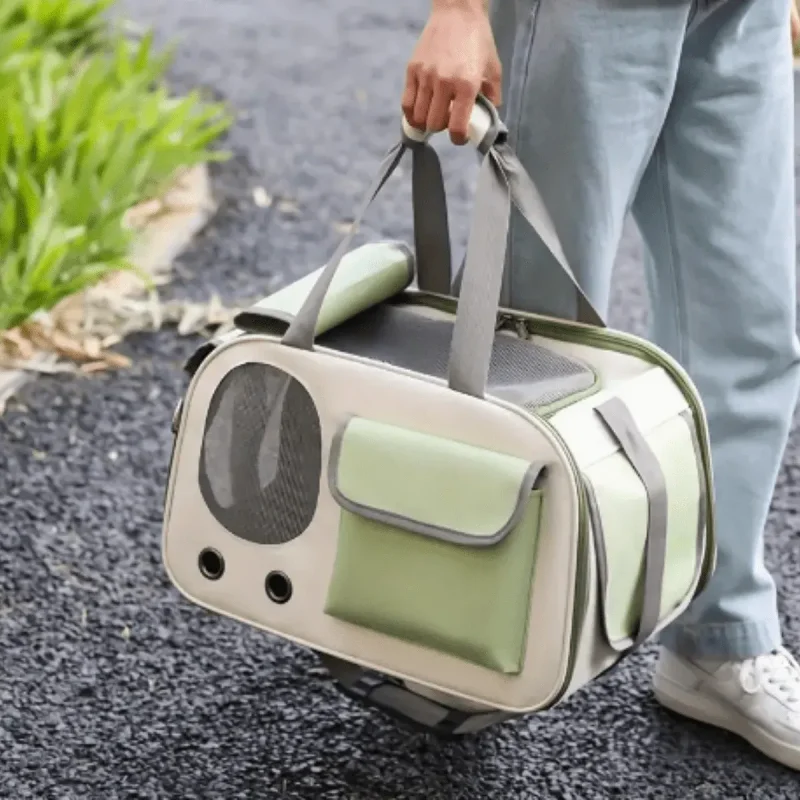
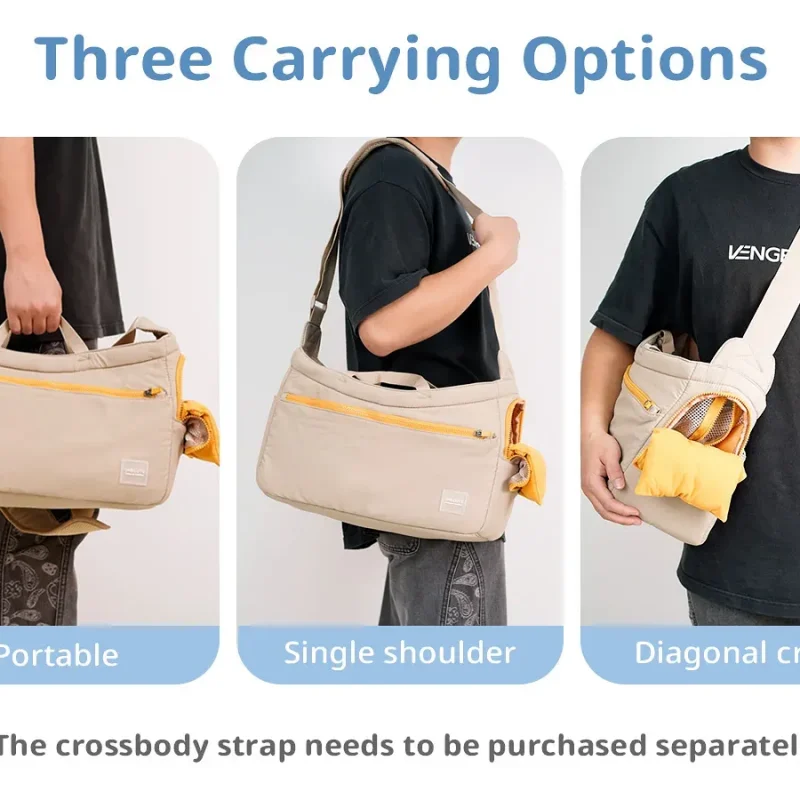
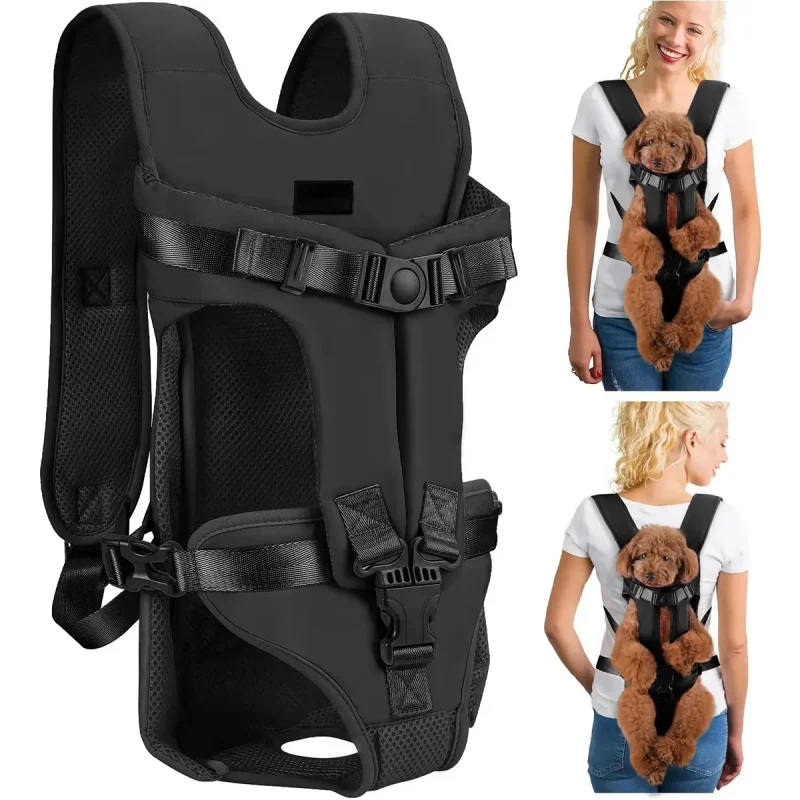
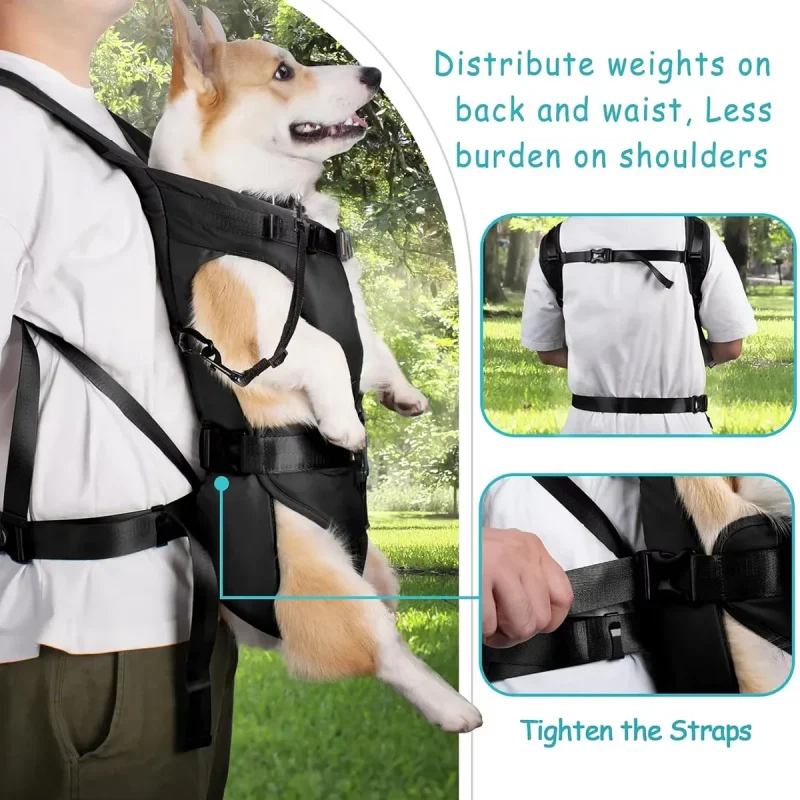
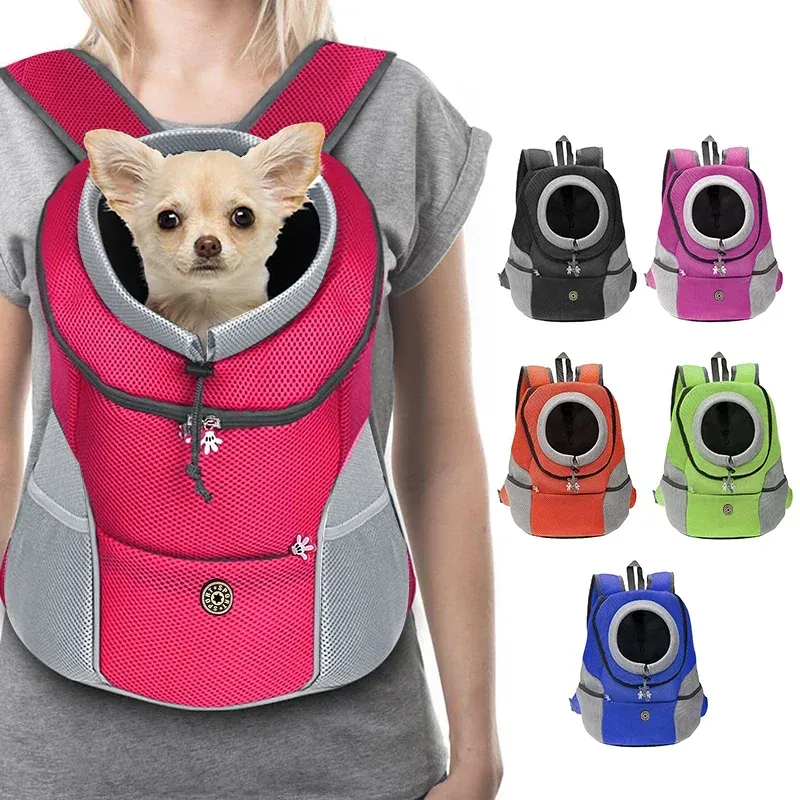
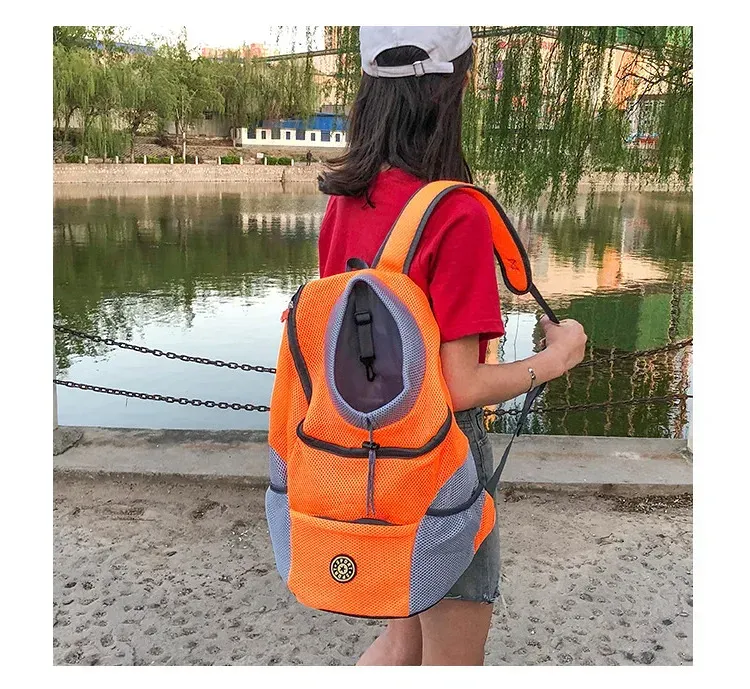
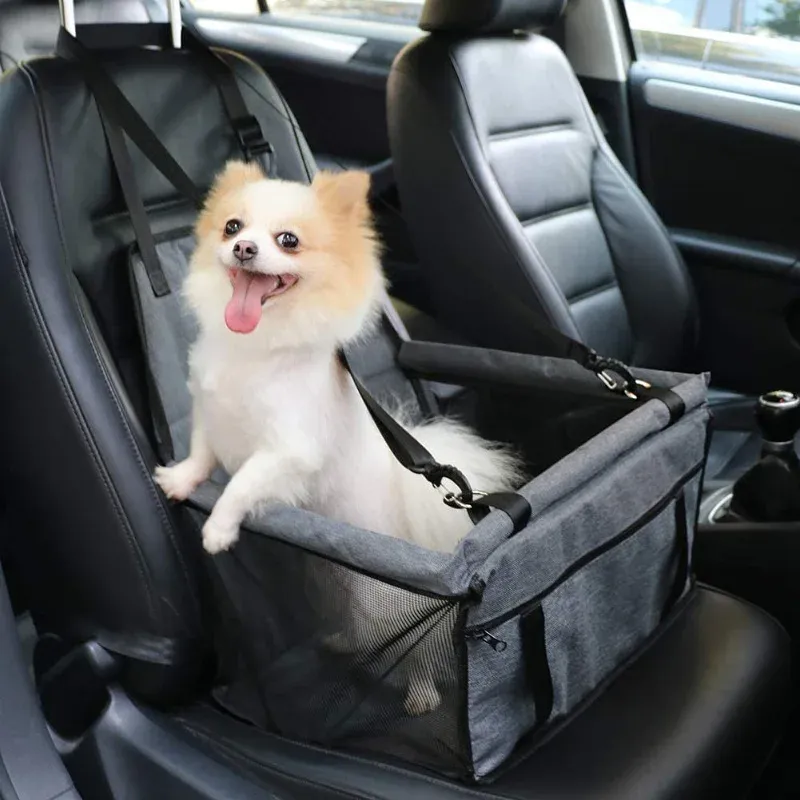
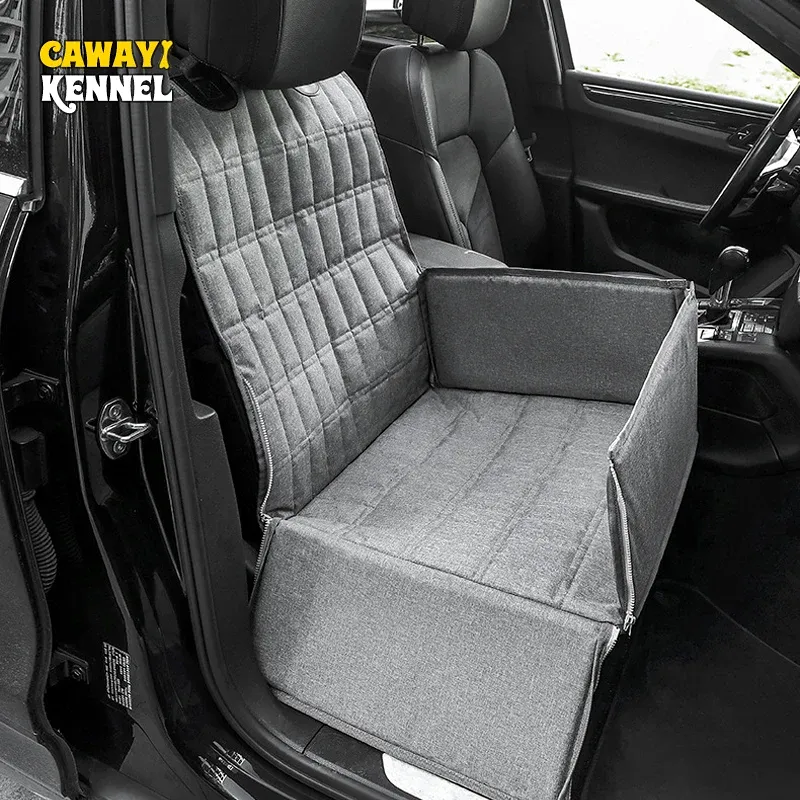
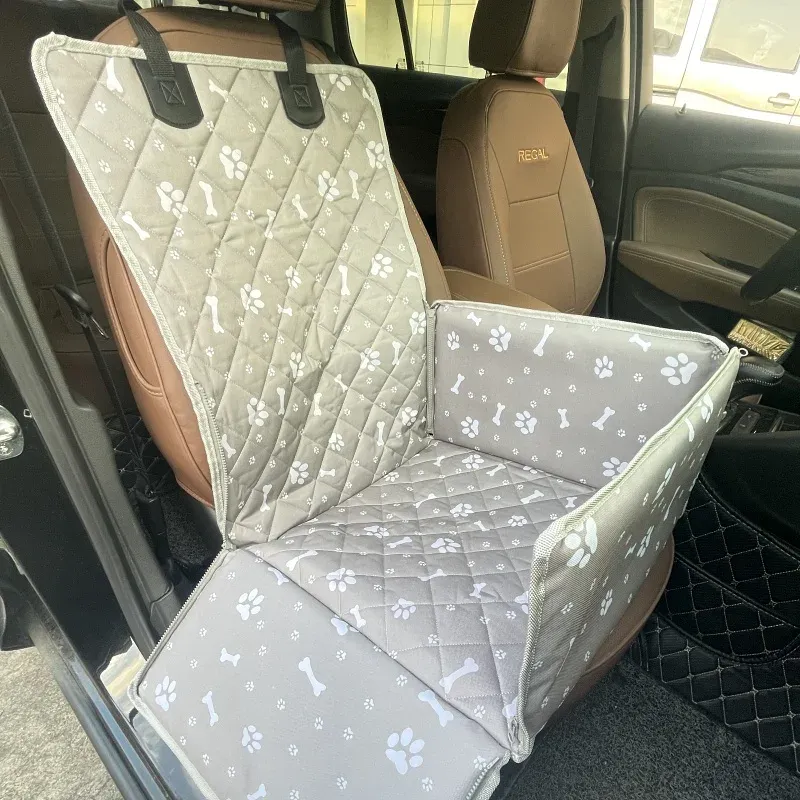
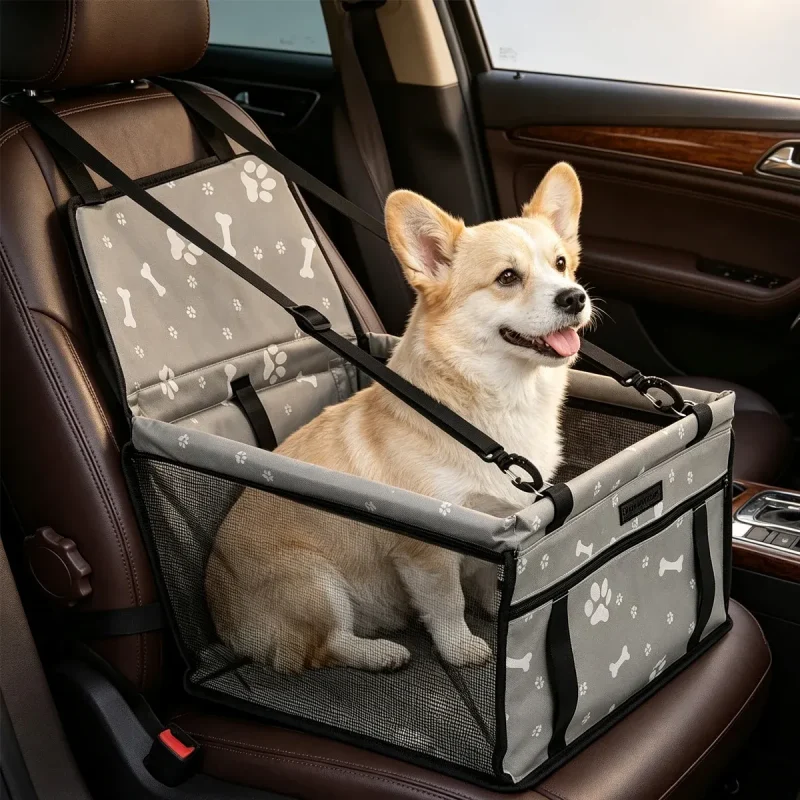
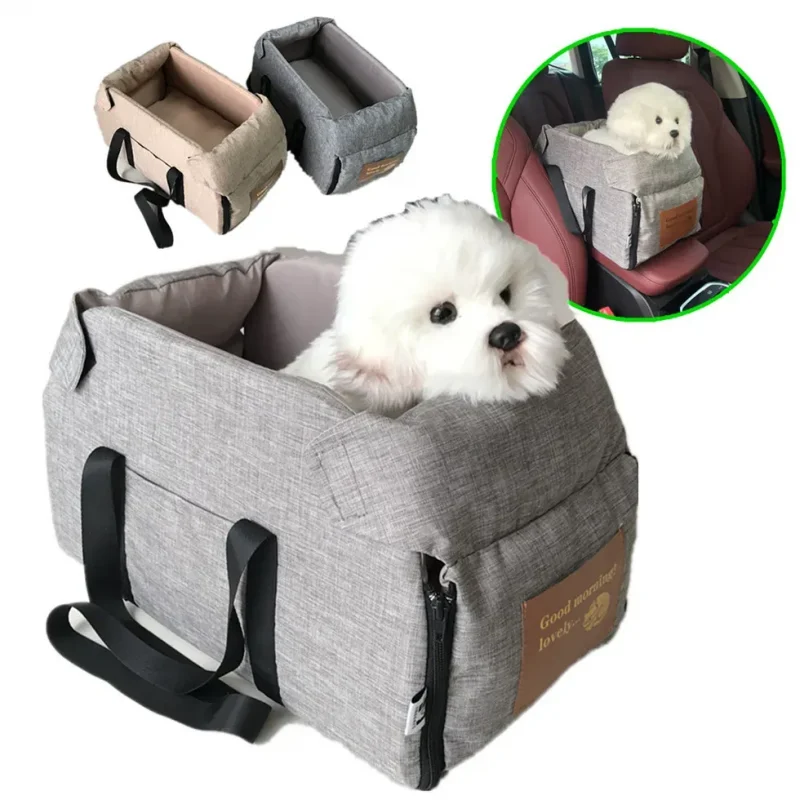
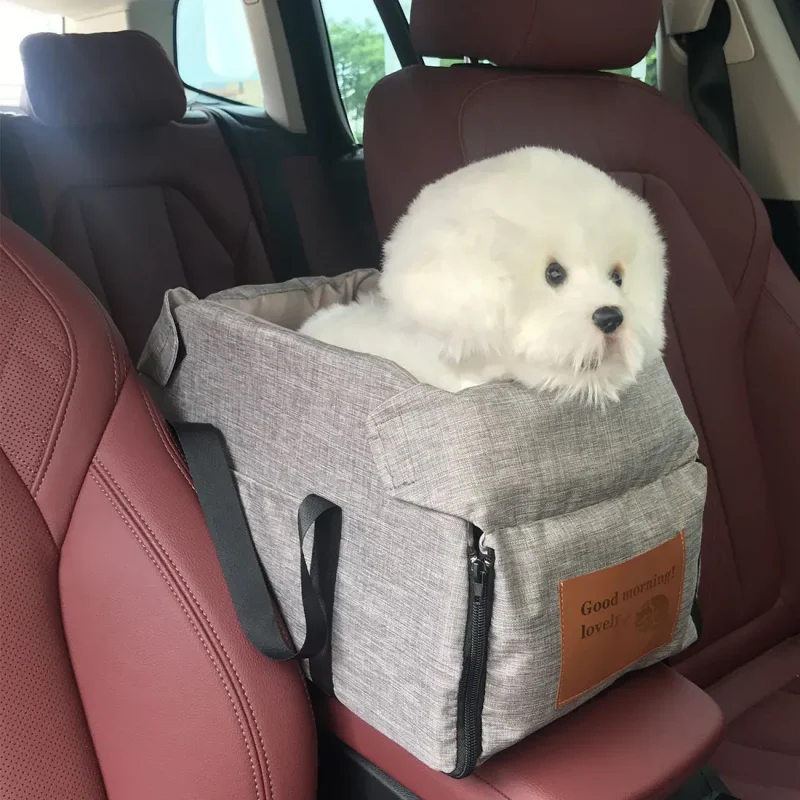
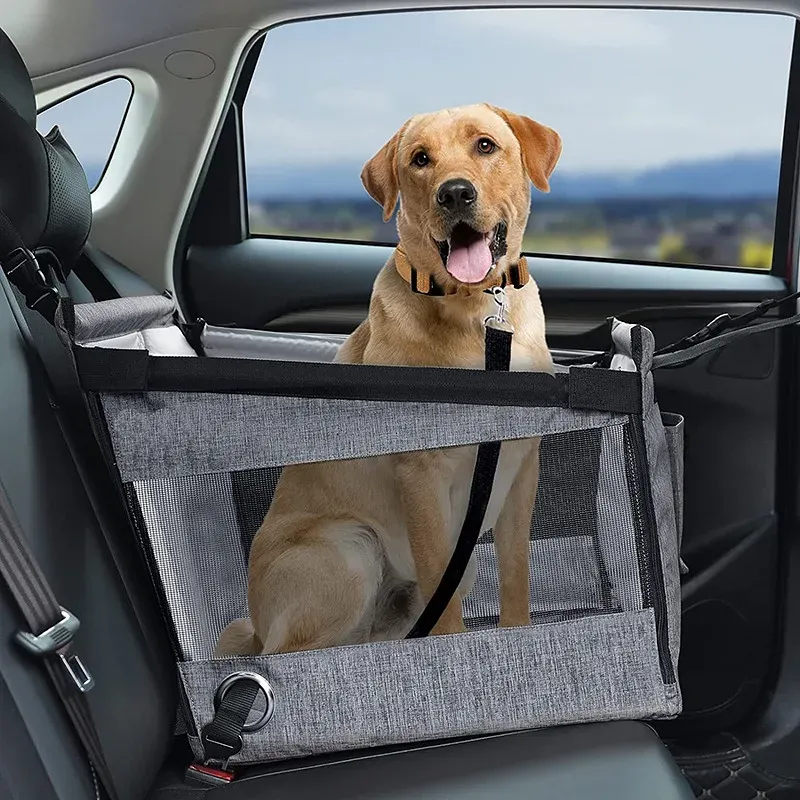
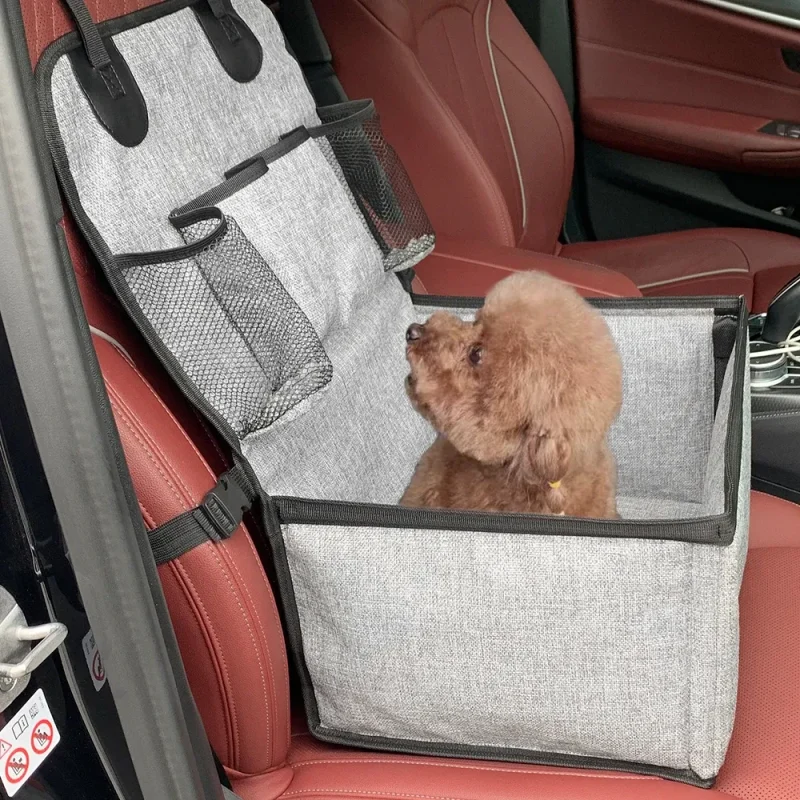
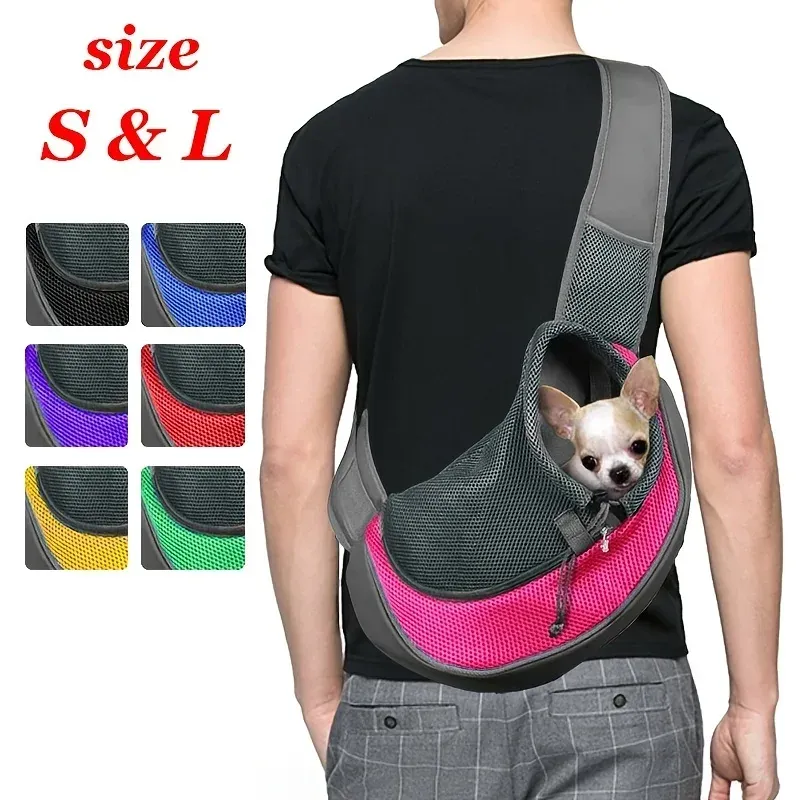
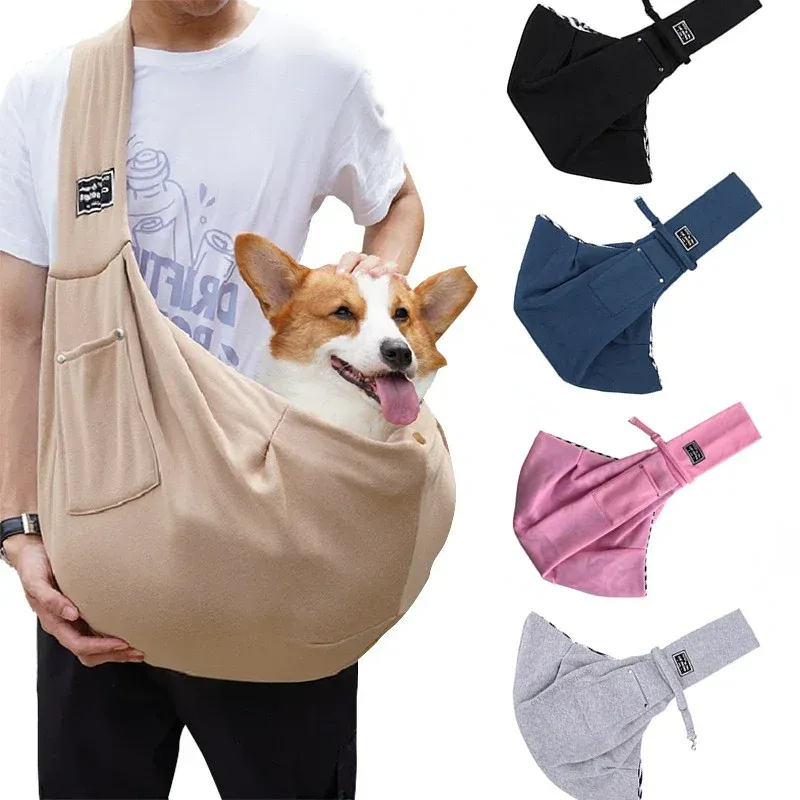
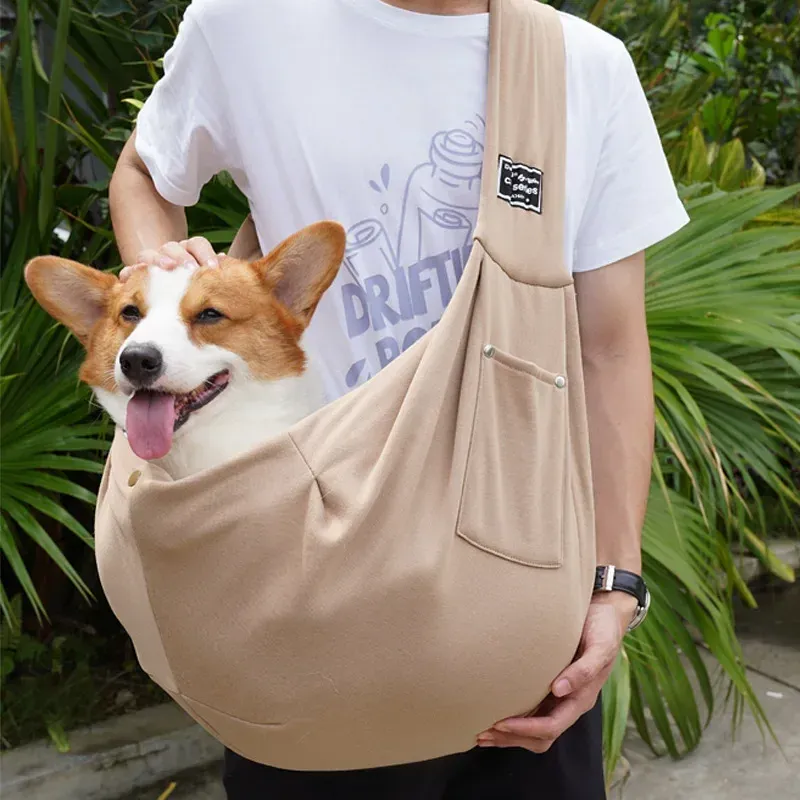
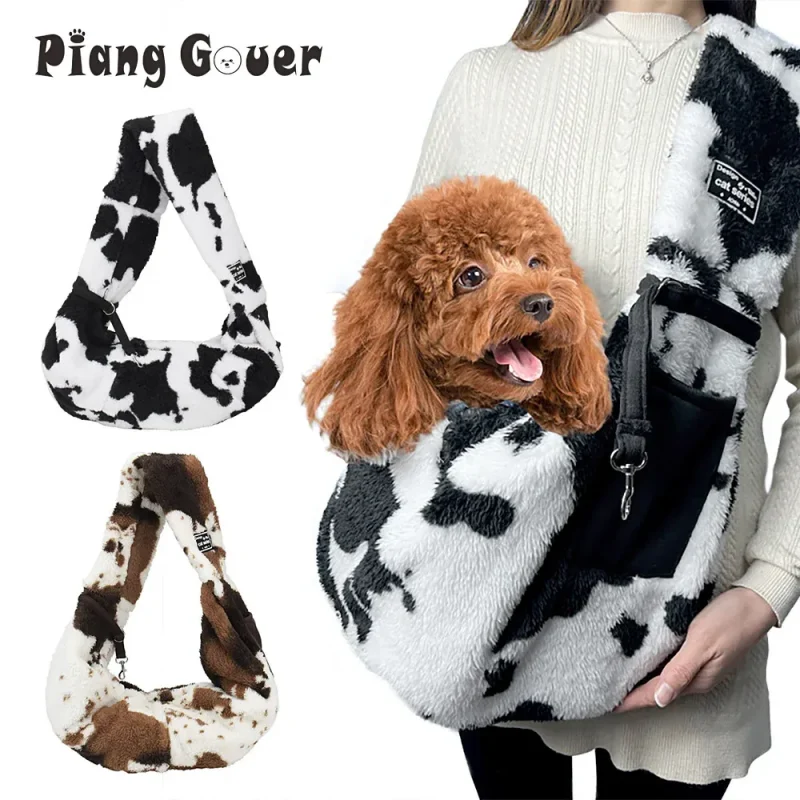
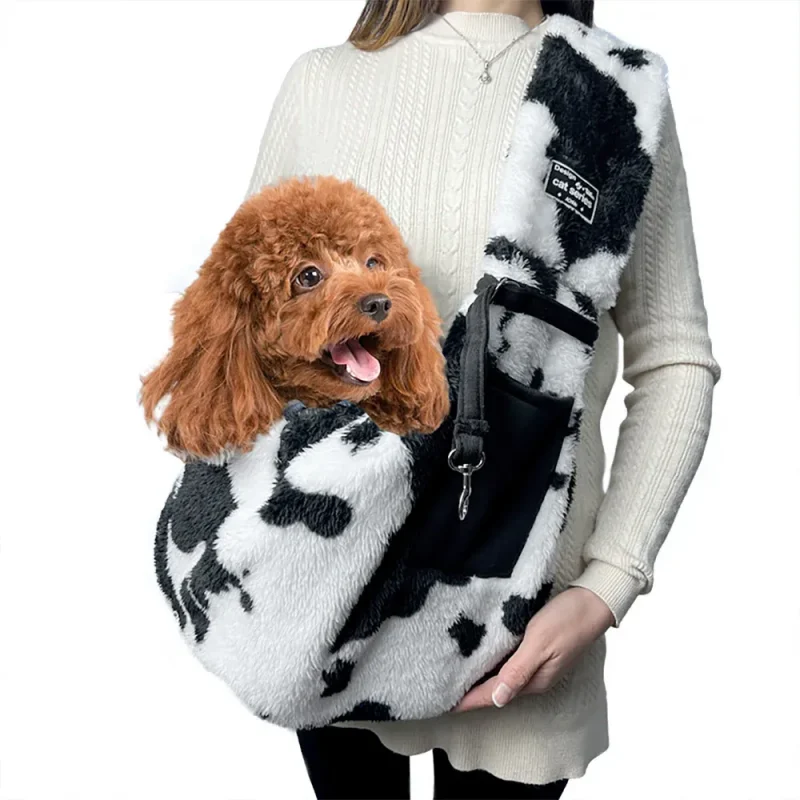
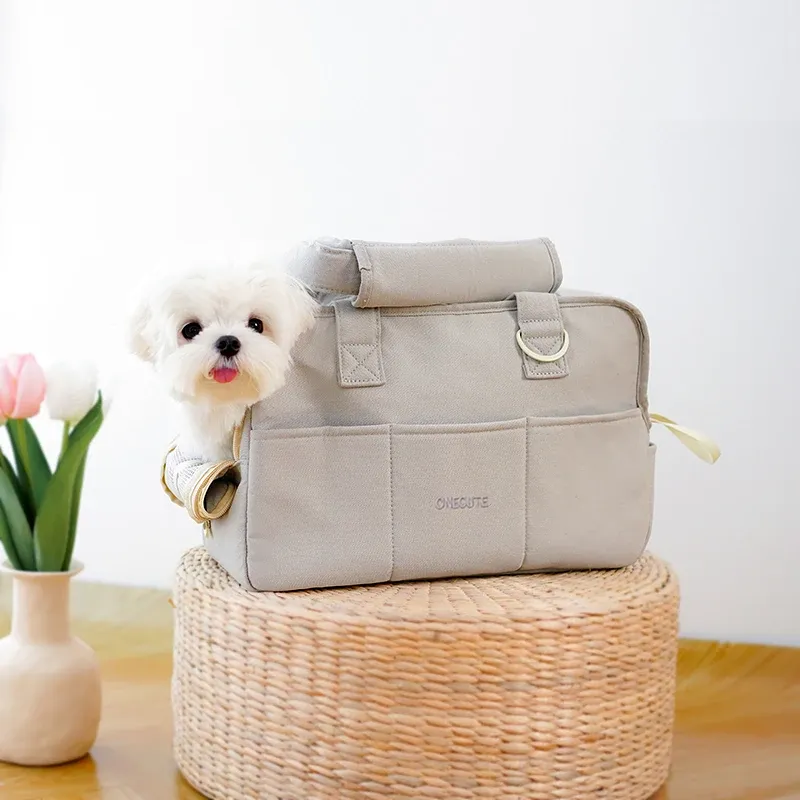
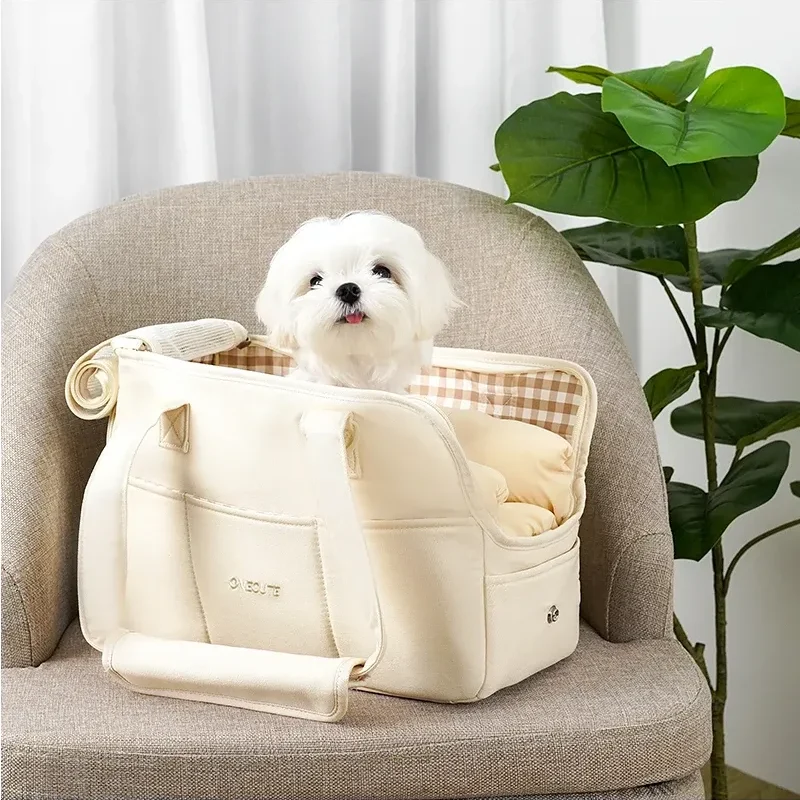
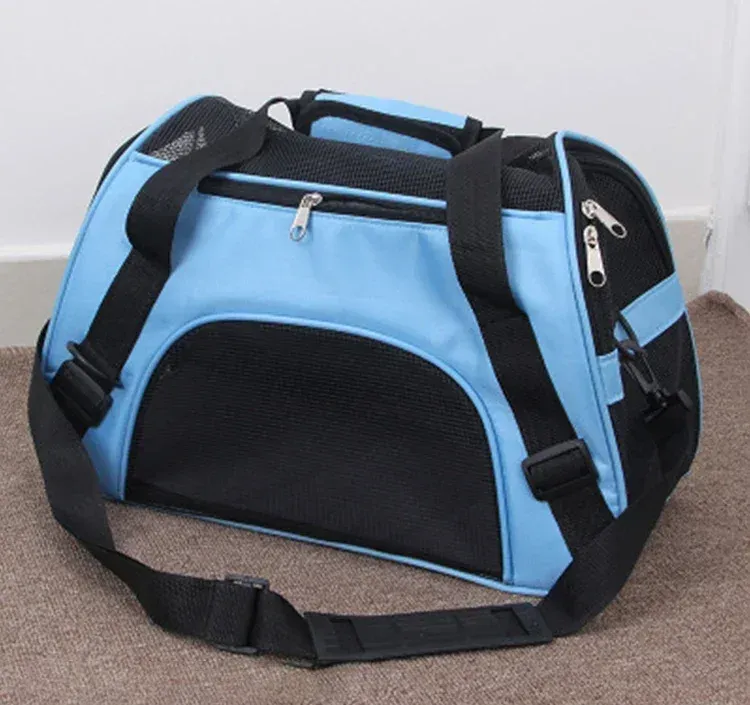
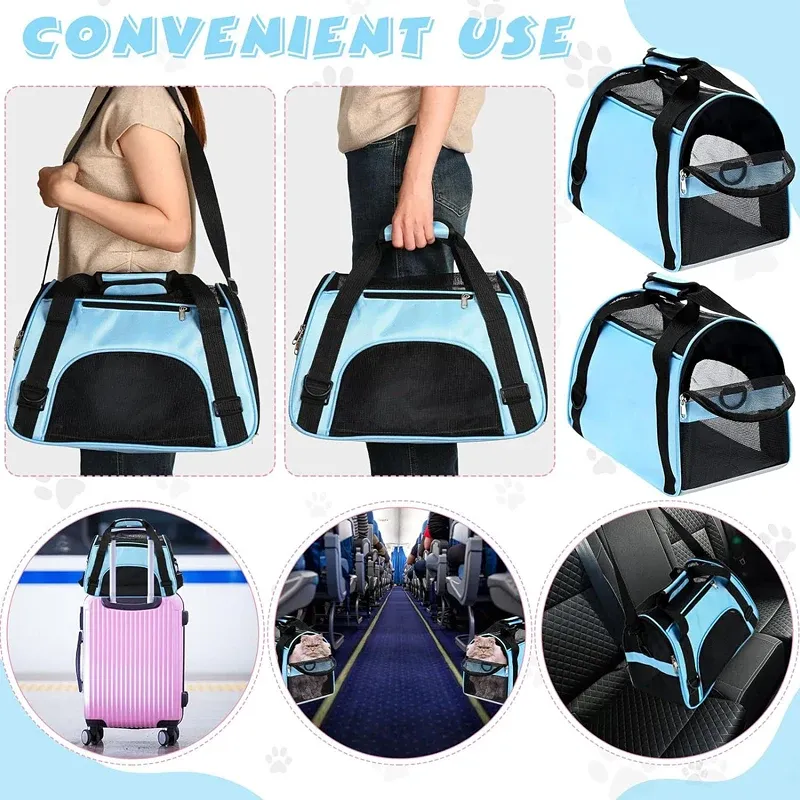
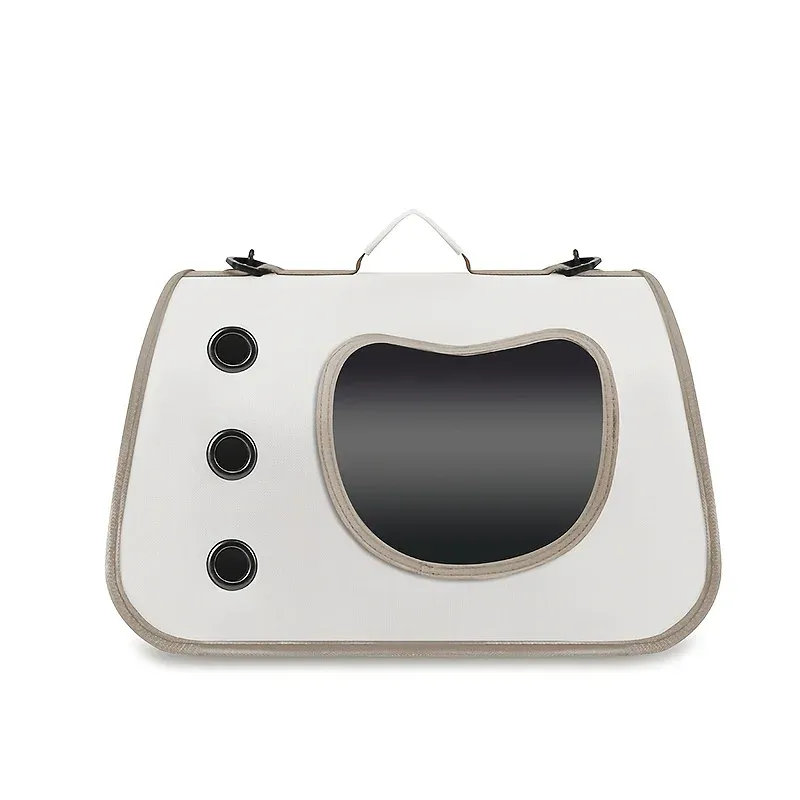
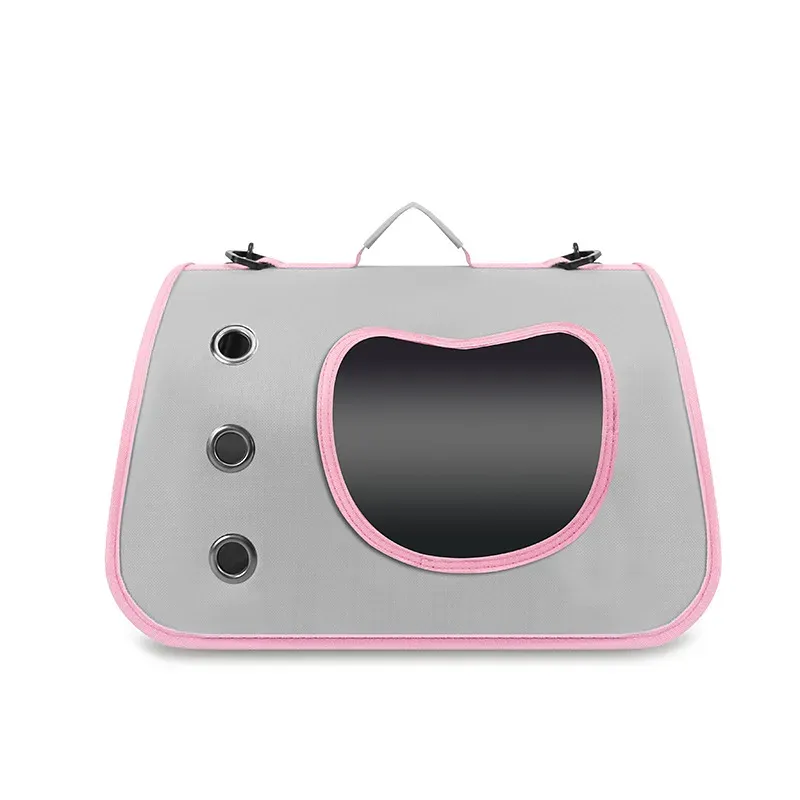
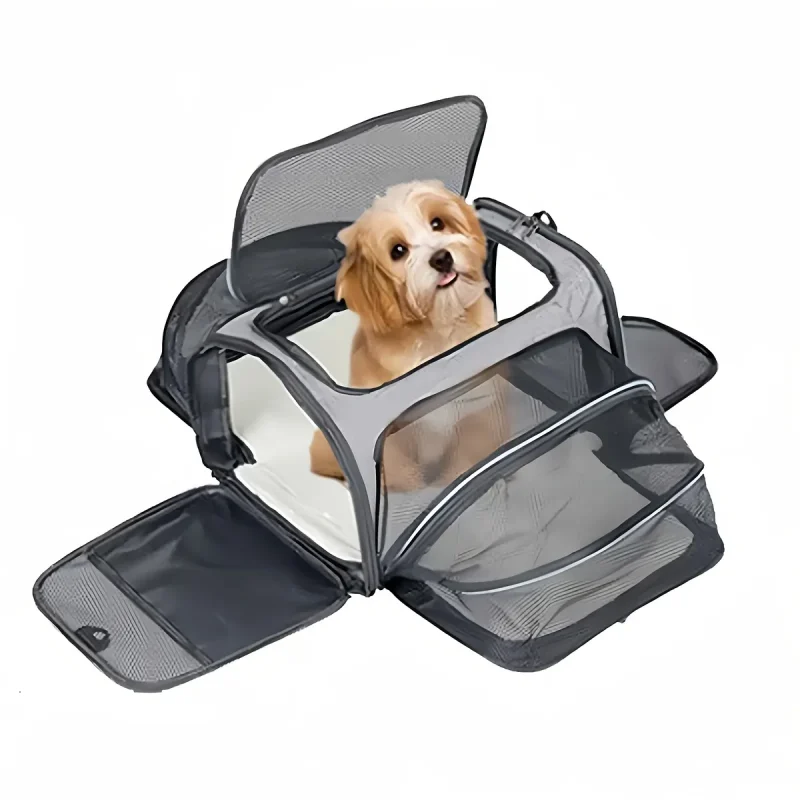
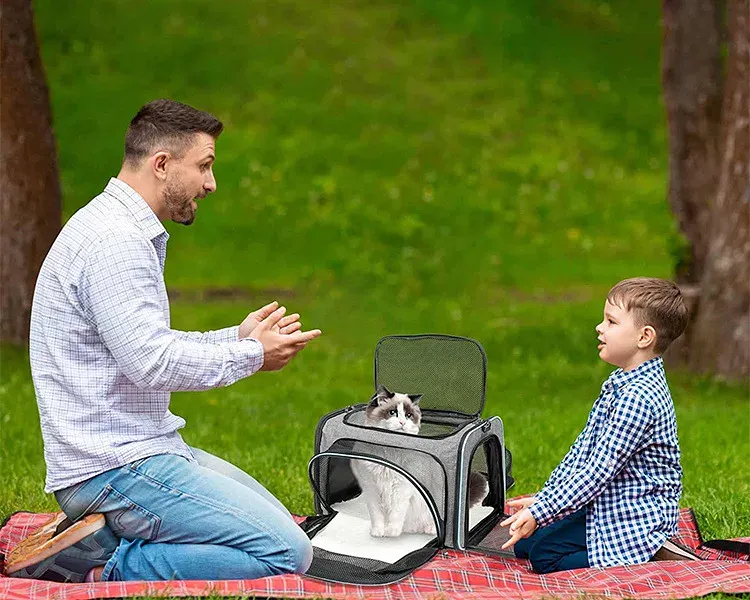
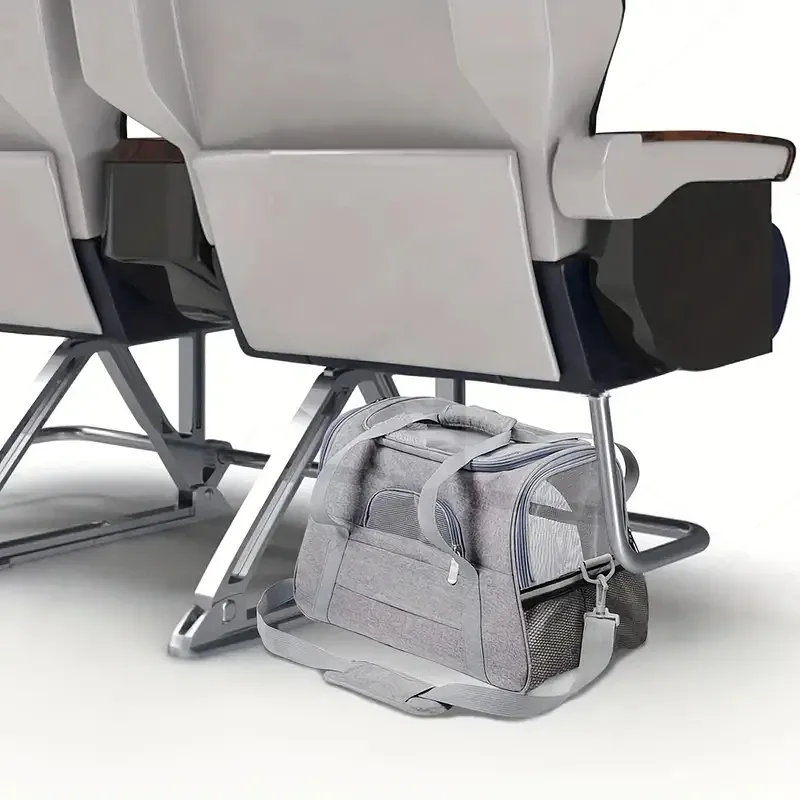
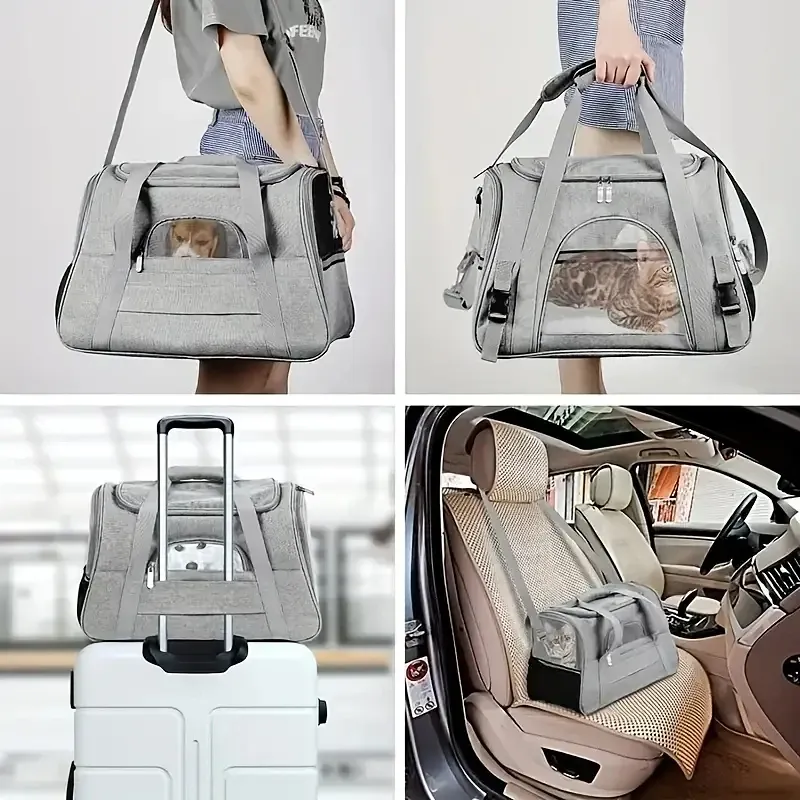
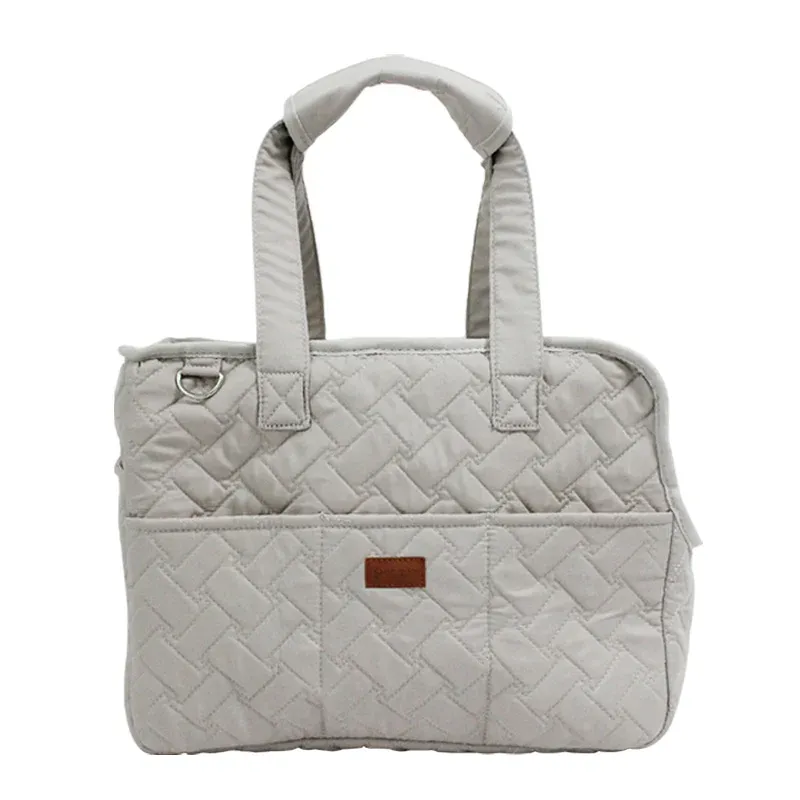
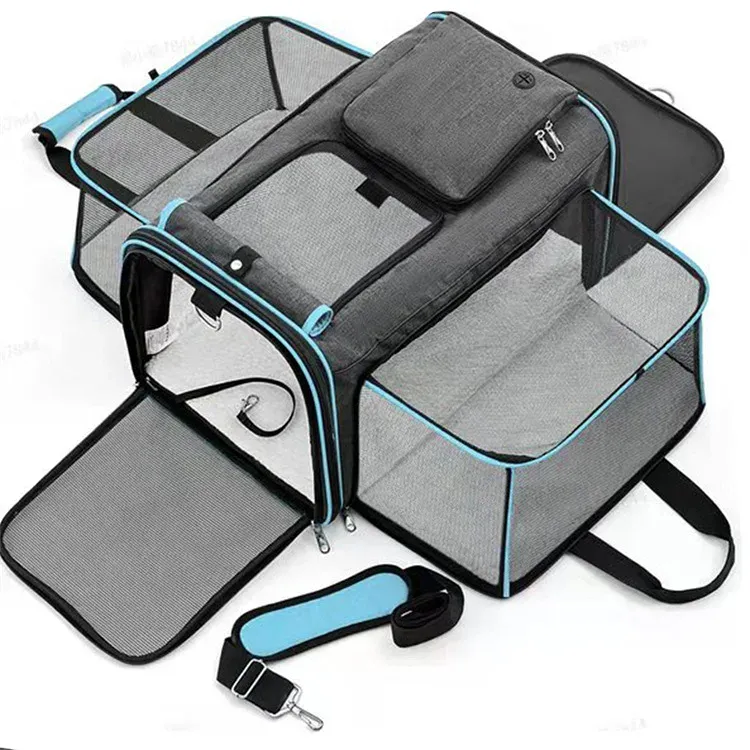
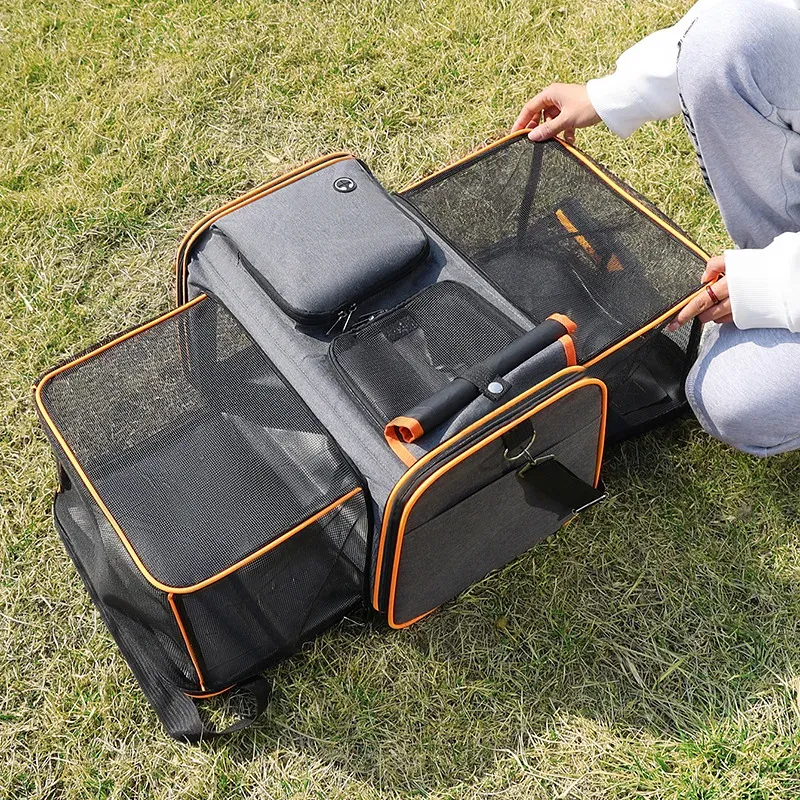
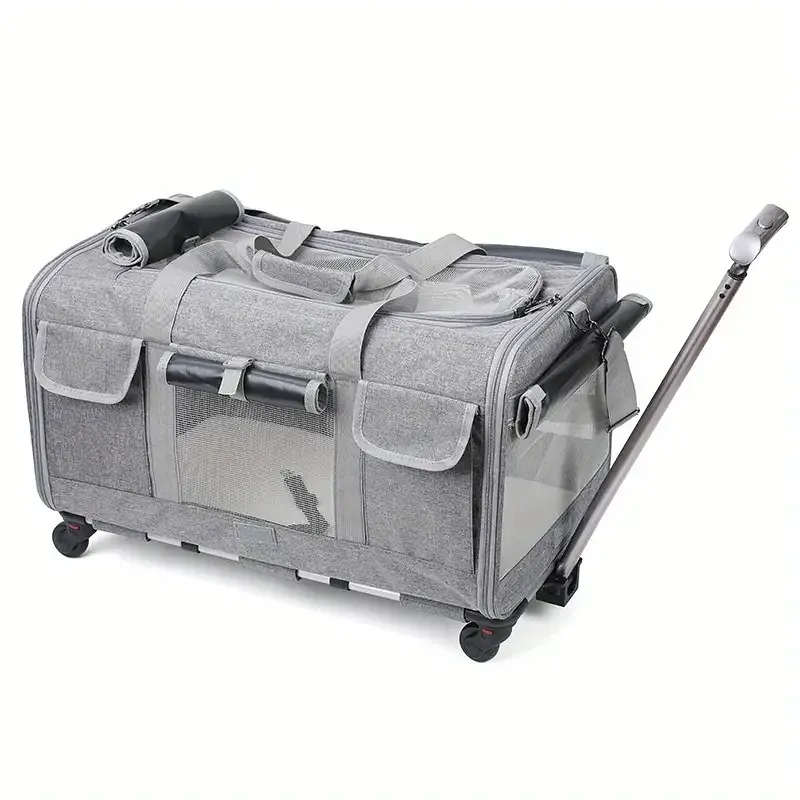
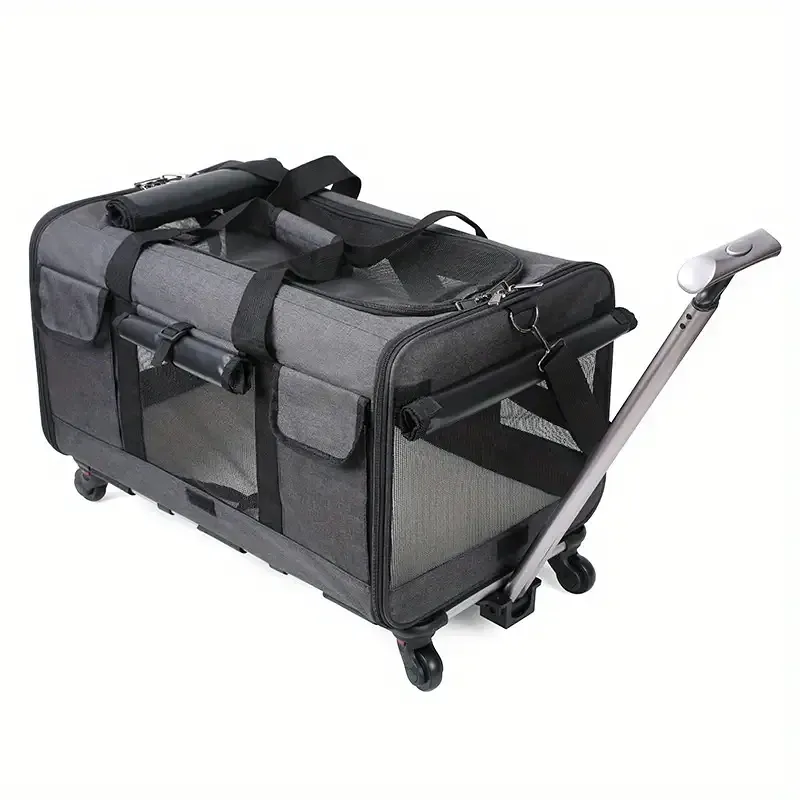
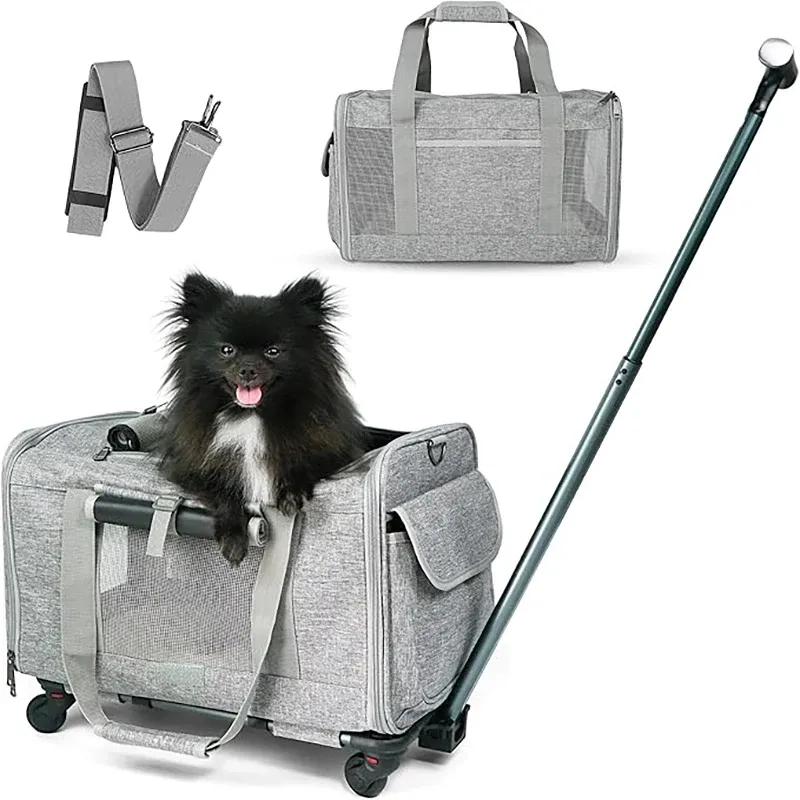
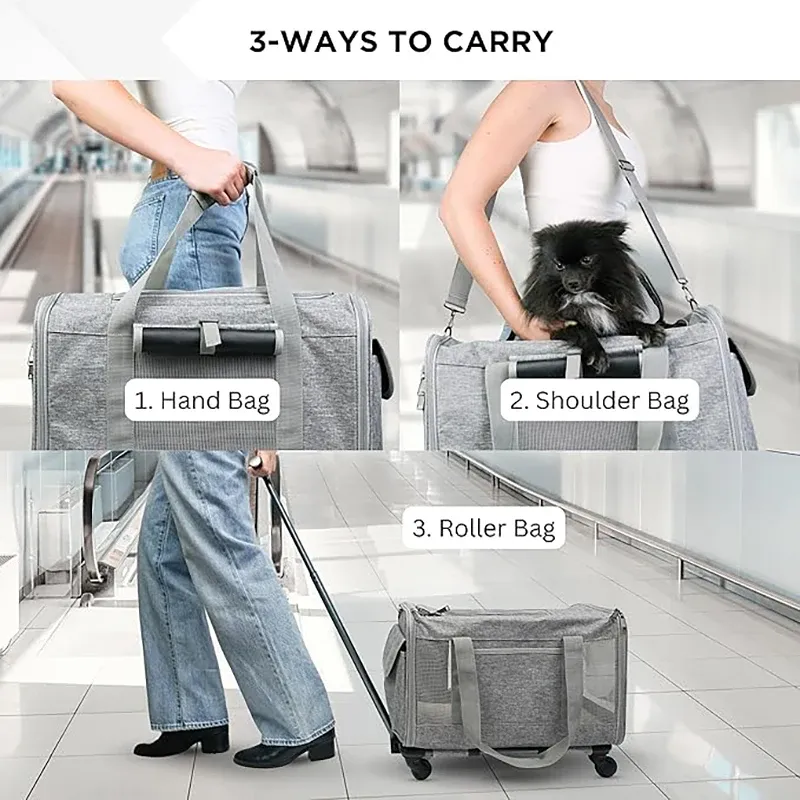
Cabin-Size Soft-Sided Dog Carrier with Mesh Windows
By
4.8139
$60.99$67.99
New Customers Only: Extra 10% OFF with code WELCOME10
Home / Shop / Pet Recovery & Mobility Aids



Nothing matches the current filters. Widen the price range or clear a filter to see the shop again.
When a dog is recovering from surgery, living with arthritis, or simply getting older, small things become hard: climbing the step into the garden, standing up from a slippery floor, getting into the car. Mobility aids help your dog keep moving safely, and recovery kit helps you care for them at home the way your vet intended. This section covers lift harnesses, knee and hock supports, mobility carts and wheelchairs, first aid kits, digital thermometers and feeding and medicine syringes, and this guide explains what each one does, how to measure and fit it, and how to use it alongside your vet’s treatment plan. These products support your vet’s care; they don’t replace it. We’re adding recovery and mobility aids as they pass our checks for comfort and secure fit. For everything else, browse our dog accessories shop.
| Aid | What it does | Who it helps |
|---|---|---|
| Lift harness | Handles let you take some of your dog’s weight | Older dogs, dogs with weak back legs, after surgery |
| Knee supports | Support and stabilise the knee (stifle) | Dogs with knee problems, on your vet’s advice |
| Leg and hock supports | Support the ankle (hock) or lower leg | Dogs with hock injuries or weakness |
| Mobility cart or wheelchair | Wheels carry the back or front of the body | Dogs with paralysis or severe weakness |
| First aid kit | Supplies for minor injuries on the spot | Every dog owner, at home and travelling |
| Digital thermometer | Checks your dog’s temperature | When your dog seems unwell, or as your vet asks |
| Feeding and medicine syringes | Give liquid medicine or soft food accurately | Dogs on liquid medicines or special diets |
Dogs rarely cry out with ongoing pain. Instead, they quietly change how they move. Watch for:
These signs are worth a vet visit. Arthritis and other joint problems can often be managed well, and the earlier they’re treated, the more comfortable your dog stays.
A lift harness lets you support your dog’s weight with one or two handles, so they can get up, climb steps, get into the car and go to the toilet without straining.
Supports and braces can add stability to a weak or injured joint, and some vets recommend them alongside treatment or during rehabilitation.
A well-fitted cart can give a dog with paralysis or severe weakness their independence back, letting them walk, sniff and go to the toilet outside.
Your vet or a veterinary physiotherapist can help you decide whether a cart is right and check the fit.
A first aid kit lets you deal with minor injuries and keep a more serious one clean and protected until you reach the vet. Keep one at home and one in the car with your other dog travel accessories. A typical kit includes:
First aid is only the first step. Always contact your vet after anything more than a very minor injury.
A digital thermometer gives a quick, accurate reading when your dog seems unwell, and your vet may ask for it.
A normal temperature for an adult dog is around 38.3 to 39.2°C (101 to 102.5°F). Call your vet if your dog’s temperature is outside this range, especially together with other signs of illness. For everyday care such as dental kit and recovery collars, see our pet health products.
After an operation or injury, a structured rehabilitation plan can help a dog regain strength faster. Veterinary physiotherapists and hydrotherapists use controlled exercises, underwater treadmills and massage, and can show you exercises to do at home. Ask your vet for a referral. Mobility aids work best as part of that plan: a lift harness for the early days, then gradually less support as your dog gets stronger.
Supports can help some dogs with knee problems, usually alongside other treatment. Your vet or a veterinary physiotherapist can tell you whether one is right for your dog and how long to use it.
Around 38.3 to 39.2°C (101 to 102.5°F) for an adult dog. Call your vet if it’s higher or lower.
Dressings and bandages, saline, scissors, tweezers, a tick remover, gloves, a foil blanket, a temporary muzzle and your vet’s number.
When your dog struggles to stand, climb steps or get into the car, or after surgery when your vet has asked you to support them. Use only as much support as they need, so they keep using their own muscles.
With the right cart, a good fit and their condition well managed, dogs can stay active and enjoy walks. Your vet can help you judge whether a cart suits your dog’s condition.
We sell gear for dogs only, and every recovery and mobility aid we list has to pass the same checks: it supports the dog’s body without rubbing, it’s easy for you to fit and use, and it comes with clear sizing. We don’t make medical claims, and we always point you back to your vet for decisions about treatment. Each product page gives a size chart in centimetres with inches in brackets. Orders over $79 ship free with tracking. Not sure which size fits? Email [email protected] with your dog’s measurements, and a real person will help.
Help your dog keep moving safely, and find the support they need at TAILOVO.